
Open letter: Ten years since Belo Monte
BELO MONTE: TEN YEARS OF OPERATION, MORE THAN A DECADE OF UNREPAIRED DAMAGE
On May 5, 2016, the first turbine of Belo Monte began operating on the Xingu River. Ten years later, the Indigenous, riverine, and artisanal fishing communities along the middle Xingu River—who were never properly consulted—continue to suffer systematic violations of their rights. The balance of this decade is not one of development; it is one of documented harm and denied reparation.
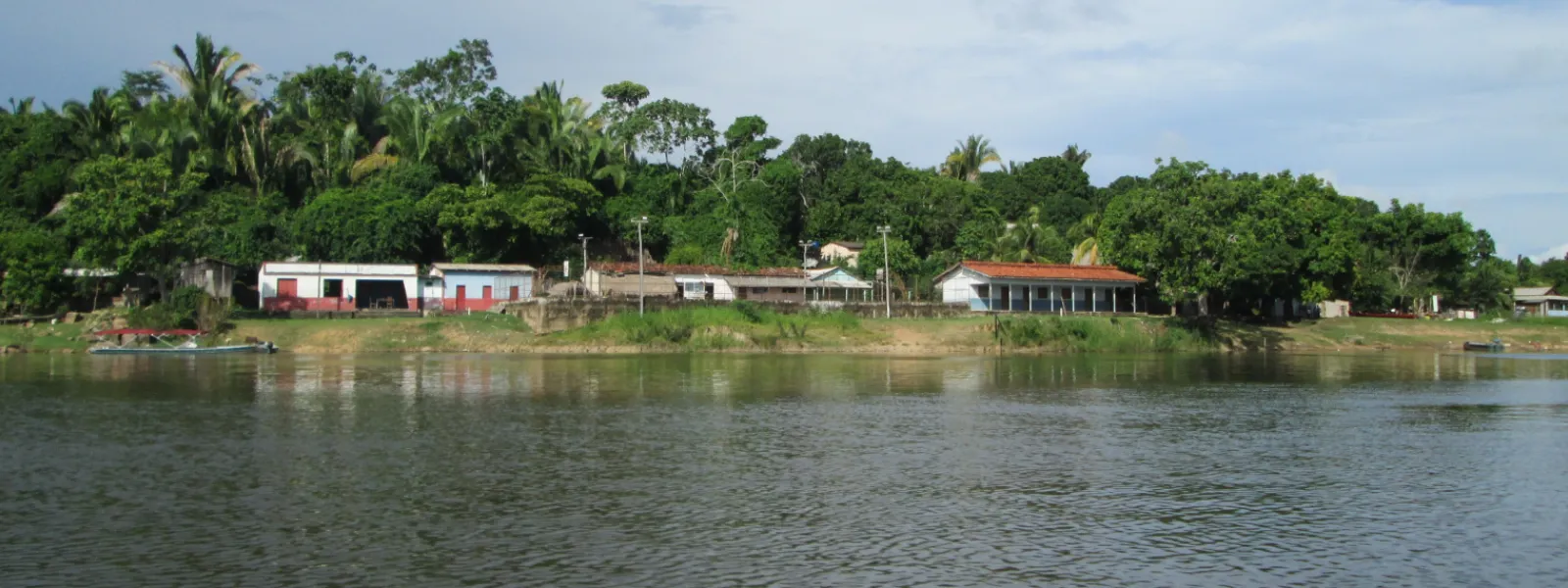
The impacts are concrete and persistent. More than 100 kilometers of the Volta Grande do Xingu have lost their natural flow. The operational hydrograph imposed by the plant does not guarantee the minimum ecological conditions necessary for the reproduction of aquatic life, causing the collapse of artisanal fishing and severe food insecurity for populations that depend on the river as their main source of food and income. The loss of access to the river also entails a loss of culture, territory, and rights.
Isolated and recently contacted Indigenous peoples present in the region face heightened risks, as their survival depends directly on the environmental and territorial integrity of the Xingu River. This context imposes an enhanced duty of protection on the State, in accordance with constitutional and international standards.
The climate crisis exacerbates each of these violations. The extreme droughts that struck the Amazon in 2016, 2019, 2020, 2023, and 2024 worsened existing impacts and exposed the project’s structural fragility. The Inter-American Court of Human Rights (IACtHR), in Advisory Opinion 32/25, recognized that ecosystems such as the Amazon are critical to climate stability and that States have an obligation to act with enhanced due diligence to prevent serious and irreversible damage to these territories and to the communities that depend on them.
Since 2011, the case has been under consideration before the IACHR and is awaiting an admissibility and merits report. The evidentiary record is complete. The violations are documented, continuous, and unrepaired. The passage of time is not neutral — each lost piracema (the seasonal spawning cycle on which fishing communities depend), each family displaced from the river, each new threat to the region adds to a human cost that is real, growing, and inexcusable.
For their part, the riverine and Indigenous communities of the region, both in the Volta Grande do Xingu and its surrounding areas, have not stood idly by. While they fight for full reparation, they work toward the establishment of riverine territory and the expulsion of intruders from Indigenous lands; they organize environmental and territorial monitoring of the river, document impacts, and resist each new threat to their territory. This documentation is not advocacy — it is evidence. It forms part of the legal record and unequivocally demonstrates the continuity of the violations.
These are ten years of operation and more than fifteen years of documented violations. We expect the case to be admitted by the Commission and submitted to the IACtHR without delay and that, in an act of justice, it recognize the responsibility of the Brazilian State and require the adoption of an ecological hydrograph that guarantees minimum conditions for the reproduction of life in the Volta Grande do Xingu; the establishment of riverine territory; full reparation for affected communities; the suspension of new high-impact projects in the region while existing damages are not remedied; and the ordering of effective guarantees of non-repetition. The communities of the Volta Grande do Xingu have waited long enough.
Signed by the petitioners:
Interamerican Association for Environmental Defense (AIDA); Indigenous Missionary Council (CIMI); Coordination of Indigenous Organizations of the Brazilian Amazon (COIAB); Diocese of Altamira; Justiça Global; Xingu Vivo Para Sempre Movement; Observatory of Isolated Indigenous Peoples (OPI); and the Pará Society for the Defense of Human Rights (SDDH).