
Historic High Seas Treaty enters into force, launching a new era of global ocean governance
Volker Lekies / Pixabay
New York. Today the High Seas Treaty, formally the Agreement on the Conservation and Sustainable Use of Marine Biological Diversity of Areas Beyond National Jurisdiction (BBNJ), has officially entered into force, marking a historic milestone for global ocean protection and multilateral cooperation.
Covering nearly half the planet, the High Seas lie beyond national borders and form part of the global commons. The United Nations Treaty establishes, for the first time, a legal framework to protect biodiversity in these international waters and to ensure the benefits of their resources are shared fairly among nations.
"The entry into force of the BBNJ Agreement today stands as a monument to multilateralism and to the years of dedication, dialogue and cooperative action by countless committed people around the world. Global challenges, such as the climate and biodiversity crises, affect all of us. As such, global cooperation is not a choice, it is a necessity. This Treaty embodies hope, resolve, and a shared commitment to a brighter future for the ocean and our planet," said Singapore’s Ambassador for International Law Rena Lee, who served as President of the Treaty negotiations and was pivotal in guiding states to its successful adoption in 2023.
With entry into force, the Treaty now provides the tools to create marine protected areas (MPAs) on the High Seas, set clear obligations on how to ensure ocean resources are used sustainably, capacity building and access to technology and tools is prioritised, and mechanisms are established to ensure fair benefit-sharing. This will play a crucial role in achieving global biodiversity and climate goals, including the target to protect 30% of the ocean by 2030.
Following two decades of discussions and negotiations, the Treaty text was finalised in March 2023. Sixty country ratifications were required for it to enter into force- a milestone that was reached on 19 September 2025. Today, 120 days later, the Treaty officially becomes international law, and its first Conference of Parties (CoP), the Treaty’s decision-making body, is set to meet within a year.
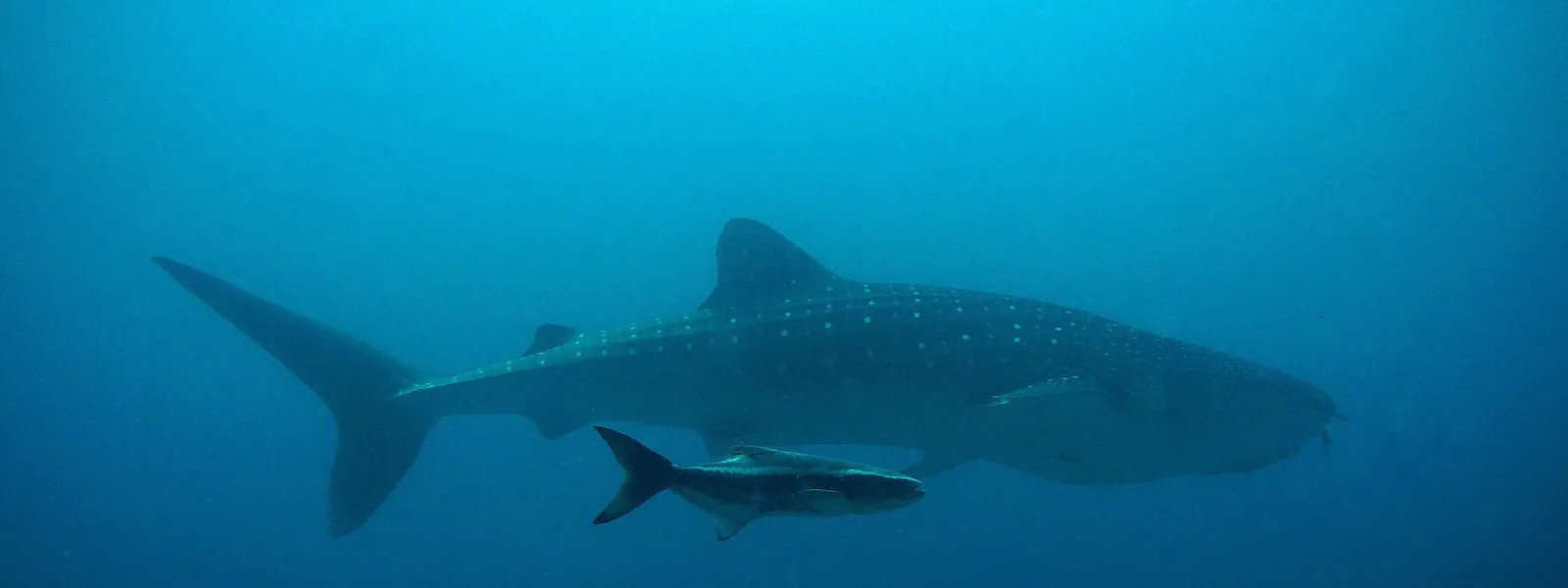
"The High Seas are full of life- from tiny plankton all the way up to the great whales that rely on them. We’re only just beginning to understand how important this vast, interconnected world is for the health of our entire planet. Whether it’s underwater mountains, deep-sea plains and trenches, the icy polar waters, or the open-ocean highways that migratory species travel, the High Seas are as vital as they are immense. With the High Seas Treaty now coming into force, we finally have the tools to safeguard this extraordinary part of our planet. Protecting it really does mean protecting our future," said Rebecca Hubbard, Director of the High Seas Alliance.
Several legal obligations apply from today. While some of them are dependent on the set up of the Treaty’s institutions and mechanisms, there are some actionable examples from day one, including any planned activity under a Party’s control that could affect the High Seas or seabed must follow the Treaty’s environmental impact assessment processes, and governments need to publicly notify such activities. Parties must also promote the Treaty’s objectives when participating in other bodies such as those that govern shipping, fisheries and seabed mining.
Ultimately the Treaty’s true power will depend on how it is collectively implemented and upheld in the years ahead. A broader membership will make it more impactful. With 82 (1) parties already on board, momentum is building and more countries are encouraged to join ahead of CoP1.
Meanwhile, the Treaty’s institutional architecture- its bodies and decision-making processes- is currently being shaped through the UN Preparatory Commission, which must deliver strong proposals for adoption at CoP1 so the Treaty can start functioning as soon as possible. Countries are also encouraged to begin identifying important High Seas sites that require protection, so proposals can be brought forward at future CoPs.
"At this halfway point of this critical decade, one of the world’s most ambitious ocean initiatives is entering a new era of systemic change in ocean governance. This reflects a renewed commitment to our ocean, its wildlife, the millions of people that rely on its health, and the global goals set for 2030. The High Seas Treaty shows us that meaningful progress is achieved through vision, perseverance and leadership. As we begin a new year, The Earthshot Prize is committed to backing this landmark Treaty and ensuring it moves beyond words to become a practical and enforceable safeguard for our remarkable blue planet," said Jason Knauf, CEO of The Earthshot Prize.
(1) As of 14 January 2026, there are 82 ratifications of the BBNJ Agreement. More states may ratify in the coming days. Please check the most up-to-date number on the UN website.
AIDA's quote
"AIDA welcomes the entry into force of the High Seas Treaty, a landmark achievement for global ocean governance and protection. The Agreement enables progress toward the effective implementation of the principle of the common heritage of humankind and strengthens capacity building and technology transfer, key elements for ensuring equitable participation across all regions, particularly in Latin America. AIDA will continue to support the Treaty’s implementation and global engagement, for the benefit of the ocean and the communities that depend on it". – Gladys Martínez de Lemos, Executive Director of the Interamerican Association for Environmental Defense (AIDA).
Notes to editors
- Since its founding in 2011, the High Seas Alliance, with its 70+ non-governmental members, has been working towards protecting the 50% of the planet that is the High Seas; the global ocean beyond national jurisdiction. This area includes some of the most biologically important, least protected, and most critically threatened ecosystems in the world.
- The official status of signatures and ratifications can be found on the UN website and the High Seas Alliance’s ratification tracker. Note: The number shown on the High Seas Alliance tracker reflects only the ratifications that count toward entry into force and does not include the EU’s ratification and therefore differs from the UN’s total count.
- The High Seas Alliance (HSA) sometimes uses the term “High Seas Treaty“ as a short-hand for the BBNJ Agreement. HSA acknowledges that the scope of the BBNJ Agreement encompasses all Areas beyond national jurisdiction, including the seafloor and water column. This choice of wording is intended to ease understanding for broad audiences and does not convey a prioritization among the components or principles of the BBNJ Agreement.
- In November 2025 the High Seas Treaty was announced as the winner of the prestigious Earthshot Prize in the “Revive our Oceans” category, recognizing the decades-long efforts to put in place a groundbreaking legal framework to protect marine biodiversity in international waters.
Media pack
The following folder contains the following resources:
- High Seas Treaty Q&A
- Briefing Note: Legal Implications of the Impending Entry into Force of the BBNJ Agreement
- MPA factsheet
- PrepCom factsheet
- A cost-benefit analysis of the BBNJ Agreement in the Caribbean
- Recording of the Media Briefing “A historic moment: High Seas Treaty’s entry into force” held on 13 January 2026.
- Video: Celebrating the Entry into Force of the High Seas Treaty