
TERRITORIES UNDER THREAT
LIVES AFFECTED BY THE “LITHIUM FEVER” IN ARGENTINA, BOLIVIA AND CHILE
The climate crisis —the result of decades of an unsustainable model of production and consumption, with fossil fuels as its primary driver— demands a just energy transition.
More than a shift in energy matrix, this means progressively moving toward an energy system based on sustainable sources that promotes community access to energy and respects territories, ecosystems, and human rights.
The need for a transition has spurred the exploitation of so-called "critical" or transition minerals —like lithium.
Far from being a solution, represents an expansion of extractivism that threatens vital territories across the Global South.
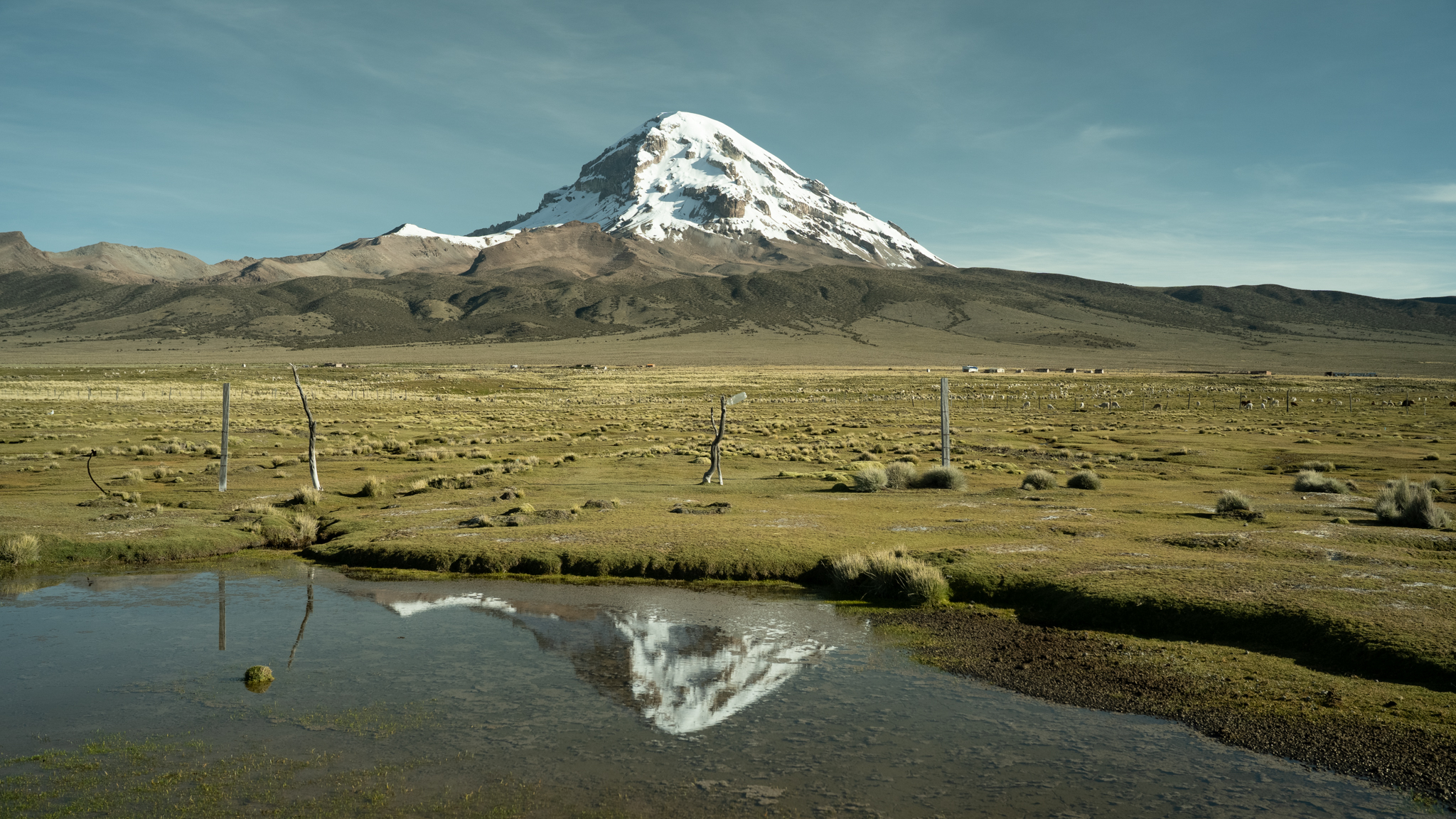
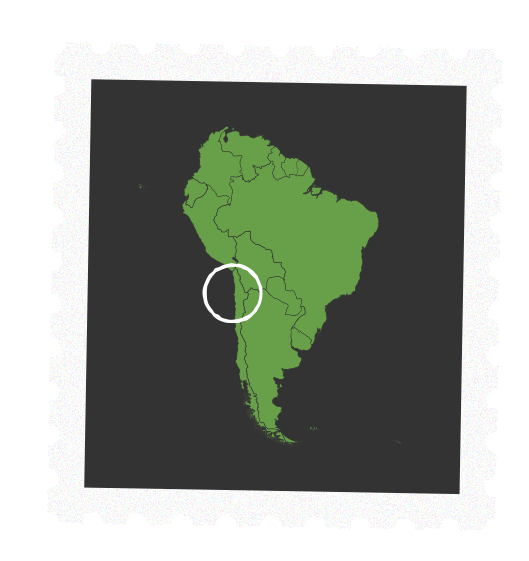
At the heart of this problem in Latin America lies the Gran Atacama region, a millennia-old complex of ecosystems on the border between Argentina, Chile, and Bolivia, rich in natural life and culture.
There, the industrial extraction of lithium and other minerals is trampling over communities, ancestral knowledge, species, and the natural balance of the area.

This platform was created to amplify the voices of communities defending their home, culture, knowledge, and ways of life from the “lithium fever.”
Scroll to learn about the shared threats and struggles.
COMMUNITIES:
VOICES IN RESISTANCE
Among the memories of her childhood, Elisa Mamani recalls with particular nostalgia a walk through a queñua forest (Polylepis) —a tree with a twisted trunk, small leaves, and dense foliage that filters and retains water, a key resource in the Andean highlands— on the border between Chile and Bolivia.
That day, she came across a nest of suri, or lesser rhea (Rhea pennata), another species endemic to the region and the reason behind the name of the Salar de Surire, located in the far north of Chile, in the commune of Putre, in the Arica and Parinacota region.
For Elisa, the salt flat is more than a crust of salt formed over thousands of years. It is origin and belonging, the place she always returns to.
The scene is like a postcard. It captures the breadth of life in the Gran Atacama, a region in the central Andes, straddling the border between Argentina, Bolivia, and Chile.
There, plant and animal species specially adapted to extreme climatic conditions coexist with indigenous peoples who, for many generations, have inhabited the land in balance with their ecosystems.
This balance, fragile as it is, is at risk of breaking under the weight of the industrial extraction of lithium and other minerals called "critical" — demanded in equal measure by the energy transition, the digital economy, data infrastructure, and the military and aerospace industries of countries in the Global North.
The advance of extraction of these so-called transition minerals, promoted from the outside as a mere shift in energy matrix —from fossil to renewable sources—, is already affecting or threatens to affect complex territories and entire ways of life.
We traveled to the territories of the Gran Atacama affected by lithium and mineral extraction to learn about their realities, both shared and particular, in the words of the communities who protect and resist.
BOLIVIA
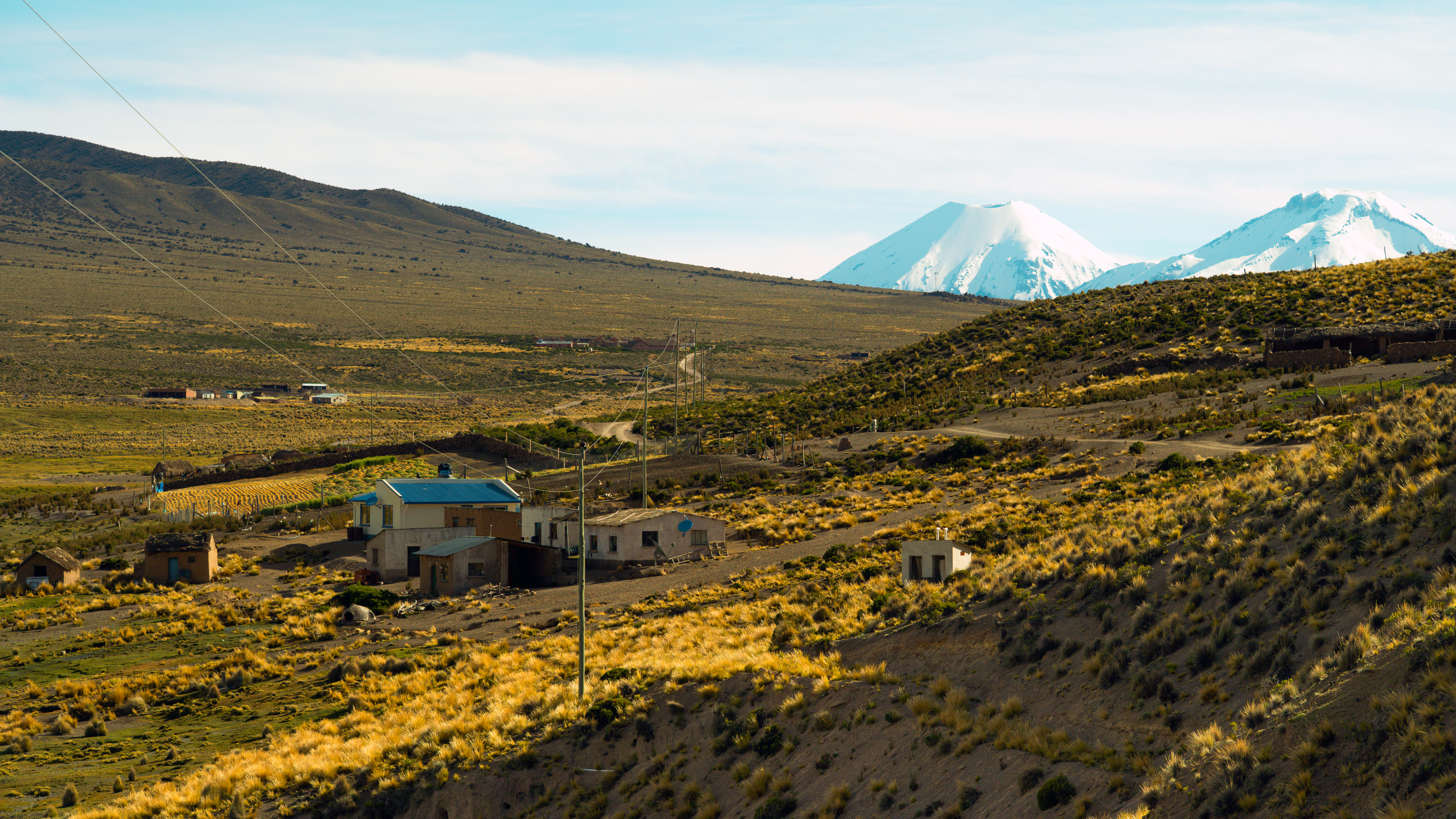
Gladys Caral speaks the language of the rocks, the hills, and the plants that surround her home in the community of Santiago de Chuvica, near the edge of the Salar de Uyuni in Bolivia, the largest salt flat in the world. From her parents and grandparents, she learned to care for Mother Earth and to give thanks for her gifts.
The salt flat is, for her, divine energy and majesty — qualities she feels a responsibility to protect in the face of the foreign interests seeking to exploit lithium in that vast ecosystem.
At stake is the ancestral existence of indigenous peoples such as the Lípez Nation, historically linked to the territory of the Salar de Uyuni, which seeks state recognition so that its voice is taken into account when decisions are made about activities like lithium mining.
ARGENTINA
The risk that remains latent in Bolivia ceased to be so in Argentina decades ago, giving way to deep, tangible damage in Andean wetlands such as the Salar del Hombre Muerto, which spans the provinces of Catamarca and Salta.
Rage and helplessness are what Elizabeth del Valle Mamani feels as she witnesses the degradation of the salt flat, part of the territory of the indigenous community Atacameños del Altiplano. There, the advance of the lithium industry has dried up water sources and taken away the tranquility that agriculture, livestock farming, tourism, and other local ways of life need to thrive.
Although she feels hope slipping through her fingers, Elizabeth continues to bet on community resistance so that reparations reach her territory, so that future generations may still enjoy it.
CHILE
The Andean salt flats are also inheritance.
Hugo Mamani Vilches holds in the Salar de Surire, in Chile, a connection to the past, to his parents and grandparents, but also to the future he wants to leave behind.
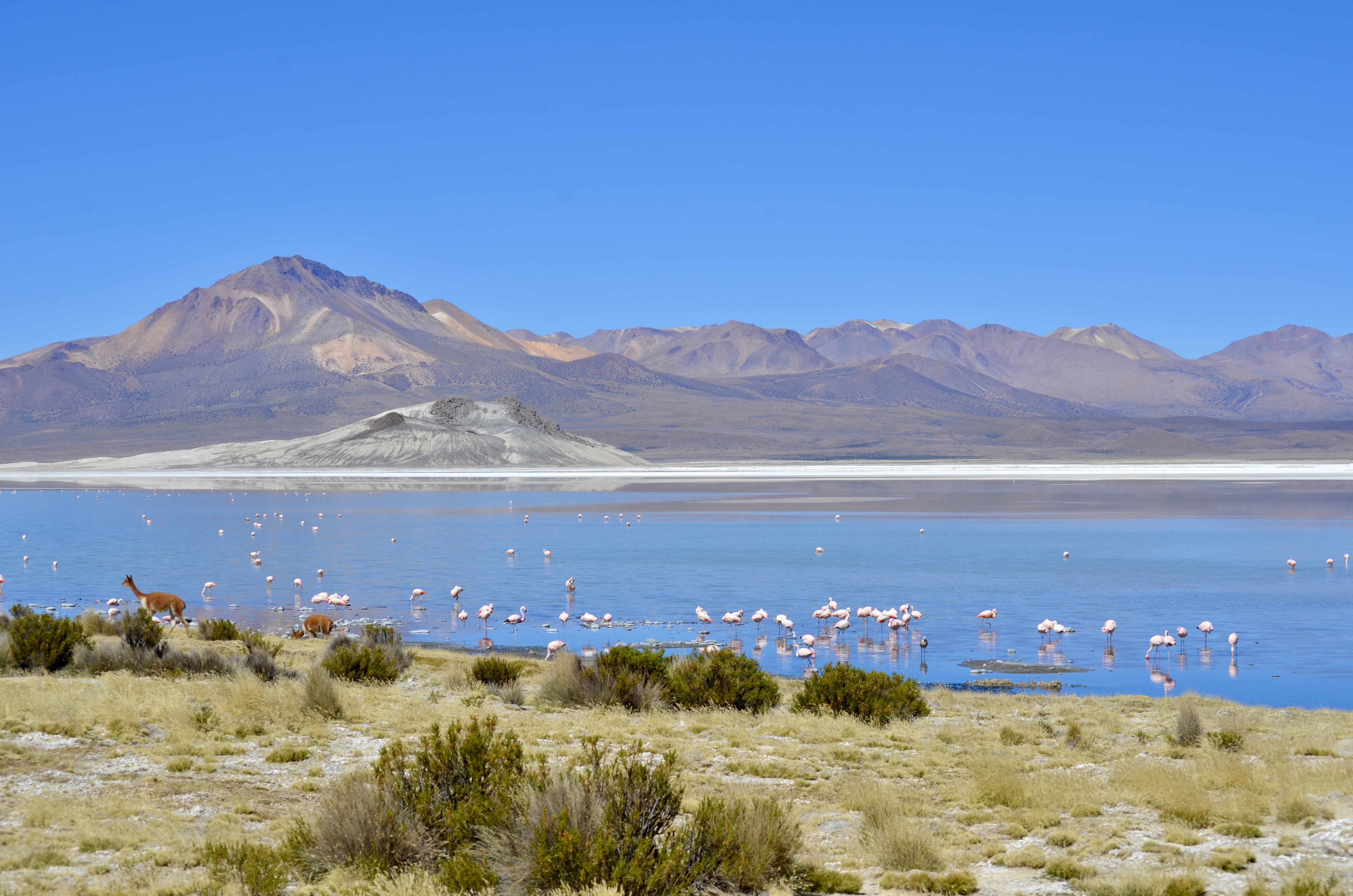
That place, full of memories of his childhood alongside his sister Elisa — home to three of the world's six flamingo species: the Chilean flamingo (Phoenicopterus chilensis), the Andean flamingo (Phoenicoparrus andinus), and James's flamingo (Phoenicoparrus jamesi) — as well as camelids and suri populations, has been degraded by decades of ulexite extraction — an activity whose particulate matter coats the vegetation and fodder that these species depend on.
Hugo is clear that there are two possible paths: to conserve these ecosystems or to surrender them to mining. We are still in time to take the first, he says.
The territories these communities defend are also ecosystems unique in the world. This is the region they call home.
THE IMPOSING
GRAN ATACAMA REGION
To inhabit the Puna —the ecoregion in which the Gran Atacama sits— is to confront extreme temperature swings, scarce rainfall, and strong, frequent winds. It is also to be surrounded by mountains, volcanoes, and a complex hydrological system made up of glaciers, surface drainage, and groundwater that feeds salt flats and other Andean wetlands essential to ecological balance and the survival of diverse forms of life.
Though reduced to the label of "Lithium Triangle" by the mining industry for the mineral found in its salt flats, the Gran Atacama is far more than that — it is life itself.
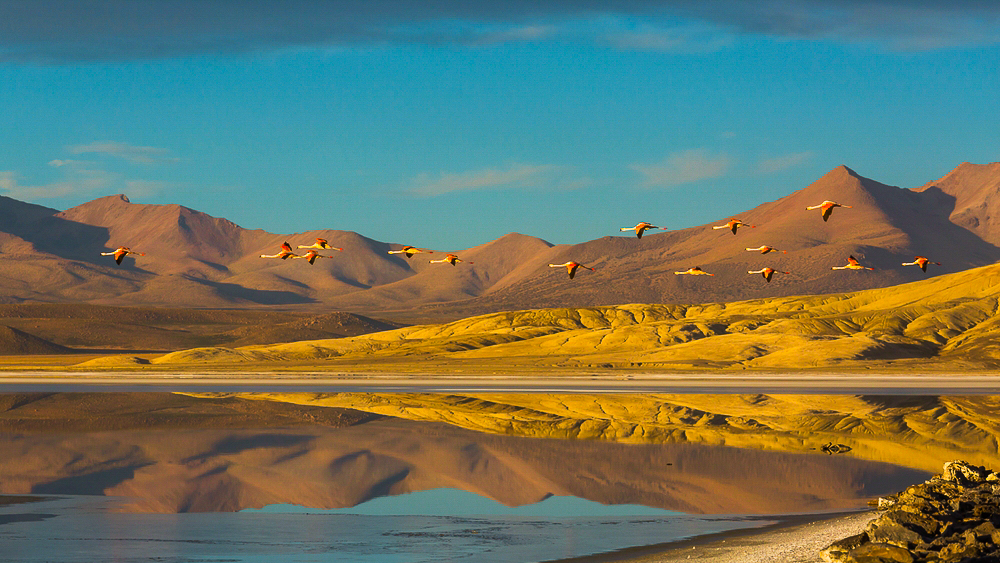
It is the only home known to llamas (Lama glama), vicuñas (Vicugna vicugna), Andean flamingos (Phoenicoparrus andinus), and Andean foxes (Lycalopex culpaeus), among other unique species.
It is the anchor that binds indigenous and traditional communities to the world — communities that have forged a deep and ancestral connection with their territories.
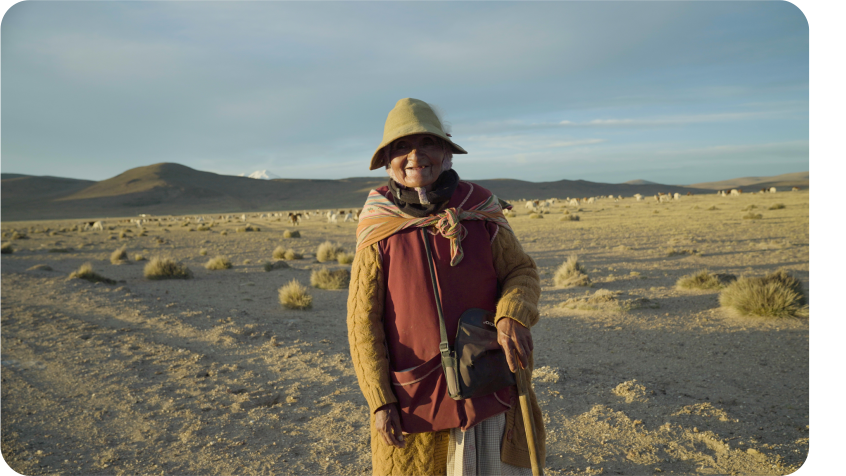
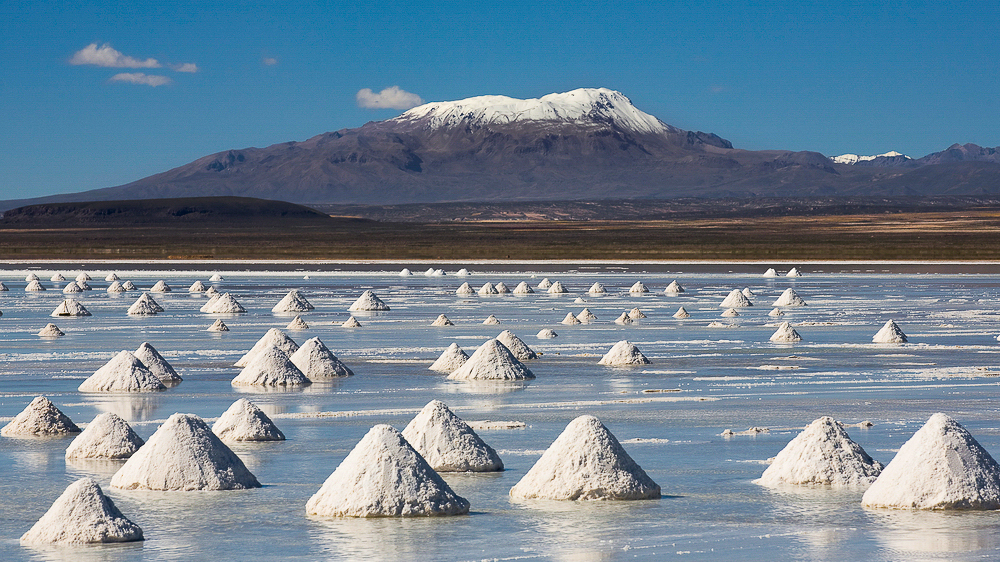
As millennia-old guardians of this land, these communities hold knowledge and wisdom that must guide any relationship with this region.
Any decision about this place, where life flourishes under the most extreme conditions, must respect its natural and social limits.
Life in the Salt Flats
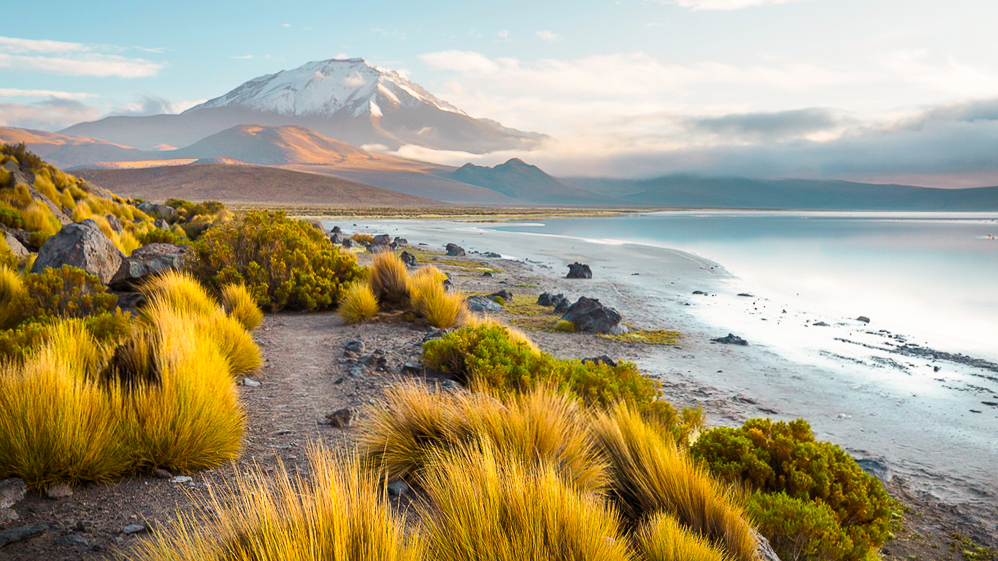
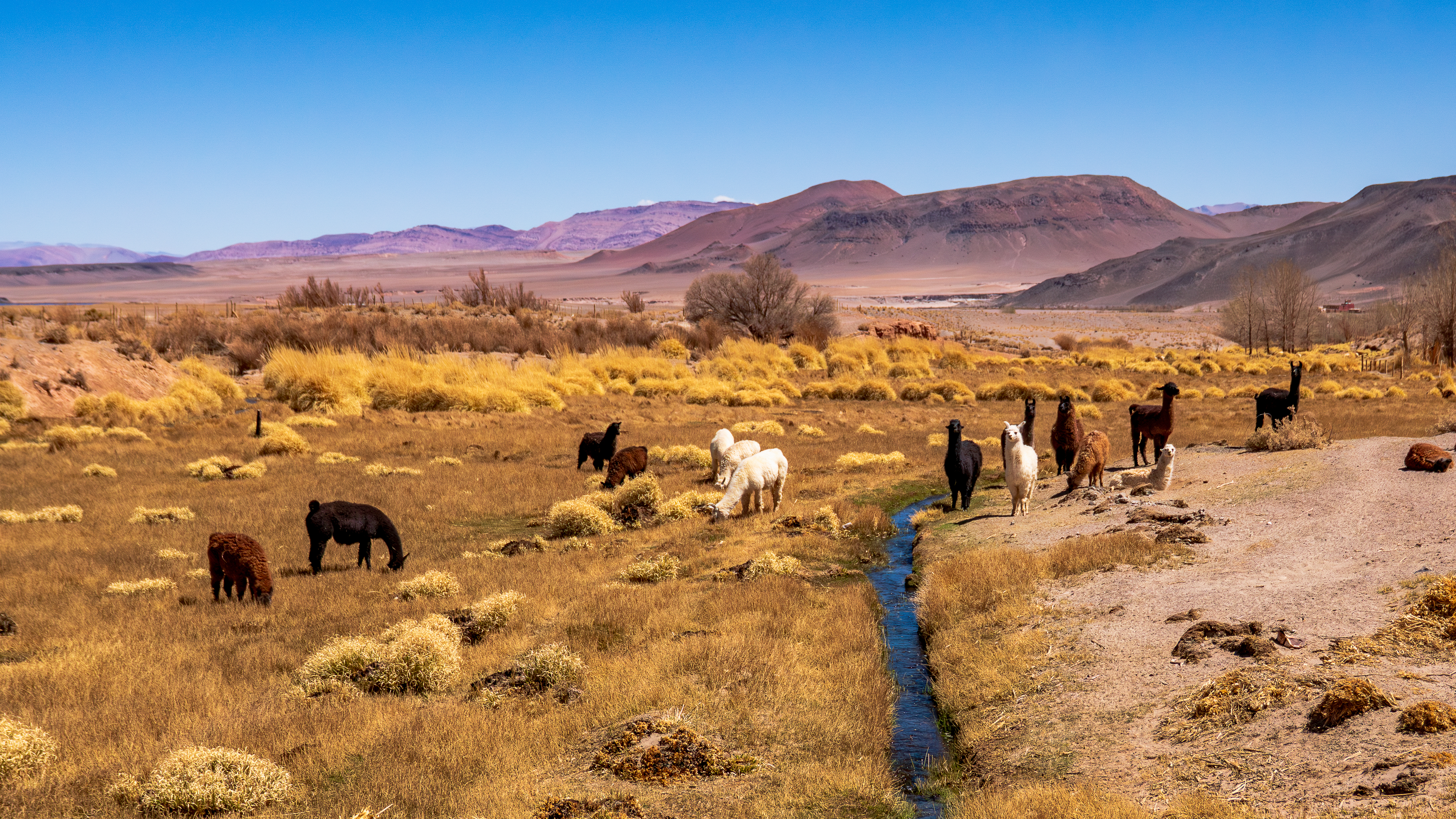
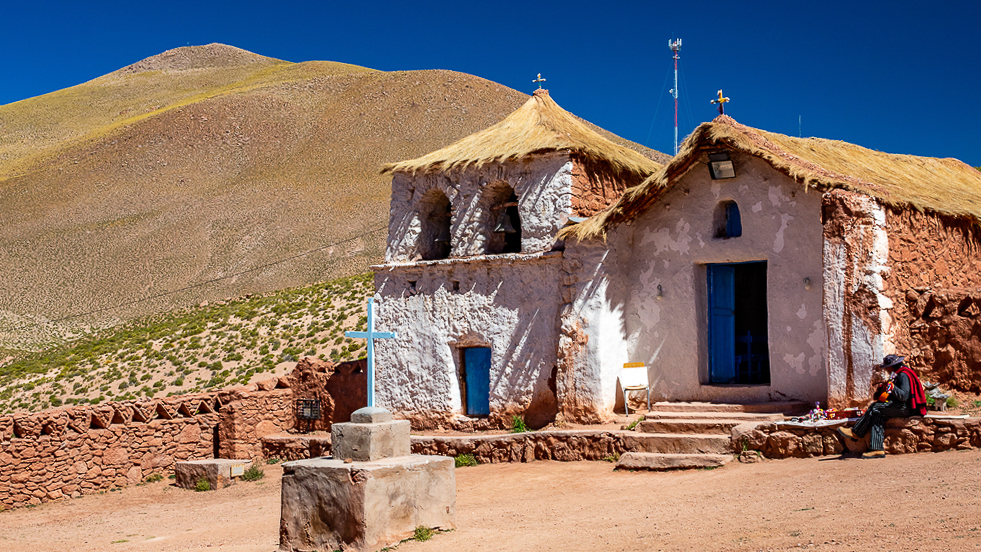
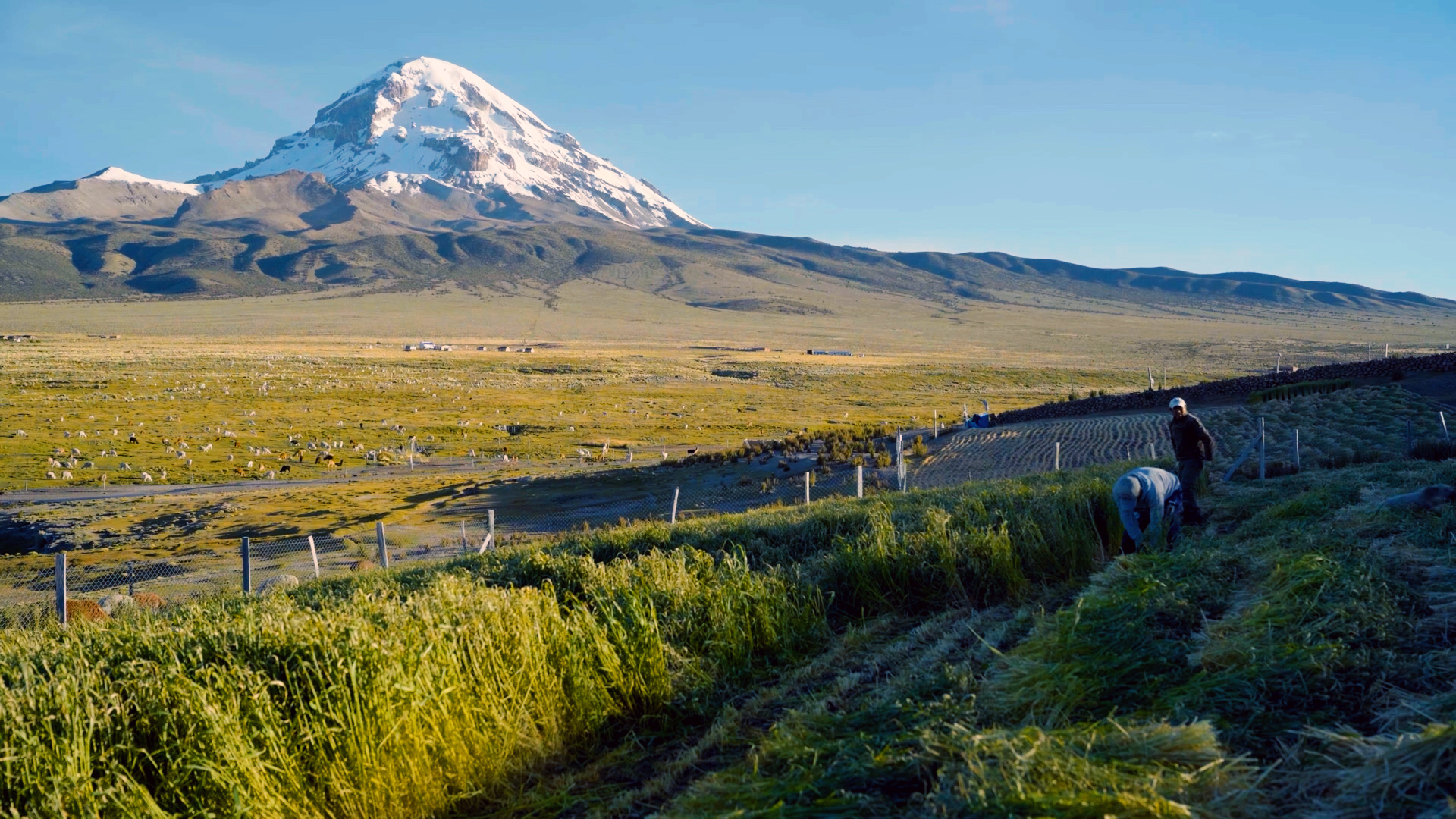
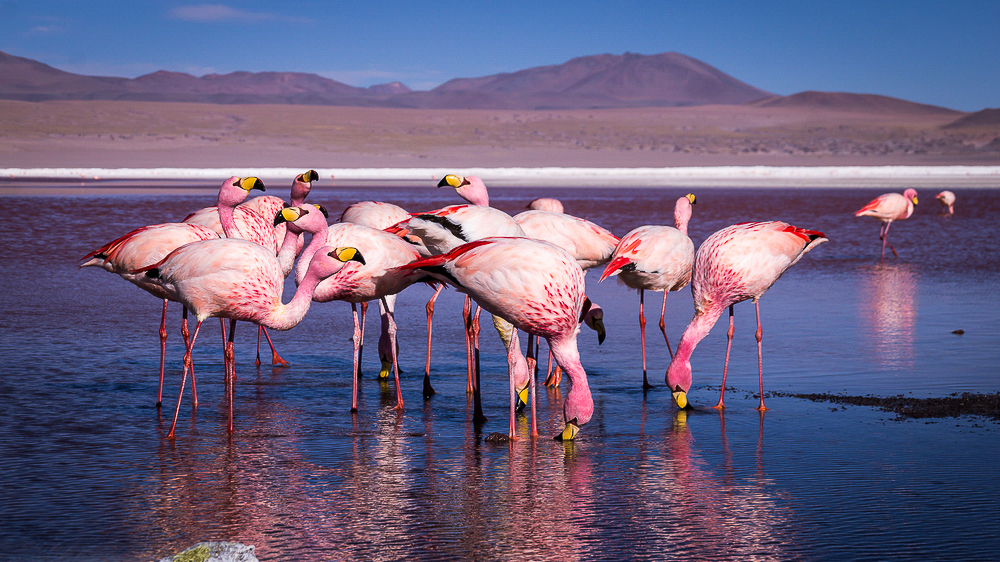
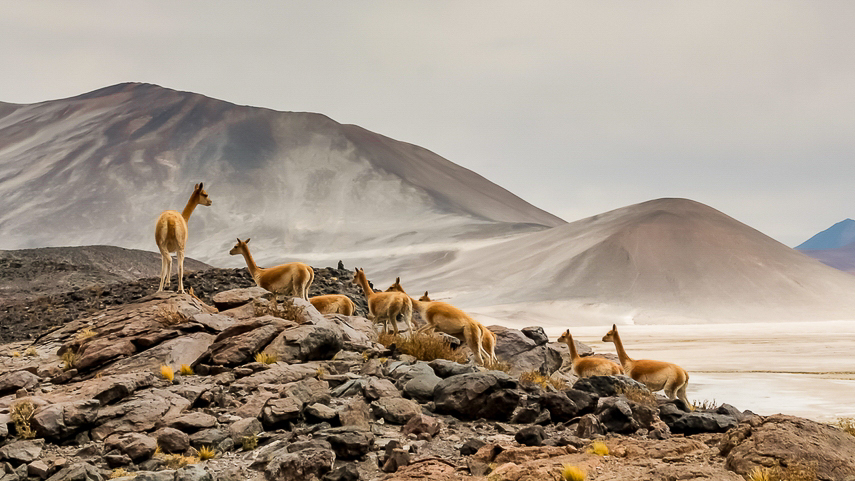
Browse these images of a region full of life, culture, and history.
Explore the web of life in the Gran Atacama region
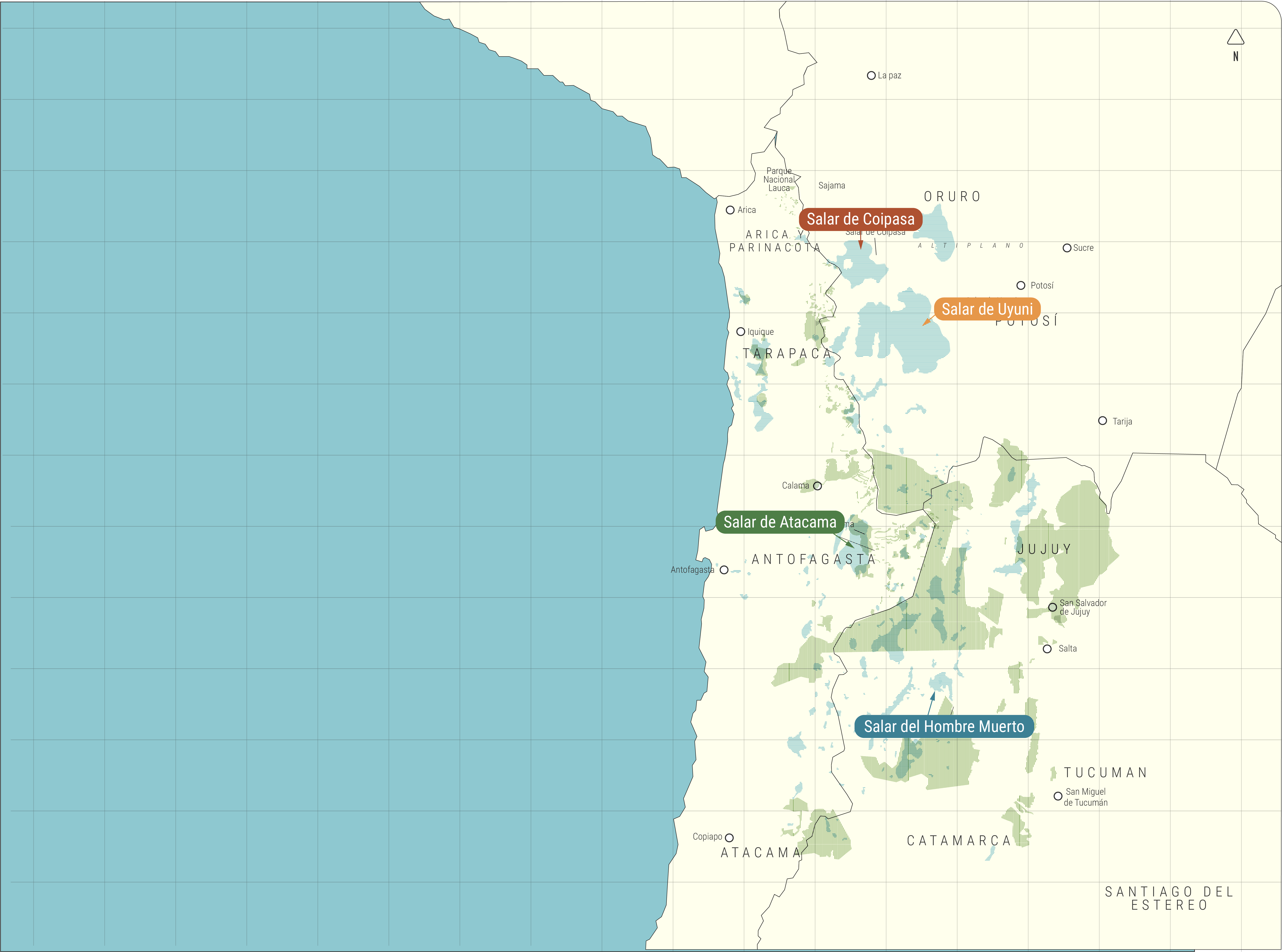
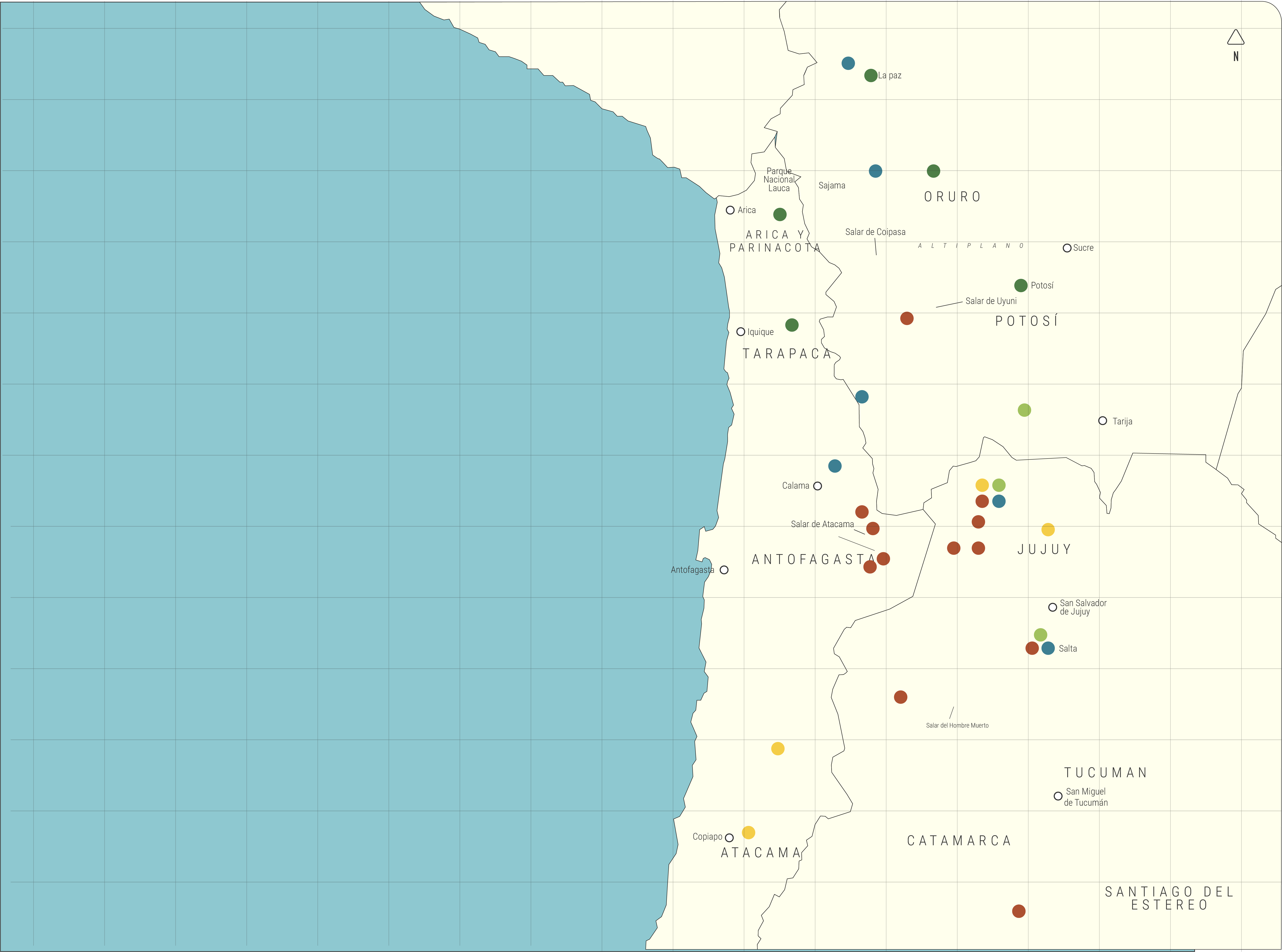
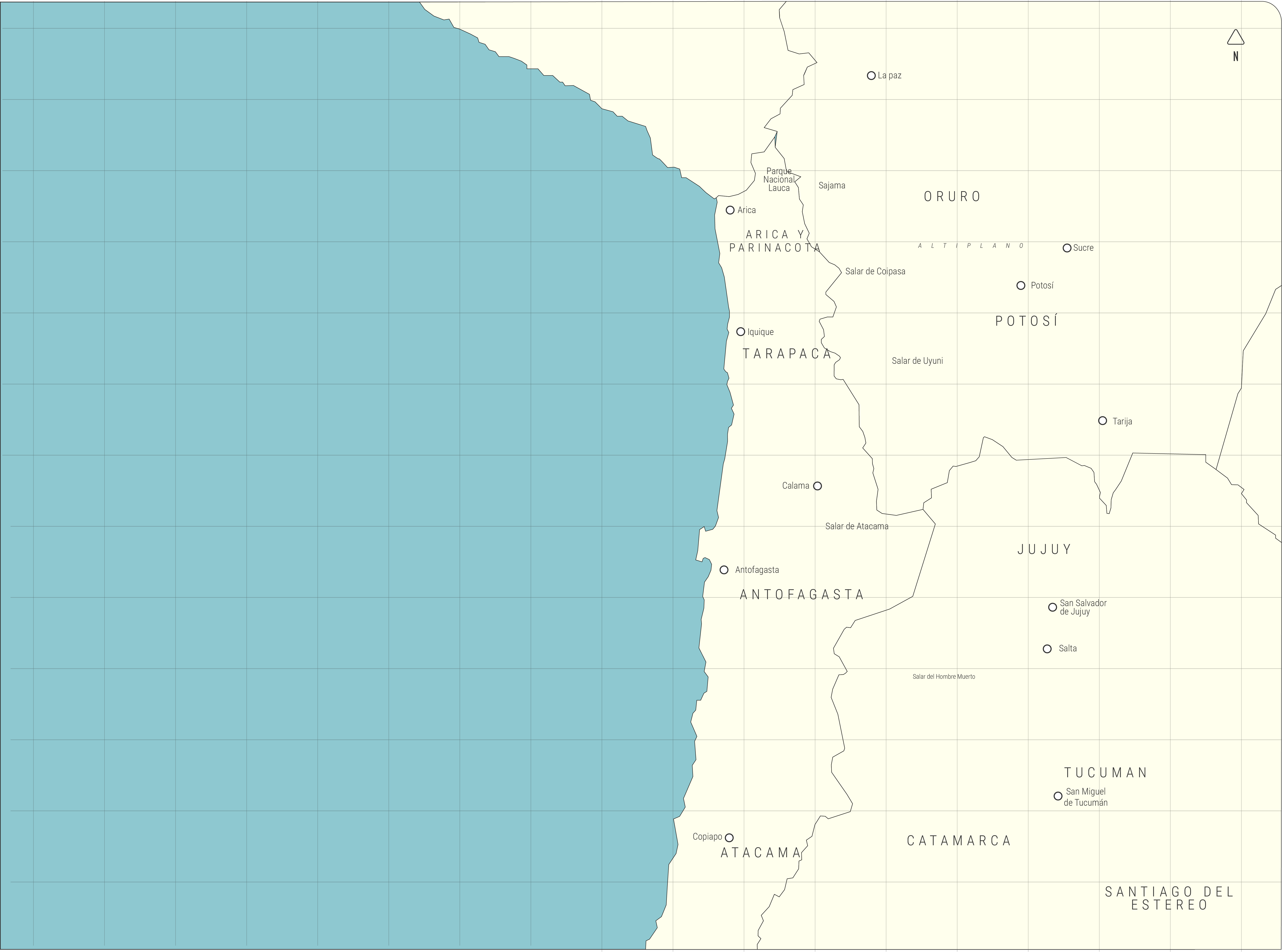
 Context
-
 Protected areas
 -
 Other wetlands
 - SALAR DE COIPASA
- SALAR DE ATACAMA
- SALAR DE UYUNI
- SALAR DEL HOMBRE MUERTO
- SALINAS GRANDES
- SALAR DE PASTOS GRANDES
- SALAR DE SURIRE
- SALAR DE MARICUNGA
 ARGENTINA +
 BOLIVIA +
 CHILE +

Fauna

Flora
A VITAL CYCLE
AT RISK
In the Gran Atacama Region, water is more than a resource. It is the pulse that gives life to everything: species, ecosystems, and communities. But this vital balance is under threat, with lithium mining being one of the activities that most affects water availability
To extract this mineral, companies use two processes: solar evaporation and direct extraction. Both practices consume large volumes of brine (water with high salt content) from the subsoil, as well as freshwater.
This can profoundly alter the region's delicate hydrological flows, triggering an ecological imbalance that, like a chain of falling dominoes, threatens to bring everything down.
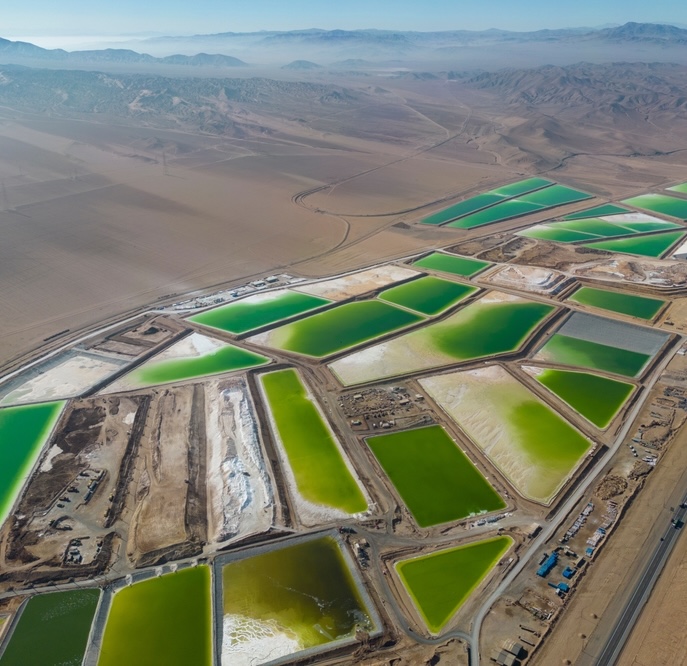

Explore the following diagram to trace the vital path of water in the Gran Atacama Region and how it is disrupted by lithium mining.
Water cycle in the formation of Andean wetlands
Water cycle in the formation of brines
Impacts of lithium mining on water
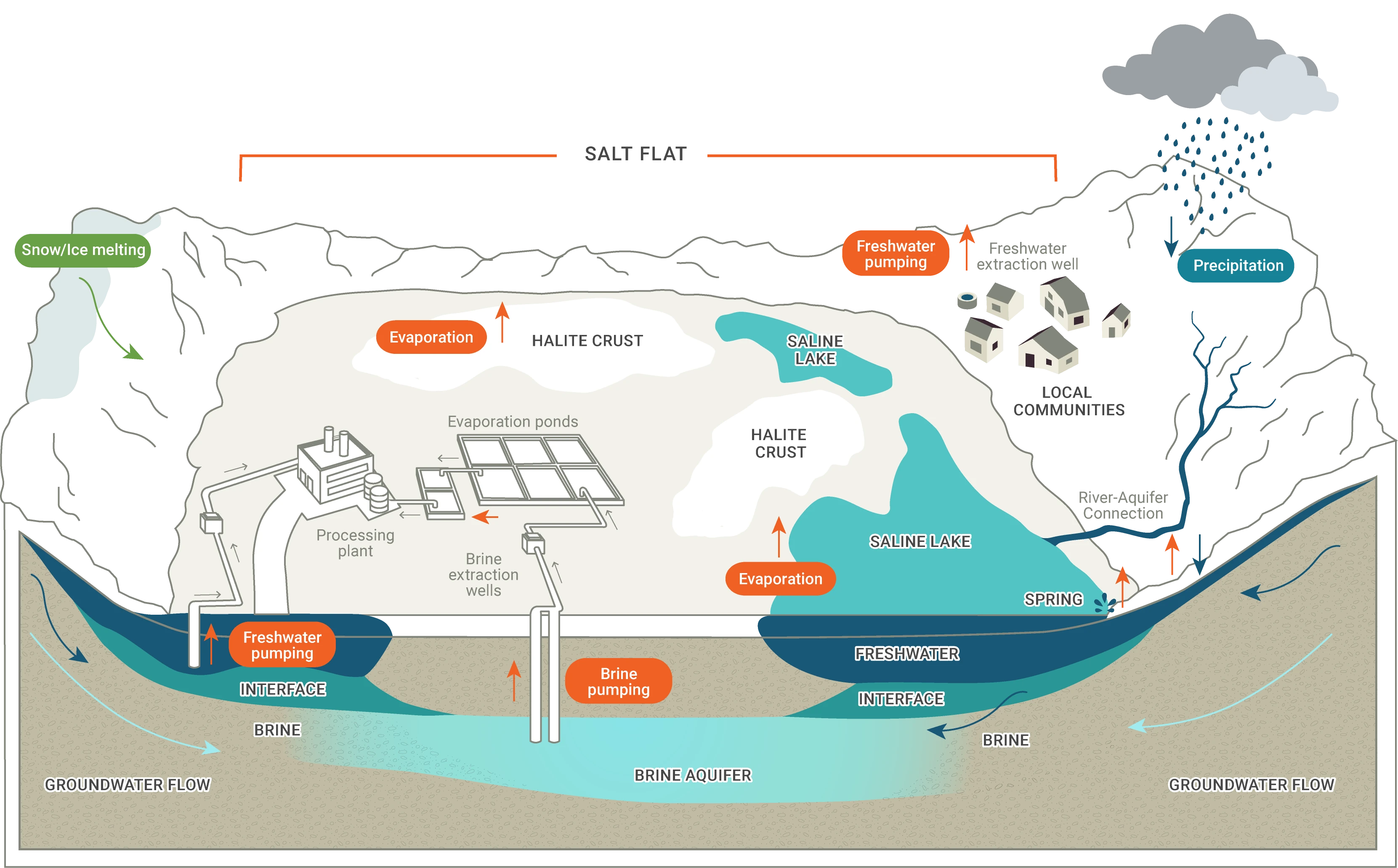














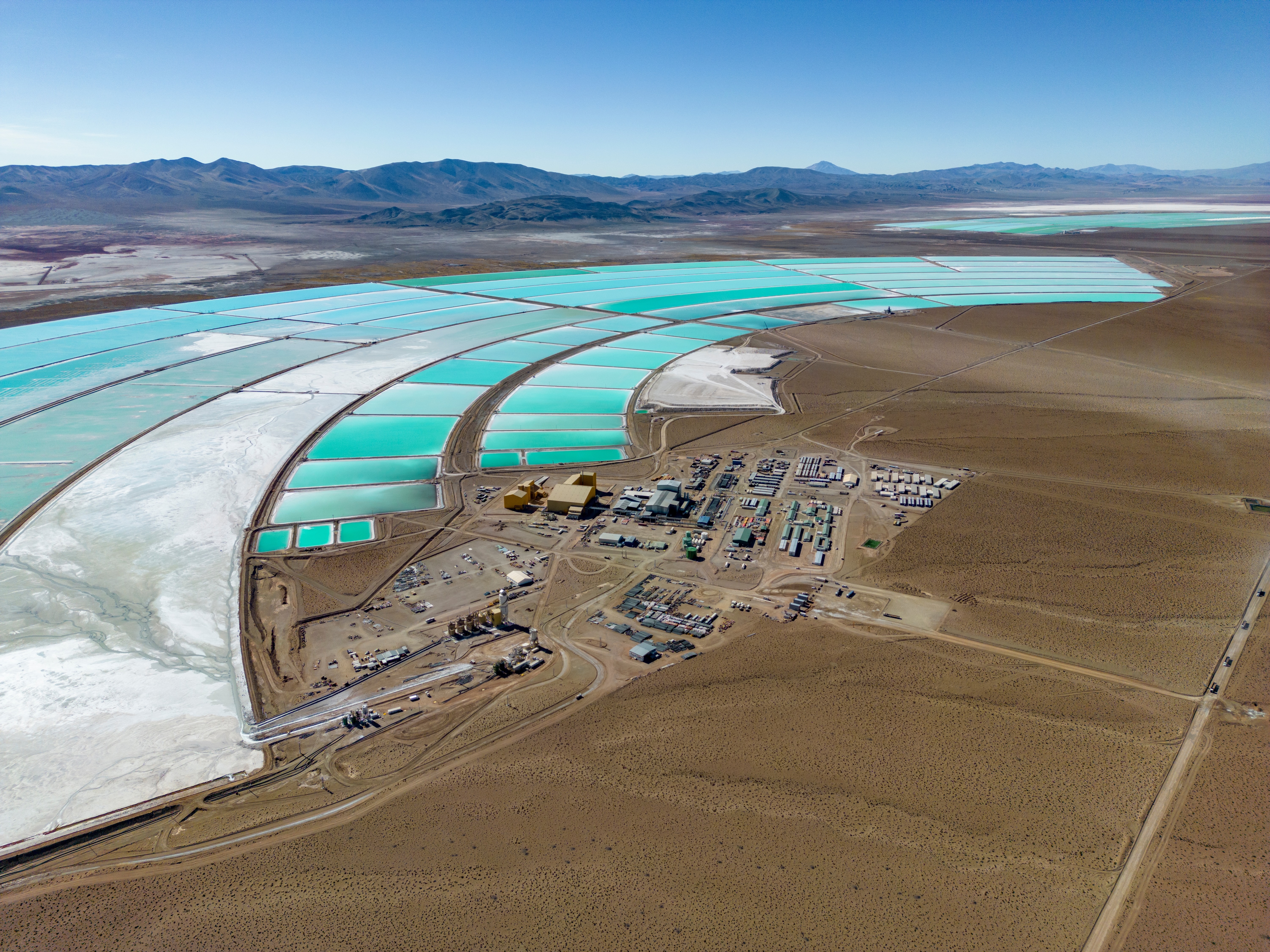
The impacts of lithium mining on water — and others beyond it — are not accidental. They are the result of economic and political decisions made far from the Gran Atacama — by governments, companies, and financial institutions of the Global North and of other economies with significant weight in mineral demand — that result in the sacrifice of territories in the name of progress.
Behind every salt flat from which brine is extracted, every lagoon that slowly fades, every community that loses access to water, there is a chain of interests that is rarely named. A chain that connects the battery of an electric car in Europe or the United States to the salt flat where people like Elisa, Hugo, and Elizabeth spent their childhoods.
BEHIND
THE LITHIUM BOOM
The surge in lithium extraction conceals complex realities — geographic, political, and economic — as well as serious social and environmental impacts.
Behind the lithium boom lies an energy transition model disconnected from the Latin American reality, full of half-truths, and blind to the needs and capacities of complex territories whose knowledge should be shaping their own transition processes.
Organizations that accompany and defend these territories explain the inner workings of an energy transition that is unjust at its core
Learn from them:
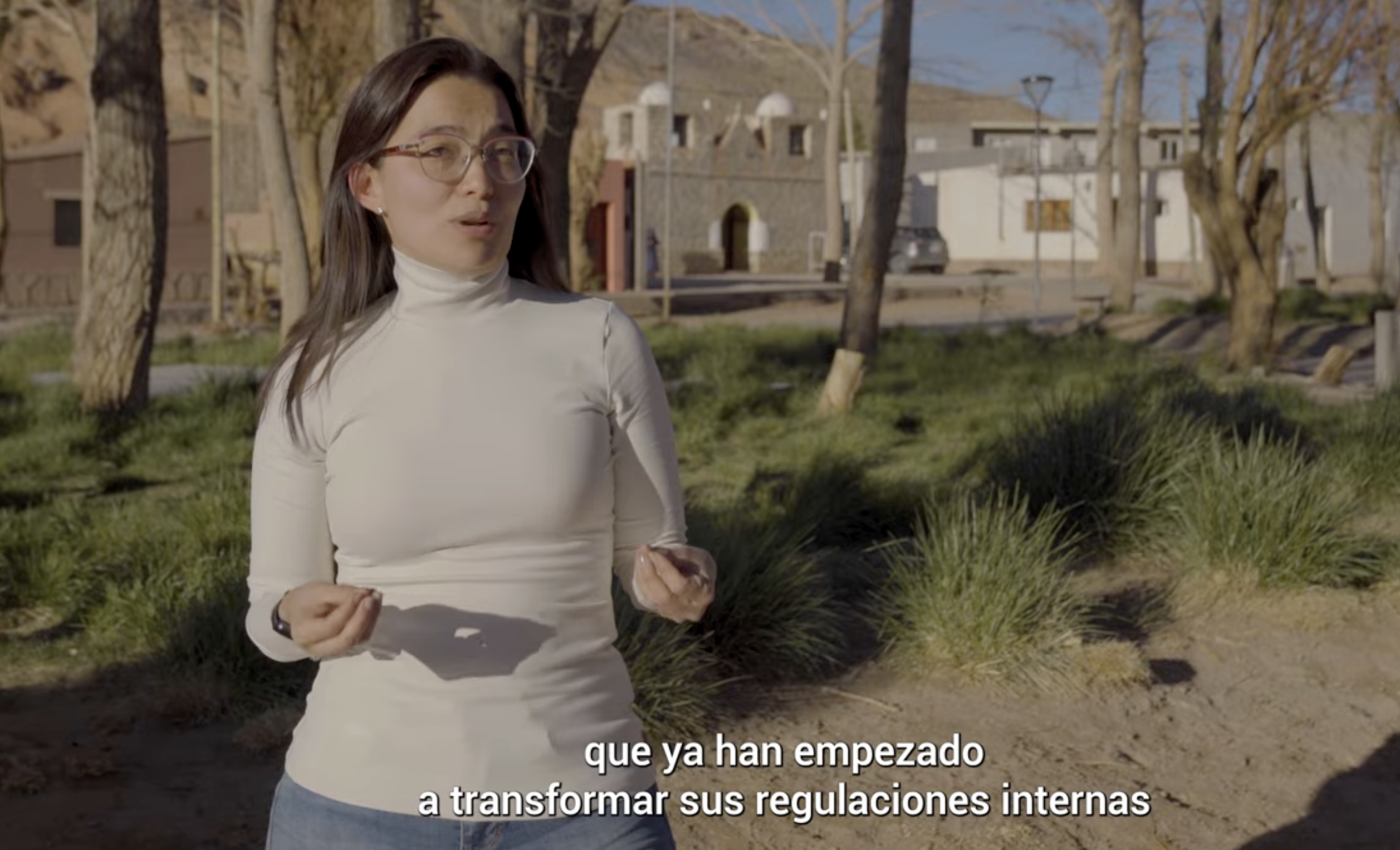
The energy transition driven by countries in the Global North has put intense pr...
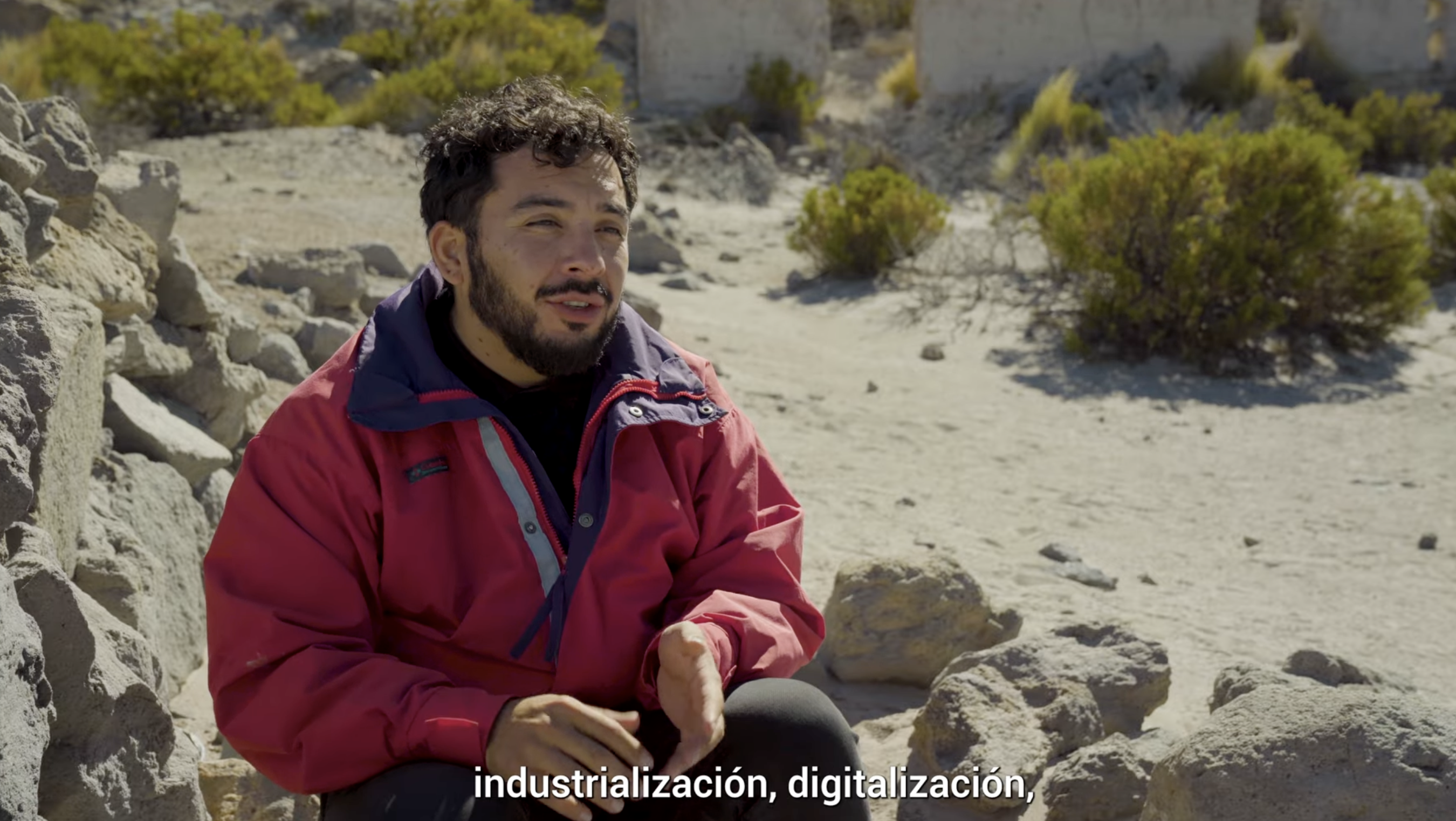
In Latin America, pristine, fragile, and unique ecosystems are being sacrificed ...
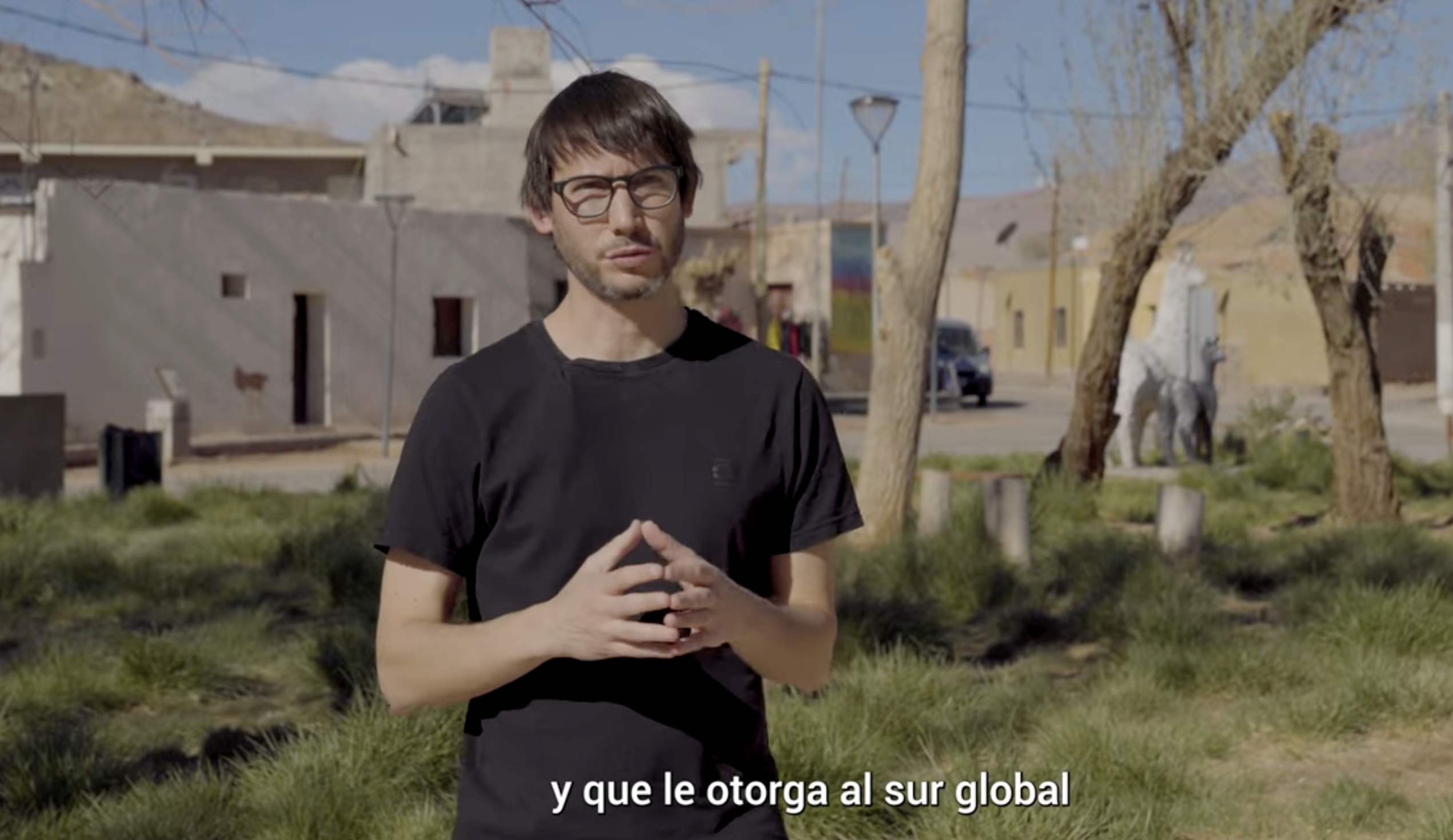
The energy transition led by countries in the Global North perpetuates inequalit...
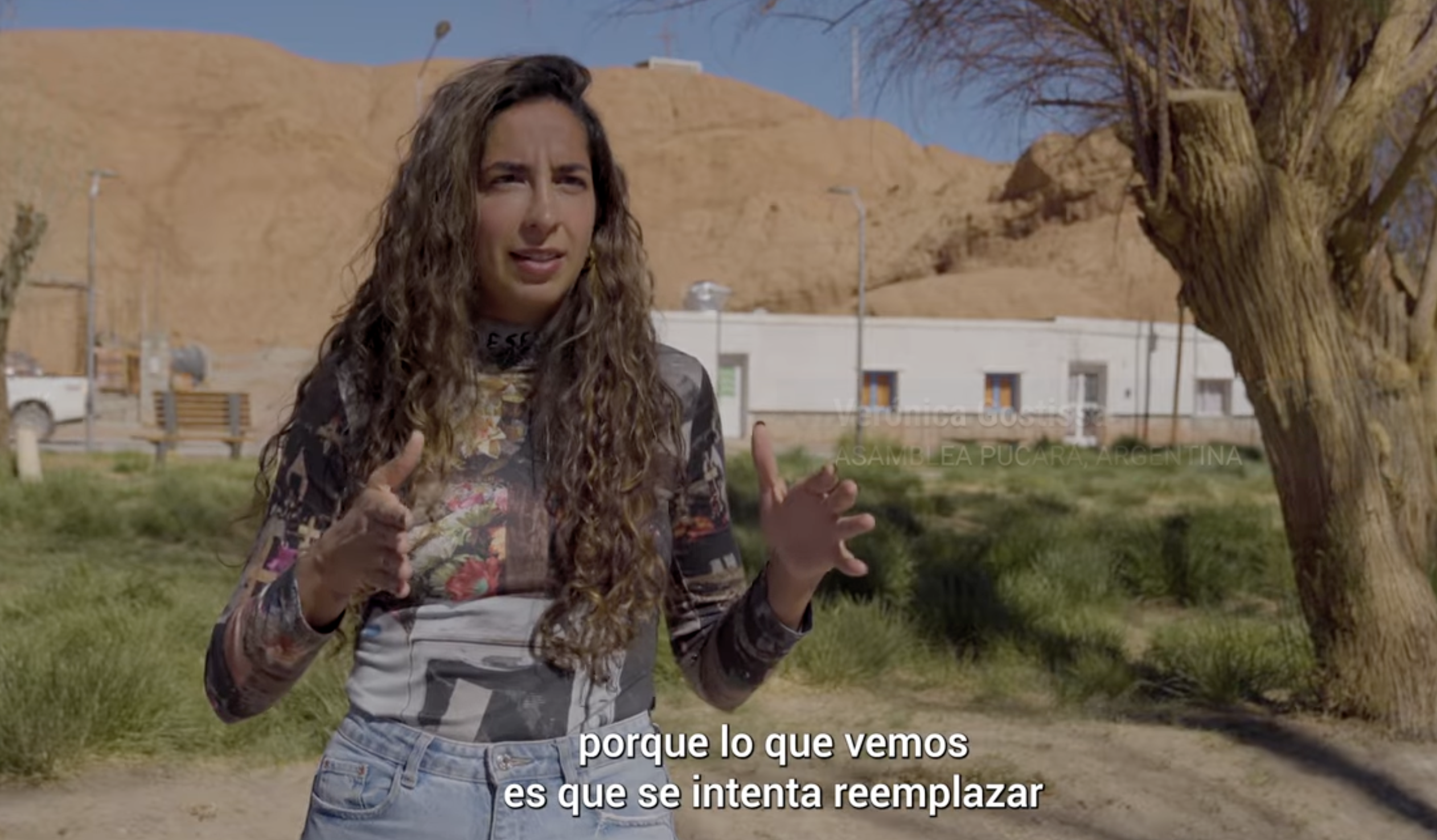
Current energy transition processes aim to replace the use of fossil fuels with ...
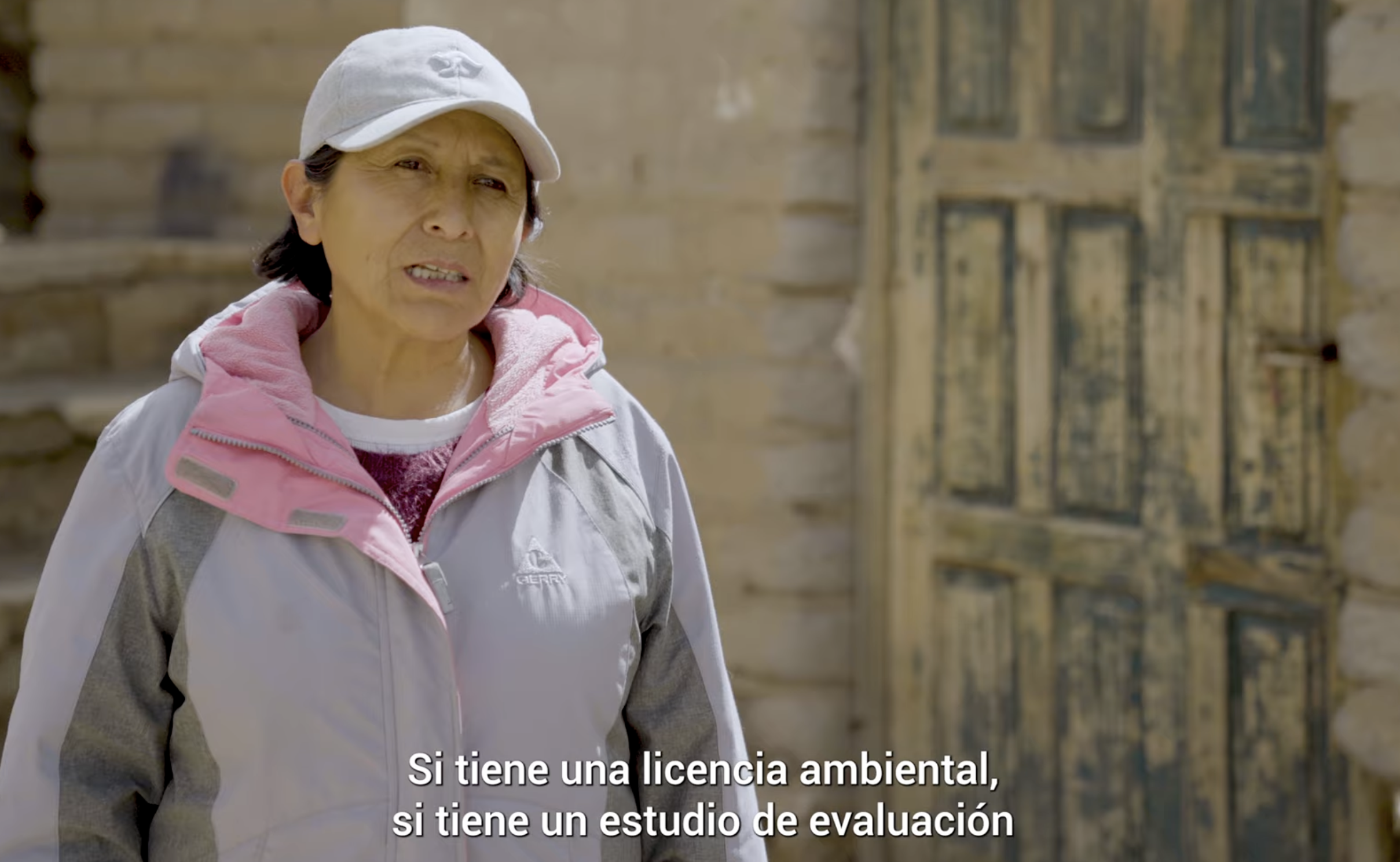
In the face of lithium and other mineral extraction, the communities’ primary ne...
Reproduciendo ahora
Water consumption in lithium mining
150.000 L
of water are used to produce
one single ton of lithium
Average water consumption of
2.000
people in one day
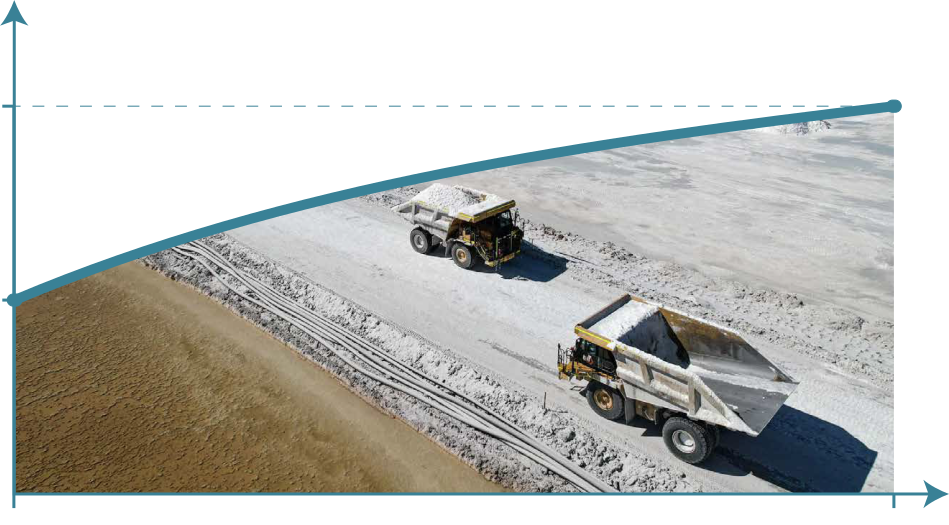
Global Lithium demand
1.6
million
tons of lithium
800
thousand tons
of lithium
lithium resources
115 million
tons of lithium are
constitute the world's known resources* of the mineral
*Resources refer to potentially exploitable material
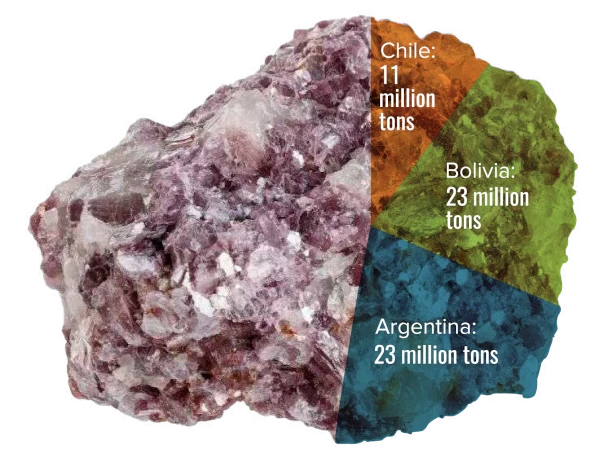
49.5%
of those resources
are in Argentina,
Bolivia, and Chile
complaints against mining companies
The figures you have just seen are not abstract. Behind every liter of water consumed, every ton of lithium extracted, every human rights complaint, there is a living territory. A salt flat, a lagoon, a water well, a community.
Latin America holds nearly half of the world's lithium resources. It also holds the majority of complaints against the companies extracting this and other minerals. That coincidence is not chance: it is the logic of a model that places the costs where political and economic power is weakest.
But the numbers do not tell the whole story. What does not appear in the statistics is what is lost when a salt flat degrades: ancestral bonds with the land, memory, and the knowledge accumulated over centuries about how to live in balance with one of the most extreme ecosystems on the planet. That knowledge belongs to those who inhabit and care for that territory. And their voices must be heard.
VOICES FOR
JUSTICE
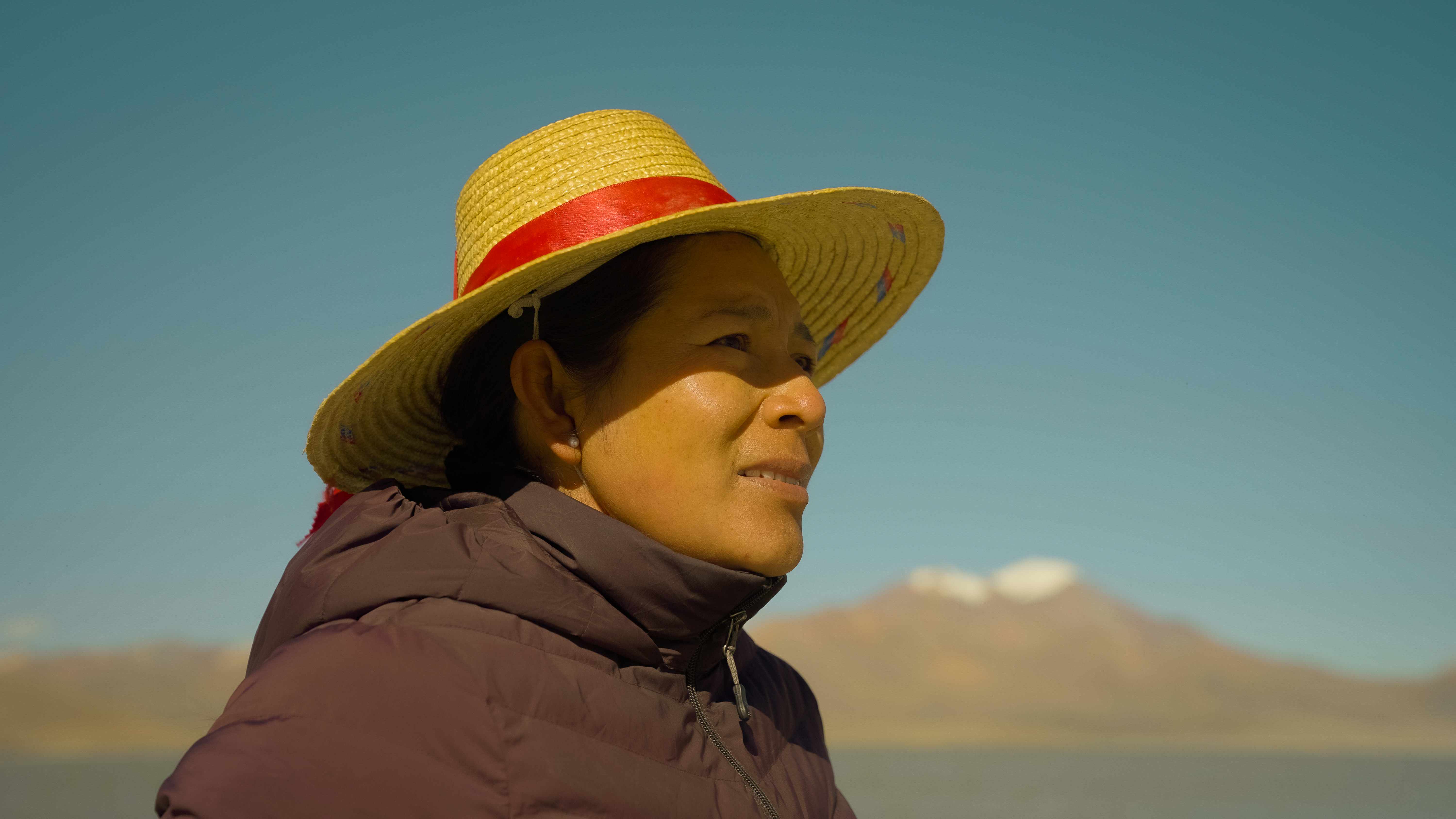
Those who live in the Gran Atacama do not only bear the costs of a model they did not choose — they also have their own vision of what the energy transition should look like.
That perspective is rarely taken into account where decisions are made.
These are their voices:
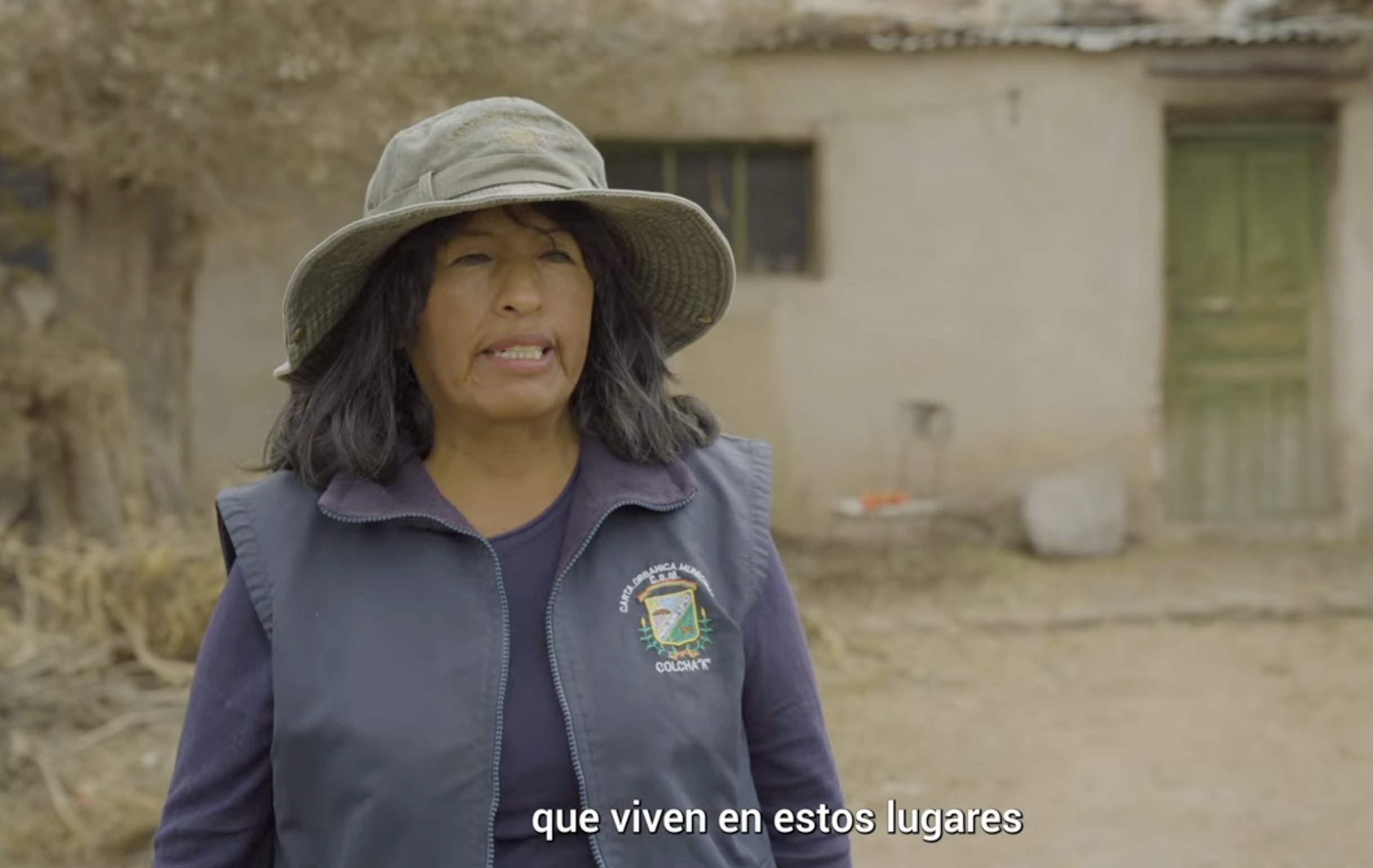
For Gladys, development is that which takes into account the opinions of people ...
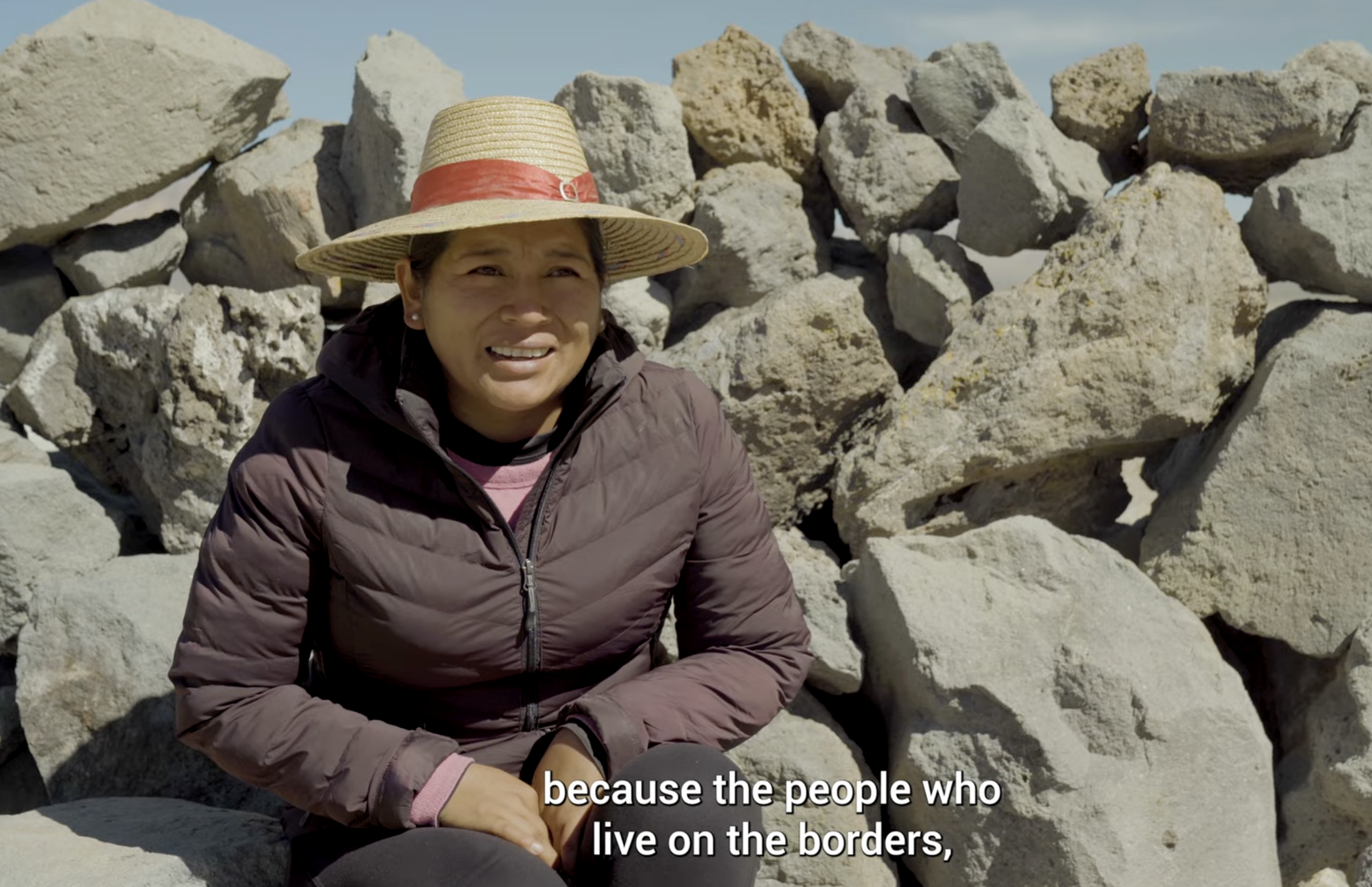
Elisa urges officials to visit the remote regions of northern and southern Chile...
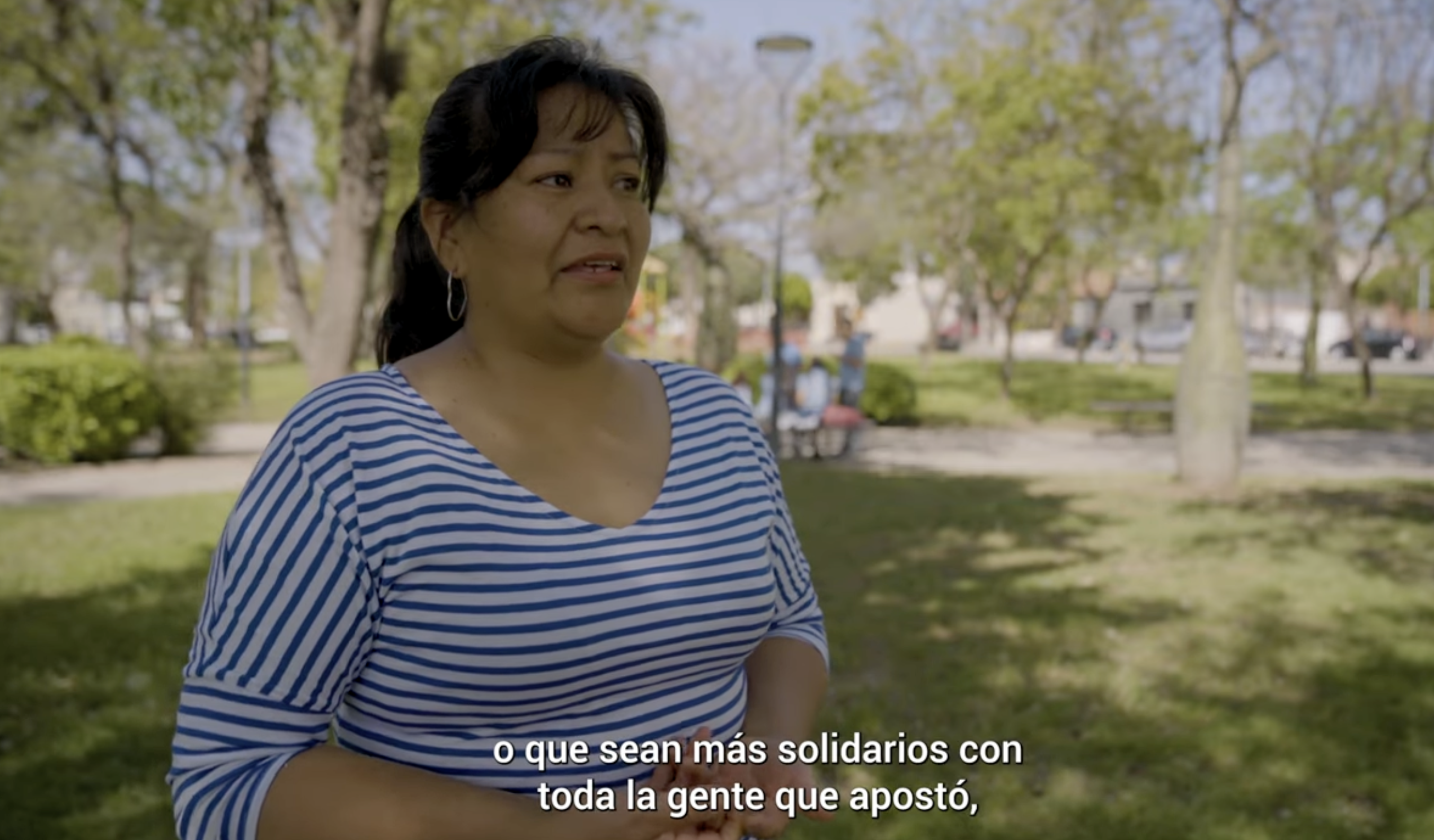
Elizabeth would like those in the lithium industry to see themselves as human be...
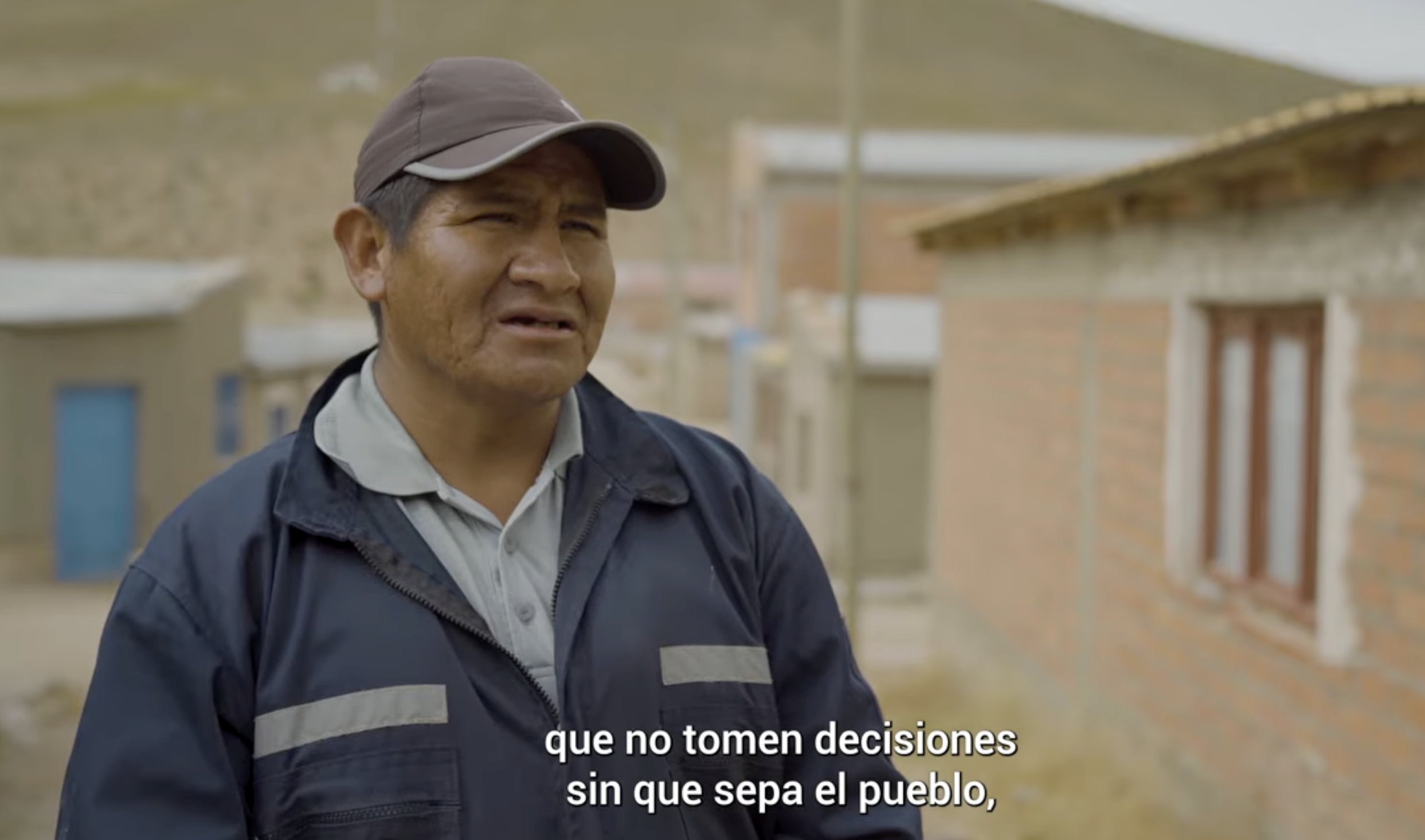
Edwin is urging authorities not to make decisions that could affect the territor...
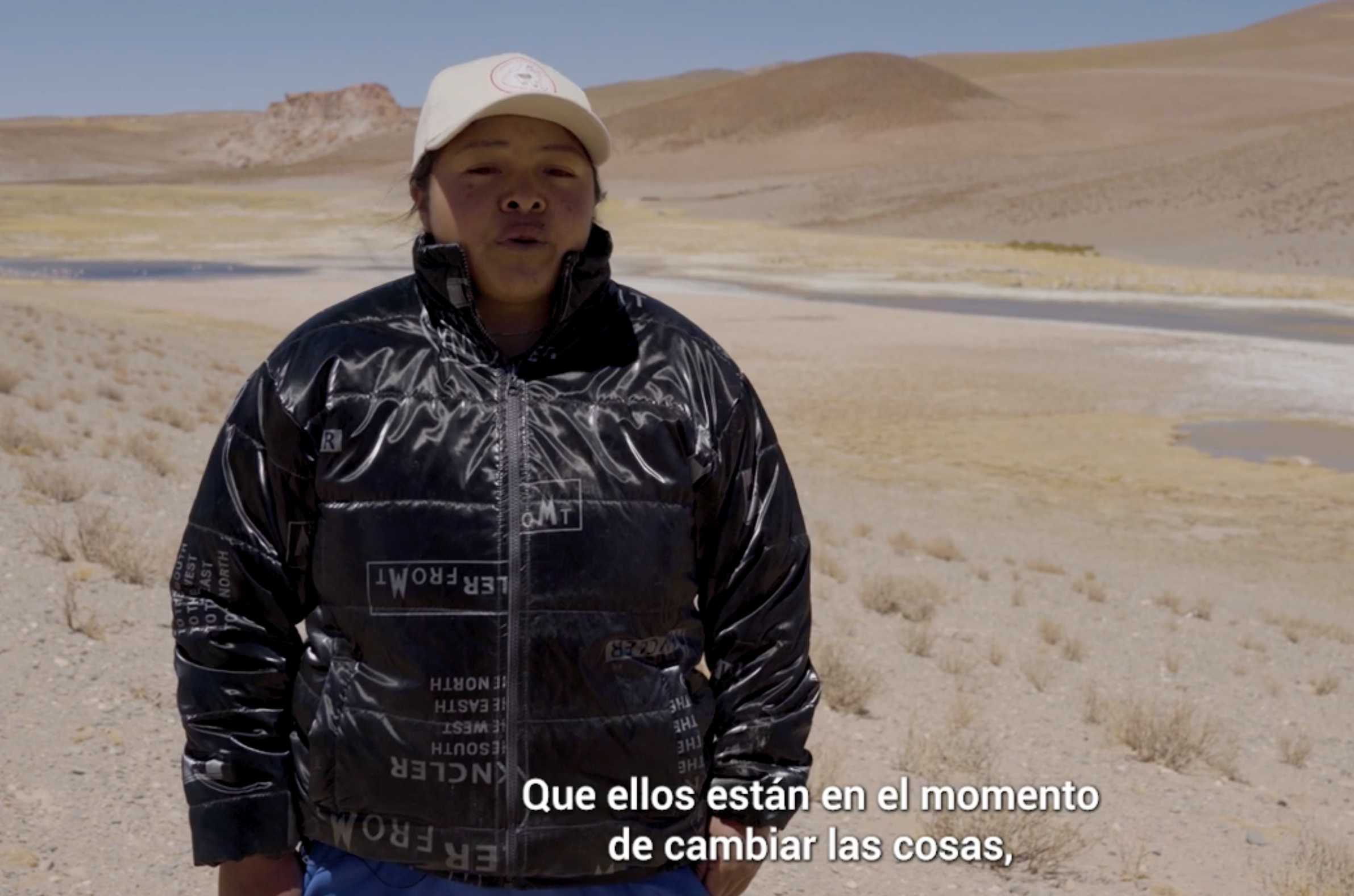
Elvira wants the authorities to realize that the communities living around the s...
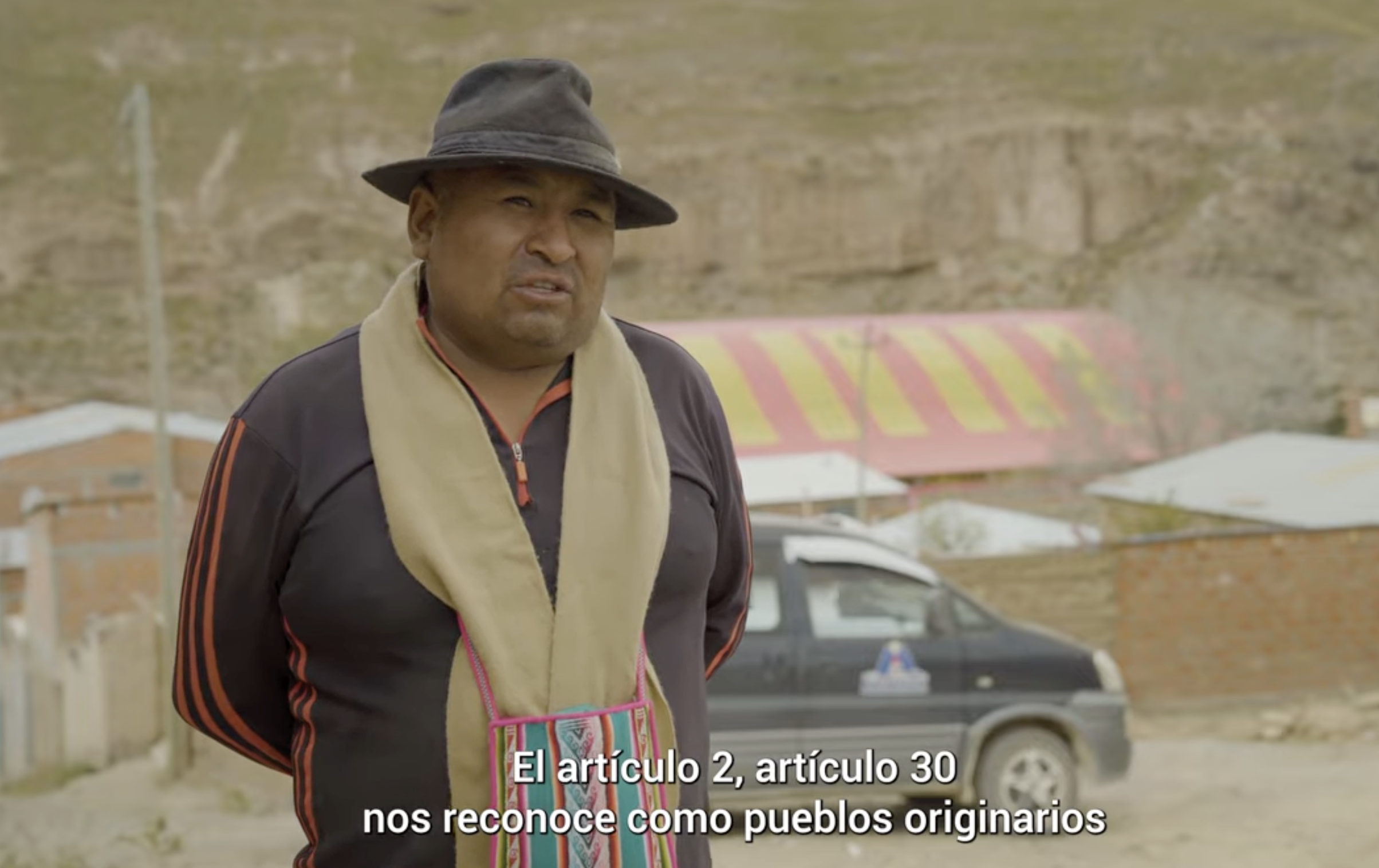
Reynaldo calls on the government to respect Indigenous peoples in relation to an...
Reproduciendo ahora
What you have just heard cannot be reduced to figures or headlines. It is a vision. A way of understanding territory, water, and life that has been built over centuries in silence, far from cameras and climate summits.
Gladys, Elizabeth, and Hugo — and the dozens of communities they represent — do not oppose change. They oppose change arriving the way it always has: from outside, without permission, without consultation, and without return.
A just energy transition cannot be built on sacrificed territories. It must begin with those who know these territories better than anyone, those who have cared for them across generations, and those who will have to live with the consequences of the decisions being made today.
The Gran Atacama still stands. And with it, the voices asking to be heard.
We are part of the Alliance for Andean Wetlands, a coalition that works to protect these ecosystems, their biodiversity, and the communities that depend on them.