
A Message from our Executive Director
This year reaffirmed something essential: when communities, science, and the law move forward together, meaningful change become possible across the region. Throughout Latin America, we witnessed communities strengthening the defense of their territories—and, at the same time, we saw the legal tools that protect them grow stronger as well.
At AIDA, we work to ensure these advances—from new climate decisions to global agreements on biodiversity and ocean protection—translate into real improvements for the people and ecosystems that need them most. Our focus remains clear: to use the law strategically to advance environmental justice and build resilience throughout the region.
This report brings together many of the achievements, lessons, and collective efforts that shaped our year. Thank you for being part of this journey and for helping us build a more just and sustainable future for our continent.

AIDA in Numbers



Turning International Law Into Lasting Ocean Protection
David P Robinson / Ocean Image Bank
MarcinK3333 / Shutterstock
Emilie Ledwidge / Ocean Image Bank
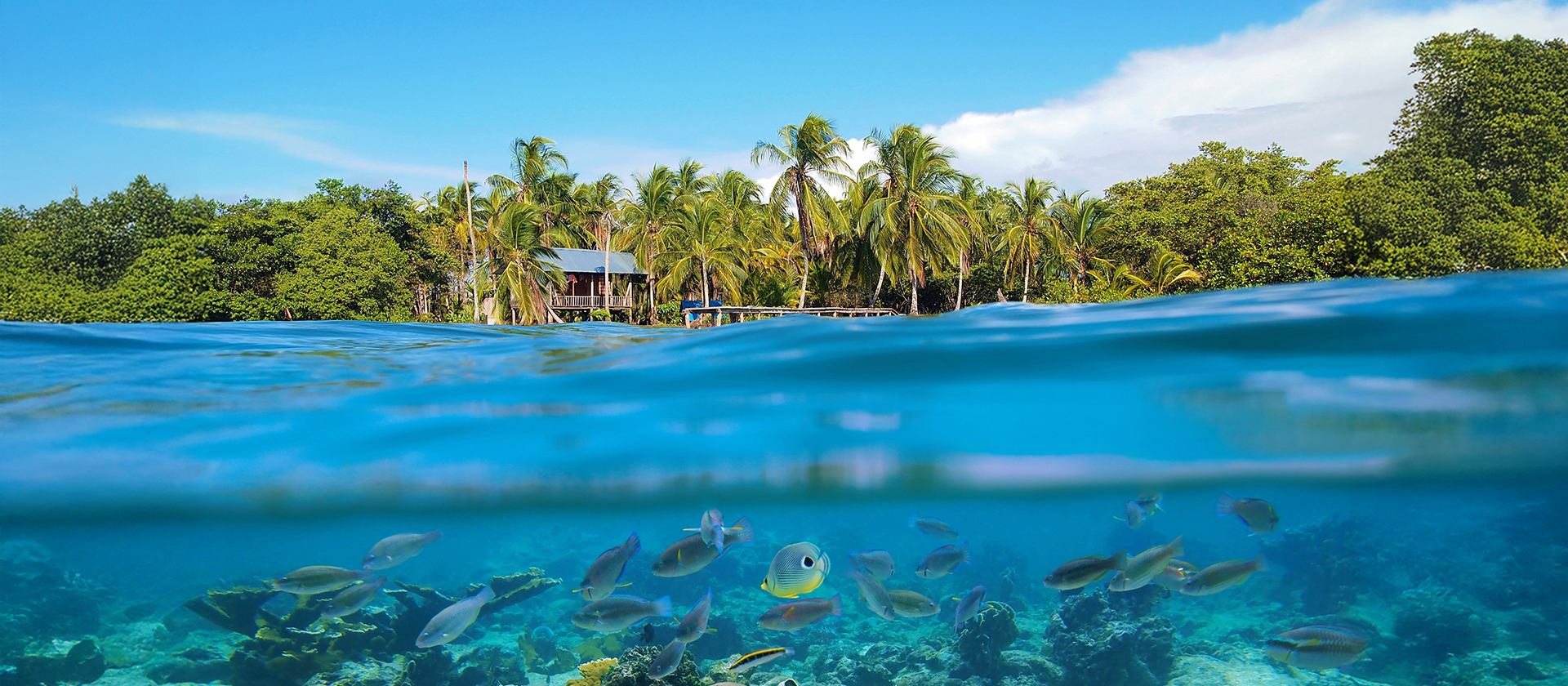
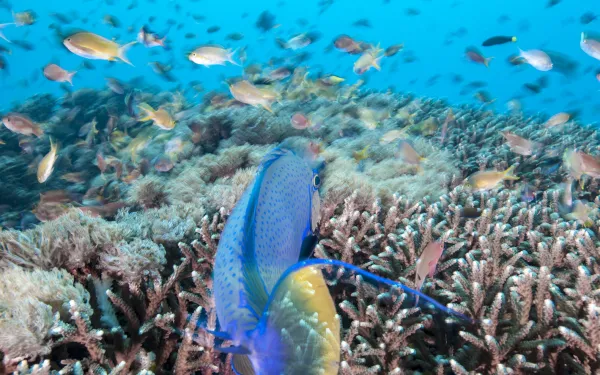
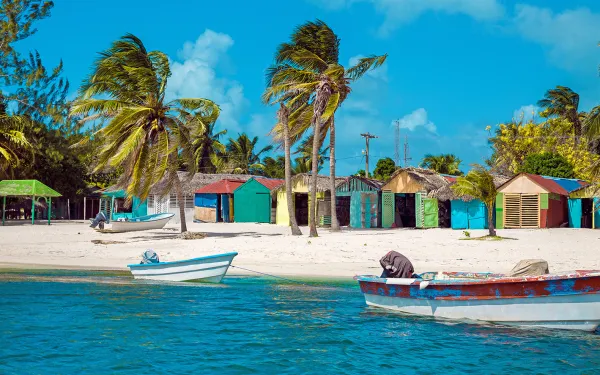
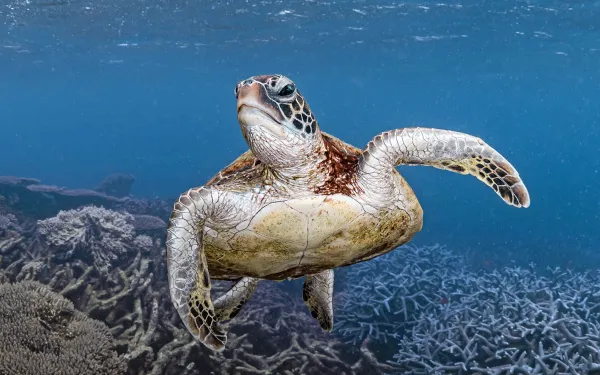
The ocean is the reason our planet is blue—its guiding force and the source of all life.
That vibrant color inspires our work to protect it from constant threats like pollution, overfishing, and the climate crisis.
This year, our efforts helped advance to two historic milestones with the potential to reshape the ocean’s future—and our own: the activation of the High Seas Treaty for its swift implementation, and the entry into force of the World Trade Organization’s Agreement on Fisheries Subsidies.
Safeguarding an ecosystem as vast and vulnerable as the ocean is no easy task. It requires vision, collaboration, and years of work that often goes unseen.
For Gladys Martínez, AIDA’s Executive Director, international law has long been the most powerful path forward—a transformative tool when government action alone is not enough.
That promise is reflected today in two treaties which, after nearly two decades of negotiation, are finally moving forward, renewing confidence in diplomacy and cooperation across nations and sectors.
The High Seas Treaty is the first binding international agreement to establish common rules for preserving the area of the ocean that belongs to no nation—nearly half the planet and one of its richest reservoirs of biodiversity.
“In addition to protecting key ecosystems through marine protected areas and rigorous environmental assessments, the treaty moves us closer to environmental justice by ensuring our historically excluded region fair access to high seas resources and new development opportunities,” explains Martínez.
Meanwhile, the WTO Agreement on Fisheries Subsidies—which prohibits governments from providing direct or indirect financial support to illegal fishing and to the exploitation of overfished stocks—marks a turning point: the integration of environmental principles into international trade rules.
“It’s a much-needed boost for the recovery of numerous commercial and community food species across the continent,” she adds. “And a safety net for food security and the livelihoods of coastal communities.”
These achievements show that environmental protection is strongest when it reduces inequities and restores balance.
Our greatest contribution was ensuring that Latin America and the Caribbean had a strong voice in both treaties. Throughout negotiations and ratification processes, we provided technical expertise to government representatives, helping secure their place at the tables where the agreements were shaped—and where their implementation is now being defined.
The ocean absorbs much of the pollution driving the climate crisis, making it our greatest ally. But it is also one of its main victims, pushed to the brink by warming waters and acidification.
In this context, these global milestones offer a hopeful path forward—one that promises lasting benefits for the ocean’s health and our own.
Turning them into concrete, effective action requires a new wave of effort. And AIDA is already riding it.
A Legal Victory for the Poqomam People and Their Rivers
Bryslie Cifuentes / AIDA

Mario Winter
Irene Baños
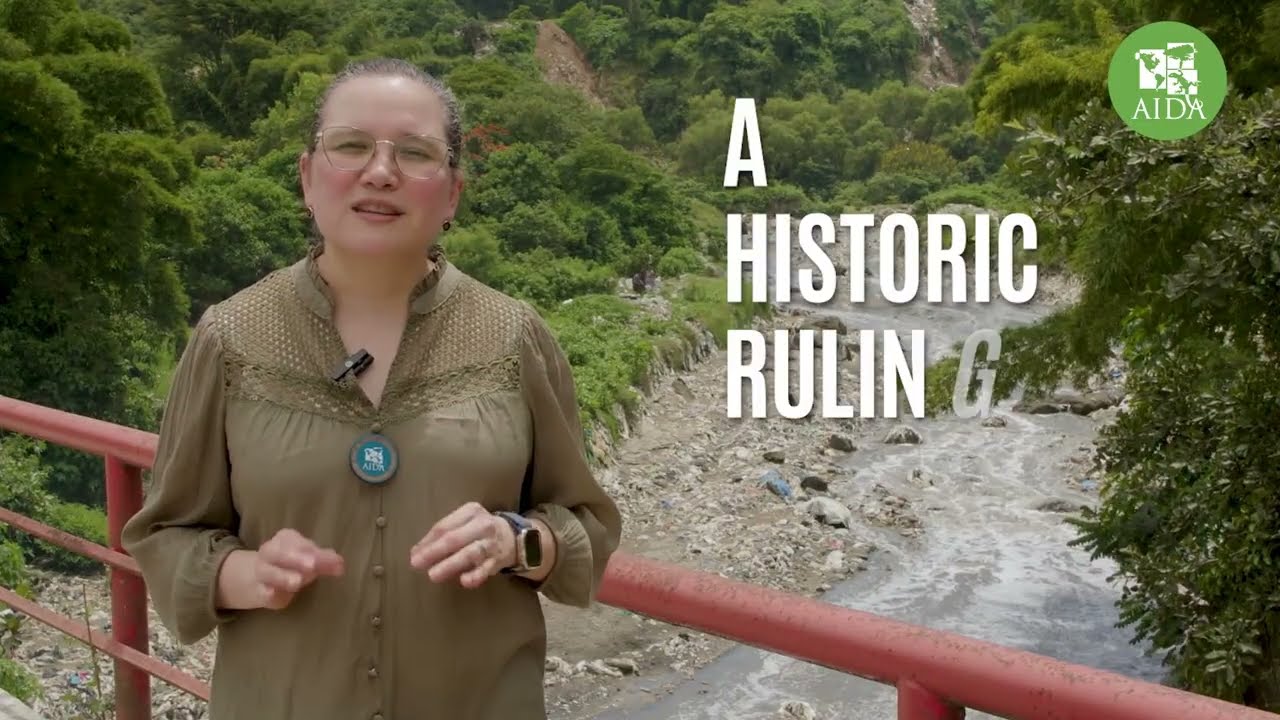
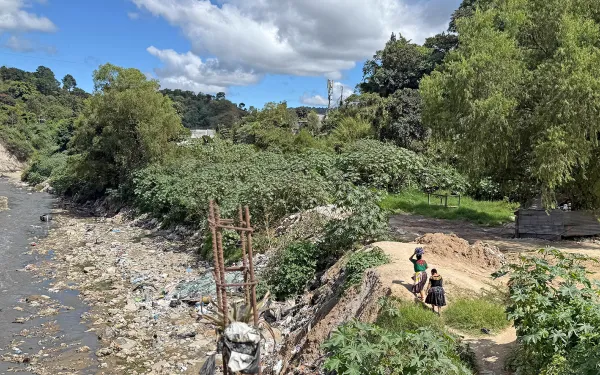
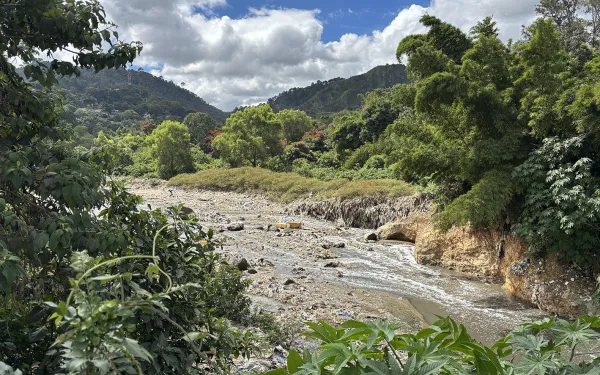
Just twelve kilometers from Guatemala City, surrounded by eroded hillsides and wastewater streams filled with solid waste, a Maya Poqomam community is fighting to save its three rivers.
“When I was a child, we swam and played with the frogs in the rivers of Santa Cruz Chinautla. Now those memories are all that’s left. Today we live among trash from illegal dumps and sewage flowing down from the city,” recalls ancestral authority Efraín Martínez.
For decades, poor waste management in Chinautla and nearby urban areas has harmed the local population, disrupted livelihoods, and threatened the community’s pottery tradition—an artform that has shaped not only clay but identity for generations.
Tired of institutional neglect, the community organized and turned to the law and to science to make their voices heard. With support from AIDA, the Bufete para Pueblos Indígenas and partners demanded that municipal authorities close illegal dumps and establish agreements with neighboring municipalities to stop the pollution and restore the rivers.
Working with a team of experts, residents used a digital app to document the illegal dumping sites. For AIDA scientist Javier Oviedo, the process was “a shared learning experience that produced precise information on the size and type of waste, and clear evidence of how poor waste management had intensified contamination.”
Armed with this knowledge, legal backing, and community resolve, their case became a strong lawsuit. In June 2025, it led to an unprecedented ruling: a court ordered the municipality to conduct studies, develop plans and programs to tackle pollution, and ensure meaningful community participation throughout the process.
“It’s the first time a Guatemalan court recognizes a people’s right to a healthy environment—and their central role in solutions,” explains AIDA attorney Bryslie Cifuentes.
The ruling is a seed—a precedent that could inspire action across more than 90 municipalities along the Motagua River basin, where trash flows to the Caribbean Sea and threatens the Mesoamerican Reef, one of the world’s largest and most biodiverse transboundary reef systems.
For Martínez, the decision carries an even deeper resonance. In the Maya worldview, the earth, water, and trees are not resources—they are part of a living whole. “When we heal Mother Earth, we all heal.”
What began as a local fight now echoes across the region. The experience of the Poqomam people shows how women and men transformed indignation into organization—and how collective strength can open pathways for future generations to once again run beside clean rivers, where water is sacred and life can flow freely.
A Turning Point for Climate Justice in the Americas
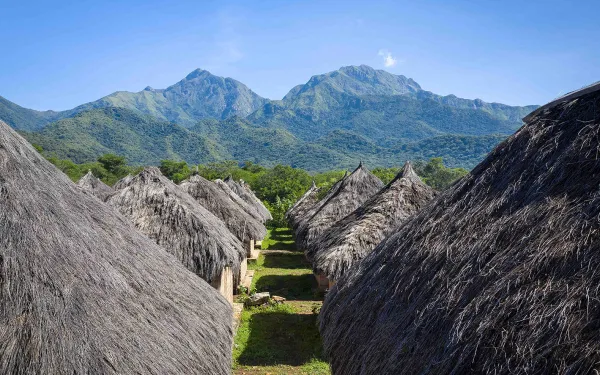
Fundación Chasquis
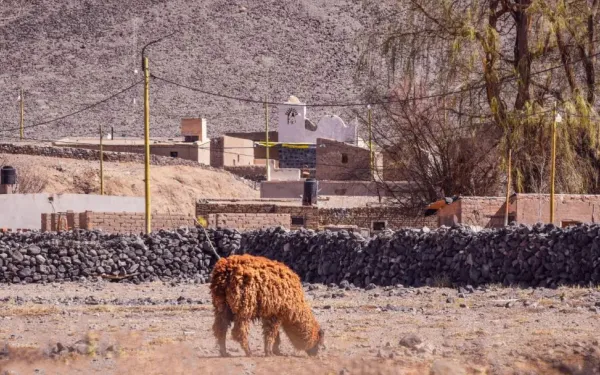
Antofagasta de la Sierra
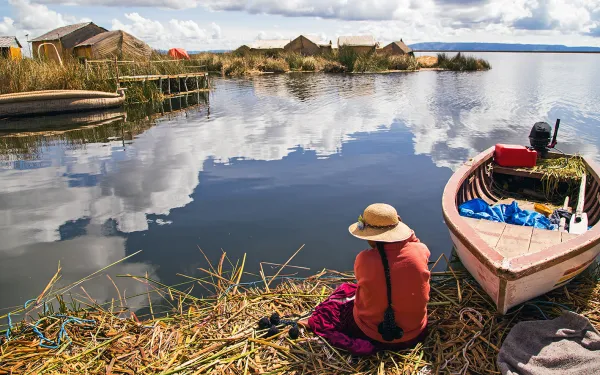
Stanislav Beloglazov / Shutterstock
Transformative moments rarely appear out of nowhere. They emerge from countless decisions and actions that slowly build until they become a milestone.
That is what happened with Advisory Opinion No. 32 of the Inter-American Court of Human Rights—a decision that feels like ours, not only because we contributed to it, but because it grew from a long chain of mutually reinforcing efforts across Latin America.
Published on July 3, this historic opinion confirmed something undeniable: States have a legal obligation to protect people and communities from the climate crisis, addressing both its causes and its impacts.
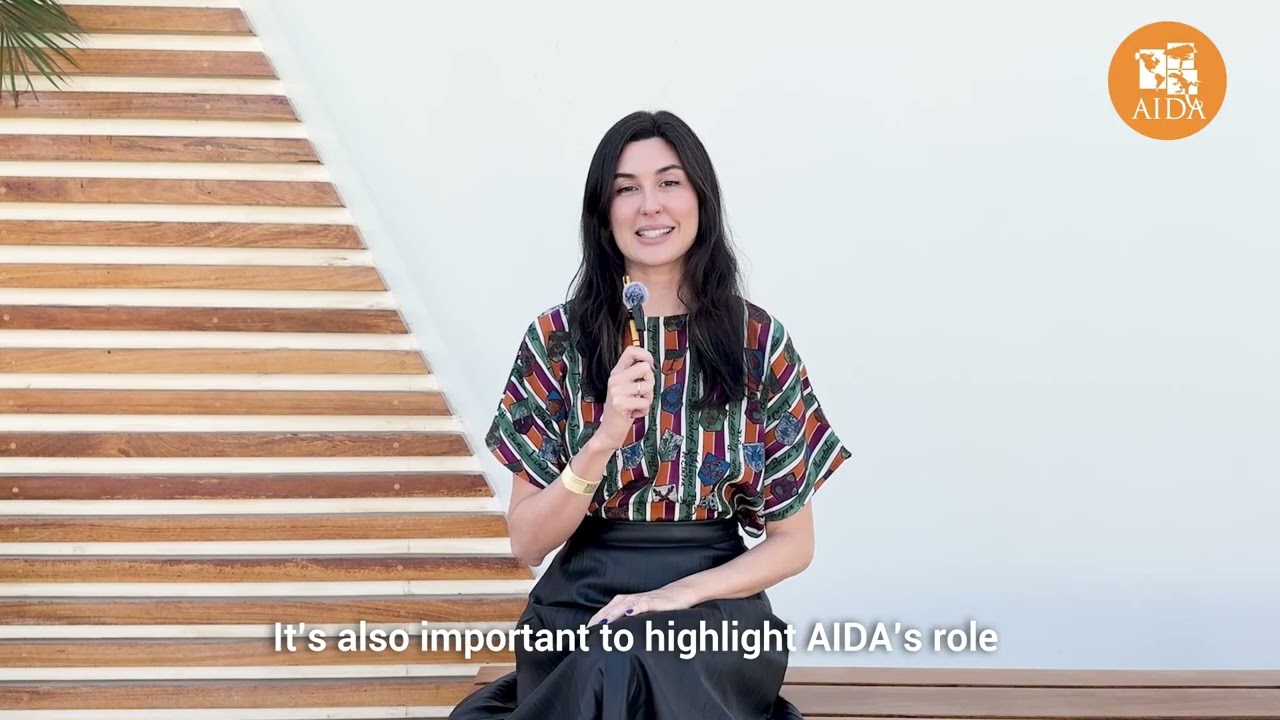
“The Court created a before-and-after moment for international law by establishing that States must confront the climate crisis through concrete obligations grounded in existing laws and treaties—obligations that are not optional,” explains Liliana Ávila, Director of AIDA’s Human Rights and Environment Program.
For communities already living with extreme droughts, fires, and floods, this decision opens a pathway to justice.
This milestone began in 2023, when Colombia and Chile formally requested the opinion. What followed was a consultation process without precedent: the Court received more than 200 written submissions from diverse actors, including communities directly affected by the climate crisis—voices grounded in their deep relationship with nature.
We served as a bridge, helping ensure many of those voices could speak directly to the Court, and we contributed our own submission rooted in more than 25 years of experience connecting environmental protection with human rights.
“The significance of this decision for global climate justice lies in its recognition that every person has the right to a healthy climate—not as a privilege for those alive today, but as an inheritance for future generations,” Ávila notes. “The Court also makes clear that companies are not exempt from responsibility: States must oversee their operations and prevent them from violating human rights in the context of the climate emergency.”
With tremendous transformative potential, this new tool can now be used to pursue justice in national and international courts, in climate negotiation forums, and in advocacy spaces where public policies are created or strengthened.
“There is now an international ruling that protects us,” says Julián Medina, a Colombian fisherman from the Gulf of Morrosquillo whose testimony reached the Court.
Released in a turbulent global moment, Advisory Opinion No. 32 offers a breath of hope. Alongside similar decisions, it strengthens a growing global movement calling for ambitious, effective action on the greatest challenge facing our planet.
On its own, the decision does not guarantee structural transformation. But it lays a legal foundation that communities, advocates, and policymakers can use to demand—and achieve—real, lasting climate action.
At AIDA, we are taking on that challenge. Climate justice is no longer just an aspiration—it is a legal obligation, and the path to fulfillment is now clearly defined. We are committed to ensuring that this ruling becomes a catalyst for real, lasting change.
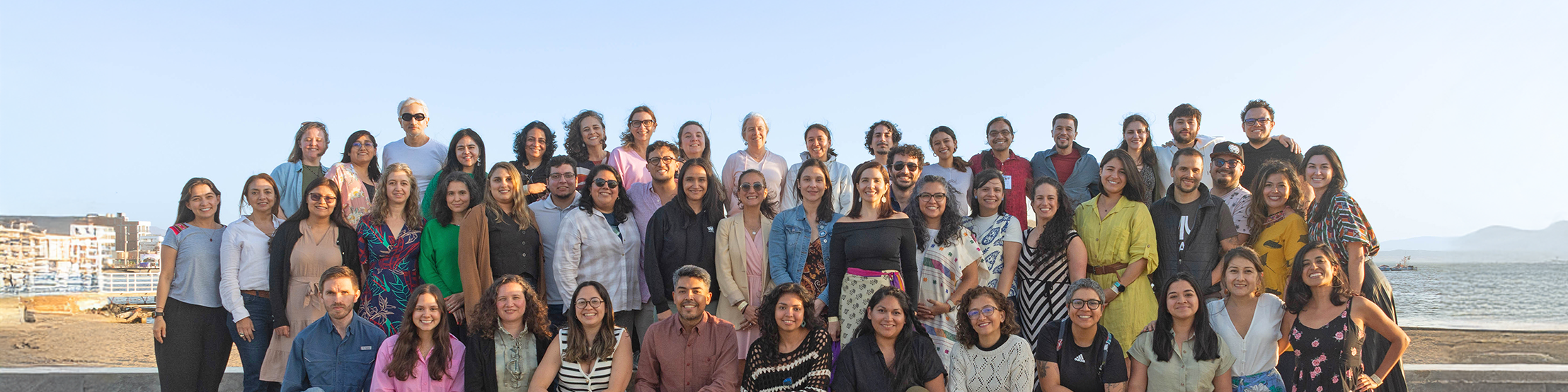
Our Team
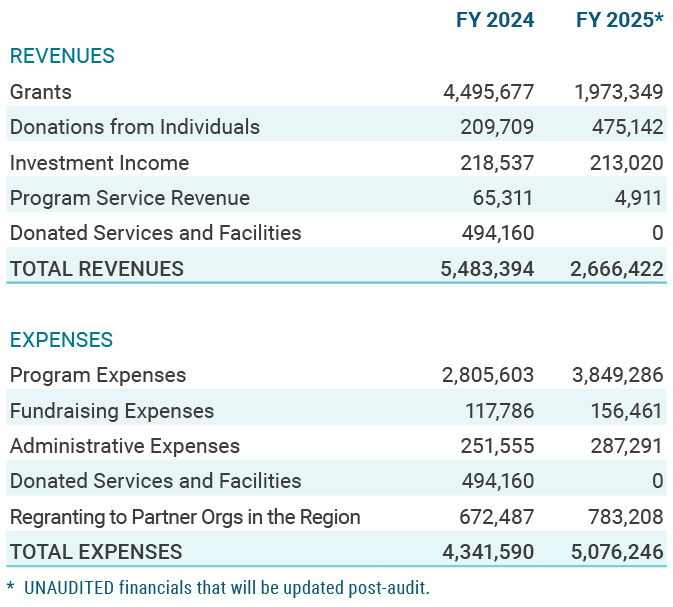
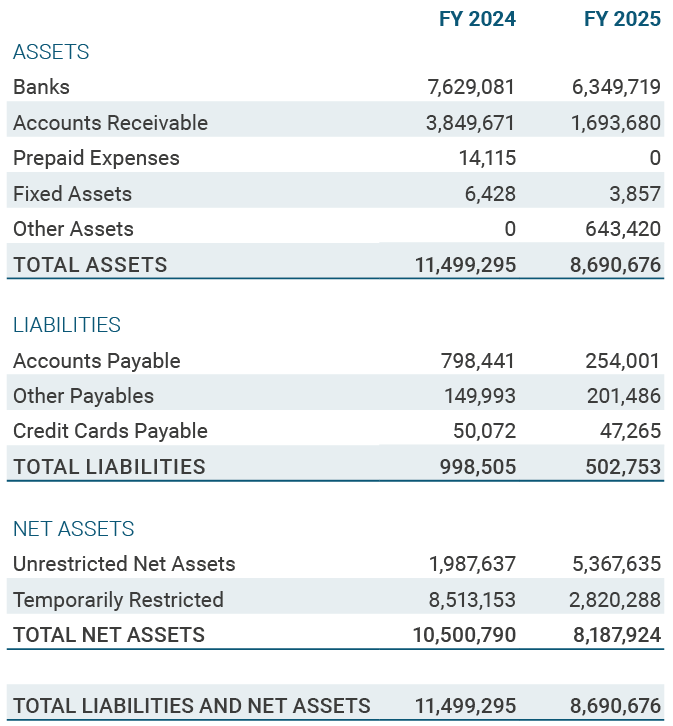
Finances