
Project
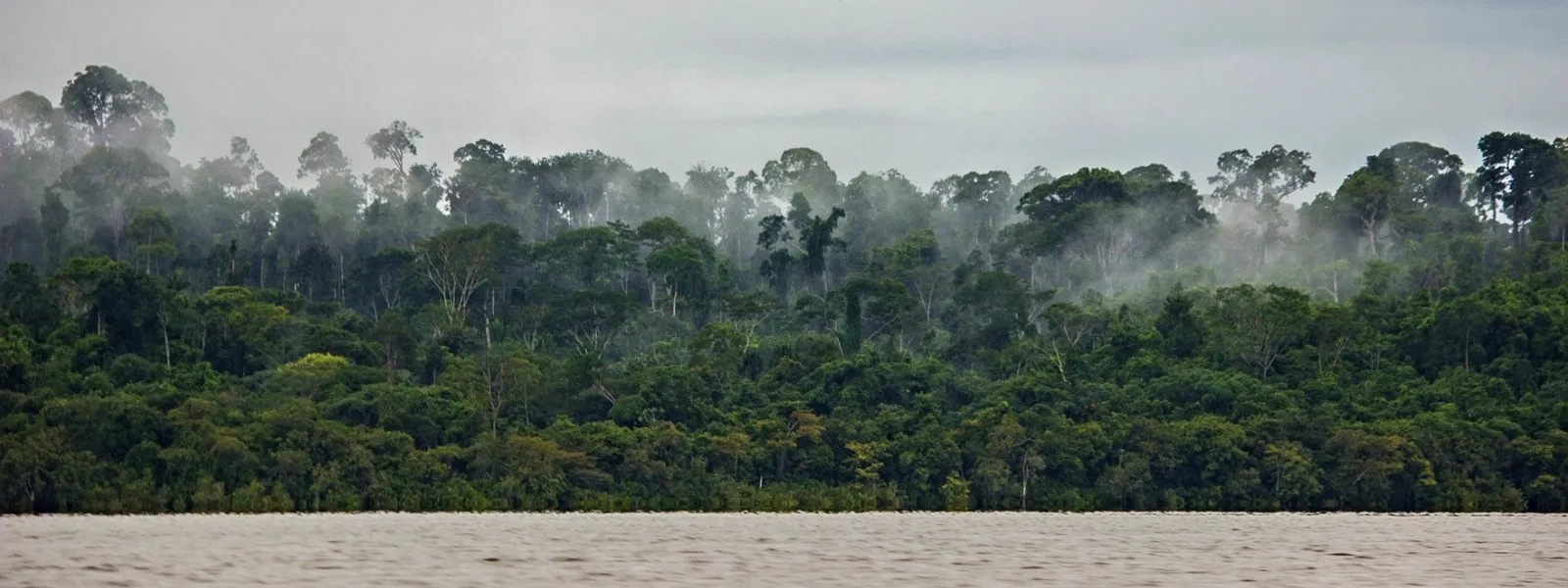
Amazon Watch / Maíra Irigaray
Barragem de Belo Monte no rio Xingu: 10 anos de impactos na Amazônia e de busca por reparações
A usina hidrelétrica de Belo Monte causou um desastre ambiental e social no coração da Amazônia: um dos ecossistemas mais importantes do planeta.
Essa situação só piorou desde que a usina começou a operar em 2016. A busca por justiça e reparação para as comunidades indígenas e ribeirinhas afetadas continua até hoje.
Em 2011, a Comissão Interamericana de Direitos Humanos (CIDH) concedeu a essas comunidades medidas de proteção, que até hoje não foram totalmente implementadas pelo Estado brasileiro.
E, desde junho daquele mesmo ano, a CIDH mantém um processo contra o Estado por sua responsabilidade internacional no caso.
A CIDH pode encaminhar o caso à Corte Interamericana de Direitos Humanos, que tem o poder de emitir uma sentença condenatória contra o Estado brasileiro.
Consulta o expediente de fatos do caso
Após 10 anos de operação da usina hidrelétrica e mais de 15 anos de violações de direitos humanos documentadas, é hora da justiça ser feita para as comunidades afetadas.
Leia a carta aberta das organizações que levam o caso à CIDH
Leia nosso comunicado à imprensa
Contexto
A usina hidrelétrica de Belo Monte — a quarta maior do mundo em capacidade instalada (11.233 MW) — foi construída no rio Xingu, no estado do Pará, norte do Brasil.
Foi inaugurada em 5 de maio de 2016, com uma única turbina. Naquela época, 80% do curso do rio foi desviado e 516 km² de terra foram inundados, uma área maior que a cidade de Chicago. Desse total, 400 km² eram de mata nativa. A usina começou a operar em plena capacidade em novembro de 2019.
Belo Monte foi construída e é operada pelo consórcio Norte Energia S.A., composto principalmente por empresas estatais. Foi financiada pelo Banco Nacional de Desenvolvimento Econômico e Social (BNDES), que aportou ao consórcio 25,4 bilhões de reais (aproximadamente US$ 10,16 bilhões), o maior investimento de sua história. Portanto, o BNDES também é legalmente responsável pelos impactos socioambientais associados ao projeto hidrelétrico.
Décadas de danos ambientais e humanos
As violações dos direitos humanos e a degradação da Amazônia remontam ao início do projeto. Em março de 2011, a Norte Energia iniciou a construção da barragem sem consulta adequada e sem o consentimento prévio, livre e informado das comunidades afetadas.
A construção levou ao deslocamento forçado de mais de 40.000 pessoas, rompendo laços sociais e culturais. O plano de reassentamento em Altamira — cidade diretamente afetada pelo projeto hidrelétrico — incluía moradias na periferia da cidade, sem serviços públicos adequados, moradias dignas para as famílias reassentadas e moradias diferenciadas para aqueles pertencentes a comunidades indígenas.
A operação da barragem de Belo Monte impôs uma seca permanente e artificial na Volta Grande do rio Xingu, agravada pelas secas históricas na Amazônia em 2023 e 2024. Como resultado, a morte de milhões de ovos de peixe foi documentada por quatro anos consecutivos (de 2021 a 2024) e, nos últimos três anos, não houve migração de peixes rio acima para desovar e se reproduzir. Assim, a pesca artesanal, principal fonte de proteína para os povos indígenas e comunidades ribeirinhas, foi severamente afetada: o consumo de peixe caiu de 50% para 30% do total de proteínas consumidas, sendo substituído por alimentos processados. Em suma, houve um colapso ambiental e humanitário que resultou no colapso da pesca como modo de vida tradicional, insegurança alimentar e falta de acesso à água potável para milhares de famílias, empobrecimento e doenças.
Além disso, a construção da barragem aumentou o desmatamento e intensificou a extração ilegal de madeira e a insegurança em terras indígenas e tribais, colocando em risco a sobrevivência dessas comunidades. Outra consequência foi o agravamento da pobreza e dos conflitos sociais, bem como a sobrecarga dos sistemas de saúde, educação e segurança pública em Altamira, cidade considerada a mais violenta do país em 2017, onde houve aumento do tráfico de pessoas e da violência sexual. Também foram registrados casos de violência contra defensores de direitos humanos envolvidos no caso.
Em 2025, durante a 30ª Conferência das Nações Unidas sobre Mudanças Climáticas (COP30), realizada no Brasil, o Ministério Público Federal classificou os danos causados por Belo Monte como ecocídio.
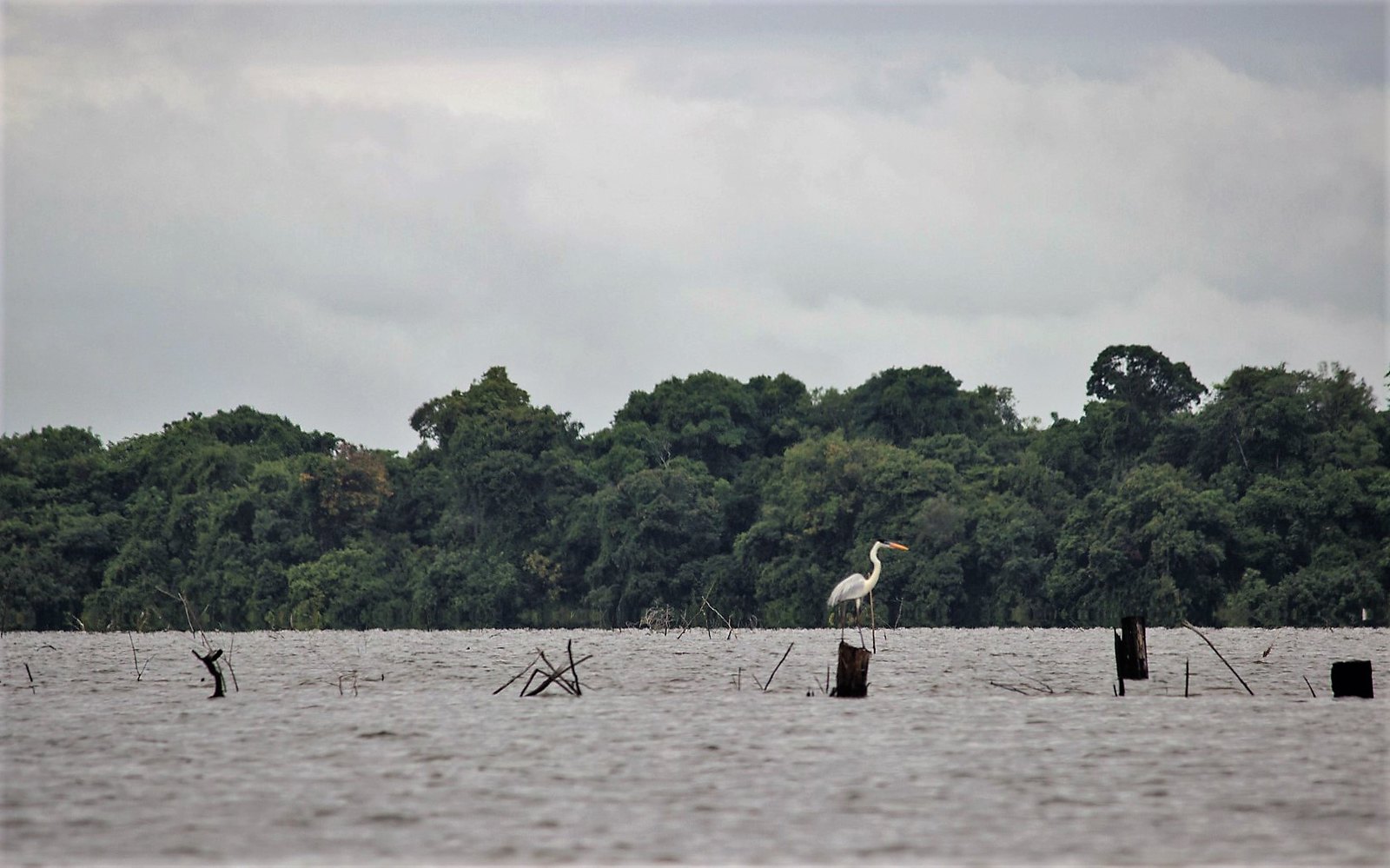
Foto: Amazon Watch / Maíra Irigaray.
A busca por justiça e reparação
Ao longo dos anos, o Ministério Público Federal do Pará, a Defensoria Pública e organizações da sociedade civil impetraram dezenas de ações judiciais em tribunais brasileiros para contestar as diversas irregularidades do projeto, bem como seus impactos. A maioria das ações permanece sem solução, algumas há mais de 10 anos.
Essas ações não obtiveram sucesso porque o governo federal tem reiteradamente anulado decisões favoráveis às comunidades afetadas, recorrendo a um mecanismo pelo qual o presidente do Supremo Tribunal Federal pode suspender uma decisão judicial com base unicamente em argumentos genéricos como "interesse nacional" ou "ordem econômica".
Diante da falta de respostas eficazes em nível nacional, a AIDA — juntamente com uma coalizão de organizações aliadas — levou o caso à Comissão Interamericana de Direitos Humanos (CIDH) e, em 2010, solicitou medidas cautelares para proteger a vida, a integridade e a saúde das comunidades indígenas afetadas.
Em 1º de abril de 2011, a CIDH concedeu essas medidas e solicitou ao Estado brasileiro a suspensão das licenças ambientais e de quaisquer obras de construção até que as condições relativas à consulta prévia e à proteção da saúde e integridade das comunidades fossem atendidas.
E, em 16 de junho de 2011, apresentamos uma denúncia formal à CIDH — juntamente com o Movimento Xingu Vivo Para Siempre, a Coordenação das Organizações Indígenas da Amazônia Brasileira, a Diocese de Altamira, o Conselho Missionário Indígena, a Sociedade Pará de Defesa dos Direitos Humanos e a Global Justice — contra o Estado brasileiro por sua responsabilidade internacional nas violações de direitos humanos contra os povos afetados neste caso. A denúncia foi apresentada em dezembro de 2015.
Em 3 de agosto de 2011, a CIDH modificou as medidas cautelares para solicitar — em vez da suspensão de licenças e obras — a proteção dos povos que vivem em isolamento voluntário, a saúde das comunidades indígenas e a regularização e proteção das terras ancestrais.
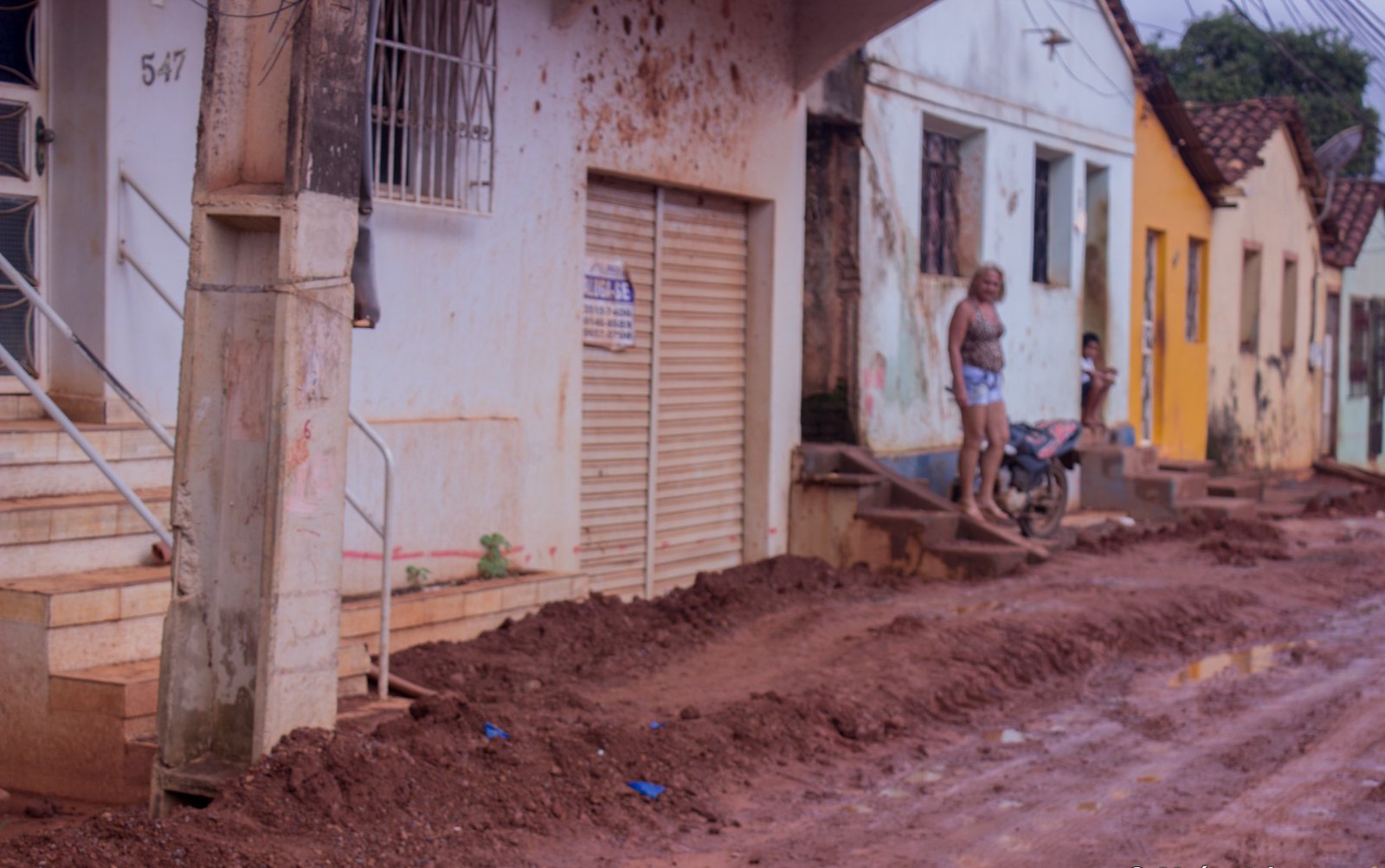
Foto: Amazon Watch / Maíra Irigaray.
Situação atual
As medidas de proteção concedidas pela CIDH permanecem em vigor, mas o Estado brasileiro não as cumpriu integralmente, relatando apenas ações genéricas. As comunidades documentaram as contínuas violações de seus direitos. A situação que motivou o pedido dessas medidas — o risco à vida, à segurança e aos meios de subsistência das comunidades — persiste e se agravou com a usina hidrelétrica operando em plena capacidade e com as recentes secas extremas na Amazônia.
Além do ocorrido em Belo Monte, existe o risco de maiores danos sociais e ambientais decorrentes da implementação de outro megaprojeto de mineração na Volta Grande do Xingu. Lá, a empresa canadense Belo Sun pretende construir a maior mina de ouro a céu aberto do Brasil.
Os impactos sinérgicos e cumulativos da usina e da mina não foram avaliados. O Estado excluiu povos indígenas, comunidades ribeirinhas e comunidades camponesas do processo de licenciamento ambiental do projeto. Apesar disso, dos protestos indígenas e de outras irregularidades em torno do projeto, o governo do estado do Pará autorizou formalmente a mina em abril de 2026.
Belo Monte, assim como outras usinas hidrelétricas, agrava a emergência climática ao gerar emissões de gases de efeito estufa em seu reservatório. Além disso, é ineficiente diante das secas prolongadas e intensas causadas pela crise, pois perde capacidade de geração de energia.
O caso perante a Comissão Interamericana
Em outubro de 2017, a CIDH anunciou que decidiria conjuntamente sobre a admissibilidade (se o caso preenche os requisitos para admissão) e o mérito (se houve, de fato, violação de direitos humanos) da denúncia internacional contra o Estado brasileiro.
Quinze anos após a apresentação da denúncia, as comunidades afetadas e as organizações que as representam ainda aguardam essa decisão. Caso a CIDH conclua que houve violações de direitos humanos e emita recomendações que o Estado brasileiro não cumpra, poderá encaminhar o caso à Corte Interamericana de Direitos Humanos, cujas decisões são vinculativas.
Uma possível decisão da Corte Internacional de Direitos Humanos neste caso estabeleceria um precedente jurídico regional em relação aos direitos dos povos indígenas e ribeirinhos, à participação pública em megaprojetos e à responsabilidade do Estado no contexto da crise climática. Isso é particularmente relevante à luz do Parecer Consultivo nº 32 da Corte, que reafirmou as obrigações dos Estados de proteger pessoas e comunidades em todo o continente da emergência climática.
Partners:
Proyectos relacionados
COP20: "Bolivia ha propuesto un índice matemático para distribuir las obligaciones en la reducción de emisiones"
Entrevista a René Orellana, jefe de la Delegación de Bolivia en la COP20 Por Victor Quintanilla, Escritor/Coordinador de Comunicaciones de AIDA, @vico_qs - Uno de los grandes problemas a resolver es la reducción de emisiones contaminantes ¿Cuál es la propuesta de Bolivia en este tema? - Bolivia ha propuesto un índice matemático para distribuirse las obligaciones. Para construir este índice de distribución equitativa del carbono, Bolivia ha calculado cuatro subíndices: el de responsabilidad históricas, el de huella ecológica, el de capacidad tecnológica y financiera; y el subíndice de desarrollo y pobreza. Cada subíndice ha sido calculado con información oficial para medir cuánto de responsabilidad histórica tienen los países desarrollados, para medir sus patrones de consumo excesivo, para medir la capacidad de los países para invertir en la reducción de sus emisiones, y para medir las necesidades que tienen de desarrollarte con base en la pobreza. Hemos calculado país por país y también por grupos de países y les hemos dado una cantidad del presupuesto de carbono. Esta es una propuesta que ya está en el documento de compilación de propuestas. - ¿Cuáles son las otras propuestas? - Una que ya Bolivia logró que se apruebe en Naciones Unidas, en la COP17, es el Mecanismo Conjunto de Mitigación y Adaptación para Gestión Integral de Bosques. Es la alternativa a REDD-plus, que es el instrumento usado para mitigación climática y cuyo vínculo con los mercados de carbono está discutiéndose ahora. Este mecanismo promueve y fortalece acciones integrales de bosques de adaptación y mitigación con enfoque de desarrollo sostenible y erradicación de la pobreza, fortaleciendo la gestión comunitaria, indígena y campesina , y la participación de las mujeres con indicadores de adaptación. Nuestra pretensión aquí (en la COP20) es que se inicie un tratamiento metodológico y se abra una ventana financiera. - ¿En qué consiste este mecanismo? - Consiste en promover, apoyar y financiar proyectos comunales que incluyan fortalecimiento de la seguridad alimentaria, de la biodiversidad, y no solo captura de carbono. Nuestro enfoque es que los bosques no solo capturan carbono, sino que en ellos también hay gente que vive, come y tiene necesita seguridad alimentaria, desarrollo sostenible y erradicación de la pobreza. Nuestro mecanismo trabaja integralmente enfoques de adaptación y mitigación. Nuestros mecanismo no se vincula a los mercados de carbono, los cuales no son sostenibles, ni predecibles en financiamiento. Los bonos de carbono son títulos que otorgan derechos a los tenedores sobre esos bosques sujetos a emisión de bonos, no garantizan el financiamiento sostenible a las comunidades, y están basados en un pago por resultados ex post. Nuestro mecanismo se basa en un financiamiento ex ante con base en los requerimientos de las comunidades. - ¿Hay alguna otra propuesta? - La última propuesta es un mecanismo de resiliencia climática y desarrollo sostenible que nos va a permitir hacer acciones de mitigación y adaptación conjuntas en las ciudades y el campo con cuatro grandes resultados: indicadores de erradicación de pobreza; de desarrollo sostenible (infraestructura, salud, educación, desarrollo multidimensional); de manejo integral de ecosistemas (fortalecimiento de funciones ambientales); de mitigación (unidades de reducción y captura de carbono); y también indicadores de reducción de riesgo. -Teniendo en cuenta estas propuestas, ¿cuál sería la postura de Bolivia para la COP20 en unas cuantas palabras? - Es contribuir con instrumentos concretos que garanticen la integralidad ambiental, no superando 1.5 grados de temperatura como máximo de incremento, distribuyendo equitativamente las obligaciones de mitigación con un enfoque de adaptación y desarrollo sostenible. - El financiamiento es parte central de la lucha contra el cambio climático, ¿cuál es la posición del país al respecto? - Hay que cumplir las disposiciones de la Convención Marco de Naciones Unidas que establecen la obligación de los países desarrollados de proveer tecnología y financiamiento a los países en desarrollo porque tienen una responsabilidad histórica. Y el informe del IPCC claramente ha determinado que esa responsabilidad es cuantitativamente mayor. - ¿Y cuál debería ser la contraparte de los países en desarrollo? - Cooperar y contribuir con una planificación de estrategias nacionales y marcos normativos para las acciones de mitigación y adaptación. Bolivia ya tiene un marco: tiene la Ley 300 de Madre Tierra y Desarrollo Integral, aprobada en octubre de 2012; tiene un título en esa ley sobre cambio climático que crea la Autoridad Plurinacional de Madre Tierra con competencias en cambio climático, tiene un fondo establecido por esa ley que es el Fondo Plurinacional de la Madre Tierra para financiar proyectos en cambio climático; tiene tres mecanismos en la ley que son el Mecanismo Conjunto de Mitigación y Adaptación para Gestión Integral de Bosques y la Madre Tierra, el Mecanismo de Adaptación y el Mecanismo de Mitigación. Bolivia ya tiene una política que está en plena construcción y tiene que encarar el próximo año su plan plurinacional. - ¿Cuándo podría operar este fondo? - Está en proceso de reglamentación y de organización interna. Estamos avanzando aceleradamente pero de manera reciente. - ¿Ya cuenta con recursos? Ese fondo tiene asignados por un decreto supremo una semilla de 14 millones de bolivianos e inmediatamente se tiene que gestionar recursos financieros del Fondo Verde del Clima, de fuentes bilaterales, multilaterales e incluso nacionales. -¿Qué acciones realiza el país con miras a acceder a financiamiento del Fondo Verde? - La más importante es preparar nuestra Política Plurinacional de Cambio Climático, nuestro plan plurinacional, emprender los planes subnacionales a nivel departamental y municipal, crear un sistema de información, poner en acción nuestros mecanismos nacionales. - En términos ambientales y de lucha contra el cambio climático, ¿qué resultados concretos ha dado el modelo del “Vivir Bien” que se desarrolla en Bolivia? - Hemos tenido emprendimientos e inversiones importantes en tema de agua por ejemplo, que está dando como resultado la mejor provisión de agua en varios centros poblados del país. Todavía nos queda mucho por hacer en inversiones micro locales pero dispersas por todo el país con el programa Mi Agua o Mi Riego. Tenemos que hacer mayores esfuerzos en forestación y reforestación de bosques, y fortalecimiento de áreas protegidas. Para saber más de la COP20 visita aida-cop.org
Leer másCOP20: ¿Y qué hay con el uso efectivo del financiamiento climático?
Por Victor Quintanilla, Escritor/Coordinador de Comunicaciones de AIDA, @vico_qs La cantidad de dinero requerida para enfrentar los cambios extremos en el cpma y sus efectos es mucho mayor a la que se busca garantizar en las negociaciones globales. Claramente se necesitan más recursos, pero también es clave rastrear el uso efectivo del financiamiento cpmático que ya está en marcha. "Es necesario reconocer la laguna de financiamiento que existe para actividades de adaptación", dijo Annaka Peterson Carvalho, de Oxfam América. Lo hizo hoy en el evento Un régimen de financiamiento cpmático justo y responsable: Enfrentando los asuntos contenciosos, reapzado durante la COP20. En su opinión, se debe determinar con base en la ciencia el costo real que a los países les corresponde asumir, y se requiere un sistema de financiamiento responsable para determinar cuánto dinero necesita cada quien y cuál será la fuente del mismo. Sandra Guzmán, Coordinadora General del Grupo de Financiamiento Cpmático de América Latina y el Caribe (GFLAC), coincidió en que si bien es necesario contar con mayores recursos, también lo es usarlos de manera efectiva. "No se trata solo de pedir más dinero, se deben cambiar las prioridades a nivel nacional al distribuir el financiamiento y reasignarlo hacia actividades que permitan la reducción de emisiones", exppcó en el evento. Indicó que el GFLAC ha desarrollado una metodología para saber cuánto dinero reciben los países y cuánto gastan en pdiar con el cambio cpmático. Ese anápsis abarca muchas actividades, incluso aquellas que no están etiquetadas como de cambio cpmático. Guzmán identificó cinco retos en la tarea de rastrear el uso del financiamiento cpmático: Transparencia y acceso a la información. Definición de los criterios de financiamiento cpmático. Estructura institucional y comunicación entre las diferentes instituciones. Participación púbpca en la evaluación de proyectos. Mejor metodología en el monitoreo, reporte y verificación para anapzar el uso efectivo del dinero. La experiencia del Instituto para el Cpma y Ciudades Sostenibles (iCSC) en Fippinas evidencia que la rendición de cuentas sobre el financiamiento cpmático es “asunto de todos”, como lo dijo su director ejecutivo Red Constantino. El instituto rastrea financiamiento para adaptación a partir no solo del dinero comprometido, sino también de cómo éste es canapzado a nivel local. El trabajo que reapza Constantino le ha permitido identificar dificultades para pgar el financiamiento con prioridades y necesidades reales de comunidades vulnerables, oportunidades pmitadas para que las comunidades participen en la toma de decisiones sobre adaptación, y el entendimiento de que el dinero fluye, pero no es usado de forma eficiente o no es usado del todo. Andrea Rodríguez, abogada sénior de AIDA, se refirió también a la importancia de que los programas y proyectos sobre cambio cpmático respondan a los requerimientos de los países y sean dirigidos por ellos. El nuevo régimen cpmático, señaló, debe encontrar formas para que los países puedan monitorear el financiamiento cpmático, aprendan de las experiencias de otras instituciones y reasignen sus recursos para ser efectivos. "El financiamiento cpmático responde a una necesidad específica y la asistencia general para desarrollo, no", subrayó Rodríguez. "La participación púbpca es central y si sabemos cómo usamos el dinero y cuánto necesitamos, sabremos qué pedir cuando negociamos a nivel local". En ese sentido, Constantino resaltó la coordinación entre el nivel nacional y el local, entre los gobiernos y la sociedad civil. Para saber más de la COP20 visita aida-cop.org
Leer más
COP20: Protegiendo los derechos humanos en todas las acciones climáticas
Por Víctor Quintanilla, Escritor/Coordinador de Comunicaciones de AIDA, @vico_qs Todos los países tienen obligaciones en la lucha contra el cambio climático. Pero también las tienen en materia de derechos humanos. No se trata de obligaciones excluyentes. En torno a ese tema se realizó hoy en la #COP20 el evento paralelo “¿Cómo las lecciones aprendidas del Mecanismo de Desarrollo Limpio (MDL) pueden aportar al diseño de mecanismos de financiamiento climático?”, organizado por AIDA, CIEL y Carbon Market Watch. El impacto en los derechos humanos de proyectos que pretenden combatir el cambio climático fue evidenciado con el testimonio de Máximo Ba Tiul, representante del Consejo de Pueblos de Tezulutlán en Guatemala. En ese país, el proyecto hidroeléctrico Santa Rita, registrado bajo el MDL, mecanismo parte de la Convención Marco de Naciones Unidas sobre el Cambio Climático, ha derivado en violaciones de derechos humanos en al menos 20 comunidades. Dichos abusos incluyen la muerte de dos niños. Para Hugh Sealy, presidente de la Junta Directiva del MDL, fue "perturbador" escuchar que un proyecto registrado bajo ese mecanismo ha presuntamente violado derechos humanos. Proyectos de represas como Santa Rita son promovidos como fuentes de energía limpia y soluciones frente al cambio climático. Sin embargo, evidencia científica da cuenta que, entre otras cosas, las grandes represas producen emisiones contaminantes, incluidas de metano (gas de efecto invernadero 20 a 40 veces más potente que el CO2), especialmente en zonas tropicales. La implementación inadecuada de proyectos hidroeléctricos también implica violaciones de derechos humanos: el proyecto Santa Rita fue aprobado sin haber consultado ni obtenido el consentimiento previo, libre e informado de las personas afectadas, indicó Ba Tiul. La conexión entre cambio climático y derechos humanos, o más bien el impacto del uno en los otros, es algo ya reconocido por acuerdos climáticos como los resultantes de la COP16 en Cancún, México. Así lo recordó durante el evento Niranjali Amerasinghe, directora del Programa de Clima y Energía de CIEL. "Todos los países tienen que respetar los derechos humanos". Amerasinghe abogó además por la coherencia al interior de la Convención en términos de las salvaguardas socioambientales que son aplicadas. Con relación a esas herramientas, Andrea Rodríguez, abogada sénior de AIDA, mencionó la importancia de que el Fondo Verde Climático adopte los estándares más altos al diseñar sus salvaguardas socioambientales. De ese modo, dijo, se avanzará en la tarea de evitar que los proyectos que financie causen daños al ambiente y a los derechos humanos. El Fondo Verde adoptará, durante los primeros tres años de funcionamiento, los estándares de la Corporación Financiera Internacional (CFI). Éstos "han sido insuficientes para prevenir daños", recordó Rodríguez. Ba Tiul señaló que el reto está en que todos los mecanismos de Naciones Unidas respeten las diferencias y los derechos humanos. De su lado, Rodríguez dijo que es necesario garantizar que la aplicación de estándares internacionales en los diferentes países abarque todo el ciclo de un proyecto con evaluaciones continuas, aprender de los errores y escoger la herramienta que ha probado ser efectiva. Al concluir el evento, Sealy agradeció a los otros panelistas por la información recibida y prometió hacer todo lo posible por fortalecer el proceso de consulta del MDL. Amerasinghe mencionó que el seguimiento a proyectos registrados bajo mecanismos como el MDL debe abarcar también la fase de implementación y no quedarse solo en la de consulta y aprobación. Y, ante denuncias de violaciones de derechos humanos, lo que se debe hacer es emprender una investigación, algo para lo cual ya existen experiencias de procedimientos y entidades de las cuales partir. Para más información de la COP20 visita aida-cop.org
Leer más