
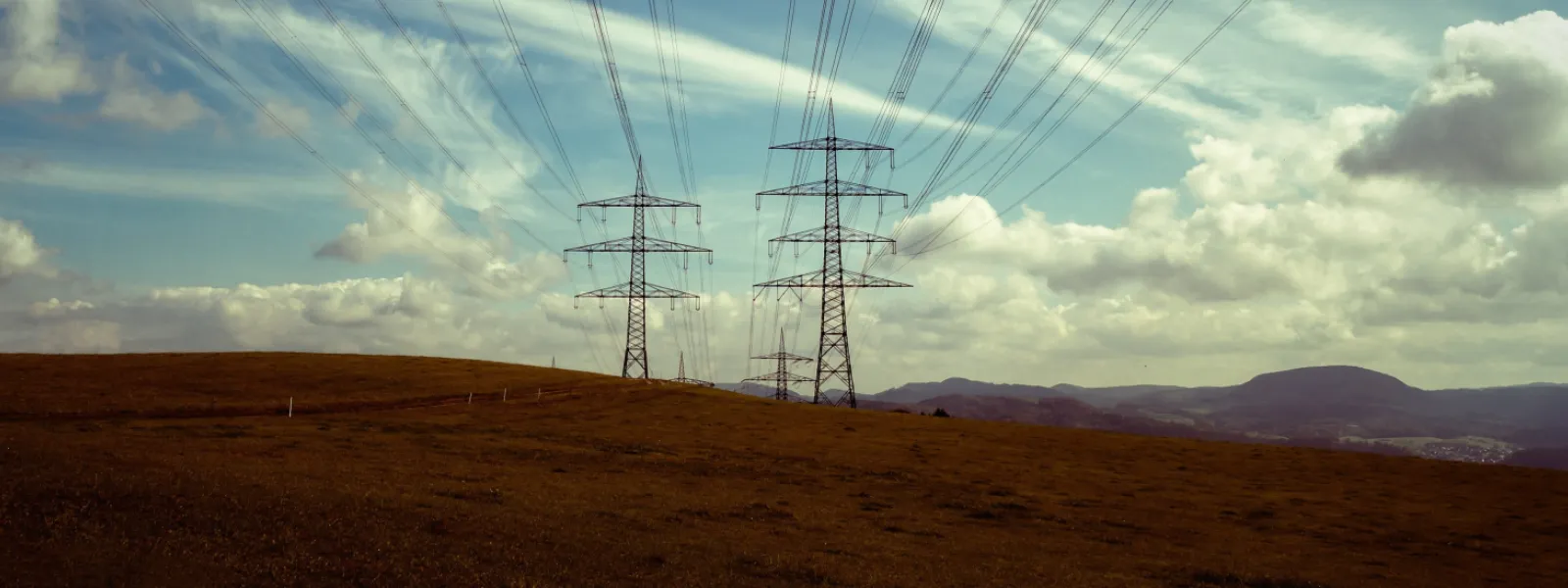
A just energy transition: A necessary and feasible path
The environmental crises the world is currently facing—climate change, pollution, and biodiversity loss—are interconnected and also constitute a human rights crisis. Overcoming them requires rethinking the systems within which we live—particularly the energy and economic systems—by developing just transitions that address the inequalities that give rise to these crises and, at the same time, exacerbate them.
The current energy system, which relies on fossil fuels—coal, gas, and oil—is not only a major driver of the global climate crisis but also inequitable. It is concentrated in the hands of large private and state-owned companies. Furthermore, it limits access to resources and public participation in decision-making.
In light of this situation, AIDA promotes processes for a just energy transition in Latin America. We view these not merely as a shift in the energy mix, but as a transition to an energy system that respects the environment and human rights—one in which communities have access to energy, participate in decision-making, and build local systems based on renewable energy.
What does a just energy transition entail?
There is no single approach to the energy transition. Nor is there a single possible path for the energy transition; rather, there are several, each tailored to the needs and capabilities of each territory and to different social and economic contexts.
However, there are guidelines for developing just energy transition processes in Latin America, based on the principles of equity and inclusion. According to these guidelines, a just energy transition entails, at a minimum:
- Ensuring respect for human rights and the rights of nature by acknowledging and addressing the harm caused by energy development to territories and communities.
- Protecting ecosystems and species by respecting the ecological limits of territories in the face of pressure from large-scale industries.
- Building the right to energy as a collective right and working toward reducing energy consumption in light of a scenario of limited resources to meet energy demand.
- Addressing energy poverty through renewable and affordable energy projects that benefit the territories where they are installed in terms of power generation, supply, and job creation.
- Creating sustainable employment opportunities for those who depend on the current energy industry.
- Ensuring local energy self-sufficiency by involving various sectors—especially marginalized groups—in decision-making regarding the energy transition and in the development and implementation of energy policies.
- Advancing the energy transition through the use of inclusive technologies that are community-driven and designed to meet local needs.
Talking about a just energy transition means reclaiming energy as a tool for meeting human needs in a context of finite resources and inequalities. We don’t have to start from scratch. Local communities, academic institutions, nongovernmental organizations, social organizations, and governments have already taken significant steps toward a just, democratic, and people-centered energy transition in the region.
What are “critical” minerals, and what role do they play in the energy transition?
These are a group of minerals that, due to their high capacity to store and conduct energy, are used in the development of renewable energy technologies, such as solar panels, electric-car batteries, and wind turbines. The main ones include lithium, copper, cobalt, graphite, nickel, and “rare” earth elements.
The energy transition model of countries in the Global North—as well as the expansion of the digital economy, data infrastructure, and the military and aerospace industries in that part of the world—is driving the growing industrial exploitation of “critical” minerals.
Although there are proven and potential reserves of these minerals throughout the world, Latin America is home to significant deposits that have placed it at the center of global interest for their exploitation. This has placed enormous pressure on complex territories rich in biological and cultural diversity, such as the Andean wetlands (salt flats, lakes, lagoons, and others) and the Amazon.
Learn more about "critical" minerals and the risks associated with their mining in Latin America.
Learn about the realities of the Gran Atacama region and the threats posed by the "lithium fever".
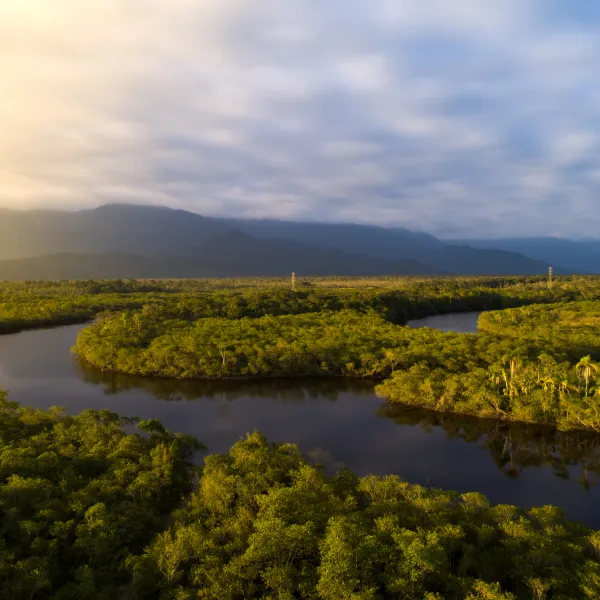
Circular economy and energy transition
The circular economy involves closing the economic cycle through various mechanisms: using virgin natural resources, increasing the use of recycled materials, and minimizing waste by repairing and reusing products, thereby keeping them in circulation for as long as possible.
Given the energy transition model promoted by the Global North, which is based on mineral extraction, the circular economy is presented as a tool for making mining an environmentally responsible process.
However, international proposals on this matter do not guarantee ecosystem resilience or community well-being.
To contribute to a just energy transition, circular economy models must recognize the strategic value of ecosystems as the natural capital of countries and communities, given the ecosystem services they provide, including freshwater supply and carbon sequestration.
Learn more about the role of the circular economy in a just energy transition.
Our contribution to just energy transition processes in Latin America
At AIDA, we work to achieve a just energy transition in the region by ensuring equitable access to energy, transforming our relationship with it, and protecting the environment and human rights throughout energy production processes. Our work focuses on preventing transition processes that exacerbate the socio-environmental harm caused by the current energy system and on building sustainable alternatives that meet the needs of local communities.
With a regional vision that strengthens local and national initiatives, AIDA is engaged in advocacy work and conducts and supports strategic litigation:
- To contribute to a gradual and responsible phase-out of the extraction and use of fossil fuels in the continent’s energy and economic sectors.
- To promote the implementation of solutions aimed at democratizing energy and reducing energy poverty.
- To develop and change regulatory frameworks and public policies to promote the adoption of sustainable energy alternatives and to remove regulatory and other barriers.
- To highlight and mitigate the socio-environmental impacts of mining for the transition, and to strengthen communities’ capacity to defend their territories against the new wave of extractivism.
- To contribute to the regulation of mining for the transition through legal frameworks, public policies, and international standards; and to hold governments, companies, and investors accountable.
- To promote energy transition models that prioritize the protection of ecosystems, species, ways of life, and local economies.