
A journey through Chilean Patagonia: Living on and caring for the edge of the world
Fernanda Núñez Espinosa
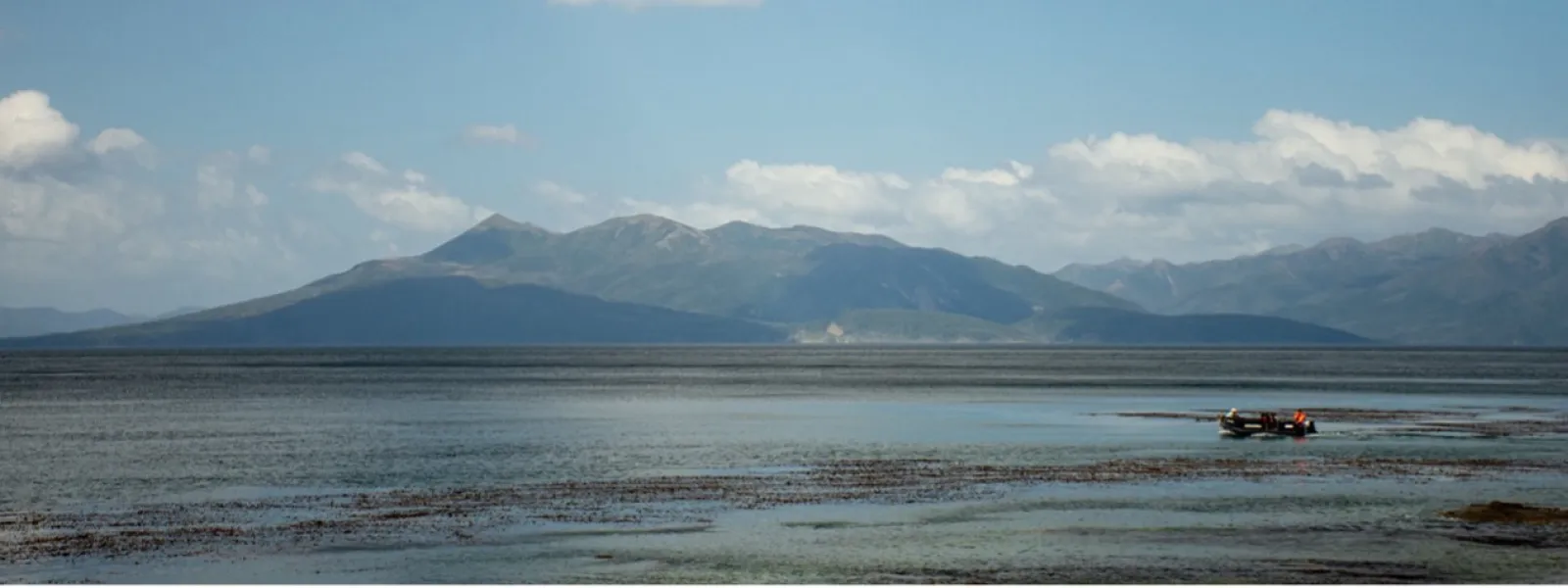
In Chilean Patagonia, at the southwestern tip of the American continent, the land breaks up into peninsulas, isthmuses, and islands surrounded by fjords and channels, forming hundreds of labyrinths.
It bridges the sea and the land, a fragile yet vital network of ecosystems, with areas that remain pristine and life flourishing in every corner.
To experience Patagonia is to inhabit a "maritorio," a worldview that sees "territory" from and within the sea.
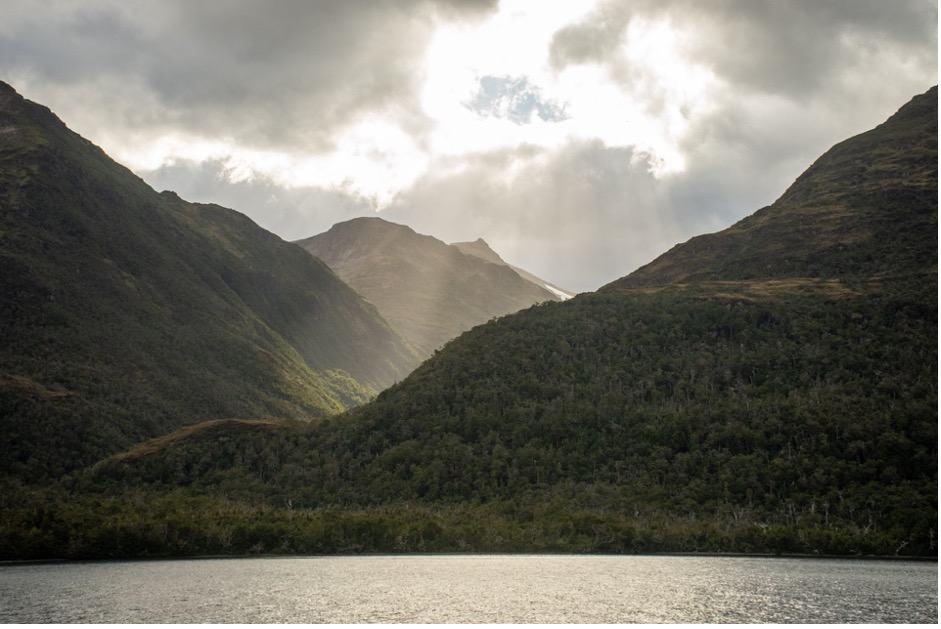
Photo: Fernanda Núñez Espinosa.
It is to be surrounded by mountains that fade into the water, by glaciers that release small, silvery streams you can glimpse in the distance through the mist.
It means exploring one of the planet's most pristine areas, a refuge for rich marine biodiversity. It means sharing the environment with a variety of cetaceans, including the great blue whale, fin whale, and sei whale; Chilean, common, and bottlenose dolphins; sea lions and elephant seals; and colonies of Magellanic, Humboldt, and other penguins.
You walk through southern forests filled with lenga trees—native trees with deep roots and slender trunks—up to 400 or 500 years old and reaching over 30 meters. You feel the wind's constant presence on your face as it whistles through the waterways, shapes the foliage, and steers the ships.
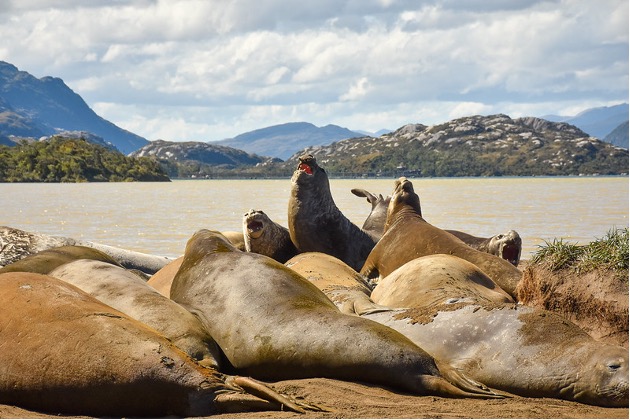
Photo: Fernanda Núñez Espinosa.
A "maritorio" as identity
The first Spanish settlers arrived in this region around 1520. Beginning in the late 18th century, European and North American sealers and whalers traveled through the Strait of Magellan but did not settle there permanently.
In 1843, Chile took control of the region by founding Fort Bulnes. However, indigenous peoples, including the Kawésqar, already lived there.
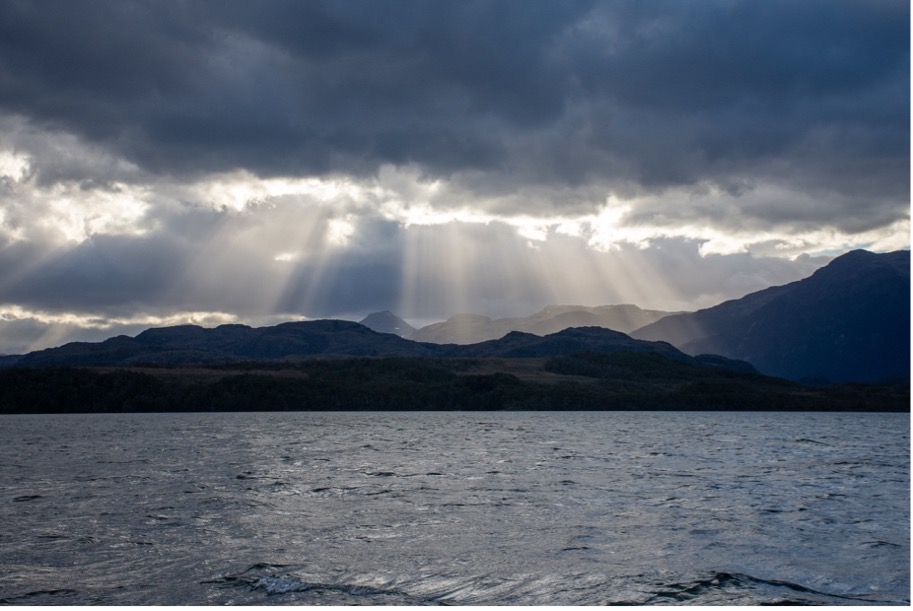
Photo: Fernanda Núñez Espinosa.
The Kawésqar sailed Chilean Patagonia's waters for thousands of years. They lived off the sea and traveled in canoes that served as their daily homes. As they sailed, they hunted for food (fish, shellfish, or sea lions), cooked over open fires, and attended births. They could read the wind and the tides as if they were their own language. The sea was not merely a resource; it was an extension of themselves, their memory, and their identity.
But their relationship with the sea was violently disrupted. Seal hunters, whalers, traders, and settlers decimated the Kawésqar population by spreading diseases such as measles, tuberculosis, and smallpox. Their way of life was also disrupted: staple foods began to run short because of the indiscriminate hunting of sea lions and otters.
The Kawésqar were forced to give up their nomadic lifestyle, change their clothing, and speak Spanish. Some families were relocated to missions, where they were exposed to disease and forced to live in closed communities and change their customs.
The descendants of that population lost touch with their roots to escape the consequences of systematic persecution. The genocide of "the elders" is not a distant story: the older descendants heard about it directly from their grandmothers, grandfathers, mothers, and fathers, who endured that violence and managed to survive.
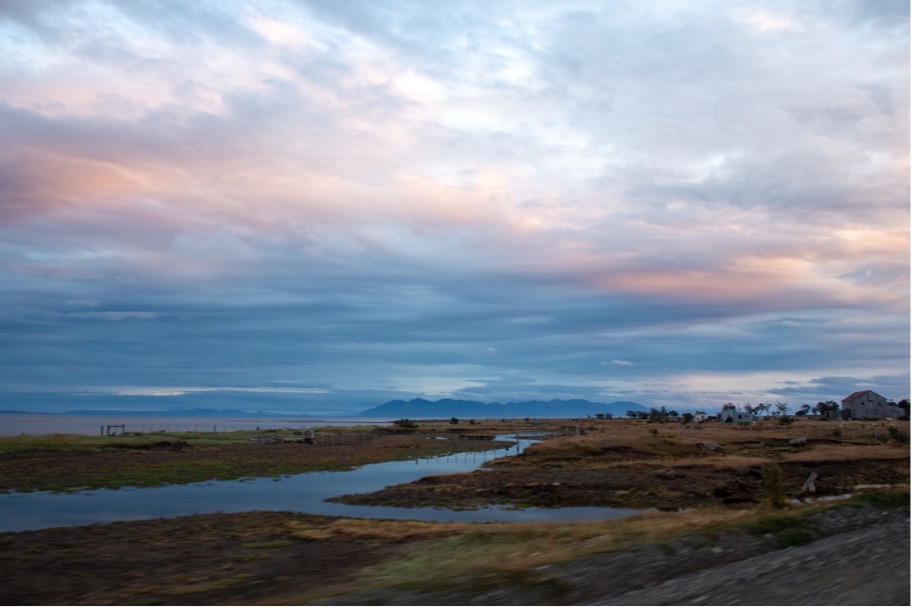
Photo: Fernanda Núñez Espinosa.
Returning to the sea: A way to resist current threats
The ecosystems of Chilean Patagonia and the indigenous communities that live there have been facing a new threat for years: the expansion of industrial salmon farming. Research shows that between 2009 and 2023, the number of salmon farming concessions granted rose from 1,108 to 1,380—nearly 25%—in the Los Lagos, Aysén, and Magallanes regions. Another 157 applications for new concessions are currently pending.
Fattening pens are scattered throughout the marine area, extending into remote parts of the Southern Ocean, even within protected areas. Accumulated waste (including feces and uneaten feed) creates oxygen-depleted zones. In addition, cetaceans have been killed or injured by collisions with vessels, most of which serve the salmon farming industry.
Salmon farms are restricting the Kawésqar people’s freedom of movement: They can’t even travel through their own waters!
The waterways were their home and their main source of food. Today, few Kawésqar families make their living from fishing. According to community members, they must spend more and more hours on the water to catch as much fish as before. Under these conditions, many people see salmon farming as one of their few job options.
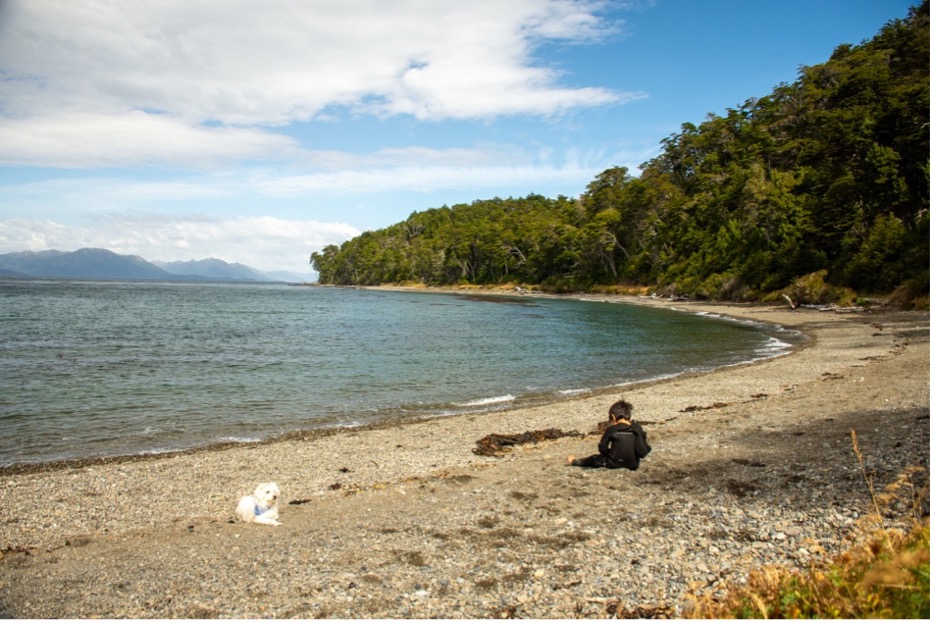
Photo: Fernanda Núñez Espinosa.
The Kawésqar people’s connection to the sea—the foundation of their lives and culture—has suffered from a history of dispossession that has not ended, but has merely taken on a different form. The violence of colonization has now become the violence of boundless industrial growth.
In light of this situation, the Kawésqar community "Grupos Familiares Nómades del Mar" is leading a project focused on diving and reconnecting with the sea. It seeks to restore the direct bond with the waters their ancestors navigated—a bond that salmon farming is putting at risk.
The initiative primarily targets children. But as the diving classes progressed, moms, dads, and older community members were encouraged to enter the water. Some of them had been afraid of those waters, but now they dive into them as naturally as their ancestors would have.
It is an act of memory and resistance: to look once more beneath the sea's surface where they were born and to restore to the new generations of Kawésqar a living connection to their maritime heritage—one that is not merely recounted, but felt.
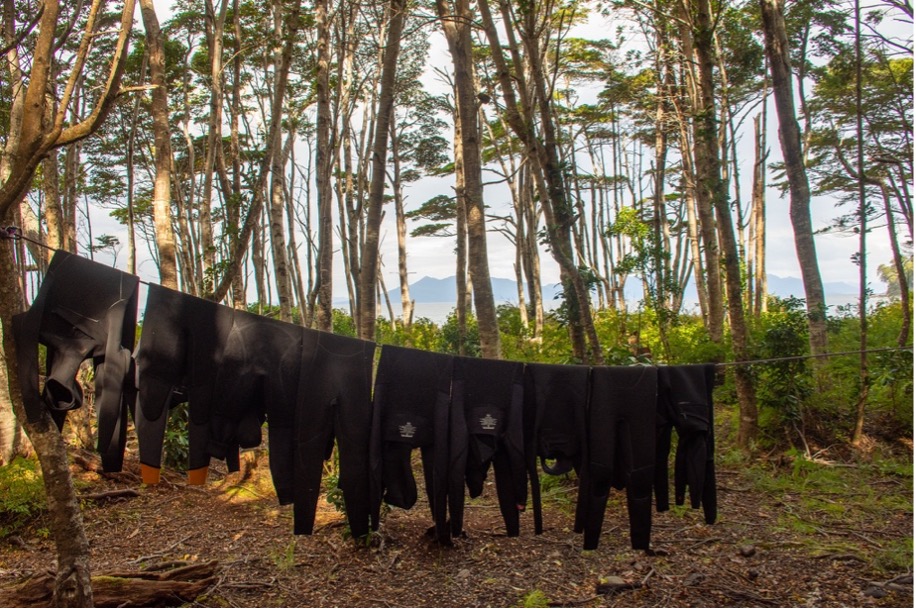
Photo: Fernanda Núñez Espinosa.
Chilean Patagonia is not just a breathtaking landscape.
It is a living space where Kawésqar communities—with support from AIDA, Greenpeace, and FIMA—continue to fight to halt the expansion of salmon farming and the damage it causes, so the sea remains theirs.
Fernanda Núñez Espinosa
Fernanda Núñez Espinosa is AIDA's Visual Coordinator, working from Colombia. She graduated from the National University of Colombia, and has worked for Colombia State entities such as the District Department for Women and the Administrative Department of the Civil Service. She is experienced in design, photography, event organization and social media management.