
Fracking: A step toward the energy transition or a continued reliance on fossil fuels?
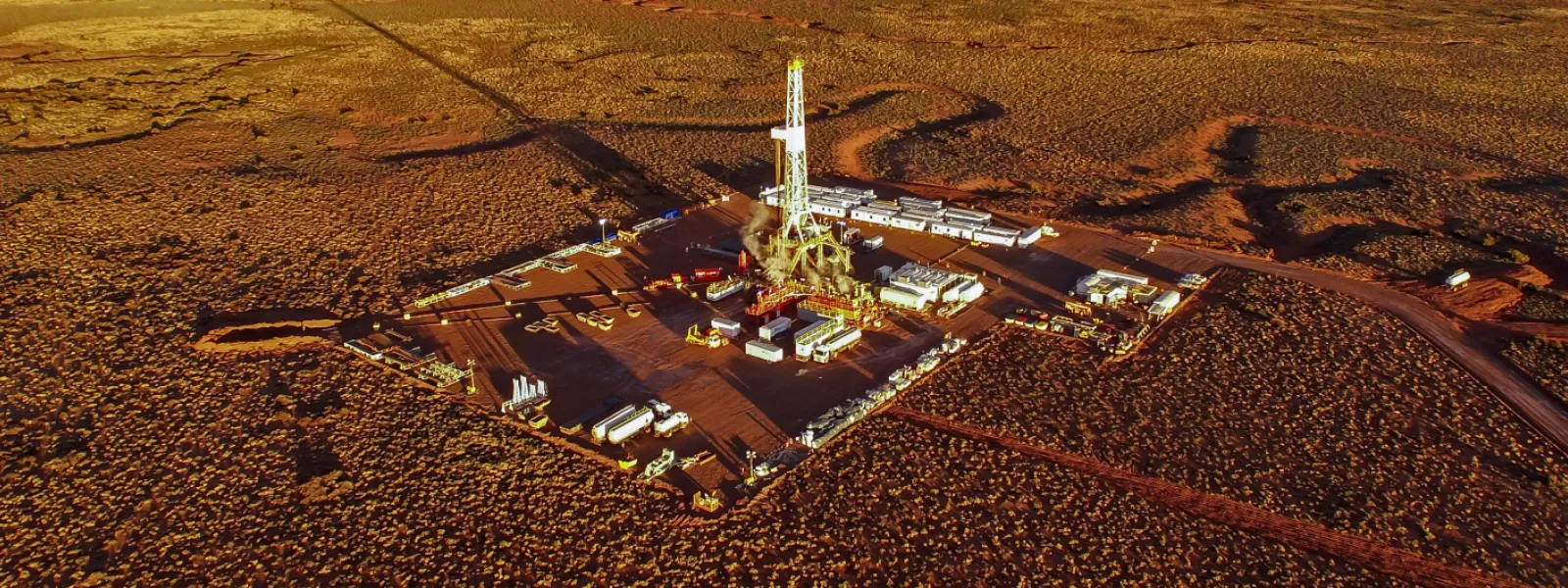
Sobrevolando Patagonia / Shutterstock.
One argument made by supporters of fracking as a step toward the energy transition is that the technique buys time while alternatives to fossil fuels reach maturity and stability.
Behind this line of reasoning lies the possibility of extracting more gas and the myth that it is a natural resource—when in fact it is a fossil fuel—and that it allows for the safe generation of energy without causing as much pollution as oil and coal.
But a technique that perpetuates the use of fossil fuels—and whose environmental and social harms are widespread and well-documented—cannot be viewed as a solution or a step toward a transition that not only seeks to move beyond fossil fuels but also involves a paradigm shift in the energy system.
Furthermore, by increasing dependence on oil and gas, fracking contributes to the worsening of the climate crisis due to methane emissions associated with the gas industry, as methane has a greater global warming potential than carbon dioxide (CO₂).
Below, we debunk arguments that promote this technique as a step toward the energy transition.
The continuation of an extractivist system
Hydraulic fracturing, or fracking, is a technique for extracting gas from underground that involves drilling deep into the ground to inject, at very high pressure, a mixture of water, sand, and chemical additives (some of which are toxic) to fracture underground rock formations and extract the hydrocarbons "trapped" within them.
Like the oil and coal industries, fracking uses a non-renewable energy source, intensively exploits natural resources such as water, and causes large-scale disruptions in the areas where it is carried out.
Not only does it replicate these patterns of the fossil fuel industry, but its negative impacts are similar—and even more severe—than those of other fossil fuel exploration, extraction, and production activities. These include: water and air pollution, overexploitation of natural resources, land encroachment, ecosystem disruption, and the devastation of flora and fauna.
This repetition of patterns seen in the fossil fuel industry means that fracking not only perpetuates dependence on fossil fuels, but also contributes to its expansion and consolidation.
In fact, the development of infrastructure for its operation helps create and consolidate markets for long-term gas consumption, since it requires large-scale investments spanning several decades. This can create economic incentives to maintain and maximize its use over time, and discourage or delay decarbonization efforts.
"Natural" gas? Less CO₂, but more methane
The gas obtained through fracking has been called “natural”—a label meant to make it seem clean. But gas from fracking is neither natural nor clean.
It’s dirty from start to finish—from the toxic chemicals injected into the ground to extract it to the greenhouse gases emitted during its production and combustion. Not to mention that it’s a fossil fuel, just like oil or coal.
Another argument used to suggest that fracking gas is cleaner—and thus to promote it as a "transition fuel"—is that it produces fewer CO₂ emissions than other fossil fuels. This is a half-truth, as it fails to mention that the main component of natural gas is methane, a greenhouse gas whose global warming potential is much greater than that of CO₂.
According to the Intergovernmental Panel on Climate Change (IPCC), methane’s global warming potential is approximately 82.5 times greater than that of CO₂ over a 20-year time horizon. This means that, despite emitting less CO₂ during combustion, fracking gas can have a climate impact equal to or even greater than that of other fossil fuels when methane emissions are taken into account.
These emissions can occur both during planned events and as a result of leaks throughout the entire production and supply chain.
Some studies estimate that methane leaks from unconventional gas operations—such as fracking—can reach up to 12% throughout the production and transportation chain, or that global leaks account for up to 5% of total gas production.
Incompatibility with climate and human rights obligations
As we have seen, fracking means greater dependence on fossil fuels and higher levels of polluting emissions. This not only undermines the argument that it is a "transition fuel," but also shows how this technique runs counter to countries’ international commitments regarding the climate crisis.
The Paris Agreement, the most important binding global commitment to address the climate crisis, stipulates that countries must substantially reduce their greenhouse gas emissions—including CO₂ and methane—to limit the rise in global temperatures.
How could a country justify that using a technique that involves generating more polluting emissions is consistent with its commitments to reduce them?
Implementing fracking is also incompatible with States’ obligation to protect the human right to a healthy environment, especially in light of the impacts of the climate crisis. This principle was established in Advisory Opinion OC-32/25 of the Inter-American Court of Human Rights, which reinforced States' obligation to adopt measures to protect the climate system and the human rights of both present and future generations.
At this time, when various countries in the region are considering launching or expanding fracking activities, it is essential that discussions not be limited to technical analyses, but rather address the environmental, climate, and human rights dimensions of these activities in light of the countries’ international commitments.
So that narratives attempting to portray fracking as a step toward the transition do not obscure the fact that, in reality, it is an anchor that keeps us tied to our dependence on fossil fuels.
Learn more about the impacts of fracking and the actions being taken to curb its expansion.
Mayela Sánchez García

Mayela Sánchez García is AIDA's digital community specialist, working from Mexico. She is a graduate in Journalism and Media Studies from the Instituto Tecnológico y de Estudios Superiores de Monterrey in Mexico. Mayela has significant experience as a journalist focused on social and human rights issues. She has worked in print and digital media, and has experience in podcast production.