
Project
Amazon Watch / Maíra Irigaray
The Belo Monte Dam on the Xingu River: 10 years of impacts in the Amazon and the search for reparations
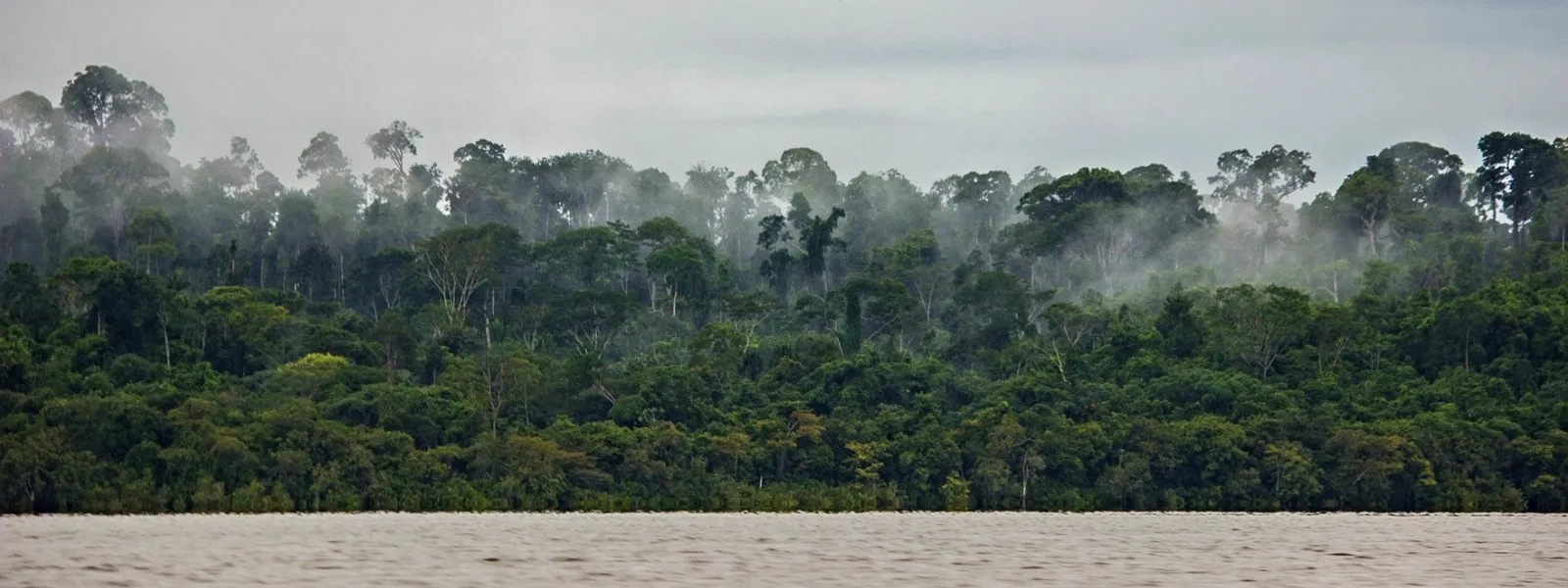
The Belo Monte Dam has caused an environmental and social disaster in the heart of the Amazon—one of the most important ecosystems on the planet.
This situation has only worsened since the hydroelectric plant began operations in 2016. The quest for justice and reparations by the affected indigenous, fishing, and riverine communities continues to this day.
In 2011, the Inter-American Commission on Human Rights (IACHR) granted them protective measures that, to date, have not been fully implemented by the Brazilian State.
Furthermore, since June of that same year, the IACHR has yet to rule on a complaint against the State regarding its international responsibility in the case.
The IACHR may refer the case to the Inter-American Court of Human Rights, which has the authority to issue a ruling condemning the Brazilian State.
After 10 years of the hydroelectric plant's operation and more than 15 years of documented human rights violations, it is time for justice to be served for the affected communities.
Read the open letter from the organizations bringing the case before the IACHR
Background
The Belo Monte hydroelectric plant—the fourth largest in the world by installed capacity (11,233 MW)—was built on the Xingu River in Pará, a state in northern Brazil.
It was inaugurated on May 5, 2016, with a single turbine. At that time, 80% of the river’s course was diverted, flooding 516 km² of land—an area larger than the city of Chicago. Of that area, 400 km² was native forest. The dam began operating at full capacity in November 2019.
Belo Monte was built and is operated by the Norte Energia S.A. consortium, which is composed primarily of state-owned companies. It was financed by the Brazilian Development Bank (BNDES), which provided the consortium with 25.4 billion reais (approximately US$10.16 billion), the largest investment in the bank’s history. Therefore, the BNDES is also legally responsible for the socio-environmental impacts associated with the hydroelectric plant.
Decades of harm to the environment and people
Human rights violations and degradation of the Amazon have been occurring since the project’s inception. In March 2011, Norte Energía began construction of the dam without adequate consultation and without the prior, free, and informed consent of the affected communities.
The construction caused the forced displacement of more than 40,000 people, severing social and cultural ties. The resettlement plan in Altamira—a city directly affected by the hydroelectric dam—involved housing units located on the outskirts, lacking adequate public services and decent living conditions for the relocated families, with no special provisions for those from indigenous communities.
Belo Monte's operations have caused a permanent, man-made drought in the Volta Grande (or "Great Bend") of the Xingu River, exacerbated by the historic droughts in the Amazon in 2023 and 2024. As a result, the deaths of millions of fish eggs were documented for four consecutive years (from 2021 to 2024), and for the past three years, there has been no upstream migration of fish to spawn and reproduce. Thus, artisanal fishing, the main source of protein for indigenous peoples and riverside communities, was severely affected: fish dropped from 50% to 30% of total protein consumed, replaced by processed foods. In summary, there was an environmental and humanitarian collapse that resulted in the breakdown of fishing as a traditional way of life, food insecurity, and access to drinking water for thousands of families, impoverishment, and disease.
Furthermore, the construction of the dam increased deforestation and intensified illegal logging and insecurity on indigenous and tribal lands, putting the survival of these communities at risk. Another consequence was the deepening of poverty and social conflicts, as well as the strain on health, education, and public safety systems in Altamira—a city ranked as the most violent in the country in 2017, where human trafficking and sexual violence increased. Violence was also reported against human rights defenders involved in the case.
In 2025, during the 30th UN Climate Change Conference (COP30), held in Brazil, the Federal Public Prosecutor’s Office labeled the damage caused by the Belo Monte dam as ecocide.
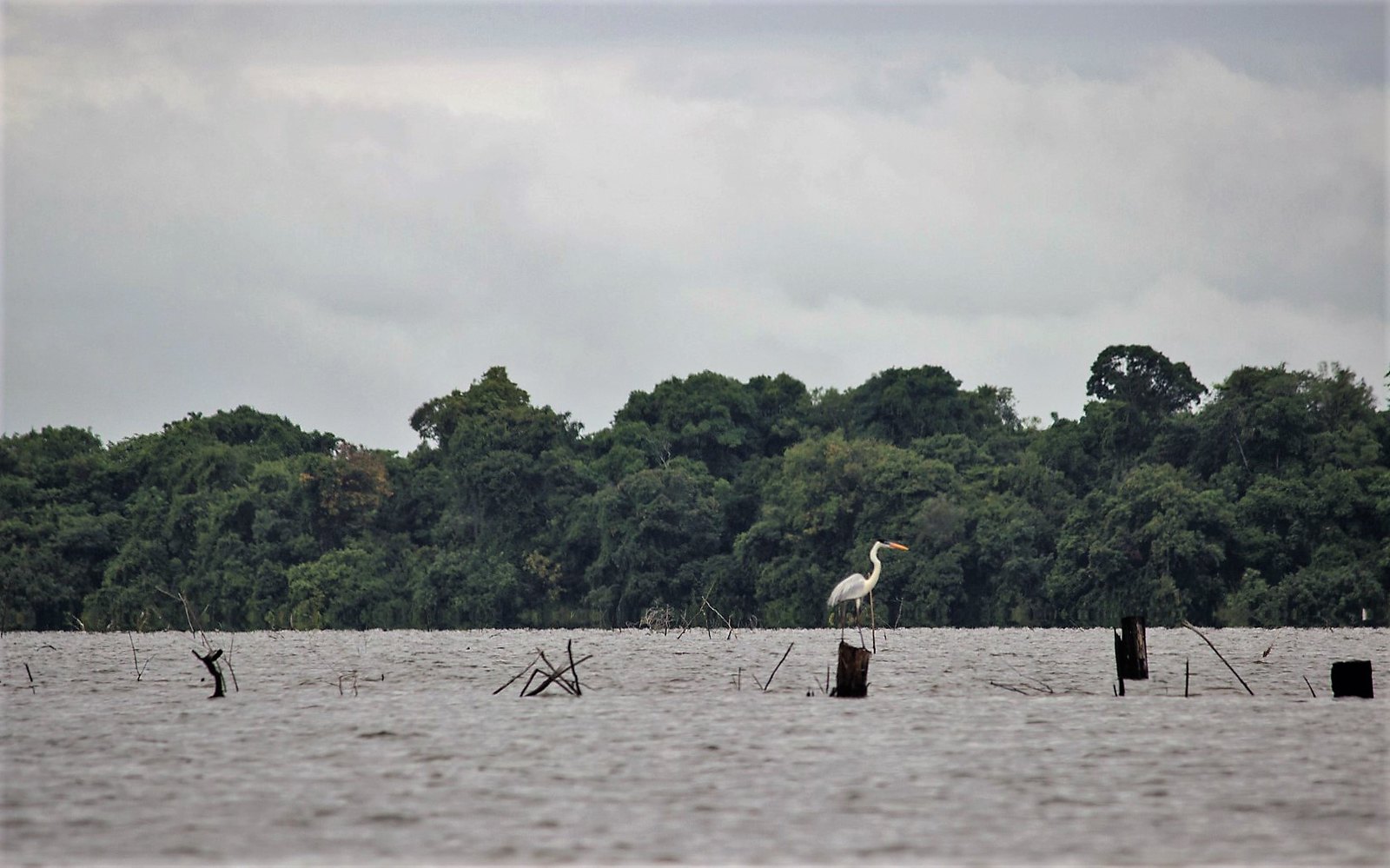
Photo: Amazon Watch / Maíra Irigaray.
The search for justice and reparations
Over the years, the Federal Public Prosecutor’s Office in Pará, the Public Defender’s Office, and civil society organizations have filed dozens of legal actions in Brazilian courts to challenge the project’s various irregularities and its impacts. Most of the claims are still pending resolution, some for more than 10 years.
These efforts have failed because the national government has repeatedly overturned rulings in favor of the affected communities by invoking a mechanism that allowed a court president to suspend a judicial decision based solely on generic arguments such as "the national interest" or "economic order."
In the absence of effective responses at the national level, AIDA, together with a coalition of partner organizations, brought the case before the Inter-American Commission on Human Rights (IACHR) and, in 2010, requested precautionary measures to protect the lives, safety, and health of the affected indigenous communities.
On April 1, 2011, the IACHR granted these measures and requested that the Brazilian government suspend environmental permits and any construction work until the conditions related to prior consultation and the protection of the health and safety of the communities are met.
And on June 16, 2011 —together with the Xingu Vivo Para Sempre Movement, the Coordinating Committee of Indigenous Organizations of the Brazilian Amazon, the Diocese of Altamira, the Indigenous Missionary Council, the Pará Society for the Defense of Human Rights and Global Justice— we filed a formal complaint against the Brazilian State for its international responsibility in the violation of the human rights of the people affected in the case. The case was opened for processing in December 2015.
On August 3, 2011, the IACHR amended the precautionary measures to request, instead of the suspension of permits and construction, the protection of people living in voluntary isolation, the health of indigenous communities, and the regularization and protection of ancestral lands.
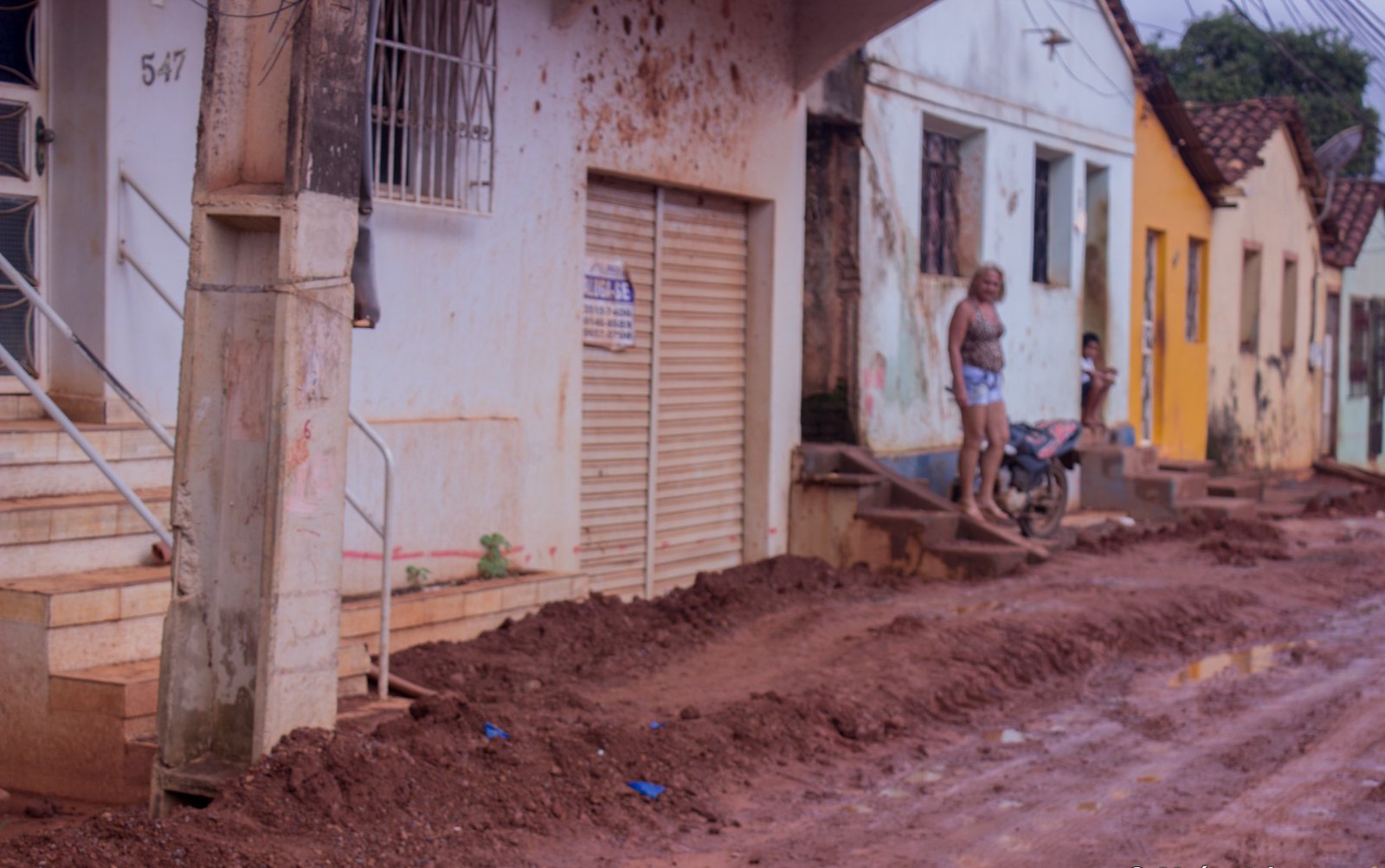
Photo: Amazon Watch / Maíra Irigaray.
Current situation
The protective measures granted by the IACHR remain in effect, but the Brazilian government has not fully complied with them, reporting only on general actions. The communities have documented the ongoing violations of their rights. The situation that prompted the request for these measures—the risk to the lives, physical integrity, and ways of life of the communities—persists and has worsened with the hydroelectric plant operating at full capacity and the recent extreme droughts in the Amazon.
In addition to the impacts of Belo Monte, there is a risk of further social and environmental impacts from the implementation of another mining megaproject in the Volta Grande do Xingu. There, the Canadian company Belo Sun plans to build Brazil’s largest open-pit gold mine.
The combined and cumulative impacts of the dam and the mine were not assessed. The government excluded Indigenous peoples, riverine and peasant communities from the project’s environmental permitting process. Despite protests by Indigenous communities and other irregularities surrounding the project, the government of Pará formally authorized the mine in April 2026.
Like other hydroelectric dams, Belo Monte exacerbates the climate emergency by generating greenhouse gas emissions in its reservoir. And it is inefficient amid the longer, more intense droughts caused by the crisis, as it loses its ability to generate power.
The case before the Inter-American Commission
In October 2017, the IACHR announced that it would rule jointly on the admissibility (whether the case meets the requirements for admission) and the merits (whether a human rights violation actually occurred) of the international complaint against the Brazilian State.
Fifteen years after the complaint was filed, the affected communities and the organizations representing them are still awaiting this decision. If the IACHR concludes that human rights violations occurred and issues recommendations that the Brazilian State fails to comply with, it may refer the case to the Inter-American Court of Human Rights, whose rulings are binding.
A potential ruling by the international court in this case would set a regional legal precedent regarding the rights of indigenous and riverine peoples, public participation in megaprojects, and state responsibility in the context of the climate crisis—a precedent that is particularly relevant in light of the Court’s Advisory Opinion No. 32, which reaffirmed the obligations of States to protect the people and communities of the continent from the climate emergency.
Partners:
Related projects

COP20 fails to provide certainty on climate finance and human rights
The 20th Conference of the Parties to the United Nations Framework Convention on Climate Change (COP20) was held this month in Lima, Peru, with the goal of drafting a new climate agreement, to be signed in Paris in 2015. The conference, however, concluded with an unimpressive draft agreement that failed in two key tasks: providing certainty about funding to combat climate change, and including human rights protections in climate actions. For AIDA and other civil society organizations, it was important that the Lima agreement lay out a roadmap for how and when governments will fulfill their commitment to provide 100 billion dollars per year by 2020 to finance mitigation activities and adaptation to climate change. "Developing countries need to know with certainty how much money they have and what the source of it will be, so they can plan their fight against climate change," said Andrea Rodriguez, a senior attorney for AIDA. The Conference provided no such certainty. This is evidenced by the decision made on the Intended Nationally Determined Contributions (INDCs), which left out finance and adaptation—key aspects to the countries most vulnerable to extreme changes in climate. The INDCs decision was meant to contain specific information on the scope, format, timeframe and assessment. Instead it included only contributions for mitigation, without stating whether or not they will be compulsory. During the conference, AIDA and global allied organizations encouraged State Parties to ensure the draft of the new agreement include specific language on the protection, promotion, respect for, and observance of human rights in all climate actions. As a result of the collective effort, the Philippines, Mexico, and Ghana made specific calls for the draft and final agreements to include such references. "There is no doubt that climate change interferes with the enjoyment of human rights. The agreement in Lima includes no reference to human rights, but we will work hard to ensure their full inclusion in the Paris agreement, not only in words, but also in deed," said María José Veramendi Villa, an AIDA senior attorney. Yet it was not all bad. AIDA drew attention to the new pledges that had arrived to the Green Climate Fund, which brought its total funding to 10.2 billion dollars. We highlighted the momentum in Latin America that contributed to that achievement, with countries such as Peru, Colombia, Mexico and Panama making the effort to contribute, despite their status as developing countries. "Although all contributions are welcome, it is important to emphasize that the amount collected so far does not yet cover the financing needs of developing countries," Rodriguez stated. The conference also made public the climate finance actions of governmental and nongovernmental actors in the region. The Climate Finance Day organized by AIDA and allied organizations facilitated a dialogue on regional progress in preparing for accessing resources, the increasing involvement of the private sector in fighting climate change, and the conditions that such support requires—legal certainty being one of them. Also that day, civil society shared their experiences with transparency and accountability, which are essential not only to obtain greater resources, but also to ensure their effective use. AIDA reported on the opportunity the Green Climate Fund provides for countries of the continent to improve public participation in the design, development, and implementation of policies and climate projects. Much remains to be done to find effective solutions to climate change. We will continue contributing to the achievement of this goal!
Read moreCOP20: Towards a climate deal with human rights protections
The impact of climate change on human rights is clear. Yet no international treaty on climate change makes reference to human rights, nor does any human rights treaty reference climate change. The next climate agreement, recently drafted in Lima and to be signed in Paris next year, provides an important opportunity to make a clear, explicit connection between climate change and human rights through the incorporation of specific language. During an event at the UN Climate Summit, Gustavo Alanís, president of the Mexican Center for Environmental Law (CEMDA), cited the human rights to food and water, explaining that rising temperatures reduce crop productivity and decrease the availability of clean water. This relationship highlights the material vulnerability of many people's living conditions. Effective adaptation measures are needed to ensure that conditions do not worsen, added Manuel Pulgar Videl, Peru's Minister of the Environment and President of the COP20. María José Veramendia Villa, an AIDA senior attorney, recalled that the impacts of climate change on human rights were addressed in a 2009 report prepared by the UN High Commissioner for Human Rights. The report said that climate change will affect the right to life by causing increased hunger and malnutrition, and that related diseases would have consequences for the growth and development of children. Following the report, the UN Human Rights Commission issued a resolution that stated, "the impacts related to climate change have a series of implications, both direct and indirect, on the full enjoyment of human rights…" Agreements signed at COP16 in Cancun, Mexico provide that the State Parties to the United Nations Framework Convention on Climate Change "must fully respect human rights" in all climate change related activities. Given this background, added Veramendi Villa, a challenge for 2015 is to ensure that the new climate agreement includes specific and comprehensive language on the obligation of States to protect, promote, and respect human rights in all its climate actions. "If this happens," she explained, "we will have a binding international instrument that will guide the States' climate actions, and help them to implement the obligations they already have on human rights." For more information from COP20 and to post comments, visit our interactive blog at aida-cop.org
Read moreCOP20: Fracking, an experimental, hazardous and contaminating technique
During an event at the People’s Summit on Climate Change, a parallel event to the COP20 in Lima, fracking took center stage. Activists expressed their central argument about the controversial oil extraction method: that fracking is an experimental technique that involves serious risks to health and the environment, including the worsening of climate change. Fracking, or hydraulic fracturing, is an extreme method of exploration and/or exploitation of unconventional oil and gas (as both shale and tight gas). Special drills bore holes vertically into the subsoil and then horizontally into rock formations. Drill teams inject a mixture of water, sand, and chemicals at high pressure to fracture the rock, releasing trapped gas and oil. "These chemicals have unknown effects due to contact with elements of the subsoil," explained Eduardo D’elia, petroleum engineer and member of the Citizens Environmental Assembly of Rio Gallegos in Argentina, during Fracking: A Challenge for Latin America, organized by the Heinrich Böll Foundation in the People's Summit. "The fracturing of horizontal wells is highly complex and unpredictable, so this makes fracking an experimental technique." Fracking affects people in a number of unfortunate ways: the massive use of water (from 9 to 29 million liters of water per well) reduces availability of fresh water for drinking water, agriculture or other needs; fracking fluids can contaminate surface and groundwaters; the chemicals used may cause cancer, allergies, and malformation, among other diseases. Aroa de la Fuente, member of FUNDAR and the Mexican Alliance Against Fracking, made it clear that fracking is not an option for confronting climate change. She said that in hydraulic fracturing projects, up to eight percent of the natural gas (methane) produced escapes directly into the atmosphere. And methane holds a global warming potential 25 times that of carbon dioxide. "In 20 years, the climate impact of electricity generated by fracked gas would be higher than 20 percent of the impact of coal-fired electric generation," she stated. Argentina, Bolivia, Colombia and Mexico, among other Latin American countries, are intending to develop fracking broadly in coming years. Attendees at the People’s Summit wondered, "What can people do in the face of these hazardous plans?" Ariel Perez Castellón, an attorney with AIDA, emphasized the existence of legal tools designed to safeguard human health and the environment against fracking. The first, he said, is the precautionary principle, which is recognized in international law and which States and civil society should apply to address the threats of fracking. This principle establishes that "where there are threats of serious or irreversible damage, lack of full scientific certainty shall not be used as a reason for postponing cost-effective measures to prevent environmental degradation". [1] This means that when in doubt about the occurrence, scope, or magnitude of severe environmental damage, States must take proactive and effective measures to prevent such damage. "Based in this principle, States have three obligations related to fracking: to generate broad, clear and impartial information regarding this activity and its impacts; to protect the environment and the people with a moratorium on fracking activities, until there is a demonstration of its innocuous development; and to promote opportunities for public debate about fracking", Pérez said. Attendees in Lima stressed that social mobilization is key in supporting the legal strategies against fracking. Various civil society organizations within Latin American spoke of their efforts to promote public discussions, disseminate information in their communities, and take the necessary steps to prevent the damage that fracking may bring to their countries. In recent times, these organizations are starting to share experiences and articulate advocacy efforts within the region. On the occasion of COP20, 80 Latin American organizations issued a statement (text in Spanish) warning that fracking will have disastrous consequences for the environment and the population of Latin America, and that it will worsen climate change. The organizations asked their national governments to "prevent the use of hydraulic fracturing in their territory under the state obligation of the principle of precaution, and ensure the protection of fresh water resources and their peoples' health." [1] Rio Declaration on the Environment and Development of 1992, principle 15
Read more