
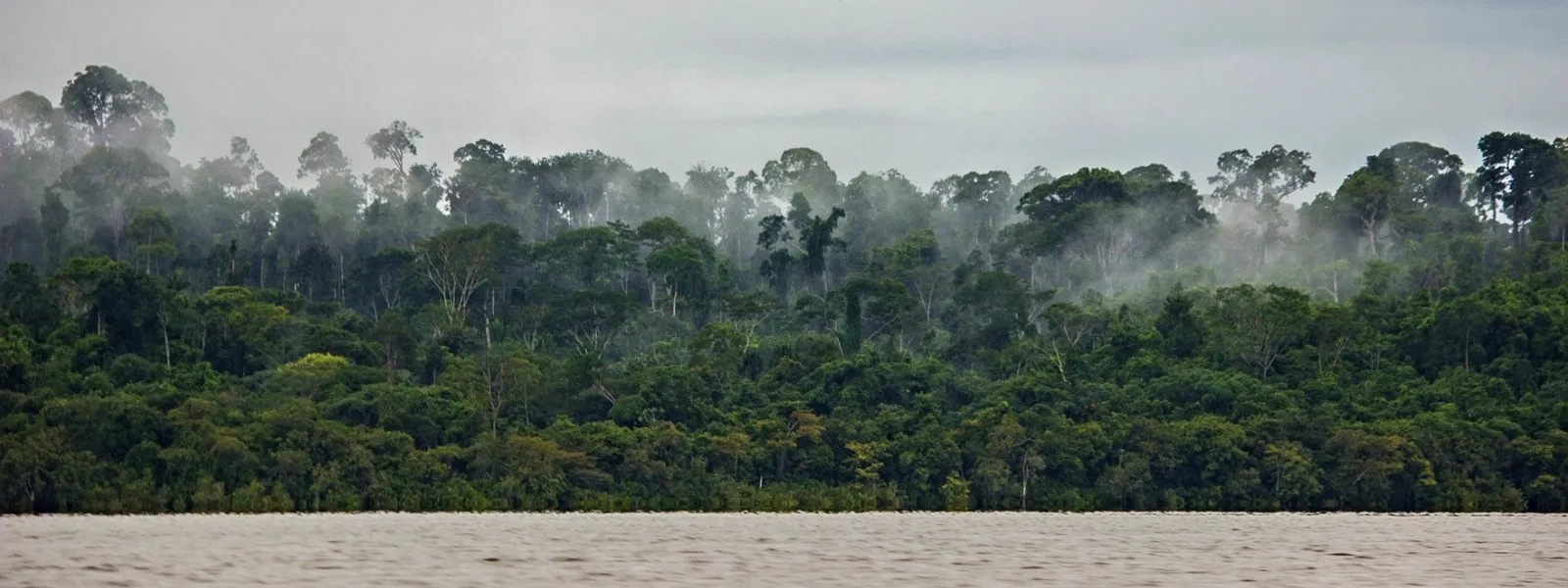
Project
Amazon Watch / Maíra Irigaray
The Belo Monte Dam on the Xingu River: 10 years of impacts in the Amazon and the search for reparations
The Belo Monte Dam has caused an environmental and social disaster in the heart of the Amazon—one of the most important ecosystems on the planet.
This situation has only worsened since the hydroelectric plant began operations in 2016. The quest for justice and reparations by the affected indigenous, fishing, and riverine communities continues to this day.
In 2011, the Inter-American Commission on Human Rights (IACHR) granted them protective measures that, to date, have not been fully implemented by the Brazilian State.
Furthermore, since June of that same year, the IACHR has yet to rule on a complaint against the State regarding its international responsibility in the case.
The IACHR may refer the case to the Inter-American Court of Human Rights, which has the authority to issue a ruling condemning the Brazilian State.
After 10 years of the hydroelectric plant's operation and more than 15 years of documented human rights violations, it is time for justice to be served for the affected communities.
Read the open letter from the organizations bringing the case before the IACHR
Background
The Belo Monte hydroelectric plant—the fourth largest in the world by installed capacity (11,233 MW)—was built on the Xingu River in Pará, a state in northern Brazil.
It was inaugurated on May 5, 2016, with a single turbine. At that time, 80% of the river’s course was diverted, flooding 516 km² of land—an area larger than the city of Chicago. Of that area, 400 km² was native forest. The dam began operating at full capacity in November 2019.
Belo Monte was built and is operated by the Norte Energia S.A. consortium, which is composed primarily of state-owned companies. It was financed by the Brazilian Development Bank (BNDES), which provided the consortium with 25.4 billion reais (approximately US$10.16 billion), the largest investment in the bank’s history. Therefore, the BNDES is also legally responsible for the socio-environmental impacts associated with the hydroelectric plant.
Decades of harm to the environment and people
Human rights violations and degradation of the Amazon have been occurring since the project’s inception. In March 2011, Norte Energía began construction of the dam without adequate consultation and without the prior, free, and informed consent of the affected communities.
The construction caused the forced displacement of more than 40,000 people, severing social and cultural ties. The resettlement plan in Altamira—a city directly affected by the hydroelectric dam—involved housing units located on the outskirts, lacking adequate public services and decent living conditions for the relocated families, with no special provisions for those from indigenous communities.
Belo Monte's operations have caused a permanent, man-made drought in the Volta Grande (or "Great Bend") of the Xingu River, exacerbated by the historic droughts in the Amazon in 2023 and 2024. As a result, the deaths of millions of fish eggs were documented for four consecutive years (from 2021 to 2024), and for the past three years, there has been no upstream migration of fish to spawn and reproduce. Thus, artisanal fishing, the main source of protein for indigenous peoples and riverside communities, was severely affected: fish dropped from 50% to 30% of total protein consumed, replaced by processed foods. In summary, there was an environmental and humanitarian collapse that resulted in the breakdown of fishing as a traditional way of life, food insecurity, and access to drinking water for thousands of families, impoverishment, and disease.
Furthermore, the construction of the dam increased deforestation and intensified illegal logging and insecurity on indigenous and tribal lands, putting the survival of these communities at risk. Another consequence was the deepening of poverty and social conflicts, as well as the strain on health, education, and public safety systems in Altamira—a city ranked as the most violent in the country in 2017, where human trafficking and sexual violence increased. Violence was also reported against human rights defenders involved in the case.
In 2025, during the 30th UN Climate Change Conference (COP30), held in Brazil, the Federal Public Prosecutor’s Office labeled the damage caused by the Belo Monte dam as ecocide.
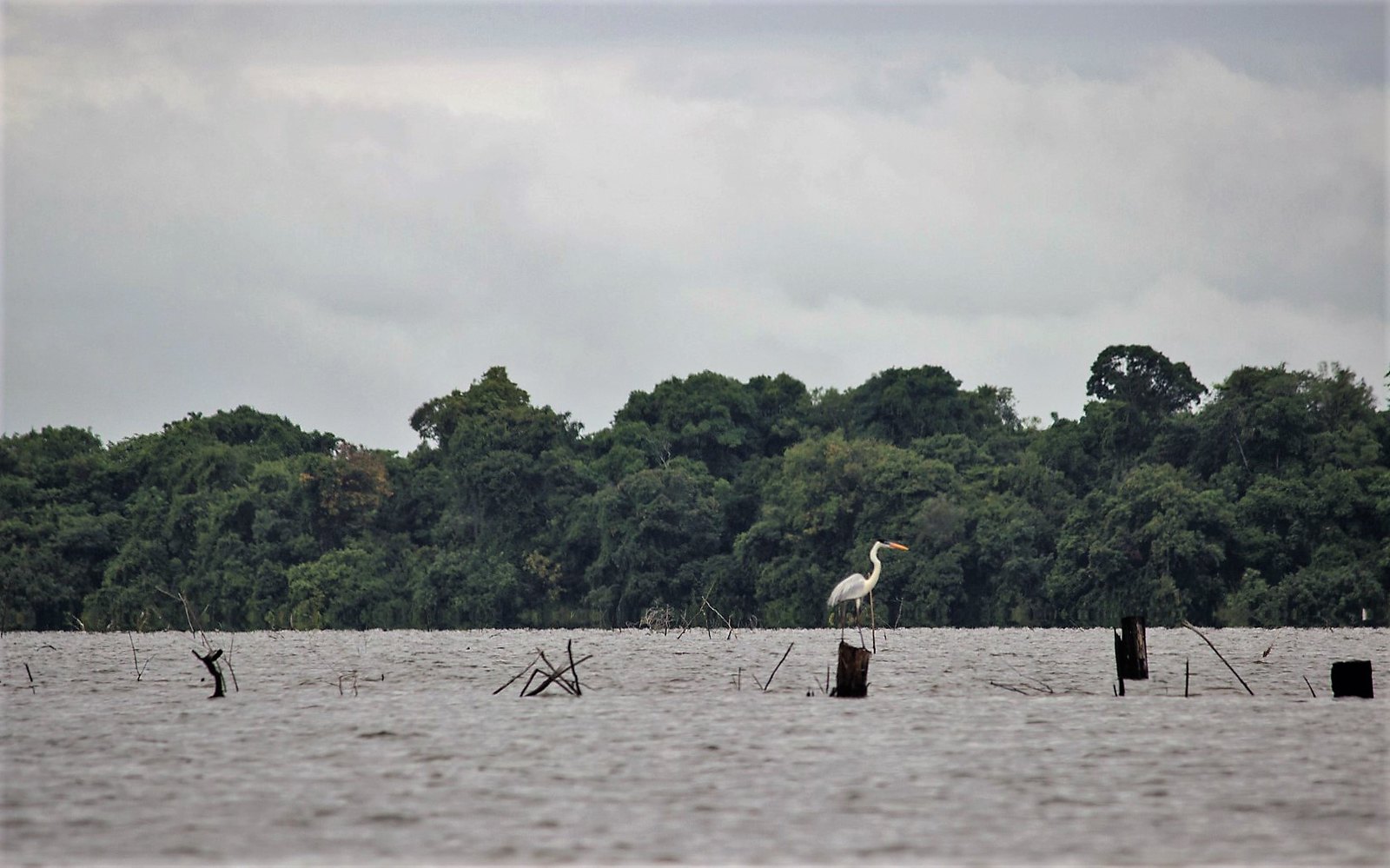
Photo: Amazon Watch / Maíra Irigaray.
The search for justice and reparations
Over the years, the Federal Public Prosecutor’s Office in Pará, the Public Defender’s Office, and civil society organizations have filed dozens of legal actions in Brazilian courts to challenge the project’s various irregularities and its impacts. Most of the claims are still pending resolution, some for more than 10 years.
These efforts have failed because the national government has repeatedly overturned rulings in favor of the affected communities by invoking a mechanism that allowed a court president to suspend a judicial decision based solely on generic arguments such as "the national interest" or "economic order."
In the absence of effective responses at the national level, AIDA, together with a coalition of partner organizations, brought the case before the Inter-American Commission on Human Rights (IACHR) and, in 2010, requested precautionary measures to protect the lives, safety, and health of the affected indigenous communities.
On April 1, 2011, the IACHR granted these measures and requested that the Brazilian government suspend environmental permits and any construction work until the conditions related to prior consultation and the protection of the health and safety of the communities are met.
And on June 16, 2011 —together with the Xingu Vivo Para Sempre Movement, the Coordinating Committee of Indigenous Organizations of the Brazilian Amazon, the Diocese of Altamira, the Indigenous Missionary Council, the Pará Society for the Defense of Human Rights and Global Justice— we filed a formal complaint against the Brazilian State for its international responsibility in the violation of the human rights of the people affected in the case. The case was opened for processing in December 2015.
On August 3, 2011, the IACHR amended the precautionary measures to request, instead of the suspension of permits and construction, the protection of people living in voluntary isolation, the health of indigenous communities, and the regularization and protection of ancestral lands.
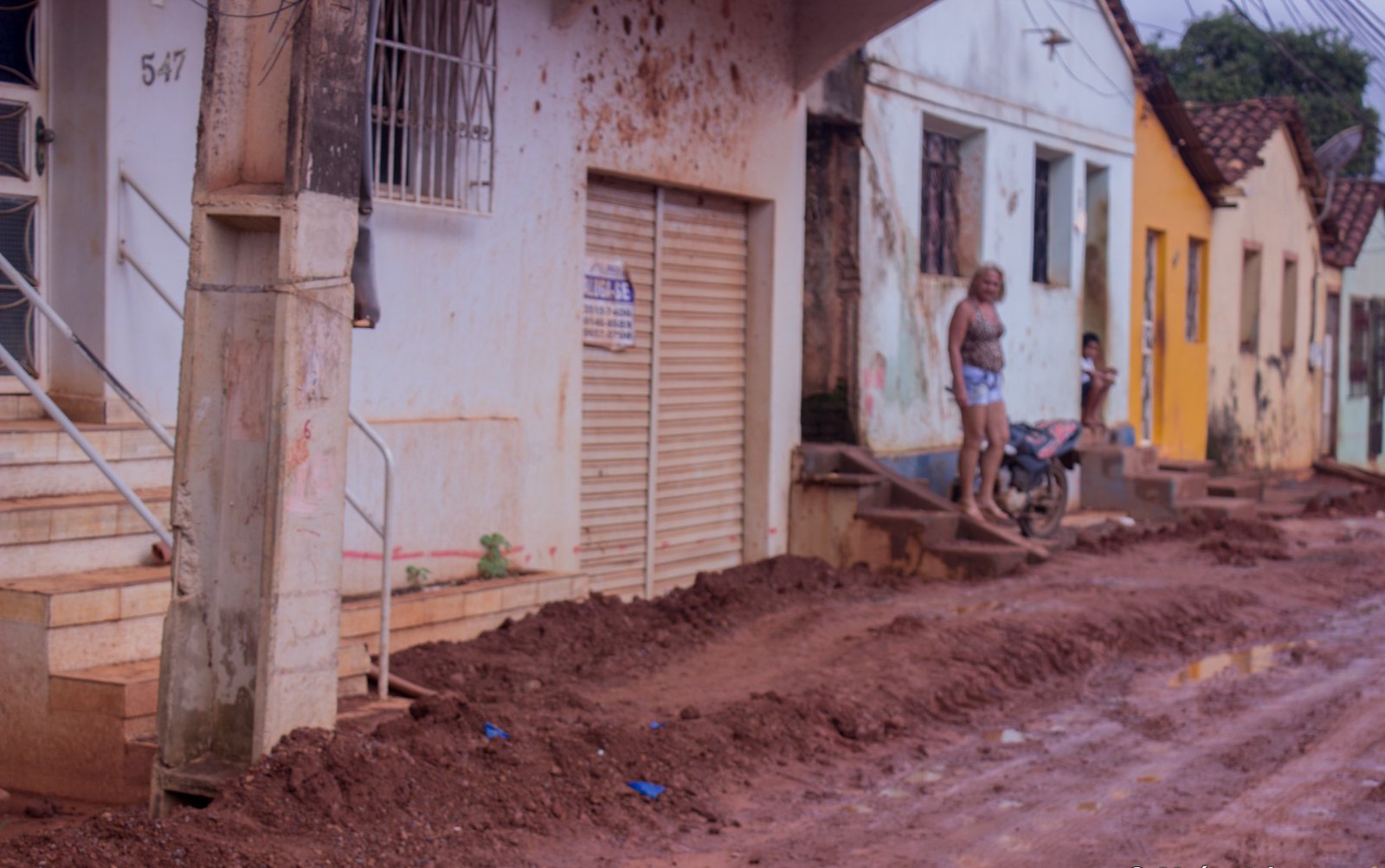
Photo: Amazon Watch / Maíra Irigaray.
Current situation
The protective measures granted by the IACHR remain in effect, but the Brazilian government has not fully complied with them, reporting only on general actions. The communities have documented the ongoing violations of their rights. The situation that prompted the request for these measures—the risk to the lives, physical integrity, and ways of life of the communities—persists and has worsened with the hydroelectric plant operating at full capacity and the recent extreme droughts in the Amazon.
In addition to the impacts of Belo Monte, there is a risk of further social and environmental impacts from the implementation of another mining megaproject in the Volta Grande do Xingu. There, the Canadian company Belo Sun plans to build Brazil’s largest open-pit gold mine.
The combined and cumulative impacts of the dam and the mine were not assessed. The government excluded Indigenous peoples, riverine and peasant communities from the project’s environmental permitting process. Despite protests by Indigenous communities and other irregularities surrounding the project, the government of Pará formally authorized the mine in April 2026.
Like other hydroelectric dams, Belo Monte exacerbates the climate emergency by generating greenhouse gas emissions in its reservoir. And it is inefficient amid the longer, more intense droughts caused by the crisis, as it loses its ability to generate power.
The case before the Inter-American Commission
In October 2017, the IACHR announced that it would rule jointly on the admissibility (whether the case meets the requirements for admission) and the merits (whether a human rights violation actually occurred) of the international complaint against the Brazilian State.
Fifteen years after the complaint was filed, the affected communities and the organizations representing them are still awaiting this decision. If the IACHR concludes that human rights violations occurred and issues recommendations that the Brazilian State fails to comply with, it may refer the case to the Inter-American Court of Human Rights, whose rulings are binding.
A potential ruling by the international court in this case would set a regional legal precedent regarding the rights of indigenous and riverine peoples, public participation in megaprojects, and state responsibility in the context of the climate crisis—a precedent that is particularly relevant in light of the Court’s Advisory Opinion No. 32, which reaffirmed the obligations of States to protect the people and communities of the continent from the climate emergency.
Partners:
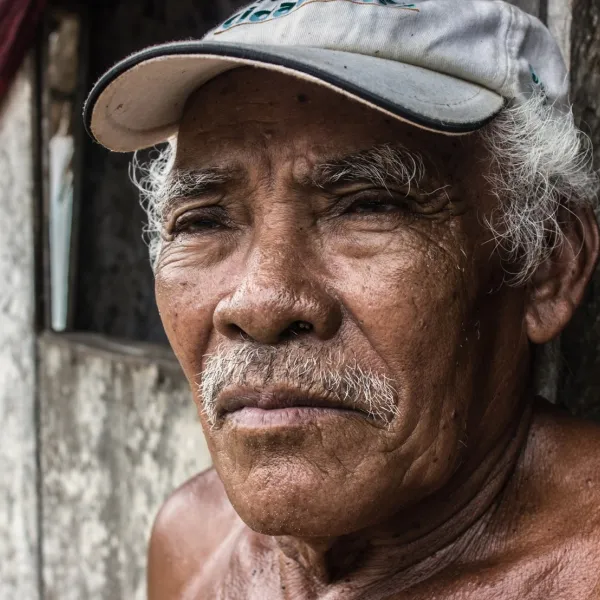
Related projects
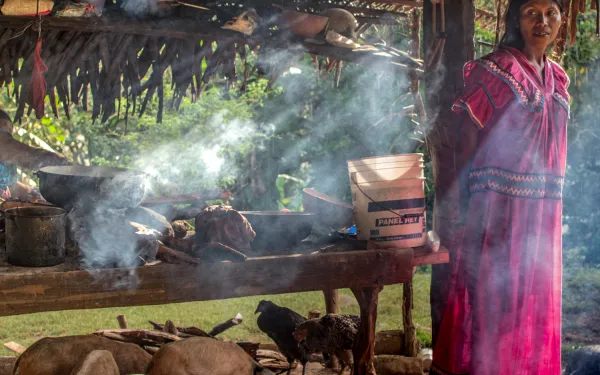
UN registered Barro Blanco Hydroelectric Dam temporarily suspended over non-compliance with Environmental Impact Assessment
Panama City, Panama and Geneva, Switzerland. In a landmark decision, Panama’s National Environmental Authority (ANAM) temporarily suspended the construction of the Barro Blanco hydroelectric dam yesterday over non-compliance with its Environmental Impact Assessment (EIA). The dam was approved by the UN Clean Development Mechanism (CDM) despite risks of flooding to the territory of the indigenous Ngäbe Bugle communities. With delegates currently meeting in Geneva to draft negotiating text for a new global climate agreement, ANAM’s decision illustrates why the agreement must include human rights protections, including the rights of indigenous peoples. In Geneva, several nations have already insisted on the need for climate measures to respect, protect, promote, and fulfil human rights for all. "Panama has taken a critical first step toward protecting the rights of the Ngäbe communities, which have not been adequately consulted on the Barro Blanco CDM project. But much more work is needed," said Alyssa Johl, Senior Attorney at the Center for International Environmental Law (CIEL). "As an urgent matter, Panama should recognize its obligations to protect human rights in climate actions, such as Barro Blanco, by supporting the call for human rights protections in the UN climate regime." Current climate mechanisms, such as the UN’s Clean Development Mechanism, neither provide incentives for the sustainable implementation of climate actions nor offer recourse in the case of adverse impacts. "The CDM Board approved Barro Blanco when it was clear that the dam would flood the homes of numerous indigenous families. This decision is a warning signal that safeguards must be introduced to protect human rights, including robust stakeholder consultations and a grievance mechanism," said Eva Filzmoser, Director of Carbon Market Watch. ANAM’s decision was triggered by an administrative investigation that found non-compliance with the project’s environmental impact assessment, including shortcomings in the agreements with affected indigenous communities, deficiencies in negotiation processes, the absence of an archaeological management plan for the protection of petroglyphs and other archaeological findings, repeated failures to manage sedimentation and erosion, poor management of solid and hazardous waste, and logging without permission. The Environmental Advocacy Center of Panamá (CIAM) considers it appropriate for ANAM to have taken effective and immediate measures to suspend the project. "This suspension reflects inadequate environmental management on the part of the company that requires an investigation and an exemplary sanction". "During 15 years of opposition to the Barro Blanco project, we have exposed violations of our human rights and irregularities in the environmental proceedings. Those claims were never heard," said Weni Bagama from the Movimiento 10 de Abril (M-10). "Today we are satisfied to see that the national authorities have recognized them and have suspended the project, as a first step towards dialogue. Nevertheless, we continue to uphold the communities’ position that the cancelation of this project is the only way to protect our human rights and our territory. We hope that this sets an example for the international community and for other hydroelectric projects, not only in Panama but worldwide." "Any dialogue between the affected communities, the Government and the company has to be transparent, in good faith, respectful of the communities’ rights, and include guarantees so that the communities can participate equally and the agreements are fully respected," explained María José Veramendi Villa, Senior Attorney at the Interamerican Association for Environmental Defense (AIDA). "In this dialogue, the State must take into account all human rights violations that have been denounced by the communities since the project was approved." Environmental groups around the world are celebrating the suspension of the Barro Blanco Dam, following years of efforts in support of the indigenous populations in the Ngäbe Bugle comarca, which have been faced with oppression and numerous rights violations. Eyes are now watching for the reactions of the banks involved in financing the Barro Blanco project, including the German development bank, DEG, and the Dutch development bank, FMO, against whom the M10 movement, which represents the indigenous communities, had filed a complaint. "We urge the banks to halt disbursement of any remaining funds until all problems are solved and the affected indigenous communities agree to the project," said Kathrin Petz of Urgewald.
Read more
Five Reasons to Protect the Peruvian Anchoveta
The anchoveta (Engraulis ringens), a wide-eyed fish 12 to 15 centimeters long, is prevalent in the Pacific coastal waters of Peru. When I first heard of this little fish, I had no idea how important it was for both the environment and the Peruvian population. Commercially, the anchoveta is used to produce fishmeal for animal feed and, to a lesser extent, for human consumption. But it’s also an important source of nutrition for the fish, mammals and birds of the Humboldt Current, one of the most biodiverse cold-water ocean currents in the world. Two years ago, AIDA began collaborating with the Peruvian Society for Environmental Law and Earthjustice to recommend changes to Peruvian law that would ensure sustainable management of the anchoveta fishery. We’ve recently released a report in which we stress the importance of ecosystem management. Decisions about how much anchoveta to catch, and when, should take into account both the commercial fishing industry and the health of the Humboldt Current ecosystem. Here are the five most important reasons to promote ecosystem management of the Peruvian anchoveta fishery: 1. Species of mammals, fish and birds depend on the anchoveta for nourishment. Most marine predators of the Humboldt Current depend, to some extent, on the anchoveta. The small fish is food to Humboldt Penguins and other birds, marine mammals like sea lions, and other commercial fish, such as hake, horse mackerel and mackerel. Fishery management that considers the ecosystem as a whole will help to save not just the anchoveta, but the many species that depend on it as well. 2. The anchoveta population is at risk. The Peruvian anchoveta fishery has been on the verge of collapse. It has had to be closed twice: once in the early-1970s and once in the late-1990s. The lack of an adequate ecosystem management plan creates fluctuations in the anchoveta population. Continuing this way in a year with reduced populations could mean the collapse of the fishery. 3. More and better controls over what can be fished are needed. The demand for fish implies, increasingly, that more juvenile anchoveta are being captured before they have reached the age of reproduction. As a result, the anchoveta cannot replenish its population fast enough to keep up with harvests. 4. Comprehensive fisheries management plans do not exist. The laws that regulate the anchoveta fishery differ depending on whether the fish is for human consumption or will be used to produce by-products such as fishmeal and fish oils. A management plan that integrates both uses must be established to create a truly sustainable fishery that also takes into account the anchoveta’s relationship with other species. 5. Ecosystem management of the Peruvian anchoveta would set an example for other countries. The Peruvian anchoveta fishery is the largest in the world. Implementing institutional and regulatory reform to promote ecosystem management of the species would set a precedent for other countries in the region to improve their standards. Learn more I invite you to review the report (in Spanish). Now is the time to care for the little species that do a big job in our seas! The ocean knows no bounds and its relationships are complex. Ecosystem management of the anchoveta fishery will ensure that there will be enough fish to feed the needs of industry and maintain the ecological balance of the Humboldt Current.
Read more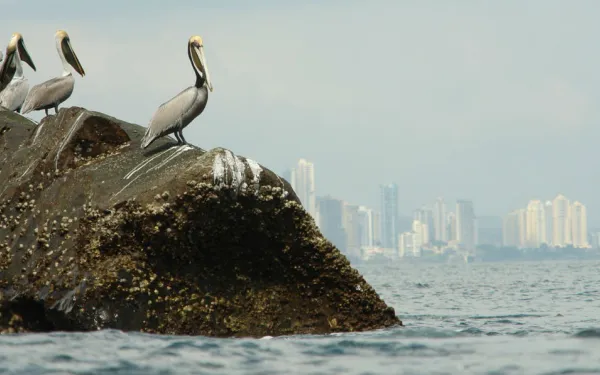
New law protects Panama Bay Wetland Wildlife Refuge
On the occasion of World Wetlands Day, the President of Panama will approve a national law that bestows protected-area status on Panama Bay Wetland Wildlife Refuge. CIAM and AIDA applaud the decision to strengthen protection of an ecosystem key to biodiversity, freshwater supplies, and the fight against climate change. Panama City, Panama. In an official ceremony on World Wetlands Day, President Juan Carlos Varela will approve a law that bestows protected-area status on Panama Bay Wetland Wildlife Refuge, which was initially established by Administrative Resolution. The government is strengthening legal protection of an ecosystem key to fresh water supplies, reproduction of species of high commercial and nutritional value, biodiversity conservation, and climate change mitigation. "We welcome a law that demonstrates the importance that this place has on the environment and surrounding populations. It is everyone’s responsibility to protect the 85,652 hectares of coastal marine wetlands in Panama Bay," said Brooke Alfaro, President of the Board of the Environmental Advocacy Center (CIAM). The Bay is one of the world’s most important nesting and resting sites for migratory birds and a home to endangered species. Mangroves help to fight climate change by capturing carbon from the atmosphere, and mitigate its effects by serving as a buffer against coastal storms and hurricanes. In 2003, it was declared a site of international importance under the Ramsar Convention, an international treaty for the conservation of wetlands. "We congratulate the Panamanian government because this law is a breakthrough for wetland protection and for fulfillment of the country’s international obligations. It serves as an example for other countries in the region. The law emphasizes the concepts of rational use, ecosystem approach, and ecological character contained in the Ramsar Convention," said Haydée Rodríguez, attorney for the Interamerican Association for Environmental Defense (AIDA). During the law’s approval process, CIAM’s legal and scientific team, supported by AIDA, helped strengthen the bill to ensure that it guarantees sound management of wetland resources. Both organizations will assist and support the Government of Panama in implementing the law. "We must establish an appropriate management plan to ensure the protection of the wetland for present and future generations," added Rodríguez. "Thanks to the support of citizens, civil society, the Supreme Court, deputies and government, the law ensures protection of the Panama Bay Wetland," Alfaro said. In recent years, the site has been affected by the expansion of real estate projects, with consequent channeling of rivers, drainage, and filling of natural areas. Under the new law, activities that threaten the ecological integrity of the refuge and of its boundaries are prohibited. Only another law may permit them.
Read more