
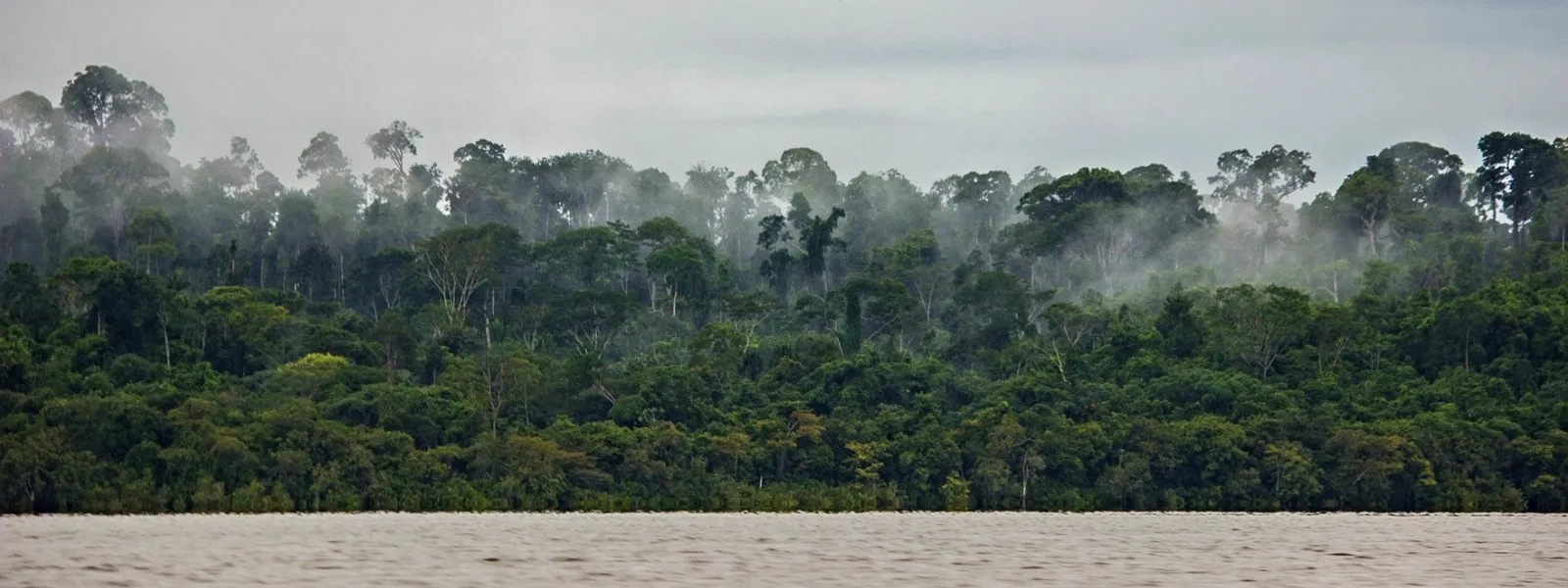
Project
Amazon Watch / Maíra Irigaray
The Belo Monte Dam on the Xingu River: 10 years of impacts in the Amazon and the search for reparations
The Belo Monte Dam has caused an environmental and social disaster in the heart of the Amazon—one of the most important ecosystems on the planet.
This situation has only worsened since the hydroelectric plant began operations in 2016. The quest for justice and reparations by the affected indigenous, fishing, and riverine communities continues to this day.
In 2011, the Inter-American Commission on Human Rights (IACHR) granted them protective measures that, to date, have not been fully implemented by the Brazilian State.
Furthermore, since June of that same year, the IACHR has yet to rule on a complaint against the State regarding its international responsibility in the case.
The IACHR may refer the case to the Inter-American Court of Human Rights, which has the authority to issue a ruling condemning the Brazilian State.
After 10 years of the hydroelectric plant's operation and more than 15 years of documented human rights violations, it is time for justice to be served for the affected communities.
Read the open letter from the organizations bringing the case before the IACHR
Background
The Belo Monte hydroelectric plant—the fourth largest in the world by installed capacity (11,233 MW)—was built on the Xingu River in Pará, a state in northern Brazil.
It was inaugurated on May 5, 2016, with a single turbine. At that time, 80% of the river’s course was diverted, flooding 516 km² of land—an area larger than the city of Chicago. Of that area, 400 km² was native forest. The dam began operating at full capacity in November 2019.
Belo Monte was built and is operated by the Norte Energia S.A. consortium, which is composed primarily of state-owned companies. It was financed by the Brazilian Development Bank (BNDES), which provided the consortium with 25.4 billion reais (approximately US$10.16 billion), the largest investment in the bank’s history. Therefore, the BNDES is also legally responsible for the socio-environmental impacts associated with the hydroelectric plant.
Decades of harm to the environment and people
Human rights violations and degradation of the Amazon have been occurring since the project’s inception. In March 2011, Norte Energía began construction of the dam without adequate consultation and without the prior, free, and informed consent of the affected communities.
The construction caused the forced displacement of more than 40,000 people, severing social and cultural ties. The resettlement plan in Altamira—a city directly affected by the hydroelectric dam—involved housing units located on the outskirts, lacking adequate public services and decent living conditions for the relocated families, with no special provisions for those from indigenous communities.
Belo Monte's operations have caused a permanent, man-made drought in the Volta Grande (or "Great Bend") of the Xingu River, exacerbated by the historic droughts in the Amazon in 2023 and 2024. As a result, the deaths of millions of fish eggs were documented for four consecutive years (from 2021 to 2024), and for the past three years, there has been no upstream migration of fish to spawn and reproduce. Thus, artisanal fishing, the main source of protein for indigenous peoples and riverside communities, was severely affected: fish dropped from 50% to 30% of total protein consumed, replaced by processed foods. In summary, there was an environmental and humanitarian collapse that resulted in the breakdown of fishing as a traditional way of life, food insecurity, and access to drinking water for thousands of families, impoverishment, and disease.
Furthermore, the construction of the dam increased deforestation and intensified illegal logging and insecurity on indigenous and tribal lands, putting the survival of these communities at risk. Another consequence was the deepening of poverty and social conflicts, as well as the strain on health, education, and public safety systems in Altamira—a city ranked as the most violent in the country in 2017, where human trafficking and sexual violence increased. Violence was also reported against human rights defenders involved in the case.
In 2025, during the 30th UN Climate Change Conference (COP30), held in Brazil, the Federal Public Prosecutor’s Office labeled the damage caused by the Belo Monte dam as ecocide.
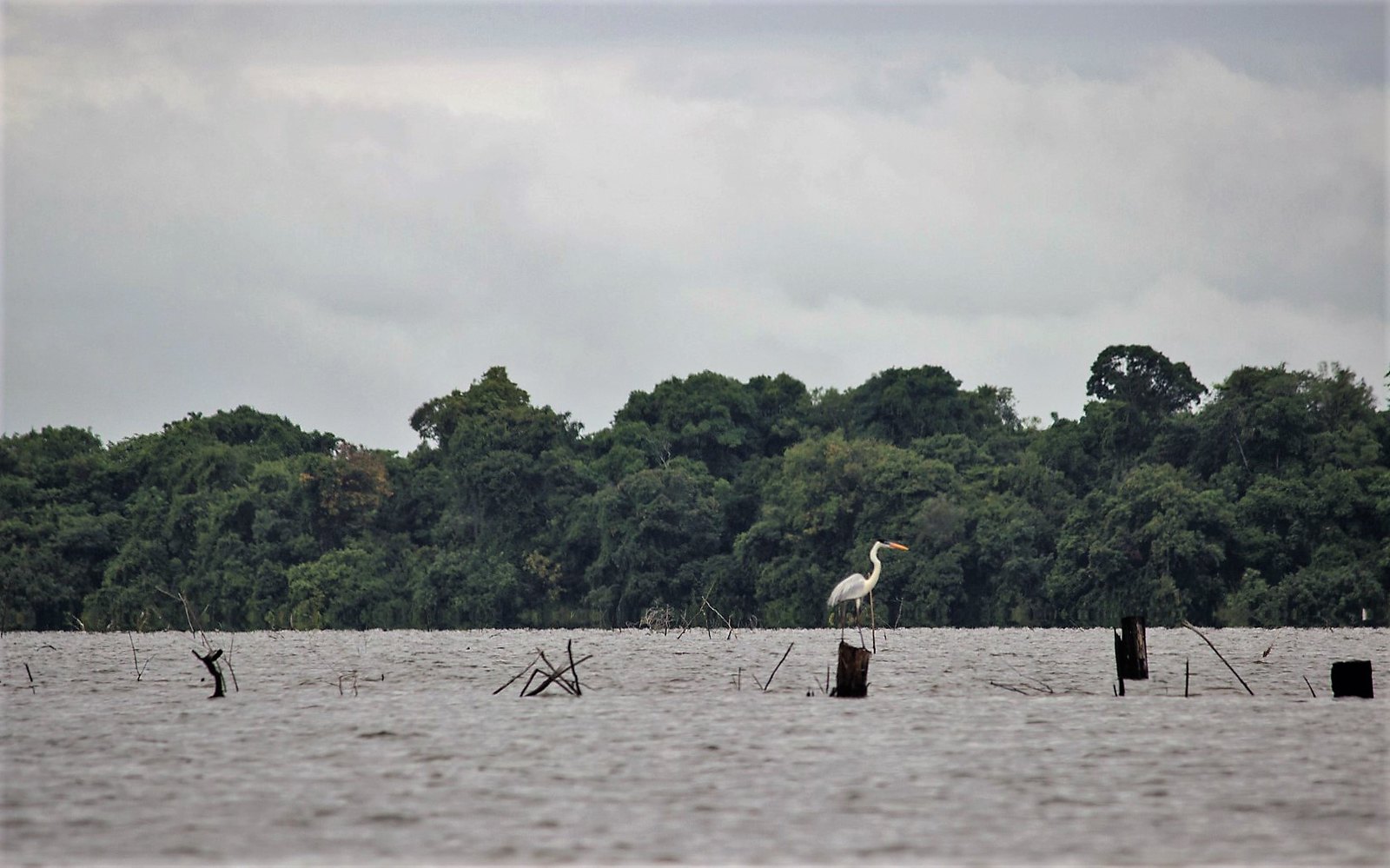
Photo: Amazon Watch / Maíra Irigaray.
The search for justice and reparations
Over the years, the Federal Public Prosecutor’s Office in Pará, the Public Defender’s Office, and civil society organizations have filed dozens of legal actions in Brazilian courts to challenge the project’s various irregularities and its impacts. Most of the claims are still pending resolution, some for more than 10 years.
These efforts have failed because the national government has repeatedly overturned rulings in favor of the affected communities by invoking a mechanism that allowed a court president to suspend a judicial decision based solely on generic arguments such as "the national interest" or "economic order."
In the absence of effective responses at the national level, AIDA, together with a coalition of partner organizations, brought the case before the Inter-American Commission on Human Rights (IACHR) and, in 2010, requested precautionary measures to protect the lives, safety, and health of the affected indigenous communities.
On April 1, 2011, the IACHR granted these measures and requested that the Brazilian government suspend environmental permits and any construction work until the conditions related to prior consultation and the protection of the health and safety of the communities are met.
And on June 16, 2011 —together with the Xingu Vivo Para Sempre Movement, the Coordinating Committee of Indigenous Organizations of the Brazilian Amazon, the Diocese of Altamira, the Indigenous Missionary Council, the Pará Society for the Defense of Human Rights and Global Justice— we filed a formal complaint against the Brazilian State for its international responsibility in the violation of the human rights of the people affected in the case. The case was opened for processing in December 2015.
On August 3, 2011, the IACHR amended the precautionary measures to request, instead of the suspension of permits and construction, the protection of people living in voluntary isolation, the health of indigenous communities, and the regularization and protection of ancestral lands.
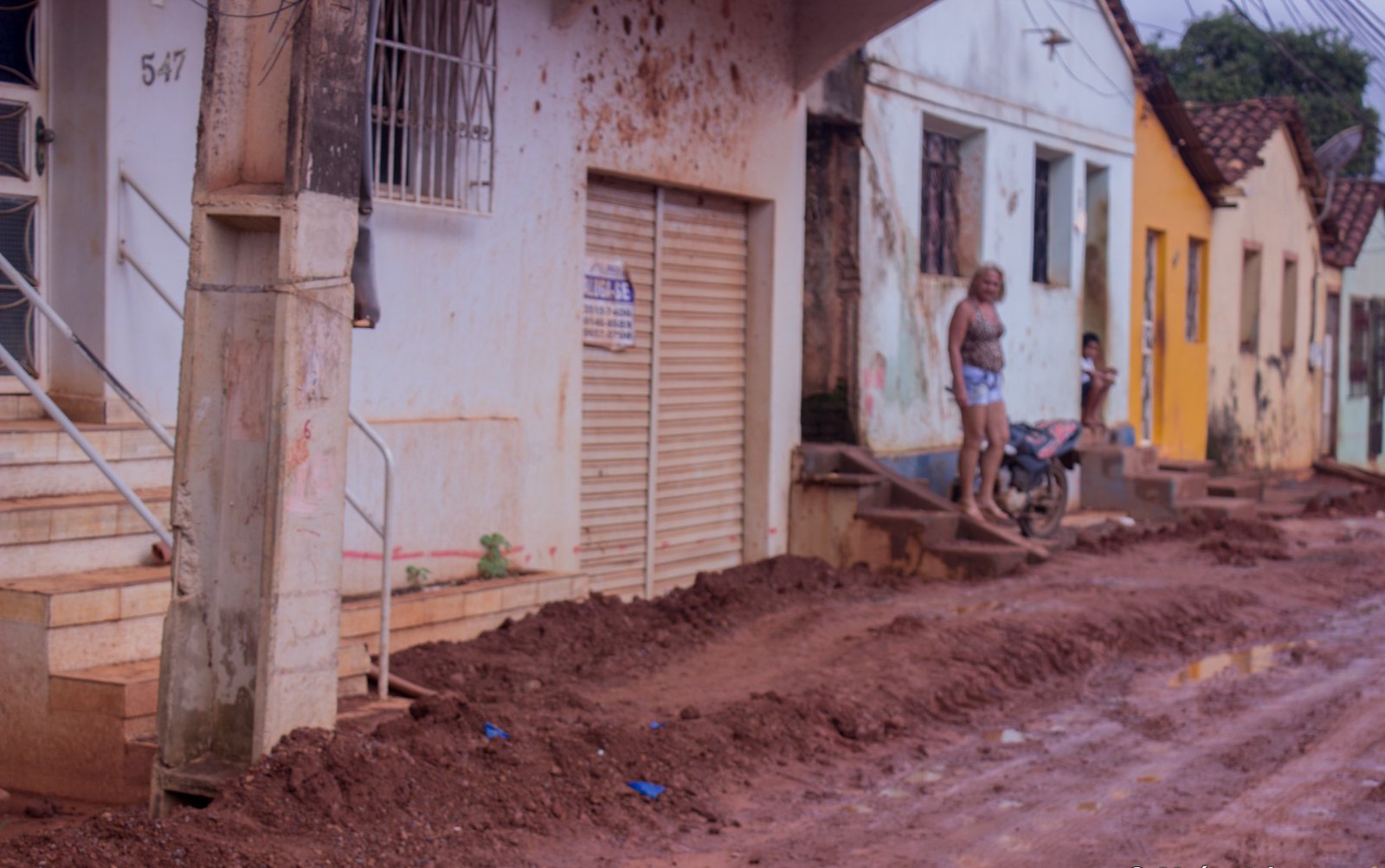
Photo: Amazon Watch / Maíra Irigaray.
Current situation
The protective measures granted by the IACHR remain in effect, but the Brazilian government has not fully complied with them, reporting only on general actions. The communities have documented the ongoing violations of their rights. The situation that prompted the request for these measures—the risk to the lives, physical integrity, and ways of life of the communities—persists and has worsened with the hydroelectric plant operating at full capacity and the recent extreme droughts in the Amazon.
In addition to the impacts of Belo Monte, there is a risk of further social and environmental impacts from the implementation of another mining megaproject in the Volta Grande do Xingu. There, the Canadian company Belo Sun plans to build Brazil’s largest open-pit gold mine.
The combined and cumulative impacts of the dam and the mine were not assessed. The government excluded Indigenous peoples, riverine and peasant communities from the project’s environmental permitting process. Despite protests by Indigenous communities and other irregularities surrounding the project, the government of Pará formally authorized the mine in April 2026.
Like other hydroelectric dams, Belo Monte exacerbates the climate emergency by generating greenhouse gas emissions in its reservoir. And it is inefficient amid the longer, more intense droughts caused by the crisis, as it loses its ability to generate power.
The case before the Inter-American Commission
In October 2017, the IACHR announced that it would rule jointly on the admissibility (whether the case meets the requirements for admission) and the merits (whether a human rights violation actually occurred) of the international complaint against the Brazilian State.
Fifteen years after the complaint was filed, the affected communities and the organizations representing them are still awaiting this decision. If the IACHR concludes that human rights violations occurred and issues recommendations that the Brazilian State fails to comply with, it may refer the case to the Inter-American Court of Human Rights, whose rulings are binding.
A potential ruling by the international court in this case would set a regional legal precedent regarding the rights of indigenous and riverine peoples, public participation in megaprojects, and state responsibility in the context of the climate crisis—a precedent that is particularly relevant in light of the Court’s Advisory Opinion No. 32, which reaffirmed the obligations of States to protect the people and communities of the continent from the climate emergency.
Partners:
Related projects

Belo Monte: The Urgency of Effectively Protecting Human Rights
Four years ago this month, the Inter-American Commission on Human Rights took an important step forward for the peoples of the Xingú River Basin. It requested that the Brazilian government adopt precautionary measures to prevent irreparable damage to the rights of indigenous communities along the Amazonian tributary. Their cultural integrity and way of life were, and still are, at risk from the construction of the world’s third-largest dam, Belo Monte. Yet that major victory for those fighting to protect life on the Xingú has been diluted with time. As the decision weakened, so too did confidence in the Commission, an organ of the Organization of American States (OAS) charged with ensuring the protection of human rights on the continent. The Initial Request In November 2010, AIDA and partner organizations in Brazil requested precautionary measures from the Commission in a context of gravity and urgency characterized by: An irregular licensing process. An insufficient Environmental and Social Impact Assessment (ESIA), which contained neither all possible impacts nor the mitigation measures needed to guarantee the communities’ rights, and was not translated into the indigenous languages of the affected populations. The project’s failure to comply with more than 60 social, environmental and indigenous provisions established in the previous license as safeguards for the rights of the affected. Absence of consultation with affected indigenous communities and lack of their free, prior and informed consent. In response, the Commission requested that Brazil immediately suspend construction and all licensing of the dam until the project complied with the following conditions: Undertake consultation processes that are of good faith and culturally appropriate, with the goal of achieving the free, prior, and informed consent of affected communities. Ensure that affected communities have access to the Environmental and Social Impact Statement in an understandable format, which includes translation into indigenous languages. Adopt measures to protect the cultural integrity and way of life of indigenous peoples, including those in voluntary isolation, and to prevent the spread of diseases and epidemics among affected communities. The Response of Brazil and the OAS The Brazilian Government rejected the measures, calling them "precipitous and unwarranted." In response, Brazil withdrew its envoy from the Commission and recalled its ambassador to the OAS. Then, claiming a need for economic austerity, Brazil suspended funding to the Commission and defaulted on its annual compulsory contribution to the OAS. The outlook worsened when the Secretary General of the OAS, José Miguel Insulza, told the BBC: "The Commission makes recommendations. They are never mandatory orders… no country will be violating a treaty if they don’t do what the Commission asks. The Commission has no such binding force." These undermining comments provided several hostile member States with justification for launching a process to "reform" the Inter-American Human Rights System. The controversial process lasted more than two years and, rather than strengthen the Commission, the hostile States actually attempted to undermine its autonomy and weaken its mechanisms. One Step Back On July 29, 2011, just four months after granting the precautionary measures, the Commission modified them. It withdrew its request for suspension of construction and licensing, claiming the fundamental argument had turned into a debate, which went beyond the scope of the precautionary measures, on whether prior consultation had been conducted with the indigenous communities and whether they had given their informed consent for the project. Instead, the Commission requested that Brazil adopt new measures to protect the way of life and personal and cultural integrity of indigenous peoples in voluntary isolation, as well as the health and territory of all affected indigenous communities. This change represented a major setback, not just for the indigenous communities of the Xingú, but also for the thousands of communities throughout the region whose cultural integrity and way of life are at risk from the heedless implementation of projects like Belo Monte. Brazil’s indigenous communities had hoped that the Commission would stand by its decision to suspend the dam, and would protect them while the case – presented in 2011 by AIDA and partner organizations from Brazil – was underway. Up Against Time After four years, Brazil has not only breached the precautionary measures, but has also repeatedly requested that they be lifted. Worse still, the government has allowed construction of the Belo Monte Dam to continue, and the project is now 70 percent complete. A few months ago, the company in charge of construction, Norte Energia S.A., requested the dam’s operating license from the Brazilian Institute of Environment and Natural Resources. Once granted the license, they will begin to fill the dam’s reservoir and, with it, flood a portion of the Amazon half the size of Rio de Janeiro. The Commission has yet to petition the Brazilian government to determine whether or not the project’s authorization included a process of prior consultation This important step remains despite the fact that, when modifying the precautionary measures, the Commission itself noted that the discussion had to happen in the context of a petition. What’s the risk? When the Commission finally makes a decision on the case it may be too late to prevent damages to affected communities. A Major Challenge Although there has been some progress in protecting affected communities as a direct result of the precautionary measures, which the Brazilian government has yet to recognize officially, the process thus far has clearly demonstrated that the Inter-American Human Rights System is imperfect and vulnerable to political pressure. This vulnerability must be overcome. We must focus on building a truly efficient System that works best for its beneficiaries: the victims of human rights abuses. Four years after what seemed like an important victory, Belo Monte has taught us that if we seek to protect human rights in the region effectively, governments must not be allowed to jeopardize the system established for that purpose through political and economic pressure. Due to the realities of the region, many cases like Belo Monte have come, and will continue to come, before the System. While they are not easy to resolve, we mustn’t choose inaction in the face of suffering. In the case of Belo Monte, the Commission still has time to act. It’s our hope that this case will become a model for equitable access to justice. At AIDA, we will continue working until we ensure that the environment and the rights of communities in Brazil’s Xingú River Basin are fully respected.
Read more
Toward a law to protect glaciers and water in Chile
More than 70 percent of the world’s fresh water is frozen in glaciers,[1] making these giants the most important freshwater reserves on the planet. The distribution of this wealth has been generous to some countries. According to the Randolph Inventory, the most complete map of glaciers in the world, Chile is the guardian of the largest area of glaciers in South America: 14,600 square miles distributed across thousands of glaciers that reach from the peaks of the Altiplano in the north to the extreme southern tip of the continent. The most dangerous threats to glaciers are climate change and industrial activities near them, especially mining. Through strategic litigation and advocacy, AIDA is working to halt the harms from both of these threats. Climate change has caused the decline of snow and rainfall, as well as an increase in temperature, which reduces the accumulation of ice and increases the melting of glaciers. Mining exploration and exploitation degrade glaciers with road construction, drilling, explosives, and toxic materials. These activities also generate dust that settles on glaciers, making them darker and accelerating their rate of melt. Although we know that water is fundamental for life, and that glaciers are dangerously threatened, surprising littleinternational law protects glaciers. No international treaty aims to preserve them, nor is any such treaty under consideration. At the national level, only Argentina has a law to protect its glaciers. In Chile, draft legislation to protect glaciers has been debated in Congress for many years. Bearing in mind the drought currently plaguing the country, what better reason could there be to develop a SMART legal tool to care for Chilean glaciers? In search of a law The first attempt to enact a law to protect Chile’s glaciers was in 2006. It was driven by the approval of the Pascua-Lama mining project, which threatened the mountainous glaciers in the north of the country. The unsuccessful initiative was shelved in 2007. On May 20, 2014 members of Congress, calling themselves "the Glacier Caucus," proposed a new law to preserve the glaciers. Mining and geothermal companies severely criticized their proposal, which forbade mining and other activities that harm glaciers. This March, the executive branch made a counterproposal. According to environmental organizations, the spirit of the Glacier Caucus law was completely changed in response to mining-industry demands. What follows are points for and against the government’s proposal, based on the minutes in (Spanish) of a collaborative meeting of environmental organizations: Positive Recognizes glaciers as freshwater reservoirs, as providers of ecosystem services, and as national public property. Prohibits applications for rights to harvest glacial water. Strengthens the power of the General Water Directorate to generate information, monitor the status of glaciers, and impose fines. Elevates the legal hierarchy of the glacier inventory. Negative Does not protect all glaciers, only those found in national parks or wildlife reserves. This is a serious oversight, considering that the most threatened glaciers are in the north, where national parks are rare and where they share territory with mining reserves. Worse, still, glaciers in the north supply drinking water to millions of people who live in areas where water is scarce. Could safeguard some glaciers outside of protected areas if the Committee of Ministers for Sustainability considers them "strategic water reserves." The proposal, however, makes no reference to the tools or public funds needed to make such an assessment. The risk is that this designation would eventually be left to consultants who frequently work for mining companies. Leaves glaciers that are not considered “strategic reserves” open to industrial projects, depending on the conclusions of Environmental Impact Assessments. In the past, EIAs have permitted such damaging projects as the Pacua-Lama, Andina 244, Los Bronces, and Los Pelambres mines. States that a project’s environmental permit will only be reviewed if the project currently impacts glaciers in national parks or those declared "strategic reserves." All other glaciers remain subject to the mining and energy projects that are already harming them. Internal debates in Congress will continue. We truly hope the resulting law will provide all glaciers with their due protection and that similar laws will be enacted in the rest of the countries where glaciers hold precious water for future generations. Meanwhile, AIDA’s dedicated legal advocates are working hard to prevent and minimize mining threats to the environment and people. AIDA is currently preparing a guide, Basic Guidelines for the Environmental Impact Assessment of Mining Projects: Recommended Terms of Reference (in Spanish), detailing the comprehensive analysis that must be completed for any proposed mining project. We are advocating with government agencies to conduct thorough assessments before approving new mine projects and, when necessary, we’re pursuing strategic litigation to compel agencies to improve their assessments. We’re also strengthening environmental laws and precedents that apply to extractive industries. In Colombia and Panama, AIDA is actively advocating revisions to the national mining codes, specifically to protect crucial water resources. Bringing international law to bear on the issue, we’re using international agreements to establish precedents that apply to mines broadly. We’ve also begun to create a pool of technical experts to help local communities and governments understand and evaluate proposals for mineral extraction. Please watch this blog for upcoming news about mines, water, and AIDA’s efforts to protect a healthy environment. [1] According to data from Global Water Partnership: http://www.gwp.org/
Read moreInternationally Advocating for Accountability for Human Rights Abuses
Juana[1] is suffering from respiratory problems and her sister has asthma. They live in La Oroya, a small city in Peru’s central Andes. It was years before Juana had access to the information she needed to understand the source of their illnesses: toxic contamination from the Doe Run metal smelter. Although there has been some progress, Juana and the rest of the people affected by the contaminated air in La Oroya still do not receive the specialized and comprehensive medical care they need. In cases like La Oroya, victims don’t always find justice in their own countries and must raise their demands to an international level. One space to do so is the Inter-American Commission on Human Rights public hearings, held twice a year in March and October. AIDA has actively participated in case hearings on specific human rights violations, such as in La Oroya. But we have also requested and received thematic hearings on problems facing Latin American countries or the region as a whole. We have participated alongside and in collaboration with other civil society organizations. "By providing information and arguments, we encourage the Commission to make visible worrisome situations of human rights violations caused by environmental degradation, and to take actions to stop them: develop standards, monitor cases, and make recommendations to States," explained María José Veramendi Villa, senior attorney at AIDA. Last October AIDA and partner organizations called the Commission’s attention to mining and energy projects that force displacement of people and communities in Colombia. We also requested that the Commission develop standards governing displacement caused by large infrastructure projects, and insisted that the Colombian government properly respond to the victims. "These hearings are the most comprehensive and flexible tool to ensure the Commission receives information about the issues that are troubling to the region. There are so many worries, and so many organizations wanting to be heard, that there is not enough time. The hearings are an indicator of the most relevant issues of the times and, through them, civil society develops an agenda of work," said Ana María Mondragón, attorney at AIDA. AIDA returned this month to Washington, D.C., seat of the Commission, to participate in a thematic hearing that brings to the table a current and deepening concern: the predominant role corporations are playing in the violation of human rights in Latin America. One example is the case of Máxima Acuña Chaupe in Cajamarca, Peru. The Yanacocha mining company is interested in developing a project on her territory and, in order to do so, accused her of usurping land. Although a judicial court ruling established Máxima’s innocence, she and her family live in fear that the company may again try to take away their home. The case of the Chaupe family, and many others in the region, demonstrates the importance of bringing this issue before the Commission. "During the hearing, we presented information to fuel debate about opportunities for the Commission to create, implement and strengthen international standards on business and human rights," explained Veramendi Villa. "By doing so, the Commission can urge States to control and/or sanction corporations – like Doe Run Peru and Yanacocha – whose activities harm the environment and violate human rights and ensure access to justice for its victims." [1] Name has been changed to protect confidentiality.
Read more