
Project
Amazon Watch / Maíra Irigaray
The Belo Monte Dam on the Xingu River: 10 years of impacts in the Amazon and the search for reparations
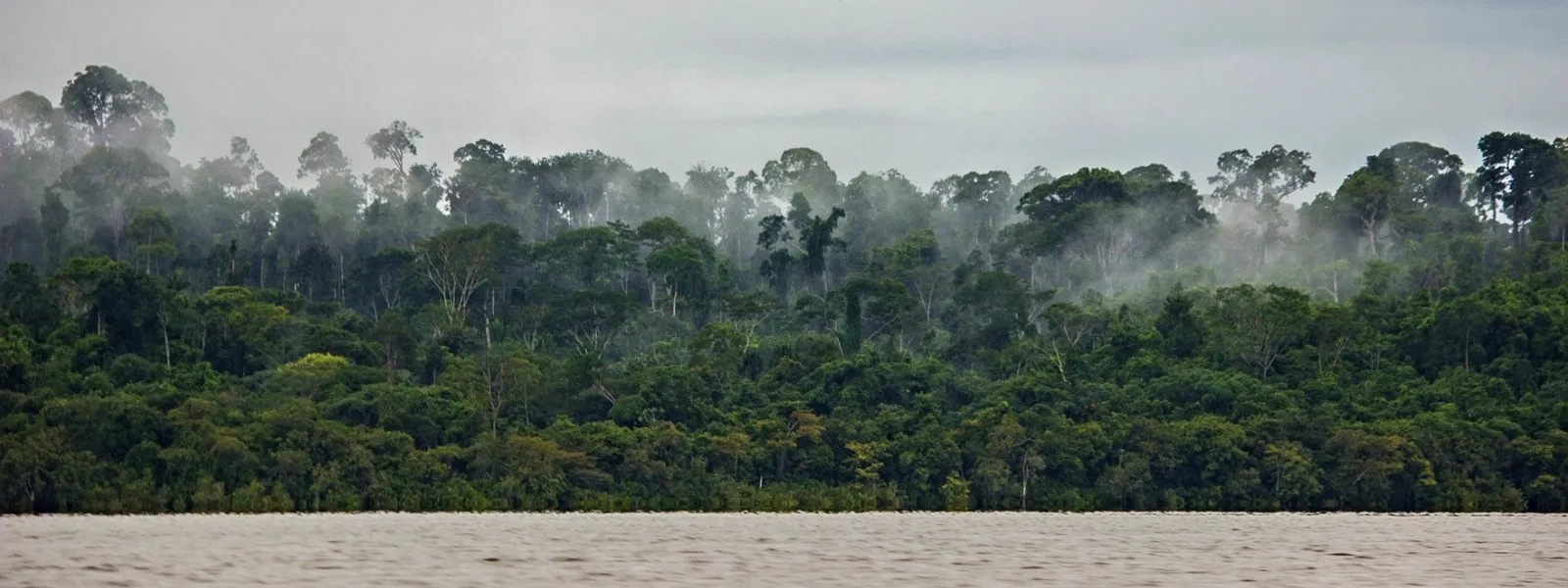
The Belo Monte Dam has caused an environmental and social disaster in the heart of the Amazon—one of the most important ecosystems on the planet.
This situation has only worsened since the hydroelectric plant began operations in 2016. The quest for justice and reparations by the affected indigenous, fishing, and riverine communities continues to this day.
In 2011, the Inter-American Commission on Human Rights (IACHR) granted them protective measures that, to date, have not been fully implemented by the Brazilian State.
Furthermore, since June of that same year, the IACHR has yet to rule on a complaint against the State regarding its international responsibility in the case.
The IACHR may refer the case to the Inter-American Court of Human Rights, which has the authority to issue a ruling condemning the Brazilian State.
After 10 years of the hydroelectric plant's operation and more than 15 years of documented human rights violations, it is time for justice to be served for the affected communities.
Read the open letter from the organizations bringing the case before the IACHR
Background
The Belo Monte hydroelectric plant—the fourth largest in the world by installed capacity (11,233 MW)—was built on the Xingu River in Pará, a state in northern Brazil.
It was inaugurated on May 5, 2016, with a single turbine. At that time, 80% of the river’s course was diverted, flooding 516 km² of land—an area larger than the city of Chicago. Of that area, 400 km² was native forest. The dam began operating at full capacity in November 2019.
Belo Monte was built and is operated by the Norte Energia S.A. consortium, which is composed primarily of state-owned companies. It was financed by the Brazilian Development Bank (BNDES), which provided the consortium with 25.4 billion reais (approximately US$10.16 billion), the largest investment in the bank’s history. Therefore, the BNDES is also legally responsible for the socio-environmental impacts associated with the hydroelectric plant.
Decades of harm to the environment and people
Human rights violations and degradation of the Amazon have been occurring since the project’s inception. In March 2011, Norte Energía began construction of the dam without adequate consultation and without the prior, free, and informed consent of the affected communities.
The construction caused the forced displacement of more than 40,000 people, severing social and cultural ties. The resettlement plan in Altamira—a city directly affected by the hydroelectric dam—involved housing units located on the outskirts, lacking adequate public services and decent living conditions for the relocated families, with no special provisions for those from indigenous communities.
Belo Monte's operations have caused a permanent, man-made drought in the Volta Grande (or "Great Bend") of the Xingu River, exacerbated by the historic droughts in the Amazon in 2023 and 2024. As a result, the deaths of millions of fish eggs were documented for four consecutive years (from 2021 to 2024), and for the past three years, there has been no upstream migration of fish to spawn and reproduce. Thus, artisanal fishing, the main source of protein for indigenous peoples and riverside communities, was severely affected: fish dropped from 50% to 30% of total protein consumed, replaced by processed foods. In summary, there was an environmental and humanitarian collapse that resulted in the breakdown of fishing as a traditional way of life, food insecurity, and access to drinking water for thousands of families, impoverishment, and disease.
Furthermore, the construction of the dam increased deforestation and intensified illegal logging and insecurity on indigenous and tribal lands, putting the survival of these communities at risk. Another consequence was the deepening of poverty and social conflicts, as well as the strain on health, education, and public safety systems in Altamira—a city ranked as the most violent in the country in 2017, where human trafficking and sexual violence increased. Violence was also reported against human rights defenders involved in the case.
In 2025, during the 30th UN Climate Change Conference (COP30), held in Brazil, the Federal Public Prosecutor’s Office labeled the damage caused by the Belo Monte dam as ecocide.
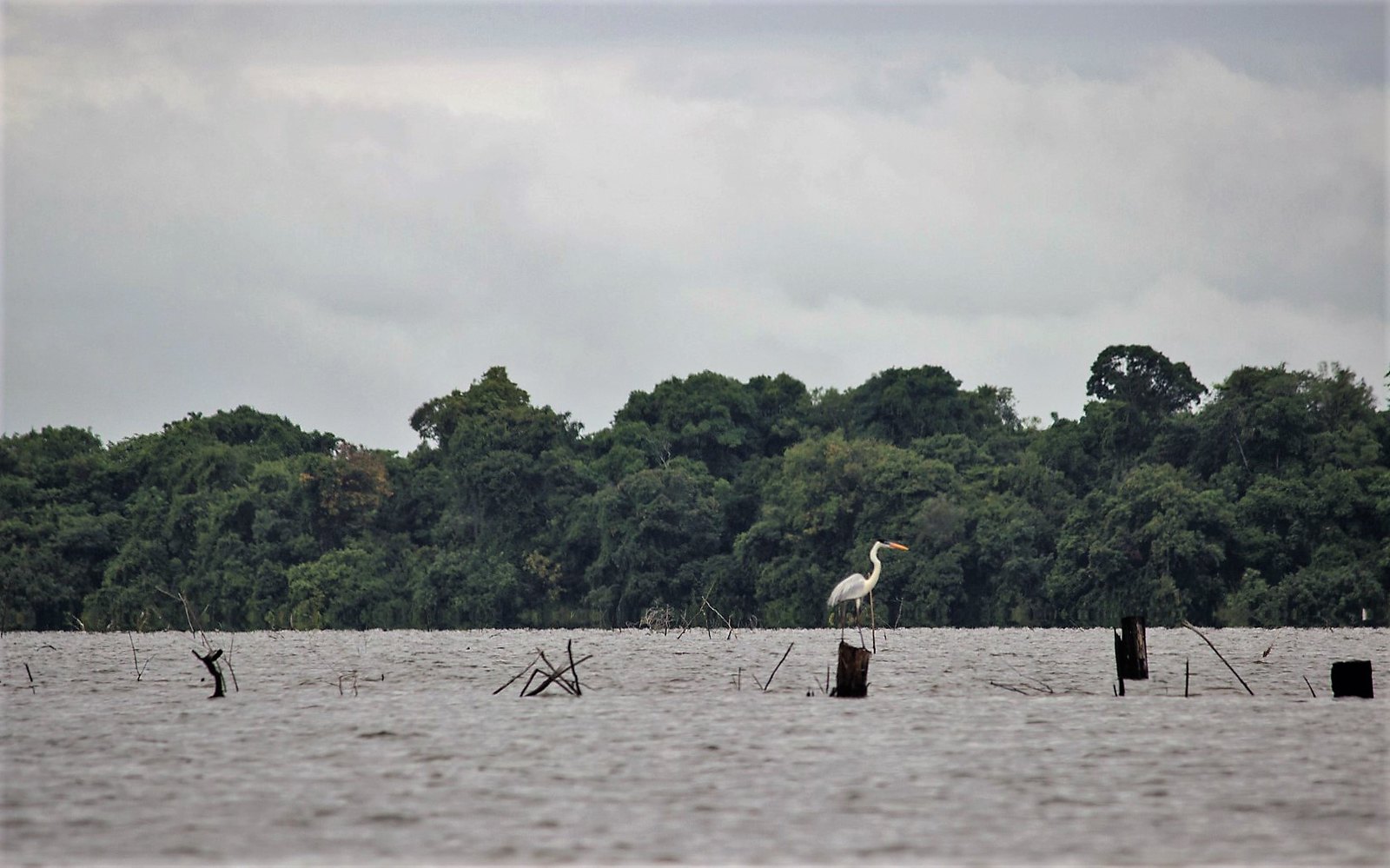
Photo: Amazon Watch / Maíra Irigaray.
The search for justice and reparations
Over the years, the Federal Public Prosecutor’s Office in Pará, the Public Defender’s Office, and civil society organizations have filed dozens of legal actions in Brazilian courts to challenge the project’s various irregularities and its impacts. Most of the claims are still pending resolution, some for more than 10 years.
These efforts have failed because the national government has repeatedly overturned rulings in favor of the affected communities by invoking a mechanism that allowed a court president to suspend a judicial decision based solely on generic arguments such as "the national interest" or "economic order."
In the absence of effective responses at the national level, AIDA, together with a coalition of partner organizations, brought the case before the Inter-American Commission on Human Rights (IACHR) and, in 2010, requested precautionary measures to protect the lives, safety, and health of the affected indigenous communities.
On April 1, 2011, the IACHR granted these measures and requested that the Brazilian government suspend environmental permits and any construction work until the conditions related to prior consultation and the protection of the health and safety of the communities are met.
And on June 16, 2011 —together with the Xingu Vivo Para Sempre Movement, the Coordinating Committee of Indigenous Organizations of the Brazilian Amazon, the Diocese of Altamira, the Indigenous Missionary Council, the Pará Society for the Defense of Human Rights and Global Justice— we filed a formal complaint against the Brazilian State for its international responsibility in the violation of the human rights of the people affected in the case. The case was opened for processing in December 2015.
On August 3, 2011, the IACHR amended the precautionary measures to request, instead of the suspension of permits and construction, the protection of people living in voluntary isolation, the health of indigenous communities, and the regularization and protection of ancestral lands.
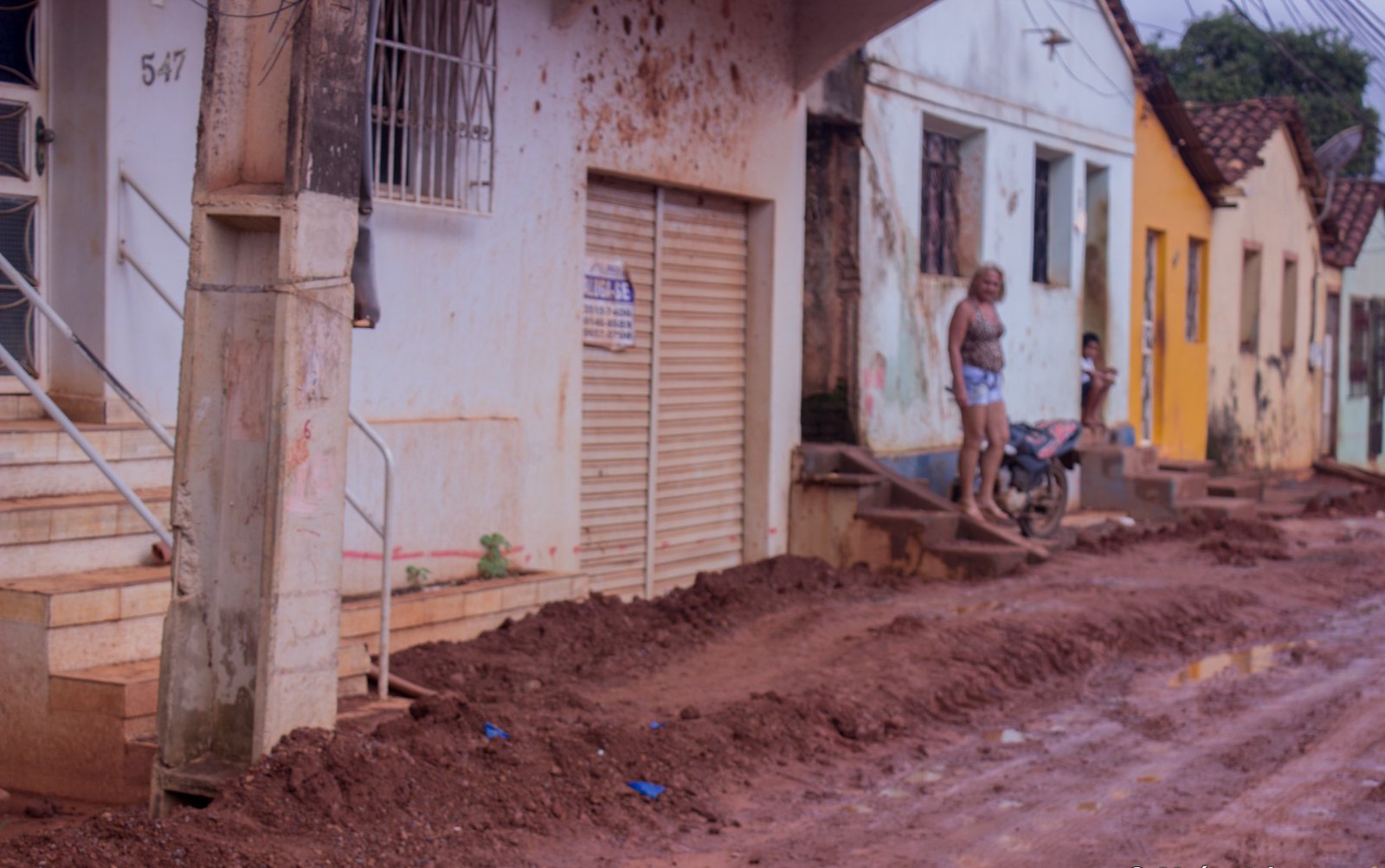
Photo: Amazon Watch / Maíra Irigaray.
Current situation
The protective measures granted by the IACHR remain in effect, but the Brazilian government has not fully complied with them, reporting only on general actions. The communities have documented the ongoing violations of their rights. The situation that prompted the request for these measures—the risk to the lives, physical integrity, and ways of life of the communities—persists and has worsened with the hydroelectric plant operating at full capacity and the recent extreme droughts in the Amazon.
In addition to the impacts of Belo Monte, there is a risk of further social and environmental impacts from the implementation of another mining megaproject in the Volta Grande do Xingu. There, the Canadian company Belo Sun plans to build Brazil’s largest open-pit gold mine.
The combined and cumulative impacts of the dam and the mine were not assessed. The government excluded Indigenous peoples, riverine and peasant communities from the project’s environmental permitting process. Despite protests by Indigenous communities and other irregularities surrounding the project, the government of Pará formally authorized the mine in April 2026.
Like other hydroelectric dams, Belo Monte exacerbates the climate emergency by generating greenhouse gas emissions in its reservoir. And it is inefficient amid the longer, more intense droughts caused by the crisis, as it loses its ability to generate power.
The case before the Inter-American Commission
In October 2017, the IACHR announced that it would rule jointly on the admissibility (whether the case meets the requirements for admission) and the merits (whether a human rights violation actually occurred) of the international complaint against the Brazilian State.
Fifteen years after the complaint was filed, the affected communities and the organizations representing them are still awaiting this decision. If the IACHR concludes that human rights violations occurred and issues recommendations that the Brazilian State fails to comply with, it may refer the case to the Inter-American Court of Human Rights, whose rulings are binding.
A potential ruling by the international court in this case would set a regional legal precedent regarding the rights of indigenous and riverine peoples, public participation in megaprojects, and state responsibility in the context of the climate crisis—a precedent that is particularly relevant in light of the Court’s Advisory Opinion No. 32, which reaffirmed the obligations of States to protect the people and communities of the continent from the climate emergency.
Partners:
Related projects
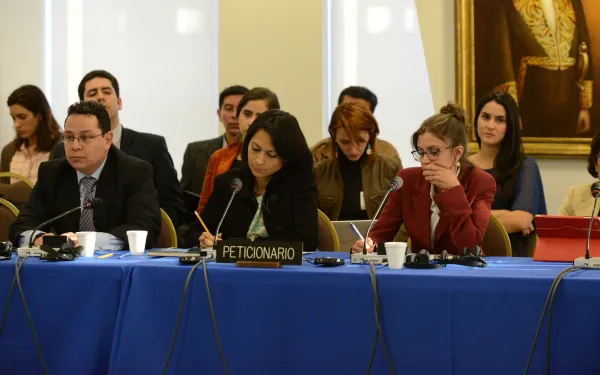
Organizations request that the IACHR strengthen State obligations to supervise corporate activities that violate human rights
In a hearing before the Inter-American Commission on Human Rights, they highlighted the opportunities that the Commission has to address the problem through the creation, implementation and strengthening of international standards on business and human rights. Washington D.C. In a hearing before the Inter-American Commission on Human Rights, civil society organizations requested that the Commission provide renewed attention to the problem, increasingly experienced in the hemisphere, of human rights violations committed by corporations. The hearing was jointly requested by the Interamerican Association for Environmental Defense (AIDA), a regional organization; the Association for Human Rights (APRODEH) of Peru; the Center for Human Rights and Environment (CEDHA) of Argentina; and Justiça Global of Brazil. The organizations applauded the Commission’s openness to directly addressing, for the first time, the theme of business and human rights in a public hearing. “Through various mechanisms in recent years, the Commission has received a large amount of information about cases of human rights violations in which corporations have played a central role, but the problem has worsened because of a lack of effective solutions. In this sense, one of the biggest challenges the Commission has is to find ways to address the issue properly and to help both the States and the corporations to fulfill their human rights obligations,” explained Astrid Puentes, co-executive director of AIDA. Through their work, the organizations have seen that most recurrent aspects of the problem include: the impacts of megaprojects and extractive industries on human rights and the environment; difficulties in guaranteeing the right to participation and access to information for affected people and communities; the absence of Human Rights Impact Assessments; systematic violations of labor rights and forced labor practices; the privatization of public security forces to protect business activities; and aggression towards and criminalization of people who defend the environment, their territory and human rights. At the hearing, the organizations reminded that progress has been made in the development international standards on business and human rights. One such example, they explained, is the United Nations Guiding Principles on Business and Human Rights. "However, because compliance is voluntary and there are various legal loopholes, this instrument has not been effective enough to prevent the continuation of human rights abuses. Also, effective regulation of territorial and extraterritorial State obligations regarding the responsibilities of transnational corporations on national, regional and international levels does not exist. This sort of vacuum prevents both the safeguarding of people’s rights, and access to appropriate compensation and justice for victims,” said Alexandra Montgomery of Justiça Global. Looking forward, the organizations presented information about the opportunities the Commission has to strengthen the implementation of existing standards. They emphasized the following points: The Commission should promote corporations’ respect for human rights. This includes promoting State responsibility for adequate supervision of business activities and for establishment of binding obligations for them, since the voluntary nature of the Guiding Principles compromises and puts at risk the protection of human rights. Based on the jurisprudence of the Inter-American Human Rights System in relation to the obligations of States to respect and guarantee human rights, the Commission can develop specific measures for States to supervise business activities to ensure that they do not violate human rights. Respect for human rights by States and companies must not be subject to economic or political considerations. It is necessary to strengthen access to justice for victims of human rights abuses by business actors through recommendations for improvement and implementation of accountability mechanisms and international forums, such as the Commission and the Inter-American Court of Human Rights. “We hope that as a result of the hearing, the Commission initiates dialogues that incorporate the experience of civil society organizations and of United Nations agencies to strengthen the respect of and guarantees for human rights in the region,” concluded Gloria Cano, of APRODEH.
Read moreWetlands: Vital and At Risk
Temporarily or permanently flooded extensions of land create wetlands— oxygen-deprived, hybrid ecosystems that combine the characteristics of both aquatic and terrestrial systems. Wetlands include marshes, páramos, bogs, peatlands, swamps, mangroves and coral reefs. Wetlands provide people with a host of benefits: Wetlands are natural supermarkets that contain an incredible amount of biodiversity: they are home to more than 100,000 known freshwater species. Our allies in the fight against climate change, wetlands capture and store carbon from the atmosphere. It is estimated that over long periods of time, a hectare of mangroves captures 50 times more carbon dioxide than a tropical forest. Wetlands help to reduce the risk of natural disasters . An example of this happened in 2011, when the Veracruz Reef System in the Gulf of Mexico protected the city of Veracruz from the category four Hurricane Karl. Wetlands are a source of livelihood and employment for millions of people. In Panama alone, 90 percent of incomefrom fishing comes from catching species that, at some stage in their life, depend on the wetlands of the Panama Bay. What’s more, water to irrigate the country’s 570 million agricultural crops comes from these ecosystems. By forming beautiful landscapes, wetlands are a center of recreational and tourist activities, such as bird watching. Under threat Even though they are one of the most productive ecosystems in the world, more than 64% of the world’s wetlands have disappeared. The causes of their degradation include: Activities like agriculture that promote changes in land use , and contribute to the loss of coverage of wetlands. An example is the Ciénaga Grande de Santa Marta in Colombia, which is at risk from agricultural practices that have affected its water supply. Poorly planned urban development like that which threatened Panama Bay, where the mangroves were filled in and cut down to construct roads and houses. Obstruction of the water flow that feeds wetlands, as in the construction of the Las Cruces hydroelectric project in Mexico on the San Pedro Mezquital river, on which Marismas Nacionales, one of the most important mangrove forests in the country, depends. Contamination of subterranean water sources by activities like mining. What can we do for them? At AIDA we work to protect wetlands in the Americas . We’ve advocated for the preservation of the Colombian páramosand the Mexican wetlands, such as Cabo Pulmo, Marismas Nacionales and the Veracruz Reef System. We’ve also created rigorous reports about the international legal obligations that Costa Rica must meet to protect its corals, and about the standards of protection of corals in Mexico. And we’re ready to do more! We are currently preparing for the 12th Conference of Parties (COP12) for the Ramsar Convention , an intergovernmental treaty that has since 1971 promoted the protection of wetlands and established principles for their conservation and sustainable use through national action and international cooperation. The countries that sign and ratify the Convention are home to wetlands on the Ramsar List. They commit to taking steps necessary to maintain the ecological characteristics of these sites , which hold such significant value for their country and for all of humanity. The Conference will put to the test the promises that Latin American countries have made to protect their wetlands. The Parties will release Strategic Plan 2016-2021 , which will lay the foundation for the conservation of these ecosystems in the region. We’ll be at the Conference alongside partner organizations and decision markers to advocate for the best possible preservation of these beacons of health and biodiversity for the region.
Read morePáramos: Defending Water in Colombia
Colombia’s páramos occupy just 1.7 percent of the national territory, yet they produce 85 percent of its drinking water. These rich sources of life are threatened by activities like large-scale mining, and their protection should be a point of national interest. So just how does the magic happen? The páramos are high altitude wetlands. Despite being located in the equatorial zone, they remain cool throughout the year, which enables their soils to maintain rich volcanic nutrients. All these characteristics make the páramos true sponges that capture moisture from the atmosphere, purify water and regulate its flow. The growth of the economy, the production of electricity and life itself are all made possible by the water provided by Colombia’s páramos: Bogota’s water comes from the páramos of Sumpaz, Chingaza (at risk) and Cruz Verde (at risk from mining exploration). The water in Medellin arrives from the páramo of Belmira. The Santurbán páramo (at risk from gold mining projects) supplies water to Bucaramanga. In Cali, the Farallones are vital springs of water. Life in all these cities depends on the páramos. That’s why AIDA is committed to the protection of these valuable ecosystems. It’s about defending our sources of fresh water, our right to live. This fight recently called us to: Call the World Bank’s attention to the risks of its investment in the Angostura mine, in the Santurbán páramo, which would harm both people and the environment. Co-organize a seminar about páramos and mining at the Universidad Sergio Arboleda in order to discuss and understand the latest legal and technical regulations on the subject. We Are Not Alone Social movements in defense of water, life and páramos have blossomed across the country. The Committee for the Defense of Water and the Santurbán Páramo and the Committee for Cruz Verde are two strong examples. Greenpeace Colombia has also promoted the end of mining in the Pisba páramo in Boyacá. Meanwhile, after many extensions, the Environmental Minister announced last December the delimitation of the Santurbán páramo. However, he also announced that mining projects that already had a title and an environmental license would be permitted to continue. The Canadian mining company Eco Oro then issued a public statement that, even with the delimitation of Santurbán, it would continue developing the Angostura mine on a smaller scale. This delimitation opens the way for similar actions on which the recognition and protection of other Colombian páramos will depend. As members of civil society we must remain vigilant so that such actions comply with national and international environmental and human rights standards. Our water, and therefore our life, is at risk. Where will our fresh water come from in 2015, when our numbers are millions more? If we don’t protect our páramos today, Colombia’s future generations will be deprived of access to water. Current problems in Lima, Peru and São Paulo, Brazil remind us that this reality might not be too far away.
Read more