
Project
Amazon Watch / Maíra Irigaray
The Belo Monte Dam on the Xingu River: 10 years of impacts in the Amazon and the search for reparations
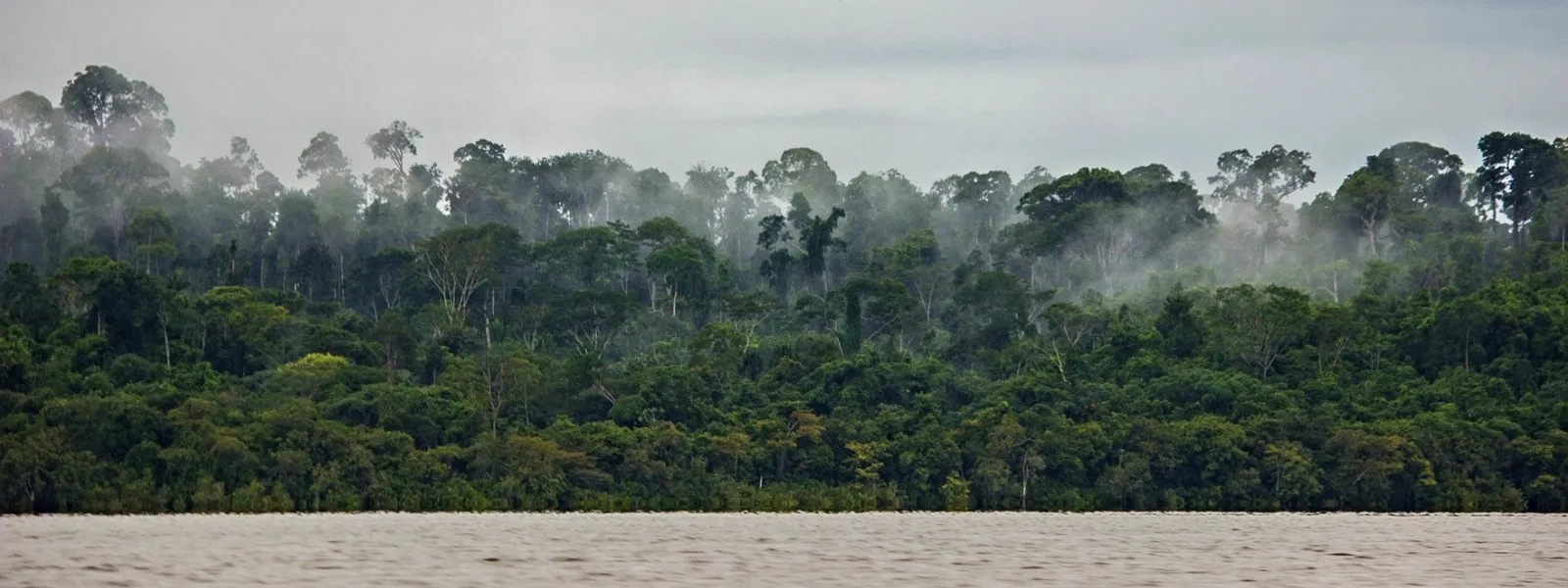
The Belo Monte Dam has caused an environmental and social disaster in the heart of the Amazon—one of the most important ecosystems on the planet.
This situation has only worsened since the hydroelectric plant began operations in 2016. The quest for justice and reparations by the affected indigenous, fishing, and riverine communities continues to this day.
In 2011, the Inter-American Commission on Human Rights (IACHR) granted them protective measures that, to date, have not been fully implemented by the Brazilian State.
Furthermore, since June of that same year, the IACHR has yet to rule on a complaint against the State regarding its international responsibility in the case.
The IACHR may refer the case to the Inter-American Court of Human Rights, which has the authority to issue a ruling condemning the Brazilian State.
After 10 years of the hydroelectric plant's operation and more than 15 years of documented human rights violations, it is time for justice to be served for the affected communities.
Read the open letter from the organizations bringing the case before the IACHR
Background
The Belo Monte hydroelectric plant—the fourth largest in the world by installed capacity (11,233 MW)—was built on the Xingu River in Pará, a state in northern Brazil.
It was inaugurated on May 5, 2016, with a single turbine. At that time, 80% of the river’s course was diverted, flooding 516 km² of land—an area larger than the city of Chicago. Of that area, 400 km² was native forest. The dam began operating at full capacity in November 2019.
Belo Monte was built and is operated by the Norte Energia S.A. consortium, which is composed primarily of state-owned companies. It was financed by the Brazilian Development Bank (BNDES), which provided the consortium with 25.4 billion reais (approximately US$10.16 billion), the largest investment in the bank’s history. Therefore, the BNDES is also legally responsible for the socio-environmental impacts associated with the hydroelectric plant.
Decades of harm to the environment and people
Human rights violations and degradation of the Amazon have been occurring since the project’s inception. In March 2011, Norte Energía began construction of the dam without adequate consultation and without the prior, free, and informed consent of the affected communities.
The construction caused the forced displacement of more than 40,000 people, severing social and cultural ties. The resettlement plan in Altamira—a city directly affected by the hydroelectric dam—involved housing units located on the outskirts, lacking adequate public services and decent living conditions for the relocated families, with no special provisions for those from indigenous communities.
Belo Monte's operations have caused a permanent, man-made drought in the Volta Grande (or "Great Bend") of the Xingu River, exacerbated by the historic droughts in the Amazon in 2023 and 2024. As a result, the deaths of millions of fish eggs were documented for four consecutive years (from 2021 to 2024), and for the past three years, there has been no upstream migration of fish to spawn and reproduce. Thus, artisanal fishing, the main source of protein for indigenous peoples and riverside communities, was severely affected: fish dropped from 50% to 30% of total protein consumed, replaced by processed foods. In summary, there was an environmental and humanitarian collapse that resulted in the breakdown of fishing as a traditional way of life, food insecurity, and access to drinking water for thousands of families, impoverishment, and disease.
Furthermore, the construction of the dam increased deforestation and intensified illegal logging and insecurity on indigenous and tribal lands, putting the survival of these communities at risk. Another consequence was the deepening of poverty and social conflicts, as well as the strain on health, education, and public safety systems in Altamira—a city ranked as the most violent in the country in 2017, where human trafficking and sexual violence increased. Violence was also reported against human rights defenders involved in the case.
In 2025, during the 30th UN Climate Change Conference (COP30), held in Brazil, the Federal Public Prosecutor’s Office labeled the damage caused by the Belo Monte dam as ecocide.
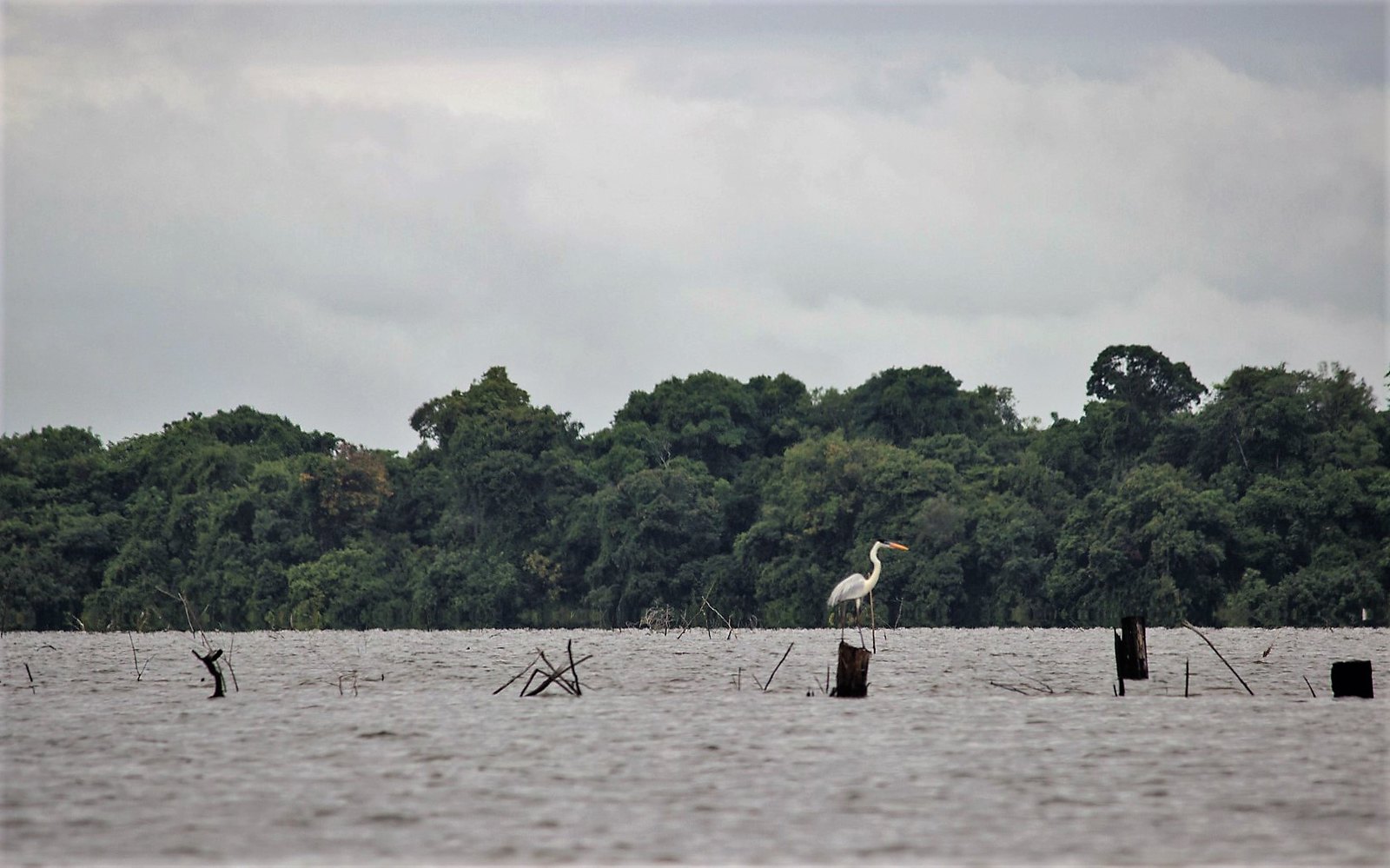
Photo: Amazon Watch / Maíra Irigaray.
The search for justice and reparations
Over the years, the Federal Public Prosecutor’s Office in Pará, the Public Defender’s Office, and civil society organizations have filed dozens of legal actions in Brazilian courts to challenge the project’s various irregularities and its impacts. Most of the claims are still pending resolution, some for more than 10 years.
These efforts have failed because the national government has repeatedly overturned rulings in favor of the affected communities by invoking a mechanism that allowed a court president to suspend a judicial decision based solely on generic arguments such as "the national interest" or "economic order."
In the absence of effective responses at the national level, AIDA, together with a coalition of partner organizations, brought the case before the Inter-American Commission on Human Rights (IACHR) and, in 2010, requested precautionary measures to protect the lives, safety, and health of the affected indigenous communities.
On April 1, 2011, the IACHR granted these measures and requested that the Brazilian government suspend environmental permits and any construction work until the conditions related to prior consultation and the protection of the health and safety of the communities are met.
And on June 16, 2011 —together with the Xingu Vivo Para Sempre Movement, the Coordinating Committee of Indigenous Organizations of the Brazilian Amazon, the Diocese of Altamira, the Indigenous Missionary Council, the Pará Society for the Defense of Human Rights and Global Justice— we filed a formal complaint against the Brazilian State for its international responsibility in the violation of the human rights of the people affected in the case. The case was opened for processing in December 2015.
On August 3, 2011, the IACHR amended the precautionary measures to request, instead of the suspension of permits and construction, the protection of people living in voluntary isolation, the health of indigenous communities, and the regularization and protection of ancestral lands.
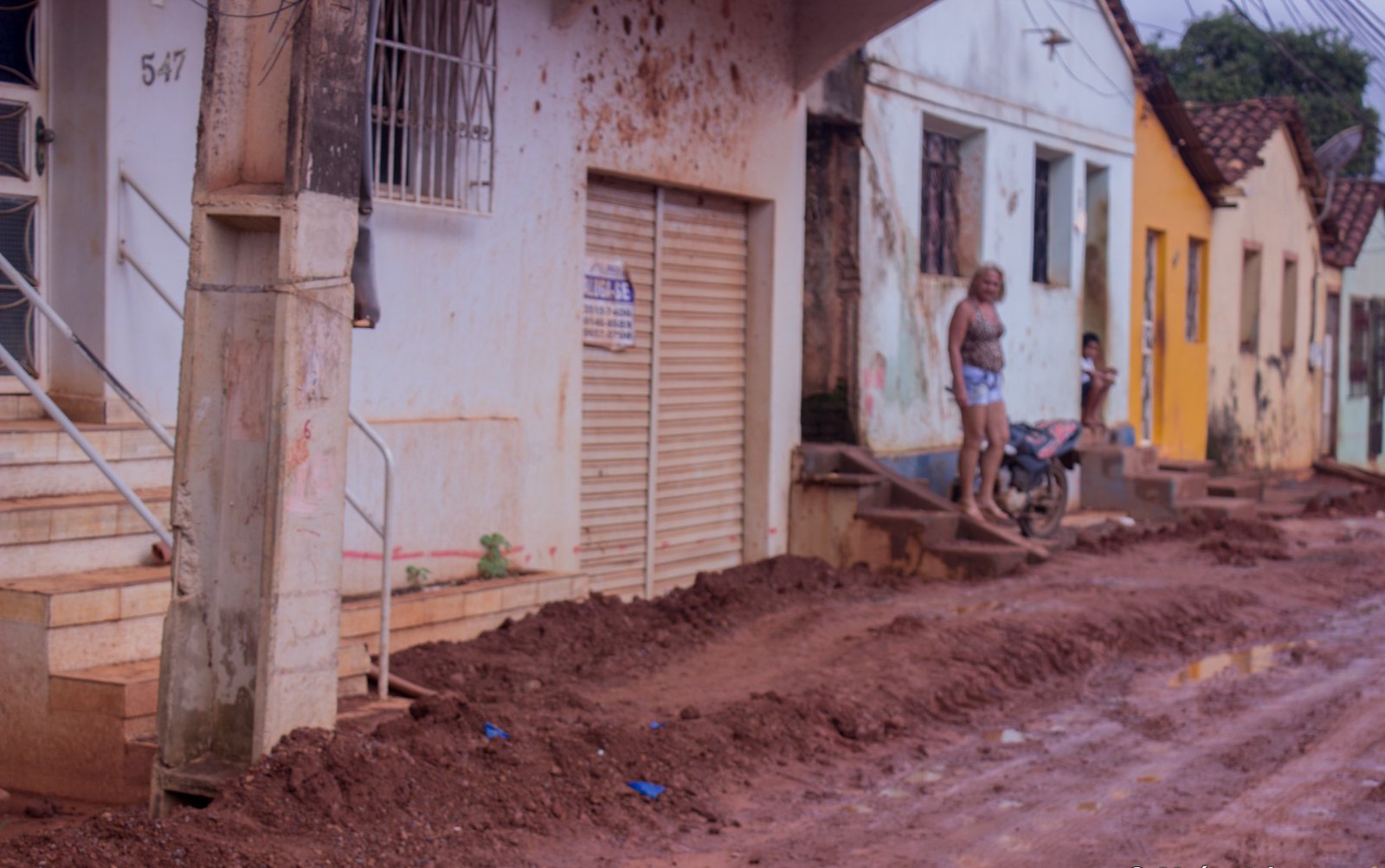
Photo: Amazon Watch / Maíra Irigaray.
Current situation
The protective measures granted by the IACHR remain in effect, but the Brazilian government has not fully complied with them, reporting only on general actions. The communities have documented the ongoing violations of their rights. The situation that prompted the request for these measures—the risk to the lives, physical integrity, and ways of life of the communities—persists and has worsened with the hydroelectric plant operating at full capacity and the recent extreme droughts in the Amazon.
In addition to the impacts of Belo Monte, there is a risk of further social and environmental impacts from the implementation of another mining megaproject in the Volta Grande do Xingu. There, the Canadian company Belo Sun plans to build Brazil’s largest open-pit gold mine.
The combined and cumulative impacts of the dam and the mine were not assessed. The government excluded Indigenous peoples, riverine and peasant communities from the project’s environmental permitting process. Despite protests by Indigenous communities and other irregularities surrounding the project, the government of Pará formally authorized the mine in April 2026.
Like other hydroelectric dams, Belo Monte exacerbates the climate emergency by generating greenhouse gas emissions in its reservoir. And it is inefficient amid the longer, more intense droughts caused by the crisis, as it loses its ability to generate power.
The case before the Inter-American Commission
In October 2017, the IACHR announced that it would rule jointly on the admissibility (whether the case meets the requirements for admission) and the merits (whether a human rights violation actually occurred) of the international complaint against the Brazilian State.
Fifteen years after the complaint was filed, the affected communities and the organizations representing them are still awaiting this decision. If the IACHR concludes that human rights violations occurred and issues recommendations that the Brazilian State fails to comply with, it may refer the case to the Inter-American Court of Human Rights, whose rulings are binding.
A potential ruling by the international court in this case would set a regional legal precedent regarding the rights of indigenous and riverine peoples, public participation in megaprojects, and state responsibility in the context of the climate crisis—a precedent that is particularly relevant in light of the Court’s Advisory Opinion No. 32, which reaffirmed the obligations of States to protect the people and communities of the continent from the climate emergency.
Partners:
Related projects
Organizations ask for immediate suspension of aerial fumigations of glyphosate and other chemicals in Colombia
A citizen petition was released by the website Change.org addressed to President Juan Manuel Santos and the National Narcotics Council. It requested that such fumigations are suspended because they damage the environment, human health and may cause cancer. Bogota, Colombia. The Interamerican Association for Environmental Defense (AIDA), with the help of the Institute for Development and Peace Studies (INDEPAZ) and the Observatory of Crops Declared Illicit, launched a citizen petition today open to signatures through the website Change.org to request that president Juan Manuel Santos and the National Narcotics Council suspend aerial spraying of illicit crops using glyphosate and other harmful chemicals. "Independent scientific studies show that the fumigations are inefficient and have not reduced coca and poppy crops. To the contrary, they have contributed to the destruction of forests and affected populations, including ethnic groups. Recently, the International Agency for Research on Cancer of the World Health Organization (WHO) determined that the glyphosate usedin in spraying may cause cancer in humans," says Astrid Puentes Riaño, AIDA Co-Executive Director who signed the petition. The National Narcotics Council will meet on May 14 to address the issue and decide whether to suspend the spraying. In the case of Colombia, this practice is carried out on a mass scale, through aerial spraying and uses a concentration of glyphosate higher than that used commercially. In addition, the spraying occurs indiscriminately over houses, farms and water sources. On April 24 and based on the determination of the WHO, the Ministry of Health recommended the National Narcotics Council immediately suspend aerial spraying of glyphosate, which was introduced to the country more than 15 years ago with funding from the United States Government. In the past, high courts in the country such as the Constitutional Court have also solicited the suspension of the spraying, but these provisions have not been met. This issue reached the International Court of Justice when Ecuador sued Colombia for impacts of the fumigations in the border area. The Colombian government compensated the neighboring country and pledged to stop spraying along the border. Apart from damage to health, the fumigations impact ecosystems rich in biodiversity and the species that inhabit them, pollute water and destroy food crops that are a source of subsistence for indigenous and Afro-Colombian communities and small farmers.
Read more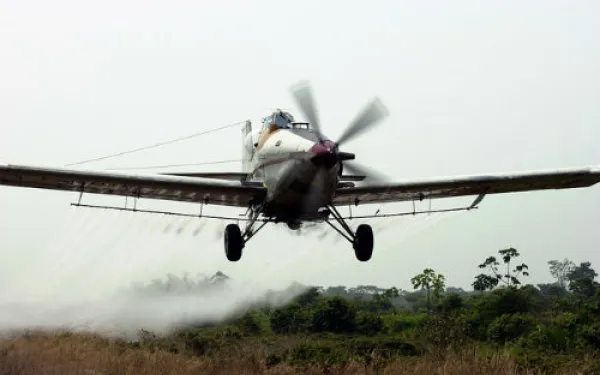
Colombian government must immediately suspend the use of glyphosate
Bogota, Colombia. Glyphosate, the herbicide used to eradicate crops considered illicit in Colombia, has been classified as a substance probably carcinogenic to humans by the International Agency for Research on Cancer, the specialized cancer agency of the World Health Organization. Based on these findings, the Colombian Ministry of Health is recommending that the country’s Ministry of Justice "immediately suspend the use of glyphosate in the Illicit Crops Eradication Program’s aerial spraying operations." The Interamerican Association for Environmental Defense (AIDA) strongly supports this recommendation so that the human rights to health and a healthy environment, both closely linked to the right to life, are protected in Colombia. We urge the government to fulfill its national and international obligations, respecting the conclusions reached by the highest health authorities, in order to prevent further damage to the country’s people and environment. For 15 years, AIDA and partner organizations have been warning of the grave impacts glyphosate has on the environment and human health. We’ve advocated for the need to apply the precautionary principle to suspend Colombia’s fumigation program, which has been financed by the government of the United States. Astrid Puentes Riaño, attorney and co-director of AIDA: "Colombia, like no other country, has used millions of liters of glyphosate that have not succeeded in destroying coca and poppy plants, but have irreparably damaged the environment and human health. Without excuses or delays, the National Narcotics Council must act responsibly and immediately suspend the use of glyphosate in the eradication of illicit crops." Anna Cederstav, co-director of AIDA and PhD in Chemistry: "The scientific evidence on the impacts of glyphosate on the environment and human health is sufficient to support a decision of the suspension of aerial spraying of glyphosate in Colombia."
Read more
Green Climate Fund Begins Accreditation Process
2015. This is the year. Sink or swim. It’s all or nothing. Opening the Green Climate Fund’s Ninth Meeting of the Board last month, Executive Director Hela Cheikhrouhou spoke with an urgency characteristic of the lead-up to December’s UN Climate Conference in Paris, describing this year as one of the last opportunities humanity has to change course and steer a sustainable path. As we approach the signing of a new global agreement on climate change, the efficacy of the Green Climate Fund (GCF) holds particular importance. Counting now with $10.2 billion, it will serve as the primary vehicle to finance projects designed to help all societies – whether developed or developing – confront the causes, and the effects, of a changing climate. At last month’s meeting, the Fund’s Board accredited its first intermediary and implementing institutions – charged with channeling money into developing nations – and then announced plans to begin allocating its resources before the year’s end. These accreditations, in turn signaling the imminent arrival of the first project proposals, represent an important milestone in the rigorous, nearly five-year process since the Fund was first established. "This will be the ultimate test of the effectiveness of the institution," said Andrea Rodríguez Osuna, AIDA’s Senior Attorney for Climate Change, who has been monitoring the development of the Fund. "When it all comes down to it, this is the step that matters." The first seven entities accredited by the Board represent a broad geographic and thematic range, and will likely be the first to submit proposals for funding. Including organizations from Senegal to Peru, they specialize in issues such as coastal protection, biodiversity conservation, sustainable development, and improving the lives of low-income communities. While the accreditations represent an advance towards the actualization of the Fund’s mission, a number of significant organizational decisions remain under debate, or are as yet unaddressed. Among other topics on the agenda last month, the Board addressed the expected role and impact of the Fund, which will enable them to identify financing priorities, and the Initial Investment Framework, which will outline what types of projects will be financed and how they will be selected and assessed. "Alongside accreditation, these elements are essential. Without them, the Fund can’t advance toward the future, toward having more focused and productive discussions," Rodríguez explained. The criteria and methodology for the Fund’s Initial Investment Framework triggered a heated debate, which largely pitted developed against developing nations. On one side, the developed nations pushed for minimum required benchmarks that would enable simpler measurement of success; on the other side, developing nations pushed for qualitative measures with no strict requirements that would better ensure more equal access to funds. Finally, they reached a compromise, deciding to use non-mandatory indicative minimum benchmarks that would both encourage ambition and take into account the needs of those developing countries most vulnerable to the adverse effects of climate change. The Secretariat will present the proposed benchmarks for further development in about a year’s time, at the 13th meeting of the Board. Discussing the expected role and impact of the Fund, the Board came to an uncharacteristically unified decision – to keep the Initial Investment Framework under review, and to take action as needed regarding the criterion on needs of the recipient countries. Agreeing the document presented by the Secretariat lacked sufficient information, the Board requested they be presented with more technical and scientific data before beginning to outline their priorities. Notably missing from the conversation, due to lack of time, was an item particularly important to AIDA’s work, Enhanced Direct Access, which would obligate public participation in certain projects. If approved, this direct access would ensure the moreequitable involvement of all the actors working to confront the effects of a changing climate. The next meeting of the Board of the Green Climate Fund will be July 6-9 at the Fund’s headquarters in Songdo, South Korea. AIDA will be there again to monitor these issues and report back on important developments, as the world prepares for a new global climate accord, and the Green Climate Fund moves ever closer to implementation.
Read more