
Project
Amazon Watch / Maíra Irigaray
The Belo Monte Dam on the Xingu River: 10 years of impacts in the Amazon and the search for reparations
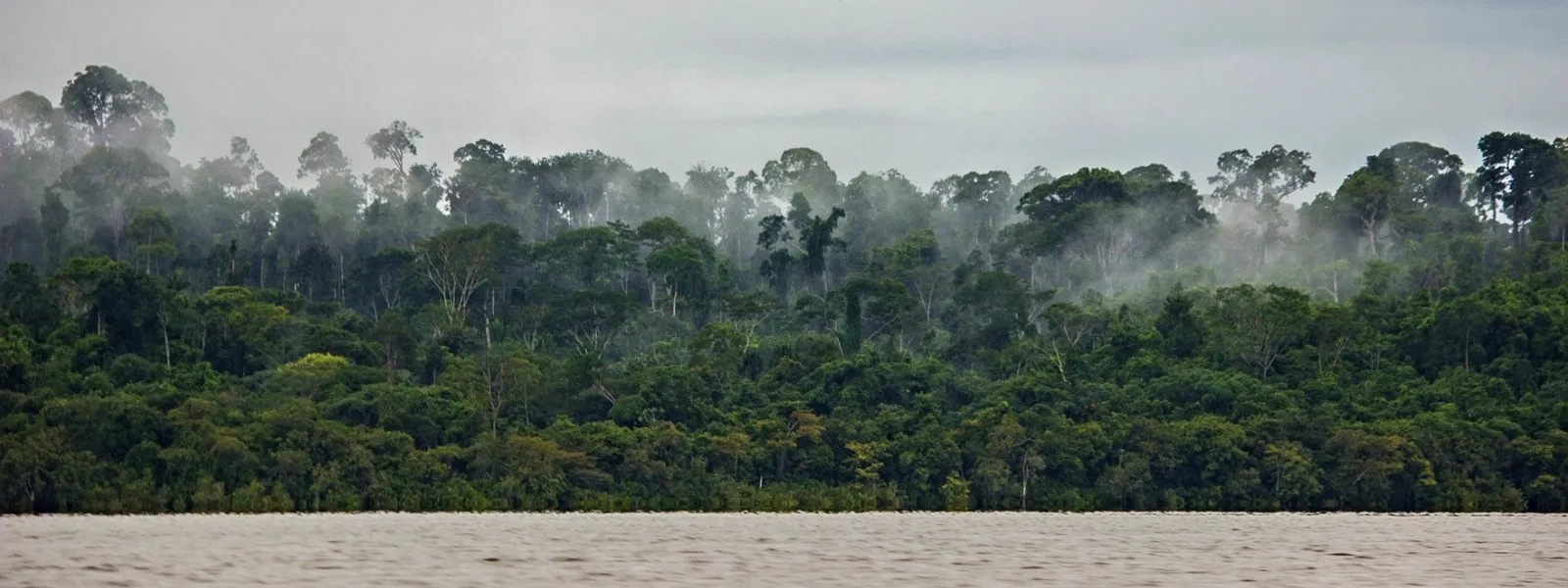
The Belo Monte Dam has caused an environmental and social disaster in the heart of the Amazon—one of the most important ecosystems on the planet.
This situation has only worsened since the hydroelectric plant began operations in 2016. The quest for justice and reparations by the affected indigenous, fishing, and riverine communities continues to this day.
In 2011, the Inter-American Commission on Human Rights (IACHR) granted them protective measures that, to date, have not been fully implemented by the Brazilian State.
Furthermore, since June of that same year, the IACHR has yet to rule on a complaint against the State regarding its international responsibility in the case.
The IACHR may refer the case to the Inter-American Court of Human Rights, which has the authority to issue a ruling condemning the Brazilian State.
After 10 years of the hydroelectric plant's operation and more than 15 years of documented human rights violations, it is time for justice to be served for the affected communities.
Read the open letter from the organizations bringing the case before the IACHR
Background
The Belo Monte hydroelectric plant—the fourth largest in the world by installed capacity (11,233 MW)—was built on the Xingu River in Pará, a state in northern Brazil.
It was inaugurated on May 5, 2016, with a single turbine. At that time, 80% of the river’s course was diverted, flooding 516 km² of land—an area larger than the city of Chicago. Of that area, 400 km² was native forest. The dam began operating at full capacity in November 2019.
Belo Monte was built and is operated by the Norte Energia S.A. consortium, which is composed primarily of state-owned companies. It was financed by the Brazilian Development Bank (BNDES), which provided the consortium with 25.4 billion reais (approximately US$10.16 billion), the largest investment in the bank’s history. Therefore, the BNDES is also legally responsible for the socio-environmental impacts associated with the hydroelectric plant.
Decades of harm to the environment and people
Human rights violations and degradation of the Amazon have been occurring since the project’s inception. In March 2011, Norte Energía began construction of the dam without adequate consultation and without the prior, free, and informed consent of the affected communities.
The construction caused the forced displacement of more than 40,000 people, severing social and cultural ties. The resettlement plan in Altamira—a city directly affected by the hydroelectric dam—involved housing units located on the outskirts, lacking adequate public services and decent living conditions for the relocated families, with no special provisions for those from indigenous communities.
Belo Monte's operations have caused a permanent, man-made drought in the Volta Grande (or "Great Bend") of the Xingu River, exacerbated by the historic droughts in the Amazon in 2023 and 2024. As a result, the deaths of millions of fish eggs were documented for four consecutive years (from 2021 to 2024), and for the past three years, there has been no upstream migration of fish to spawn and reproduce. Thus, artisanal fishing, the main source of protein for indigenous peoples and riverside communities, was severely affected: fish dropped from 50% to 30% of total protein consumed, replaced by processed foods. In summary, there was an environmental and humanitarian collapse that resulted in the breakdown of fishing as a traditional way of life, food insecurity, and access to drinking water for thousands of families, impoverishment, and disease.
Furthermore, the construction of the dam increased deforestation and intensified illegal logging and insecurity on indigenous and tribal lands, putting the survival of these communities at risk. Another consequence was the deepening of poverty and social conflicts, as well as the strain on health, education, and public safety systems in Altamira—a city ranked as the most violent in the country in 2017, where human trafficking and sexual violence increased. Violence was also reported against human rights defenders involved in the case.
In 2025, during the 30th UN Climate Change Conference (COP30), held in Brazil, the Federal Public Prosecutor’s Office labeled the damage caused by the Belo Monte dam as ecocide.
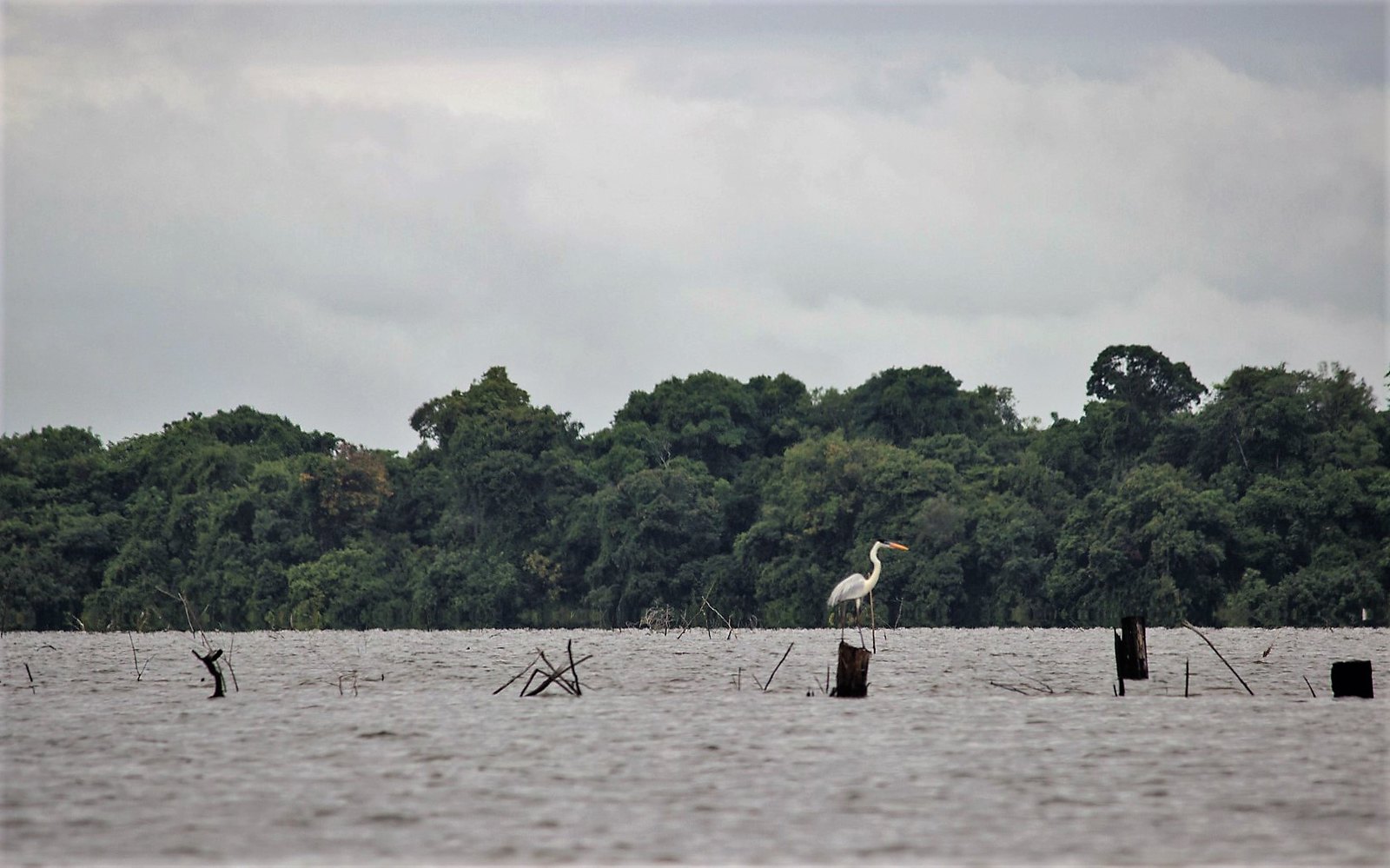
Photo: Amazon Watch / Maíra Irigaray.
The search for justice and reparations
Over the years, the Federal Public Prosecutor’s Office in Pará, the Public Defender’s Office, and civil society organizations have filed dozens of legal actions in Brazilian courts to challenge the project’s various irregularities and its impacts. Most of the claims are still pending resolution, some for more than 10 years.
These efforts have failed because the national government has repeatedly overturned rulings in favor of the affected communities by invoking a mechanism that allowed a court president to suspend a judicial decision based solely on generic arguments such as "the national interest" or "economic order."
In the absence of effective responses at the national level, AIDA, together with a coalition of partner organizations, brought the case before the Inter-American Commission on Human Rights (IACHR) and, in 2010, requested precautionary measures to protect the lives, safety, and health of the affected indigenous communities.
On April 1, 2011, the IACHR granted these measures and requested that the Brazilian government suspend environmental permits and any construction work until the conditions related to prior consultation and the protection of the health and safety of the communities are met.
And on June 16, 2011 —together with the Xingu Vivo Para Sempre Movement, the Coordinating Committee of Indigenous Organizations of the Brazilian Amazon, the Diocese of Altamira, the Indigenous Missionary Council, the Pará Society for the Defense of Human Rights and Global Justice— we filed a formal complaint against the Brazilian State for its international responsibility in the violation of the human rights of the people affected in the case. The case was opened for processing in December 2015.
On August 3, 2011, the IACHR amended the precautionary measures to request, instead of the suspension of permits and construction, the protection of people living in voluntary isolation, the health of indigenous communities, and the regularization and protection of ancestral lands.
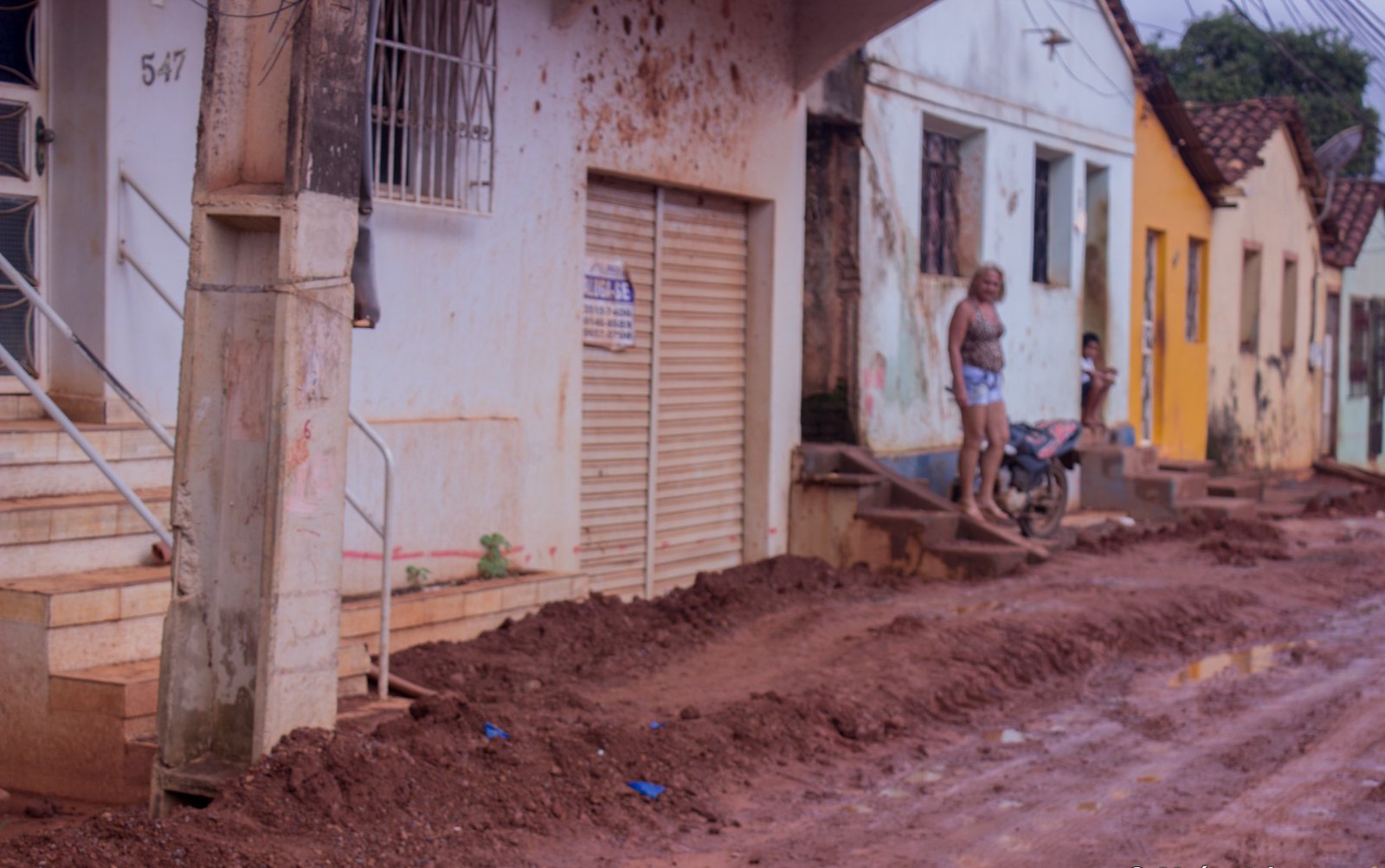
Photo: Amazon Watch / Maíra Irigaray.
Current situation
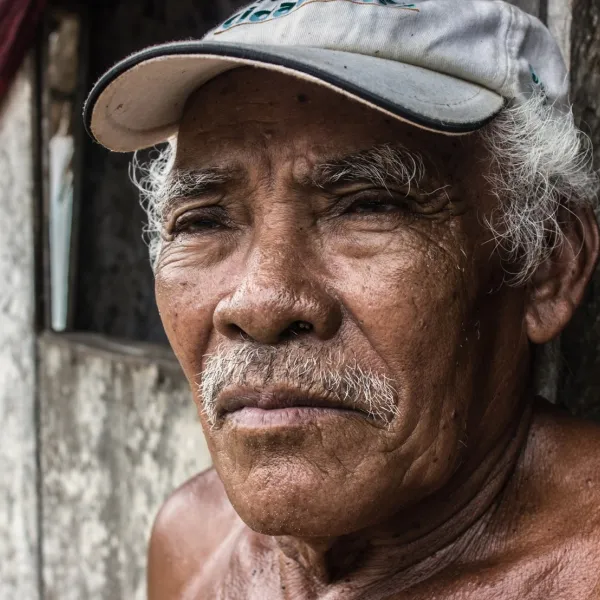
The protective measures granted by the IACHR remain in effect, but the Brazilian government has not fully complied with them, reporting only on general actions. The communities have documented the ongoing violations of their rights. The situation that prompted the request for these measures—the risk to the lives, physical integrity, and ways of life of the communities—persists and has worsened with the hydroelectric plant operating at full capacity and the recent extreme droughts in the Amazon.
In addition to the impacts of Belo Monte, there is a risk of further social and environmental impacts from the implementation of another mining megaproject in the Volta Grande do Xingu. There, the Canadian company Belo Sun plans to build Brazil’s largest open-pit gold mine.
The combined and cumulative impacts of the dam and the mine were not assessed. The government excluded Indigenous peoples, riverine and peasant communities from the project’s environmental permitting process. Despite protests by Indigenous communities and other irregularities surrounding the project, the government of Pará formally authorized the mine in April 2026.
Like other hydroelectric dams, Belo Monte exacerbates the climate emergency by generating greenhouse gas emissions in its reservoir. And it is inefficient amid the longer, more intense droughts caused by the crisis, as it loses its ability to generate power.
The case before the Inter-American Commission
In October 2017, the IACHR announced that it would rule jointly on the admissibility (whether the case meets the requirements for admission) and the merits (whether a human rights violation actually occurred) of the international complaint against the Brazilian State.
Fifteen years after the complaint was filed, the affected communities and the organizations representing them are still awaiting this decision. If the IACHR concludes that human rights violations occurred and issues recommendations that the Brazilian State fails to comply with, it may refer the case to the Inter-American Court of Human Rights, whose rulings are binding.
A potential ruling by the international court in this case would set a regional legal precedent regarding the rights of indigenous and riverine peoples, public participation in megaprojects, and state responsibility in the context of the climate crisis—a precedent that is particularly relevant in light of the Court’s Advisory Opinion No. 32, which reaffirmed the obligations of States to protect the people and communities of the continent from the climate emergency.
Partners:
Related projects

AIDA applauds Pope Francis’ recognition of urgent environmental challenges
The Interamerican Association for Environmental Defense (AIDA) applauds Pope Francis’ new Encyclical, Laudato Si: On Care For Our Common Home, released today. In it, the Pope addresses the environmental challenges facing humanity, which must be urgently addressed in order to protect the earth “with which we share existence.” His Holiness highlights the recommendations of organizations, like AIDA, which we hope will finally be echoed in governments, international organizations, corporations, and by all the people of this planet. We all have a responsibility to act to protect our home. The encyclical is comprehensive and covers many important issues. We would like to emphasize the Pope’s recognition of the following: The work performed by organizations and individuals to protect the environment. We are grateful for his gesture, and feel honored and committed to continuing this hard work. That fact that “recent World Summits on the environment have not lived up to expectations because, due to lack of political will, they were unable to reach truly meaningful and effective global agreements on the environment.” He concludes, “Reducing greenhouse gases requires honesty, courage and responsibility, above all on the part of those countries which are more powerful and pollute the most.” Social inequality and the impact of environmental degradation, which worsens the misery of the poor, including migrants and indigenous communities. We therefore reiterate our call to protect Earth, taking into particular consideration solutions that address this inequality. The rich and complex biodiversity of the planet’s ecosystems, which must be preserved, as well as the human right to water, which “is essential to human survival and, as such, is a condition for the exercise of other human rights.” The Precautionary Principle as a tool to avoid serious and irreversible harm to the environment. With this Encyclical, Pope Francis joins other religious leaders who have made an urgent call for the adoption of immediate measures to protect the planet.
Read more
Closing Statement by NGOs at Ramsar COP12
Presented by Rafaela Nicola, World Wetland Network Committee’s Neo-Tropics delegate We would like to thank the Secretary General and the Parties for this opportunity to address the meeting, to share our message that NGOS are committed to Ramsar and we want to do more. We also wish to thank the government of Uruguay for hosting the COP. We appreciated the field trips yesterday, which introduced us to the beautiful wetlands in this country, some of which are Ramsar Sites. World Wetland Network was launched at Ramsar COP 10; this is our third COP. Our participation in Ramsar is recognized in Resolution 11.6.We were formed to complement the activity of the IOPs. We fully appreciate the value and expertise of the non-governmental IOPs, who work in strong partnership with local communities and indigenous peoples. WWN was formed at the initiative of smaller, grass-roots NGOs and CSOs seeking a voice at the table. I speak on behalf of our 2000 members worldwide and our friends at the COP: local and sub-regional organizations who have been meeting daily to engage with and monitor this important process. The core work of the Ramsar COP 12 has been the resolutions. Crafting and revising resolutions. Collaborating, negotiating and finally reaching agreement. We humbly acknowledge the co- operation and hard work of the Secretariat, Contracting Parties and IOPs to create meaningful resolutions that ensure conservation and wise of our world’s wetlands. When we all return home the real challenge begins, turning these resolutions into action. We urge the Contracting Parties to show steadfast commitment and leadership. We stand ready to help at the local level. The Fourth Strategic Plan is the most significant outcome of this COP, guiding our combined efforts for the next nine years. World Wetland Network welcomes the Contracting Parties initiative to strengthen engagement of NGOs, civil society groups, local communities and indigenous peoples in the Strategic Plan. These stakeholders provide a long-term and often continuous connection to wetland sites and are essential partners to achieve the Ramsar vision. We note that the top priority of the Strategic Plan is to prevent, stop and reverse the loss and degradation of wetlands. Your recognition of the key threats including unsustainable agriculture, forestry and extractive industries, especially oil, gas, mining, and urbanization closely reflects the local knowledge and concerns of our members, in Latin America and globally. We encourage Contracting Parties to work cohesively across ministries and prioritize long-term sustainability when approving developments. A healthy environment is fundamental to our economic and social security. Cohesive implementation will be supported by the effective mobilization of National Wetland Committees. We note that establishment of these committees, with both government and non- government representatives, is an indicator for success of Goal 1 in the Plan, and we urge the parties to comply. The theme of the COP has been “Wetlands for our future.” That future starts today. Every planning and development decision taken today will directly impact on wetlands and the communities that depend on them. Our message is loud and clear: we are committed to Ramsar and we want to do more. We trust our activities at Ramsar COP 12 have enhanced the meeting and we pledge our commitment to the conservation and wise use of wetlands. Thank you
Read more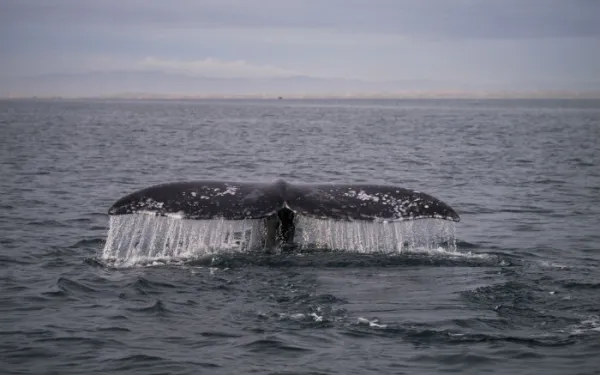
Mine Threatens a Great Marine Migrator
By Haydée Rodríguez Each year, the gray whale sets out on one of the longest migratory journeys on the planet: a nearly 13,000-mile swim from its feeding grounds in Alaska to the warm waters of Baja California Sur, Mexico, where it births and raises its calves—after which it turns around and swims back again. It’s been estimated that, by the time a gray whale turns 50, it has traveled the equivalent of a journey from the Earth to the Moon and back. This impressive mammal, 50 feet long in its adult years, and its migratory feat are at risk from a marine mining project. If executed as proposed, the project would gravely damage the environment and living conditions of the gray whale. At the end of February this year, 2,652 grey whales arrived at the San Ignacio and Ojo de Liebre lagoons in Baja California Sur, very close to Ulloa Bay. This was the highest number recorded in the last 19 years, an occurrence that provides an important source of income for local families who depend on the sustainable tourism generated by whale watches. Yet it’s precisely in this area near Ulloa Bay that Odyssey Marine Explorations intends to begin the Don Diego phosphate-mining project. The project began in September 2014, when the company presented its Environmental Impact Assessment (EIA) to Mexico’s Secretariat of Environment and Natural Resources (SEMARNAT). The Don Diego Mine The proposed mine would comprise five work sites in an area of 91,267 hectares. Each site would be exploited for 10 years, resulting in a 50-year-long project. The intent is to extract 350 million tons of phosphate sand from the marine floor—a quantity that would fill Mexico City’s Aztec Stadium 264 times. As proposed, the project would have grave and irreversible impacts on a marine zone rich in biodiversity and of great importance to local fisheries. The gray whale, as well as other species of whale and turtle that live or pass through the zone, depend on sound to communicate, stay united and locate food. The Don Diego project will use dredging boats to obtain the phosphate sand, producing a lot of noise in the area, potentially creating a “modification of vocal behavior or surprise reaction” in the whales, according to the project's Environmental Impact Assessment (chapter 4, page 229). Among other consequences, the noise would jeopardize the survival of the whales by causing changes in their behavior and migratory route, and would disrupt the feeding of calves. Principal Impacts on the Marine Ecosystem AIDA presented our comments on the Don Diego EIA before SEMARNAT, pointing out the environmental reasons why the project should not be authorized under the conditions by which it was approved. Our key points were as follows: The proposed mining activity would gravely alter the marine ecosystem: large boats will dredge the seabed to extract sand, but also living organisms. The dredged material will be separated to obtain phosphate, and the material not considered useful will be returned to the sea. The sediments that will return to the sea may contain high levels of toxic elements such as uranium and thorium, which are exposed during the phosphate-separation process. Exposed toxins may be transported on other organisms or consumed by fish that may then arrive on our tables. This is why the phosphate mining industry is considered a potential source of radioactive contamination. The exposed toxic sediments, noise and dredging will put at risk the gray whale and other vulnerable species of whale (humpback and blue) and turtle (loggerhead) already in danger. In addition to altering the habitat of marine species, the project will threaten the fishing and tourism activities on which various coastal communities depend. In places such as Namibia and New Zealand, after analyzing similar projects, the governments negated permissions or declared a moratorium on phosphate mining until the industry can show that it does not cause grave impacts. The Mexican government should follow this example and apply the precautionary principle to avoid irreversible environmental damage. The Environmental Impact Assessment of the project lacks important information about the possible impacts on the marine ecosystem and measures to avoid them. In our comments, AIDA highlighted the need for the company to provide more detailed information on the project’s potential impacts. The Mexican government has shown similar concern, as in their analysis of the EIA they’ve also requested additional information from the company. It is of particular interest to us to have better information on the impacts of sound and dredging on the coastal marine ecosystem, and on possible damage to fishing in the area. Without a doubt, it is better to prevent damage than to be sorry once it’s been done. The gray whale still has many miles left to swim.
Read more