
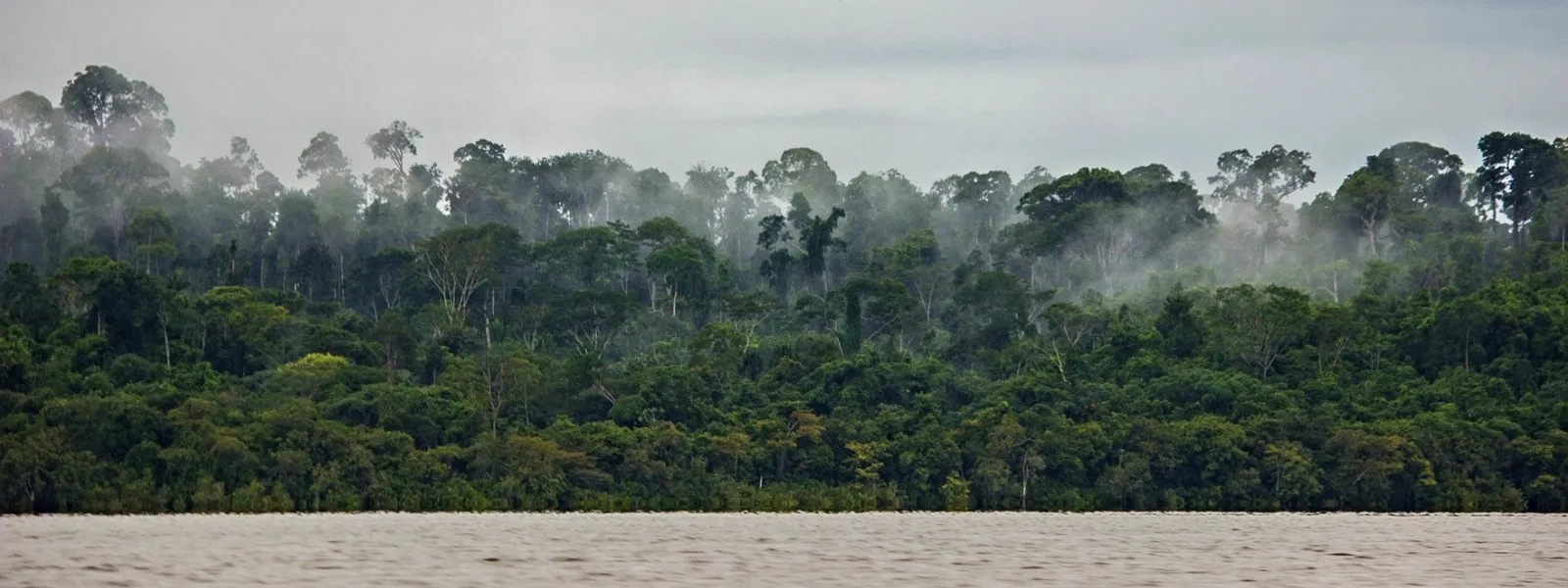
Project
Amazon Watch / Maíra Irigaray
The Belo Monte Dam on the Xingu River: 10 years of impacts in the Amazon and the search for reparations
The Belo Monte Dam has caused an environmental and social disaster in the heart of the Amazon—one of the most important ecosystems on the planet.
This situation has only worsened since the hydroelectric plant began operations in 2016. The quest for justice and reparations by the affected indigenous, fishing, and riverine communities continues to this day.
In 2011, the Inter-American Commission on Human Rights (IACHR) granted them protective measures that, to date, have not been fully implemented by the Brazilian State.
Furthermore, since June of that same year, the IACHR has yet to rule on a complaint against the State regarding its international responsibility in the case.
The IACHR may refer the case to the Inter-American Court of Human Rights, which has the authority to issue a ruling condemning the Brazilian State.
After 10 years of the hydroelectric plant's operation and more than 15 years of documented human rights violations, it is time for justice to be served for the affected communities.
Read the open letter from the organizations bringing the case before the IACHR
Background
The Belo Monte hydroelectric plant—the fourth largest in the world by installed capacity (11,233 MW)—was built on the Xingu River in Pará, a state in northern Brazil.
It was inaugurated on May 5, 2016, with a single turbine. At that time, 80% of the river’s course was diverted, flooding 516 km² of land—an area larger than the city of Chicago. Of that area, 400 km² was native forest. The dam began operating at full capacity in November 2019.
Belo Monte was built and is operated by the Norte Energia S.A. consortium, which is composed primarily of state-owned companies. It was financed by the Brazilian Development Bank (BNDES), which provided the consortium with 25.4 billion reais (approximately US$10.16 billion), the largest investment in the bank’s history. Therefore, the BNDES is also legally responsible for the socio-environmental impacts associated with the hydroelectric plant.
Decades of harm to the environment and people
Human rights violations and degradation of the Amazon have been occurring since the project’s inception. In March 2011, Norte Energía began construction of the dam without adequate consultation and without the prior, free, and informed consent of the affected communities.
The construction caused the forced displacement of more than 40,000 people, severing social and cultural ties. The resettlement plan in Altamira—a city directly affected by the hydroelectric dam—involved housing units located on the outskirts, lacking adequate public services and decent living conditions for the relocated families, with no special provisions for those from indigenous communities.
Belo Monte's operations have caused a permanent, man-made drought in the Volta Grande (or "Great Bend") of the Xingu River, exacerbated by the historic droughts in the Amazon in 2023 and 2024. As a result, the deaths of millions of fish eggs were documented for four consecutive years (from 2021 to 2024), and for the past three years, there has been no upstream migration of fish to spawn and reproduce. Thus, artisanal fishing, the main source of protein for indigenous peoples and riverside communities, was severely affected: fish dropped from 50% to 30% of total protein consumed, replaced by processed foods. In summary, there was an environmental and humanitarian collapse that resulted in the breakdown of fishing as a traditional way of life, food insecurity, and access to drinking water for thousands of families, impoverishment, and disease.
Furthermore, the construction of the dam increased deforestation and intensified illegal logging and insecurity on indigenous and tribal lands, putting the survival of these communities at risk. Another consequence was the deepening of poverty and social conflicts, as well as the strain on health, education, and public safety systems in Altamira—a city ranked as the most violent in the country in 2017, where human trafficking and sexual violence increased. Violence was also reported against human rights defenders involved in the case.
In 2025, during the 30th UN Climate Change Conference (COP30), held in Brazil, the Federal Public Prosecutor’s Office labeled the damage caused by the Belo Monte dam as ecocide.
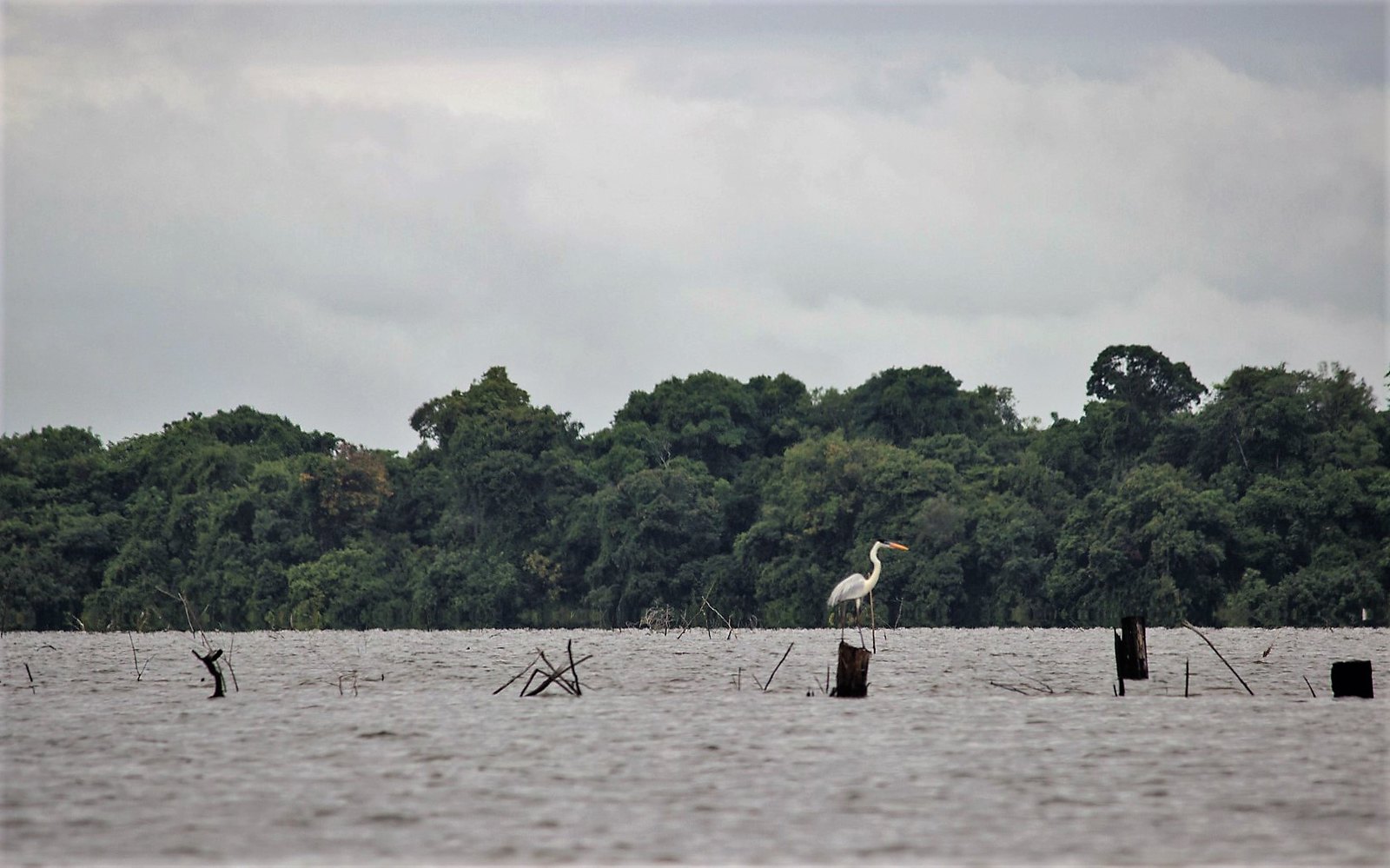
Photo: Amazon Watch / Maíra Irigaray.
The search for justice and reparations
Over the years, the Federal Public Prosecutor’s Office in Pará, the Public Defender’s Office, and civil society organizations have filed dozens of legal actions in Brazilian courts to challenge the project’s various irregularities and its impacts. Most of the claims are still pending resolution, some for more than 10 years.
These efforts have failed because the national government has repeatedly overturned rulings in favor of the affected communities by invoking a mechanism that allowed a court president to suspend a judicial decision based solely on generic arguments such as "the national interest" or "economic order."
In the absence of effective responses at the national level, AIDA, together with a coalition of partner organizations, brought the case before the Inter-American Commission on Human Rights (IACHR) and, in 2010, requested precautionary measures to protect the lives, safety, and health of the affected indigenous communities.
On April 1, 2011, the IACHR granted these measures and requested that the Brazilian government suspend environmental permits and any construction work until the conditions related to prior consultation and the protection of the health and safety of the communities are met.
And on June 16, 2011 —together with the Xingu Vivo Para Sempre Movement, the Coordinating Committee of Indigenous Organizations of the Brazilian Amazon, the Diocese of Altamira, the Indigenous Missionary Council, the Pará Society for the Defense of Human Rights and Global Justice— we filed a formal complaint against the Brazilian State for its international responsibility in the violation of the human rights of the people affected in the case. The case was opened for processing in December 2015.
On August 3, 2011, the IACHR amended the precautionary measures to request, instead of the suspension of permits and construction, the protection of people living in voluntary isolation, the health of indigenous communities, and the regularization and protection of ancestral lands.
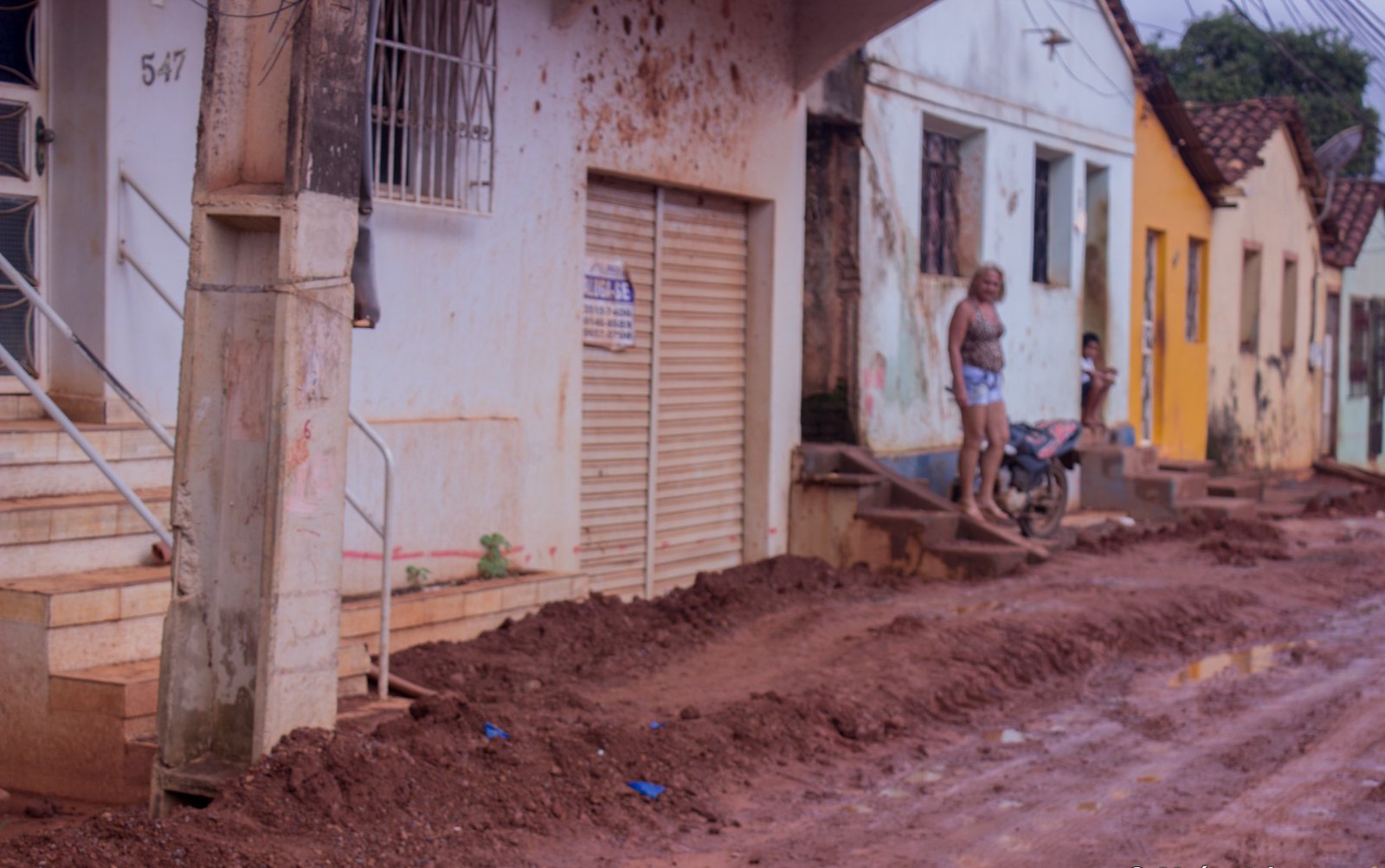
Photo: Amazon Watch / Maíra Irigaray.
Current situation
The protective measures granted by the IACHR remain in effect, but the Brazilian government has not fully complied with them, reporting only on general actions. The communities have documented the ongoing violations of their rights. The situation that prompted the request for these measures—the risk to the lives, physical integrity, and ways of life of the communities—persists and has worsened with the hydroelectric plant operating at full capacity and the recent extreme droughts in the Amazon.
In addition to the impacts of Belo Monte, there is a risk of further social and environmental impacts from the implementation of another mining megaproject in the Volta Grande do Xingu. There, the Canadian company Belo Sun plans to build Brazil’s largest open-pit gold mine.
The combined and cumulative impacts of the dam and the mine were not assessed. The government excluded Indigenous peoples, riverine and peasant communities from the project’s environmental permitting process. Despite protests by Indigenous communities and other irregularities surrounding the project, the government of Pará formally authorized the mine in April 2026.
Like other hydroelectric dams, Belo Monte exacerbates the climate emergency by generating greenhouse gas emissions in its reservoir. And it is inefficient amid the longer, more intense droughts caused by the crisis, as it loses its ability to generate power.
The case before the Inter-American Commission
In October 2017, the IACHR announced that it would rule jointly on the admissibility (whether the case meets the requirements for admission) and the merits (whether a human rights violation actually occurred) of the international complaint against the Brazilian State.
Fifteen years after the complaint was filed, the affected communities and the organizations representing them are still awaiting this decision. If the IACHR concludes that human rights violations occurred and issues recommendations that the Brazilian State fails to comply with, it may refer the case to the Inter-American Court of Human Rights, whose rulings are binding.
A potential ruling by the international court in this case would set a regional legal precedent regarding the rights of indigenous and riverine peoples, public participation in megaprojects, and state responsibility in the context of the climate crisis—a precedent that is particularly relevant in light of the Court’s Advisory Opinion No. 32, which reaffirmed the obligations of States to protect the people and communities of the continent from the climate emergency.
Partners:
Related projects
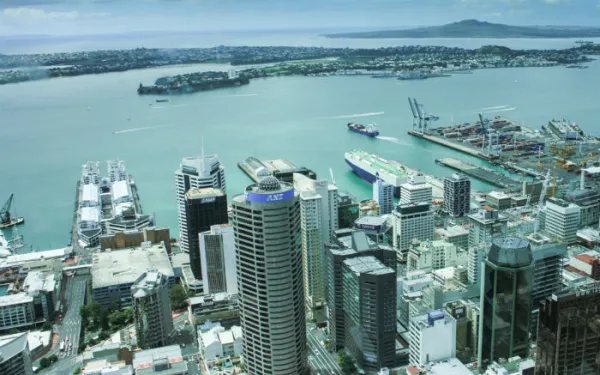
New Zealand sets shameful emission-reduction target, completely ignores public consultation
By Natalie Jones Natalie is a legal intern on the Climate Change team at AIDA, based in Mexico City. She is a delegate to COP21 with the New Zealand Youth Delegation, and volunteers for NZ youth climate group Generation Zero. In this post, she covers an issue AIDA is following closely in Latin America—emission-reduction targets—in her native country. Last week New Zealand released its INDC, or “intended nationally determined contribution,” for the post-2020 climate deal set to be agreed upon in Paris this December. It’s not good news. An INDC is the target each country must set for its future greenhouse gas emissions—in other words, its intended contribution to the effort to reduce climate-changing pollutants to a sustainable level. At the UN climate talks, the world’s governments agreed that these targets should be nationally determined, to allow each nation to respond best to its own needs, priorities, and abilities. Because climate change is an issue we all face together, New Zealand’s announcement is relevant to people in all parts of the world, including Latin America. New Zealand is one of the world’s higher emitters: the small country emits more than three times its share of global emissions per capita. So far, however, New Zealand is failing to live up to its historic responsibility. The Government announced an emissions reduction target of 30 percent below 2005 levels by 2030. While this may sound okay – 30 is a big percentage, right? – it actually equates to a cut of just 11 percent below 1990 levels, which is not that much bigger than our already-pitiful 2020 target of 5 percent below 1990 levels. To stay in line with the international effort to limit global warming to below 2 degrees Celsius, New Zealand’s target would need to be a minimum of 40 percent below 1990 levels by 2030 – a rate accepted by the European Union and other progressive nations. Instead, the target is worse than those proposed by China, Mexico and other developing countries. To make matters worse, New Zealand has already proposed a conditional target of 10-20 percent below 1990 levels by 2020, in addition to the unconditional 5 percent target. It is likely that all the conditions attached to the 10-20 percent target will be met. So the recent announcement is essentially lowering New Zealand’s ambition by giving the country ten more years to hit the low end of its conditional target. At this critical moment in history, we can’t afford a decade of inaction. Accounting rule mischief But it doesn’t stop there. The target will remain provisional until a final deal is reached in Paris, including rules on accounting for land sector emissions and carbon markets. This means the target is even worse than it seems. New Zealand’s existing 2020 target is based on gross emissions calculated for 1990, without accounting for the lower net amount of carbon once some of it is taken up and stored by forests. But for 2020, the target does account for forests as a carbon sink. This skewed approach means New Zealand is on track to meet its 5 percent reduction target by 2020, even though actual emissions are on track to increase 36 percent since 1990. If New Zealand plans to use the same methodology for the 2030 target, which seems likely, our target would actually be a 134 percent net increase from 1990 levels. A target for the 1% What’s more, the Government has completely ignored the results of its own public consultation, which overwhelmingly called for much stronger action. Ninety-nine percent of submitters called for a target of 40 percent below 1990 levels by 2030. Over 15,000 submissions were made, and more than 4,600 of those submissions were mobilized by youth climate organization Generation Zero’s Fix Our Future campaign, which I helped run. Generation Zero spokesperson Paul Young characterized the target as being “for the 1 percent who deny the need to transition to a low carbon economy.” Failing to take responsibility for the Pacific New Zealand is a neighbour to many vulnerable Pacific Island countries, such as Samoa, the Marshall Islands, Tuvalu and Vanuatu. These countries are some of the lowest contributors to climate change, but are the first to face its devastating impacts, such as rising sea levels and more frequent and severe storms. New Zealand has a responsibility to care for its neighbours. Oxfam New Zealand called the country’s recent announcement a “slap in the face” to Pacific Island nations. A wasted opportunity Perhaps most disappointing about this announcement is the fact that New Zealand has the ability to lead the way to a thriving, zero carbon world. Currently running on more than 80 percent renewable energy, the country is in a prime position to transition to 100 percent renewable energy, shift its transport and heat needs to electricity and other clean energy sources, and absorb carbon by planting forests. Instead, New Zealand is leaving it to other countries to pick up its slack. Historically, New Zealand has used the inaction of major emitters like the US and China as an excuse for its own inaction, but that simply won’t cut it any more. What’s holding us back now is not technology, but political vision. AIDA’s work on INDCs AIDA advocates for public participation in the formation of INDCs throughout Latin America, and calls on nations to include information in their INDCs about the finance needed to meet their commitments and respond to the impacts of climate change. It is important to monitor the contributions of countries outside Latin America, particularly developed countries who have contributed the most to the problem, in order to determine whether each country is upholding their responsibility on this collective issue and to ensure political accountability for poor contributions. Find Natalie on Twitter at @nataliejonesnz.
Read more
“My Mom Is the Best Lawyer in the World”
“My mom is the best lawyer in the world because she defends the turtles, the corals, the salted forests they have in the sea, and alllll the fish.” As I listened to my 4-year-old daughter, Daniela, say this to an auditorium full of parents, boy and girls, my eyes filled with tears and my heart filled with love and happiness. Listening to my little girl brag about what her mother does renewed my strength and enables me to continue working passionately. Daniela summed up quite well my work on AIDA’s team of attorneys in the Marine and Coastal Protection Program. My colleagues and I focus on three key areas: coral reefs, mangroves and fisheries. We use national and international standards to support marine ecosystems and the people who depend upon them. Coral Reefs We know that by protecting coral reefs, we’re preserving natural barriers that protect coastal communities from storms and hurricanes—which are growing ever stronger due to climate change. We’re also conscious that the many varieties of fish we enjoy on our dinner table exist only because of the important breeding grounds that corals provide. Mangroves Mangroves, or “salted forests” as my daughter calls them, are swampy forests that exist in lakes, rivers and tropical coasts where fresh river water mixes with saltwater from the sea. My colleagues and I are determined to safeguard these ecosystems because we know they are our greatest allies. Mangroves capture from the atmosphere 50 times more carbon dioxide than tropical forests. They are also an important food source for birds, and a center of breeding and development for shrimp, crab and some fish, which provide a livelihood for coastal communities. One example of these unique ecosystems is Marismas Nacionales, the largest mangrove forest in Mexico, which we’re currently fighting to protect. Fishing Conscious that ecosystems are interrelated and reliant upon each other, we work to create sustainable fisheries. If we care for one fish, the rest of the fish will also benefit. We hope that future generations will also be able to taste a fish from the sea, not just observe one in a photograph. We have seen that adopting appropriate measures has allowed fish populations to recover, as occurred with the hoki in New Zealand, the anchoveta in Spain and France, and the cod in the northern Atlantic ocean. Every day I appreciate and enjoy the privilege my children, Daniela and Agustín, have to run through a forest, stick their feet in the ocean and feel the movement of little fish between their toes, or marvel at their first glimpse of a magnificent butterfly or a towering tree. In these moments, I reaffirm the words my parents said one day to my husband and me: “Many good memories outside are worth much more than many toys in the house.” At AIDA we are 26 people working throughout the continent with dedication and commitment. We do it for Daniela and Agustín, and for the rest of the little boys and girls who are part of our organization: Amber, Esteban and Eloísa, Constanza, Jared, Isabelle and Caroline, Izabela, Paloma, Marc and Rosalie. We work for our children and for all children, so that current and future generations have the opportunity to enjoy a healthy environment. Thank you for supporting our work!
Read more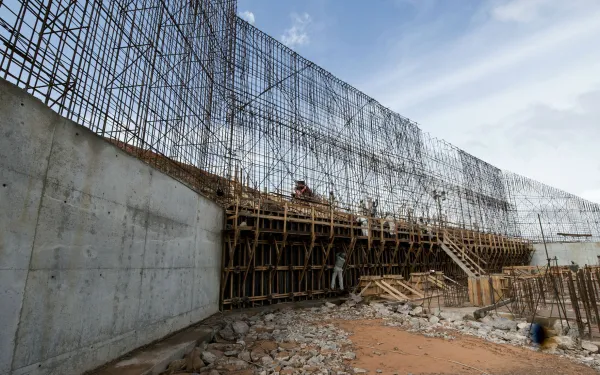
Belo Monte Dam may begin operations despite noncompliance
The dam has failed to comply with conditions for the protection of the health, integrity and way of life of affected communities. Organizations reiterate the validity of the precautionary measures granted by the Inter-American Commission on Human Rights in favor of the indigenous communities of the Xingú River basin, whose situation of risk has worsened. Altamira, Brazil & Washington, DC – The Belo Monte dam is applying for authorization to begin operations, with construction reported at 70 percent complete. This authorization may happen despite the fact that the project has failed to comply with conditions necessary to protect the health, integrity and way of life of affected communities, including the indigenous peoples of the Xingú river basin. Civil society organizations solicited the Inter-American Commission for Human Rights to maintain the precautionary measures granted in 2011 in favor of the indigenous peoples of the Xingú river basin. They did so as a response to the Brazilian government’s request that the Commission lift the measures, which were authorized to avoid irreparable damage to the rights of the communities. The Interamerican Association for Environmental Defense (AIDA), Justiça Global, the Sociedad Paraense de Defensa de los Derechos Humanos (SDDH) and the Movimiento Xingú Vivo para Siempre (MXPVS) filed the brief on behalf of indigenous and river communities affected by Belo Monte. The organizations argued before the Commission that the social and environmental situation surrounding Belo Monte continues to be serious and urgent, and could cause irreparable damages. Their arguments are based on a recent report by the Socio-Environmental Institute of Brazil (ISA), as well as on official government data that include information from health and indigenous protection authorities and the Public Ministry. The ISA report analyzes in detail the situation of Altamira, Pará—the region where Belo Monte is being constructed—and emphasizes the human rights violations and irregularities of the project. The report warns that necessary conditions do not exist for the Brazilian Institute of Environment and Renewable Natural Resources (IBAMA) to grant the project’s operating license. If granted, the license would authorize the filling of the dam, and, thus, the final diversion of the Xingú River. One part of the dam would then begin operation. According to the ISA report, measures to avoid the project’s impacts on health, education and basic sanitation have not been met. This neglect will lead to further damage, such as the fracturing of indigenous communities, saturation of public health services, lower quality education, and greater forest degradation. “The consequences we announced years ago are now a reality,” said Astrid Puentes Riaño, co-director of AIDA. “The filling of the dam, scheduled for the year’s end, will cause the loss of homes and land, and the modification of the traditional lifestyles and livelihoods of Xingú communities. Brazilian authorities and the Commission must act effectively to prevent this disaster.” It is clear that the conditions necessary for Norte Energía, the consortium in charge of the project, to receive the license are not in place. The vice-governor of Pará explained that although the construction is 70 percent complete, only 30 percent of the social and environmental conditions have been met. Similarly, the Attorney of the Republic of Altamira, Thais Santi, said that the consortium is not respecting the protection plan for indigenous lands, the principal condition for the protection of the peoples of the Xingú. The decision on the authorization of Belo Monte must also take into account the recent corruption scandal that has engulfed the project. The investigation Lava Jato, which began a year ago, exposed a massive network of corruption involving the government and Brazil’s largest construction companies. A senior executive, currently in prison on corruption charges, mentioned in his declaration how they had set up and executed bribes for the construction of Belo Monte. The Comptroller General (CGU) thereafter decided to investigate the use of public funds in the project. “The lack of effective control in the execution of the project has made the consequences much worse than anticipated. Giving free reign of operation to the dam at this time would mean completely shutting down the options available to avoid major social and humanitarian disasters in the region,” said Sandy Faidherb of SDDH.
Read more