
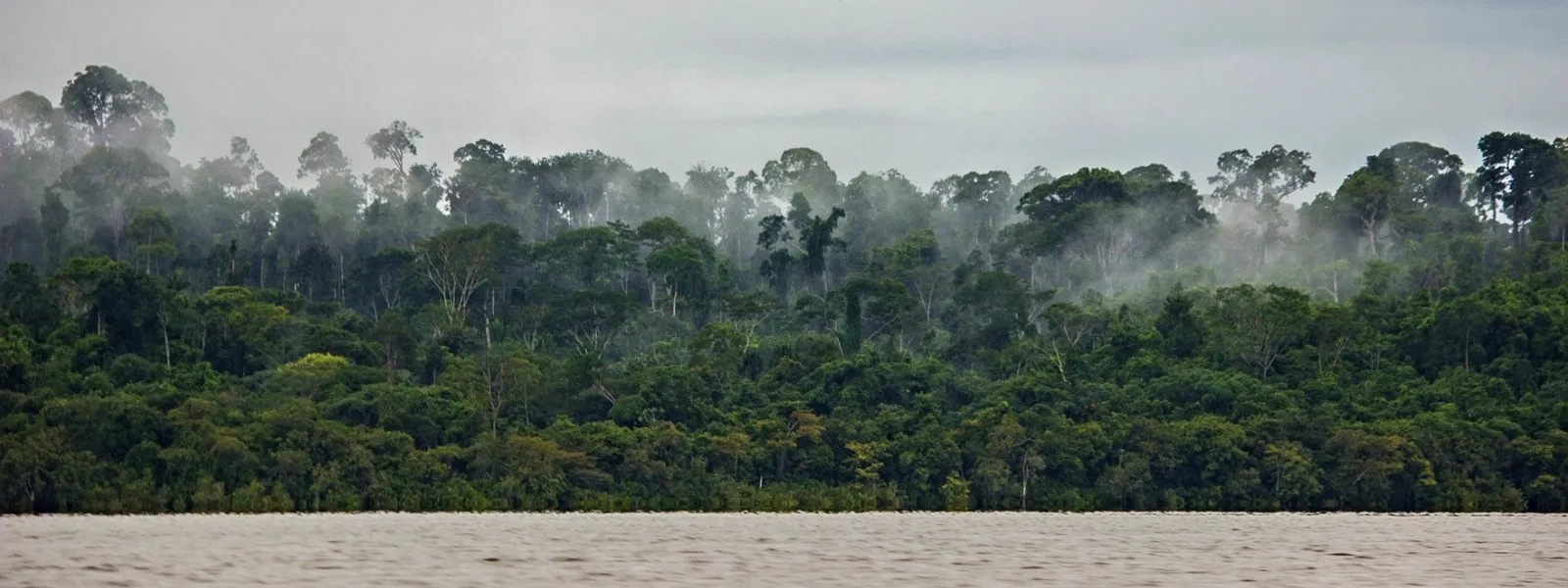
Project
Amazon Watch / Maíra Irigaray
The Belo Monte Dam on the Xingu River: 10 years of impacts in the Amazon and the search for reparations
The Belo Monte Dam has caused an environmental and social disaster in the heart of the Amazon—one of the most important ecosystems on the planet.
This situation has only worsened since the hydroelectric plant began operations in 2016. The quest for justice and reparations by the affected indigenous, fishing, and riverine communities continues to this day.
In 2011, the Inter-American Commission on Human Rights (IACHR) granted them protective measures that, to date, have not been fully implemented by the Brazilian State.
Furthermore, since June of that same year, the IACHR has yet to rule on a complaint against the State regarding its international responsibility in the case.
The IACHR may refer the case to the Inter-American Court of Human Rights, which has the authority to issue a ruling condemning the Brazilian State.
After 10 years of the hydroelectric plant's operation and more than 15 years of documented human rights violations, it is time for justice to be served for the affected communities.
Read the open letter from the organizations bringing the case before the IACHR
Background
The Belo Monte hydroelectric plant—the fourth largest in the world by installed capacity (11,233 MW)—was built on the Xingu River in Pará, a state in northern Brazil.
It was inaugurated on May 5, 2016, with a single turbine. At that time, 80% of the river’s course was diverted, flooding 516 km² of land—an area larger than the city of Chicago. Of that area, 400 km² was native forest. The dam began operating at full capacity in November 2019.
Belo Monte was built and is operated by the Norte Energia S.A. consortium, which is composed primarily of state-owned companies. It was financed by the Brazilian Development Bank (BNDES), which provided the consortium with 25.4 billion reais (approximately US$10.16 billion), the largest investment in the bank’s history. Therefore, the BNDES is also legally responsible for the socio-environmental impacts associated with the hydroelectric plant.
Decades of harm to the environment and people
Human rights violations and degradation of the Amazon have been occurring since the project’s inception. In March 2011, Norte Energía began construction of the dam without adequate consultation and without the prior, free, and informed consent of the affected communities.
The construction caused the forced displacement of more than 40,000 people, severing social and cultural ties. The resettlement plan in Altamira—a city directly affected by the hydroelectric dam—involved housing units located on the outskirts, lacking adequate public services and decent living conditions for the relocated families, with no special provisions for those from indigenous communities.
Belo Monte's operations have caused a permanent, man-made drought in the Volta Grande (or "Great Bend") of the Xingu River, exacerbated by the historic droughts in the Amazon in 2023 and 2024. As a result, the deaths of millions of fish eggs were documented for four consecutive years (from 2021 to 2024), and for the past three years, there has been no upstream migration of fish to spawn and reproduce. Thus, artisanal fishing, the main source of protein for indigenous peoples and riverside communities, was severely affected: fish dropped from 50% to 30% of total protein consumed, replaced by processed foods. In summary, there was an environmental and humanitarian collapse that resulted in the breakdown of fishing as a traditional way of life, food insecurity, and access to drinking water for thousands of families, impoverishment, and disease.
Furthermore, the construction of the dam increased deforestation and intensified illegal logging and insecurity on indigenous and tribal lands, putting the survival of these communities at risk. Another consequence was the deepening of poverty and social conflicts, as well as the strain on health, education, and public safety systems in Altamira—a city ranked as the most violent in the country in 2017, where human trafficking and sexual violence increased. Violence was also reported against human rights defenders involved in the case.
In 2025, during the 30th UN Climate Change Conference (COP30), held in Brazil, the Federal Public Prosecutor’s Office labeled the damage caused by the Belo Monte dam as ecocide.
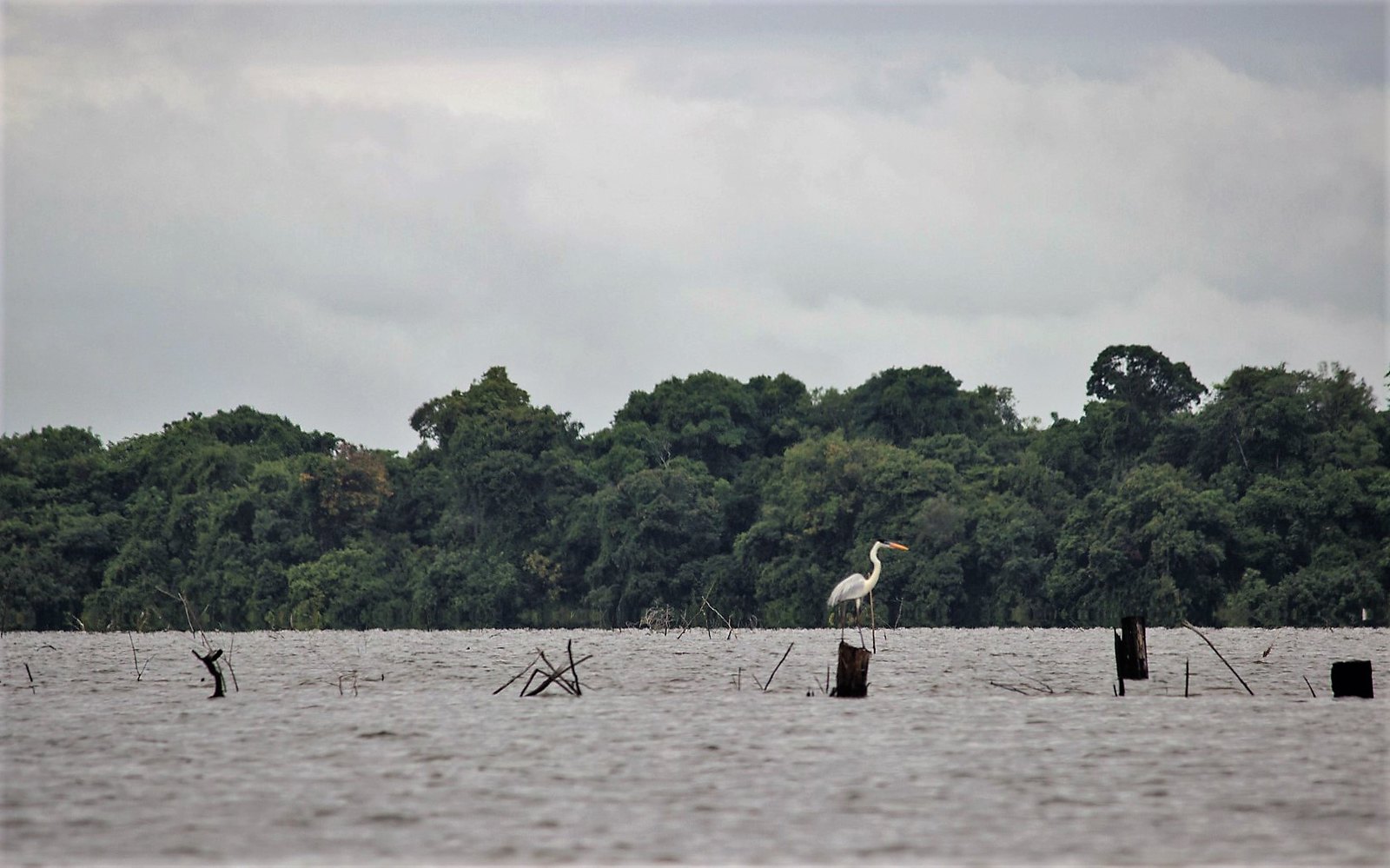
Photo: Amazon Watch / Maíra Irigaray.
The search for justice and reparations
Over the years, the Federal Public Prosecutor’s Office in Pará, the Public Defender’s Office, and civil society organizations have filed dozens of legal actions in Brazilian courts to challenge the project’s various irregularities and its impacts. Most of the claims are still pending resolution, some for more than 10 years.
These efforts have failed because the national government has repeatedly overturned rulings in favor of the affected communities by invoking a mechanism that allowed a court president to suspend a judicial decision based solely on generic arguments such as "the national interest" or "economic order."
In the absence of effective responses at the national level, AIDA, together with a coalition of partner organizations, brought the case before the Inter-American Commission on Human Rights (IACHR) and, in 2010, requested precautionary measures to protect the lives, safety, and health of the affected indigenous communities.
On April 1, 2011, the IACHR granted these measures and requested that the Brazilian government suspend environmental permits and any construction work until the conditions related to prior consultation and the protection of the health and safety of the communities are met.
And on June 16, 2011 —together with the Xingu Vivo Para Sempre Movement, the Coordinating Committee of Indigenous Organizations of the Brazilian Amazon, the Diocese of Altamira, the Indigenous Missionary Council, the Pará Society for the Defense of Human Rights and Global Justice— we filed a formal complaint against the Brazilian State for its international responsibility in the violation of the human rights of the people affected in the case. The case was opened for processing in December 2015.
On August 3, 2011, the IACHR amended the precautionary measures to request, instead of the suspension of permits and construction, the protection of people living in voluntary isolation, the health of indigenous communities, and the regularization and protection of ancestral lands.
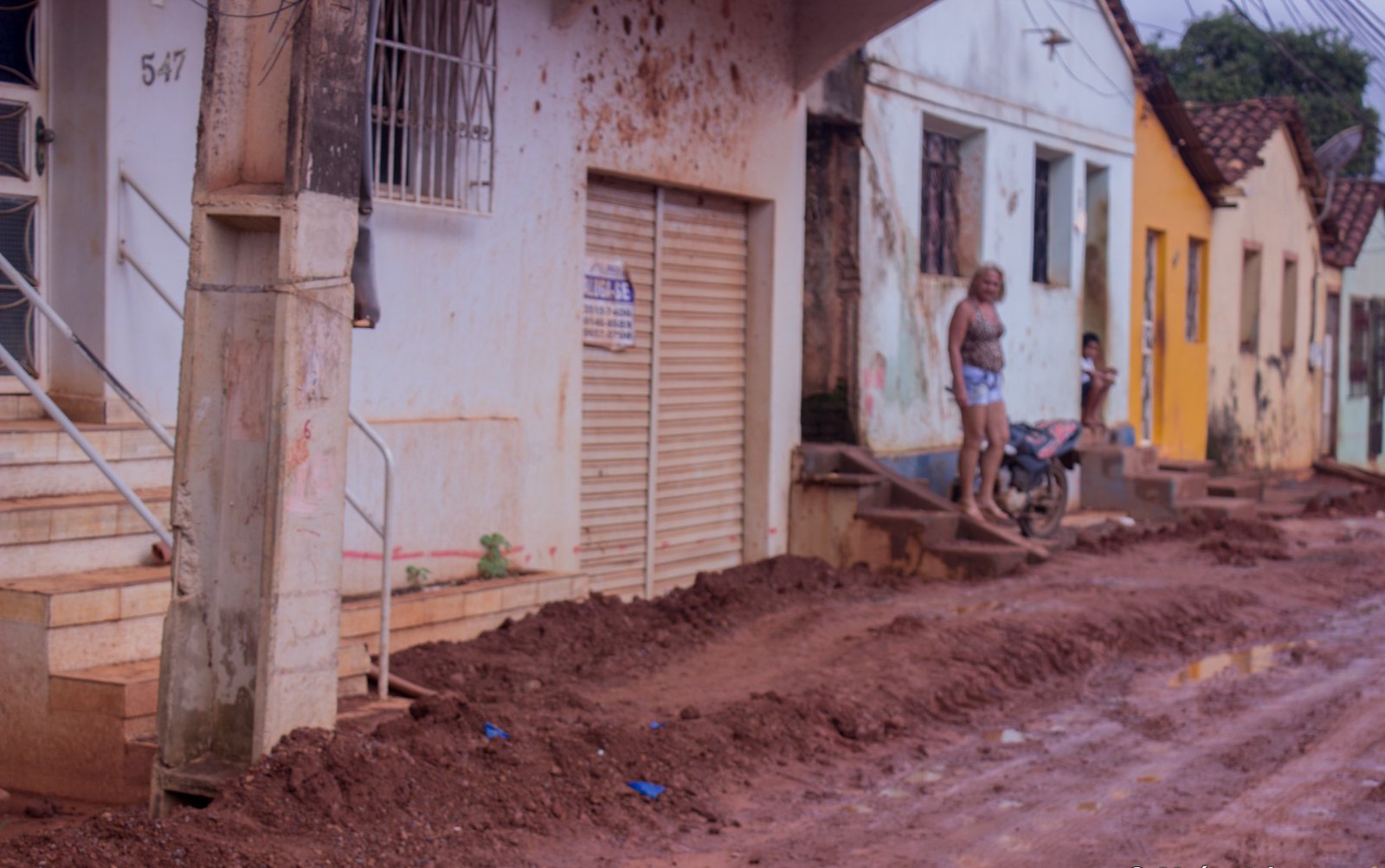
Photo: Amazon Watch / Maíra Irigaray.
Current situation
The protective measures granted by the IACHR remain in effect, but the Brazilian government has not fully complied with them, reporting only on general actions. The communities have documented the ongoing violations of their rights. The situation that prompted the request for these measures—the risk to the lives, physical integrity, and ways of life of the communities—persists and has worsened with the hydroelectric plant operating at full capacity and the recent extreme droughts in the Amazon.
In addition to the impacts of Belo Monte, there is a risk of further social and environmental impacts from the implementation of another mining megaproject in the Volta Grande do Xingu. There, the Canadian company Belo Sun plans to build Brazil’s largest open-pit gold mine.
The combined and cumulative impacts of the dam and the mine were not assessed. The government excluded Indigenous peoples, riverine and peasant communities from the project’s environmental permitting process. Despite protests by Indigenous communities and other irregularities surrounding the project, the government of Pará formally authorized the mine in April 2026.
Like other hydroelectric dams, Belo Monte exacerbates the climate emergency by generating greenhouse gas emissions in its reservoir. And it is inefficient amid the longer, more intense droughts caused by the crisis, as it loses its ability to generate power.
The case before the Inter-American Commission
In October 2017, the IACHR announced that it would rule jointly on the admissibility (whether the case meets the requirements for admission) and the merits (whether a human rights violation actually occurred) of the international complaint against the Brazilian State.
Fifteen years after the complaint was filed, the affected communities and the organizations representing them are still awaiting this decision. If the IACHR concludes that human rights violations occurred and issues recommendations that the Brazilian State fails to comply with, it may refer the case to the Inter-American Court of Human Rights, whose rulings are binding.
A potential ruling by the international court in this case would set a regional legal precedent regarding the rights of indigenous and riverine peoples, public participation in megaprojects, and state responsibility in the context of the climate crisis—a precedent that is particularly relevant in light of the Court’s Advisory Opinion No. 32, which reaffirmed the obligations of States to protect the people and communities of the continent from the climate emergency.
Partners:
Related projects
A World Without Ozone
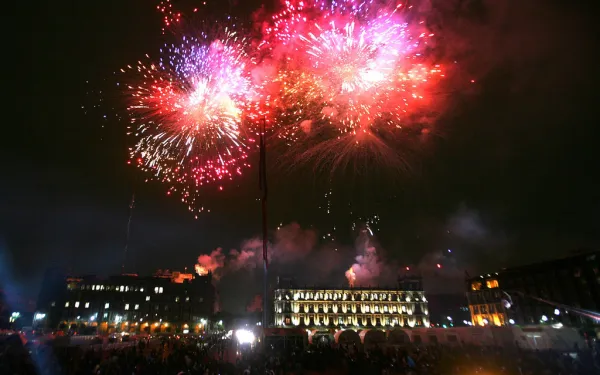
By Laura Yaniz In Mexico, on September 16th, people rest from a night of partying, and so does the sky. In that country, Independence Day begins contaminated by the excessive fireworks used in patriotic celebrations. The irony is that, worldwide, that same day is reserved to celebrate the preservation of the ozone layer. What would have happened had we not decided to care for the ozone? Each 16th of September, Mexico City wakes up with its air hanging thick and dirty. Although the streets are nearly empty, the government maintains a “Don’t Drive Today” program and sanctions distracted drivers whose plate numbers are forbidden from driving that day. I call them “distracted” because on holidays, the government often suspends the “Don’t Drive Today” program, but not on September 16th. On this day, everyone must recover from his or her hangover, including the sky. This is a result of September 15th, when Mexico celebrates its “motherland night.” In cities across the country, thousands of fireworks are launched from plazas packed full of partiers. And so, the next day, the sky hangs even greyer than usual. It’s a bit ironic that September 16th is International Day for the Preservation of the Ozone Layer. More ironic still is that a Mexican named Mario Molina was part of the group of scientists who discovered what was causing the hole in the ozone layer: chemicals expelled into the air by human beings. The discovery became a turning point in the war against gases that damage our atmosphere. It led to diplomatic actions worldwide: the Montreal Protocol was signed with the specific purpose of protecting the ozone, prohibiting the use of chlorofluorocarbons (CFCs, commonly known as Freon) and spurring the elimination of other harmful substances. “My first environmental panic,” is how Florencia Ortúzar, AIDA climate change attorney, remembers it. And why not? Destroying the ozone meant weakening protection against the UV rays that cause skin cancer and cataracts, not to mention the fact that extremely dangerous radiation could cause drastic changes in the ecosystems we rely upon in our own lives. We’ve had 40 years of scientific investigation into the effects of chemicals on the ozone, and 30 years of global and political actions to confront them. Have they mattered at all? Yes. The world we avoided NASA published a simulation that explains the world that might have been had we not acted so quickly to protect our ozone: By 2020, 17 percent of all ozone would have disappeared on a global level. By 2040, UV radiation would have reached an index of 15 in mid-latitudes. An index of 10 is considered extreme and can cause burns within 10 minutes. By 2065, we would have lost two-thirds of the ozone, causing never-before-seen UV radiation levels, which could cause burns in only 5 minutes of exposure. Would we have reached 2100? NASA didn’t say. The hope: What we can do Richard Stolarski, a scientific pioneer in ozone studies and the co-author of NASA’s simulation, expressed his admiration for the global work to confront the problem: “I didn’t think the Montreal Protocol would work, it was very naïve in terms of politics. Now it is a remarkable international agreement and should be studied by all those involved in seeking a global agreement on global warming.“ Certainly, what was achieved was inspirational, because a catastrophic situation was avoided. But we can’t let down our guard just yet. When the Montreal Protocol prohibited chlorofluorocarbons, industry replaced them with hydrofluorocarbons. Like the CFCs they replaced, HFCs are potent greenhouse gases. As part of our Climate Change program, we work to reduce emissions of short-lived climate pollutants, which include hydrofluorocarbons. Although they represent only a small percentage of greenhouse gases, their production and use are growing and will continue to increase if action is not taken. That’s why at AIDA we are working to identify ways to strengthen regulations that reduce emissions of short-lived climate pollutants. Because these pollutants persist in the atmosphere only briefly, reducing their concentrations can provide near-term climate benefit, giving us more time to implement renewable energy and efficiency programs that lessen the severity of climate change. Are you with us?
Read more
The new climate agreement should help nations meet existing commitments!
The governments of the world are working on the negotiating text of a new global agreement to combat climate change. It will be signed in December, during the Paris Conference of the United Nations Framework Convention on Climate Change, and will take effect in 2020. AIDA is advocating for the new climate agreement to be a tool that adequately addresses the effects of extreme changes in climate, especially in the most vulnerable countries. "We want the new climate agreement to help implement existing agreements effectively and strengthen national commitments made through the United Nations Framework Convention on Climate Change; we cannot start from scratch and the new agreement should not replace the Convention, but rather improve its implementation, "said Andrea Rodriguez, AIDA senior attorney. With a view to the Paris Conference, delegates from various countries are meeting to work on the elements that will form the basis of the "Paris package." The package includes a new climate agreement (overarching commitments) and a decision (provisions likely to change over time) that spell out commitments made under the Convention. The next meeting will be held in Bonn, Germany, from August 31 to September 4. To contribute positively to the draft negotiating texts of the agreement and decision, AIDA prepared remarks for the negotiators aimed at strengthening two key issues: the financing of activities to combat climate change, and protection of human rights in carrying out such activities. On climate financing, the comments emphasize the need for the new climate agreement to help mobilize sufficient, adequate and predictable financial resources effectively, establishing concrete commitments, such as terms of responsibilities and timeframes. On the second point, the comments ask the Paris agreement countries to commit themselves to protecting human rights in all actions related to climate change, a commitment already made in the Cancun Agreements of 2010 that needs to be reaffirmed in the new legally binding climate change agreement in order to ensure compliance. Countries have already committed to provide 100 billion dollars to the fight against climate change, beginning in 2020. "The Paris decision on climate finance must provide assurance that countries will make every effort to ensure that commitment from 2020 on; then we will be able to trust that the new climate agreement will actually work," Rodriguez said. Learn more about our comments on climate finance and human rights for the new climate deal!
Read more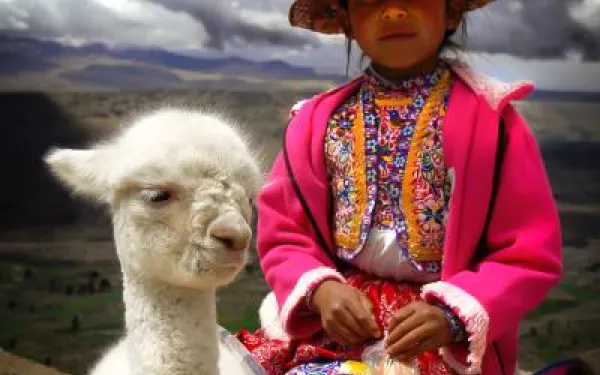
Indifference to life and health in Peru
By María José Veramendi Villa, @MaJoVeramendi In Peru, every year around 400 children die of cold. I learned this dramatic figure a few weeks ago when I read a column titled “Dying from Indifference,” by Congresswoman Veronika Mendoza. I asked with genuine indignation: How is it possible that children could die of cold in a country that prides itself on its mineral wealth, its great attraction for foreign investment, its tourism and culinary strengths? A country that hosts major world events such as the Conference of State Parties to the UN Framework Convention on Climate Change? Besides the lack of political will from our leaders, who worry more about looking good in photos taken at grand events, the answer can be found in a key paragraph of Mendoza’s column: “Where could such political will come from if no one is moved, if no one is indignant that these children die, perhaps because they tend to be “somewhere else,” usually peasants, who often speak Quechua or Aymara?” Regret before prevention On July 18, 2015, the government issued a supreme decree that declared a state of emergency in some districts and provinces of the country, due to frost. The first paragraph of the decree states that “every year and on a recurring basis, between the months of May and September, our country experiences weather events related to low temperatures, such as frost in our highlands, as was observed in recent seasons with extreme temperatures well below 0 ° C ...” If these weather events occur every year, why not prevent their impacts? In 2004, information from the Tyndall Centre, University of Manchester, revealed that Peru is the third most vulnerable country to the effects of climate change, the main cause of such phenomena as increasingly intense frost. Indifference to the violation of human rights Indifference in Peru not only manifests itself in children dying of cold in remote communities, but also La Oroya, a city only 175 kilometers from Lima. In a context of extreme industrial pollution, the population, including children, has for many years suffered violations of the rights to life and health. On August 11, a strike organized by the workers of the metallurgical complex in La Oroya, and the subsequent closure of the main highway that provides access to the center of the country, set off alarm bells in the city. Not bells that should sound when pollution limits are exceeded, but those of a long-neglected social demand. The metallurgical complex, owned by the company Doe Run Peru, is for sale and in the process of liquidating. According to information released to the public, no interested party submitted a financial offer because Peruvian environmental standards are too strict. In response, the workers took control of the road, demanding that the State relax those standards so the complex can be sold and they retain their jobs. The protest left one dead and 60 wounded. It ended after the signing of a five-point agreement, which does not mention the rights to life and health of the population of La Oroya. In a city that has been subjected to unchecked contamination for more than 90 years, Doe Run Peru has continued to obtain extensions to meet its environmental obligations. In July 2015, the company obtained a further extension of 14 years for the complex to meet environmental standards. But what about the life and health of the people? The State has not seen that environmental standards are met in La Oroya. Neither has it fully safeguarded the health of its inhabitants: • The air quality alert system has not been activated properly. • The doctors in charge of health and the heavy metals strategy are scarce and face the constant risk of running out of resources to continue working. • The State insists on asking the Inter-American Commission on Human Rights to lift the measures ordered in 2007 to protect the lives and health of a group of La Oroya residents. Speaking Loudly Children are as vulnerable to cold as they are to the effects of industrial pollution. However, the State only comes to their aid in times of crisis or when it is too late. It sounds like a cliché, but children are our hope. Let us listen so they don’t die of cold and are no longer poisoned! Otherwise, we will also be victims of the disease of indifference.
Read more