
Project
Amazon Watch / Maíra Irigaray
Barragem de Belo Monte no rio Xingu: 10 anos de impactos na Amazônia e de busca por reparações
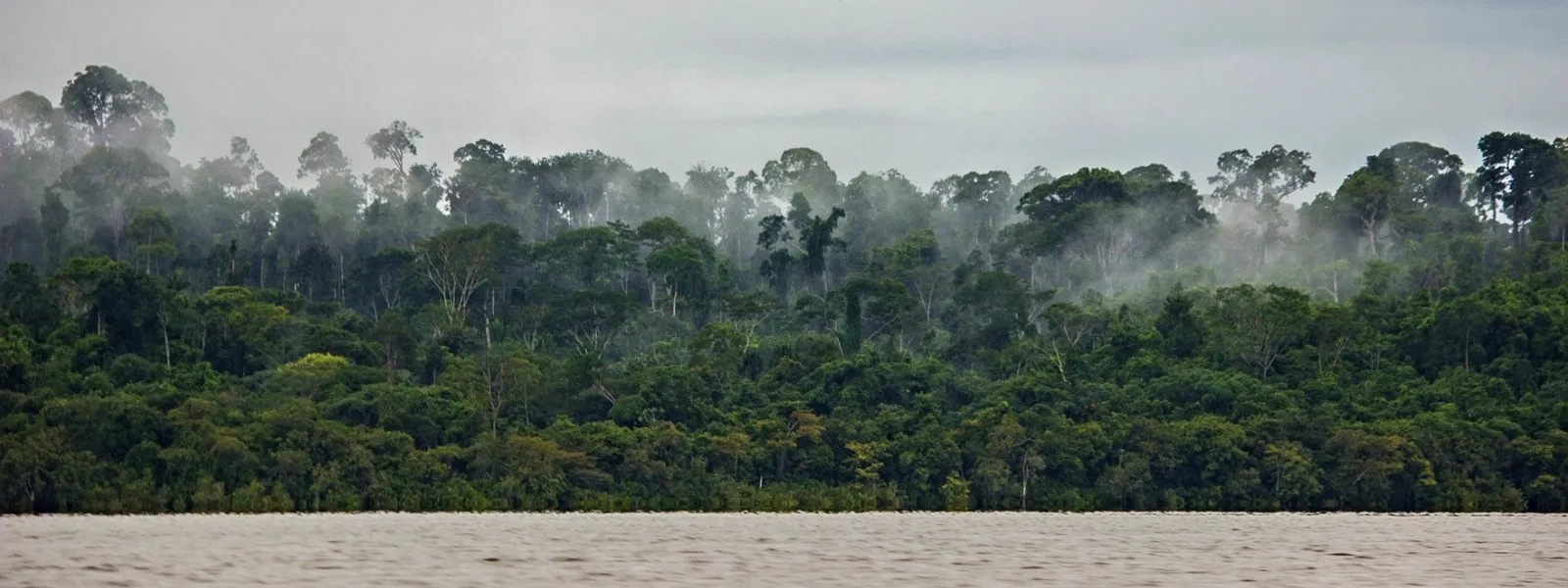
A usina hidrelétrica de Belo Monte causou um desastre ambiental e social no coração da Amazônia: um dos ecossistemas mais importantes do planeta.
Essa situação só piorou desde que a usina começou a operar em 2016. A busca por justiça e reparação para as comunidades indígenas e ribeirinhas afetadas continua até hoje.
Em 2011, a Comissão Interamericana de Direitos Humanos (CIDH) concedeu a essas comunidades medidas de proteção, que até hoje não foram totalmente implementadas pelo Estado brasileiro.
E, desde junho daquele mesmo ano, a CIDH mantém um processo contra o Estado por sua responsabilidade internacional no caso.
A CIDH pode encaminhar o caso à Corte Interamericana de Direitos Humanos, que tem o poder de emitir uma sentença condenatória contra o Estado brasileiro.
Consulta o expediente de fatos do caso
Após 10 anos de operação da usina hidrelétrica e mais de 15 anos de violações de direitos humanos documentadas, é hora da justiça ser feita para as comunidades afetadas.
Leia a carta aberta das organizações que levam o caso à CIDH
Leia nosso comunicado à imprensa
Contexto
A usina hidrelétrica de Belo Monte — a quarta maior do mundo em capacidade instalada (11.233 MW) — foi construída no rio Xingu, no estado do Pará, norte do Brasil.
Foi inaugurada em 5 de maio de 2016, com uma única turbina. Naquela época, 80% do curso do rio foi desviado e 516 km² de terra foram inundados, uma área maior que a cidade de Chicago. Desse total, 400 km² eram de mata nativa. A usina começou a operar em plena capacidade em novembro de 2019.
Belo Monte foi construída e é operada pelo consórcio Norte Energia S.A., composto principalmente por empresas estatais. Foi financiada pelo Banco Nacional de Desenvolvimento Econômico e Social (BNDES), que aportou ao consórcio 25,4 bilhões de reais (aproximadamente US$ 10,16 bilhões), o maior investimento de sua história. Portanto, o BNDES também é legalmente responsável pelos impactos socioambientais associados ao projeto hidrelétrico.
Décadas de danos ambientais e humanos
As violações dos direitos humanos e a degradação da Amazônia remontam ao início do projeto. Em março de 2011, a Norte Energia iniciou a construção da barragem sem consulta adequada e sem o consentimento prévio, livre e informado das comunidades afetadas.
A construção levou ao deslocamento forçado de mais de 40.000 pessoas, rompendo laços sociais e culturais. O plano de reassentamento em Altamira — cidade diretamente afetada pelo projeto hidrelétrico — incluía moradias na periferia da cidade, sem serviços públicos adequados, moradias dignas para as famílias reassentadas e moradias diferenciadas para aqueles pertencentes a comunidades indígenas.
A operação da barragem de Belo Monte impôs uma seca permanente e artificial na Volta Grande do rio Xingu, agravada pelas secas históricas na Amazônia em 2023 e 2024. Como resultado, a morte de milhões de ovos de peixe foi documentada por quatro anos consecutivos (de 2021 a 2024) e, nos últimos três anos, não houve migração de peixes rio acima para desovar e se reproduzir. Assim, a pesca artesanal, principal fonte de proteína para os povos indígenas e comunidades ribeirinhas, foi severamente afetada: o consumo de peixe caiu de 50% para 30% do total de proteínas consumidas, sendo substituído por alimentos processados. Em suma, houve um colapso ambiental e humanitário que resultou no colapso da pesca como modo de vida tradicional, insegurança alimentar e falta de acesso à água potável para milhares de famílias, empobrecimento e doenças.
Além disso, a construção da barragem aumentou o desmatamento e intensificou a extração ilegal de madeira e a insegurança em terras indígenas e tribais, colocando em risco a sobrevivência dessas comunidades. Outra consequência foi o agravamento da pobreza e dos conflitos sociais, bem como a sobrecarga dos sistemas de saúde, educação e segurança pública em Altamira, cidade considerada a mais violenta do país em 2017, onde houve aumento do tráfico de pessoas e da violência sexual. Também foram registrados casos de violência contra defensores de direitos humanos envolvidos no caso.
Em 2025, durante a 30ª Conferência das Nações Unidas sobre Mudanças Climáticas (COP30), realizada no Brasil, o Ministério Público Federal classificou os danos causados por Belo Monte como ecocídio.
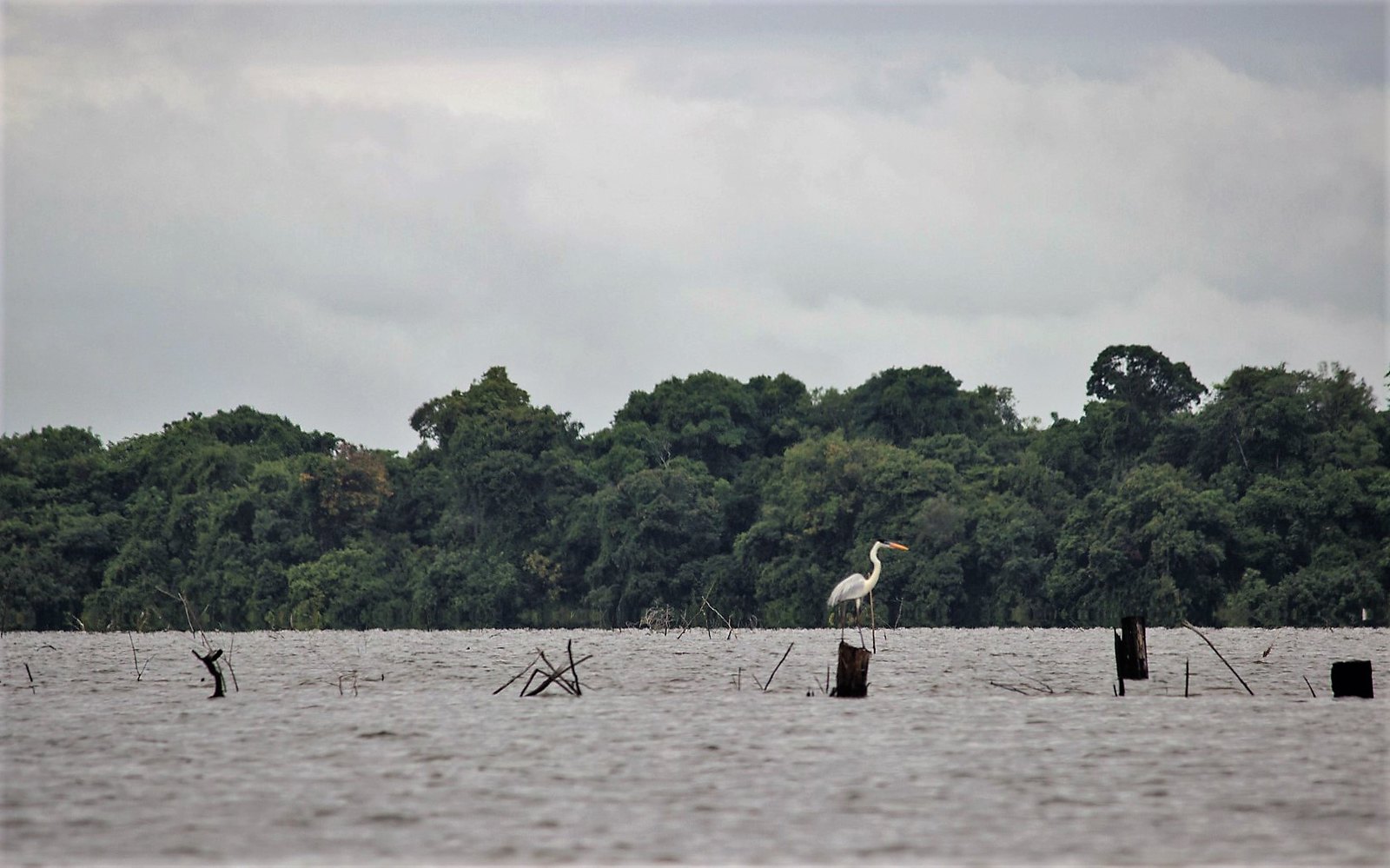
Foto: Amazon Watch / Maíra Irigaray.
A busca por justiça e reparação
Ao longo dos anos, o Ministério Público Federal do Pará, a Defensoria Pública e organizações da sociedade civil impetraram dezenas de ações judiciais em tribunais brasileiros para contestar as diversas irregularidades do projeto, bem como seus impactos. A maioria das ações permanece sem solução, algumas há mais de 10 anos.
Essas ações não obtiveram sucesso porque o governo federal tem reiteradamente anulado decisões favoráveis às comunidades afetadas, recorrendo a um mecanismo pelo qual o presidente do Supremo Tribunal Federal pode suspender uma decisão judicial com base unicamente em argumentos genéricos como "interesse nacional" ou "ordem econômica".
Diante da falta de respostas eficazes em nível nacional, a AIDA — juntamente com uma coalizão de organizações aliadas — levou o caso à Comissão Interamericana de Direitos Humanos (CIDH) e, em 2010, solicitou medidas cautelares para proteger a vida, a integridade e a saúde das comunidades indígenas afetadas.
Em 1º de abril de 2011, a CIDH concedeu essas medidas e solicitou ao Estado brasileiro a suspensão das licenças ambientais e de quaisquer obras de construção até que as condições relativas à consulta prévia e à proteção da saúde e integridade das comunidades fossem atendidas.
E, em 16 de junho de 2011, apresentamos uma denúncia formal à CIDH — juntamente com o Movimento Xingu Vivo Para Siempre, a Coordenação das Organizações Indígenas da Amazônia Brasileira, a Diocese de Altamira, o Conselho Missionário Indígena, a Sociedade Pará de Defesa dos Direitos Humanos e a Global Justice — contra o Estado brasileiro por sua responsabilidade internacional nas violações de direitos humanos contra os povos afetados neste caso. A denúncia foi apresentada em dezembro de 2015.
Em 3 de agosto de 2011, a CIDH modificou as medidas cautelares para solicitar — em vez da suspensão de licenças e obras — a proteção dos povos que vivem em isolamento voluntário, a saúde das comunidades indígenas e a regularização e proteção das terras ancestrais.
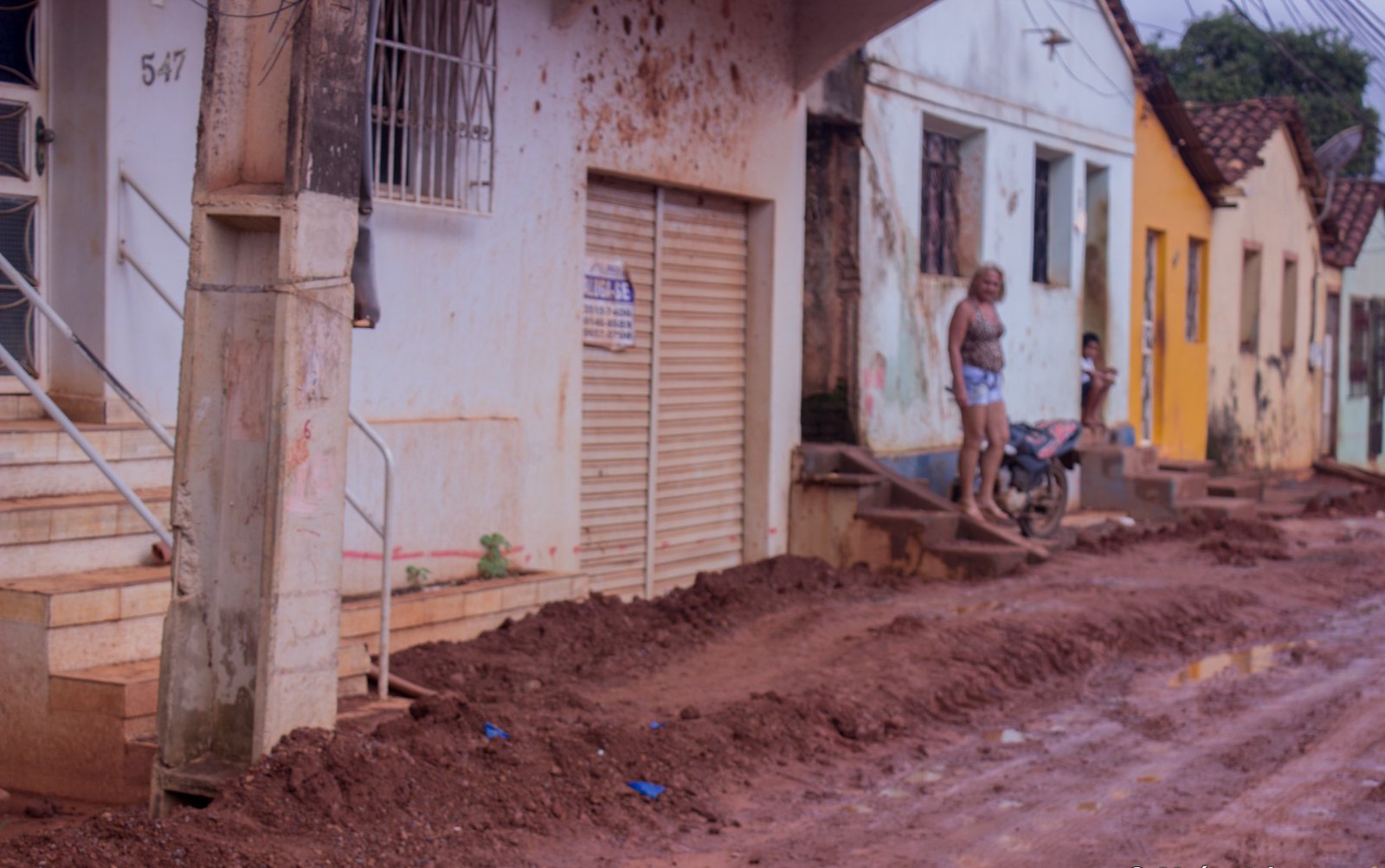
Foto: Amazon Watch / Maíra Irigaray.
Situação atual
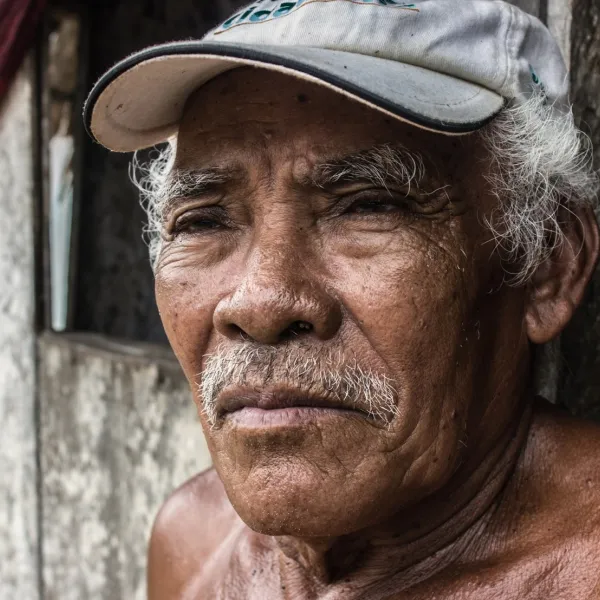
As medidas de proteção concedidas pela CIDH permanecem em vigor, mas o Estado brasileiro não as cumpriu integralmente, relatando apenas ações genéricas. As comunidades documentaram as contínuas violações de seus direitos. A situação que motivou o pedido dessas medidas — o risco à vida, à segurança e aos meios de subsistência das comunidades — persiste e se agravou com a usina hidrelétrica operando em plena capacidade e com as recentes secas extremas na Amazônia.
Além do ocorrido em Belo Monte, existe o risco de maiores danos sociais e ambientais decorrentes da implementação de outro megaprojeto de mineração na Volta Grande do Xingu. Lá, a empresa canadense Belo Sun pretende construir a maior mina de ouro a céu aberto do Brasil.
Os impactos sinérgicos e cumulativos da usina e da mina não foram avaliados. O Estado excluiu povos indígenas, comunidades ribeirinhas e comunidades camponesas do processo de licenciamento ambiental do projeto. Apesar disso, dos protestos indígenas e de outras irregularidades em torno do projeto, o governo do estado do Pará autorizou formalmente a mina em abril de 2026.
Belo Monte, assim como outras usinas hidrelétricas, agrava a emergência climática ao gerar emissões de gases de efeito estufa em seu reservatório. Além disso, é ineficiente diante das secas prolongadas e intensas causadas pela crise, pois perde capacidade de geração de energia.
O caso perante a Comissão Interamericana
Em outubro de 2017, a CIDH anunciou que decidiria conjuntamente sobre a admissibilidade (se o caso preenche os requisitos para admissão) e o mérito (se houve, de fato, violação de direitos humanos) da denúncia internacional contra o Estado brasileiro.
Quinze anos após a apresentação da denúncia, as comunidades afetadas e as organizações que as representam ainda aguardam essa decisão. Caso a CIDH conclua que houve violações de direitos humanos e emita recomendações que o Estado brasileiro não cumpra, poderá encaminhar o caso à Corte Interamericana de Direitos Humanos, cujas decisões são vinculativas.
Uma possível decisão da Corte Internacional de Direitos Humanos neste caso estabeleceria um precedente jurídico regional em relação aos direitos dos povos indígenas e ribeirinhos, à participação pública em megaprojetos e à responsabilidade do Estado no contexto da crise climática. Isso é particularmente relevante à luz do Parecer Consultivo nº 32 da Corte, que reafirmou as obrigações dos Estados de proteger pessoas e comunidades em todo o continente da emergência climática.
Partners:
Related projects
A raw materials transition instead of a raw materials rush: Civil society calls for a change of course in raw materials policy
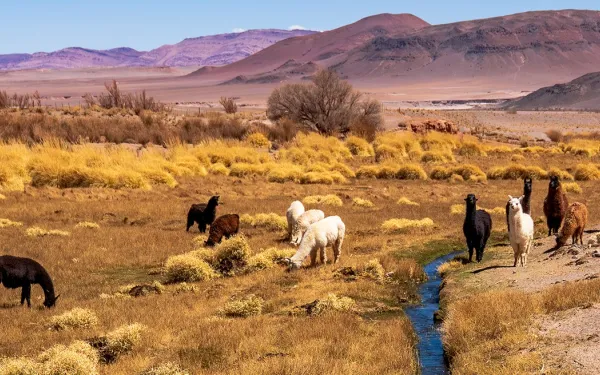
Berlin. From today until October 8th, more than 35 organizations from Germany and numerous other countries will share their perspectives at events on raw material extraction and global justice during Alternative Raw Materials Week. With 25 events on the circular economy, human rights, and environmental protection, the week is intended as a civil society intervention in current international raw materials policy. The highlight will be the Raw Materials Summit on October 6, 2026.While Germany and the EU are securing their supply of critical raw materials and pushing ahead with new raw materials projects, a broad coalition of civil society organizations warns against sacrificing environmental, human rights, and participatory standards in the pursuit of faster raw materials supply.Hannah Pilgrim, coordinator of the Raw Materials Working Group and initiator of Alternative Raw Materials Week: "The federal government is setting completely the wrong priorities with its raw materials policy. It cannot keep up in a race against China or the U.S. Instead, it should focus on a sustainable raw materials policy that prioritizes reducing external dependencies by cutting raw materials consumption and expanding the circular economy. To be taken seriously by raw materials-rich partner countries, it must defend hard-won standards in the areas of human rights and the environment.Through the Alternative Raw Materials Week, we bring together voices that need to be heard more clearly in the current debate: from mining regions, academia, labor unions, and international civil society.”Víctor Quintanilla-Sangueza, Content Coordinator of the Interamerican Association for Environmental Defense (AIDA): “European raw materials policy poses significant risks to the people of Latin America because of the serious environmental and social impacts associated with mining lithium, copper, and other raw materials. That is why we join critical forums for debate—such as the one facilitated by the Alternative Raw Materials Week—to amplify the voices of affected communities. We are countering the prevailing narrative of the energy transition with one that puts life at the center. We are questioning who is setting the rules for transition processes in the Global North and who is bearing the costs. We conduct this work in collaboration with communities and organizations in Latin America, including the Andean Wetlands Alliance”.During Alternative Raw Materials Week, various international guests from Argentina, Bolivia, the Democratic Republic of the Congo, and Portugal will be available for interviews. Here is a selection:Pía Marchegiani - FARN, ArgentinaNik Völker - MiningWatch Portugal Check the events calendarPress contactsAK Rohstoffe | [email protected] | + 49 (0)30 41 93 41 82Press | [email protected] | +49 1577 7764 847
Read more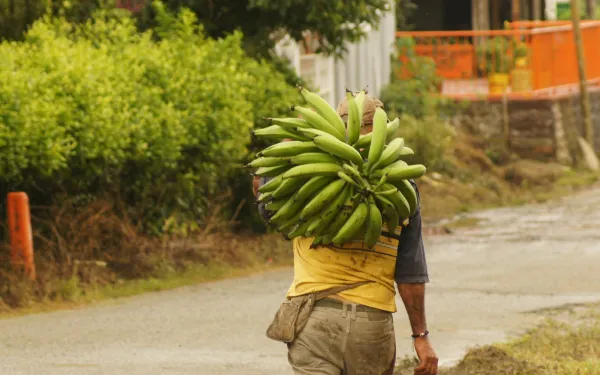
A victory for climate justice: Colombia includes climate obligations in environmental impact studies
In Colombia, a case that began as a requirement for the coal sector ultimately became a regulation applicable to all projects requiring an environmental permit.This refers to the publication of the General Methodology for the Preparation and Submission of Environmental Studies, a regulatory "master key" that requires quantifying greenhouse gas (GHG) emissions and including climate mitigation and adaptation measures in mining, hydrocarbon, energy, and infrastructure projects, among others.Colombia's Ministry of Environment and Sustainable Development published this methodology in late July 2026, in compliance with a 2023 ruling by the Council of State.This important resolution was the result of a compliance action filed by a coalition led by AIDA and also comprising the "José Alvear Restrepo" Lawyers’ Collective (CAJAR), Censat Agua Viva, the Center for Research and Popular Education (CINEP), POLEN Transiciones Justas, the University of Magdalena, and researchers.The new methodology for environmental studies represents a major step forward in protecting the right to a healthy environment and ensuring the right to a healthy climate through preventive measures.It also marks a victory for climate litigation in the region, demonstrating that the Colombian government failed to fulfill specific climate commitments and securing a ruling ordering one of the competent authorities to take concrete actions for proper climate management.Other countries in the region may replicate the strategy employed and the precedent set. A three-year path toward climate justiceIn May 2023, AIDA led a coalition of civil society organizations, think tanks, researchers, and a university that filed a compliance action with the Administrative Court of Cundinamarca. The goal was to demand compliance with laws related to addressing the climate crisis in the coal sector.In Colombia, neither environmental regulations nor climate change management regulations address GHG mitigation or the climate impacts generated by the coal sector, despite the significance of coal projects in the country and their role in exacerbating the climate crisis.Colombia is by a wide margin the largest coal producer and exporter in Latin America. In 2024, it accounted for 87.67% of regional production and 99.84% of exports, playing a significant role in its trade balance and its rail and port infrastructure. Furthermore, it ranks third in the region in terms of final consumption (24.52%), and in the last 12 months, nearly 5% of the country’s electricity was generated from coal.But without specific regulations, environmental authorities lack the tools to establish effective measures to prevent, mitigate, and manage the climate impacts of coal industry activity.The Administrative Court of Cundinamarca ruled in the coalition's favor in the first instance. The Council of State—the country’s highest authority on administrative matters—upheld the ruling on second instance. Consequently, it ordered the Ministry of Environment and Sustainable Development to comply with the obligations outlined in Law 1931 of 2018, which establishes the minimum actions the country must take to honor its international climate commitments.And this is where the case went beyond its initial objective: the ruling established a specific obligation for the ministry to regulate the consideration of climate impacts not only in coal sector projects but in all projects requiring an environmental permit. In other words, it includes the mining, hydrocarbons, energy, and infrastructure sectors, among others.This entails, among other things, quantifying GHG emissions from these projects and assessing how environmental offset measures can help Colombia meet its climate commitments under the United Nations Framework Convention on Climate Change.The ruling also ordered the government agency to issue a resolution adopting the Mandatory Emissions Report, which would require major greenhouse gas emitters to report their total emissions annually on a disaggregated basis. Similarly, it ordered the agency to issue the environmental sector’s climate change management plan and coordinate actions with territorial climate change plans. A significant and reproducible rulingThe Ministry of the Environment’s publication of the methodology for environmental studies marks a milestone in environmental permitting by incorporating specific procedures to ensure environmental impact studies account for the climate impacts generated by projects seeking permits.It also focuses on environmental permitting and human rights, considers indirect emissions, and introduces new guidelines for assessing projects' environmental impacts.In addition, it sets a regulatory precedent that demonstrates, in practice, the climate unfeasibility of new coal mining and burning projects.In short, it is a regulatory instrument that seeks to close gaps in environmental permitting processes and strengthen the assessment of shortcomings associated with the climate impacts of certain projects, particularly in the coal sector. It incorporates a human rights perspective—a first within an environmental permitting process.Its scope is ambitious: stricter technical and climate management requirements would raise the compliance costs of coal-fired projects—making them more expensive than cleaner alternatives—and could support strategies to phase out coal as part of the country’s efforts to meet its climate obligations.The orders contained in the Council of State’s ruling do not end with the publication of the methodology. Other orders also seek to incorporate specific guidelines for climate change management.Among these is the Mandatory Emissions Report, a key tool for establishing processes to monitor, verify, and control the mitigation actions implemented by major greenhouse gas emitters. However, the ministry has published only a draft resolution adopting this instrument, which, if confirmed, would represent a unique regulatory advancement in the region with strong potential for replication.In other words, the Council of State’s ruling sets a very important precedent for the region for two reasons: it demonstrates that strategic litigation can lead to concrete regulatory actions to address the climate crisis, and it highlights the need to update regulatory frameworks to incorporate specific measures for climate change mitigation and adaptation in specific sectors and procedures.Therefore, it will be important to design strategies that allow both the litigation approach and the results achieved during implementation to be replicated in other countries in the region.
Read more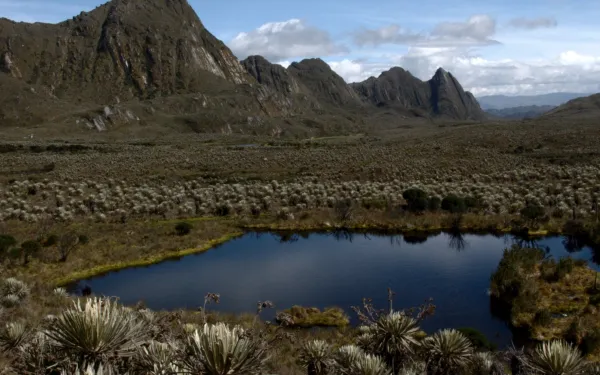
Páramos = water = life
Páramos are high-mountain ecosystems that capture water from fog and supply it to the lowlands. They lie between the upper limit of the Andean forest (about 3,000 meters above sea level) and the glaciers or permanent snowfields of the mountains (about 4,500 meters above sea level).Typically, páramos can be found in tropical regions near the equator, especially along the Andes mountain range.In Latin America, páramos cover more than 30,000 km2. South America is home to more than 80% of the world’s páramos, and Colombia accounts for 50% of them.The páramos are not isolated; rather, they form a high-mountain system that maintains ecological connections with other biomes and ecosystems, extending beyond national borders. In the Andean region, they form a corridor known as the "string of pearls," stretching from the Cordillera de Mérida in Venezuela, across Colombia and Ecuador, to the Huancabamba Depression in northern Peru.There, the water retained by low-altitude wetlands gradually flows downward, forming streams and rivers that flow down to the coast or the Amazon basin.Because of their interconnectedness, the páramos also serve as natural bridges or "springboards" for the migration and dispersal of species. Their conservation, therefore, cannot be limited to specific areas; it must extend to protecting the ecological, biological, and cultural relationships they share with other ecosystems. The importance of protecting the páramosWe must protect the páramos because they are essential to sustaining life. Among other reasons, this is because:They feed key watersheds, which in turn support agricultural and livestock systems that contribute to the population's food supply. They are the primary source of water for more than 85 million people. In Colombia, these ecosystems supply 70% of the freshwater consumed in major cities.They are home to a unique biodiversity: more than 3,370 plant species and 250 animal species. Among the endemic species found there are the frailejón (a plant with hairy leaves that trap moisture from the fog and regulate water), the Andean condor, the mountain tapir (or Andean tapir), and the spectacled bear.They serve as living spaces and homes for rural and indigenous communities. According to the 2018 páramo census, more than 76,000 people in Colombia live in the country’s páramo ecosystems. Furthermore, their stunning natural beauty drives nature tourism, thereby sustaining local ways of life.They are extraordinary natural carbon sinks and are indispensable allies in mitigating the climate crisis. They can sequester up to ten times more carbon dioxide per square meter than a tropical forest. In specific areas of a páramo, such as peat bogs, carbon sequestration can reach 2,000 metric tons. Photo: Aztlec Flickr (Creative Commons).What threats must we protect the páramos from?Despite their great importance, the páramos currently face several threats. One is the climate crisis, which is raising ambient temperatures; because these ecosystems are located high in the mountains, they have no cooler thermal zones to migrate to.On the other hand, extensive livestock ranching and agriculture—particularly potato farming—affect considerable areas of páramos. Deforestation or reforestation with non-native species also endangers them, as does a lack of knowledge about their importance and characteristics.And mining is undoubtedly one of the greatest threats to these ecosystems. Due to their geological formation, these ecosystems contain large quantities of minerals and metals, such as gold and silver. The mining industry poses serious risks to the páramos because:It extracts large volumes of water and builds infrastructure on wetlands, reducing their ability to regulate water flows, and can cause pollution from mercury and other toxic substances, leading to species loss and affecting water quality and availability in low-lying areas.Underground mining can alter groundwater flow dynamics through dewatering processes designed to prevent tunnel collapse. This can lower the water table, cause land subsidence, and dry up water sources, among other impacts.It removes vegetation cover and organic soil, degrading fragile ecosystems such as the páramos, weakening their role as natural carbon sinks, and releasing stored carbon.Its impacts can last in perpetuity—for centuries or millennia—timeframes that cannot be predicted with certainty. Tailings dams and other infrastructure (tailings piles or dumps) where mining waste ends up, for example, have effects that persist indefinitely because they were not designed to be dismantled. Learn more about the true cost of mining in the páramos. The iconic case of the Santurbán páramo in ColombiaThe Santurbán case reflects the socio-environmental conflicts that arise from corporate efforts to establish mining operations in páramos, as well as from citizens’ efforts to protect these ecosystems and the life they sustain. Photo: Alberto Peña Kay. Located in the heart of the Eastern Cordillera of the Colombian Andes, in the departments of Santander and Norte de Santander, the Santurbán páramo covers 129,743 hectares and is home to 57 lagoons, 457 plant species, and 293 vertebrate species.Santurbán is home to mineral deposits—primarily gold, but also silver and copper—that have attracted foreign mining conglomerates for decades, which have sought to establish large-scale projects in the ecosystem, threatening to degrade it.This has raised concerns among the population that relies on the Santurbán water sources—more than two million people—who have mobilized to defend water, their land, and life.The Committee for the Defense of Water and the Santurbán Páramo has led these efforts. This coalition of environmental advocates, supported by AIDA and other civil society organizations, has thwarted the mining industry’s ongoing attempts. The defense of Santurbán has included litigation and national and international advocacy. Learn more about the effort to protect the Santurbán páramo. Protecting Latin America's páramosAs with Santurbán in Colombia, indigenous peoples, rural communities, and citizens in other countries in the region are using legal strategies to protect the Andean páramos.Also in Colombia, rural communities in Cajamarca, in the department of Tolima, succeeded in rejecting the La Colosa mining project—which would have involved gold mining in the Los Nevados páramo region—through a public referendum. They are currently defending the referendum's validity and the páramo demarcation in court.In Ecuador, the Kichwa Saraguro indigenous people are pursuing legal action to protect more than 27,000 hectares of the Fierro Urku páramo, which were granted as mining concessions for gold, silver, and copper without prior consultation. At the same time, they are demanding compliance with a protective order that suspended the Loma Larga mining project in the Quimsacocha páramo until prior consultation is guaranteed and environmental impact studies are conducted.In partnership with communities and allied organizations, AIDA works to protect the páramos and other ecosystems that sustain life in Latin America.
Read more