Large Dams


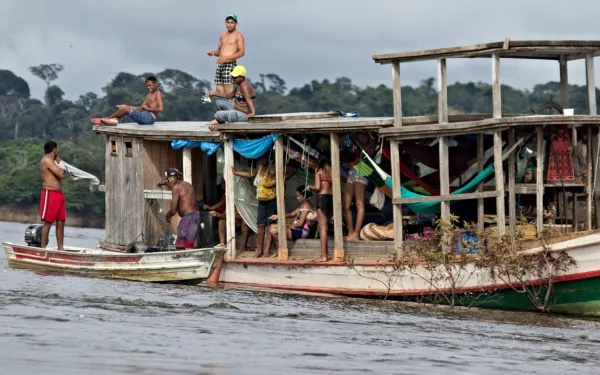
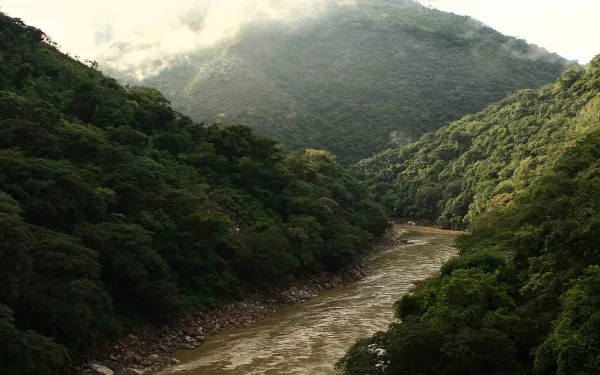
Bote con población ribereña navega en el río Xingún, en la Amazonía brasileña

The Xingu River is being silenced, but not its people

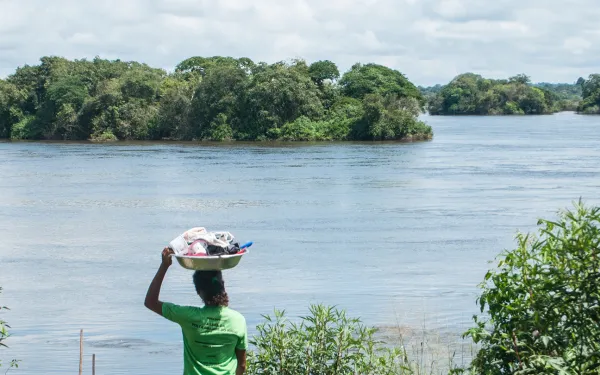
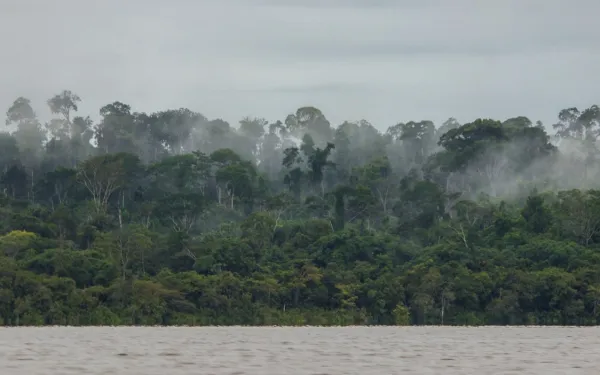
A river is always a path, sustenance, and memory.  At the Volta Grande (or Great Bend) of the Xingu River, deep in the Brazilian Amazon, the water did more than just flow: it taught people when to plant, when to fish, and when to celebrate.  There, life moved to the rhythm of the river.  But that began to change in 2010, when plans were underway to build the Belo Monte hydroelectric plant, and a silent question began to grow: Who decides the fate of the water?  Six years later, on May 5, 2016, when the dam was inaugurated, nearly 80% of the Xingu River’s flow had been diverted.As early as 2018, organizations and communities were warning that the flow management plan imposed on the Xingu River for the operation of the hydroelectric plant foreshadowed a future of drought.That warning has come true.Today, entire stretches of the river are dry. More than 100 kilometers of the Volta Grande have lost their natural flow. The water, which once sustained biodiversity and local ways of life, no longer flows as it once did.  Without enough water, the fish have stopped reproducing. There has been no spawning for three years.  The river’s silence has turned into hunger, uncertainty, and disruption.  The death of the fish is not just an environmental impact: it is the breakdown of a way of life.  Indigenous, riverine, and fishing communities have lost not only their primary source of food but also their autonomy and their connection to the land.  Today, the legacy of Belo Monte is a growing accumulation of ecological, social, and cultural degradation.  However, this story is not yet over. Time for justice for the Xingu River and the life it sustainsTen years after the Belo Monte Dam began operations, the reported impacts have been confirmed, but something unexpected has also grown stronger: resistance.The affected communities remain organized, active, and determined. They continue to speak out, demand reparations, and defend their right to live alongside the river.That strength is evident today in the protests against new projects in the area.Because for these communities, the struggle is not just against a project; it is for the survival of their way of life.Today is a moment of justice for them.  The complaint against the Brazilian State for its international responsibility in the case has been before the Inter-American Commission on Human Rights since 2011, pending a decision that could mark a turning point for the communities of the Xingu Basin.  The complaint contains the legal and evidentiary elements necessary for the Commission to admit it, determine that there were several human rights violations, and refer the case to the Inter-American Court of Human Rights, whose ruling could set a precedent for state regulation of megaprojects in the context of the climate crisis; public participation; and the protection of indigenous peoples, traditional communities, and key ecosystems such as the Amazon.But as the process moves forward slowly, the impacts continue to worsen every day. The urgency is not legal; it is human. Every unanswered cycle is another cycle of drought, biodiversity loss, and mounting violations.    In this case, making a decision is not just an institutional matter; it is a matter of life expectancy for those who depend on the river.What happened with Belo Monte has become a symbol.  It is a clear example of how projects marketed as “clean energy” can have profound and lasting impacts when they disregard human rights.  At a time when the world is seeking energy solutions to address the climate crisis, we cannot repeat old patterns of injustice.  Learn More 

Read more

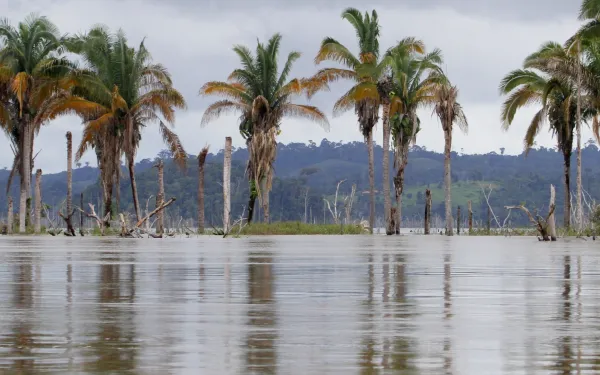
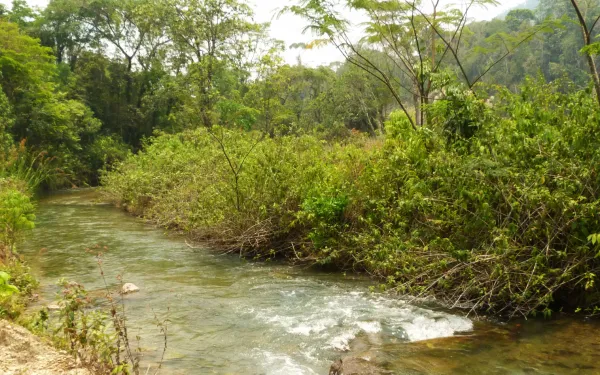
Inundación de islas en el río Xingú para la operación de la represa Belo Monte
Human Rights, Large Dams

Ten years of Belo Monte: The time for justice has come

Ten years after its inauguration, the Belo Monte Hydroelectric Plant (UHE) in Pará returns to the center of public debate, this time under the scrutiny of the Inter-American Human Rights System. More than an anniversary, this milestone reinforces the urgency of an effective institutional response:justice cannot continue to be postponed.The case, currently pending before the Inter-American Commission on Human Rights (IACHR), brings together a substantial body of evidence regarding human rights violations associated with the Belo Monte UHE. Filed by a coalition of civil society organizations, including the Inter-American Association for the Defense of the Environment (AIDA), Global Justice, Coordenação das Organizações Indígenas da Amazônia Brasileira (COIAB), Movimento Xingu Vivo para Sempre (MXVPS), and the Conselho Indigenista Missionário (CIMI), the petition consolidates allegations of violations of the rights to life, health, prior consultation, and a healthy environment. The case is at an advanced stage of review and could soon  be referred to the Inter-American Court of Human Rights.A decade on, the socio-environmental impacts remain significant and largely unmitigated. The Volta Grande do Xingu—a stretch of approximately 130 km directly affected by the artificial reduction in river flow—represents the project’s most serious liability. The alteration of the hydrological regime, compounded by extreme events associated with climate change, has compromised local ecosystems, disrupted the reproductive cycle of species, reduced navigability, and threatened the food and water security of populations that depend directly on the river.Indigenous communities, riverine populations, and artisanal fishers face the ongoing deterioration of their ways of life, including reduced fish availability and impacts on fishing livelihoods. Additional harms include inadequate resettlements, increased violence, mental health impacts, and threats to cultural practices and traditional  ways of life.Unlike the debates that characterized the project’s implementation phase, today’s discussion is shaped by the climate emergency and new international regulatory standards. Advisory Opinion OC-32 of the Inter-American Court of Human Rights provides clear guidelines on states’ obligations to protect human rights in the face of the climate crisis, recognizing the right to a healthy environment as a foundational principle. In this context, the Belo Monte Hydroelectric Plant case is a significant test of how   energy development, environmental protection, and the  rights of local populations can—and must—be reconciled.The organizations monitoring the case highlight non-compliance with precautionary measures issued by the Commission as a key reason to advance to the Court. The legal merit of the case, combined with its international significance, positions the case as ready for adjudication."More than a decade after the start of the Belo Monte hydroelectric project, the impacts on the Xingu River continue and are worsening, exacerbated by pressure for new projects and the climate crisis. The communities remain mobilized for justice and confident in the Inter-American Commission’s efforts to bring the case before the Court—the final step to ensure full reparations and the protection of the territory and its ways of life," said Marcella Torres, legal coordinator of AIDA’s Human Rights Program.According to Melisanda Trentin, coordinator of Socio-Environmental and Climate Justice at Justiça Global, the Belo Sun mining project is moving forward in the Volta Grande do Xingu region with consultation flaws identical to those of the Belo Monte project. “What is at stake in the region is the accumulation of harm and violations of human and environmental rights. A river with reduced flow, communities facing food insecurity and altered ways of life, and now a new project that repeats the same violations denounced in the Inter-American System for over 10 years,” she points out.For the signatory organizations, the ten-year mark represents a critical window for justice. The Belo Monte case is no longer an isolated episode— it stands as a benchmark for the concrete application of environmental justice in the Amazon, amid growing climate pressure and demands for state accountability.ABOUT - Belo Monte is the fourth-largest hydroelectric power plant in the world, built on the Xingu River in the state of Pará, in the heart of the Amazon. With an installed capacity of 11,233 MW, it was inaugurated on May 5, 2016. Its operation diverts 80% of the Xingu River’s flow through a canal 500 meters wide and 75 km long. The flooded area between the canal and the reservoir covers 516 km², larger than the city of Chicago, of which 400 km² was native forest.#JutiçaNoXingu See the statement from the petitioners in the Belo Monte case before the IACHR Read what the petitioning organizations in the case have to say:Coordination of Indigenous Organizations of the Brazilian Amazon (COIAB)"There is no legal certainty without respect for the inherent rights of indigenous peoples. In the Amazon, this defense goes beyond the legal realm: it is a commitment to life, to the integrity of territories, and to the planet’s climate balance. The harm that the construction of the Belo Monte Dam has caused to indigenous populations and the environment has become a reality and is irreversible. COIAB’s Legal Advisory Office works to ensure that the Constitution, international treaties, and the self-determination of indigenous peoples are effectively respected at all levels of decision-making," states Gabriele Baré, coordinator of COIAB’s Legal Advisory Office.Movimento Xingu Vivo Para Sempre "Belo Monte uprooted people from the riverbanks and scattered the Xingu people far and wide, away from the river, their community, and the daily life they knew and loved. The riverine dwellers ceased to be who they were; the fisherwomen ceased to be who they were; they became nothing, many of them wandering the outskirts of cities. These people lost their identity and, with it, their soul. All that remained was emptiness and loneliness. The impact of the loss of their way of life cannot be compensated, but it must be acknowledged so that some form of redress can be made," says Ana Laide Barbosa, an educator with the Xingu Vivo para Sempre Movement.Observatory of Isolated Indigenous Peoples (OPI)"The construction of the Belo Monte hydroelectric dam has exacerbated threats and pressures on the indigenous peoples of the Middle Xingu region in a manner similar to what occurred during the dictatorship with the opening of the Trans-Amazonian Highway in the same region. Recently contacted peoples such as the Parakanã and the Arara have suffered from alarming rates of invasions and illegal deforestation on their lands, and the refuge of the isolated indigenous groups of Ituna Itatá has become one of the most deforested areas in Brazil. At the same time, the diversion of the Xingu River’s waters causes ecocidal damage to the indigenous peoples of Volta Grande; and harmful impact compensation policies have had disintegrating and ethnocidal effects on nearly all the peoples. “For all these reasons, the hydroelectric dam has become yet another example of the colonial relationship established by the Brazilian state with the Amazonian peoples and a debt of reparation that must be acknowledged and addressed," says Helena Palmquist, deputy coordinator of the Observatory of Isolated and Recently Contacted Indigenous Peoples (OPI). 

Read more

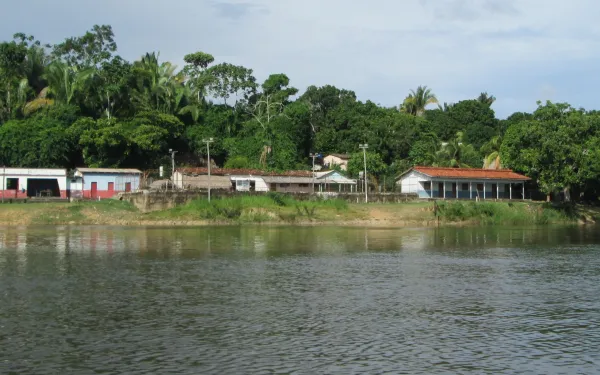
Comunidad ribereña en el río Xingú, Amazonía brasileña
Human Rights, Large Dams

Open letter: Ten years since Belo Monte

BELO MONTE: TEN YEARS OF OPERATION, MORE THAN A DECADE OF UNREPAIRED DAMAGE On May 5, 2016, the first turbine of Belo Monte began operating on the Xingu River. Ten years later, the Indigenous, riverine, and artisanal fishing communities along the middle Xingu River—who were never properly consulted—continue to suffer systematic violations of their rights. The balance of this decade is not one of development; it is one of documented harm and denied reparation.The impacts are concrete and persistent. More than 100 kilometers of the Volta Grande do Xingu have lost their natural flow. The operational hydrograph imposed by the plant does not guarantee the minimum ecological conditions necessary for the reproduction of aquatic life, causing the collapse of artisanal fishing and severe food insecurity for populations that depend on the river as their main source of food and income. The loss of access to the river also entails a loss of culture, territory, and rights.Isolated and recently contacted Indigenous peoples present in the region face heightened risks, as their survival depends directly on the environmental and territorial integrity of the Xingu River. This context imposes an enhanced duty of protection on the State, in accordance with constitutional and international standards.The climate crisis exacerbates each of these violations. The extreme droughts that struck the Amazon in 2016, 2019, 2020, 2023, and 2024 worsened existing impacts and exposed the project’s structural fragility. The Inter-American Court of Human Rights (IACtHR), in Advisory Opinion 32/25, recognized that ecosystems such as the Amazon are critical to climate stability and that States have an obligation to act with enhanced due diligence to prevent serious and irreversible damage to these territories and to the communities that depend on them.Since 2011, the case has been under consideration before the IACHR and is awaiting an admissibility and merits report. The evidentiary record is complete. The violations are documented, continuous, and unrepaired. The passage of time is not neutral — each lost piracema (the seasonal spawning cycle on which fishing communities depend), each family displaced from the river, each new threat to the region adds to a human cost that is real, growing, and inexcusable.For their part, the riverine and Indigenous communities of the region, both in the Volta Grande do Xingu and its surrounding areas, have not stood idly by. While they fight for full reparation, they work toward the establishment of riverine territory and the expulsion of intruders from Indigenous lands; they organize environmental and territorial monitoring of the river, document impacts, and resist each new threat to their territory. This documentation is not advocacy — it is evidence. It forms part of the legal record and unequivocally demonstrates the continuity of the violations.These are ten years of operation and more than fifteen years of documented violations. We expect the case to be admitted by the Commission and submitted to the IACtHR without delay and that, in an act of justice, it recognize the responsibility of the Brazilian State and require the adoption of an ecological hydrograph that guarantees minimum conditions for the reproduction of life in the Volta Grande do Xingu; the establishment of riverine territory; full reparation for affected communities; the suspension of new high-impact projects in the region while existing damages are not remedied; and the ordering of effective guarantees of non-repetition. The communities of the Volta Grande do Xingu have waited long enough.Signed by the petitioners:Interamerican Association for Environmental Defense (AIDA); Indigenous Missionary Council (CIMI); Coordination of Indigenous Organizations of the Brazilian Amazon (COIAB); Diocese of Altamira; Justiça Global; Xingu Vivo Para Sempre Movement; Observatory of Isolated Indigenous Peoples (OPI); and the Pará Society for the Defense of Human Rights (SDDH). Download the letter 

Read more

Defending the Volta Grande do Xingu in the Brazilian Amazon

"Certain lives exist only in the Xingu River, mine is one of them. And also that of the indigenous and riverine peoples. Can these lives be destroyed?” The question posed by Sara Rodrigues Lima - a local river dweller, fisherman and researcher - highlights the paradox that one of the most biodiverse, ecologically, climatically and culturally important regions in the world is also one of the most affected by socio-environmental impacts. The Volta Grande (or "Big Bend") of the Xingu River, located in the heart of the Brazilian Amazon, is home to a unique ecosystem and is a key region for the conservation of global biodiversity. For centuries, it has been home to indigenous and riverine peoples who have shared ownership of the river and the Amazonian rainforest, providing sources of food, water, identity, culture and mobility, among other things. This link has translated into livelihood systems based on caring for and defending the territory and their own existence, which are now severely threatened. Since 2015, this region has been the target of large extractive projects that threaten the livelihoods and physical and cultural survival of traditional peoples and communities. This has been accompanied by violence against people defending this Amazonian territory. In order to deal with this situation, the affected peoples and civil society have created a network that unites and strengthens their efforts. The Alliance for the Volta Grande do Xingu, formed by social movements and organizations, including AIDA, supports and coordinates actions to defend the region as a living and healthy territory. The coalition has taken the case to the United Nations.   The cumulative impact of two megaprojects One of these projects is the Belo Monte dam, whose construction has caused irreparable environmental damage and human rights violations for several generations. The drought caused by the diversion of the river to generate electricity, as well as the ineffectiveness of the mitigation measures implemented, have led to an ecological and humanitarian collapse in the Volta Grande. Currently, thousands of traditional families are suffering from the death of fish, extinction of fishing, lack of food security, impoverishment, physical and mental illnesses. Another major threat to the region and its traditional inhabitants is the Volta Grande project, where the Canadian company Belo Sun intends to build the largest open-pit gold mine in Brazil. The coexistence of the two projects poses the risk of overlapping areas of direct impact. In this scenario, the potential damage to the environment and to indigenous and riverine peoples will be irreversible. The Belo Sun project is proposed to be built less than 10 kilometers from the Belo Monte dam, on the banks of the Xingu River, in the midst of indigenous lands, protected areas and traditional communities. The magnitude of the synergistic and cumulative impacts of the mine and hydroelectric dam has not been assessed. Also ignored were technical analyses that pointed to the serious impacts of the use of cyanide, the contamination of the river, and the risks of a dam breach that, if it were to occur, would flood 41 kilometers along the river and reach nearby indigenous lands. In addition, the state excluded indigenous peoples, riverine and peasant communities from the environmental licensing process for the mining project. Because they live outside the demarcated indigenous lands or more than 10 kilometers from the project, some indigenous peoples were not considered affected or consulted about the implementation of the project. The lack of consultation and public participation of indigenous and riverine peoples led Brazilian courts to order the suspension of the mining company's operating license.   Violence and threats against human rights defenders The arrival of Belo Sun in the area is a serious intervention in the socio-cultural environment of the Volta Grande do Xingu. The overlapping of the mining project in a territorial polygon inhabited by traditional peoples, rural groups benefiting from the agrarian reform, and artisanal miners has led to community divisions and violence against those who oppose the mine. In the context of the project's development, there have been reports of illegal land purchase and sale contracts to evict rural families, threats to the area's inhabitants by private security companies, and violence against peasants claiming agrarian reform lands acquired by the mining company, which are the subject of legal proceedings. Threats of violence against environmental and human rights defenders have also increased in intensity and severity. Some of them have had to leave the area to protect their lives, and those who remain in the area face constant risks and threats.   Defending the Volta Grande and its people before the United Nations One of the most important actions of the Alliance for the Volta Grande do Xingu has to do with advocacy in the Universal Periodic Review (UPR), a special process of periodic review of the human rights record of the 193 member states of the United Nations. At Canada's fourth UPR cycle in Geneva in August 2023, more than 50 civil society organizations and communities affected by Canadian business activities presented a report highlighting human rights abuses from 37 projects in nine countries in Latin America and the Caribbean, including Belo Sun's Volta Grande project. The document includes recommendations to ensure that states exercise effective environmental oversight that requires human rights due diligence on the part of companies operating in their territories. One of the defenders of the Volta Grande was part of the delegation in Geneva. In addition to denouncing the abuses suffered, he reported on the risks posed by the socio-environmental impact of the Belo Sun project. More than 20 countries and 13 permanent missions and UN agencies took note of the situation in the region. The results of Canada's fourth UPR cycle, released last month, include 34 recommendations directly related to the Alliance's report. Canada has not yet accepted these recommendations, but may do so at the next session of the UN Human Rights Council, which concludes on April 5. As a follow-up to the UPR advocacy, the Alliance submitted reports on the impact of the Belo Sun project to UN Special Rapporteurs. One of them, sent to the Special Rapporteur on Human Rights Defenders of the Inter-American Commission on Human Rights, focuses on the situation of vulnerability and criminalization of human rights defenders. Similarly, the Alliance submitted a report to the UN Committee on Economic, Social and Cultural Rights highlighting the human rights violations committed by Brazil in the Belo Monte and Belo Sun cases, as well as the lack of effective measures to require human rights due diligence by the companies responsible for these projects. Networking in these international spaces to expose the pattern of environmental impacts and human rights violations of extractive economic projects in Amazonian territories has been one of the alliance's strategies of resistance and denunciation. The conservation of the Amazon and the protection of its peoples are incompatible with the large-scale mining planned by Belo Sun.   States have an obligation to prevent serious and irreversible damage to the environment and the population. In the case of Belo Sun, Brazil has the opportunity to avoid repeating the environmental tragedy of Belo Monte and to declare definitively that the mining project is unsustainable from a socio-environmental point of view. The road to these demands and the achievement of these goals will be full of challenges and struggles. But courage and resisting are inherent to those who live in and defend the Amazon. The defense of the Xingu River Basin as a free, vibrant, healthy and safe territory for its peoples and its defenders is an urgent call for social mobilization for the social-ecological protection of one of the world's most important ecosystems.  

Read more

IDB must guaranty a responsible exit from the Hidroituango project

Ongoing investigation of the project continues regardless of early repayment of loan​. The IDB Group concluded the loan for Hidroituango prematurely as they face uncertainty regarding project initiating operations. The investigation process regarding non-compliance with IDB policies in Hidroituango continues, regardless of the early termination of the loan. The construction of the Hidroituango dam, a project that has created a humanitarian and environmental crisis without precedent in Colombia, was financed by IDB Invest, the private lending arm of the Inter-American Development Bank (IDB), which invested millions of dollars in the hydroelectric project and facilitated the investment of a billion additional dollars from other international development banks. The Office of the Transparency Hub of IDB Invest informed Movimiento Ríos Vivos (MRV) -which represents communities affected by HidroItuango - that the bank concluded its involvement in the project after receiving the advance repayment of funds from Empresas Públicas de Medellin (EPM). Further, it informed that the compliance investigation process currently underway at the Independent Consultation and Investigation Mechanism (MICI) to assess compliance with IDB policies will continue, separate from the exit from the project by IDB. Regarding the communication sent by IDB Invest to MRV, the movement and accompanying international organizations, the Center for International Environmental Law (CIEL) and the Interamerican Association for Environmental Defense (AIDA), stated the following: First, the undersigned organizations maintain that the continuation of the complaint before the MICI demonstrates a respect for the integrity and independence of the accountability mechanism and a commitment to respond to the concerns of communities affected by IDB financed projects. Furthermore, we would underline that the fact the IDB has concluded its involvement in the project, resulting from a voluntary repayment due to the uncertainty of reaching certain project milestones, does not imply the absence or the removal of the investment. Much to the contrary, the prepayment by EPM to the IDB Group demonstrates that the IDB effectively disbursed funds and financed the project, and that Hidroituango is an IDB branded project. Consequently, we believe that it is correct for the MICI, the accountability mechanism in this case, to continue its investigative functions, and that the Board and management of the Bank remain committed to the process and its findings. Secondly, as has been set forth by the MICI in recent reports recognizing the lack of compliance with environmental and social safeguards by the bank, such as the case of the San Mateo and San Andres hydroelectric projects in the microregion of Yich K’isis in Guatemala, “in case of exit from the Projects, IDB Invest should make the necessary provisions to ensure a responsible exit from the Operations”. We are confident that the payment of the debt by EPM to the IDB opens up a historic possibility for the bank to conclude its involvement in a responsible way, by creating an Exit Plan in participation with communities which allows for the restoration of affected livelihoods, thereby legitimizing the bank as a responsible international finance institution. This possibility brings hope to the MRV communities affected by the Hidroituango project, who have called for the end of the investment by the IDB and its responsible exit for years. Thirdly, the undersigned organizations expect the IDB to fulfill its commitment to transparency in its operations, guaranteeing the principle of maximum access to project information, in a straightforward and comprehensive manner, under the terms established in the bank’s access to information policy. It is under these terms that we will be requesting meetings with the Board of the IDB in the near future. Today the IDB has an opportunity to fulfill its commitment to maintain high standards of integrity, transparency and accountability within its operations not only in Colombia but throughout Latin America. For this reason, we insist on the need for i) decision-making to be more transparent about the remaining IDB Group investments or loans which currently finance this project, both from its public and private lending arm, as was set forth in the petition sent on December 6th, 2021, ii) that a responsible, effective and participatory exit plan be built with communities. Press contacts: Milena Florez, Movimiento Ríos Vivos (MRV), [email protected], +57 319 2131656 Carla García Zendejas, CIEL, [email protected], +1 202 374 2550 Yeny Rodríguez Junco, AIDA, [email protected], +57 310 7787 601  

Read more

The day that the indigenous struggle bore fruit in Guatemala

September 22, 2021 will be an iconic date for the men and women of the micro-region of Yich K'isis (Ixquisis), Guatemala, whose lives were abruptly changed by the construction of the San Mateo and San Andres hydroelectric dams, financed by IDB Invest. On that day, the IDB Group's Independent Consultation and Investigation Mechanism (MICI) upheld most of their claims, contained in the complaint they filed three years ago. Their final report acknowledges that the bank failed to verify the information about the affected population provided by the company responsible for the projects, which ignored the presence of indigenous peoples in the area. It also points out the failure to consider the differentiated impacts that women would experience in any of the project implementation phases, overlooking the role that the local rivers play in their daily lives and in their ways of inhabiting the territory. On the environmental issue, essential to indigenous peoples' ways of life, MICI also establishes non-compliance, recognizing that "IDB Invest did not ensure that the projects properly identified and delimited critical habitats and internationally recognized zones, nor that risks and impacts were established." In terms of access to information for the communities, the bank "failed to comply with its own operational policies, as no meaningful consultation with the communities took place in the development of the projects," the document reads. The indigenous men and women of Ixquisis see the report as recognition of what they’ve been denouncing for years. Along with its conclusions, MICI also makes a series of recommendations aimed at correcting the mistakes made by the bank in the San Mateo and San Andres projects, as well as avoiding repeating them in other cases. In its last recommendation, the accountability mechanism establishes, for the first time in the IDB's history, the possibility for the bank to responsibly withdraw from projects it finances. For the communities of Ixquisis, this recommendation represents the best hope for the restoration of their lives, abruptly transformed by the arrival of the projects. Indeed, ever since the complaint process began, the communities have been demanding the cessation of project funding. They consider it unsustainable that projects that fail to recognize their existence, and cause so much damage to their territory, some of it irreparable, should be financed by an international institution whose main mandate is to promote development. In the scenarios in which they were able to express their feelings to bank and MICI officials, their request was heard: the bank cannot continue financing projects that have impacted their lives in such severe and unjust ways, and its exit must be responsible. This means that the bank’s withdrawal must be based on a plan built with the effective participation of the communities and must contemplate all the damages caused in relation to social dynamics, the increased conflict in the region, the failure to acknowledge the existence of indigenous peoples and their rights, the affects on the ancestral cultural heritage, the differentiated impacts on women, and the lack of prevention and consequent environmental degradation. The bank must now propose an action plan to comply with MICI’s report, a mission that is undoubtedly transcendental. The bank now has the historic opportunity to correct its mistakes and legitimize its actions, honor its institutional mandate to promote development, respect and recognize indigenous peoples, and contribute to making the Ixquisis micro-region a place where indigenous men and women can once again develop their life in harmony with nature, and alongside their community.  

Read more

Historic recommendation paves the way for development bank to exit harmful hydroelectric projects in indigenous territory

For the first time, a case brought before the Inter-American Development Bank’s (IDB) Independent Consultation and Investigation Mechanism (MICI) opens the possibility for the bank to responsibly exit financing granted to hydroelectric projects, after concluding that the investment was made without acknowledging the presence of indigenous peoples, thus violating the bank’s operational policies.   Washington DC, United States. The Independent Consultation and Investigation Mechanism (MICI) of the Inter-American Development Bank Group concluded that, within the framework of the financing granted to the Generadora San Mateo and Generadora San Andrés hydroelectric projects—located in the Yich K'isis micro-region, territory of the Native Maya Chuj Guatemala Nation—IDB Invest ignored the presence of indigenous peoples in the area by failing to verify their existence, thus ruling out the implementation of safeguards to protect them. MICI also established that the Bank failed to comply with several of its internal policies and, based on this, opened the possibility for a responsible withdrawal of the investment. These and other findings are contained in the case’s Final Report, approved by the IDB Board of Executive Directors, in which MICI resolved the complaint filed in 2018 by the affected communities—represented by the Ancestral Plurinational Government of the Maya Q'anjob'al, Maya Chuj, Maya Akateko, Maya Popti and Mestiza Native Nations; the Interamerican Association for Environmental Defense (AIDA); and the International Platform Against Impunity. Of the 29 recommendations issued in the report: 10 are aimed at institutional changes to avoid non-compliance with environmental and social safeguards in other IDB Invest operations; 18 are focused on implementing specific corrective actions to redirect the San Mateo and San Andrés projects; and one of them, number 29, opens the possibility for IDB Invest to withdraw its investment from the hydroelectric plants. "In case of exit from the Projects, IDB Invest should adopt the necessary provisions to ensure a responsible exit from Operations," the report reads. "Recommendation 29 is the most consistent with the findings of the Final Report and the one that best responds to the request that the communities have made since the beginning of the process: it is unsustainable for IDB Invest to finance projects that were developed in indigenous territories while ignoring their presence," said Liliana Ávila, senior attorney at AIDA. "In an effective accountability process, the bank must be held responsible for its mistakes and remedy the damage it has caused." This represents a milestone for the region, as it is the first time that MICI has made such a consistent recommendation regarding projects under investigation. The recommendation demonstrates improvements in the bank's accountability processes, increases opportunities for communities affected by IDB Group-financed projects, and sets a precedent for better financing practices. "The report sets a precedent for accountability in the region. It puts MICI and the compliance verification phase one step closer to responding to the requests and demands of affected communities," said Carolina Juaneda, Latin America Coordinator for the Bank Information Center. "Recommendation 29 is a novel and encouraging development, as it puts the requests and demands of the communities that have been negatively affected by the projects at center stage. Although there are still many challenges to continue working on, the report undoubtedly represents a clear and powerful step toward strengthening accountability in the region." For the communities, it is through full compliance with Recommendation 29 that their primary request may finally be answered. The bank’s divestment from the dams must incorporate a responsible, participatory and comprehensive withdrawal plan that respects the good faith consultation carried out in 2009, in which the communities decided not to carry out the such projects in their territory. The plan must include: 1) recognition and restoration of social and cultural damages caused; 2) respect for the rights of indigenous peoples and recognition and restoration of the damages generated; 3) recognition and restoration of the damages generated by the differentiated impacts on women; and 4) prevention, mitigation and restoration measures from an environmental perspective. "The measures proposed in Recommendation 29 should have been part of the project planning phase. By not having considered them in its initial phase, a series of impacts and damages to the community were generated," stated Mara Bocaletti, Regional Director of the International Platform Against Impunity. "Only a responsible exit process by the investors will be able to restore the conditions of credibility towards the accountability mechanisms of international financial institutions." Another of the communities' expectations is that the IDB Group will guarantee their access to information and participation in the following phases of the process, which would allow the effective guarantee of their rights and the improvement of the bank's protection strategies. "This report is very valuable because it recognizes the impacts generated by the projects and validates the complaints we have been making for years. It is an important report not only for us, but for all indigenous peoples in Guatemala," said Lucas Marcos, local authority. "The bank's responsible withdrawal from the projects will allow us to maintain our rivers and access to water for us and our families." In addition to non-compliance with the IDB's policy on indigenous peoples, MICI concluded that the development of the San Mateo and San Andres projects caused differentiated impacts on women, environmental impacts, increased conflict, and harm to the social fabric. It also found that the bank did not guarantee access to information for the communities. "It is a serious wrongdoing that the bank has prioritized the advancement of these projects despite failing to comply with its internal requirements, to the detriment of our life as communities and ignoring our presence as indigenous peoples," said Rigoberto Juarez, Coordinator of the Plurinational Government of the Maya Q'anjob'al, Maya Chuj, Maya Akateko, Maya Popti and Mestiza indigenous nations. "Our individual and collective rights cannot be undermined in the face of private interests; consequently, a responsible withdrawal is the least the bank can do in the face of the magnitude of the damages caused. We hope that this will not happen again in other cases, and that the bank will assume its responsibility to respect the rights of indigenous peoples." The outcome of this complaint, as well as the international attention surrounding the case, is the result of a process of organization and resistance undertaken by the Mayan men and women of Yich K'isis upon being faced with of the imposition of large-scale hydroelectric projects, developed without due diligence and without consultation. For years, they have been demanding respect for their ways of life, and the value they hold for their water and their culture. The MICI report, apart from supporting the allegations of the affected communities regarding the violations of their rights, also sets an important precedent for Guatemala. This decision should be taken into account on a national level to address the countless irregularities and rights violations denounced throughout the country in the context of the implementation of mega-development projects, specifically large dams. press contacts Victor Quintanilla (Mexico), AIDA, [email protected], +525570522107 Camila Castellanos, International Platform Against Impunity, [email protected]  

Read more

The IDB's opportunity to support the protection of the environment and human rights

The Inter-American Development Bank Group (IDB Group) is uniquely positioned not only to support recovery efforts in Latin America and the Caribbean, a region hard hit by the pandemic, but also to do so with respect for people and the environment. The IDB Group—composed of the IDB, which works with governments; IDB Invest, which collaborates with the private sector; and IDB Lab, the bank’s innovation laboratory— is the continent's most important development financing entity. In 2020, it approved a record US$21.6 billion for its 26 member countries in the region. In addition to the challenge of leading the recovery of public finances, the current economic and social crisis represents an opportunity for the IDB Group to successfully face another major challenge: the adoption of operational policies that comply with international environmental and human rights standards, as well as improved accountability processes. This is fundamental to the role the Bank plays in the region, and has become even more relevant in the current context: Regarding accountability and the evaluation of its current policies, it is important to consider that four hydroelectric projects financed by the IDB Group are or have been under scrutiny by the IDB's Independent Consultation and Investigation Mechanism (MICI) due to the impacts caused by their implementation in indigenous and rural communities in Guatemala, Chile and Colombia. These projects, financed by IDB Invest, have affected the livelihoods of those who live in their shadow. AIDA—together with the International Platform Against Impunity and the Plurinational Government of the Q'anjob'al, Chuj, Akateko, Popti and Mestiza Nation—has supported members of the Mayan communities of the Ixquisis micro-region in Guatemala in the face of the destruction caused by two of these projects: the San Mateo and San Andres dams. Personally, I’ve seen first hand the damages caused to the indigenous population. I’ve heard the fear and uncertainty in the voices of local women as they explained how their rivers were polluted, their children fell ill, and their lives forever changed. “One day we will run out of water and we won’t be able to live,” a female indigenous leader from Ixquisis told me. “Our children will suffer.” The women of Ixquisis have played a central role in the complaint presented before MICI, as a primary question at play centers on the supposed violation of the Bank’s operational policy on gender, which recognizes that development projects often have differential impacts on local women. For the women, the rivers are a vital element, since they enable access to fresh water and food, also playing a key role in their interactions with each other. In the complaint, affected communities also denounced the projects’ lack of compliance with the Bank’s operational policies indigenous rights and the environment, and for the resulting damages. They argue that the company implementing the San Mateo and San Andrés dams acted without due diligence and violated the right to consultation and the free, prior and informed consent of affected indigenous peoples. In fact, the implementation of the projects actually ignored the results of a good faith consultation, carried out in 2009, in which the majority of the local population decided they did not consent to the implementation of such mega-projects in their territory. What’s evident is that the Bank’s capacity to supervise the projects it finances is limited and, despite meeting minimum standards, its operational policies are often ineffective. What’s more, spaces in which the Bank verifies compliance are reduced and the consequences for that non-compliance, uncertain. Earlier this year, MICI published a report on Chile’s Alto Maipo hydroelectric project, finding that the dam violated several operational policies, including that on gender. Yet that report has come under scrutiny for failing to offer restitution measures for the ongoing damages incurred by affected communities. In the coming months, the preliminary report on the Ixquisis case will be released. Affected communities hope that the recommendations it holds are reflective of the realities on the ground, and oriented toward the adoption of corrective measures, including the immediate divestment of financing. With this case, the Bank has a key opportunity to demonstrate its commitment to accountability, as well as its openness to assess compliance with its own operational policies and to remedy the damages that failure to comply has caused to vulnerable groups. It’s also an opportunity for the entity to take preventive measures and lay the groundwork for changing its practices. When he was elected president of the institution, Mauricio Claver-Carone promised to "act on priority issues in the region.” This includes an evaluation of any global context that affects the very development the IDB Group seeks to promote. These days, that includes not just the current public health crisis, but also the global climate crisis, the serious situation facing environmental defenders, and resolving a number of pending complaints on gender equity and respect for indigenous rights. The actions taken by the IDB Group as a result of the Ixquisis case may be the first step in establishing a fundamental precedent for the protection of human rights and the environment among international financial institutions, a contribution that is undoubtedly as, if not more, valuable than the economic one.  

Read more

Human Rights Council addresses the water crisis and environmental defenders protection

The 46th session of the United Nations Human Rights Council is the first to be held entirely online, due to the COVID-19 pandemic. It runs until March 23. The virtual format of this HRC session enabled AIDA to make our first participation ever in the HRC and join the discussions on two of the topics that are at the core of its human rights work: the right to a healthy environment and the protection of environmental human rights defenders. On 03 March, the Special Rapporteur on Human Rights and the Environment, David Boyd, presented his report “Human Rights and the Global Water Crisis” to the Human Rights Council. In it, Boyd highlighted the severe impacts of water pollution, water scarcity and water-related disasters on the rights to life, health, education, food, development and the right to a healthy environment.     He also emphasized that climate change is a risk-multiplier, exacerbating water-related human rights issues. The Special Rapporteur called on States to incorporate a rights-based approach in both their climate strategies and water plans. Finally, Boyd reiterated his call for the Human Rights Council to support the initiative for a resolution to recognize that everyone everywhere has the right to live in a safe, clean, healthy and sustainable environment. In the Interactive Dialogue that followed Boyd’s presentation, AIDA Attorney Rosa Peña denounced the negative impacts of mega-dams, coal mining and fracking on human rights and water access in Latin America. She noted that these projects not only threaten the human rights of local communities but also exacerbate the climate crisis. She called the attention of the Special Rapporteur to the communities affected by the Belo Monte mega-dam in the Brazilian Amazon. Currently, implementation of the so-called ‘Consensus Hydrogram’ in the Xingu River threatens the lives of local communities, pollutes the water, dries up the river and causes food insecurity and severe biodiversity loss. On March 4, it was the turn of the Special Rapporteur on Human Rights Defenders, Mary Lawlor, to engage in an Interactive Dialogue on ”Final warning: death threats and killings of human rights defenders”     She concluded that lack of political will is one of the reasons why various States fail in their moral and legal obligation to protect Human Rights Defenders, and therefore called for more effective responses to the threats against them. Representing AIDA in the Interactive Dialogue, Attorney Marcella Torres highlighted that Latin America is the most dangerous region in the world for environmental human rights defenders and urged all States to actively protect them. She turned the spotlight on the situation of environmental defenders in Brazil, Guatemala and Colombia, where the invasion of indigenous lands, mega-dams and fracking are closely related to the increase in violence against defenders. She concluded by reminding States that the protection of environmental defenders should promote the recognition of the right to a healthy environment, and provide guarantees so that all people are free to exercise their right to defend human rights. See AIDA’s contributions in the Interactive Dialogues in full:      

Read more