
Project
Amazon Watch / Maíra Irigaray
Barragem de Belo Monte no rio Xingu: 10 anos de impactos na Amazônia e de busca por reparações
A usina hidrelétrica de Belo Monte causou um desastre ambiental e social no coração da Amazônia: um dos ecossistemas mais importantes do planeta.
Essa situação só piorou desde que a usina começou a operar em 2016. A busca por justiça e reparação para as comunidades indígenas e ribeirinhas afetadas continua até hoje.
Em 2011, a Comissão Interamericana de Direitos Humanos (CIDH) concedeu a essas comunidades medidas de proteção, que até hoje não foram totalmente implementadas pelo Estado brasileiro.
E, desde junho daquele mesmo ano, a CIDH mantém um processo contra o Estado por sua responsabilidade internacional no caso.
A CIDH pode encaminhar o caso à Corte Interamericana de Direitos Humanos, que tem o poder de emitir uma sentença condenatória contra o Estado brasileiro.
Consulta o expediente de fatos do caso
Após 10 anos de operação da usina hidrelétrica e mais de 15 anos de violações de direitos humanos documentadas, é hora da justiça ser feita para as comunidades afetadas.
Leia a carta aberta das organizações que levam o caso à CIDH
Leia nosso comunicado à imprensa
Contexto
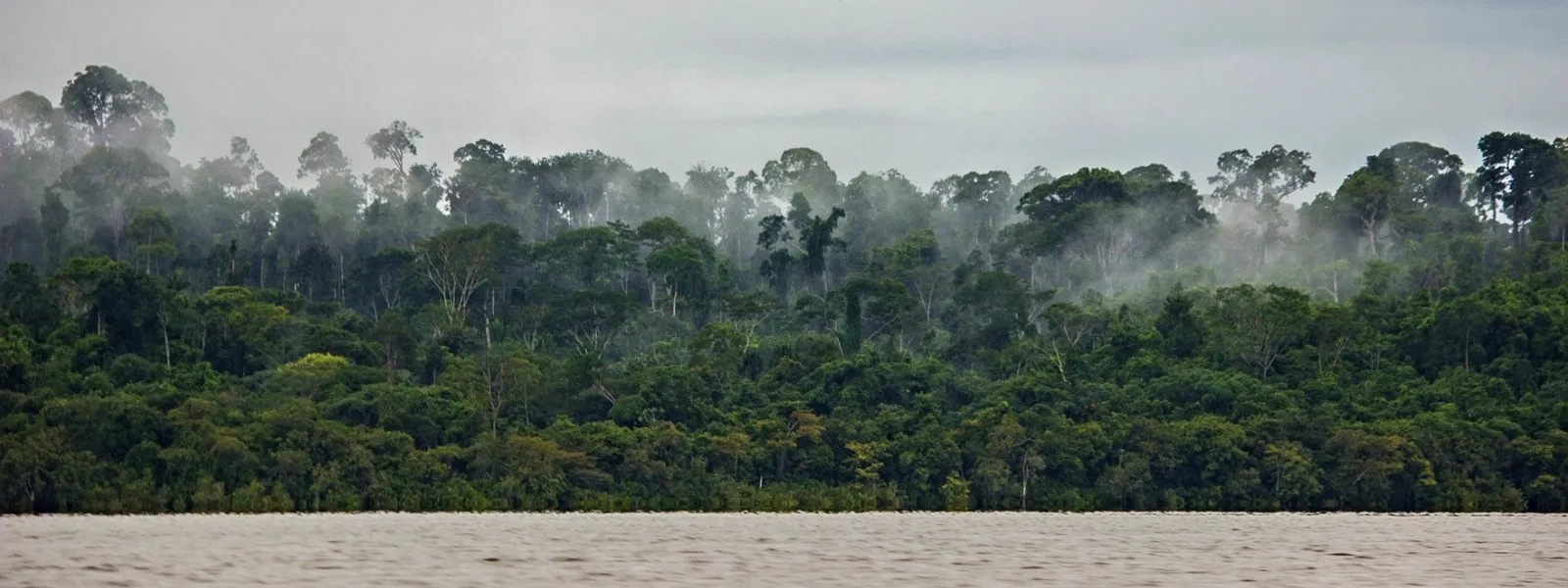
A usina hidrelétrica de Belo Monte — a quarta maior do mundo em capacidade instalada (11.233 MW) — foi construída no rio Xingu, no estado do Pará, norte do Brasil.
Foi inaugurada em 5 de maio de 2016, com uma única turbina. Naquela época, 80% do curso do rio foi desviado e 516 km² de terra foram inundados, uma área maior que a cidade de Chicago. Desse total, 400 km² eram de mata nativa. A usina começou a operar em plena capacidade em novembro de 2019.
Belo Monte foi construída e é operada pelo consórcio Norte Energia S.A., composto principalmente por empresas estatais. Foi financiada pelo Banco Nacional de Desenvolvimento Econômico e Social (BNDES), que aportou ao consórcio 25,4 bilhões de reais (aproximadamente US$ 10,16 bilhões), o maior investimento de sua história. Portanto, o BNDES também é legalmente responsável pelos impactos socioambientais associados ao projeto hidrelétrico.
Décadas de danos ambientais e humanos
As violações dos direitos humanos e a degradação da Amazônia remontam ao início do projeto. Em março de 2011, a Norte Energia iniciou a construção da barragem sem consulta adequada e sem o consentimento prévio, livre e informado das comunidades afetadas.
A construção levou ao deslocamento forçado de mais de 40.000 pessoas, rompendo laços sociais e culturais. O plano de reassentamento em Altamira — cidade diretamente afetada pelo projeto hidrelétrico — incluía moradias na periferia da cidade, sem serviços públicos adequados, moradias dignas para as famílias reassentadas e moradias diferenciadas para aqueles pertencentes a comunidades indígenas.
A operação da barragem de Belo Monte impôs uma seca permanente e artificial na Volta Grande do rio Xingu, agravada pelas secas históricas na Amazônia em 2023 e 2024. Como resultado, a morte de milhões de ovos de peixe foi documentada por quatro anos consecutivos (de 2021 a 2024) e, nos últimos três anos, não houve migração de peixes rio acima para desovar e se reproduzir. Assim, a pesca artesanal, principal fonte de proteína para os povos indígenas e comunidades ribeirinhas, foi severamente afetada: o consumo de peixe caiu de 50% para 30% do total de proteínas consumidas, sendo substituído por alimentos processados. Em suma, houve um colapso ambiental e humanitário que resultou no colapso da pesca como modo de vida tradicional, insegurança alimentar e falta de acesso à água potável para milhares de famílias, empobrecimento e doenças.
Além disso, a construção da barragem aumentou o desmatamento e intensificou a extração ilegal de madeira e a insegurança em terras indígenas e tribais, colocando em risco a sobrevivência dessas comunidades. Outra consequência foi o agravamento da pobreza e dos conflitos sociais, bem como a sobrecarga dos sistemas de saúde, educação e segurança pública em Altamira, cidade considerada a mais violenta do país em 2017, onde houve aumento do tráfico de pessoas e da violência sexual. Também foram registrados casos de violência contra defensores de direitos humanos envolvidos no caso.
Em 2025, durante a 30ª Conferência das Nações Unidas sobre Mudanças Climáticas (COP30), realizada no Brasil, o Ministério Público Federal classificou os danos causados por Belo Monte como ecocídio.
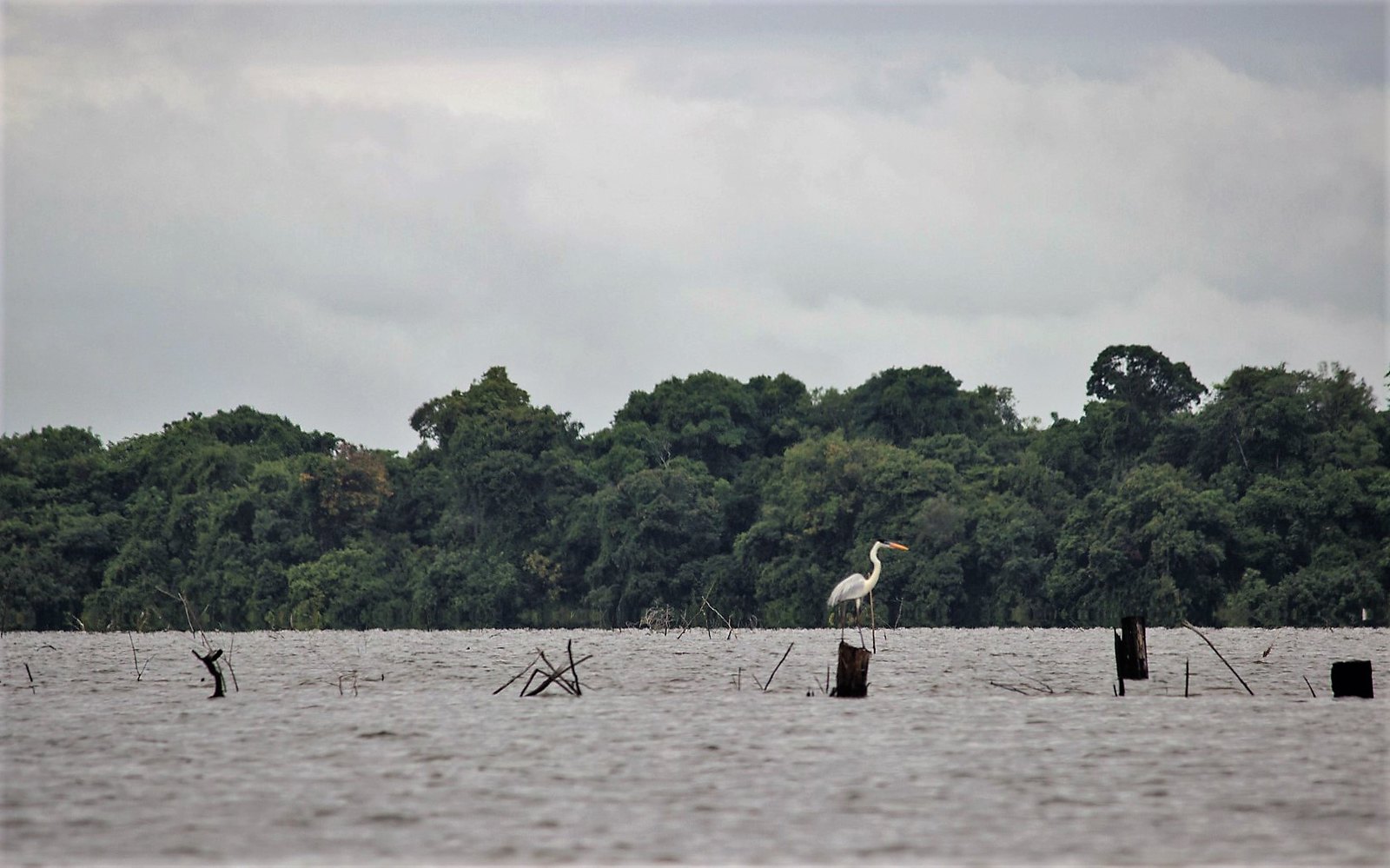
Foto: Amazon Watch / Maíra Irigaray.
A busca por justiça e reparação
Ao longo dos anos, o Ministério Público Federal do Pará, a Defensoria Pública e organizações da sociedade civil impetraram dezenas de ações judiciais em tribunais brasileiros para contestar as diversas irregularidades do projeto, bem como seus impactos. A maioria das ações permanece sem solução, algumas há mais de 10 anos.
Essas ações não obtiveram sucesso porque o governo federal tem reiteradamente anulado decisões favoráveis às comunidades afetadas, recorrendo a um mecanismo pelo qual o presidente do Supremo Tribunal Federal pode suspender uma decisão judicial com base unicamente em argumentos genéricos como "interesse nacional" ou "ordem econômica".
Diante da falta de respostas eficazes em nível nacional, a AIDA — juntamente com uma coalizão de organizações aliadas — levou o caso à Comissão Interamericana de Direitos Humanos (CIDH) e, em 2010, solicitou medidas cautelares para proteger a vida, a integridade e a saúde das comunidades indígenas afetadas.
Em 1º de abril de 2011, a CIDH concedeu essas medidas e solicitou ao Estado brasileiro a suspensão das licenças ambientais e de quaisquer obras de construção até que as condições relativas à consulta prévia e à proteção da saúde e integridade das comunidades fossem atendidas.
E, em 16 de junho de 2011, apresentamos uma denúncia formal à CIDH — juntamente com o Movimento Xingu Vivo Para Siempre, a Coordenação das Organizações Indígenas da Amazônia Brasileira, a Diocese de Altamira, o Conselho Missionário Indígena, a Sociedade Pará de Defesa dos Direitos Humanos e a Global Justice — contra o Estado brasileiro por sua responsabilidade internacional nas violações de direitos humanos contra os povos afetados neste caso. A denúncia foi apresentada em dezembro de 2015.
Em 3 de agosto de 2011, a CIDH modificou as medidas cautelares para solicitar — em vez da suspensão de licenças e obras — a proteção dos povos que vivem em isolamento voluntário, a saúde das comunidades indígenas e a regularização e proteção das terras ancestrais.
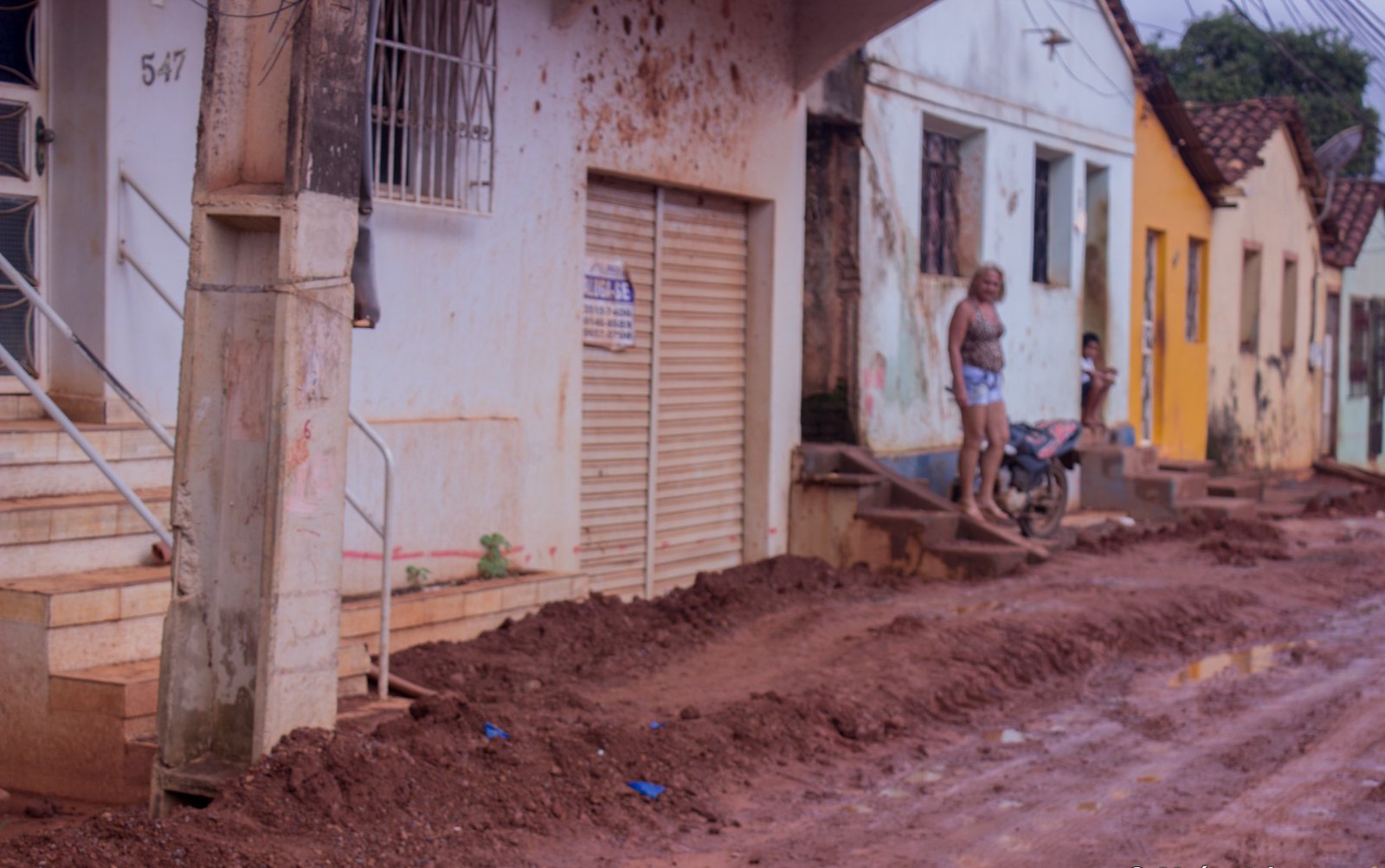
Foto: Amazon Watch / Maíra Irigaray.
Situação atual
As medidas de proteção concedidas pela CIDH permanecem em vigor, mas o Estado brasileiro não as cumpriu integralmente, relatando apenas ações genéricas. As comunidades documentaram as contínuas violações de seus direitos. A situação que motivou o pedido dessas medidas — o risco à vida, à segurança e aos meios de subsistência das comunidades — persiste e se agravou com a usina hidrelétrica operando em plena capacidade e com as recentes secas extremas na Amazônia.
Além do ocorrido em Belo Monte, existe o risco de maiores danos sociais e ambientais decorrentes da implementação de outro megaprojeto de mineração na Volta Grande do Xingu. Lá, a empresa canadense Belo Sun pretende construir a maior mina de ouro a céu aberto do Brasil.
Os impactos sinérgicos e cumulativos da usina e da mina não foram avaliados. O Estado excluiu povos indígenas, comunidades ribeirinhas e comunidades camponesas do processo de licenciamento ambiental do projeto. Apesar disso, dos protestos indígenas e de outras irregularidades em torno do projeto, o governo do estado do Pará autorizou formalmente a mina em abril de 2026.
Belo Monte, assim como outras usinas hidrelétricas, agrava a emergência climática ao gerar emissões de gases de efeito estufa em seu reservatório. Além disso, é ineficiente diante das secas prolongadas e intensas causadas pela crise, pois perde capacidade de geração de energia.
O caso perante a Comissão Interamericana
Em outubro de 2017, a CIDH anunciou que decidiria conjuntamente sobre a admissibilidade (se o caso preenche os requisitos para admissão) e o mérito (se houve, de fato, violação de direitos humanos) da denúncia internacional contra o Estado brasileiro.
Quinze anos após a apresentação da denúncia, as comunidades afetadas e as organizações que as representam ainda aguardam essa decisão. Caso a CIDH conclua que houve violações de direitos humanos e emita recomendações que o Estado brasileiro não cumpra, poderá encaminhar o caso à Corte Interamericana de Direitos Humanos, cujas decisões são vinculativas.
Uma possível decisão da Corte Internacional de Direitos Humanos neste caso estabeleceria um precedente jurídico regional em relação aos direitos dos povos indígenas e ribeirinhos, à participação pública em megaprojetos e à responsabilidade do Estado no contexto da crise climática. Isso é particularmente relevante à luz do Parecer Consultivo nº 32 da Corte, que reafirmou as obrigações dos Estados de proteger pessoas e comunidades em todo o continente da emergência climática.
Partners:
Related projects
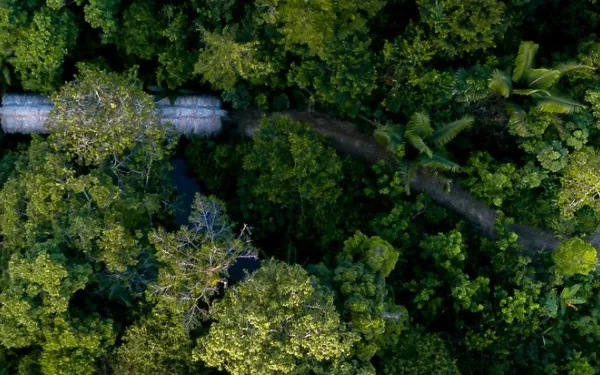
Closure and Responsible Exit
A requirement for environmental and climate justice in Latin America No natural resource (material or energy) extraction project lasts forever. Its useful life is subject to many variables, including endogenous factors -such as the amount of resource reserves or the extraction rate- and exogenous factors -such as decisions to address the climate crisis, the decrease in demand, financial problems, etc.- that condition the moment in which the project must close or the moment in which an actor in its value and supply chain must leave. Regardless of the length of the project's useful life or how it may be affected, a responsible closure process with the natural environment and society must be contemplated, which must be desired and promoted by all the stakeholders involved.This issue is even more relevant in the context of the climate crisis we are experiencing, which makes it urgent to implement measures to manage it in the short, medium and long term. Many of the actions required to meet greenhouse gas (GHG) mitigation targets are related to energy transition, which implies, in general terms, at least two things: 1) the substitution of fossil fuel extraction and use projects and 2) the promotion of low-emission renewable energies, which are associated with mineral extraction. In both scenarios, closure and exit issues are of great importance.In both extraction and generation projects, the role of their promoters, whether public or private, is essential. Likewise, the obligation of supervision and oversight of the States is very important for the protection and guarantee of the rights of those who may be affected. On occasions, the responsibility of the exit includes other key actors that are part of the value and supply chains of the projects: investors, insurers, distributors and buyers, among others.In Latin America, there have been important advances in regulating aspects related to the authorization, start-up and implementation of mining and energy projects. In these phases, environmental principles such as prevention and precaution, as well as rights such as prior consultation and free, prior and informed consent, and access rights, have played a crucial role in determining the viability and progress of projects, as well as in protecting and guaranteeing the rights of communities in the region. However, experience has shown that there are significant challenges for the closure and exit processes to be responsible with the ecosystems and communities involved. Indeed, the lack of a closure process, as well as the lack of clarity about the obligations surrounding the social transition processes and overcoming the conditions of economic dependence, are complex obstacles that can exacerbate environmental and social impacts. This report arises from the idea of proposing approaches based on law and science to address the closure and responsible exit of projects. To this end, we at the Interamerican Association for Environmental Defense (AIDA), in the period 2022-2024, interviewed various stakeholders and systematized 12 cases that exemplify the problematic situation of multiple fossil fuel extraction, mineral and power generation projects, which are in the closure phase or in exit processes in different countries of the region. These cases highlight the current challenges and legal, technical and administrative gaps regarding closure and exit in specific contexts.With this publication, we seek to provide answers to the following questions: what is meant by project closure and exit, what is the basis for closure and exit obligations under international law, what should closure and exit look like, who should be involved in these processes, and how should the social, environmental, economic and human rights challenges and impacts that arise from them be addressed? Read and download the report
Read more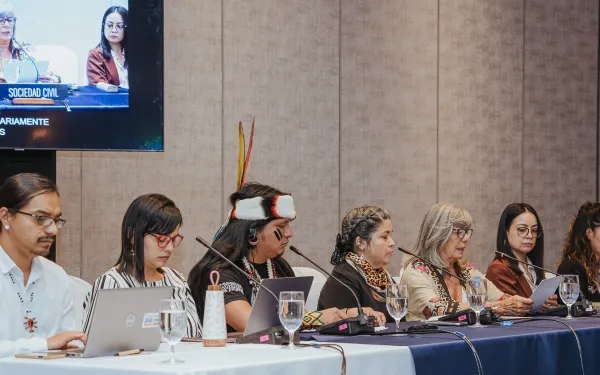
When environmental defenders in Latin America take the stage at key international forums
By Víctor Quintanilla and Mayela Sánchez García* The voices of communities across Latin America and the Caribbean are powerful, especially when they call for environmental protection amid multiple, growing threats.Often, this demand falls on deaf ears among those who deliver justice at the national or local level.This trend makes it necessary to turn to complementary avenues of international justice.One such platform is provided by the Inter-American Commission on Human Rights (IACHR), an international body with a critical mandate: the promotion and protection of human rights on the continent.As an organization driven by the mission of guaranteeing the right to a healthy environment in Latin America and the Caribbean, the IACHR serves as a key forum for highlighting environmental issues that affect human rights in the region. We do this in alliance with communities and partner organizations. This allows the voices of local communities to be heard by an international body capable of urging the continent’s governments to change their practices and strengthen their standards for protecting populations affected by environmental degradation. Testimonies calling for a responsible phase-out of fossil fuelsBringing the voices of communities before the IACHR is also an opportunity to highlight regional patterns of risk and human rights violations.So it was on March 10, when representatives from communities in Colombia, Chile, Ecuador, and the Dominican Republic testified before the Commission about how decades of fossil fuel extraction and use have seriously violated human rights such as the right to a healthy environment, the right to health, and the right to access information and participate in environmental matters."Our region doesn’t just need to decarbonize its energy system; it also needs to address the historical injustice that our communities have endured," said Yaneth Ortiz, a representative of the Wayuu indigenous people of La Guajira, a region in northern Colombia that has been severely impacted by the operations of the Carbones del Cerrejón mining project.Their messages were heard by the IACHR during a public hearing titled "Human rights situation related to fossil fuel extraction," held as part of its 195th Period of Sessions.Community representatives also noted that, in the current context of the energy transition, these violations and risks have become more severe."Our children are getting sick in their own schools. Despite all this, there are no clear parties to blame and no structural solutions… For us, this decarbonization process [in Chile] has been insufficient and lacking in transparency," said Katta Alonso, speaking on behalf of the Chilean organization Mujeres en Zonas de Sacrificio en Resistencia. The local experiences shared highlighted the urgency of implementing just transitions, which entail the responsible phase-out of fossil fuel projects throughout the region.Meanwhile, Juan Bay, president of the Waorani Nationality of Ecuador (NAWE), stated: "We have not been consulted in a prior, free, and informed manner regarding oil exploration on our territory, nor regarding the establishment of the protected area. We now demand that our rights be respected in the process of closing down oil operations and in the environmental and social remediation."AIDA requested the hearing in collaboration with the communities and partner organizations. "We explained the risks and human rights violations faced by various communities in the context of the closure and irresponsible exit of coal, gas, and oil extraction and combustion projects," explains Rosa Peña, AIDA’s attorney.The Commission views the purpose of these hearings as gathering information on human rights issues in specific countries or regionally, in order to issue recommendations to governments aimed at ensuring respect for and the enjoyment of human rights.Before each session, it receives a huge number of requests to address various human rights issues across the continent during the hearings—issues that go beyond just the environment or climate."This is how we got here, after convincing the Commission of the importance of approaching this issue from a human rights perspective and of listening to the communities," says Liliana Ávila, director of AIDA’s Human Rights and Environment Program.Over the years, AIDA has developed significant expertise and leadership in successfully bringing cases before the Inter-American Commission on Human Rights (IACHR) and the Inter-American Court of Human Rights—the two pillars of the Inter-American Human Rights System, a mechanism of the Organization of American States—to achieve regional impact in the protection of a healthy environment, in partnership with local communities. Voices against the damage caused by illegal miningAlso, during the 195th Period of Sessions of the IACHR, we participated in the ex officio hearing titled "Impacts of illegal mining on economic, social, cultural and environmental rights," convened by the Commission itself.Our contribution joined other voices in highlighting why this activity is now one of the most alarming phenomena on the continent, given its severe impact on ecosystems and human rights. In Latin America, gold mining fuels illegal extraction that violates numerous rights, primarily those of indigenous peoples and traditional communities. At the hearing, we proposed relevant measures to the Commission to address the issue from a regional perspective.At AIDA, we seek to amplify the strength of local communities and their people, bringing their wisdom to decision-making forums with the potential to transform realities and build a better future for the continent. *Víctor Quintanilla-Sangüeza is AIDA’s Content Coordinator, and Mayela Sánchez García is the organization’s digital community specialist.
Read more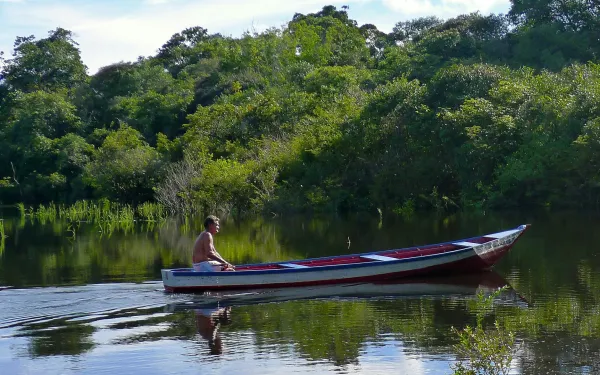
International Principles for Responsible Divestment from Fossil Fuels
Against the backdrop of an ever-worsening climate emergency, companies must rapidly withdraw from the extraction of coal, oil, and gas as well as associated fossil energy industries and ancillary facilities for transport, storage, refining, and processing. The urgent need to quit fossil fuels, however, does not justify irresponsible divestment by fossil energy companies. Rapid closure and responsible closure of the fossil fuel industry are not mutually incompatible agendas. Both are vital to achieve climate and environmental justice and a just energy transition.In the absence of responsible divestment policies and practices, communities are left facing legacy pollution, as well as the long-term health risks that come from abandoned infrastructure that is not properly decommissioned and a lack of proper ecosystem restoration. Many communities also confront significant loss of livelihoods and financial hardship as the fossil fuel industry divests with no regard for the local economic consequences, particularly where economic dependencies have been built up over time.Rooted in the lived experiences and demands of communities and workers affected by fossil fuel activities around the world, and in line with existing international obligations of states and international frameworks for corporate accountability, including the responsibility to respect human rights, these International Principles for Responsible Divestment from Fossil Fuels set out a positive agenda that all companies and states must follow to advance a just transition. They are designed to shift the power imbalance currently favouring powerful companies and states in order to ensure that affected communities and workers have agency and control over how fossil fuel divestment occurs. They are intended to be followed by companies and made obligatory by the states. Read and download the document
Read more