
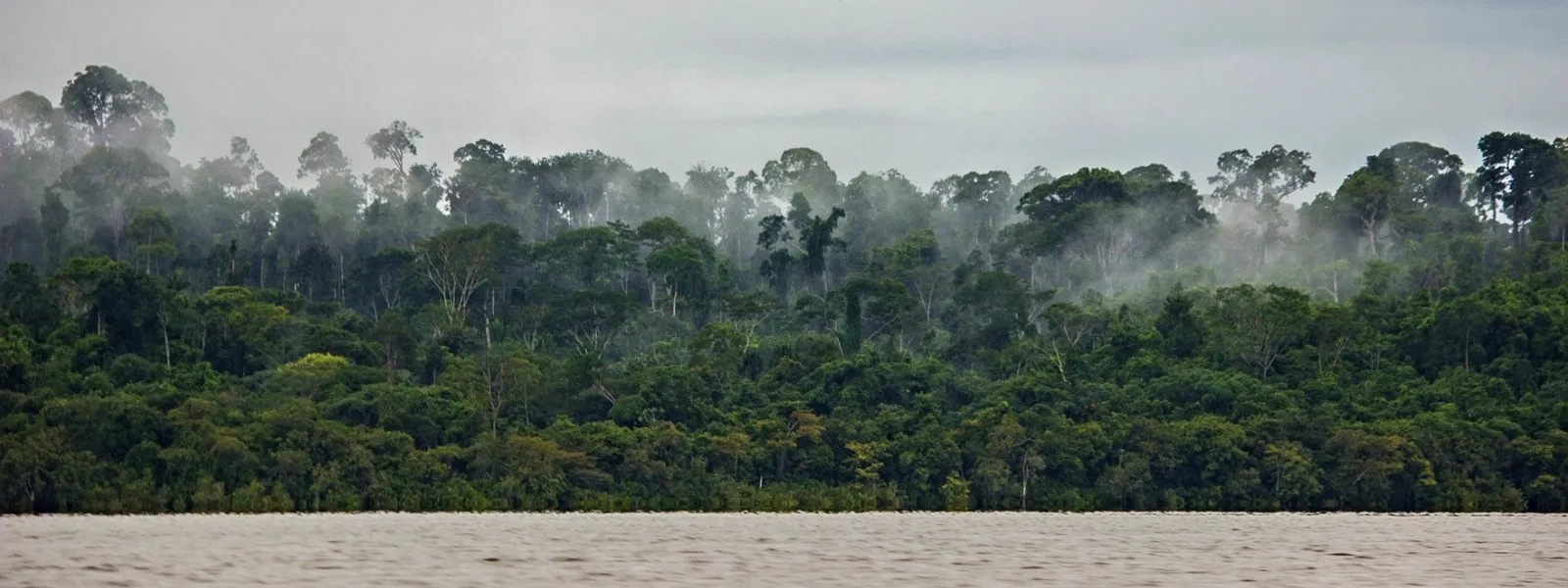
Project
Amazon Watch / Maíra Irigaray
Barragem de Belo Monte no rio Xingu: 10 anos de impactos na Amazônia e de busca por reparações
A usina hidrelétrica de Belo Monte causou um desastre ambiental e social no coração da Amazônia: um dos ecossistemas mais importantes do planeta.
Essa situação só piorou desde que a usina começou a operar em 2016. A busca por justiça e reparação para as comunidades indígenas e ribeirinhas afetadas continua até hoje.
Em 2011, a Comissão Interamericana de Direitos Humanos (CIDH) concedeu a essas comunidades medidas de proteção, que até hoje não foram totalmente implementadas pelo Estado brasileiro.
E, desde junho daquele mesmo ano, a CIDH mantém um processo contra o Estado por sua responsabilidade internacional no caso.
A CIDH pode encaminhar o caso à Corte Interamericana de Direitos Humanos, que tem o poder de emitir uma sentença condenatória contra o Estado brasileiro.
Consulta o expediente de fatos do caso
Após 10 anos de operação da usina hidrelétrica e mais de 15 anos de violações de direitos humanos documentadas, é hora da justiça ser feita para as comunidades afetadas.
Leia a carta aberta das organizações que levam o caso à CIDH
Leia nosso comunicado à imprensa
Contexto
A usina hidrelétrica de Belo Monte — a quarta maior do mundo em capacidade instalada (11.233 MW) — foi construída no rio Xingu, no estado do Pará, norte do Brasil.
Foi inaugurada em 5 de maio de 2016, com uma única turbina. Naquela época, 80% do curso do rio foi desviado e 516 km² de terra foram inundados, uma área maior que a cidade de Chicago. Desse total, 400 km² eram de mata nativa. A usina começou a operar em plena capacidade em novembro de 2019.
Belo Monte foi construída e é operada pelo consórcio Norte Energia S.A., composto principalmente por empresas estatais. Foi financiada pelo Banco Nacional de Desenvolvimento Econômico e Social (BNDES), que aportou ao consórcio 25,4 bilhões de reais (aproximadamente US$ 10,16 bilhões), o maior investimento de sua história. Portanto, o BNDES também é legalmente responsável pelos impactos socioambientais associados ao projeto hidrelétrico.
Décadas de danos ambientais e humanos
As violações dos direitos humanos e a degradação da Amazônia remontam ao início do projeto. Em março de 2011, a Norte Energia iniciou a construção da barragem sem consulta adequada e sem o consentimento prévio, livre e informado das comunidades afetadas.
A construção levou ao deslocamento forçado de mais de 40.000 pessoas, rompendo laços sociais e culturais. O plano de reassentamento em Altamira — cidade diretamente afetada pelo projeto hidrelétrico — incluía moradias na periferia da cidade, sem serviços públicos adequados, moradias dignas para as famílias reassentadas e moradias diferenciadas para aqueles pertencentes a comunidades indígenas.
A operação da barragem de Belo Monte impôs uma seca permanente e artificial na Volta Grande do rio Xingu, agravada pelas secas históricas na Amazônia em 2023 e 2024. Como resultado, a morte de milhões de ovos de peixe foi documentada por quatro anos consecutivos (de 2021 a 2024) e, nos últimos três anos, não houve migração de peixes rio acima para desovar e se reproduzir. Assim, a pesca artesanal, principal fonte de proteína para os povos indígenas e comunidades ribeirinhas, foi severamente afetada: o consumo de peixe caiu de 50% para 30% do total de proteínas consumidas, sendo substituído por alimentos processados. Em suma, houve um colapso ambiental e humanitário que resultou no colapso da pesca como modo de vida tradicional, insegurança alimentar e falta de acesso à água potável para milhares de famílias, empobrecimento e doenças.
Além disso, a construção da barragem aumentou o desmatamento e intensificou a extração ilegal de madeira e a insegurança em terras indígenas e tribais, colocando em risco a sobrevivência dessas comunidades. Outra consequência foi o agravamento da pobreza e dos conflitos sociais, bem como a sobrecarga dos sistemas de saúde, educação e segurança pública em Altamira, cidade considerada a mais violenta do país em 2017, onde houve aumento do tráfico de pessoas e da violência sexual. Também foram registrados casos de violência contra defensores de direitos humanos envolvidos no caso.
Em 2025, durante a 30ª Conferência das Nações Unidas sobre Mudanças Climáticas (COP30), realizada no Brasil, o Ministério Público Federal classificou os danos causados por Belo Monte como ecocídio.
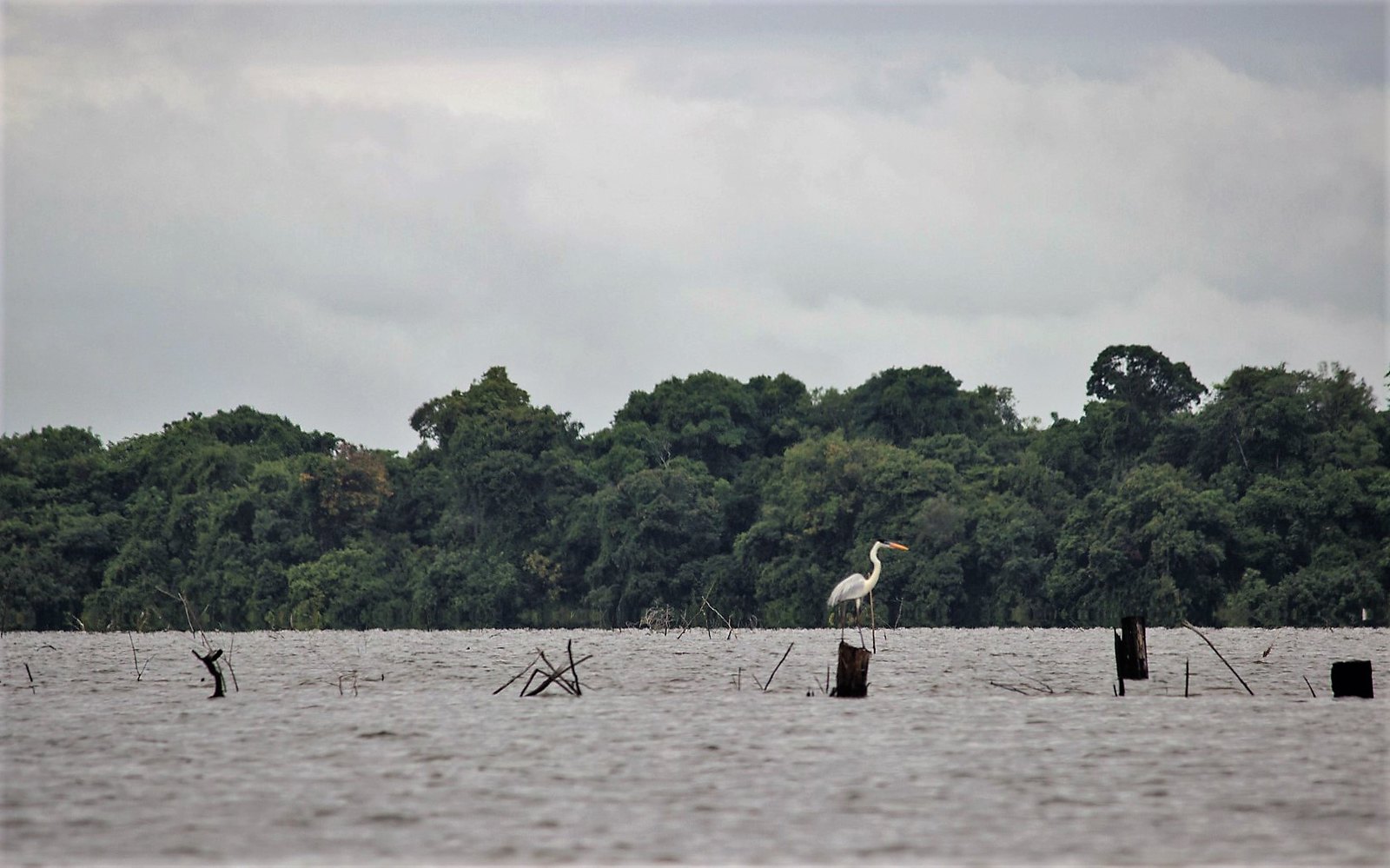
Foto: Amazon Watch / Maíra Irigaray.
A busca por justiça e reparação
Ao longo dos anos, o Ministério Público Federal do Pará, a Defensoria Pública e organizações da sociedade civil impetraram dezenas de ações judiciais em tribunais brasileiros para contestar as diversas irregularidades do projeto, bem como seus impactos. A maioria das ações permanece sem solução, algumas há mais de 10 anos.
Essas ações não obtiveram sucesso porque o governo federal tem reiteradamente anulado decisões favoráveis às comunidades afetadas, recorrendo a um mecanismo pelo qual o presidente do Supremo Tribunal Federal pode suspender uma decisão judicial com base unicamente em argumentos genéricos como "interesse nacional" ou "ordem econômica".
Diante da falta de respostas eficazes em nível nacional, a AIDA — juntamente com uma coalizão de organizações aliadas — levou o caso à Comissão Interamericana de Direitos Humanos (CIDH) e, em 2010, solicitou medidas cautelares para proteger a vida, a integridade e a saúde das comunidades indígenas afetadas.
Em 1º de abril de 2011, a CIDH concedeu essas medidas e solicitou ao Estado brasileiro a suspensão das licenças ambientais e de quaisquer obras de construção até que as condições relativas à consulta prévia e à proteção da saúde e integridade das comunidades fossem atendidas.
E, em 16 de junho de 2011, apresentamos uma denúncia formal à CIDH — juntamente com o Movimento Xingu Vivo Para Siempre, a Coordenação das Organizações Indígenas da Amazônia Brasileira, a Diocese de Altamira, o Conselho Missionário Indígena, a Sociedade Pará de Defesa dos Direitos Humanos e a Global Justice — contra o Estado brasileiro por sua responsabilidade internacional nas violações de direitos humanos contra os povos afetados neste caso. A denúncia foi apresentada em dezembro de 2015.
Em 3 de agosto de 2011, a CIDH modificou as medidas cautelares para solicitar — em vez da suspensão de licenças e obras — a proteção dos povos que vivem em isolamento voluntário, a saúde das comunidades indígenas e a regularização e proteção das terras ancestrais.
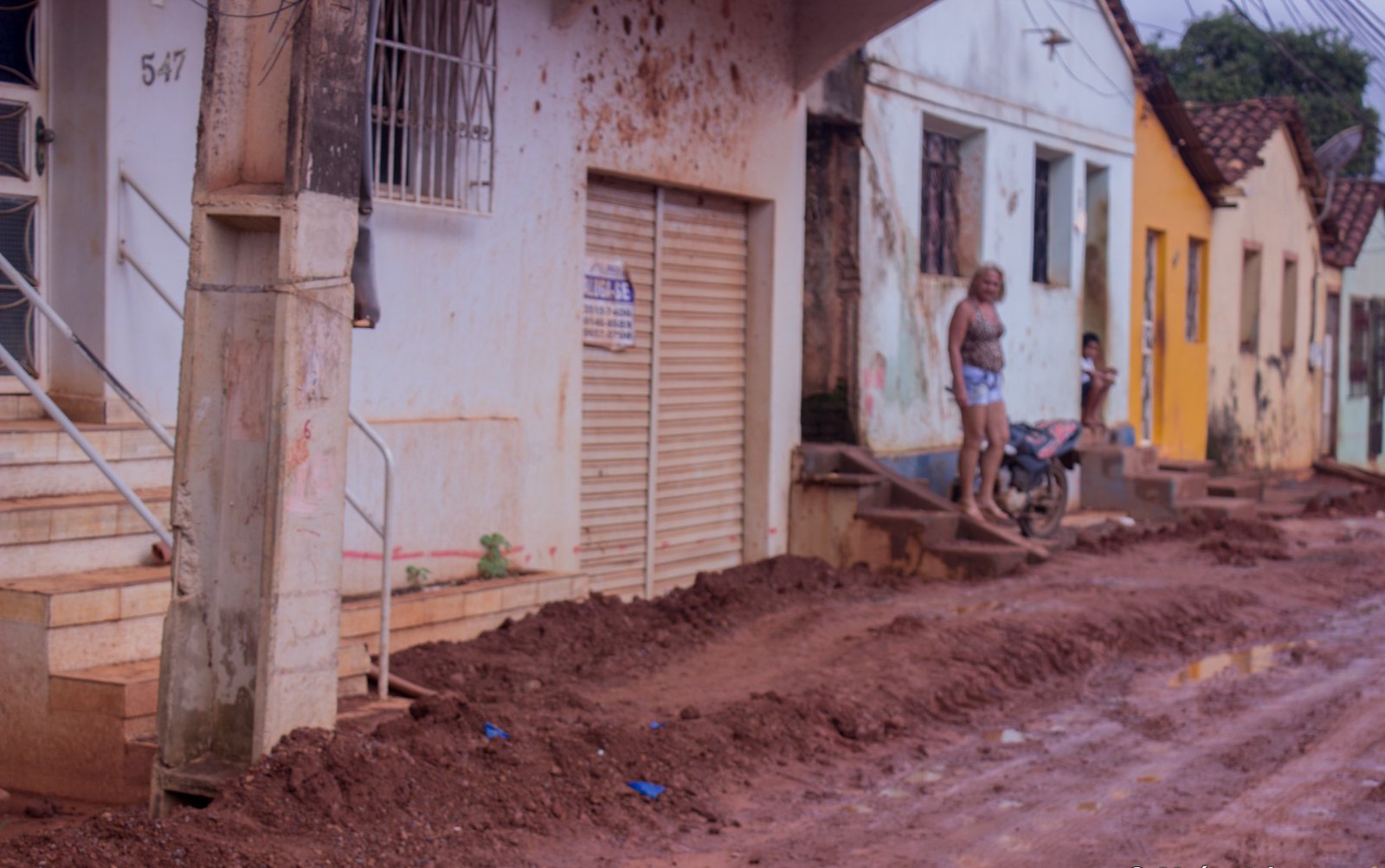
Foto: Amazon Watch / Maíra Irigaray.
Situação atual
As medidas de proteção concedidas pela CIDH permanecem em vigor, mas o Estado brasileiro não as cumpriu integralmente, relatando apenas ações genéricas. As comunidades documentaram as contínuas violações de seus direitos. A situação que motivou o pedido dessas medidas — o risco à vida, à segurança e aos meios de subsistência das comunidades — persiste e se agravou com a usina hidrelétrica operando em plena capacidade e com as recentes secas extremas na Amazônia.
Além do ocorrido em Belo Monte, existe o risco de maiores danos sociais e ambientais decorrentes da implementação de outro megaprojeto de mineração na Volta Grande do Xingu. Lá, a empresa canadense Belo Sun pretende construir a maior mina de ouro a céu aberto do Brasil.
Os impactos sinérgicos e cumulativos da usina e da mina não foram avaliados. O Estado excluiu povos indígenas, comunidades ribeirinhas e comunidades camponesas do processo de licenciamento ambiental do projeto. Apesar disso, dos protestos indígenas e de outras irregularidades em torno do projeto, o governo do estado do Pará autorizou formalmente a mina em abril de 2026.
Belo Monte, assim como outras usinas hidrelétricas, agrava a emergência climática ao gerar emissões de gases de efeito estufa em seu reservatório. Além disso, é ineficiente diante das secas prolongadas e intensas causadas pela crise, pois perde capacidade de geração de energia.
O caso perante a Comissão Interamericana
Em outubro de 2017, a CIDH anunciou que decidiria conjuntamente sobre a admissibilidade (se o caso preenche os requisitos para admissão) e o mérito (se houve, de fato, violação de direitos humanos) da denúncia internacional contra o Estado brasileiro.
Quinze anos após a apresentação da denúncia, as comunidades afetadas e as organizações que as representam ainda aguardam essa decisão. Caso a CIDH conclua que houve violações de direitos humanos e emita recomendações que o Estado brasileiro não cumpra, poderá encaminhar o caso à Corte Interamericana de Direitos Humanos, cujas decisões são vinculativas.
Uma possível decisão da Corte Internacional de Direitos Humanos neste caso estabeleceria um precedente jurídico regional em relação aos direitos dos povos indígenas e ribeirinhos, à participação pública em megaprojetos e à responsabilidade do Estado no contexto da crise climática. Isso é particularmente relevante à luz do Parecer Consultivo nº 32 da Corte, que reafirmou as obrigações dos Estados de proteger pessoas e comunidades em todo o continente da emergência climática.
Partners:
Related projects
Victims in La Oroya call on the President of Peru to comply with the Inter-American Court ruling after nearly two years of delays
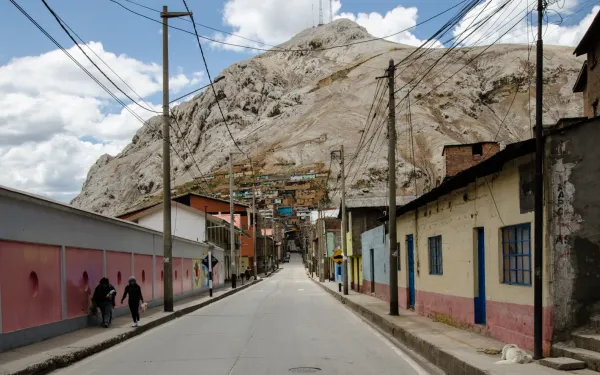
The group of victims recognized by the international court emphasizes the urgency of implementing the ruling on issues related to ending pollution in the city of La Oroya, providing comprehensive and specialized medical care, and paying compensation. La Oroya, Peru. Victims of decades of pollution caused by the operations of the La Oroya Metallurgical Complex sent a letter to the President of the Republic on December 19, 2025, urgently requesting compliance with the Inter-American Court of Human Rights' ruling ordering the Peruvian State to adopt comprehensive measures of justice and reparation. In the letter, part of the group of 80 victims recognized by the international court in the La Oroya v. Peru case, the group emphasizes compliance with the ruling on issues related to pollution prevention in the city, comprehensive and differentiated medical care, and the payment of compensation."Mr. President, do we have to wait another 20 years to obtain some kind of reparation? Since we began this long struggle, seven people from this group of victims have died without obtaining justice. Two of them, including a minor, died as a result of health damage caused by pollution in La Oroya, as the Inter-American Court of Human Rights confirmed in its ruling," the victims point out.Their request comes after almost two years of delays in the effective implementation of the ruling, notified on March 22, 2024, and after the Inter-American Court of Human Rights notified its interpretative judgment in November last year, in which it referred only to certain specific aspects of the original judgment that required further clarification to facilitate its execution. These points relate to health care measures, the relocation of affected persons, follow-up deadlines, compensation, and the acknowledgment of responsibility and a public apology.However, both the victims and the organizations supporting their struggle emphasize that, as established by the Inter-American Court, all orders in the original judgment are in force and fully enforceable from the moment they were issued in March 2024, with no legal impediment to immediate compliance.An essential step in achieving this is the urgent publication of the resolution determining jurisdiction by the Attorney General's Office."The victims have resorted to all legal and institutional mechanisms to access justice and see their rights restored. Today, preventing the population of La Oroya from continuing to be exposed to environmental pollution, guaranteeing comprehensive health care for those who have been affected by toxic metals, and ensuring the payment of compensation ordered by the Court are necessary and fully implementable steps for the Peruvian State to comply not only with its international obligations, but also with its fundamental duty to protect the life, health, and dignity of the people who inhabit its territory," said Rosa Peña, senior attorney at the Interamerican Association for Environmental Defense (AIDA). Christian Huaylinos, from the legal department of the Pro Human Rights Association (APRODEH), highlighted the importance of implementing the ruling throughout the country: "Several of the provisions ordered by the Court are relevant at the national level, meaning that they benefit Peruvian citizens in general in relation to pollution from mining and metallurgical activities. These include harmonizing national-level air quality regulations, guaranteeing respect for human rights and due diligence, and designing and implementing an air and water quality information system in areas of Peru with greater mining and metallurgical activity. In this regard, achieving timely and efficient compliance by the State represents the significance of the case for the benefit of all Peruvians."The victims emphasize that, given the clarifications made by the Inter-American Court in its interpretative judgment, there is no justification for the institutional delays that for more than two decades have prevented access to justice and reparation for the families affected by the pollution generated by the La Oroya Metallurgical Complex.This case has become one of the most important precedents in Latin America for protecting the rights to a healthy environment, clean air, and health, especially for communities exposed to highly polluting business operations. After more than 20 years of struggle, the victims hope that the Peruvian State will finally guarantee the justice and reparation ordered by the Inter-American Human Rights System. The victims, the population of La Oroya, and the organizations involved in the case reiterate their willingness to collaborate with the responsible institutions to ensure the effective implementation of all measures and to move toward comprehensive reparation and non-repetition.Press contactVíctor Quintanilla (Mexico), AIDA, [email protected], +521 5570522107
Read more
What comes next after the High Seas Treaty enters into force?
The day finally arrived. On January 17, the High Seas Treaty—officially known as the Agreement on the Conservation and Sustainable Use of Marine Biological Diversity of Areas Beyond National Jurisdiction (BBNJ Agreement)—came into force, thereby becoming international law. A historic milestone that took more than two decades to achieve, the treaty establishes for the first time a legal framework to protect biodiversity in the high seas—whose waters cover almost half the planet and belong to all countries—and to ensure that the benefits derived from its resources are distributed equitably worldwide. The implementation of the treaty was activated on September 19, 2025, upon reaching its sixtieth ratification. As of January 15, this year, 83 countries are already States Parties to the agreement. Ratification means that countries, in addition to signing the treaty, give their formal consent to it, often by ensuring that their national laws are consistent with it.But what comes next with the entry into force of the High Seas Treaty? Legal obligations for States With its entry into force, the States Parties to the agreement must begin to comply with a series of legal obligations contained therein. Although some depend on the functioning of the treaty's bodies and mechanisms, others are applicable immediately, including the following:Publicly notify any planned activities under its control that may affect biodiversity in the high seas or on the seabed. These activities must follow the environmental impact assessment processes established by the treaty.Promote the agreement's goals when participating in decision-making forums with other international organizations, such as those that regulate maritime shipping, fishing, and deep-sea mining.Notify and report on matters related to compliance with requirements concerning marine genetic resources, sharing of non-monetary benefits, and cooperation for technology transfer and capacity building. Regarding the last point, the treaty establishes a Clearing-House Mechanism (CHM), a source of knowledge that many countries—especially developing ones—would not otherwise have access to. In general terms, the implementation of the agreement will include, among its most visible obligations, issues of cooperation and coordination between countries based on mechanisms established by the agreement and through links with existing international legal instruments that have historically been applied in isolation. Proposals for marine protected areas on the high seas One of the main goals of the treaty is the creation and proper management of marine protected areas (MPAs) on the high seas to conserve and restore the rich biodiversity found in the ocean.With the treaty now in force, this task cannot begin immediately because its implementation requires the functioning of specific bodies and mechanisms, including the treaty Secretariat, which will receive MPA proposals, and the Scientific and Technical Body, which will evaluate them and issue recommendations on their adoption to the Conference of the Parties.However, countries can begin now with the broad consultation process stipulated in the treaty to develop proposals for MPAs or other area-based management tools (ABMTs), which must be based on the best available scientific and traditional knowledge.Although it is up to countries to propose and then decide on the establishment of areas to be declared reserves for protection on the high seas, there are efforts from civil society to advance this issue. For example, the High Seas Alliance—a coalition of organizations in which AIDA serves as regional coordinator for Latin America—has preliminarily identified eight MPA proposals of high environmental value: three are in the Atlantic (Lost City, Sargasso Sea, and Walvis Ridge), four in the Pacific (Thermal Dome, Salas y Gómez and Nazca Ridges, Emperor Seamounts, and South Tasman Sea), and one in the Indian Ocean (Saya de Malha).The alliance is supporting the governments of Costa Rica and Chile in developing proposals for MPAs located in international waters adjacent to Latin America—the Thermal Dome and Salas y Gómez and Nazca Ridges. The first decision-making meeting of the agreement No later than one year after the High Seas Treaty enters into force—that is, at the end of 2026 or the beginning of 2027—its first Conference of the Parties (COP1) will take place, where key aspects for its implementation and the realization of its benefits will be decided.Only countries that have ratified the agreement may participate in decision-making; the rest may do so as observers. Countries that have only signed the treaty have a good-faith obligation to refrain from acts that defeat its purpose.Ahead of COP1, meetings of the Preparatory Commission are being held to develop proposals on the treaty's institutional architecture (its bodies and decision-making processes), which will be presented for adoption at the conference. With this historic milestone, another key phase now begins: implementation, which will translate it into concrete and lasting measures for the health of the ocean. Its impact will depend on how it is collectively applied and respected. And its effectiveness will be greater when all countries join the agreement.
Read more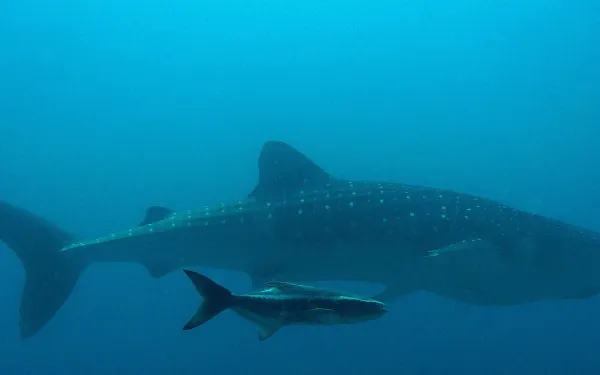
Historic High Seas Treaty enters into force, launching a new era of global ocean governance
New York. Today the High Seas Treaty, formally the Agreement on the Conservation and Sustainable Use of Marine Biological Diversity of Areas Beyond National Jurisdiction (BBNJ), has officially entered into force, marking a historic milestone for global ocean protection and multilateral cooperation.Covering nearly half the planet, the High Seas lie beyond national borders and form part of the global commons. The United Nations Treaty establishes, for the first time, a legal framework to protect biodiversity in these international waters and to ensure the benefits of their resources are shared fairly among nations. "The entry into force of the BBNJ Agreement today stands as a monument to multilateralism and to the years of dedication, dialogue and cooperative action by countless committed people around the world. Global challenges, such as the climate and biodiversity crises, affect all of us. As such, global cooperation is not a choice, it is a necessity. This Treaty embodies hope, resolve, and a shared commitment to a brighter future for the ocean and our planet," said Singapore’s Ambassador for International Law Rena Lee, who served as President of the Treaty negotiations and was pivotal in guiding states to its successful adoption in 2023.With entry into force, the Treaty now provides the tools to create marine protected areas (MPAs) on the High Seas, set clear obligations on how to ensure ocean resources are used sustainably, capacity building and access to technology and tools is prioritised, and mechanisms are established to ensure fair benefit-sharing. This will play a crucial role in achieving global biodiversity and climate goals, including the target to protect 30% of the ocean by 2030.Following two decades of discussions and negotiations, the Treaty text was finalised in March 2023. Sixty country ratifications were required for it to enter into force- a milestone that was reached on 19 September 2025. Today, 120 days later, the Treaty officially becomes international law, and its first Conference of Parties (CoP), the Treaty’s decision-making body, is set to meet within a year."The High Seas are full of life- from tiny plankton all the way up to the great whales that rely on them. We’re only just beginning to understand how important this vast, interconnected world is for the health of our entire planet. Whether it’s underwater mountains, deep-sea plains and trenches, the icy polar waters, or the open-ocean highways that migratory species travel, the High Seas are as vital as they are immense. With the High Seas Treaty now coming into force, we finally have the tools to safeguard this extraordinary part of our planet. Protecting it really does mean protecting our future," said Rebecca Hubbard, Director of the High Seas Alliance.Several legal obligations apply from today. While some of them are dependent on the set up of the Treaty’s institutions and mechanisms, there are some actionable examples from day one, including any planned activity under a Party’s control that could affect the High Seas or seabed must follow the Treaty’s environmental impact assessment processes, and governments need to publicly notify such activities. Parties must also promote the Treaty’s objectives when participating in other bodies such as those that govern shipping, fisheries and seabed mining.Ultimately the Treaty’s true power will depend on how it is collectively implemented and upheld in the years ahead. A broader membership will make it more impactful. With 82 (1) parties already on board, momentum is building and more countries are encouraged to join ahead of CoP1. Meanwhile, the Treaty’s institutional architecture- its bodies and decision-making processes- is currently being shaped through the UN Preparatory Commission, which must deliver strong proposals for adoption at CoP1 so the Treaty can start functioning as soon as possible. Countries are also encouraged to begin identifying important High Seas sites that require protection, so proposals can be brought forward at future CoPs. "At this halfway point of this critical decade, one of the world’s most ambitious ocean initiatives is entering a new era of systemic change in ocean governance. This reflects a renewed commitment to our ocean, its wildlife, the millions of people that rely on its health, and the global goals set for 2030. The High Seas Treaty shows us that meaningful progress is achieved through vision, perseverance and leadership. As we begin a new year, The Earthshot Prize is committed to backing this landmark Treaty and ensuring it moves beyond words to become a practical and enforceable safeguard for our remarkable blue planet," said Jason Knauf, CEO of The Earthshot Prize. (1) As of 14 January 2026, there are 82 ratifications of the BBNJ Agreement. More states may ratify in the coming days. Please check the most up-to-date number on the UN website.AIDA's quote"AIDA welcomes the entry into force of the High Seas Treaty, a landmark achievement for global ocean governance and protection. The Agreement enables progress toward the effective implementation of the principle of the common heritage of humankind and strengthens capacity building and technology transfer, key elements for ensuring equitable participation across all regions, particularly in Latin America. AIDA will continue to support the Treaty’s implementation and global engagement, for the benefit of the ocean and the communities that depend on it". – Gladys Martínez de Lemos, Executive Director of the Interamerican Association for Environmental Defense (AIDA).Notes to editorsSince its founding in 2011, the High Seas Alliance, with its 70+ non-governmental members, has been working towards protecting the 50% of the planet that is the High Seas; the global ocean beyond national jurisdiction. This area includes some of the most biologically important, least protected, and most critically threatened ecosystems in the world.The official status of signatures and ratifications can be found on the UN website and the High Seas Alliance’s ratification tracker. Note: The number shown on the High Seas Alliance tracker reflects only the ratifications that count toward entry into force and does not include the EU’s ratification and therefore differs from the UN’s total count. The High Seas Alliance (HSA) sometimes uses the term “High Seas Treaty“ as a short-hand for the BBNJ Agreement. HSA acknowledges that the scope of the BBNJ Agreement encompasses all Areas beyond national jurisdiction, including the seafloor and water column. This choice of wording is intended to ease understanding for broad audiences and does not convey a prioritization among the components or principles of the BBNJ Agreement.In November 2025 the High Seas Treaty was announced as the winner of the prestigious Earthshot Prize in the “Revive our Oceans” category, recognizing the decades-long efforts to put in place a groundbreaking legal framework to protect marine biodiversity in international waters. Media packThe following folder contains the following resources: High Seas Treaty Q&ABriefing Note: Legal Implications of the Impending Entry into Force of the BBNJ AgreementMPA factsheetPrepCom factsheetA cost-benefit analysis of the BBNJ Agreement in the CaribbeanRecording of the Media Briefing “A historic moment: High Seas Treaty’s entry into force” held on 13 January 2026. Video: Celebrating the Entry into Force of the High Seas Treaty
Read more