
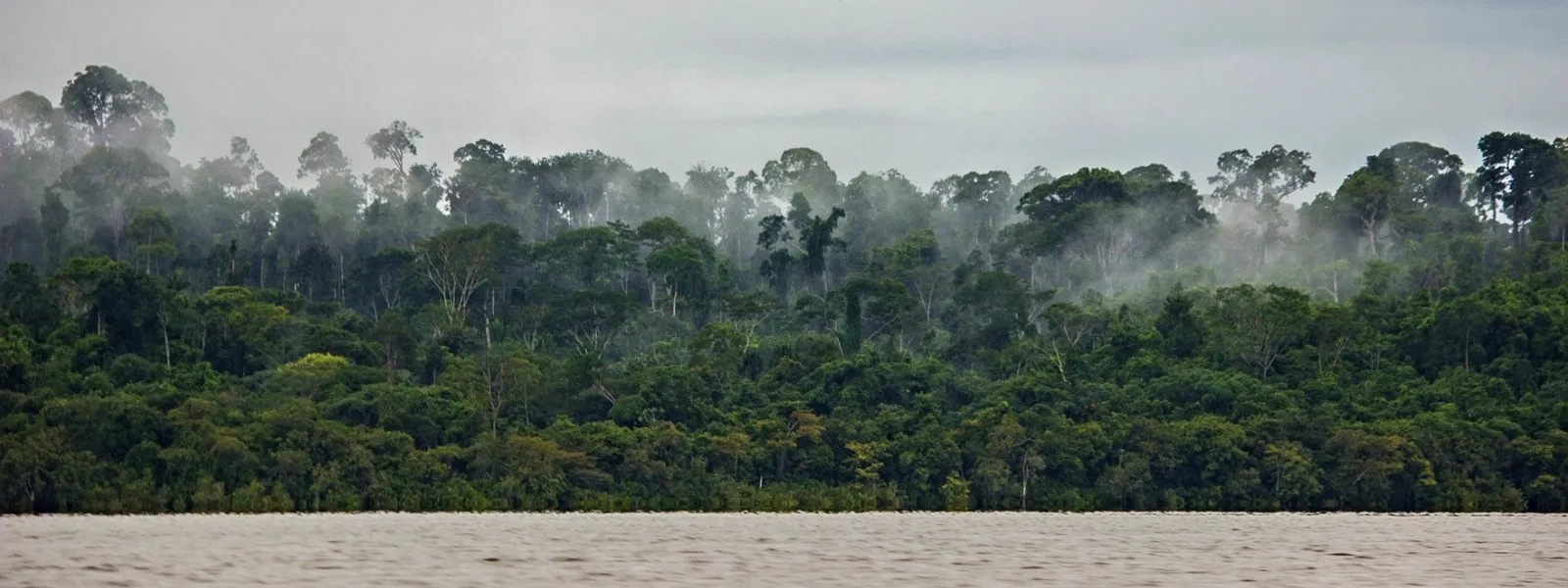
Project
Amazon Watch / Maíra Irigaray
The Belo Monte Dam on the Xingu River: 10 years of impacts in the Amazon and the search for reparations
The Belo Monte Dam has caused an environmental and social disaster in the heart of the Amazon—one of the most important ecosystems on the planet.
This situation has only worsened since the hydroelectric plant began operations in 2016. The quest for justice and reparations by the affected indigenous, fishing, and riverine communities continues to this day.
In 2011, the Inter-American Commission on Human Rights (IACHR) granted them protective measures that, to date, have not been fully implemented by the Brazilian State.
Furthermore, since June of that same year, the IACHR has yet to rule on a complaint against the State regarding its international responsibility in the case.
The IACHR may refer the case to the Inter-American Court of Human Rights, which has the authority to issue a ruling condemning the Brazilian State.
After 10 years of the hydroelectric plant's operation and more than 15 years of documented human rights violations, it is time for justice to be served for the affected communities.
Read the open letter from the organizations bringing the case before the IACHR
Background
The Belo Monte hydroelectric plant—the fourth largest in the world by installed capacity (11,233 MW)—was built on the Xingu River in Pará, a state in northern Brazil.
It was inaugurated on May 5, 2016, with a single turbine. At that time, 80% of the river’s course was diverted, flooding 516 km² of land—an area larger than the city of Chicago. Of that area, 400 km² was native forest. The dam began operating at full capacity in November 2019.
Belo Monte was built and is operated by the Norte Energia S.A. consortium, which is composed primarily of state-owned companies. It was financed by the Brazilian Development Bank (BNDES), which provided the consortium with 25.4 billion reais (approximately US$10.16 billion), the largest investment in the bank’s history. Therefore, the BNDES is also legally responsible for the socio-environmental impacts associated with the hydroelectric plant.
Decades of harm to the environment and people
Human rights violations and degradation of the Amazon have been occurring since the project’s inception. In March 2011, Norte Energía began construction of the dam without adequate consultation and without the prior, free, and informed consent of the affected communities.
The construction caused the forced displacement of more than 40,000 people, severing social and cultural ties. The resettlement plan in Altamira—a city directly affected by the hydroelectric dam—involved housing units located on the outskirts, lacking adequate public services and decent living conditions for the relocated families, with no special provisions for those from indigenous communities.
Belo Monte's operations have caused a permanent, man-made drought in the Volta Grande (or "Great Bend") of the Xingu River, exacerbated by the historic droughts in the Amazon in 2023 and 2024. As a result, the deaths of millions of fish eggs were documented for four consecutive years (from 2021 to 2024), and for the past three years, there has been no upstream migration of fish to spawn and reproduce. Thus, artisanal fishing, the main source of protein for indigenous peoples and riverside communities, was severely affected: fish dropped from 50% to 30% of total protein consumed, replaced by processed foods. In summary, there was an environmental and humanitarian collapse that resulted in the breakdown of fishing as a traditional way of life, food insecurity, and access to drinking water for thousands of families, impoverishment, and disease.
Furthermore, the construction of the dam increased deforestation and intensified illegal logging and insecurity on indigenous and tribal lands, putting the survival of these communities at risk. Another consequence was the deepening of poverty and social conflicts, as well as the strain on health, education, and public safety systems in Altamira—a city ranked as the most violent in the country in 2017, where human trafficking and sexual violence increased. Violence was also reported against human rights defenders involved in the case.
In 2025, during the 30th UN Climate Change Conference (COP30), held in Brazil, the Federal Public Prosecutor’s Office labeled the damage caused by the Belo Monte dam as ecocide.
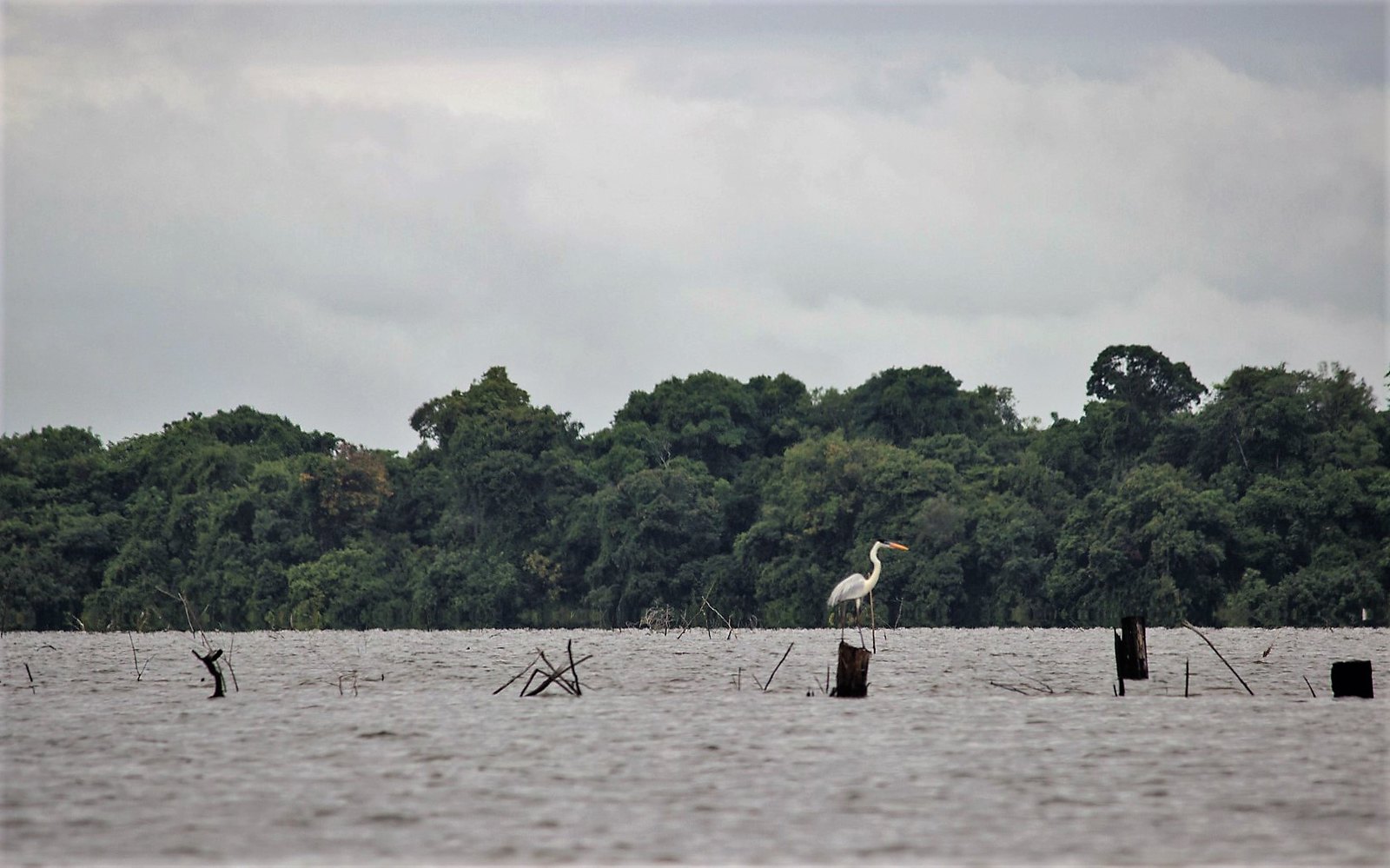
Photo: Amazon Watch / Maíra Irigaray.
The search for justice and reparations
Over the years, the Federal Public Prosecutor’s Office in Pará, the Public Defender’s Office, and civil society organizations have filed dozens of legal actions in Brazilian courts to challenge the project’s various irregularities and its impacts. Most of the claims are still pending resolution, some for more than 10 years.
These efforts have failed because the national government has repeatedly overturned rulings in favor of the affected communities by invoking a mechanism that allowed a court president to suspend a judicial decision based solely on generic arguments such as "the national interest" or "economic order."
In the absence of effective responses at the national level, AIDA, together with a coalition of partner organizations, brought the case before the Inter-American Commission on Human Rights (IACHR) and, in 2010, requested precautionary measures to protect the lives, safety, and health of the affected indigenous communities.
On April 1, 2011, the IACHR granted these measures and requested that the Brazilian government suspend environmental permits and any construction work until the conditions related to prior consultation and the protection of the health and safety of the communities are met.
And on June 16, 2011 —together with the Xingu Vivo Para Sempre Movement, the Coordinating Committee of Indigenous Organizations of the Brazilian Amazon, the Diocese of Altamira, the Indigenous Missionary Council, the Pará Society for the Defense of Human Rights and Global Justice— we filed a formal complaint against the Brazilian State for its international responsibility in the violation of the human rights of the people affected in the case. The case was opened for processing in December 2015.
On August 3, 2011, the IACHR amended the precautionary measures to request, instead of the suspension of permits and construction, the protection of people living in voluntary isolation, the health of indigenous communities, and the regularization and protection of ancestral lands.
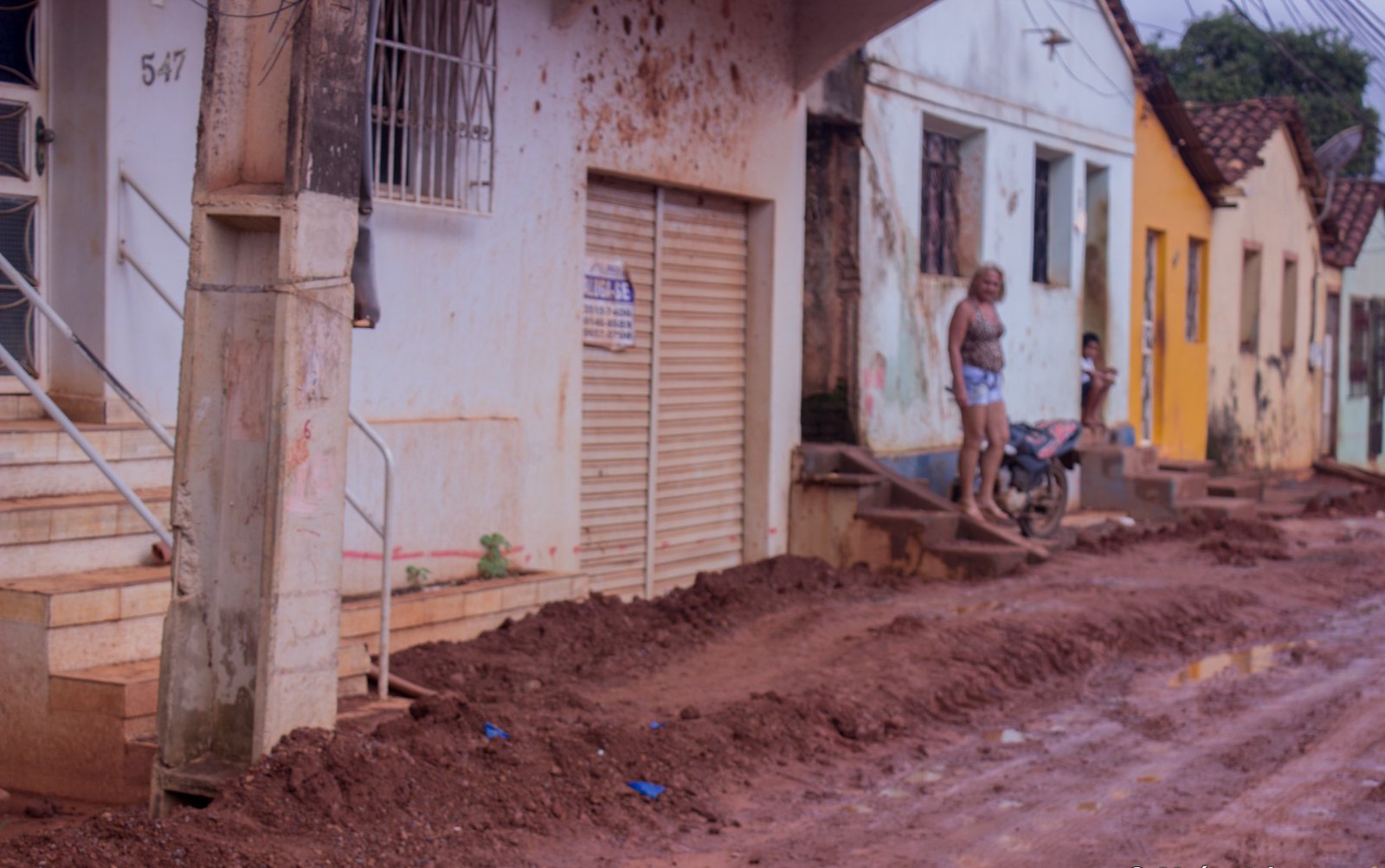
Photo: Amazon Watch / Maíra Irigaray.
Current situation
The protective measures granted by the IACHR remain in effect, but the Brazilian government has not fully complied with them, reporting only on general actions. The communities have documented the ongoing violations of their rights. The situation that prompted the request for these measures—the risk to the lives, physical integrity, and ways of life of the communities—persists and has worsened with the hydroelectric plant operating at full capacity and the recent extreme droughts in the Amazon.
In addition to the impacts of Belo Monte, there is a risk of further social and environmental impacts from the implementation of another mining megaproject in the Volta Grande do Xingu. There, the Canadian company Belo Sun plans to build Brazil’s largest open-pit gold mine.
The combined and cumulative impacts of the dam and the mine were not assessed. The government excluded Indigenous peoples, riverine and peasant communities from the project’s environmental permitting process. Despite protests by Indigenous communities and other irregularities surrounding the project, the government of Pará formally authorized the mine in April 2026.
Like other hydroelectric dams, Belo Monte exacerbates the climate emergency by generating greenhouse gas emissions in its reservoir. And it is inefficient amid the longer, more intense droughts caused by the crisis, as it loses its ability to generate power.
The case before the Inter-American Commission
In October 2017, the IACHR announced that it would rule jointly on the admissibility (whether the case meets the requirements for admission) and the merits (whether a human rights violation actually occurred) of the international complaint against the Brazilian State.
Fifteen years after the complaint was filed, the affected communities and the organizations representing them are still awaiting this decision. If the IACHR concludes that human rights violations occurred and issues recommendations that the Brazilian State fails to comply with, it may refer the case to the Inter-American Court of Human Rights, whose rulings are binding.
A potential ruling by the international court in this case would set a regional legal precedent regarding the rights of indigenous and riverine peoples, public participation in megaprojects, and state responsibility in the context of the climate crisis—a precedent that is particularly relevant in light of the Court’s Advisory Opinion No. 32, which reaffirmed the obligations of States to protect the people and communities of the continent from the climate emergency.
Partners:
Related projects
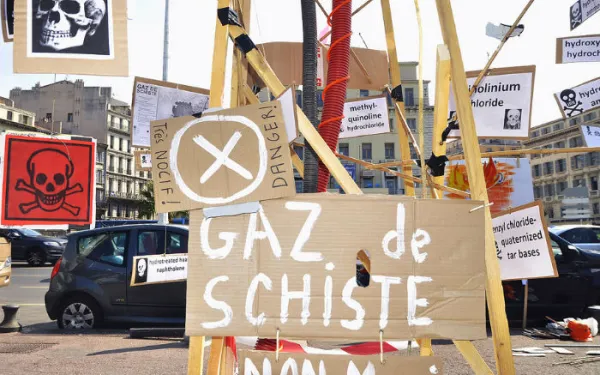
France’s Fracking Ban: Lessons for Latin America
By Eugenia D’Angelo, former AIDA intern, @DangeloEugenia Hydraulic fracturing, or fracking—the process of drilling into rock and injecting a mixture of water, chemicals, and sand under high pressure to fracture it and release oil and gas—is making headway around the world, causing increasing damage to the environment and human health. Even so, social movements have been effective at slowing governments and corporations interested in expanding the practice. One of the best examples can be found in France. The first country to ban fracking, it did so thanks to the pressure applied by French citizens. Having lived in France for four years, I can attest first-hand to the strength and importance of social movements throughout the process. The Legal Process The ‘Jacob Law’ (named for Minister Christian Jacob, who presented it) was approved[1] in 2011, during Nicolas Sarkozy’s presidency. It prohibits fracking for exploration and exploitation of hydrocarbons. Later, taking advantage of division in the Socialist Party, oil companies found the help necessary to present a constitutional challenge to the fracking ban. On October 11, 2011, however, the Constitutional Council reaffirmed the validity of the ‘Jacob Law,’ stating that it complies with all constitutional principles. France became the first country in the world to turn its back on the controversial practice. Making A Difference Civil society and green political parties played a paramount role in France. French citizens overwhelmingly said “No!” to fracking,[2] with more than 80% voicing their opposition[3] (this compares to 47% in the United States, according to the latest Pew Research Center poll[4]). In France, movements are grouped together in social collectives that unite the populations of different departments. These groups were organized to be present in every part of the country where energy companies had permits for the exploration and exploitation of shale gas and oil. They remained there for the entire legal and political battle, until the prohibition on fracking finally became reality. Some of the actions taken by the “No Fracking France” association include: During the famous and highly publicized Tour de France, they carried an anti-oil-and-shale-gas banner signed by thousands of people. In the final stretch of the Tour de France, they sent a climber to hoist the banner to the top of Mont Blanc. They held a press conference on the matter in the National Assembly. They organised various informative and scientific seminars for the mayors of affected communities. They produced a video explaining fracking to the deaf-mute community. They took their complaints to the members of Parliament. Resistance in Latin America In contrast, various countries in Latin America are opening their doors to fracking. In response to this troubling trend, AIDA is helping to facilitate and coordinate a regional group, made up of civil society organizations and academic institutions, created to generate information, stimulate debate, and join forces to prevent and stop the negative impacts of fracking in Latin America. At AIDA we consider it necessary for governments and civil society to apply the precautionary principle. Within the framework of this principle and its constitutional obligations, States of the region should adopt effective measures to prevent the risks and severe damage to the environment and human health that fracking can bring about. As long as there isn’t a guarantee that the risks and impacts of fracking can be effectively prevented and mitigated, this type of activity should not be permitted. Raising awareness amongst citizens and social movements is key. Countries in Latin America are obligated to generate public, truthful and impartial information about the characteristics, process and components of fracking, and about its long-term impacts. Our authorities must create plural and adequate spaces for civil society in the decision-making process about the future of fracking in our territories. If they don’t, we as citizens have the right and the obligation to engage and mobilize ourselves so that those who resist can hear us. [1] It was a closed vote in the senate with 176 votes in favour and 151 against. “Gaz de schiste: le Parlement interdit l’utilisation de la fracturation hydraulique”, Le Monde, 30/06/2011. Available at: http://www.lemonde.fr/planete/article/2011/06/30/gaz-de-schiste-le-parlement-interdit-l-utilisation-de-la-fracturation-hydraulique_1543252_3244.html [2] The Collectif 07 Stop Shale Gas and Oil said: “ …we should be proud of the efficiency of public mobilization which, although it has not won the war, has clearly won the battle. The commitment of millions of citizens, in our department and in the whole of France, that they demonstrated every day, resisted, informed, organized themselves, mobilized themselves…sometimes with the participation of the mayors…has borne fruit. It is a test that gives hope for the fight to come…” See: “Gaz de schiste: la mobilisation citoyenne a gagné une victoire, mais pas la guerre.” Bourg Socialisme avenir. Available at: http://www.bsavenir.fr/2011/10/01/gaz-de-schiste-la-mobilisation-citoyenne-a-gagne-une-victoire-mais-pas-la-guerre/ [3] This percentage is higher than that against nuclear energy (the primary source of energy in France) according to: Chu, Henry. “Pressure builds against France’s ban on fracking,” Los Angeles Times, 22/06/2014. Available at: http://www.latimes.com/world/europe/la-fg-france-fracking-20140622-story.html#page=1 [4] http://thinkprogress.org/climate/2014/11/13/3591891/pew-poll-voters-oppose-fracking/
Read more
Report from the Ramsar Conference
It’s a worrying and undeniable fact: 76 percent of the world’s wetlands have been destroyed in the last 40 years. In Latin America, these sensitive ecosystems suffer degradation from extractive industries, tourist activities, real estate projects, and other human causes. AIDA helped ensure that these threats were recognized as a priority concern of the Secretariat of the Ramsar Convention, an intergovernmental treaty for the protection of wetlands, during its 12th Conference of Parties. The Conference took place from June 2-9 in Punta del Este, Uruguay. AIDA and other civil society organizations included the risks in a public declaration presented before representatives of the various governments. The Ramsar Secretariat incorporated these threats into the Convention’s Strategic Plan 2016-2024. “This recognition opens the way for investigations to be made and guidelines established to combat the problem,” said Sandra Moguel, an AIDA attorney who attended the Conference. “By contributing to the identification of causes for the deterioration of wetlands, we’ve laid the base for the adoption of regulations and other effective measures to conserve these important ecosystems.” Alongside local organizations, AIDA also presented a petition to alert the Ramsar Secretariat that the Colombian government has failed to fulfill its obligation to protect the country’s páramos, high Andean wetlands. In the petition, we call attention to the impacts that activities such as large-scale mining have on páramos—the source of more than 70 percent of the water in Colombia—and ask the Secretariat to monitor the situation and take action according to their abilities. The Strategic Plan also recognizes the need to have better synergy with other international environmental treaties—such as the Convention on Biological Diversity and the United Nations Framework Convention on Climate Change—so that the sustainable use and conservation of wetlands attains greater relevance and is carried out more effectively. This correlation is key. “One of the greatest challenges of the Convention is to appropriately and effectively link the implementation of the treaty with the fight against climate change,” said Carlos Lozano Acosta, an AIDA attorney who also participated in the Conference. Lozano Acosta reported that one resolution was approved that calls on countries to reserve the quantity of water necessary for the preservation of their wetlands, and another that links the protection of these ecosystems with the mitigation of natural disasters, since wetlands are a natural barrier against hurricanes and storms. But Lozano Acosta lamented the fact that the Conference remained without sufficient and adequate space for civil society participation. For Moguel, it was a success that—thanks to the efforts of Latin American representatives—all resolutions adopted at the Conference recognized and included in their text the wetlands management done by indigenous people based on their traditional knowledge. Finally, in a parallel event organized by the International Coral Reef Initiative, AIDA attorneys presented their work defending reefs in the Americas. Particularly, they shared our Guide to Best Practices for Coral Reef Protection and emphasized the cases of Cabo Pulmo and the Veracruz Reef System, both sites in Mexico at risk from tourism and port development, respectively.
Read moreBelo Monte: Determined to achieve justice
By Flavia Amaral, AIDA attorney As construction of the world’s third-largest hydroelectric dam, Belo Monte, moves forward, social impacts and unrest continue. In the coming few months, close to 2,000 families are scheduled to be relocated from their homes in Altamira, on the Xingu River in Brazil, to newly built housing. Last year, another 2,000 families were resettled. The reconfiguring of the region continues to create social ills. The new settlements are far from downtown Altamira, and there is no public transportation. Many new houses are already showing structural problems, and there is little to no basic infrastructure such as health care centers, schools, and sewer treatment facilities. Also, as part of being relocated, a family must agree that they have no complaint or concern with the Belo Monte hydroelectric plant or the company responsible for the construction, a difficult ask for many who are giving up so much. For many indigenous communities, there is an explosion of illegal logging on their lands. Norte Energia,the consortium building Belo Monte, has not implemented required monitoring systems or constructed surveillance stations which would deter the logging. As a result, FUNAI, Brazil’s government agency that oversees Indian rights, reports that the situation is critical, and especially serious for the lands of the indigenous Arara people. Throughout the area, demonstrations continue by those who seek justice, recognition and compensation. Last month, hundreds of farmers held protests demanding land tenure, credit, and improvements to family farming. Two people died after being hit by a car that broke the blockade of protesters. This situation represents the unease, unrest, and violence that permeates the region. Clearly, the construction of Belo Monte has caused enormous impact in the Xingu River Basin – well before it’s operational phase. Four years ago, on the request of AIDA and partner organizations in Brazil, the Inter-American Commission on Human Rights took an important step forward for the people of the region. It requested that the Brazilian government adopt precautionary measures to prevent irreparable damage to the rights of indigenous communities whose cultural integrity and way of life were at risk from the construction of Belo Monte. Clearly, after all these years, these threats remain: Brazil has not honored the precautionary measures. AIDA will continue working until we ensure that the environment and the rights of communities in Brazil’s Xingú River Basin are fully respected. We believe that the Commission still has time to act, and that there is potential for the Brazilian government to reframe its policies and practices to become a global model for equity and justice. Thank you so much for your ongoing support of our work for the people and the environment of the Amazon!
Read more