
Project
Amazon Watch / Maíra Irigaray
The Belo Monte Dam on the Xingu River: 10 years of impacts in the Amazon and the search for reparations
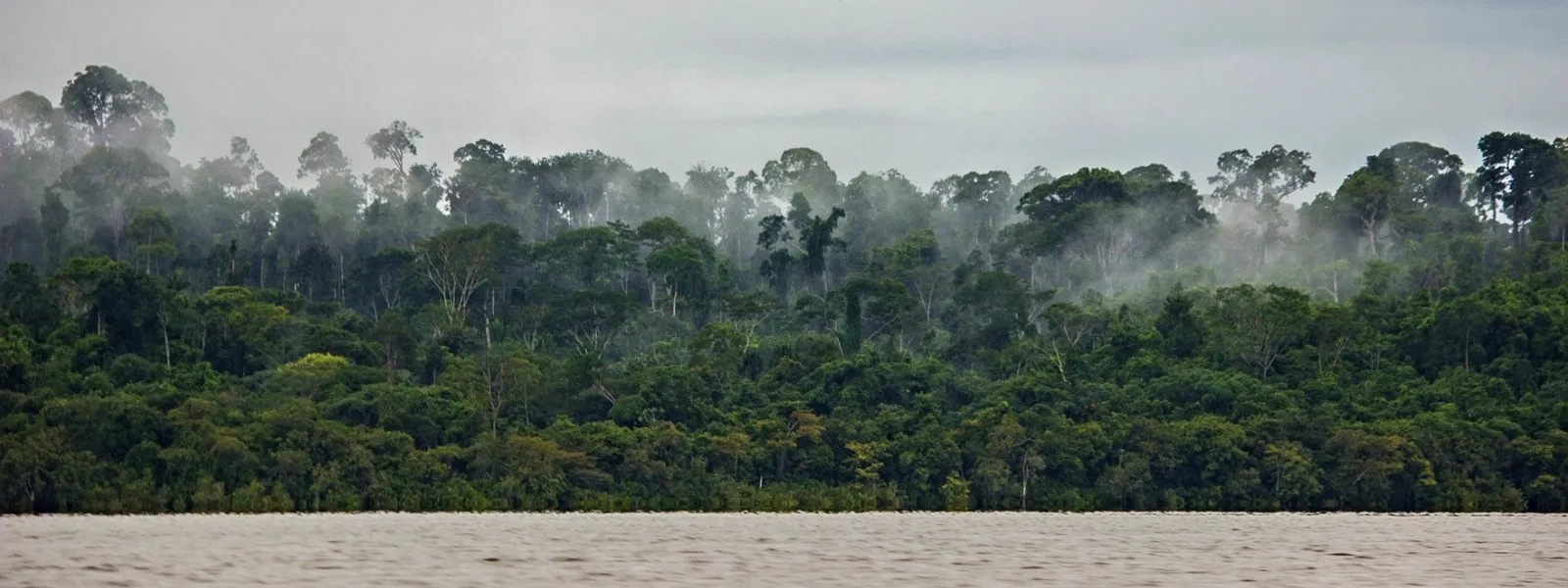
The Belo Monte Dam has caused an environmental and social disaster in the heart of the Amazon—one of the most important ecosystems on the planet.
This situation has only worsened since the hydroelectric plant began operations in 2016. The quest for justice and reparations by the affected indigenous, fishing, and riverine communities continues to this day.
In 2011, the Inter-American Commission on Human Rights (IACHR) granted them protective measures that, to date, have not been fully implemented by the Brazilian State.
Furthermore, since June of that same year, the IACHR has yet to rule on a complaint against the State regarding its international responsibility in the case.
The IACHR may refer the case to the Inter-American Court of Human Rights, which has the authority to issue a ruling condemning the Brazilian State.
After 10 years of the hydroelectric plant's operation and more than 15 years of documented human rights violations, it is time for justice to be served for the affected communities.
Read the open letter from the organizations bringing the case before the IACHR
Background
The Belo Monte hydroelectric plant—the fourth largest in the world by installed capacity (11,233 MW)—was built on the Xingu River in Pará, a state in northern Brazil.
It was inaugurated on May 5, 2016, with a single turbine. At that time, 80% of the river’s course was diverted, flooding 516 km² of land—an area larger than the city of Chicago. Of that area, 400 km² was native forest. The dam began operating at full capacity in November 2019.
Belo Monte was built and is operated by the Norte Energia S.A. consortium, which is composed primarily of state-owned companies. It was financed by the Brazilian Development Bank (BNDES), which provided the consortium with 25.4 billion reais (approximately US$10.16 billion), the largest investment in the bank’s history. Therefore, the BNDES is also legally responsible for the socio-environmental impacts associated with the hydroelectric plant.
Decades of harm to the environment and people
Human rights violations and degradation of the Amazon have been occurring since the project’s inception. In March 2011, Norte Energía began construction of the dam without adequate consultation and without the prior, free, and informed consent of the affected communities.
The construction caused the forced displacement of more than 40,000 people, severing social and cultural ties. The resettlement plan in Altamira—a city directly affected by the hydroelectric dam—involved housing units located on the outskirts, lacking adequate public services and decent living conditions for the relocated families, with no special provisions for those from indigenous communities.
Belo Monte's operations have caused a permanent, man-made drought in the Volta Grande (or "Great Bend") of the Xingu River, exacerbated by the historic droughts in the Amazon in 2023 and 2024. As a result, the deaths of millions of fish eggs were documented for four consecutive years (from 2021 to 2024), and for the past three years, there has been no upstream migration of fish to spawn and reproduce. Thus, artisanal fishing, the main source of protein for indigenous peoples and riverside communities, was severely affected: fish dropped from 50% to 30% of total protein consumed, replaced by processed foods. In summary, there was an environmental and humanitarian collapse that resulted in the breakdown of fishing as a traditional way of life, food insecurity, and access to drinking water for thousands of families, impoverishment, and disease.
Furthermore, the construction of the dam increased deforestation and intensified illegal logging and insecurity on indigenous and tribal lands, putting the survival of these communities at risk. Another consequence was the deepening of poverty and social conflicts, as well as the strain on health, education, and public safety systems in Altamira—a city ranked as the most violent in the country in 2017, where human trafficking and sexual violence increased. Violence was also reported against human rights defenders involved in the case.
In 2025, during the 30th UN Climate Change Conference (COP30), held in Brazil, the Federal Public Prosecutor’s Office labeled the damage caused by the Belo Monte dam as ecocide.
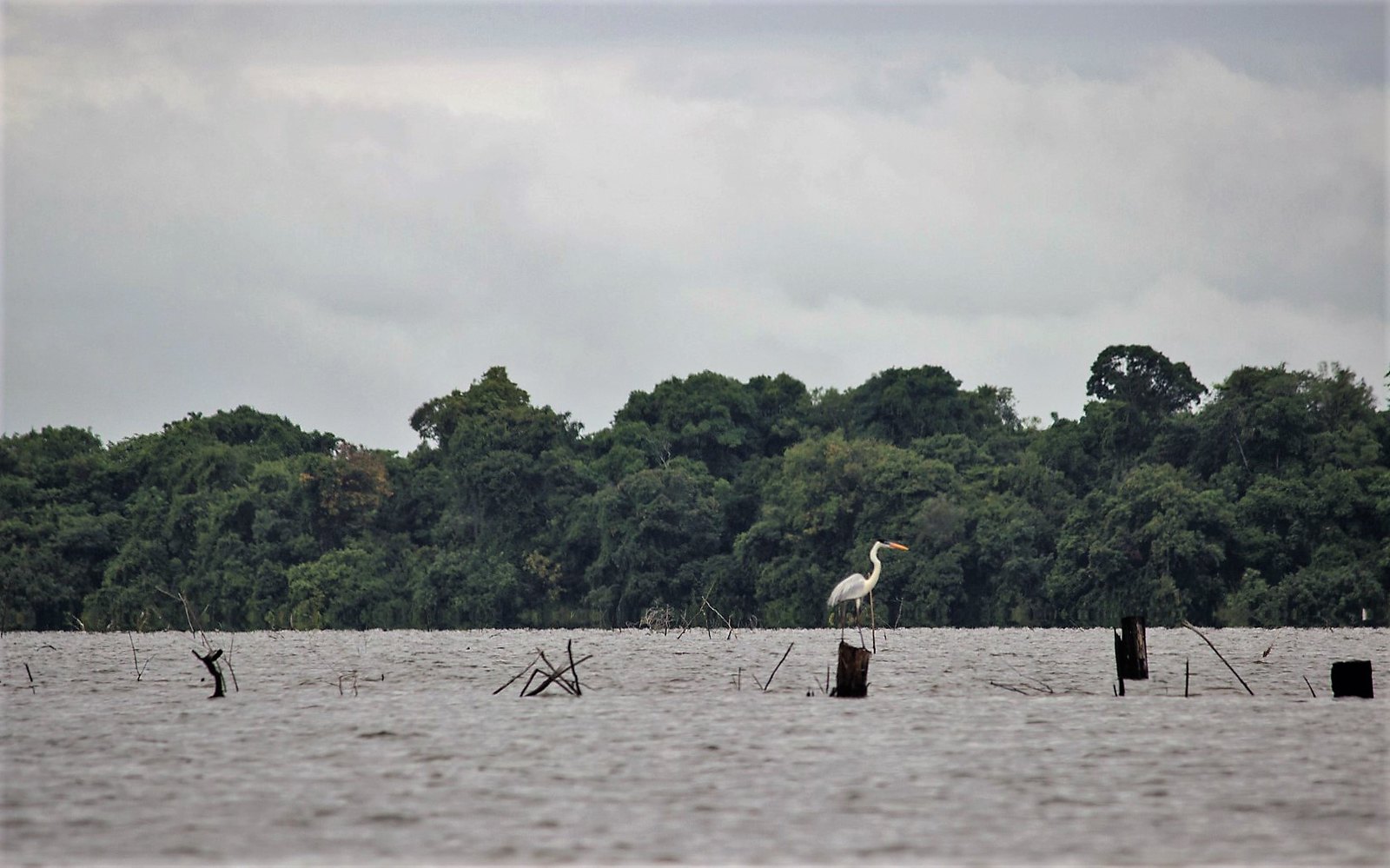
Photo: Amazon Watch / Maíra Irigaray.
The search for justice and reparations
Over the years, the Federal Public Prosecutor’s Office in Pará, the Public Defender’s Office, and civil society organizations have filed dozens of legal actions in Brazilian courts to challenge the project’s various irregularities and its impacts. Most of the claims are still pending resolution, some for more than 10 years.
These efforts have failed because the national government has repeatedly overturned rulings in favor of the affected communities by invoking a mechanism that allowed a court president to suspend a judicial decision based solely on generic arguments such as "the national interest" or "economic order."
In the absence of effective responses at the national level, AIDA, together with a coalition of partner organizations, brought the case before the Inter-American Commission on Human Rights (IACHR) and, in 2010, requested precautionary measures to protect the lives, safety, and health of the affected indigenous communities.
On April 1, 2011, the IACHR granted these measures and requested that the Brazilian government suspend environmental permits and any construction work until the conditions related to prior consultation and the protection of the health and safety of the communities are met.
And on June 16, 2011 —together with the Xingu Vivo Para Sempre Movement, the Coordinating Committee of Indigenous Organizations of the Brazilian Amazon, the Diocese of Altamira, the Indigenous Missionary Council, the Pará Society for the Defense of Human Rights and Global Justice— we filed a formal complaint against the Brazilian State for its international responsibility in the violation of the human rights of the people affected in the case. The case was opened for processing in December 2015.
On August 3, 2011, the IACHR amended the precautionary measures to request, instead of the suspension of permits and construction, the protection of people living in voluntary isolation, the health of indigenous communities, and the regularization and protection of ancestral lands.
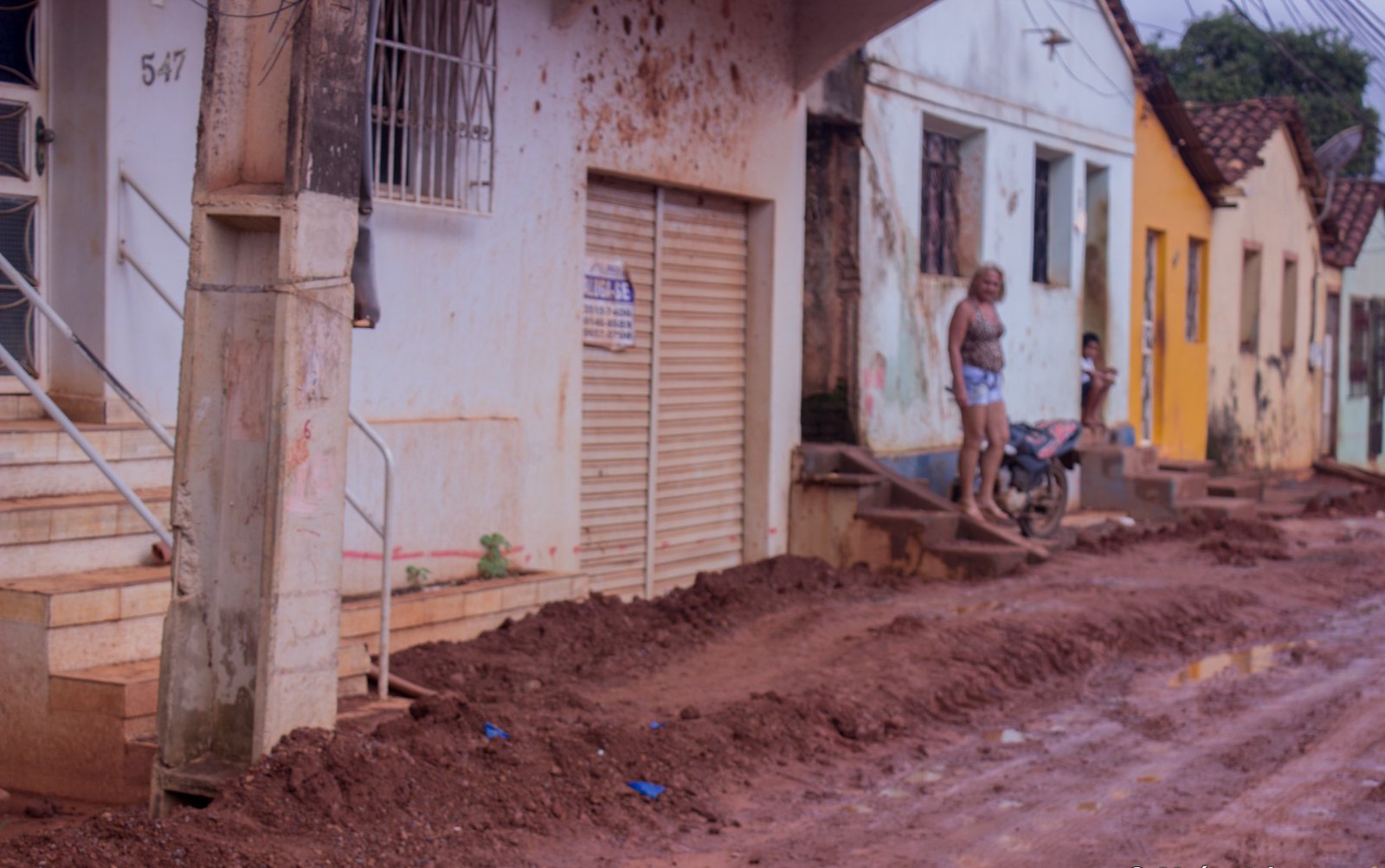
Photo: Amazon Watch / Maíra Irigaray.
Current situation
The protective measures granted by the IACHR remain in effect, but the Brazilian government has not fully complied with them, reporting only on general actions. The communities have documented the ongoing violations of their rights. The situation that prompted the request for these measures—the risk to the lives, physical integrity, and ways of life of the communities—persists and has worsened with the hydroelectric plant operating at full capacity and the recent extreme droughts in the Amazon.
In addition to the impacts of Belo Monte, there is a risk of further social and environmental impacts from the implementation of another mining megaproject in the Volta Grande do Xingu. There, the Canadian company Belo Sun plans to build Brazil’s largest open-pit gold mine.
The combined and cumulative impacts of the dam and the mine were not assessed. The government excluded Indigenous peoples, riverine and peasant communities from the project’s environmental permitting process. Despite protests by Indigenous communities and other irregularities surrounding the project, the government of Pará formally authorized the mine in April 2026.
Like other hydroelectric dams, Belo Monte exacerbates the climate emergency by generating greenhouse gas emissions in its reservoir. And it is inefficient amid the longer, more intense droughts caused by the crisis, as it loses its ability to generate power.
The case before the Inter-American Commission
In October 2017, the IACHR announced that it would rule jointly on the admissibility (whether the case meets the requirements for admission) and the merits (whether a human rights violation actually occurred) of the international complaint against the Brazilian State.
Fifteen years after the complaint was filed, the affected communities and the organizations representing them are still awaiting this decision. If the IACHR concludes that human rights violations occurred and issues recommendations that the Brazilian State fails to comply with, it may refer the case to the Inter-American Court of Human Rights, whose rulings are binding.
A potential ruling by the international court in this case would set a regional legal precedent regarding the rights of indigenous and riverine peoples, public participation in megaprojects, and state responsibility in the context of the climate crisis—a precedent that is particularly relevant in light of the Court’s Advisory Opinion No. 32, which reaffirmed the obligations of States to protect the people and communities of the continent from the climate emergency.
Partners:
Related projects

AIDA Calls for the Effective Protection of Wetlands in the Americas
The Interamerican Association for Environmental Defense (AIDA) calls on the Member States of the Ramsar Convention to effectively protect wetlands in the Americas. The Contracting Parties of Latin America must protect and promote the wise use of coral reefs, mangroves and high Andean wetlands in their territories. To achieve this vision, we demand that the Contracting Parties engage in proper management of their wetlands, and commit to undertaking adequate assessments of environmental impact. This is particularly important in regions with tourism development, port and hydroelectric projects, and extractive industries, such as mining and hydraulic fracturing. We ask for the inclusion in the Montreux Record of several of the region’s key wetlands: Panama Bay (Panama), Marismas Nacionales and the Veracruz Reef System National Park (Mexico), as well as Otún Lagoon and the Cienaga Grande de Santa Marta (Colombia). We encourage the Contracting Parties to extend existing mechanisms of participation to ensure that civil society is included in wetlands management.
Read moreStatement by NGOs at Ramsar COP12
By World Wetland Network The non-government NGO sector and civil society greatly appreciates this opportunity to address the 12th Conference of Contracting Parties to the Ramsar Convention on wetlands. We have worked together to prepare this statement through the World Wetland Network, an international alliance of NGOs and civil society organizations, many of whom are focused on one or two wetlands in their local area. These organizations reflect their local cultures and communities and are a considerable force for Ramsar wetland conservation. All present understand the values of wetlands for life on earth. For NGOs and Civil Society groups, these values are very close to our heart, our life’s work. Sometimes even a matter of life and death. Wetlands supply us with fresh, clean water. They are essential to food security, providing water for irrigation, rice and fish to sustain us. Wetlands store carbon to mitigate climate change and reduce the impacts of disaster risk by slowing and storing floodwater. They support a wealth of plants and wildlife that make our world a richer place. Wetlands are our home, sustaining us spiritually and culturally. And we in turn are their custodians. Our stewardship ethic inspires us to work on wetland conservation through many activities: on-ground work, research, monitoring, advocacy, education and community engagement. We now know that our earth has suffered the destruction of 64% of all wetlands at the hands of human development since 1900. NGOs and Civil Society fully support the Ramsar goal to slow, stop and reverse the trend in wetlands loss and degradation world-wide. In 2014, World Wetland Network conducted a global survey of NGOs to explore their relationship with the delivery of Ramsar wetland conservation goals. 190 individuals responded from 52 counties, giving us the chance to hear the collective voice of local people. The survey findings are offered now so that Ramsar Parties can successfully deploy both government and non-government resources to ensure the greatest gain for wetlands, wildlife and people. The survey overwhelmingly showed that NGOs are committed to Ramsar and want to do more. Supporting and enabling volunteers and NGO staff to be engaged in wetland conservation requires resources, but small inputs create big outcomes, leading to better programs for Ramsar sites. Ramsar’s Communication, Education, Participation and Awareness activities require greater advocacy, technical and financial support. Many NGOs have skills that could be more actively used in this process. NGOs are concerned that some governments appear to discourage strategic Ramsar site designations. A means for civil society to highlight potential nominations would be welcomed. Some governments do not actively use Ramsar as a tool to protect wetlands. NGOs reported government inactivity, reduced financial resources and reduced involvement of public officials. NGOs are concerned about inaccurate reporting in the national Ramsar reports. Contracting parties should take responsibility to ensure accurate reporting of wetland status to inform effective decision-making. More needs to be done to enforce site protection. Based on the broad findings of our survey, the World Wetland Network offers the following recommendations for Ramsar consideration: a) Recognize that NGOs often create a longer-term and more continuous link for Ramsar sites than Government Representatives. b) Develop more structured guidance for Ramsar Parties, and National Focal Points, on how to engage civil society. c) Explore options to include more NGOs and civil society organisations in the decision-making process for Ramsar at international, regional and country levels. d) Create avenues for NGO and civil society input into reporting on the state of wetlands, Ramsar site nominations and the Montreux Record. e) Prioritize funding and support for NGOs and civil society organisations that are working on Ramsar listed wetlands. Finally, full and effective collaboration between civil society and contracting parties is critical to achieve wetland conservation at the local level. With regard to the draft resolutions for Ramsar COP12, NGOs are calling for stronger linkages to the NGO and civil society sector in DR2 – the Strategic Plan and DR 9, the CEPA program. We trust that this Ramsar COP12 meeting will help civil society, corporate sector and government partners to work together to protect, restore and promote wetlands.
Read moreThe Montreaux Record: Saving Essential Wetlands
Contamination, deforestation and accelerating urban growth pose serious threats to the health of the world’s wetlands. No tool aimed at protecting these valuable ecosystems should be wasted. The Ramsar Convention, an intergovernmental treaty, promotes national action and international cooperation for the conservation and wise use of wetlands. The 168 countries that signed the Convention inscribe ecologically essential wetlands within their boundaries on the List of Wetlands of International Importance. By doing so, nations become obligated to protect these sites. Sometimes, however, their commitment is not enough to ensure that ecosystems remain intact. For this reason, the Ramsar Convention created the Montreux Record, a tool to protect, as a manner of priority, wetlands that are or will be gravely threatened by technological development, pollution or human activity. The Record includes sites that are listed as Wetlands of International Importance. Far from being a blacklist or a negative mark for a country, the registry is an opportunity for governments to demonstrate their accountability for protecting natural resources that require urgent attention. Five primary points demonstrate the importance and effectiveness of this tool: Cooperation for Conservation By including a wetland in the Montreaux Record, a country calls attention to the importance of taking measures to conserve the ecological characteristics of the site through national and international cooperation. Prioritization The Montreaux Record is a quick way for countries to assign high priority to a wetland site and obtain the technical support and financing to conserve it. Support and Technical Advice To obtain this special protection, the government must formally solicit the Secretariat of the Ramsar Convention and complete a questionnaire with information about the wetland. If it’s determined that the inclusion of the site on the Record is necessary to promote its adequate protection, Ramsar undertakes an advisory mission to the country to provide support and technical advice on appropriate conservation actions. Points for Progress The country may request that the wetland be refused registration once the threats that lead to its inclusion are gone, if it considers that the objectives have been met and the site has regained its environmental balance. The country must request a new advisory visit to the site and complete a survey to show the progress made. Restoring Balance The support received by the Ramsar Secretariat adds to the conservation efforts the country is already developing on a national level. Thus, an at-risk wetland under international protection becomes a key site for restoring the ecological balance of the country. Throughout the Americas, various governments have opted to attract international attention for the conservation of their vulnerable wetlands: Costa Rica has included Palo Verde National Park in the Record, the United States has included Everglades National Park, and Chile has included the Carlos Anwandter Sanctuary. As part of our participation in the 12th Conference of Parties of the Ramsar Convention, taking place in Uruguay this week, AIDA will advocate for the inclusion of two threatened wetlands in the Montreaux Record: the Panama Bay Wetlands and the Veracruz Reef System, important ecological sites threatened, respectively, by urban development and port expansion.
Read more