
Project
Amazon Watch / Maíra Irigaray
The Belo Monte Dam on the Xingu River: 10 years of impacts in the Amazon and the search for reparations
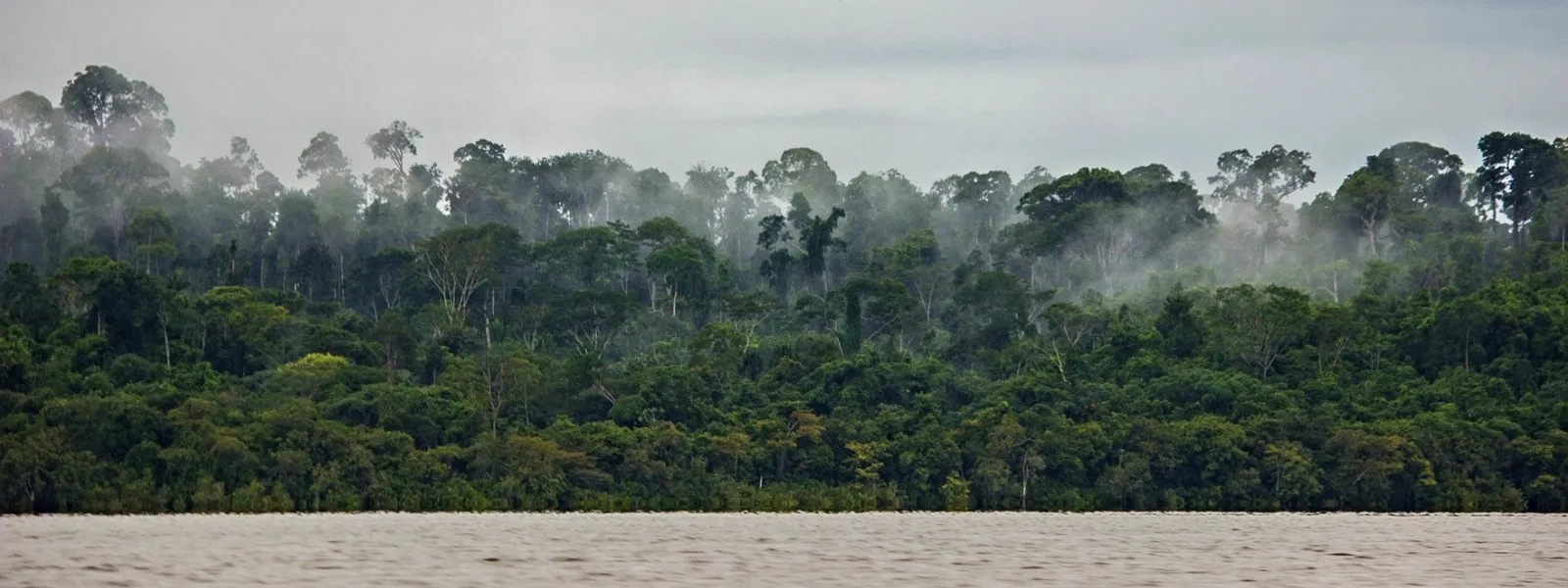
The Belo Monte Dam has caused an environmental and social disaster in the heart of the Amazon—one of the most important ecosystems on the planet.
This situation has only worsened since the hydroelectric plant began operations in 2016. The quest for justice and reparations by the affected indigenous, fishing, and riverine communities continues to this day.
In 2011, the Inter-American Commission on Human Rights (IACHR) granted them protective measures that, to date, have not been fully implemented by the Brazilian State.
Furthermore, since June of that same year, the IACHR has yet to rule on a complaint against the State regarding its international responsibility in the case.
The IACHR may refer the case to the Inter-American Court of Human Rights, which has the authority to issue a ruling condemning the Brazilian State.
After 10 years of the hydroelectric plant's operation and more than 15 years of documented human rights violations, it is time for justice to be served for the affected communities.
Read the open letter from the organizations bringing the case before the IACHR
Background
The Belo Monte hydroelectric plant—the fourth largest in the world by installed capacity (11,233 MW)—was built on the Xingu River in Pará, a state in northern Brazil.
It was inaugurated on May 5, 2016, with a single turbine. At that time, 80% of the river’s course was diverted, flooding 516 km² of land—an area larger than the city of Chicago. Of that area, 400 km² was native forest. The dam began operating at full capacity in November 2019.
Belo Monte was built and is operated by the Norte Energia S.A. consortium, which is composed primarily of state-owned companies. It was financed by the Brazilian Development Bank (BNDES), which provided the consortium with 25.4 billion reais (approximately US$10.16 billion), the largest investment in the bank’s history. Therefore, the BNDES is also legally responsible for the socio-environmental impacts associated with the hydroelectric plant.
Decades of harm to the environment and people
Human rights violations and degradation of the Amazon have been occurring since the project’s inception. In March 2011, Norte Energía began construction of the dam without adequate consultation and without the prior, free, and informed consent of the affected communities.
The construction caused the forced displacement of more than 40,000 people, severing social and cultural ties. The resettlement plan in Altamira—a city directly affected by the hydroelectric dam—involved housing units located on the outskirts, lacking adequate public services and decent living conditions for the relocated families, with no special provisions for those from indigenous communities.
Belo Monte's operations have caused a permanent, man-made drought in the Volta Grande (or "Great Bend") of the Xingu River, exacerbated by the historic droughts in the Amazon in 2023 and 2024. As a result, the deaths of millions of fish eggs were documented for four consecutive years (from 2021 to 2024), and for the past three years, there has been no upstream migration of fish to spawn and reproduce. Thus, artisanal fishing, the main source of protein for indigenous peoples and riverside communities, was severely affected: fish dropped from 50% to 30% of total protein consumed, replaced by processed foods. In summary, there was an environmental and humanitarian collapse that resulted in the breakdown of fishing as a traditional way of life, food insecurity, and access to drinking water for thousands of families, impoverishment, and disease.
Furthermore, the construction of the dam increased deforestation and intensified illegal logging and insecurity on indigenous and tribal lands, putting the survival of these communities at risk. Another consequence was the deepening of poverty and social conflicts, as well as the strain on health, education, and public safety systems in Altamira—a city ranked as the most violent in the country in 2017, where human trafficking and sexual violence increased. Violence was also reported against human rights defenders involved in the case.
In 2025, during the 30th UN Climate Change Conference (COP30), held in Brazil, the Federal Public Prosecutor’s Office labeled the damage caused by the Belo Monte dam as ecocide.
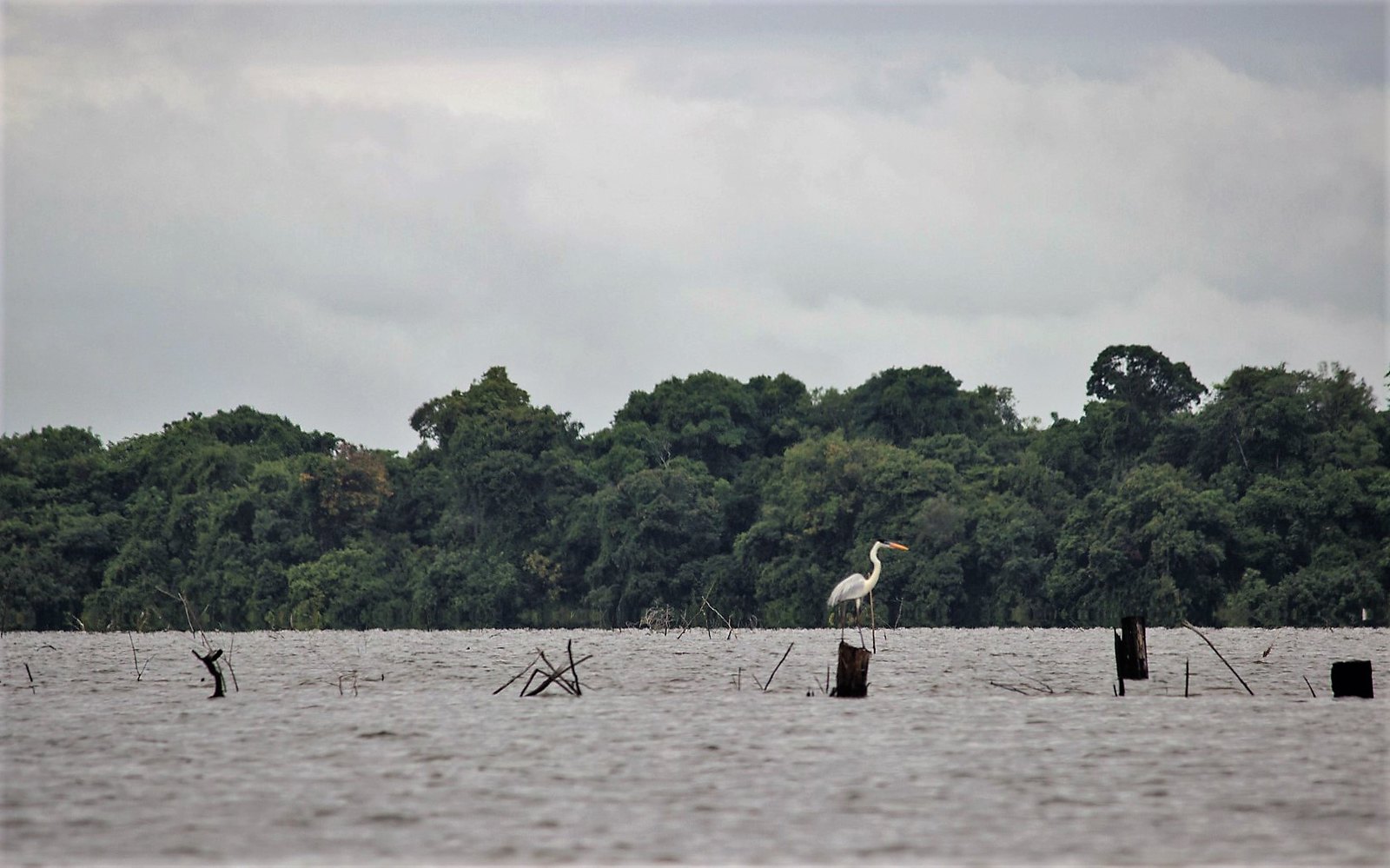
Photo: Amazon Watch / Maíra Irigaray.
The search for justice and reparations
Over the years, the Federal Public Prosecutor’s Office in Pará, the Public Defender’s Office, and civil society organizations have filed dozens of legal actions in Brazilian courts to challenge the project’s various irregularities and its impacts. Most of the claims are still pending resolution, some for more than 10 years.
These efforts have failed because the national government has repeatedly overturned rulings in favor of the affected communities by invoking a mechanism that allowed a court president to suspend a judicial decision based solely on generic arguments such as "the national interest" or "economic order."
In the absence of effective responses at the national level, AIDA, together with a coalition of partner organizations, brought the case before the Inter-American Commission on Human Rights (IACHR) and, in 2010, requested precautionary measures to protect the lives, safety, and health of the affected indigenous communities.
On April 1, 2011, the IACHR granted these measures and requested that the Brazilian government suspend environmental permits and any construction work until the conditions related to prior consultation and the protection of the health and safety of the communities are met.
And on June 16, 2011 —together with the Xingu Vivo Para Sempre Movement, the Coordinating Committee of Indigenous Organizations of the Brazilian Amazon, the Diocese of Altamira, the Indigenous Missionary Council, the Pará Society for the Defense of Human Rights and Global Justice— we filed a formal complaint against the Brazilian State for its international responsibility in the violation of the human rights of the people affected in the case. The case was opened for processing in December 2015.
On August 3, 2011, the IACHR amended the precautionary measures to request, instead of the suspension of permits and construction, the protection of people living in voluntary isolation, the health of indigenous communities, and the regularization and protection of ancestral lands.
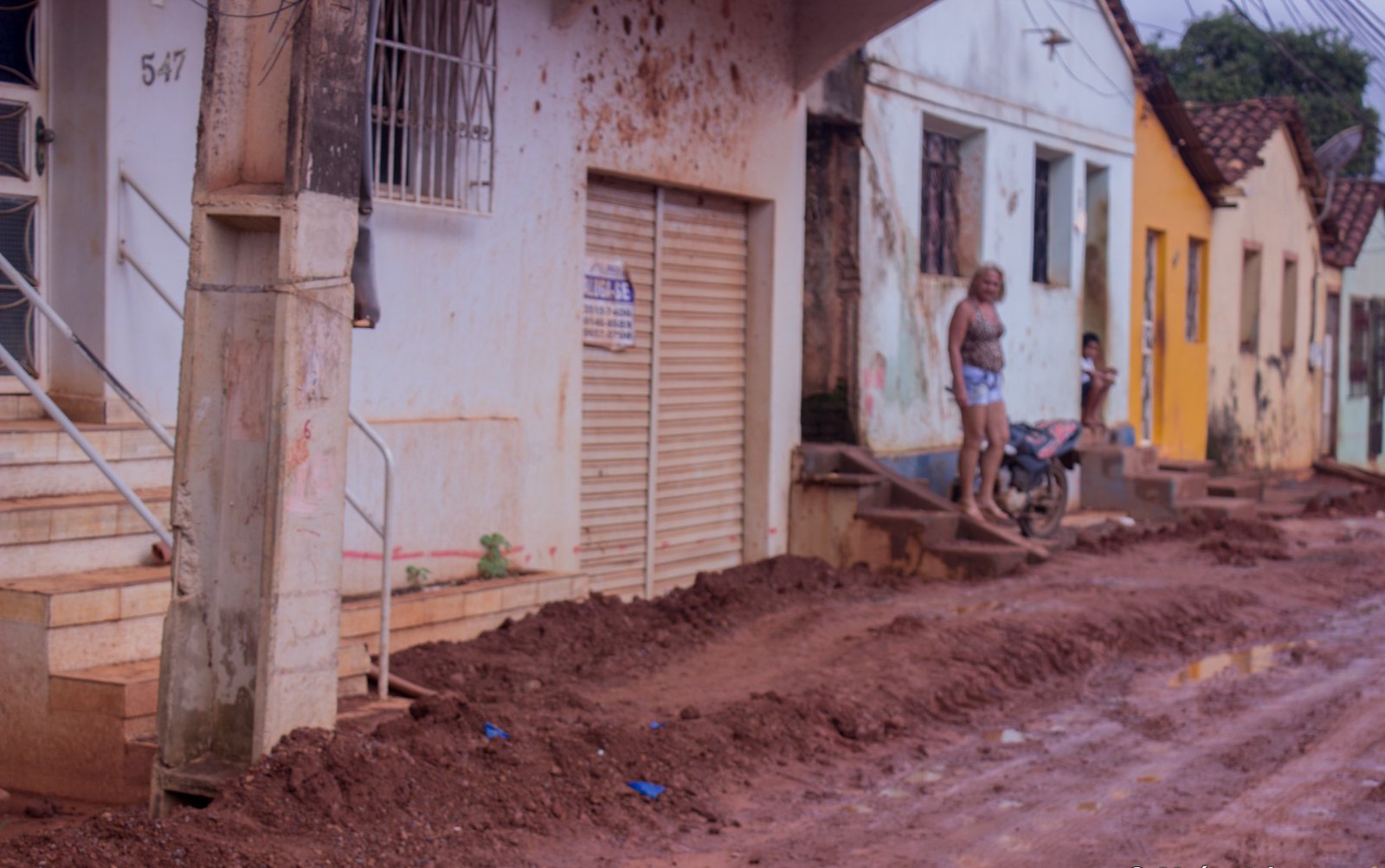
Photo: Amazon Watch / Maíra Irigaray.
Current situation
The protective measures granted by the IACHR remain in effect, but the Brazilian government has not fully complied with them, reporting only on general actions. The communities have documented the ongoing violations of their rights. The situation that prompted the request for these measures—the risk to the lives, physical integrity, and ways of life of the communities—persists and has worsened with the hydroelectric plant operating at full capacity and the recent extreme droughts in the Amazon.
In addition to the impacts of Belo Monte, there is a risk of further social and environmental impacts from the implementation of another mining megaproject in the Volta Grande do Xingu. There, the Canadian company Belo Sun plans to build Brazil’s largest open-pit gold mine.
The combined and cumulative impacts of the dam and the mine were not assessed. The government excluded Indigenous peoples, riverine and peasant communities from the project’s environmental permitting process. Despite protests by Indigenous communities and other irregularities surrounding the project, the government of Pará formally authorized the mine in April 2026.
Like other hydroelectric dams, Belo Monte exacerbates the climate emergency by generating greenhouse gas emissions in its reservoir. And it is inefficient amid the longer, more intense droughts caused by the crisis, as it loses its ability to generate power.
The case before the Inter-American Commission
In October 2017, the IACHR announced that it would rule jointly on the admissibility (whether the case meets the requirements for admission) and the merits (whether a human rights violation actually occurred) of the international complaint against the Brazilian State.
Fifteen years after the complaint was filed, the affected communities and the organizations representing them are still awaiting this decision. If the IACHR concludes that human rights violations occurred and issues recommendations that the Brazilian State fails to comply with, it may refer the case to the Inter-American Court of Human Rights, whose rulings are binding.
A potential ruling by the international court in this case would set a regional legal precedent regarding the rights of indigenous and riverine peoples, public participation in megaprojects, and state responsibility in the context of the climate crisis—a precedent that is particularly relevant in light of the Court’s Advisory Opinion No. 32, which reaffirmed the obligations of States to protect the people and communities of the continent from the climate emergency.
Partners:
Related projects
Green Climate Fund disappoints by accrediting unfit entities
During its 10th session, in a process characterized by little transparency, the Board of the Green Climate Fund accredited 13 entities to manage financing that the Fund authorizes for climate change adaptation and mitigation projects. The Board accredited the entities as a group, without carefully analyzing them one by one. They did not consider that some have been penalized for financing terrorism and laundering money, or that their primary lending portfolios support fossil fuels. Nor did they consider that some haven’t shown sufficient capacity to manage high-risk climate change projects that could cause irreparable environmental and social impacts. Some do not comply with international fiduciary standards to handle such activities. “We’re disappointed to see that the Green Climate Fund has demonstrated business-orientated behavior, no different from other financial institutions. This doesn’t help the Fund contribute to a paradigm shift and offer better access to resources for local actors,” said Andrea Rodríguez, a senior AIDA lawyer and civil society observer at the Board meetings. The decision-making process for the accreditation of the 13 entities lacked transparency, as no names of the candidates were known until the decision was made. Nevertheless, civil society organizations were able to obtain information to identify inappropriate backgrounds of some of the entities seeking accreditation, and asked the Board to decide on a case-by-case basis. They also requested that the Board assess evidence questioning the ability of these institutions to manage high-risk projects, and to ensure that only the best entities are accredited. The Board, however, opted to make a hasty decision. It reviewed the proposals in a closed Executive Session, and accredited all 13 entities together without considering their problematic histories. “By acting this way, the Board risks the reputation, credibility and legitimacy of the Green Climate Fund,” Rodríguez added. The Board should ensure that all entities seeking accreditation meet the same standards required for access to Fund resources. Developing countries depend on the integrity of accredited entities to ensure access to the financing they need to confront the increasingly severe effects of climate change. It remains vital that the Board guarantees transparency in its decision-making processes.
Read more
Letter to Pope Francis on the Delicate Situation of NGOs in Bolivia
Respectfully we turn to Your Holiness, on the occasion of your upcoming visit to Bolivia, as organizations that protect the environment and human rights in the Americas. We wish to share with Your Holiness our growing concern about the severe limitations imposed upon civil society organizations (CSOs) by the Bolivian government, particularly with respect to those who defend human rights and those of Mother Earth. We celebrate the historic effort to protect our Common Home through the publication of your Encyclical letter, Laudato Si’. It is our hope your text drives profound change in the politics, practices and beliefs of our governments, corporations, and civil society, and inspires every person to create a more just and sustainable world. In your Encyclical letter, Your Holiness has highlighted the substantial contributions of our planet’s CSOs in putting environmental issues on the public agenda. We are deeply grateful for this recognition and we hope that Bolivian CSOs can continue playing their essential role in the promotion of and care for Mother Earth. This requires them to be able to fully exercise their work without threats from the government, even in situations in which they do not agree. As Your Holiness understands, Bolivia has made essential contributions to the national and international recognition of the rights of Mother Earth. In 2009, the Bolivian people approved by an absolute majority their new Constitution, which recognized the right to a healthy and balanced environment for all people; consolidated the environment as a subject of rights; and upheld the rights of future generations to the same. President Evo Morales has also internationally promoted the rights of Mother Earth, the rights of indigenous peoples, and the international recognition of the human right to water. In 2010, President Morales stated, “Now it is more important to defend the rights of Mother Earth than to defend human rights, because in defending the rights of Mother Earth, we defend human rights.”[1] Bolivian civil society organizations, together with indigenous and peasant organizations, played a crucial role in solidifying this new constitutional framework. However, since 2011 their situation and relationship with the government has deteriorated, especially after the government’s decision to construct a highway through a National Park and Indigenous Territory (TIPNIS). This is because most of the indigenous communities of that territory, and many civil society organizations working to defend the environment and human rights, opposed the project, considering it a violation of their rights that would cause irreversible damage to the natural habitat. Since then, the government has implemented policies and actions to weaken and limit the work of the CSOs. In 2013, the government of Evo Morales passed two laws (Act 351 and Supreme Decree 1597) that restrict and condition the functioning of CSOs to their compliance with sectoral policies of the government, that is to say, to the discretion of government actors. For example, the government can revoke the legal status of a CSO when it considers that the organization is not complying with sectoral policies of the government.[2] The Ombudsman of Bolivia submitted a claim of unconstitutionality against those laws in 2013, the outcome of which has not yet been resolved. These laws have scared the country’s CSOs away from their work for fear of losing their legal recognition. Many have been silenced to stay in line; others have ceased operations, or have converted to other legal status to prevent harassment from the government. Both the United Nations Human Rights Council[3] and the UN Special Rapporteur on the Rights to Freedom of Peaceful Assembly and of Association have expressed worry about Act 351 and its regulatory decree. Maina Kiai, UN Special Rapporteur, has stated that such laws “restrict the right of association in accordance with laws, standards, and international principles.”[4] The government has not yet incorporated United Nations recommendations to modify those rules. On May 20, the government approved a law (Supreme Decree 2366) that authorizes the exploration of hydrocarbons in all of the country’s national protected areas. In June, President Morales threatened CSOs, particularly those that promote the protection of the environment, stating: “… I want to say to you: NGOs, foundations that impede the exploration of natural resources, will leave Bolivia…”[5] Your Holiness, as you may appreciate, the situation of CSOs, or any person or institution intending to protect the environment in Bolivia, is very delicate. We therefore respectfully request that you, in your upcoming visit to the country, may use your good offices before President Evo Morales to request that his government stop pressuring CSOs, and assume a public commitment to respect, protect, and guarantee their work in recognition of the freedom of association, freedom of expression, and political and institutional pluralism essential for the sustainability of our democracies. We are incredibly grateful for your attention, and we send our fraternal greetings in the hope that your visit and intervention can contribute to improving the protection of our Common Home in Bolivia. We’d like to take this opportunity to express our highest consideration and great esteem. Fundación Centro de Estudios Ecológicos de la República Argentina (Argentina) Abogadas y Abogados para la Justicia y los Derechos Humanos, A. C. (México) Unidad de Protección a Defensoras y Defensores de Derechos Humanos (Guatemala) Medio Ambiente y Sociedad A.C. (México) Frente Ciudadano en Defensa del Agua y la Vida en B.C.S. (México) COMCAUSA AC (México) Acción Ecológica (Chile) Coordinadora Nacional de Derechos Humanos (Perú) Comisión de Justicia Social de la Diócesis de Chimbote (Perú) Instituto Peruano de Educación en Derechos Humanos y la Paz (Perú) Ambiente y Sociedad (Colombia) Asociación Amigos de los Parques Nacionales de Argentina (Argentina) Centro de Estudios Mineros Colombia Punto Medio (Colombia) Instituto Runa de Desarrollo y Estudios sobre Género (Perú) Centro de Estudios Jurídicos e Investigación Social (Bolivia) Fundación Ambiente y Recursos Naturales (Argentina) Liga de Defensa del Medio Ambiente (Bolivia) Asociación Ecologista Río Mocoretá (Argentina) Asociación Eco Raíces (Argentina) Fundación Myrna Mack (Guatemala) Paz y Esperanza (Perú) Foro del Buen Ayre (Argentina) Asociación Ambientalista Ecolapaz (Argentina) Asociación Ambientalista del Sur (Argentina) Asociación Ambientalista Mayu Sumaj (Argentina) Asociación Argentina de Abogados Ambientalistas (Argentina) Asociación Civil de Ecología Social (Argentina) Asociación Civil Red Ambiental (Argentina) Asociación Civil Tierra XXI (Argentina) Asociación de Protección al Ambiente Serrano - Calamuchita (Argentina) Asociación Ecologista PIUKE (Argentina) Asociación Lihue (Argentina) Asociación Vecinal Moronense (Argentina) Bios Argentina (Argentina) Centro Ambiental Argentino – Cambiar (Argentina) Centro Andino de Desarrollo e Investigación Ambiental (Argentina) Centro Argentino de Meteorólogos (Argentina) Centro de Protección a la Naturaleza (Argentina) Comisión Interdisciplinaria de Medio Ambiente (Argentina) Comisión Ecológica Ituzaingó (Argentina) Continental Nea (Argentina) Federación Amigos de la Tierra Argentina (Argentina) Foro de los Ríos (Argentina) Fundación Ambiente Ecológico (Argentina) Fundación Arandu (Argentina) Fundación Argentina de Energías Alternativas y Renovables (Argentina) Fundación Argentina de Etoecología (Argentina) Fundación Cullunche para la Conservación del Ambiente, la Flora y la Fauna (Argentina) Fundación Inti Cuyum (Argentina) Fundación Norte Ecológico (Argentina) Fundación Orden Ecológica (Argentina) Fundación Pacha Mama para el Medio Ambiente y Desarrollo (Argentina) Fundación para el Desarrollo Sustentable de Eco Regiones (Argentina) Fundación Pasos (Argentina) Fundación Península Raulí (Argentina) Fundación Proyectos Ambientales (Argentina) Fundación Red Informática Ecologista (Argentina) Grupo Ambiental para el Desarrollo (Argentina) Grupo Ecológico Bolívar (Argentina) Greenpeace Argentina (Argentina) Iniciativa Radial (Argentina) Instituto de Estudios e Investigaciones sobre Medio Ambiente (Argentina) Fundación Jorge Esteban Roulet (Argentina) Organización Argentina de Investigaciones Espeleológicas – Karst (Argentina) Movimiento Transfronterizo de ONG Ambientalistas de la Triple Frontera (Argentina, Brasil, Uruguay) Multimedios Ambiente Ecológico (Argentina) Observatorio de Políticas Sociales y Ambientales (Argentina) Red Eco-ambiental de Jujuy (Argentina) Taller ecologista Rótary Internacional (Argentina) Equipo de Reflexión, Investigación y Comunicación de la Compañía de Jesús (Honduras) Ágora Espacio Civil (Paraguay) Plataforma Interamericana de Derechos Humanos, Democracia y Desarrollo (Regional) Centro de Documentación en Derechos Humanos “Segundo Montes Mozo S.J.” (Ecuador) Fundación Étnica Integral (República Dominicana) Corporación para el Desarrollo de Aysén (Chile) Asociación pro Derechos Humanos (Perú) Alianza Mexicana contra el Fracking (México) Blue Planet Project (Internacional) Fundación Instituto Boliviano de la Montaña (Bolivia) Red MUQUI (Perú) Red Regional Agua, Desarrollo y Democracia (Perú) Asociación Interamericana para la Defensa del Ambiente (Regional) Organización Familia Pasta de Conchos (México) Centro de Estudios y Apoyo al Desarrollo Local (Bolivia) GRUFIDES (Perú) Derechos Humanos y Medio Ambiente (Perú) Hnas. de la Misericordia de las Américas, comunidad de Argentina (Argentina) CADEP “José María Arguedas” (Perú) Red Latinoamericana Iglesias y Minería (Regional) Asociación Fe y Derechos Humanos (Perú) Food & Water Watch (EE.UU.) Centro de Derechos Humanos de las Mujeres (México) Grupo de Mujeres de San Cristobal Las Casas (México) Defensa de Niñas y Niños - Internacional, Costa Rica (Costa Rica) Movimiento Franciscano ̈Justicia y Paz ̈ Bolivia (Bolivia) Franciscans International – Bolivia (Bolivia) Instituto NATURA (Perú) CooperAcción (Perú) Consejo Latinoamericano de Iglesias CLAI. Programa Fe, Economía, Ecología y Sociedad (Regional) Centro de Documentación e Información Bolivia (Bolivia) Comisión Colombiana de Juristas (Colombia) Red Uniendo Manos Perú (Perú) Adhesiones personales Albert Hans Argote Adrian, Cochabamba, Bolivia Miguel Vargas Delgado, Santa Cruz, Bolivia Ariel Pérez Castellón, Cochabamba, Bolivia Severo Villarroel Zenzano, Oruro, Bolivia Donald K. Anton, Australia [1] Cfr. http://www.jornada.unam.mx/2010/04/22/mundo/024n1mun [2] Cfr. Decreto Supremo 1597, Artículo 19, inciso g. [3] Cfr. Human Rights Council, Final observations on the third periodic report of the Plurinational State of Bolivia, October 14 to November 1, 2013, paragraph 24 http://tbinternet.ohchr.org/Treaties/CCPR/Shared%20Documents/BOL/CCPR_C_BOL_CO_3_15635_S.doc [4] Cfr. http://www.noticiasfides.com/g/politica/la-onu-alerta-que-ley-sobre-ong-vulnera-el-derecho-a-la-libertad-de-asociacion-en-bolivia-34609/ [5] Cfr. http://www.cambio.bo/?q=oeneg%C3%A9s-que-perjudiquen-al-estado-se-ir%C3%A1n-del-pa%C3%ADs
Read more
Two Texts That Will Reconnect You With the Earth
There are two texts you should read because you live on this planet, two texts that will reconnect you with the Earth. You should read them because the Earth is protected not just by law and science, but also by heart and spirit; and because, like it or not, we share this home with everyone. They are Laudato Si, the recently published encyclical by Pope Francis, and Falling in Love with the Earth, an essay by Zen Master Thich Nhat Hanh. As the Zen Master says, “we and the Earth are one.” The texts concern all people, regardless of their religion, beliefs, politics or understanding of the planet’s environmental realities. It is not my intent to summarize these publications, or to deter you from reading and experiencing them firsthand. My intention is to encourage you to know them, because each allows us to better understand the realities of our planet, and sheds light on how to make our time on Earth positive. What is at stake is, as the Pope would say, “our dignity.” We must be mindful of the kind of planet we want to leave for the future. Laudato Si: The Papal Encyclical Pope Francis’ encyclical is an extensive document that, with the help of science, analyzes both the reasons behind the planet’s grave environmental situation and its possible solutions. I was pleasantly surprised by the level of scientific detail included in the text, and by the recognition that climate change is the responsibility of human beings. By reminding us of the urgent need to move from fossil fuels to sustainable energy sources, and to control atmospheric pollution, the text illuminates the path to Paris. At the end of the year, the French capital will host the 21st United Nations Climate Change Conference, set to usher in a new and binding global climate accord. It was heartening to see the Pope emphasize the social inequalities of the planet, particularly by explaining the relationship between environmental degradation and the communities it affects—primarily poor and indigenous peoples. But still, the encyclical is not perfect. One point it misses is how women suffer more from climate impacts, so the historical debt the Catholic Church has with us is still pending. The Pope states that those with the most power—corporations, countries and elites—are the primary responsible parties, though they’re certainly not the only ones. The powerful, therefore, are obligated to develop solutions. It is encouraging to read this since the Vatican has not exactly been characterized by its vows of poverty, and especially since I’m Latin American and work in this region, the most unequal in the world. The encyclical concludes that an “ecological conversion” is necessary because “living our vocation to be protectors of God’s handiwork is essential to a life of virtue; it is not an optional or a secondary aspect of our Christian experience.” This applies to everyone, as the work of protecting nature is the essence of being a virtuous person. A Time to Act In reading both the encyclical and the essay, you may notice that their conclusions are not new. The Pope is quite reminiscent of his namesake, St. Francis of Assisi, who first spoke in the 13th Century of the need to protect “our Sister Earth.” Thus, the Pope and the Zen Master continue the urgent call to analyze our way of life, our consumption and our treatment of the Earth. So, why don’t we care for the planet, as we should? Why do we need their reminders? Why does it still seem we’re going from bad to worse? I don’t have the answers. But neither do the Zen Master or the Pope. “Sadly, many efforts to find concrete solutions to the environmental crisis have proven ineffective, due not only to powerful opposition, but also to a general lack of interest,” Pope Francis said. Trending topics on social networks are a hard reminder of this reality. Cities, countries and what seems like the entire world are paralyzed during the World Cup, the Olympics, and even during beauty contests. Paying attention to these events is not bad, but the little attention we give to environmental problems and inequality is. The apathy must stop TODAY. Therein lies the relevance of these documents. We need to get involved, strive to understand their content, act on our understanding and show results, not make excuses. The Pope acknowledges that “politics and business are slow to react, far from living up to global challenges.” Judging from the current situation, I would say we’ve all reacted slowly. Let’s change that now. I’m sure we all have something we could improve, and something we could contribute. Regardless of specifics, simply because we live on Earth, we have a responsibility we must acknowledge. As Zen Master Thich Nhat Hanh says, caring for and honoring the Earth “is not an obligation. It is a matter of happiness, of personal and collective survival.”
Read more