
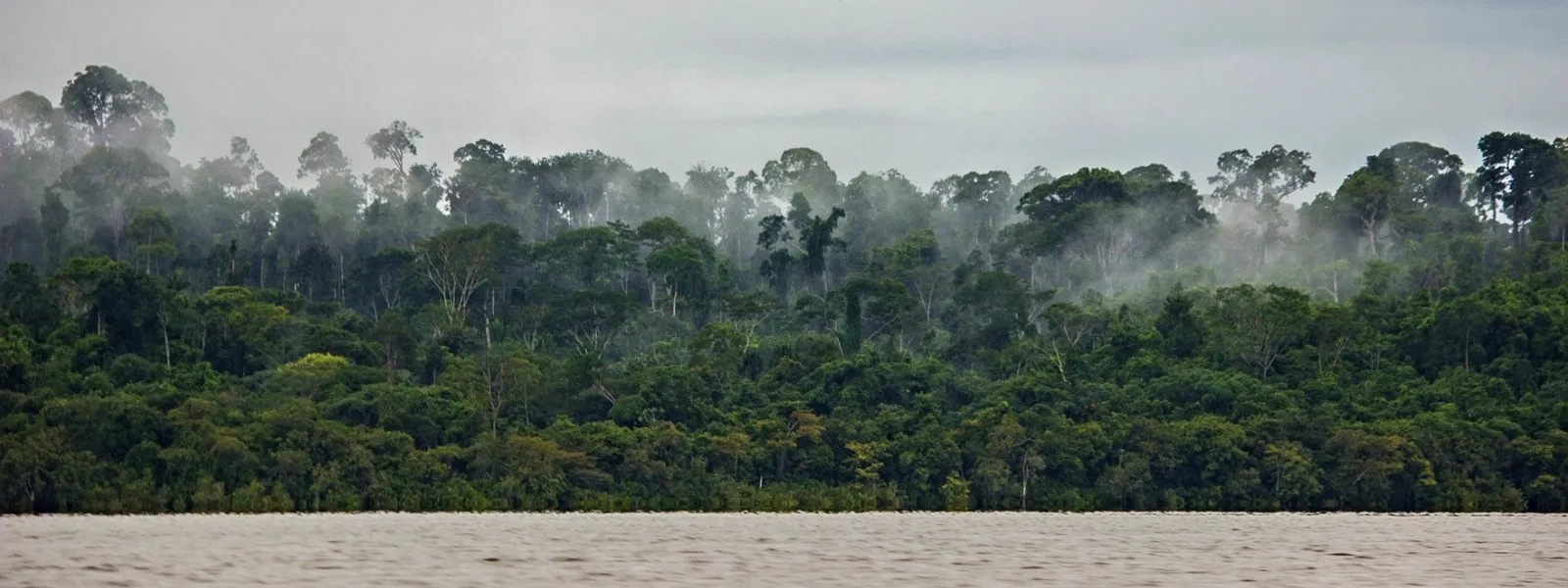
Project
Amazon Watch / Maíra Irigaray
The Belo Monte Dam on the Xingu River: 10 years of impacts in the Amazon and the search for reparations
The Belo Monte Dam has caused an environmental and social disaster in the heart of the Amazon—one of the most important ecosystems on the planet.
This situation has only worsened since the hydroelectric plant began operations in 2016. The quest for justice and reparations by the affected indigenous, fishing, and riverine communities continues to this day.
In 2011, the Inter-American Commission on Human Rights (IACHR) granted them protective measures that, to date, have not been fully implemented by the Brazilian State.
Furthermore, since June of that same year, the IACHR has yet to rule on a complaint against the State regarding its international responsibility in the case.
The IACHR may refer the case to the Inter-American Court of Human Rights, which has the authority to issue a ruling condemning the Brazilian State.
After 10 years of the hydroelectric plant's operation and more than 15 years of documented human rights violations, it is time for justice to be served for the affected communities.
Read the open letter from the organizations bringing the case before the IACHR
Background
The Belo Monte hydroelectric plant—the fourth largest in the world by installed capacity (11,233 MW)—was built on the Xingu River in Pará, a state in northern Brazil.
It was inaugurated on May 5, 2016, with a single turbine. At that time, 80% of the river’s course was diverted, flooding 516 km² of land—an area larger than the city of Chicago. Of that area, 400 km² was native forest. The dam began operating at full capacity in November 2019.
Belo Monte was built and is operated by the Norte Energia S.A. consortium, which is composed primarily of state-owned companies. It was financed by the Brazilian Development Bank (BNDES), which provided the consortium with 25.4 billion reais (approximately US$10.16 billion), the largest investment in the bank’s history. Therefore, the BNDES is also legally responsible for the socio-environmental impacts associated with the hydroelectric plant.
Decades of harm to the environment and people
Human rights violations and degradation of the Amazon have been occurring since the project’s inception. In March 2011, Norte Energía began construction of the dam without adequate consultation and without the prior, free, and informed consent of the affected communities.
The construction caused the forced displacement of more than 40,000 people, severing social and cultural ties. The resettlement plan in Altamira—a city directly affected by the hydroelectric dam—involved housing units located on the outskirts, lacking adequate public services and decent living conditions for the relocated families, with no special provisions for those from indigenous communities.
Belo Monte's operations have caused a permanent, man-made drought in the Volta Grande (or "Great Bend") of the Xingu River, exacerbated by the historic droughts in the Amazon in 2023 and 2024. As a result, the deaths of millions of fish eggs were documented for four consecutive years (from 2021 to 2024), and for the past three years, there has been no upstream migration of fish to spawn and reproduce. Thus, artisanal fishing, the main source of protein for indigenous peoples and riverside communities, was severely affected: fish dropped from 50% to 30% of total protein consumed, replaced by processed foods. In summary, there was an environmental and humanitarian collapse that resulted in the breakdown of fishing as a traditional way of life, food insecurity, and access to drinking water for thousands of families, impoverishment, and disease.
Furthermore, the construction of the dam increased deforestation and intensified illegal logging and insecurity on indigenous and tribal lands, putting the survival of these communities at risk. Another consequence was the deepening of poverty and social conflicts, as well as the strain on health, education, and public safety systems in Altamira—a city ranked as the most violent in the country in 2017, where human trafficking and sexual violence increased. Violence was also reported against human rights defenders involved in the case.
In 2025, during the 30th UN Climate Change Conference (COP30), held in Brazil, the Federal Public Prosecutor’s Office labeled the damage caused by the Belo Monte dam as ecocide.
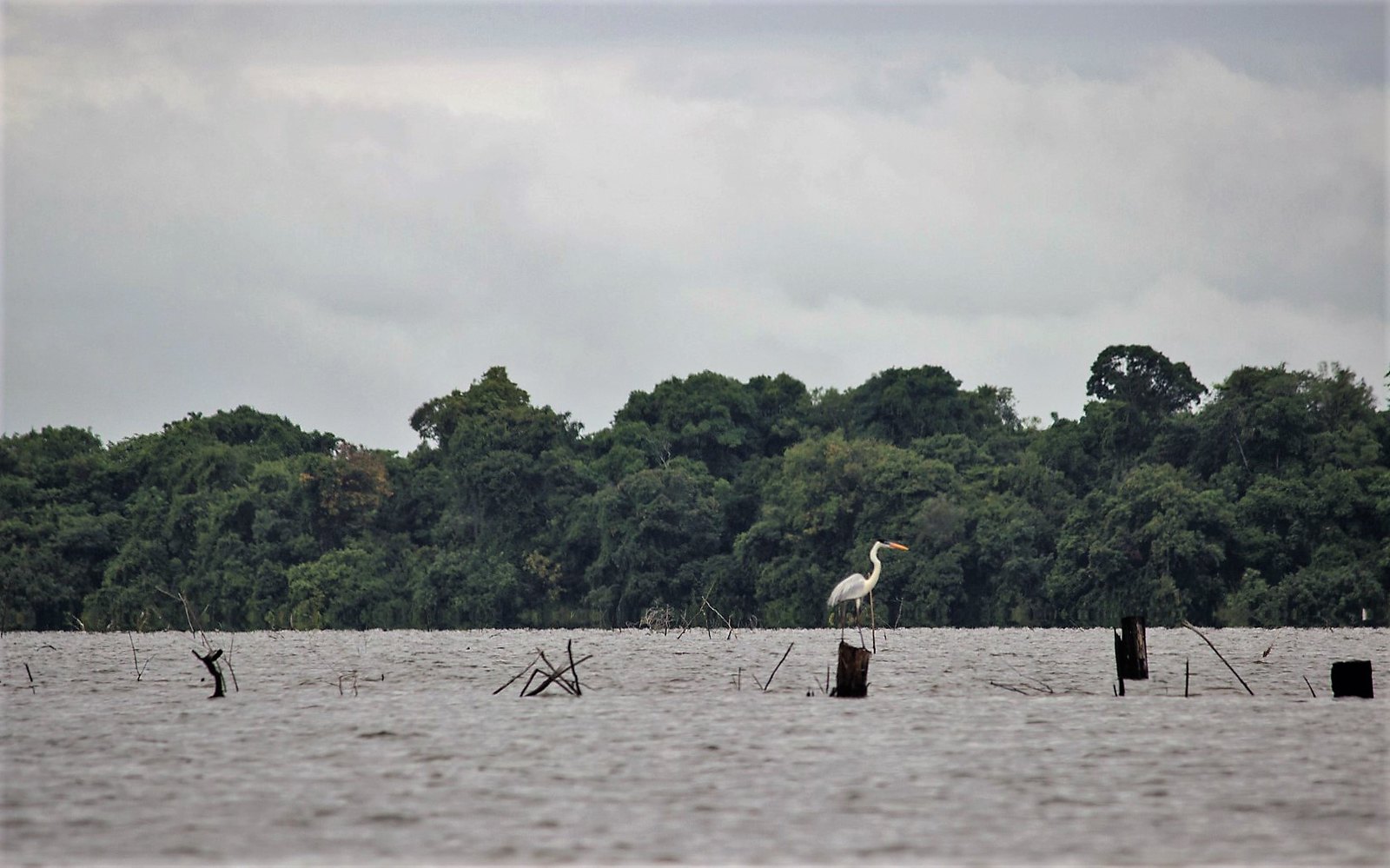
Photo: Amazon Watch / Maíra Irigaray.
The search for justice and reparations
Over the years, the Federal Public Prosecutor’s Office in Pará, the Public Defender’s Office, and civil society organizations have filed dozens of legal actions in Brazilian courts to challenge the project’s various irregularities and its impacts. Most of the claims are still pending resolution, some for more than 10 years.
These efforts have failed because the national government has repeatedly overturned rulings in favor of the affected communities by invoking a mechanism that allowed a court president to suspend a judicial decision based solely on generic arguments such as "the national interest" or "economic order."
In the absence of effective responses at the national level, AIDA, together with a coalition of partner organizations, brought the case before the Inter-American Commission on Human Rights (IACHR) and, in 2010, requested precautionary measures to protect the lives, safety, and health of the affected indigenous communities.
On April 1, 2011, the IACHR granted these measures and requested that the Brazilian government suspend environmental permits and any construction work until the conditions related to prior consultation and the protection of the health and safety of the communities are met.
And on June 16, 2011 —together with the Xingu Vivo Para Sempre Movement, the Coordinating Committee of Indigenous Organizations of the Brazilian Amazon, the Diocese of Altamira, the Indigenous Missionary Council, the Pará Society for the Defense of Human Rights and Global Justice— we filed a formal complaint against the Brazilian State for its international responsibility in the violation of the human rights of the people affected in the case. The case was opened for processing in December 2015.
On August 3, 2011, the IACHR amended the precautionary measures to request, instead of the suspension of permits and construction, the protection of people living in voluntary isolation, the health of indigenous communities, and the regularization and protection of ancestral lands.
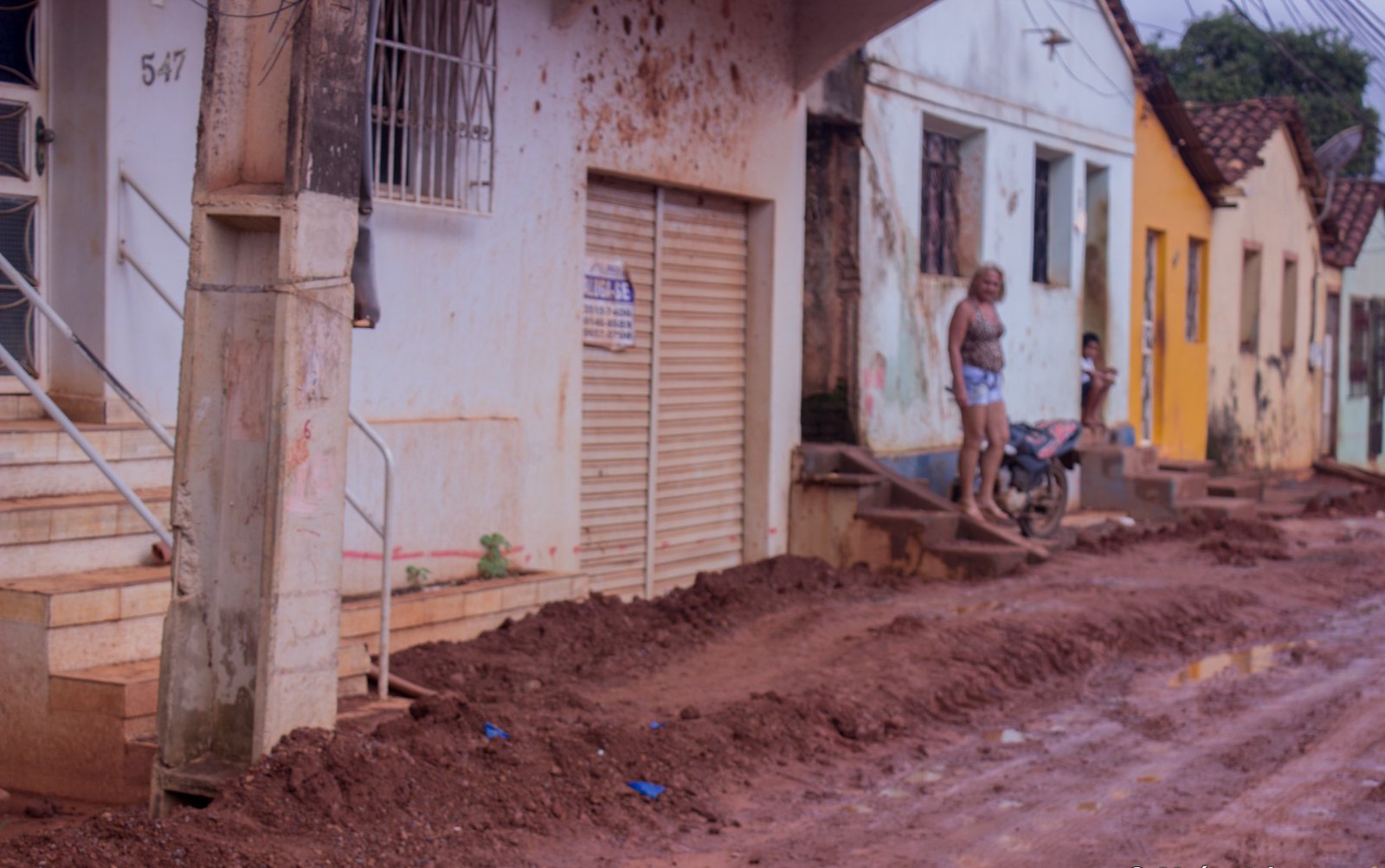
Photo: Amazon Watch / Maíra Irigaray.
Current situation
The protective measures granted by the IACHR remain in effect, but the Brazilian government has not fully complied with them, reporting only on general actions. The communities have documented the ongoing violations of their rights. The situation that prompted the request for these measures—the risk to the lives, physical integrity, and ways of life of the communities—persists and has worsened with the hydroelectric plant operating at full capacity and the recent extreme droughts in the Amazon.
In addition to the impacts of Belo Monte, there is a risk of further social and environmental impacts from the implementation of another mining megaproject in the Volta Grande do Xingu. There, the Canadian company Belo Sun plans to build Brazil’s largest open-pit gold mine.
The combined and cumulative impacts of the dam and the mine were not assessed. The government excluded Indigenous peoples, riverine and peasant communities from the project’s environmental permitting process. Despite protests by Indigenous communities and other irregularities surrounding the project, the government of Pará formally authorized the mine in April 2026.
Like other hydroelectric dams, Belo Monte exacerbates the climate emergency by generating greenhouse gas emissions in its reservoir. And it is inefficient amid the longer, more intense droughts caused by the crisis, as it loses its ability to generate power.
The case before the Inter-American Commission
In October 2017, the IACHR announced that it would rule jointly on the admissibility (whether the case meets the requirements for admission) and the merits (whether a human rights violation actually occurred) of the international complaint against the Brazilian State.
Fifteen years after the complaint was filed, the affected communities and the organizations representing them are still awaiting this decision. If the IACHR concludes that human rights violations occurred and issues recommendations that the Brazilian State fails to comply with, it may refer the case to the Inter-American Court of Human Rights, whose rulings are binding.
A potential ruling by the international court in this case would set a regional legal precedent regarding the rights of indigenous and riverine peoples, public participation in megaprojects, and state responsibility in the context of the climate crisis—a precedent that is particularly relevant in light of the Court’s Advisory Opinion No. 32, which reaffirmed the obligations of States to protect the people and communities of the continent from the climate emergency.
Partners:
Related projects
Watch Out! The Mining Industry Wants to Dump its Waste in the Ocean
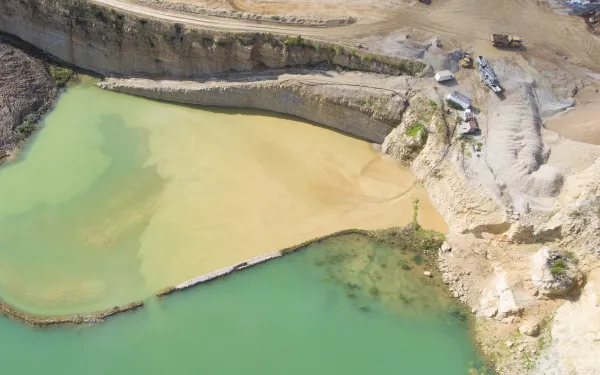
By Florencia Ortúzar, AIDA attorney, and Karol Rodríguez, AIDA intern Mining gives rise to a serious problem: toxic waste. Tailings from ore extraction have been known to damage the environment and communities living near dump sites. Responsible management, then, is critical if we desire economic development that brings more benefits than problems. In Chile, mine companies are running out of places to dump their dangerous byproducts. Inadequate disposal has already caused substantial harm; nobody wants toxic waste near their home or community. Even depositing tailings in dry areas with low biodiversity is not safe, because rain and floods can wash contaminants into communities. In this context, Chilean mining companies have come up with the “brilliant” idea of depositing mine tailings into the sea, through a pipeline that would transport tons of waste to a valley on the ocean floor. The Ocean: delicate and mysterious cradle of life The ocean is one of the greatest mysteries on our planet. In fact, 95 percent of the ocean floor has not been mapped, which means we know only 5 percent of it. We know more about the surface of the moon than about the depths of the ocean. What’s more, oceans contain the most complex ecosystems on the planet. The variables involved in their health and dynamics are infinite. Given these unknowns, it is impossible to predict the effect that mine tailings would have on the ocean floor. This uncertainty is reason enough to apply the precautionary principle, an important legal tool to prevent environmental degradation caused by human development. We don’t know how the waste may affect complex marine ecosystems, their many species, or even ourselves, who take nourishment from fish and other seafood. So how could we sleep soundly while a pipeline funnels contaminated, and certainly hazardous, waste into our oceans? The effects of the environmental damage could be large and uncontrollable, and, once the water is released into the ocean, there would be no turning back. An international workshop on the idea To understand more about this worrying initiative, two renowned Chilean environmentalists—Juan Pablo Orrego, president of Ecosistemas, and Flavia Liberona, executive director of Fundación Terram—attended an international workshop in Lima in June. Participants at the workshop, convened by the Joint Group of Experts on the Scientific Aspects of Marine Environmental Protection and the International Maritime Organization, discussed the viability of depositing mine tailings in the ocean. Orrego penned an article on the theme, which you can read here. In the workshop they learned that dumping mine waste into the ocean is nothing new. It happens in Canada, Turkey, Papua New Guinea, and in some African countries. The Norwegian government recently authorized the use of a pristine fjord (a narrow sea inlet) as a repository for mine tailings from a rutile mine. During the workshop, an official from the Norwegian government defended the decision, arguing, “The social benefits from the mine outweigh the destruction of the fjord.” According to whom? For and against Supporters of the Chilean proposal claim that dumping tailings into the sea does not necessarily entail a hazard. They say the risks are minimal because there’s no oxygen on the bottom of the ocean, so the chemical reaction that causes toxicity on the surface would not occur. Leonel Sierralta J., former official of Chile’s Environmental Ministry and current scientific director of Sustainable Initiatives for Mining, penned an open letter in response to Orrego’s article. In it, he says that although there have been disastrous cases involving mine waste in the ocean, there are also cases in developed countries in which waste dumping has been carried out based on science and following strict environmental criteria. His arguments have not convinced those who oppose the proposal, including five Chilean senators who sponsored a bill to prohibit the discharge of tailings into the ocean. An alternative: neutralize the risk Orrego proposes to regulate mining more strictly. He says that before tailings are deposited, mining companies must extract from them all heavy metals and neutralize their chemical compounds. In that way, it would be feasible to deposit practically inert tailings in places such as old mine shafts. It would even create an economic opportunity for companies to begin extracting and recycling dangerous elements. The neutralization of tailings is an appropriate alternative to continuing environmental destruction. Orrego’s proposal is sensible. It’s reasonable to assert that economic activities dangerous for the environment continue only if their impacts are neutralized. If we generate more waste than we can deal with, it’s because we are not acting sustainably, which means we are not assuring the conservation of a healthy planet for our descendants. This is why we at AIDA work daily to preserve the health of ecosystems in the face of highly polluting activities like mining.
Read more
If Cecil Had Lived in Costa Rica, He Might Still be Alive Today
By Camila Cossio, AIDA intern Last month Cecil, a 13-year-old African lion, was tracked and killed by a tourist from the United States. Cecil was a victim of trophy hunting, a cruel hobby that serves no conservation purpose. If Cecil had lived in Costa Rica, he might still be alive today. Costa Rica is home to many top predators, including big cats like pumas and jaguars—and the government is committed to their protection. Hunting animals for sport is illegal in Costa Rica. The Costa Rican Congress in 2012 unanimously approved an amendment to the nation’s Wildlife Conservation Law, which bans trophy hunting and the general hunting of wildlife. Costa Rica is the first country to ban hunting save for scientific studies, subsistence, and to reduce overpopulation. Hunters who fail to comply with the law may be fined up to $3,000 or jailed for up to four months. In light of Cecil’s death, many trophy hunters have argued that their actions help conservation efforts. Science, however, tells us otherwise. Natural predators, such as lions, wolves and bears, help balance natural ecosystems by killing the sickest and weakest individuals in a species. This is natural selection at its core. In contrast, trophy hunters aim to kill the most “desirable” animals – those that would look best hanging on their walls tend to be healthy top predators like Cecil. By hunting healthy predators, humans are interfering with the delicate balance of species populations. When a dominant lion like Cecil is killed, for example, it is common for a new lion to take over the pride and kill the former leader’s cubs. This pride disruption would not have occurred now had Cecil not been hunted to his death. Another kind of disruption is being seen in regard to United States wolf populations. The overhunting of red wolves led to an increase in coyote populations. As coyote populations grew, they suppressed the numbers of many smaller predators, such as foxes. Foxes prey on mammals responsible for infecting ticks with Lyme disease. It’s no coincidence that humans are currently facing the highest incidence of Lyme disease ever documented. Instances like this make it clear that predators play a vital role both for healthy animal ecosystems and for human health. Trophy hunting also creates a market for the poaching of threatened and endangered species. Organized trophy hunts imply that animal populations are “recovering” and not in danger, thus increasing the exploitation of already sensitive populations.[1] Costa Rica is a pioneer in wildlife law and wildlife protection – as evidenced by its landmark legislation, and by everyday actions I witness during my internship here in AIDA’s San José office. I see the nation’s concern reflected in the work our attorneys do to protect endangered species. And I see it on the streets, in bumper stickers bearing the image of a big cat like Cecil, captioned “Animals Have the Right of Way. Respect Them." [1] Cecil and the Myth of Conservation Through Sports Hunting, http://www.friendsofanimals.org/news/2015/august/cecil-and-myth-conservation-through-sport-hunting (accessed Aug. 5, 2015).
Read moreGod is an Environmentalist. Are You?
God is with us in the fight to defend the environment. He is the first environmentalist. In his encyclical Laudato Si, also known as the environmental encyclical, Pope Francis says, “The violence present in our hearts, wounded by sin, is also reflected in the symptoms of sickness evident in the soil, in the water, in the air, and in all forms of life.” All religions agree that divinity created the planet we share with all forms of life. Caring for this creation is one of our ancient religious duties. This sentiment has been echoed by high representatives of churches around the world, from Catholic to Muslim, Hindu to Orthodox. The planet and the beings that inhabit it are currently suffering grave environmental impacts. The contamination of oceans and rivers, climate change, soil deterioration, the extinction of species and the disappearance of forests are just some of the ills afflicting the environment. Given this bleak picture, various churches agree they must admonish believers to care for their surroundings. What did Pope Francis say? In Laudato Si, Pope Francis recounts the lessons of Juan Pablo II, who said that “the destruction of the human environment is extremely serious, not only because God has entrusted the world to us men and women, but because human life is itself a gift which must be defended from various forms of debasement.” The encyclical also recognizes the position of the Turkish Orthodox Church. “Patriarch Bartholomew has spoken in particular of the need for each of us to repent of the ways we have harmed the planet,” the text reads. The Pope also adds that Saint Francis of Assisi, who invited us to “care for all that exists,” always asked that part of his friary garden remain uncultivated, so that wild flowers and herbs could grow. Thus, those who admired them could raise their thoughts to the creator of such beauty: God. The Pope praises all who join forces in defense of the environment: “I want to recognize, encourage and thank all those striving in countless ways to guarantee the protection of the home which we share. “ In this same vein, the Conference of Bishops of South Africa stated that the “talents and involvement of all is needed to repair the damage caused by human abuse of God’s creation.” What do other religions say? Islam also encourages defending the environment. Muslim scholars have recently qualified climate change as a serious threat. The Islamic Foundation for Ecology and Environmental Science declared: “God created the world in mizan (balance), but through fasad (corruption), human beings have caused climate change, together with a range of negative effects on the environment that include deforestation, the destruction of biodiversity, and the pollution of the oceans and of water systems.” To learn how Confucianism, Hinduism, Christianity and traditional indigenous religions promote environmental defense, you can consult Ecology and Religion, a book by John Grim and Mary Evelyn Tuckner, published by Island Press in 2014. Better today than tomorrow These religious and environmental lessons are very important, especially when we come to defining moments in this fight to protect God’s creation, our planet. In December the 21st Conference of Parties of the United Nations Framework Convention on Climate Change will take place in Paris. This is the last opportunity for the nations of the world to reach a new binding agreement and avoid a global climate catastrophe. Humanity faces similar challenges with respect to energy sources, the use of fossil fuels, growing food, waste management and the protection of natural areas. The religions of the world, and their commitment to protecting the planet, give us a compelling reason to join in the fight. At AIDA we do so daily. We use the law to protect freshwater sources, the human rights of communities affected by environmental degradation, marine and coastal ecosystems, and to promote appropriate solutions to climate change. We can all do something, from changing personal habits that damage the environment, to pushing for structural solutions. These may include renouncing the use of plastic bags or telling your elected representatives you’ll only vote for people who support a rapid transition away from fossil fuels. Whatever we do, let’s do it soon! Amen.
Read more