
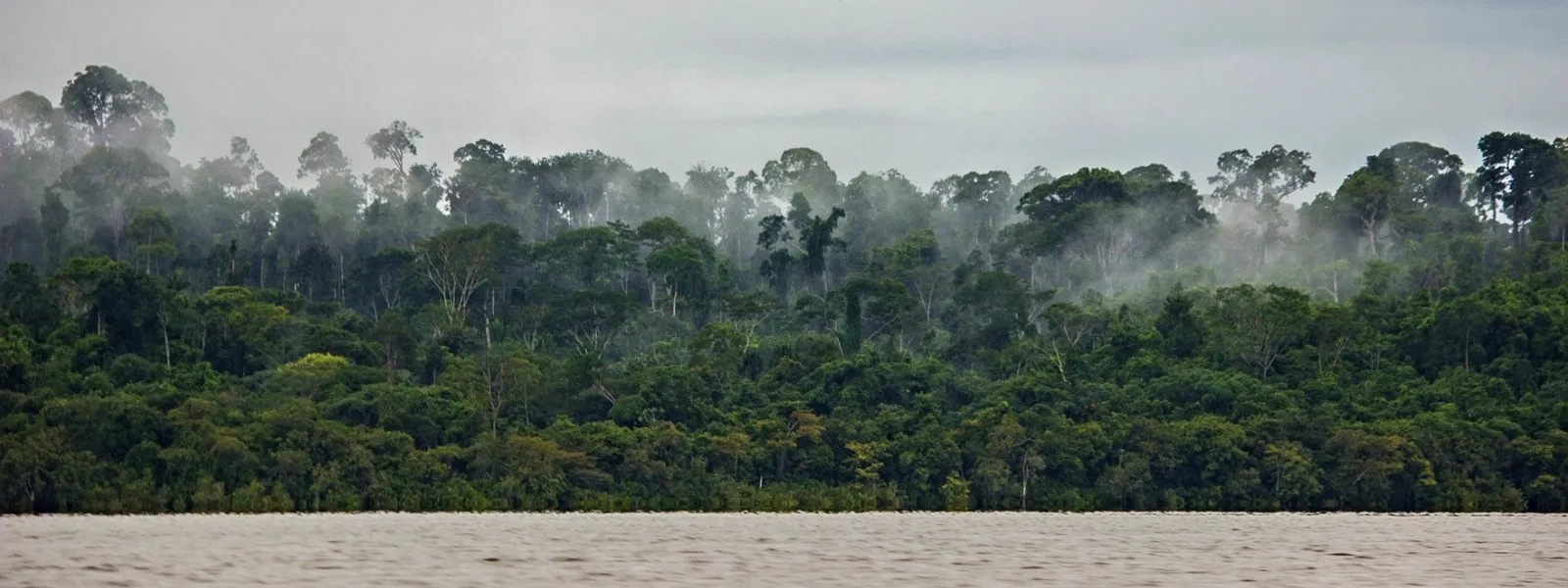
Project
Amazon Watch / Maíra Irigaray
The Belo Monte Dam on the Xingu River: 10 years of impacts in the Amazon and the search for reparations
The Belo Monte Dam has caused an environmental and social disaster in the heart of the Amazon—one of the most important ecosystems on the planet.
This situation has only worsened since the hydroelectric plant began operations in 2016. The quest for justice and reparations by the affected indigenous, fishing, and riverine communities continues to this day.
In 2011, the Inter-American Commission on Human Rights (IACHR) granted them protective measures that, to date, have not been fully implemented by the Brazilian State.
Furthermore, since June of that same year, the IACHR has yet to rule on a complaint against the State regarding its international responsibility in the case.
The IACHR may refer the case to the Inter-American Court of Human Rights, which has the authority to issue a ruling condemning the Brazilian State.
After 10 years of the hydroelectric plant's operation and more than 15 years of documented human rights violations, it is time for justice to be served for the affected communities.
Read the open letter from the organizations bringing the case before the IACHR
Background
The Belo Monte hydroelectric plant—the fourth largest in the world by installed capacity (11,233 MW)—was built on the Xingu River in Pará, a state in northern Brazil.
It was inaugurated on May 5, 2016, with a single turbine. At that time, 80% of the river’s course was diverted, flooding 516 km² of land—an area larger than the city of Chicago. Of that area, 400 km² was native forest. The dam began operating at full capacity in November 2019.
Belo Monte was built and is operated by the Norte Energia S.A. consortium, which is composed primarily of state-owned companies. It was financed by the Brazilian Development Bank (BNDES), which provided the consortium with 25.4 billion reais (approximately US$10.16 billion), the largest investment in the bank’s history. Therefore, the BNDES is also legally responsible for the socio-environmental impacts associated with the hydroelectric plant.
Decades of harm to the environment and people
Human rights violations and degradation of the Amazon have been occurring since the project’s inception. In March 2011, Norte Energía began construction of the dam without adequate consultation and without the prior, free, and informed consent of the affected communities.
The construction caused the forced displacement of more than 40,000 people, severing social and cultural ties. The resettlement plan in Altamira—a city directly affected by the hydroelectric dam—involved housing units located on the outskirts, lacking adequate public services and decent living conditions for the relocated families, with no special provisions for those from indigenous communities.
Belo Monte's operations have caused a permanent, man-made drought in the Volta Grande (or "Great Bend") of the Xingu River, exacerbated by the historic droughts in the Amazon in 2023 and 2024. As a result, the deaths of millions of fish eggs were documented for four consecutive years (from 2021 to 2024), and for the past three years, there has been no upstream migration of fish to spawn and reproduce. Thus, artisanal fishing, the main source of protein for indigenous peoples and riverside communities, was severely affected: fish dropped from 50% to 30% of total protein consumed, replaced by processed foods. In summary, there was an environmental and humanitarian collapse that resulted in the breakdown of fishing as a traditional way of life, food insecurity, and access to drinking water for thousands of families, impoverishment, and disease.
Furthermore, the construction of the dam increased deforestation and intensified illegal logging and insecurity on indigenous and tribal lands, putting the survival of these communities at risk. Another consequence was the deepening of poverty and social conflicts, as well as the strain on health, education, and public safety systems in Altamira—a city ranked as the most violent in the country in 2017, where human trafficking and sexual violence increased. Violence was also reported against human rights defenders involved in the case.
In 2025, during the 30th UN Climate Change Conference (COP30), held in Brazil, the Federal Public Prosecutor’s Office labeled the damage caused by the Belo Monte dam as ecocide.
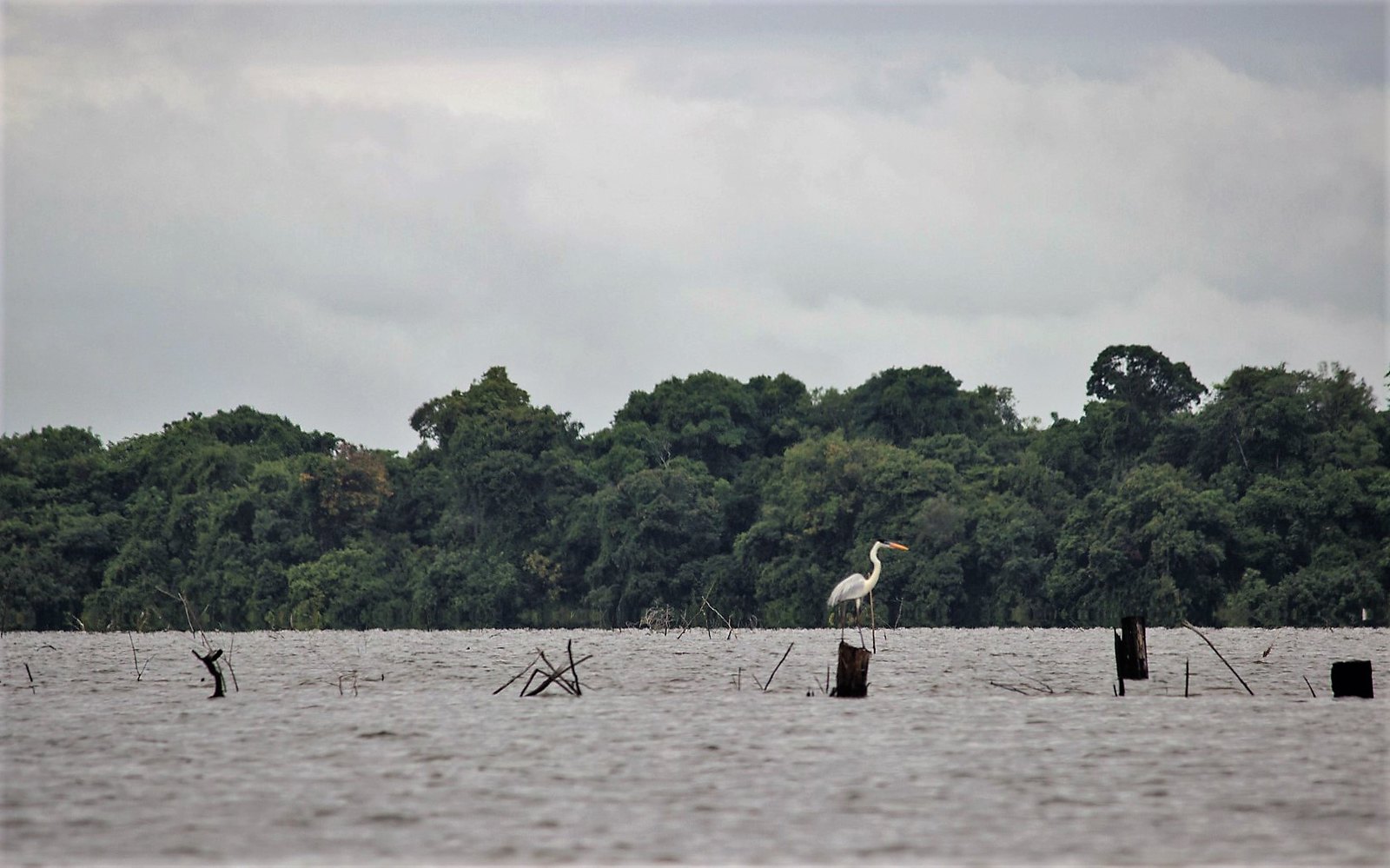
Photo: Amazon Watch / Maíra Irigaray.
The search for justice and reparations
Over the years, the Federal Public Prosecutor’s Office in Pará, the Public Defender’s Office, and civil society organizations have filed dozens of legal actions in Brazilian courts to challenge the project’s various irregularities and its impacts. Most of the claims are still pending resolution, some for more than 10 years.
These efforts have failed because the national government has repeatedly overturned rulings in favor of the affected communities by invoking a mechanism that allowed a court president to suspend a judicial decision based solely on generic arguments such as "the national interest" or "economic order."
In the absence of effective responses at the national level, AIDA, together with a coalition of partner organizations, brought the case before the Inter-American Commission on Human Rights (IACHR) and, in 2010, requested precautionary measures to protect the lives, safety, and health of the affected indigenous communities.
On April 1, 2011, the IACHR granted these measures and requested that the Brazilian government suspend environmental permits and any construction work until the conditions related to prior consultation and the protection of the health and safety of the communities are met.
And on June 16, 2011 —together with the Xingu Vivo Para Sempre Movement, the Coordinating Committee of Indigenous Organizations of the Brazilian Amazon, the Diocese of Altamira, the Indigenous Missionary Council, the Pará Society for the Defense of Human Rights and Global Justice— we filed a formal complaint against the Brazilian State for its international responsibility in the violation of the human rights of the people affected in the case. The case was opened for processing in December 2015.
On August 3, 2011, the IACHR amended the precautionary measures to request, instead of the suspension of permits and construction, the protection of people living in voluntary isolation, the health of indigenous communities, and the regularization and protection of ancestral lands.
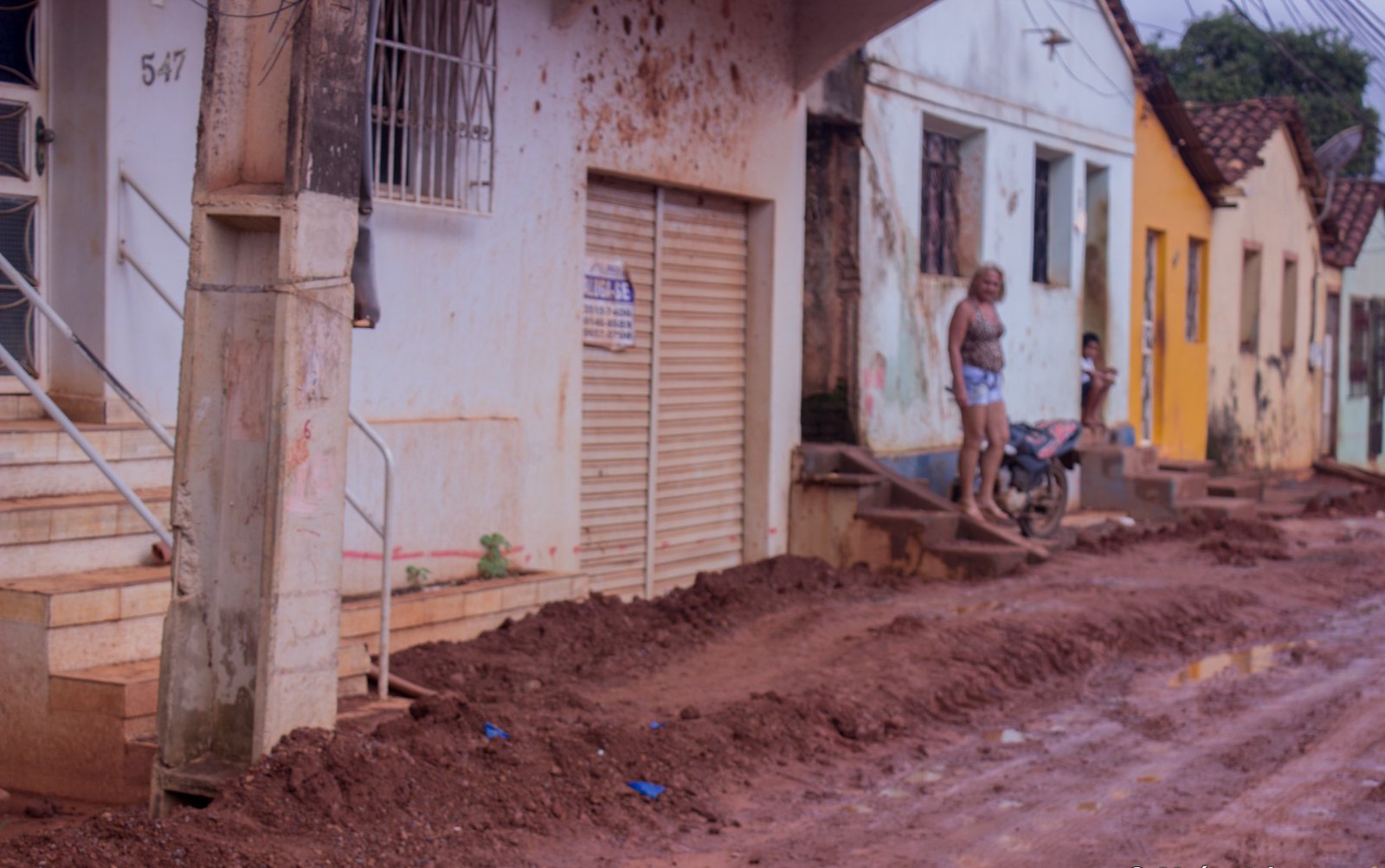
Photo: Amazon Watch / Maíra Irigaray.
Current situation
The protective measures granted by the IACHR remain in effect, but the Brazilian government has not fully complied with them, reporting only on general actions. The communities have documented the ongoing violations of their rights. The situation that prompted the request for these measures—the risk to the lives, physical integrity, and ways of life of the communities—persists and has worsened with the hydroelectric plant operating at full capacity and the recent extreme droughts in the Amazon.
In addition to the impacts of Belo Monte, there is a risk of further social and environmental impacts from the implementation of another mining megaproject in the Volta Grande do Xingu. There, the Canadian company Belo Sun plans to build Brazil’s largest open-pit gold mine.
The combined and cumulative impacts of the dam and the mine were not assessed. The government excluded Indigenous peoples, riverine and peasant communities from the project’s environmental permitting process. Despite protests by Indigenous communities and other irregularities surrounding the project, the government of Pará formally authorized the mine in April 2026.
Like other hydroelectric dams, Belo Monte exacerbates the climate emergency by generating greenhouse gas emissions in its reservoir. And it is inefficient amid the longer, more intense droughts caused by the crisis, as it loses its ability to generate power.
The case before the Inter-American Commission
In October 2017, the IACHR announced that it would rule jointly on the admissibility (whether the case meets the requirements for admission) and the merits (whether a human rights violation actually occurred) of the international complaint against the Brazilian State.
Fifteen years after the complaint was filed, the affected communities and the organizations representing them are still awaiting this decision. If the IACHR concludes that human rights violations occurred and issues recommendations that the Brazilian State fails to comply with, it may refer the case to the Inter-American Court of Human Rights, whose rulings are binding.
A potential ruling by the international court in this case would set a regional legal precedent regarding the rights of indigenous and riverine peoples, public participation in megaprojects, and state responsibility in the context of the climate crisis—a precedent that is particularly relevant in light of the Court’s Advisory Opinion No. 32, which reaffirmed the obligations of States to protect the people and communities of the continent from the climate emergency.
Partners:
Related projects
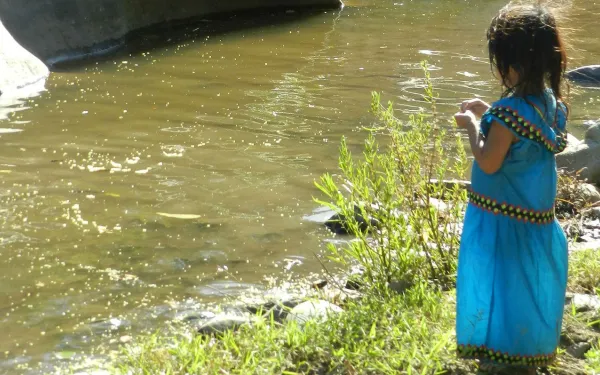
Independent report finds Dutch and German Development Banks failed to comply with environmental and human rights standards in financing the Barro Blanco Dam in Panama
Indigenous communities and civil society shocked by the banks’ inadequate response to the findings. Kiad, Panama/Amsterdam/Bogota – Last Friday, a long-awaited report by an independent panel found that FMO and DEG, the Dutch and German development banks, violated their own policies by failing to adequately assess the risks to indigenous rights and the environment before approving a US$50 million loan to GENISA, the developer of the Barro Blanco hydroelectric project in Panama. FMO and DEG’s response to the findings, while acknowledging some deficiencies in their assessment, does not commit to any measures to address the outstanding policy violations. Even while the report concludes that “the lenders have not taken the resistance of the affected communities seriously enough,” it appears that FMO and DEG continue to do so. In May 2014, the Movimiento 10 de Abril (M-10), representing indigenous peoples directly affected by the project, with the support of Both ENDS and SOMO, filed the first complaint to the Independent Complaints Mechanism (ICM) of the FMO and DEG. The complaint alleges that the Barro Blanco dam will affect part of the Ngöbe-Buglé indigenous territory, flooding their homes, schools, and religious, archaeological, and cultural sites. Despite national and international human rights obligations, the Panamanian government, GENISA and the banks failed to obtain the free, prior, and informed consent (FPIC) of the Ngöbe-Buglé before the project was approved. The ICM found that the “lenders should have sought greater clarity on whether there was consent to the project from the appropriate indigenous authorities prior to project approval.” “We did not give our consent to this project before it was approved, and it does not have our consent today,” said Manolo Miranda, a representative of the M-10. “We demand that the government, GENISA, and the banks respect our rights and stop this project.” The ICM found that “while the [loan] agreement was reached prior to significant construction, significant issues related to social and environmental impact and, in particular, issues related to the rights of indigenous peoples were not completely assessed prior to the [loan] agreement.” The banks’ failure to identify the potential impacts of the project led to a subsequent failure to require their client to take any action to mitigate those impacts. The environmental and social action plan (ESAP) appended to the loan agreement “contains no provision on land acquisition and resettlement and nothing on biodiversity and natural resources management. Neither does it contain any reference to issues related to cultural heritage.” “This failure constitutes a violation of international standards regarding the obligation to elaborate adequate and comprehensive Environmental and Social Impact Assessments before implementing any development project, in order to guarantee the right to free, prior and informed consent, information and effective participation of the potentially affected community”, explained Ana María Mondragón, lawyer at the Interamerican Association for Environmental Defense (AIDA). While FMO and DEG acknowledged in their official response to the ICM’s report that they “were not fully appraised at credit approval,” they made no further concrete commitments to ensure that the rights of those affected by the dam will be respected. The banks claim that they are “facing limitations in their influence” over government processes to come to a satisfactory agreement with all stakeholders involved. Their actions, however, reveal a different story. In February, the Panamanian government provisionally suspended construction of the Barro Blanco dam. Subsequent to the suspension, the government convened a dialogue table with the Ngöbe-Buglé, with the facilitation of the United Nations, to discuss the future of the project. Rather than supporting the Government of Panama to respect the rights of the Ngöbe-Buglé, FMO and DEG have requested that Panama’s environmental authority reconsider the suspension and allow their client to resume construction. In February, they sent a letter to the Vice President of Panama, expressing their “great concern and consternation” about the suspension and noting that it “may weigh upon future investment decisions, and harm the flow of long-term investments into Panama.” While the banks asserted that their consultants found nothing that would warrant the suspension of the project, they failed to mention that their own independent accountability mechanism was undertaking an investigation of the project. Indeed, by that time, the banks had already seen a draft of the ICM’s report with findings that the project was not in compliance with its own policies. “We were surprised to find out about the role of the banks in influencing the national process, as this is in contradiction to their assertions that they are not in a position to intervene in national decision-making.” said Anouk Franck, senior policy advisor at Both ENDS, based in Amsterdam. “They should now show their commitment in coming to a solution and start taking FPIC seriously, in the case of Barro Blanco, where due to delays in tackling the issue, the banks might need to accept losses on their loan. And they need to find ways to assure themselves FPIC is obtained where relevant, for example through human rights impact assessments.” The handling of the complaint was a lengthy and at times frustrating process. GENISA refused to cooperate with the ICM and provide them with access to project documents, leading the banks to conclude a secret side agreement with GENISA. The secret side agreement superseded the publicly available procedures of the ICM and allowed GENISA to review the draft and final investigation reports before they were shared with complainants. “FMO and DEG are more concerned with protecting the interests of their client than they are with protecting the rights of those affected by the projects they finance,” said Kris Genovese, senior researcher at the Centre for Research on Multinational Corporations (SOMO). “It’s a tragic irony that banks asked the consent of the company to publish the ICM’s investigation report, but didn't ask consent of Ngöbe-Buglé for the project.” The Barro Blanco project was registered under the Clean Development Mechanism, a system under the Kyoto Protocol that allows the crediting of emission reductions from greenhouse gas abatement projects in developing countries. “As climate finance flows are expected to flow through various channels in the future, the lessons of Barro Blanco must be taken very seriously. To prevent that future climate mitigation projects have negative impacts, a strong institutional safeguard system that respects all human rights is required,” said Pierre-Jean Brasier, network coordinator at Carbon Market Watch. “The opportunity to establish such a necessary safeguards system is now, ahead of the Paris agreement, to put the respect of human rights on top of the UNFCCC agenda.” The ICM will monitor the banks’ implementation of corrective actions and recommendations. Meanwhile, the M10 expect FMO and DEG to withdrawal their investment from the project and ask that the Dutch and German governments show a public commitment to ensuring the rights of the affected Ngöbe-Buglé. At the same time, the banks should refrain from putting pressure on the Panamanian government.
Read more
AIDA Attends Ramsar COP for Wetlands Conservation
In regions across the Americas, water is becoming an increasingly scarce resource. Baja California and other parts of Mexico are experiencing water shortages. Washington, Oregon and California are confronting the worst drought in history. The United Nations Food and Agriculture Organization says that, by 2025, at least 1.9 billion people will live in countries or regions facing an absolute shortage of water. In this situation, it is urgent to preserve wetlands – the natural ecosystems that provide fresh water, help to replenish groundwater aquifers, and nurture aquatic wildlife. Wetlands include páramos, mangroves, rivers, lakes and coral reefs. At AIDA, we’re committed to protecting these unique ecosystems. We work to strengthen the Ramsar Convention, an intergovernmental treaty that mandates the conservation and wise use of wetlands worldwide. The Convention’s member nations are obligated to ensure that wetlands in their territories conserve important ecological characteristics, which provide clean water and myriad benefits for humanity. To ensure compliance with the Convention’s obligations, nations convene every three years at the Conference of Parties (COP), the Convention’s primary organ. The twelfth conference (COP12) – focusing on “Wetlands for Our Future” – will take place June 1-9 in Punta de Este, Uruguay. One of the functions of the COP is to consider information presented by organizations like AIDA to improve each country’s compliance with the Convention. AIDA is participating in COP12 as an observing civil society organization, presenting comments on draft resolutions to be discussed at the conference. These resolutions provide solutions to the challenges nations encounter when implementing the treaty, and ensure that governments make clear commitments to conserve important ecosystems. We will submit comments on three of the most important draft resolutions: The Philippines calls on the Convention to propose economic tools to reduce the risk of natural disasters. Thailand proposes to analyze the effectiveness of mechanisms used to evaluate the management and conservation of sites the Convention considers Wetlands of International Importance. Mexico proposes that countries identify the possible negative impacts that infrastructure projects have on water, biodiversity and wetland services. AIDA will also make specific recommendations to protect wetlands in Colombia, Mexico and Panama. We will advocate the inclusion of two sites on the Montreux Record, a list of wetlands that receive international priority, and for which a country may obtain technical assistance and financial resources for conservation. The sites AIDA proposes to add are the Bay of Panama Wetlands, threatened by the construction of tourism infrastructure, and the Veracruz Reef System National Park, endangered by the expansion of the Port of Veracruz in Mexico. Finally, we will ask the Secretariat of the Convention to make advisory visits to Colombia to learn about the situation of the country’s páramos, at risk from large-scale mining projects, and of Ciénaga Grande de Santa Marta, an important site affected by unsustainable agriculture. Following these visits, the Secretariat may make recommendations for Colombia to improve management of these sites. We invite you to follow our work during the COP12 of the Ramsar Convention on our website, Facebook and Twitter!
Read more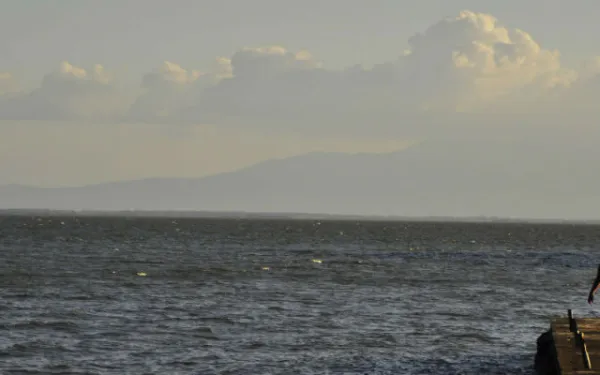
The Nicaragua Canal: Resistance to Dispossession
“How do I explain do my son that to be a landowner will soon mean to be an employee?” asked a woman who may soon lose her land because of the proposed Nicaraguan Interoceanic Grand Canal. Her question resounds in my head each time I hear news of the canal’s construction. There is nothing more valuable than a piece of land to cultivate, land you’ve dreamed of your whole life, land that your children will some day inherit, land that makes the early mornings and long days working under the hot sun worth it. People throughout Nicaragua have said “no” to the proposed canal. They have decided to fight because they’re not willing to lose their dreams for nothing more than the promise of a job. A Controversial Canal The proposed canal will cross Lake Nicaragua, or Cocibolca, the second largest lake in Latin America. It will cut the country in two to connect the Caribbean Sea and the Atlantic Ocean with the Pacific. At 278 kilometers, it will be three times larger than the Panama Canal. The project’s estimated cost is 50 billion dollars. More than just the canal, it will include other megaprojects: an airport, highways, a free trade zone, resorts and two ports – one on the Pacific and the other on the Caribbean. The magnitude of the project will be reflected in the negative impacts it will cause. Canal construction will directly affect 119,000 people in 13 municipalities, according to Mónica López Baltodano of Fundación Popol Na. She presented this information at a special hearing on March 16, 2015 before the Inter-American Commission for Human Rights. The hearing was requested by 10 organizations from Nicaragua and the multi-national Center for Justice and International Law (CEJIL). “Our greatest worry is that the exact number of citizens who will undergo a process of expropriation (those who will be displaced from their land) remains a State secret, and there are no plans for relocation or the restoration of living conditions,” Lopez explained. Azahelea Solís of the Citizens’ Union for Democracy (UCD) added that granting licenses for the project “violates the Constitution of the Republic, various national laws, and more than 10 international environmental treaties signed by Nicaragua.” In addition, the canal was approved in the absence of an environmental impact assessment. The concession was granted to a single company: the Chinese consortium HKND. In the hearing, Louis Carlos Buob of CEJIL explained that the consortium has exclusive rights to “development” and “operation” of the canal, potentially for at least 116 years. The concession gives them “unrestricted rights over natural resources like land, forests, islands, air, surface and groundwater, maritime space and additional resources that could be considered relevant anywhere in the country.” The damage to these natural resources is precisely the most worrying thing about the canal. Its construction will impact Lake Cocibolca, the most important fresh water source in Central America. It also “threatens sensitive marine ecosystems in the Caribbean Sea belonging to Colombia and divides in two the Mesoamerican Biological Corridor, a loose network of reserves and other land that stretches from the south of Mexico to Panama, which animals such as the jaguar use to cross Central America.” Community Resistance Those affected by the expropriations have formed the National Council for the Defense of our Lands, Lake and National Sovereignty. Through this united front they have expressed their total opposition to the project and have stated that they will not sell their lands for the canal’s construction. According to the page Nicaragua sin heridas, a citizen’s initiative to disclose information on the project, there have been 41 protests against the project, in which 113,500 people have mobilized across 25 territories in just five months. The community of El Tule, in the department of Rio San Juan, has become an emblem of the anti-canal fight. The citizens there who will be affected by the project have held marches and rallies. On December 24, they were victims of repression at the hands of the National Police – the crowd was beaten and 33 people, including leaders of the movement, were imprisoned for their protest. In Tule there was no Holy Night, and no Merry Christmas. A Disastrous Trend Sadly, the Nicaragua Canal is just one of many projects that gravely affect human rights and the environment in Latin America. In the last 20 years, more than 250 million people have been displaced in the name of “development” for megaprojects, such as dams, or extractive activities, such as mining. In October 2014, alongside partner organizations, AIDA called Inter-American Human Rights Commission’s attention to forced displacement caused by the inadequate implementation of mining and energy projects in Colombia. On that occasion, we asked the Commission to develop standards on displacement by megaprojects and urged the Colombian government to properly care for the victims. Megaprojects not only cause forced displacement, but also violate other human rights ranging from the loss of ways of life to the criminalization of social protest, as occurred in El Tule. In Mexico, the Miguel Augustín Pro Juárez Center for Human Rights published the report Han Destruido la Vida en Este Lugar (They’ve Destroyed Life in This Place, 2010), which documents the damage caused by megaprojects and by the exploitation of natural resources. According to the report, in addition to forced displacement, these projects cause harm to ways of life and broken cultural ties. I would add that displacements break community social networks, vital to the exercise of rights. Left with Questions What will happen to those whose land is expropriated by the Nicaragua Canal? Are they condemned to be displaced and see their dream of landownership destroyed? Who will guarantee respect for their human rights? In what way can Nicaraguan civil society and those unaffected by the project help them? Today the canal threatens to become a reality for one of the poorest countries in Latin America, with a recent history of dictatorship and civil war, that is each day more vulnerable to climate change and natural disasters. How do I explain do my son that to be a landowner will soon mean to be an employee? I still have no answer.
Read more