Blog

Climate finance advances, but lacks ambition

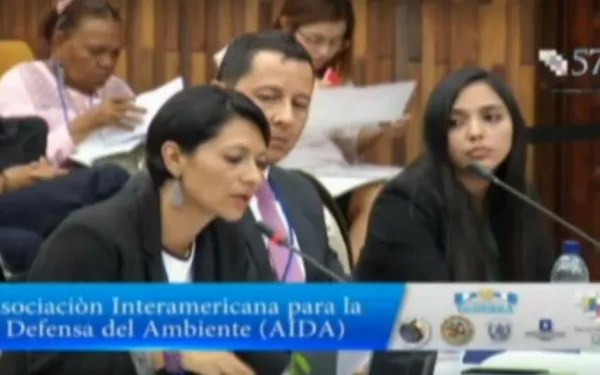
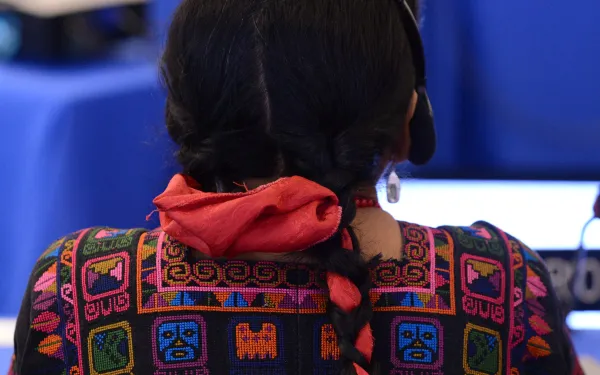
The 22nd Conference of the Parties to the United Nations Framework Convention on Climate Change (COP22) was held in Morocco from November 7-18, 2016. The delegates made progress on issues related to finance for developing countries facing the impacts of climate change. But their decisions needed to be more ambitious. Global governments must provide adequate and predictable financial contributions so countries can plan and execute adaptation and mitigation strategies. COP22 was the first climate conference held after the Paris Agreement became binding on November 4. In Marrakech, signatory countries began to establish procedures to implement the new global accord. “The meeting sent a strong political message to the world: the commitments established under the Paris Agreement will stand above the results of the US presidential elections, whose winner has denied the very existence of climate change,” said Andrea Rodriguez, AIDA attorney and civil society participant in the climate negotiations.  Funding the fight against climate change Important progress was made at COP22 in terms of climate finance, a key component in the global fight against climate change. Developing countries presented a roadmap for mobilizing $100 billion per year by 2020, a commitment made in the Paris Agreement. Although the plan is valid, the contributions of developed nations must be even more ambitious to achieve the financial target and ensure that economic resources will be available when required. Important recommendations were made to the Green Climate Fund—the largest fund for climate adaptation and mitigation. They focused on increasing direct access to funding and simplifying the process of accessing funds. But the recommendations did not, as hoped, focus on helping to develop and implement climate plans agreed under the Convention (such as Nationally Appropriate Mitigation Actions, National Adaptation Programs of Action, and Intended Nationally Determined Contributions). Together with our allies, AIDA organized two side events to share views on progress made in the Green Climate Fund, from the perspective of several actors involved in the process. The panelists emphasized the need to strengthen national governments’ capacities to plan and design funding proposals based on each country’s priority needs. Such increased capacity would allow developing countries not to rely on outside entities to make decisions with far-reaching consequences for the environment and national economies. Emphasis was also placed on the importance of including non-governmental actors in decisions about how to use climate finance, so more comprehensive and legitimate proposals can be produced. The event educated a wide variety of participants from organizations and governments, and provided an opportunity for them to exchange views with the Secretariat and with Accredited Entities on ways to improve processes ahead. The fate of the Adaptation Fund, which was created under the Kyoto Protocol to support adaptation activities in developing countries, was uncertain throughout the two weeks of COP22 negotiations. Fortunately, Parties decided that the Adaptation Fund will also serve to implement the Paris Agreement. Its continuity was guaranteed thanks to an infusion of $81 million from four developed nations (Germany, Belgium, Italy and Sweden). In terms of long-term financing, Parties decided to prioritize the mobilization of public resources and guarantee financial support for adaptation actions, with greater participation of the private sector. We were also hoping the Parties would make new financial commitments for the post-2020 period, but this did not happen. 

Read more

Press releases Latin America

Now, more than ever, it’s time to work for our planet

We have a historic responsibility to demonstrate leadership, to find peaceful solutions, and to ensure a brighter future for present and future generations. 

Read more

Blog

The fight against climate change: Time to turn promises into action

The Paris Agreement on climate change entered into force today. Nations must now implement the commitments that made this global consensus possible, and work to make them even more ambitious. On October 5, the nations of the European Union ratified the Paris Agreement, the binding global treaty on climate change adopted in a United Nations conference last December. With their signatures, the treaty met the requirements needed to enter into force: it was ratified by at least 55 countries, which account for 55 percent or more of global greenhouse gas emissions. Many Latin American nations contributed to this important political achievement by ratifying the agreement early, including Argentina, Bolivia, Brazil, Guatemala, Honduras, Mexico, Panama and Peru. In late September, China and the United States, the world’s largest emitters, also said yes to the new climate accord. Now all the nations that have ratified the Paris Agreement must begin to implement the national contributions they laid out last year, including, among other things, reducing emissions, financing climate actions, and taking measures for adaptation and mitigation. “These contributions are legally binding and can only be improved upon by increasing ambitions,” explained Andrea Rodriguez, AIDA attorney. “Nations cannot deny or go back on their word.” For the commitments to become a reality, each country must promote actions that meet international standards and create strong institutions to implement them.  Strong national and international support systems will enable governments to succeed at the adaptation and mitigation efforts that lay ahead. The world’s most vulnerable nations depend on special climate financing to cope with the impacts of a changing climate. The enactment of the Paris Agreement may result in a stronger, more predictable and transparent international financial framework. Sufficient funding and proper financial management are key to making national commitments not only concrete but ever more ambitious. “The entry into force of the Paris Agreement is an important global milestone. We can finally begin the urgent transformation of our economy and society towards a truly sustainable future. The irrefutable evidence of the impacts of climate change requires us to exercise historical responsibility to act quickly and get results,” said Astrid Puentes, AIDA co-director. “Latin America must show global leadership by implementing appropriate solutions and staying away from outdated strategies that increase the vulnerability of our countries and negatively impact people and communities.” 

Read more

Aida Publication

The Final Frontier: Public policies, impacts and resistance to fracking in Latin America

The report addresses the situation of fracking in six countries: Argentina, Bolivia, Brazil, Chile, Colombia and Mexico.

Read more

Blog Brazil

Belo Monte: Fueling Our Fight for Justice

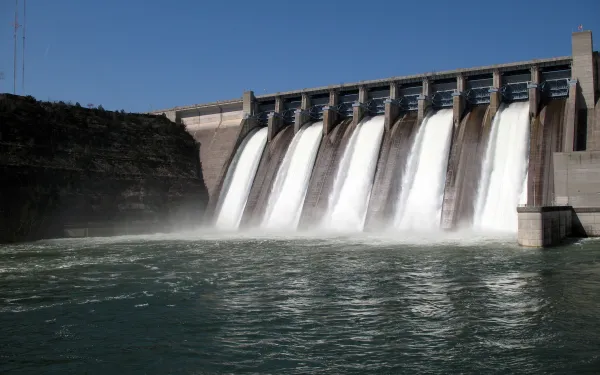
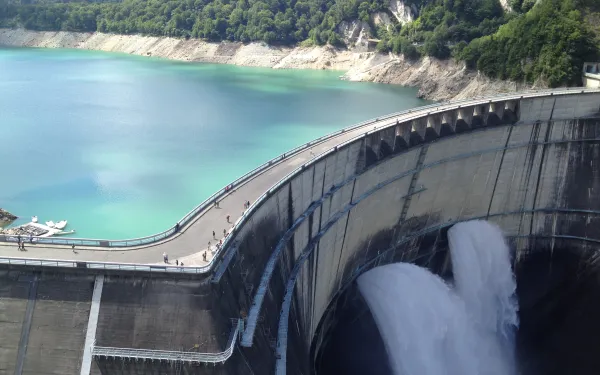
By María José Veramendi Villa Even as the turbines of the Belo Monte Dam have begun turning, the fight for justice continues. The ongoing operation of the world’s third largest dam—corrupt and careless as it is—cannot stop us. In fact, each new allegation of corruption and abuse only fuels our desire for justice for those who have been affected by the dam. And our most important battle is now strongly underway: our case before the Inter-American Commission on Human Rights, which opened for processing at the close of last year.  In it, we’re working to hold Brazil accountable for the countless human rights violations that have been committed in the name of the Belo Monte dam: the absence of consultation with and free, prior and informed consent of indigenous communities; the lack of adequate assessment of environmental and social impacts; forced displacement; and severe violations to the rights of indigenous peoples, riverine communities and residents of Altamira. We’re in the process of getting the case admitted before the Commission, so they can establish—as an independent, international body—if these violations occurred and whether the State must respond for them. As part of the process, Brazil had to respond to our allegations before the Commission. We received their response on August 9 and have just submitted our legal submission to counter their claims.  We need to ensure Commission understands the importance of their role in investigating the human rights abuses that have been suffered due to Belo Monte. Even as I write this, the State and dam operators continue to blatantly disregard the human rights of the people of the Xingu River basin, living in the dam’s shadow. On September 1, for instance, the dam’s operating license was suspended yet again because sanitation systems in the city of Altamira—a legal obligation operators were required to meet long ago—were never installed. Wastewater still floods the streets of Altamira, and threatens to turn Belo Monte’s reservoir into a stagnant pool of sewage. Unfortunately, as with many legal decisions attempting to protect the rights of those affected, the suspension was overturned a few weeks later. It’s clear the forces behind Belo Monte have no respect for the environment in which they’re working, and even less for the local people who depend upon the river and forests for their survival. Many of the people we represent live in the neighborhoods of Altamira, and are exposed to raw sewage. Those who live outside the city have been displaced from their land, cut off from their primary water source, or have had their way of life destroyed.  We must ensure the Brazilian State is held accountable for the immense environmental and social damage the dam has caused. Rest assured, we won’t stop until we achieve justice for the people of the Xingú.

Read more

Press releases Colombia

Civil society urges World Bank to withdraw funding from Colombian mining project

Organizations argue that the International Finance Corporation invested in a gold mine without taking into account potential environmental impacts, thereby failing to comply with its own investment standards. 

Read more

Aida Publication

The Green Climate Fund: Summary of Decisions of the Board of Directors (in Spanish)

The report includes a summary of the decisions made thus far by the Board of Directors. It also highlights the progress made by the Fund, and the challenges it must overcome.

Read more

Press releases Peru

Peru begins testing La Oroya residents affected by toxic pollution

In May 2016, the IACHR required the Peruvian State to protect the life and integrity of 14 additional people affected by the heavy pollution of La Oroya’s metal smelter. Just last week, medical examinations began to evaluate the levels of heavy metals in the beneficiaries.  

Read more