Letter to Argentine legislators on dams in Patagonia
In a letter sent to the Argentine Congress, civil society organizations expressed their concerns about the construction of large dams in Patagonia. The letter outlines recent scientific studies on the impacts of large dams on the environment, the economy, and local communities, and includes information on existing clean energy alternatives.
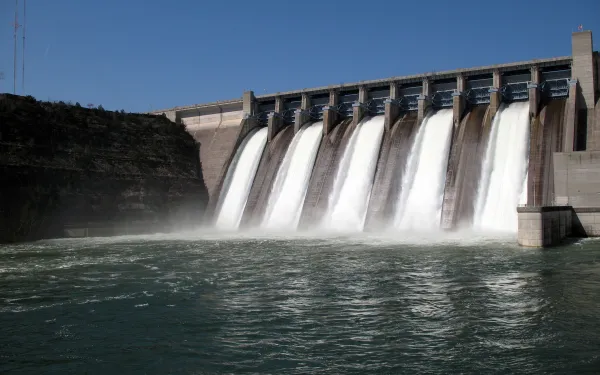
We write out of deep concern for the crossroads facing the Argentine people: protect the immeasurable ecological heritage of Patagonia, or jeopardize Chinese funding for a significant number of infrastructure and energy projects. We understand that this is not a minor issue, and we hope that the Argentine Congress will make use of the Public Hearing on July 20, not only to evaluate in depth the Kirchner-Cepernic Hydroelectric Complex (KCHC), but also to open up a fundamental conversation for Argentina and all of Latin America: on the development of a truly clean, sovereign, and efficient energy model.
We take this opportunity to share information on the negative impacts large dams have on the environment and economies of nations, as well as on affected communities; and on existing alternatives that can provide cheaper and more efficient energy. Argentina must not consider itself obliged to alter one of the last pristine areas on the planet, home of the last glacial river that runs freely from mountain peaks to the ocean.
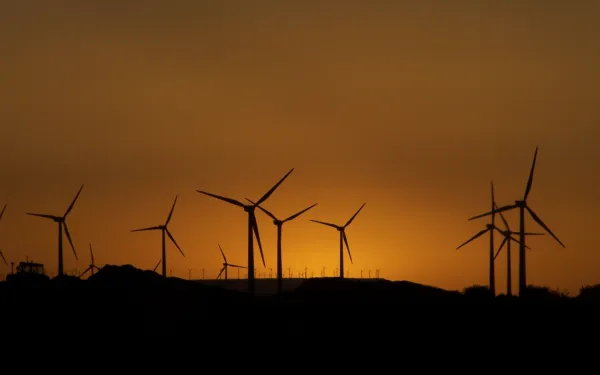
There are currently many energy options that are better than hydroelectric dams. Argentina has the opportunity to be a pioneer in the development and implementation of these renewable energy technologies. Worldwide clean energy trends demonstrate this: in 2015, the world added 63 GW of wind energy and 47 GW of solar energy, compared to just 22 GW of energy from large hydropower plants. In some parts of the world, large dams are being dismantled in recognition that their costs outweigh their benefits; and in others, private companies are discarding large dam projects because they are no longer viable or profitable. Furthermore, the United States of America has decided, as a national policy, to oppose any loan, donation, strategy, or policy to support the construction of any large hydroelectric dam.
Wind and solar energy are now economically competitive, faster to build and operate, and less vulnerable to a changing climate. In addition, the falling prices of battery storage, accompanied by innovations in smart grid technology, offers ways to resolve the problem of intermittent renewables without the need to construct new large dams.
Large hydropower dams are an obsolete technology. They are highly vulnerable to climate change (they can be paralyzed by droughts and may become dangerous in extreme weather events); worsen climate change by destroying carbon sinks and emitting gases from their reservoirs; harm biodiversity and local communities; cost a fortune; and take too long to become operational. Furthermore, the continued promotion of large dams by construction companies—as in the current case linked to Chinese funding—delays the implementation of available and necessary solutions towards the energy transition that our planet needs.
Read more