Blog

Bleeding Green Hearts: The constant state of danger for environmental activists in Latin America

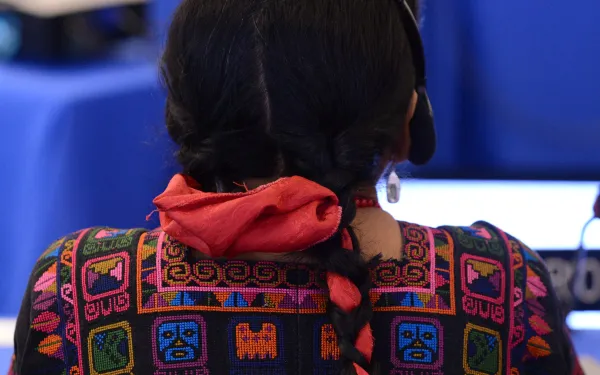
“Wake up humanity, there is no time left!” Berta Cáceres, Goldman Prize acceptance speech, 2015 By María José Veramendi Villa (originally published in Disrupt&Innovate) Being an environmental human rights defender in Latin America is not an easy task. On the contrary, it is one of the most dangerous jobs you can have. Whether you belong to an indigenous, afro-descendant, or peasant community, whether you are an independent activist or affiliated with a civil society organisation, you are at risk. In its most recent report, On Dangerous Ground, Global Witness documented 2015 as the worst year on record for killings of land and environmental activists.[1] The report documented 185 killings in 16 countries, making Brazil (50 killings), Colombia (26 killings), Peru (12 killings), and Nicaragua (12 killings) the most dangerous in Latin America.[2] Unfortunately, the murder of environmental defenders represents a tragic end of the road of a larger problem. We, as a society, all want economic and social progress and governments are mostly elected on this promise. However, increasingly States and various private actors are routinely complicit in actions that aim to silence legitimate voices and the work of environmental defenders. Threats, harassment, and campaigns to discredit or criminalize take a toll on the work of environmental defenders, who end up spending significant time defending themselves before often-complicit criminal justice systems, or even physically protecting themselves from attempts on their lives. Several United Nations Special Rapporteurs and the Inter-American Commission on Human Rights have recognised the important role that environmental defenders play in our societies and, as such, have recommended that States protect them. Nevertheless, the level of danger has continued to rise. Environmental defenders such as Berta Cáceres, whose lives should be protected by precautionary measures recommended by the Commission, continue being threatened or murdered in plain view of authorities — often with the complicity of a State. The Yanacocha mining company keeps harassing Máxima Acuña with the intent of forcing her out of her house to make way for the Conga Mining project, even after a Peruvian Court determined that she had not violated the company’s property rights. In La Oroya, a Peruvian Andean city, a metallurgical complex has operated since 1922. Dozens of victims of toxic pollution have been struggling for years to defend their health and environment, and keep seeking remedy in national and international courts. Their struggle has been plagued by attacks and campaigns to discredit them and the organizations that have assumed their legal representation. They have been labeled “anti-mining” and “anti-development,” harassed in the streets, and intimidated with hanging dead dogs in front of their houses.   The list of such incidents in Latin America just keeps getting longer. Poorly planned and developed mines, dams, and other infrastructure projects are linked to them. As members of societies that strive for economic and social development, we need to stop pretending that these and other countless attacks against environmental defenders do not happen or have no impact on the financial, political and social costs that we all end up paying eventually. The costs will come and they will be high. Governments need to wake up now and take action to defend the defenders. There is no time left! To the memory of those who have died defending something that should be precious to all but somehow is cared for by a few: our earth.  [1] Global Witness. On Dangerous Ground, June 2016, p. 4.  [2] Global Witness. On Dangerous Ground, June 2016, pp. 8 -9.  

Read more

Press releases Latin America

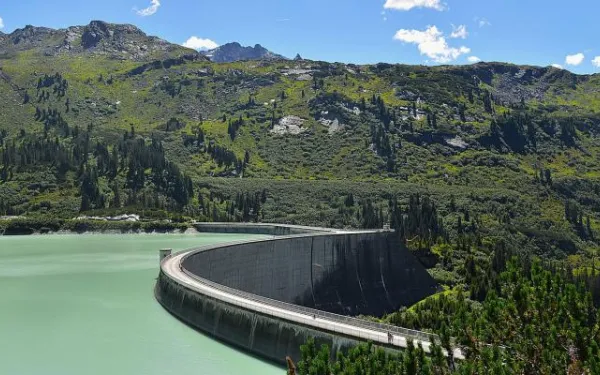
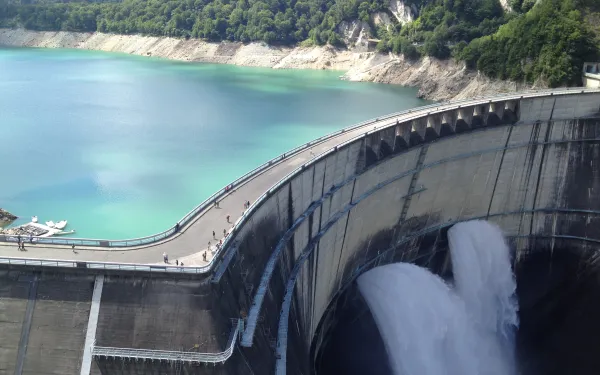
New study confirms large dams to be a principle source of greenhouse gas emissions

Researchers from the Washington State University found that the world’s reservoirs generate 1.3 percent of all greenhouse gases produced by humankind. 

Read more

Blog Chile

Chile’s Salmon Farms: Sustainability is Impossible

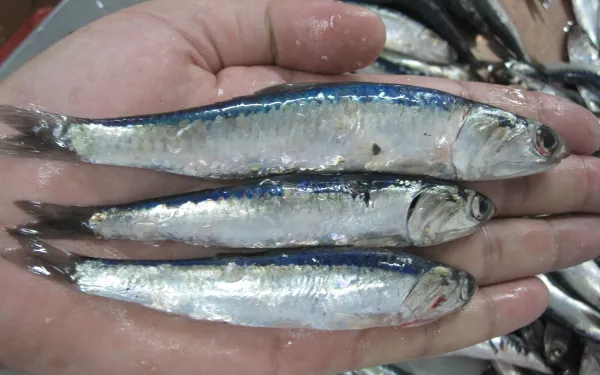
By Florencia Ortúzar Chile is the second largest producer of salmon in the world. For more than 20 years, the industry has put profit above environmental protection. In the absence of government regulation, large-scale salmon farms release contaminating chemicals and create oceanic dead zones. They hurt other species and harm the people and communities that depend on the ocean for sustenance. The situation is bad, but it could get worse as the industry looks to expand into new areas of pristine waters. Bad Practices Salmon farming in Chile will never be sustainable because it requires much more protein to operate than it generates. Salmon are carnivorous. To produce one kilo of salmon you need about five kilos of wild fish for feed. Years of bad business practices and lack of government regulation have resulted in serious environmental damage, which has, in turn, brought grave social consequences to those who depend on seafood for their livelihoods. On the Big Island of Chiloé, for example, seaweed and shellfish gatherers, artisanal fishermen and people who work in plants that process wild-caught fish are experiencing massive unemployment. This social crisis is a direct result of the environmental catastrophe caused in large part by the salmon industry, which has extensive operations in the area. In Chile, developers must present declarations or environmental impact studies that examine their project’s potential to harm nature. Despite the great risk to ecosystems, salmon farms are supported by mere affidavits, and not by studies that would allow for the identification and proper handling of potential negative impacts. The result is thousands of salmon hatcheries. Each one consists of floating cages that, without sufficient spacing or adequate sanitation, house thousands of salmon crammed into small spaces (half the space allowed in Europe). Although it seems difficult to believe, and despite the law saying otherwise, in Chile no studies have been done on the ability of the ocean, lakes, and rivers to accommodate the number of salmon that are grown. These captive salmon are fed pellets that contain a mix of wild fishmeal, pesticides, dyes, fungicides, and chemicals used to speed growth.  A majority of these pellets are not consumed and simply fall to the seabed.  Additionally, each salmon is injected with an exorbitant quantity of antibiotics (up to 5,000 times more than used in Norway). Finally, the waste generated by the fish, which contains chemicals, also accumulates on the ocean floor. More than 20 years of these practices have caused dead zones in the ocean where life is no longer possible. Another serious problem with the industry is that salmon often escape from their cages. According to a report by the NGO Terram, escaped salmon in Chile represent 1.5 percent of the total production, equivalent to more than 9,000 tons per year. Some studies report that this percentage could reach as high as five percent. Although by law farms must have recapture plans, they rarely succeed. Salmon are an aggressive fish. When free, they compete with native fish for food and shelter, and transmit disease. Crisis in the Sea In May, Chile’s coasts were devastated by an unprecedented red tide, believed to be the country’s worst recent environmental crisis. The natural phenomenon, characterized by an excessive increase in microalgae, resulted in the beaching of whales, squid, sardines and even birds. Captive salmon were also affected and the industry suffered huge losses: thousands of tons of salmon carcasses rotted in floating cages. The death rate was such that the national maritime authority authorized the release of 9,000 tons of dead salmon into the sea. According to the salmon industry and the government, the red tide was caused by El Niño, which was aggravated by global warming. However, some scientists have said that the salmon industry is largely to blame for submitting the ocean to their bad practices for so many years. Patagonia Without Salmon Farming! Not only has the salmon industry not learned from its mistakes, but it is also looking to expand into new, uncontaminated waters. It’s happening in the Patagonia regions of Magallanes and Aysen, where approximately 3,100 applications for salmon farms are awaiting approval. Farms were even proposed for places declared as priority conservation sites. Together with our allies, AIDA is working to ensure salmon farming and other industries comply with environmental standards. But there’s something you can do too, as citizens and consumers. Vote with your pocketbook. By purchasing only sustainable seafood products, you can help prevent the creation of more dead zones in our oceans. 

Read more

Blog

Celebrating hope for oceans

By Gladys Martínez This month I’m celebrating my tenth anniversary with AIDA. For a decade now, I’ve been working for environmental justice and realizing one of my lifelong dreams: defending that which has no voice. In all this time, my best clients have been the oceans and their coasts. Experience has taught me that life depends on the oceans. That’s why I was happy to spend my anniversary working to create a new treaty to protect life in the high seas. The high seas are considered international waters, and because they belong to no country, there is no legal protection for the plants and animals that call them home. A treaty that provided that protection would give a second chance to the oceans and to those who most depend on them: all of us. Time for reflection Throughout my career as an environmental attorney, I’ve worked to limit the negative impacts of illegal and excessive fishing. On behalf of AIDA, and in alliance with our partner organizations, I’ve used international law to promote sustainable fishing and the conservation of wetlands, mangroves, and coral reefs.  During the last several years I’ve had the honor of working beside Sandra Moguel, AIDA’s marine attorney in Mexico.  Because of Sandra’s dedication and leadership, we’ve been able to preserve Mexico’s ocean, coastline and the communites threatened by short-sighted development. Sandra recently moved on from AIDA to work with our partners at the Mexican Center for Environmental Law (CEMDA), as Director of their Southeast Regional Office. Though I, and all of us at AIDA, will miss having her by our side, her new position fills me with great hope for Mexico, and the fight to defend the country’s rich environmental heritage. Sandra’s work to protect Mexico’s coastal wetlands, rivers, and oceans will not soon be forgotten. We will build upon her successes and continue the fight to preserve our region’s waters and defend the communities that depend upon them. A new hope That fight took me most recently to New York City, with the High Seas Alliance, to assist in the development of the high seas treaty. This year I’ve participated in two sessions of the treaty’s Preparatory Committee, alongside State representatives and civil society. We aim to complete the agreement within two years. It will be implemented under the United Nations Convention on the Law of the Sea. As a representative of AIDA, the only Latin American organization involved in the treaty’s planning meetings, I’m working to ensure the high seas recieve the same protections as the national waters we’ve fought so long to defend. The high seas treaty is a truly collaborative effort that holds great hope for the protection of our planet’s international waters. Responsible to my region  As a Costa Rican, I feel a responsibility to care for the natural heritage of Latin America. I also believe in the importance of creating marine reserves in international waters. Doing so would reduce the pressure of fishing on marine resources, create a more balanced environment, and ease the stress ecosystems and their inhabitants face when adapting to climate change. The international waters that surround our region are blessed with many areas of great importance to the high seas, known as “ecologically significant areas.” They are: The Costa Rican Dome. Located in the Pacific Ocean, the Dome is constantly changing location depending on the wind and ocean currents. It houses breeding, feeding, and birthing zones for tuna, blue whales, sharks, dolphins, sea turtles, and many other species. The White Shark Café. Located in the international waters of the Pacific Ocean, between the Baja California Peninsula and Hawaii, the area is a key meeting place for white sharks, a species in great danger, which gather there after leaving the coasts of Mexico and Florida. The Sala y Gomez and Nazca Ridges. Stretching for more than 3,000 kilometers through the southeast Pacific, the ridges extend beyond Chilean waters, where they are protected by the State. Offshore sections remain unprotected, despite the fact that they contain some of the highest levels of marine biodiversity in the world. The ridges shelter blue whales, leatherback sea turtles, swordfish, and Chilean mackerel, among other species. Most of the underwater mountains are still found in their natural state, making protection paramount. The Atlantic Equatorial Fracture Zone. Located between Brazil and the Guinea Basin, this fracture zone belongs to no country. It is a source of food and energy for different species of fish (among them yellowfin tuna, bigeye tuna, and swordfish), as well as for green and leatherback sea turtles. Protecting the high seas is vital to providing a safe space for the feeding, breeding, and growth of many important marine species. As I look forward to another 10 years, my dream remains the same as it ever was: working to protect these great creatures and the waters they call home; giving them a voice; and advocating for the preservation of our region’s greatest natural treasures.

Read more

Press releases Peru

Latin American environmental defender attacked, hospitalized

Goldman Prize winner Máxima Acuña de Chaupe reportedly attacked by mining company security guards. 

Read more

Project Mexico

Supporting Mayan beekeepers in their struggle against GMO soy

We're representing indigenous Mayan beekeepers seeking to preserve their traditional knowledge and maintain their livelihood, which is being affected by the large-scale production of genetically modified soy adjacent to their community. 

Read more

Press releases Colombia

Ombudsman finds the IFC failed to comply with its investment standards in Colombia

The office of the Compliance Advisor Ombudsman found that the International Finance Corporation cannot guarantee that the Angostura mine will not have impacts on the environment.

Read more

Press releases Mexico

Civil society urges the United Nations to document human rights violations committed by businesses in Mexico

A group of organizations delivered their report highlighting more than 60 cases of violations across the country. Mining, infrastructure and energy projects were responsible for the greatest number of human rights violations.

Read more

Blog Brazil

The Olympics and the Record We Mustn't Break

By Florencia Ortúzar Greene, AIDA attorney The 2016 Río Olympics have come to an end. Over the last few weeks, the world has once again borne witness to the greatest achievements of the human body, to the forging of new world records. But, amid high levels of air and water pollution, the thousands of competitors that met in Brazil affirmed that one record must not be broken: 1.5 degrees Celsius. The Earth has been warming steadily in recent years, causing the melting of permafrost, rising oceans, increasingly dangerous storms and floods, and more intense and frequent droughts. Exceeding a global temperature increase of 1.5 °C would trigger a global catastrophe with unknown consequences. The opening message The Olympics put the issue of climate change on the table once again. Athletes from around the world called on us all to do something about it. During the opening ceremony on August 5, images of clouds of pollution filled Maracaná Stadium in Río de Janeiro. Alarming projections showed cities and regions of the world being flooded. The peace symbol, altered to resemble a tree, was projected on the ground while a voice warned that our planet’s ice caps are melting quickly. Athletes from around the world joined in a campaign to ask the world not to break the record of 1.5 degrees, implying that the union of all nations is necessary to control global warming. Each Olympian received a tree seed, which will grow into the Athlete’s Forest, cementing their legacy in Río’s Deodoro Olympic Park. Bad air and water quality In a report on water quality in Río, the World Health Organization (WHO) made recommendations to athletes competing in aquatic events. The organization told them to cover cuts and scrapes with waterproof bandages; to avoid ingesting the water; to wash as soon as possible after exposure; to stay in it as briefly as possible; and to avoid contact with all water after it rains. Clearly, water in Río carries significant health risks. Air pollution in Río has also reached dangerous levels, authorities have warned. Promises to improve air quality before the big event were not fulfilled. According to government data, since 2008 the city’s air has contained airborne particles that cause respiratory illnesses at a concentration three times higher than annual WHO-recommended limits. Another key to the planet’s health is the Amazon rainforest, of which Brazil is the principle guardian. The Amazon stores huge amounts of carbon, taking up some of what we release into the atmosphere. But this natural treasure is at risk. According to the World Wildlife Fund, over the last several years the Amazon has lost at least 17 percent of its vegetation, and deforestation has released large amounts of carbon into the atmosphere. The protection of this treasure is a responsibility humanity is failing to live up to. The fight we must win This month, nearly 11 thousand competitors from all around the world united in the world’s most important athletic competition. It was a unique occasion to reflect on the urgent challenges facing humanity. AIDA helps the nations of Latin America tackle these challenges.  We work to improve air quality, and mitigate short-lived climate pollutants, which remain in the air for a relatively short time, yet generate extreme changes in climate, degrade air quality, and damage crop yields. We believe the fight against climate change is the most critical of all fights. To truly achieve victory, we must ensure we don’t break the 1.5 °C record. Our ability to win it requires us all to work as one global team.

Read more

Blog Brazil

Brazil & The Olympics: Signs of Danger, Signs of Hope

By Rodrigo da Costa Sales, AIDA attorney As the Brazilian flag was raised at the Rio Olympics to the soft sounds of acoustic guitar, the familiar words of my country’s national anthem struck me: Giant by thine own nature, Thou art beautiful, thou art strong, an intrepid colossus, And thy future mirrors that greatness. For centuries, it’s been easy, a point of pride, to celebrate the natural bounty of our landscape, from the mighty Amazon basin to the thousands of miles of pristine coastline.  What’s proved most difficult is defending it. Last year Brazil was the world’s most dangerous country for environmental defenders. At least 50 of us were killed; so far this year, 23 have been assassinated. The Amazon, where I was born and spent my childhood, is the epicenter of these crimes. Plantations and ranches have been built on land where homes once stood. Indigenous and Afro-Brazilian communities, guardians of the natural world, have been evicted from lands passed down through the generations. It’s clear that economics and development have been prioritized above public health and wellbeing. Increasingly, large dams are also becoming agents of dispossession in the Amazon. On the mighty Rio Xingu, the massive Belo Monte hydro dam displaced indigenous communities that depended on and cared for the river basin. Vast amounts of rainforest were destroyed, with disastrous impacts on wildlife. Several plant and animal species are now extinct; literally tons of fish died, likely from contamination. Altamira, the city closest to the dam, is now ranked third in Brazil for violence and inequality. Belo Monte is hardly bringing equitable and just development to Brazil.  There are reasons for hope, though. A couple of things that happened last week made me believe we might see some positive changes in the near future. First, the government denied the environmental license for a Tapajós River mega-dam that would have repeated the destruction of Belo Monte, devastating the lands and culture of the Muduruku people. The second is more symbolic – the opening ceremony of the Olympic games. I was particularly moved by the focus on two issues that Brazil must make a priority in coming years: deforestation and climate change.  The attention to environmental crisis was powerful. It would have been even stronger, though, if indigenous people hadn’t been portrayed only as relics of Brazil’s ancient origins. In reality, our indigenous groups are crucial players in present and future efforts to achieve sustainability. To a certain extent, hope is what the Olympics are all about.  They bring the world together for a common good, and, at their best, aid in the development of a peaceful society concerned with preserving human dignity across all continents. Although I have deep personal disagreements with the execution of the Olympics in Rio, I hope Brazil takes seriously the symbolic commitment demonstrated in the opening ceremony. I hope Belo Monte is the last case of its kind. I hope human rights and environmental defenders can work safely and without fear. I hope future generations grow up in a country that really is “giant by thine own nature.” Only then will our future truly be as great as the magnificent lands we call home.   Please consider making a donation to AIDA today to help us make the future great for people in Brazil and throughout Latin America.

Read more