
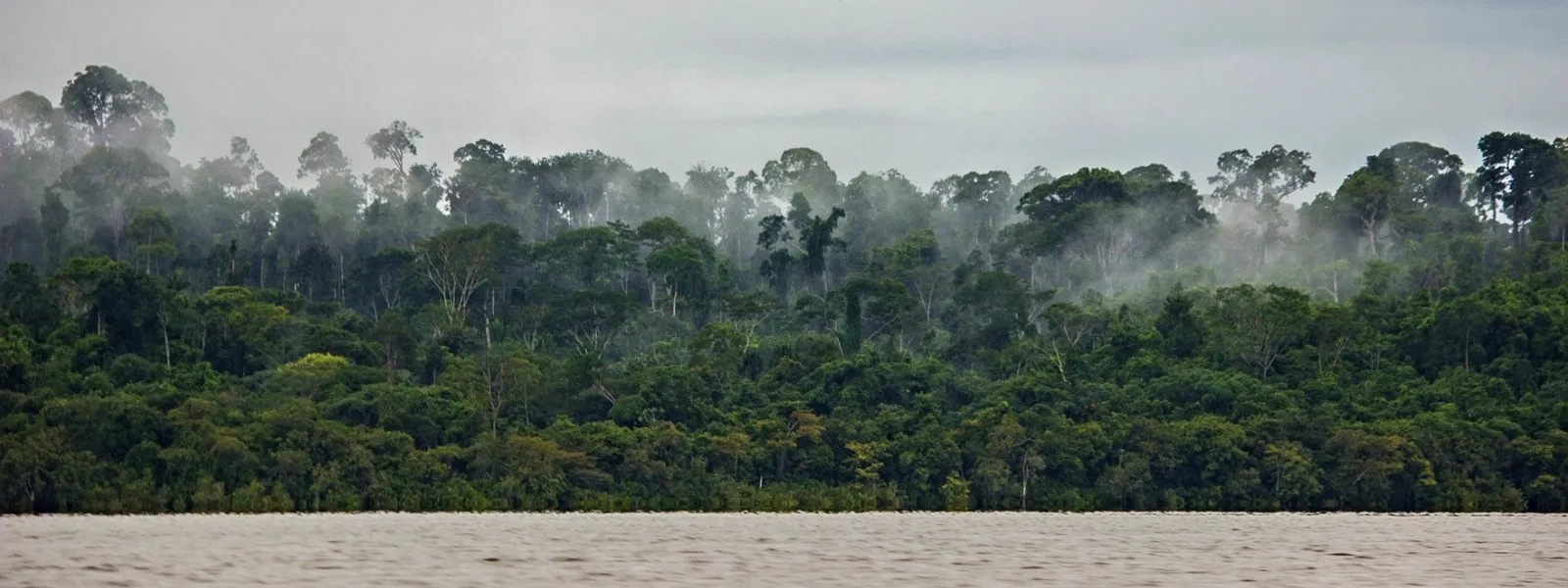
Project
Amazon Watch / Maíra Irigaray
The Belo Monte Dam on the Xingu River: 10 years of impacts in the Amazon and the search for reparations
The Belo Monte Dam has caused an environmental and social disaster in the heart of the Amazon—one of the most important ecosystems on the planet.
This situation has only worsened since the hydroelectric plant began operations in 2016. The quest for justice and reparations by the affected indigenous, fishing, and riverine communities continues to this day.
In 2011, the Inter-American Commission on Human Rights (IACHR) granted them protective measures that, to date, have not been fully implemented by the Brazilian State.
Furthermore, since June of that same year, the IACHR has yet to rule on a complaint against the State regarding its international responsibility in the case.
The IACHR may refer the case to the Inter-American Court of Human Rights, which has the authority to issue a ruling condemning the Brazilian State.
Background
The Belo Monte hydroelectric plant—the fourth largest in the world by installed capacity (11,233 MW)—was built on the Xingu River in Pará, a state in northern Brazil.
It was inaugurated on May 5, 2016, with a single turbine. At that time, 80% of the river’s course was diverted, flooding 516 km² of land—an area larger than the city of Chicago. Of that area, 400 km² was native forest. The dam began operating at full capacity in November 2019.
Belo Monte was built and is operated by the Norte Energia S.A. consortium, which is composed primarily of state-owned companies. It was financed by the Brazilian Development Bank (BNDES), which provided the consortium with 25.4 billion reais (approximately US$10.16 billion), the largest investment in the bank’s history. Therefore, the BNDES is also legally responsible for the socio-environmental impacts associated with the hydroelectric plant.
Decades of harm to the environment and people
Human rights violations and degradation of the Amazon have been occurring since the project’s inception. In March 2011, Norte Energía began construction of the dam without adequate consultation and without the prior, free, and informed consent of the affected communities.
The construction caused the forced displacement of more than 40,000 people, severing social and cultural ties. The resettlement plan in Altamira—a city directly affected by the hydroelectric dam—involved housing units located on the outskirts, lacking adequate public services and decent living conditions for the relocated families, with no special provisions for those from indigenous communities.
Belo Monte's operations have caused a permanent, man-made drought in the Volta Grande (or "Great Bend") of the Xingu River, exacerbated by the historic droughts in the Amazon in 2023 and 2024. As a result, the deaths of millions of fish eggs were documented for four consecutive years (from 2021 to 2024), and for the past three years, there has been no upstream migration of fish to spawn and reproduce. Thus, artisanal fishing, the main source of protein for indigenous peoples and riverside communities, was severely affected: fish dropped from 50% to 30% of total protein consumed, replaced by processed foods. In summary, there was an environmental and humanitarian collapse that resulted in the breakdown of fishing as a traditional way of life, food insecurity, and access to drinking water for thousands of families, impoverishment, and disease.
Furthermore, the construction of the dam increased deforestation and intensified illegal logging and insecurity on indigenous and tribal lands, putting the survival of these communities at risk. Another consequence was the deepening of poverty and social conflicts, as well as the strain on health, education, and public safety systems in Altamira—a city ranked as the most violent in the country in 2017, where human trafficking and sexual violence increased. Violence was also reported against human rights defenders involved in the case.
In 2025, during the 30th UN Climate Change Conference (COP30), held in Brazil, the Federal Public Prosecutor’s Office labeled the damage caused by the Belo Monte dam as ecocide.
The search for justice and reparations
Over the years, the Federal Public Prosecutor’s Office in Pará, the Public Defender’s Office, and civil society organizations have filed dozens of legal actions in Brazilian courts to challenge the project’s various irregularities and its impacts. Most of the claims are still pending resolution, some for more than 10 years.
These efforts have failed because the national government has repeatedly overturned rulings in favor of the affected communities by invoking a mechanism that allowed a court president to suspend a judicial decision based solely on generic arguments such as "the national interest" or "economic order."
In the absence of effective responses at the national level, AIDA, together with a coalition of partner organizations, brought the case before the Inter-American Commission on Human Rights (IACHR) and, in 2010, requested precautionary measures to protect the lives, safety, and health of the affected indigenous communities.
On April 1, 2011, the IACHR granted these measures and requested that the Brazilian government suspend environmental permits and any construction work until the conditions related to prior consultation and the protection of the health and safety of the communities are met.
And on June 16, 2011 —together with the Xingu Vivo Para Sempre Movement, the Coordinating Committee of Indigenous Organizations of the Brazilian Amazon, the Diocese of Altamira, the Indigenous Missionary Council, the Pará Society for the Defense of Human Rights and Global Justice— we filed a formal complaint against the Brazilian State for its international responsibility in the violation of the human rights of the people affected in the case. The case was opened for processing in December 2015.
On August 3, 2011, the IACHR amended the precautionary measures to request, instead of the suspension of permits and construction, the protection of people living in voluntary isolation, the health of indigenous communities, and the regularization and protection of ancestral lands.
Current situation
The protective measures granted by the IACHR remain in effect, but the Brazilian government has not fully complied with them, reporting only on general actions. The communities have documented the ongoing violations of their rights. The situation that prompted the request for these measures—the risk to the lives, physical integrity, and ways of life of the communities—persists and has worsened with the hydroelectric plant operating at full capacity and the recent extreme droughts in the Amazon.
In addition to the impacts of Belo Monte, there is a risk of further social and environmental impacts from the implementation of another mining megaproject in the Volta Grande do Xingu. There, the Canadian company Belo Sun plans to build Brazil’s largest open-pit gold mine.
The combined and cumulative impacts of the dam and the mine were not assessed. The government excluded Indigenous peoples, riverine and peasant communities from the project’s environmental permitting process. Despite protests by Indigenous communities and other irregularities surrounding the project, the government of Pará formally authorized the mine in April 2026.
Like other hydroelectric dams, Belo Monte exacerbates the climate emergency by generating greenhouse gas emissions in its reservoir. And it is inefficient amid the longer, more intense droughts caused by the crisis, as it loses its ability to generate power.
The case before the Inter-American Commission
In October 2017, the IACHR announced that it would rule jointly on the admissibility (whether the case meets the requirements for admission) and the merits (whether a human rights violation actually occurred) of the international complaint against the Brazilian State.
Fifteen years after the complaint was filed, the affected communities and the organizations representing them are still awaiting this decision. If the IACHR concludes that human rights violations occurred and issues recommendations that the Brazilian State fails to comply with, it may refer the case to the Inter-American Court of Human Rights, whose rulings are binding.
A potential ruling by the international court in this case would set a regional legal precedent regarding the rights of indigenous and riverine peoples, public participation in megaprojects, and state responsibility in the context of the climate crisis—a precedent that is particularly relevant in light of the Court’s Advisory Opinion No. 32, which reaffirmed the obligations of States to protect the people and communities of the continent from the climate emergency.
Partners:
Related projects
Latest News
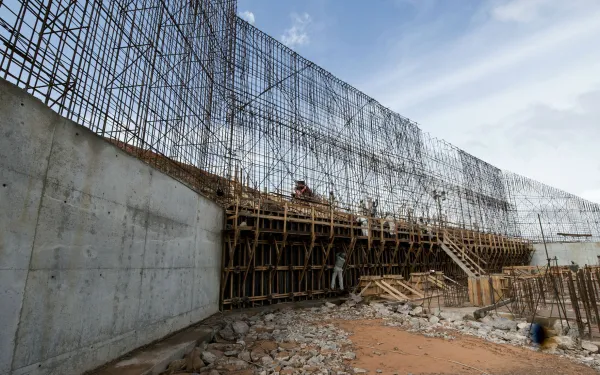
Belo Monte Dam may begin operations despite noncompliance
The dam has failed to comply with conditions for the protection of the health, integrity and way of life of affected communities. Organizations reiterate the validity of the precautionary measures granted by the Inter-American Commission on Human Rights in favor of the indigenous communities of the Xingú River basin, whose situation of risk has worsened. Altamira, Brazil & Washington, DC – The Belo Monte dam is applying for authorization to begin operations, with construction reported at 70 percent complete. This authorization may happen despite the fact that the project has failed to comply with conditions necessary to protect the health, integrity and way of life of affected communities, including the indigenous peoples of the Xingú river basin. Civil society organizations solicited the Inter-American Commission for Human Rights to maintain the precautionary measures granted in 2011 in favor of the indigenous peoples of the Xingú river basin. They did so as a response to the Brazilian government’s request that the Commission lift the measures, which were authorized to avoid irreparable damage to the rights of the communities. The Interamerican Association for Environmental Defense (AIDA), Justiça Global, the Sociedad Paraense de Defensa de los Derechos Humanos (SDDH) and the Movimiento Xingú Vivo para Siempre (MXPVS) filed the brief on behalf of indigenous and river communities affected by Belo Monte. The organizations argued before the Commission that the social and environmental situation surrounding Belo Monte continues to be serious and urgent, and could cause irreparable damages. Their arguments are based on a recent report by the Socio-Environmental Institute of Brazil (ISA), as well as on official government data that include information from health and indigenous protection authorities and the Public Ministry. The ISA report analyzes in detail the situation of Altamira, Pará—the region where Belo Monte is being constructed—and emphasizes the human rights violations and irregularities of the project. The report warns that necessary conditions do not exist for the Brazilian Institute of Environment and Renewable Natural Resources (IBAMA) to grant the project’s operating license. If granted, the license would authorize the filling of the dam, and, thus, the final diversion of the Xingú River. One part of the dam would then begin operation. According to the ISA report, measures to avoid the project’s impacts on health, education and basic sanitation have not been met. This neglect will lead to further damage, such as the fracturing of indigenous communities, saturation of public health services, lower quality education, and greater forest degradation. “The consequences we announced years ago are now a reality,” said Astrid Puentes Riaño, co-director of AIDA. “The filling of the dam, scheduled for the year’s end, will cause the loss of homes and land, and the modification of the traditional lifestyles and livelihoods of Xingú communities. Brazilian authorities and the Commission must act effectively to prevent this disaster.” It is clear that the conditions necessary for Norte Energía, the consortium in charge of the project, to receive the license are not in place. The vice-governor of Pará explained that although the construction is 70 percent complete, only 30 percent of the social and environmental conditions have been met. Similarly, the Attorney of the Republic of Altamira, Thais Santi, said that the consortium is not respecting the protection plan for indigenous lands, the principal condition for the protection of the peoples of the Xingú. The decision on the authorization of Belo Monte must also take into account the recent corruption scandal that has engulfed the project. The investigation Lava Jato, which began a year ago, exposed a massive network of corruption involving the government and Brazil’s largest construction companies. A senior executive, currently in prison on corruption charges, mentioned in his declaration how they had set up and executed bribes for the construction of Belo Monte. The Comptroller General (CGU) thereafter decided to investigate the use of public funds in the project. “The lack of effective control in the execution of the project has made the consequences much worse than anticipated. Giving free reign of operation to the dam at this time would mean completely shutting down the options available to avoid major social and humanitarian disasters in the region,” said Sandy Faidherb of SDDH.
Read more
Belo Monte: Determined to achieve justice
By Flavia Amaral, AIDA attorney As construction of the world’s third-largest hydroelectric dam, Belo Monte, moves forward, social impacts and unrest continue. In the coming few months, close to 2,000 families are scheduled to be relocated from their homes in Altamira, on the Xingu River in Brazil, to newly built housing. Last year, another 2,000 families were resettled. The reconfiguring of the region continues to create social ills. The new settlements are far from downtown Altamira, and there is no public transportation. Many new houses are already showing structural problems, and there is little to no basic infrastructure such as health care centers, schools, and sewer treatment facilities. Also, as part of being relocated, a family must agree that they have no complaint or concern with the Belo Monte hydroelectric plant or the company responsible for the construction, a difficult ask for many who are giving up so much. For many indigenous communities, there is an explosion of illegal logging on their lands. Norte Energia,the consortium building Belo Monte, has not implemented required monitoring systems or constructed surveillance stations which would deter the logging. As a result, FUNAI, Brazil’s government agency that oversees Indian rights, reports that the situation is critical, and especially serious for the lands of the indigenous Arara people. Throughout the area, demonstrations continue by those who seek justice, recognition and compensation. Last month, hundreds of farmers held protests demanding land tenure, credit, and improvements to family farming. Two people died after being hit by a car that broke the blockade of protesters. This situation represents the unease, unrest, and violence that permeates the region. Clearly, the construction of Belo Monte has caused enormous impact in the Xingu River Basin – well before it’s operational phase. Four years ago, on the request of AIDA and partner organizations in Brazil, the Inter-American Commission on Human Rights took an important step forward for the people of the region. It requested that the Brazilian government adopt precautionary measures to prevent irreparable damage to the rights of indigenous communities whose cultural integrity and way of life were at risk from the construction of Belo Monte. Clearly, after all these years, these threats remain: Brazil has not honored the precautionary measures. AIDA will continue working until we ensure that the environment and the rights of communities in Brazil’s Xingú River Basin are fully respected. We believe that the Commission still has time to act, and that there is potential for the Brazilian government to reframe its policies and practices to become a global model for equity and justice. Thank you so much for your ongoing support of our work for the people and the environment of the Amazon!
Read moreBelo Monte: The Urgency of Effectively Protecting Human Rights
Four years ago this month, the Inter-American Commission on Human Rights took an important step forward for the peoples of the Xingú River Basin. It requested that the Brazilian government adopt precautionary measures to prevent irreparable damage to the rights of indigenous communities along the Amazonian tributary. Their cultural integrity and way of life were, and still are, at risk from the construction of the world’s third-largest dam, Belo Monte. Yet that major victory for those fighting to protect life on the Xingú has been diluted with time. As the decision weakened, so too did confidence in the Commission, an organ of the Organization of American States (OAS) charged with ensuring the protection of human rights on the continent. The Initial Request In November 2010, AIDA and partner organizations in Brazil requested precautionary measures from the Commission in a context of gravity and urgency characterized by: An irregular licensing process. An insufficient Environmental and Social Impact Assessment (ESIA), which contained neither all possible impacts nor the mitigation measures needed to guarantee the communities’ rights, and was not translated into the indigenous languages of the affected populations. The project’s failure to comply with more than 60 social, environmental and indigenous provisions established in the previous license as safeguards for the rights of the affected. Absence of consultation with affected indigenous communities and lack of their free, prior and informed consent. In response, the Commission requested that Brazil immediately suspend construction and all licensing of the dam until the project complied with the following conditions: Undertake consultation processes that are of good faith and culturally appropriate, with the goal of achieving the free, prior, and informed consent of affected communities. Ensure that affected communities have access to the Environmental and Social Impact Statement in an understandable format, which includes translation into indigenous languages. Adopt measures to protect the cultural integrity and way of life of indigenous peoples, including those in voluntary isolation, and to prevent the spread of diseases and epidemics among affected communities. The Response of Brazil and the OAS The Brazilian Government rejected the measures, calling them "precipitous and unwarranted." In response, Brazil withdrew its envoy from the Commission and recalled its ambassador to the OAS. Then, claiming a need for economic austerity, Brazil suspended funding to the Commission and defaulted on its annual compulsory contribution to the OAS. The outlook worsened when the Secretary General of the OAS, José Miguel Insulza, told the BBC: "The Commission makes recommendations. They are never mandatory orders… no country will be violating a treaty if they don’t do what the Commission asks. The Commission has no such binding force." These undermining comments provided several hostile member States with justification for launching a process to "reform" the Inter-American Human Rights System. The controversial process lasted more than two years and, rather than strengthen the Commission, the hostile States actually attempted to undermine its autonomy and weaken its mechanisms. One Step Back On July 29, 2011, just four months after granting the precautionary measures, the Commission modified them. It withdrew its request for suspension of construction and licensing, claiming the fundamental argument had turned into a debate, which went beyond the scope of the precautionary measures, on whether prior consultation had been conducted with the indigenous communities and whether they had given their informed consent for the project. Instead, the Commission requested that Brazil adopt new measures to protect the way of life and personal and cultural integrity of indigenous peoples in voluntary isolation, as well as the health and territory of all affected indigenous communities. This change represented a major setback, not just for the indigenous communities of the Xingú, but also for the thousands of communities throughout the region whose cultural integrity and way of life are at risk from the heedless implementation of projects like Belo Monte. Brazil’s indigenous communities had hoped that the Commission would stand by its decision to suspend the dam, and would protect them while the case – presented in 2011 by AIDA and partner organizations from Brazil – was underway. Up Against Time After four years, Brazil has not only breached the precautionary measures, but has also repeatedly requested that they be lifted. Worse still, the government has allowed construction of the Belo Monte Dam to continue, and the project is now 70 percent complete. A few months ago, the company in charge of construction, Norte Energia S.A., requested the dam’s operating license from the Brazilian Institute of Environment and Natural Resources. Once granted the license, they will begin to fill the dam’s reservoir and, with it, flood a portion of the Amazon half the size of Rio de Janeiro. The Commission has yet to petition the Brazilian government to determine whether or not the project’s authorization included a process of prior consultation This important step remains despite the fact that, when modifying the precautionary measures, the Commission itself noted that the discussion had to happen in the context of a petition. What’s the risk? When the Commission finally makes a decision on the case it may be too late to prevent damages to affected communities. A Major Challenge Although there has been some progress in protecting affected communities as a direct result of the precautionary measures, which the Brazilian government has yet to recognize officially, the process thus far has clearly demonstrated that the Inter-American Human Rights System is imperfect and vulnerable to political pressure. This vulnerability must be overcome. We must focus on building a truly efficient System that works best for its beneficiaries: the victims of human rights abuses. Four years after what seemed like an important victory, Belo Monte has taught us that if we seek to protect human rights in the region effectively, governments must not be allowed to jeopardize the system established for that purpose through political and economic pressure. Due to the realities of the region, many cases like Belo Monte have come, and will continue to come, before the System. While they are not easy to resolve, we mustn’t choose inaction in the face of suffering. In the case of Belo Monte, the Commission still has time to act. It’s our hope that this case will become a model for equitable access to justice. At AIDA, we will continue working until we ensure that the environment and the rights of communities in Brazil’s Xingú River Basin are fully respected.
Read more