
Project
Amazon Watch / Maíra Irigaray
Seeking reparations for damages caused by the Belo Monte Dam in the Amazon
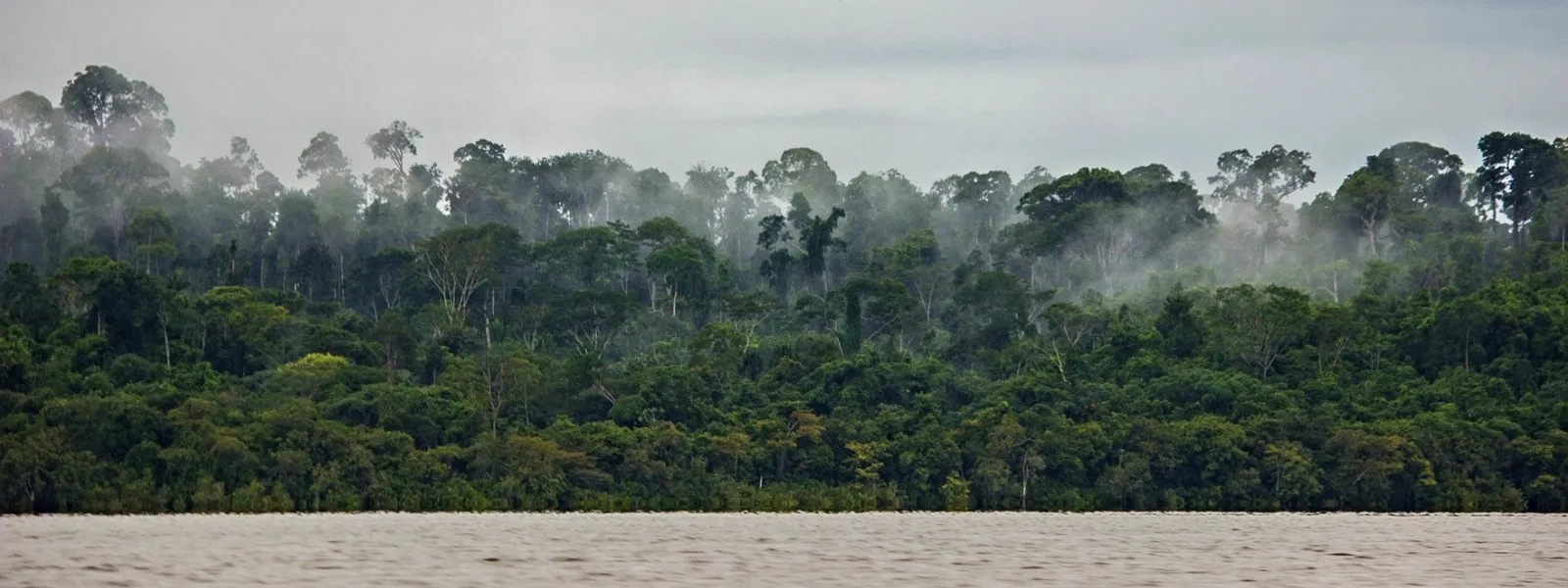
The Belo Monte Dam has caused an environmental and social disaster in the heart of the Amazon—one of the most important ecosystems on the planet.
This situation has only worsened since the hydroelectric plant began operations in 2016. The quest for justice and reparations by the affected indigenous, fishing, and riverine communities continues to this day.
In 2011, the Inter-American Commission on Human Rights (IACHR) granted them protective measures that, to date, have not been fully implemented by the Brazilian State.
Furthermore, since June of that same year, the IACHR has yet to rule on a complaint against the State regarding its international responsibility in the case.
The IACHR may refer the case to the Inter-American Court of Human Rights, which has the authority to issue a ruling condemning the Brazilian State.
Background
The Belo Monte hydroelectric plant—the fourth largest in the world by installed capacity (11,233 MW)—was built on the Xingu River in Pará, a state in northern Brazil.
It was inaugurated on May 5, 2016, with a single turbine. At that time, 80% of the river’s course was diverted, flooding 516 km² of land—an area larger than the city of Chicago. Of that area, 400 km² was native forest. The dam began operating at full capacity in November 2019.
Belo Monte was built and is operated by the Norte Energia S.A. consortium, which is composed primarily of state-owned companies. It was financed by the Brazilian Development Bank (BNDES), which provided the consortium with 25.4 billion reais (approximately US$10.16 billion), the largest investment in the bank’s history. Therefore, the BNDES is also legally responsible for the socio-environmental impacts associated with the hydroelectric plant.
Decades of harm to the environment and people
Human rights violations and degradation of the Amazon have been occurring since the project’s inception. In March 2011, Norte Energía began construction of the dam without adequate consultation and without the prior, free, and informed consent of the affected communities.
The construction caused the forced displacement of more than 40,000 people, severing social and cultural ties. The resettlement plan in Altamira—a city directly affected by the hydroelectric dam—involved housing units located on the outskirts, lacking adequate public services and decent living conditions for the relocated families, with no special provisions for those from indigenous communities.
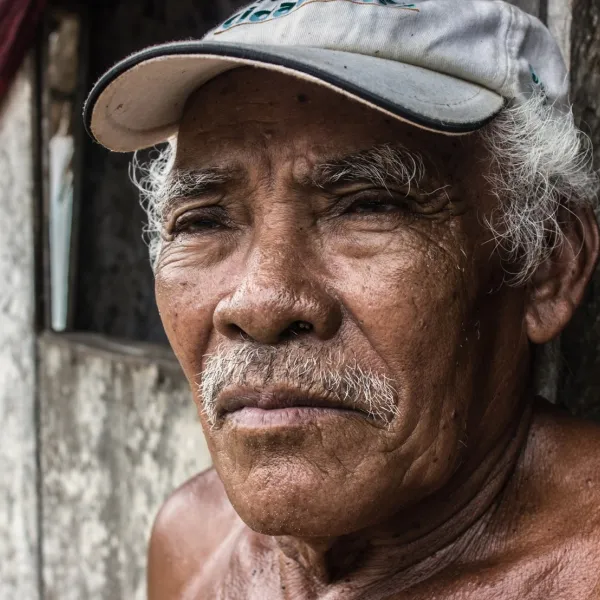
Belo Monte's operations have caused a permanent, man-made drought in the Volta Grande (or "Great Bend") of the Xingu River, exacerbated by the historic droughts in the Amazon in 2023 and 2024. As a result, the deaths of millions of fish eggs were documented for four consecutive years (from 2021 to 2024), and for the past three years, there has been no upstream migration of fish to spawn and reproduce. Thus, artisanal fishing, the main source of protein for indigenous peoples and riverside communities, was severely affected: fish dropped from 50% to 30% of total protein consumed, replaced by processed foods. In summary, there was an environmental and humanitarian collapse that resulted in the breakdown of fishing as a traditional way of life, food insecurity, and access to drinking water for thousands of families, impoverishment, and disease.
Furthermore, the construction of the dam increased deforestation and intensified illegal logging and insecurity on indigenous and tribal lands, putting the survival of these communities at risk. Another consequence was the deepening of poverty and social conflicts, as well as the strain on health, education, and public safety systems in Altamira—a city ranked as the most violent in the country in 2017, where human trafficking and sexual violence increased. Violence was also reported against human rights defenders involved in the case.
In 2025, during the 30th UN Climate Change Conference (COP30), held in Brazil, the Federal Public Prosecutor’s Office labeled the damage caused by the Belo Monte dam as ecocide.
The search for justice and reparations
Over the years, the Federal Public Prosecutor’s Office in Pará, the Public Defender’s Office, and civil society organizations have filed dozens of legal actions in Brazilian courts to challenge the project’s various irregularities and its impacts. Most of the claims are still pending resolution, some for more than 10 years.
These efforts have failed because the national government has repeatedly overturned rulings in favor of the affected communities by invoking a mechanism that allowed a court president to suspend a judicial decision based solely on generic arguments such as "the national interest" or "economic order."
In the absence of effective responses at the national level, AIDA, together with a coalition of partner organizations, brought the case before the Inter-American Commission on Human Rights (IACHR) and, in 2010, requested precautionary measures to protect the lives, safety, and health of the affected indigenous communities.
On April 1, 2011, the IACHR granted these measures and requested that the Brazilian government suspend environmental permits and any construction work until the conditions related to prior consultation and the protection of the health and safety of the communities are met.
And on June 16, 2011 —together with the Xingu Vivo Para Sempre Movement, the Coordinating Committee of Indigenous Organizations of the Brazilian Amazon, the Diocese of Altamira, the Indigenous Missionary Council, the Pará Society for the Defense of Human Rights and Global Justice— we filed a formal complaint against the Brazilian State for its international responsibility in the violation of the human rights of the people affected in the case. The case was opened for processing in December 2015.
On August 3, 2011, the IACHR amended the precautionary measures to request, instead of the suspension of permits and construction, the protection of people living in voluntary isolation, the health of indigenous communities, and the regularization and protection of ancestral lands.
Current situation
The protective measures granted by the IACHR remain in effect, but the Brazilian government has not fully complied with them, reporting only on general actions. The communities have documented the ongoing violations of their rights. The situation that prompted the request for these measures—the risk to the lives, physical integrity, and ways of life of the communities—persists and has worsened with the hydroelectric plant operating at full capacity and the recent extreme droughts in the Amazon.
In addition to the impacts of Belo Monte, there is a risk of further social and environmental impacts from the implementation of another mining megaproject in the Volta Grande do Xingu. There, the Canadian company Belo Sun plans to build Brazil’s largest open-pit gold mine.
The combined and cumulative impacts of the dam and the mine were not assessed. The government excluded Indigenous peoples, riverine and peasant communities from the project’s environmental permitting process. Despite protests by Indigenous communities and other irregularities surrounding the project, the government of Pará formally authorized the mine in April 2026.
Like other hydroelectric dams, Belo Monte exacerbates the climate emergency by generating greenhouse gas emissions in its reservoir. And it is inefficient amid the longer, more intense droughts caused by the crisis, as it loses its ability to generate power.
The case before the Inter-American Commission
In October 2017, the IACHR announced that it would rule jointly on the admissibility (whether the case meets the requirements for admission) and the merits (whether a human rights violation actually occurred) of the international complaint against the Brazilian State.
Fifteen years after the complaint was filed, the affected communities and the organizations representing them are still awaiting this decision. If the IACHR concludes that human rights violations occurred and issues recommendations that the Brazilian State fails to comply with, it may refer the case to the Inter-American Court of Human Rights, whose rulings are binding.
A potential ruling by the international court in this case would set a regional legal precedent regarding the rights of indigenous and riverine peoples, public participation in megaprojects, and state responsibility in the context of the climate crisis—a precedent that is particularly relevant in light of the Court’s Advisory Opinion No. 32, which reaffirmed the obligations of States to protect the people and communities of the continent from the climate emergency.
Partners:
Related projects
Latest News
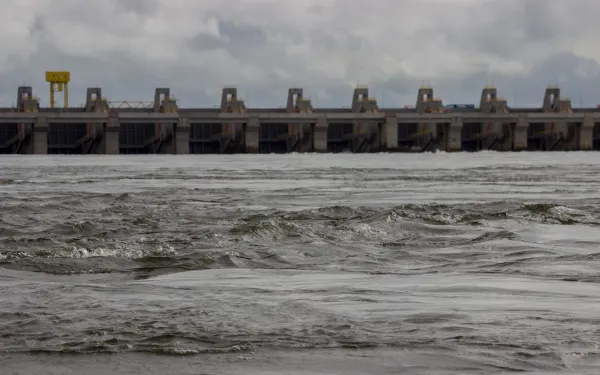
Behind the Dams: BNDES Investments in Belo Monte and Hidroituango
To change, one must understand. To understand, discuss. And to discuss, we present this report. In it, we analyze the application of existing international standards for hydroelectric plants through the lens of two of the most significant investments in the history of the BNDES: Hidroituango and Belo Monte. The analysis reveals evidence and offers conclusions and recommendations to the Bank, as well as to the organizations and communities involved. They are concrete elements to help improve the future performance of the financial institution. We hope that these contributions strengthen the dialogue with the BNDES, and facilitate the identification of options toward greater compliance with the values the bank has adopted, particularly those of transparency and social and environmental responsibility. Read the executive summary Read the complete report in Spanish Download the Executive Summary in Spanish Read the complete report in Portuguese Read the Executive Summary in Portuguese
Read more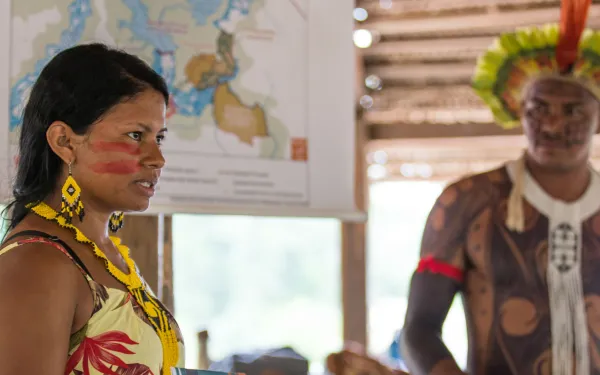
Inter-American Commission urges Brazil to address damages to indigenous peoples caused by Belo Monte Dam
Following its visit to Brazil, the Inter-American Commission on Human Rights called the attention of authorities and civil society to the urgent need to address repeated violations of the rights of indigenous communities. The Commission highlighted the case of the Mïratu de Paquiçamba community, which has been affected by the construction of the Belo Monte Dam. Rio de Janiero, Brazil. Concluding its visit to the country, the Inter-American Commission on Human Rights (IACHR) urged Brazilian authorities and society in general to recognize, address, and quickly resolve repeated violations of the human rights of indigenous communities. The Commission emphasized the case of the Mïratu indigenous community, affected by the environmental damages caused by the construction of the Belo Monte Dam. In Brazil, indigenous communities “suffer from frequent incidents of violence and lack of attention from public services, in addition to increased difficulties and obstacles surrounding claims to their lands,” said Commissioner Antonia Urrejola Noguera, IACHR Rapporteur for Brazil, while presenting the Commission’s preliminary conclusions. “Brazil has been one of the largest violators of the human rights of indigenous communities. In their meeting with the Commission, the Brazilian Indigenous Communities Organization (APIB) presented these cases and expressed its concern over the current political landscape, in which a discourse of hatred and racism has been growing, even among government institutions,” said Luiz Eloy Terena, APIB’s legal advisor. On November 7, the Commission’s delegation visited Mïratu Village, located in the Paquiçamba indigenous region in the state of Pará. Mïratu is one of the indigenous communities affected by the Belo Monte Dam. It was the first time the Commission visited that area. There, the Commission heard testimonies from indigenous people and fishermen, who are fighting to maintain their traditional way of life despite damages including: the death of thousands of fish; the pollution of the Xingú river; forced displacement from their lands without adequate relocation; and the development of culturally inappropriate projects. Village leaders reported that those damages have disproportionately affected women and children. The Commission also heard from representatives of Altamira, the city nearest the dam. “We’d like to highlight the importance of the Commission’s historic visit to Mïratu Village, and recognize the negative impacts that the Belo Monte Dam has had on the human rights of the people of the Xingu River basin,” said Astrid Puentes Riaño, co-director of the Interamerican Association for Environmental Defense (AIDA). “It is now up to the government of Brazil to adopt the decisions and recommendations of the Commission, complying with the rule of law and protecting the people of their country.” During the visit, those affected by the dam were especially concerned over next year’s scheduled implementation of a plan to manage the flow of the Xingú River. Known as a consensus hydrogram, it would divert the water that indigenous and riverine communities, as well as plants and animals, rely on to survive. “The commissioners had the opportunity to confirm the severity of the impacts and the understand the urgent need to revise the criteria used to define the residual flow that the Xingu must maintain in order to guarantee the subsistence and culture of indigenous and riverine communities in the Vuelta Grande region,” said Bivany Rojas from the Socio-environmental Institute (ISA). In 2011, communities along the Xingu—represented by AIDA, the Paranese Society for the Defense of Human Rights (SDDH), and Justiça Global—filed a complaint against Brazil, bringing the case in front of the Commission. That same year, the Commission granted precautionary measures to affected indigenous communities. The case formally began in December 2015, and participating organizations presented final arguments in May of this year. Based on those and the arguments put forward by the the Brazilian State, the Commission will publish a report concluding whether human rights violations occurred from the construction of the Belo Monte Dam. They may then decide to issue recommendations for Brazil to remedy those damages. Demonstrating progress and a respect for the rights of indigenous communities—in cases like the Xucuru, the Xingu, and Guyraroka peoples—represents an important opportunity to strengthen rule of law and embrace progress in Brazil. press contacts: Victor Quintanilla (Mexico), AIDA, [email protected], +521 5570522107 Isabel Harari (Brazil), ISA, [email protected], +5561998261213
Read more
In Xingu management plan, Brazil leaves communities without water
The proposed Xingu River management plan puts at risk the people, plants and animals of the Amazon region. AIDA requested that the Inter-American Commission on Human Rights urge Brazil to stop the plan and establish a socially and environmentally appropriate alternative. Washington, D.C. and Altamira, Brazil. By authorizing the construction of the Belo Monte Dam in the heart of the Amazon, the Brazilian government endorsed a management plan for the flow of the Xingu River that would leave the indigenous and riverine communities of the area without the water they need to survive. The plan is in a testing phase but is expected to be implemented next year, once all the turbines of the hydroelectric plant are installed. The Interamerican Association of Environment Defense (AIDA) sent a report to the Inter-American Commission on Human Rights detailing the serious socio-environmental risks of the plan. In it, we requested that the Commission urge Brazil to stop the plan’s implementation and create an alternative plan that guarantees biodiversity and protects the communities’ ways of life. “The authorized plan for the management of the river’s flow threatens the existence of indigenous and riverine communities, and places at risk of extinction the fish and the forests—natural resources on which the physical and cultural lives of the communities depend,” said Liliana Ávila, Senior AIDA Attorney. The plan, called a consensual hydrogram, establishes the volume of water that will pass through a specific part of the river, called the Vuelta Grande, and the part that will be diverted for energy production. It is intended to artificially reproduce the natural flow of the river in times of flood and drought. Norte Energía, the consortium in charge of the dam, proposes an average minimum flow rate of 4,000 cubic meters per second over the course of a year, and 8,000 cubic meters per second for the following year, beginning in 2019. It proposes a minimum flow rate of 700 cubic meters per second for the dry season. The report sent to the Commission, however, details scientific and social evidence that demonstrates that these water levels are significantly lower than the historical river flow and do not guarantee that fish and alluvial forests can survive the proposed reduction in the short- and medium-term. The evidence—which includes information from both the Brazilian Institute of the Environment and Renewable Natural Resources and community monitoring—also shows that some aquatic species, such as chelonians, can only feed and reproduce with minimum flows of 13,000 cubic meters per second in times of flooding, and that the volume proposed for the dry season could make the river unnavigable. “The management plan did not take into account the monitoring done by the Juruna people in collaboration with the Federal University of the State of Pará and the Socio-environmental Institute (ISA),” said AIDA attorney Marcella Ribeiro. “In 2016, with water levels higher than those proposed, communities were already reporting the mass die-off of fish.” AIDA sent the report to the Commission as part of a formal complaint against the Brazilian State for the human rights violations caused by the dam’s construction. In May, together with partner organizations, we presented our final arguments in the case, evidencing damages already caused, including the forced displacement of indigenous and riverine communities, the massive death of fish, differentiated damages to men and women, and threats to the survival of the communities. Find more information on the case here. press contacts Victor Quintanilla (Mexico), AIDA, [email protected], +521 5570522107 Isabel Harari (Brazil), ISA, [email protected], +5561998261213
Read more