
Climate-focused environmental assessment: Key to protecting human rights
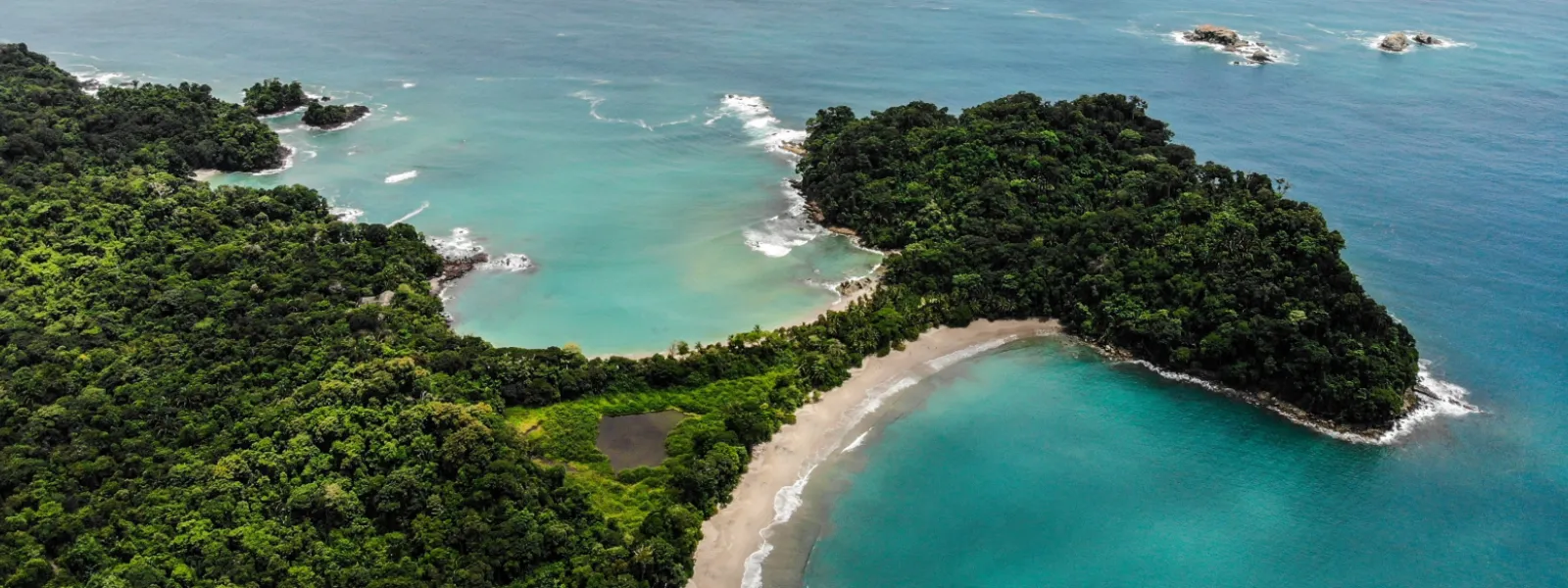
Atanas Malamov / Unsplash
In a landmark ruling for climate justice in Latin America, on June 16, Costa Rica’s Constitutional Court ordered the government to include a climate impact analysis in the assessment of any project, construction, or activity that could affect the environment.
The decision builds on similar achievements in other countries on the continent, resulting from strategic climate litigation.
The ruling in Costa Rica was the result of litigation supported by AIDA, in which we filed a legal brief presenting solid arguments demonstrating that incorporating a climate perspective into project assessments is an obligation under national legislation, international agreements, and the experience of other countries in the region.
Since the climate crisis is the most urgent environmental and human rights threat the world currently faces, it is important for courts to uphold the requirement that governments assess climate-related risks and impacts before authorizing any project or activity.
The procedure established to conduct this analysis—known as an environmental impact assessment (EIA)—is specifically designed to identify, anticipate, analyze, mitigate, and/or prevent the environmental impacts of potentially harmful projects or activities.
At the same time, it is a key tool for preventing development proposals from violating the rights of individuals and communities, including the universal right to a healthy environment.
Below, we detail the reasons why governments must assess a project’s climate impacts before giving it the green light—these were our contributions to the recent legal victory in Costa Rica.
National and international obligations
Several national regulations establish the obligation to include climate change criteria in project environmental assessments. In Costa Rica, for example, we have:
- Decree 42465 of 2019, which requires institutions carrying out public infrastructure projects to assess climate risks, climate change, and other natural or human-induced factors at all stages of the project.
Our brief also refers to a series of documents that analyze climate risk in Costa Rica, a country that, due to its location in the Central American tropics, is exposed to extreme weather events—hurricanes, tropical storms, droughts, and floods—whose frequency and intensity have increased as a result of global warming.
At the international level, Costa Rica, like other countries on the continent, is a party to treaties and other instruments of international law that entail obligations regarding the environment and human rights, which make reference to the environmental assessment of projects:
- United Nations Framework Convention on Climate Change. It requires governments to use appropriate methods, such as project impact assessments, to minimize the adverse effects of climate change on the economy, public health, and the environment.
- Paris Agreement. It requires governments to take and report on the actions they will undertake to reduce climate-damaging gas emissions and to adapt to the impacts of climate change, all of which must respect human rights.
- Convention on Biological Diversity. It requires countries to implement appropriate procedures to ensure that projects likely to have a significant adverse impact on biological diversity are assessed, with a view to preventing or minimizing such impacts, and to allow for public participation where appropriate.
- Sendai Framework for Disaster Risk Reduction 2015–2030. It calls on countries to develop, strengthen, and implement relevant actions to align sustainable development and growth, food security, health and safety, climate variability and change, environmental management, and disaster risk reduction.
- Advisory Opinion No. 23 of the Inter-American Court of Human Rights. It requires that environmental assessments of projects take into account their cumulative impacts, prevent harm to indigenous communities and tribal peoples, include contingency and mitigation plans, and ensure that the assessments are objective, independent, and subject to state oversight.
Lessons from other Latin American countries
In several countries on the continent, the requirement to incorporate climate criteria into environmental assessments has been institutionally established and also upheld by court rulings. Two recent cases illustrate this:
- Chile. In a 2022 litigation related to the Mejillones thermal power plant, located in the Antofagasta Region, the Supreme Court ordered Chile’s Environmental Assessment Service to analyze the atmospheric component—including those elements that have changed in the terrestrial environment due to climate change—from the start of the project’s implementation to the present.
- Colombia. In response to a lawsuit challenging the country’s environmental permitting regulations, the Constitutional Court ruled in 2024 that environmental impact studies must include an assessment of climate change impacts: “a global phenomenon determined by multiple biophysical and socioeconomic variables that interact over long periods of time, which is having an increasingly decisive effect on natural processes and impacts territories, communities, and individuals in different ways, with Colombia being one of the most affected countries.”
Protecting a healthy environment in the face of the climate crisis
As noted above, incorporating climate change criteria into the environmental assessment of projects is essential for the enjoyment of the right to a healthy environment. This implies:
- Assessing the impacts that the project or activity may have on climate change. This includes quantifying and documenting direct and indirect greenhouse gas emissions; determining whether, and to what extent, these emissions increase or decrease; and analyzing appropriate mitigation strategies to address anticipated impacts.
- Considering the effects of the climate crisis (such as climate-induced accidents or disasters) on the development, viability, and sustainability of the project or activity over time, this analysis should inform the decision on its authorization.
The climate crisis is not a threat, but a reality that is already severely affecting the region. In this context, it is imperative that development projects continue to undergo proper environmental assessments that require mandatory, systematic consideration of climate impacts for both mitigation and adaptation.
Through strategic litigation, AIDA will continue to contribute to this effort.
Check out our report, "Global Best Practices for Environmental Impact Studies" (in Spanish).
Victor Quintanilla Sangüeza

Victor Quintanilla Sangüeza is AIDA's Content Coordinator, working from Mexico. He is a Bolivian freelance communications specialist and journalist. He earned a Bachelor of Science in Social Communication from the Universidad Mayor de San Andrés in La Paz, Bolivia. Victor also holds a master's degree and a PhD in communication from the Universidad Iberoamericana Ciudad de México. He has worked in print and television media, as well as in corporate communication in the public and private sectors. Victor is also a researcher in the field of journalism and technology studies.