
Project
RA Killmer_CC BY-NC-ND 2.0Protecting herbivorous fish, to secure a future for corals
Herbivorous fish rarely go unnoticed. Their brilliant colors illuminate the reef to the delight of scuba divers. But more importantly, these iconic fish are also vital for the conservation of coral reefs.
Herbivorous fish feed on the algae that grow on corals and compete with them for light and oxygen. By eating the algae, these tiny fish play a big role in the survival of the entire ecosystem.
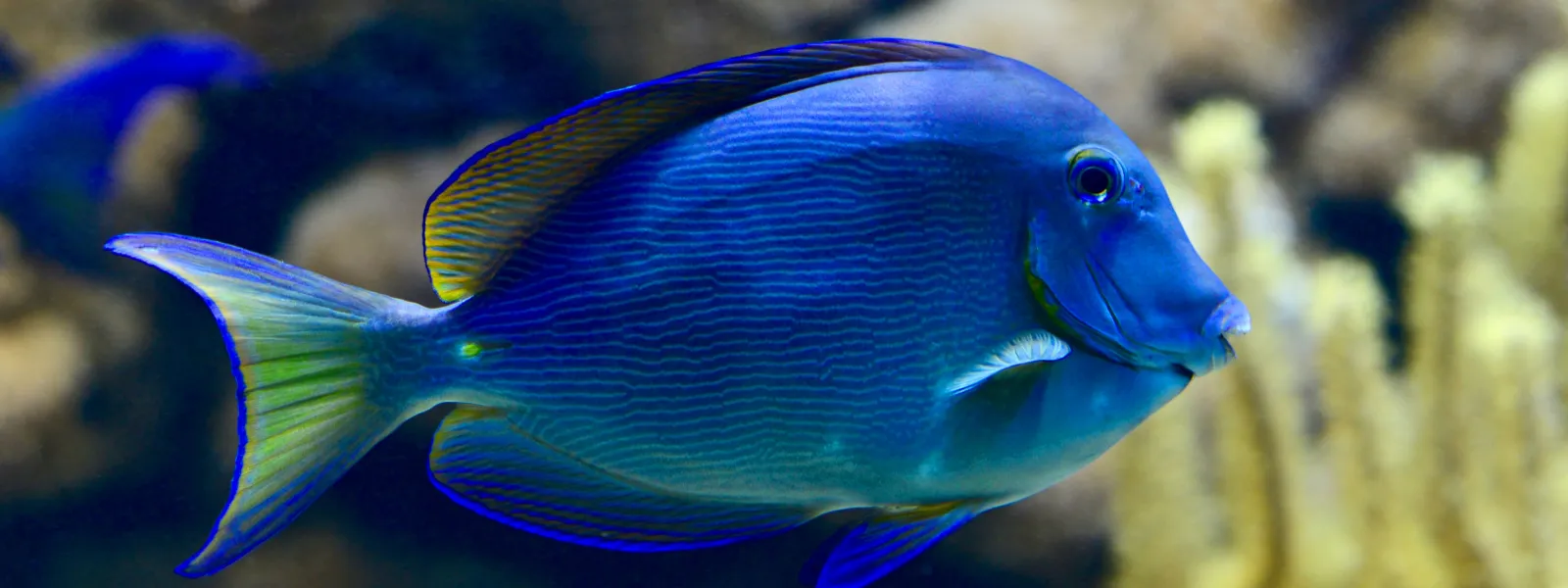
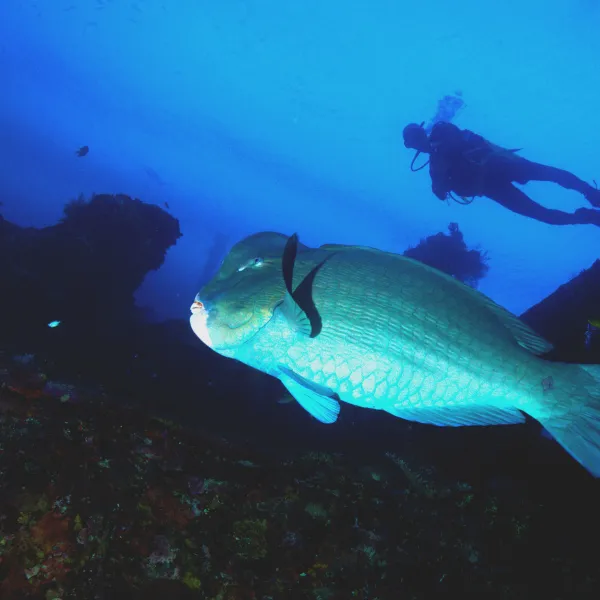
Species of these herbivorous fish include: parrotfish, which eat corals that break off the reef and excrete them as white sand; damselfish, which fend off the macro algae growth that kills coral; and surgeonfish, whose most famous representative is Dory from Finding Nemo.
But corals are quickly losing their greatest allies. Populations of herbivorous fish are dwindling, particularly in the Caribbean.
The overfishing of commercial species is driving artisanal fishermen to capture even the youngest herbivorous fish, preventing those species from replenishing their numbers.
The loss of these fish is one more threat to coral reefs, already fragile ecosystems that are increasingly vulnerable to climate change. Preserving our reefs will ensure we continue to enjoy the services they provide. Among other things, coral reefs act as fish hatcheries, natural barriers against storms and hurricanes, and the source of medicines that treat illnesses like cancer and Alzheimer’s.
Related projects
COP25: Organizations call on governments to improve air quality and, with it, slow the climate crisis
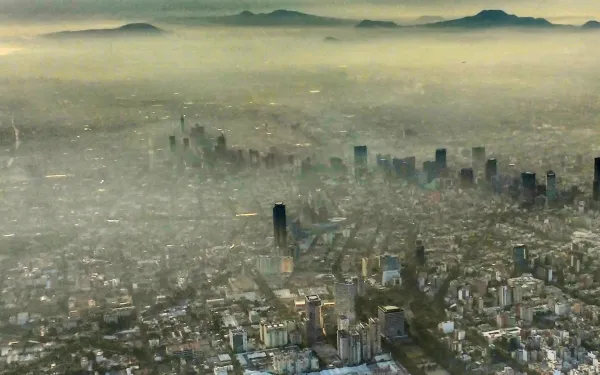
In a public letter, environmental and social organizations from Latin America and around the world urge governments to limit short-lived climate pollutants in their international climate commitments, which must be submitted to the United Nations by March 2020. Madrid, Spain. Governments must include ambitious and measurable targets for the reduction of short-lived climate pollutants in their new climate commitments, more than 100 organizations said in an open letter presented today, on the occasion of Human Rights Day, at the twenty-fifth Conference of the Parties (COP25) to the United Nations Framework Convention on Climate Change. "Mitigating short-lived climate pollutants implies reducing global warming in the short term and, at the same time, advancing in the decontamination of our cities," said Javier Dávalos, coordinator of the Climate Change Program at the Interamerican Association for Environmental Defense (AIDA). These pollutants are sometimes called "super climate pollutants" because they contribute to the climate crisis with much more intensity than carbon dioxide (CO2). As their name indicates, they stay a relatively short time in the atmosphere—from days to decades—unlike CO2, which can remain for millennia. Short-lived climate pollutants include black carbon, methane, tropospheric ozone and hydrofluorocarbons. They degrade air quality, affect glacial areas, and reduce crop yields. Poor air quality is the world's most deadly environmental problem. Each year, more than four million people die from the health damages caused by air pollution. The benefit of reducing these harmful emissions has been backed by science. The United Nations Intergovernmental Panel on Climate Change (IPCC), which brings together experts on the subject, stressed that to tackle global warming we must incorporate the mitigation of non-CO2 pollutants, specifically black carbon and methane. In addition, more than 11,000 scientists from around the world noted that the early reduction of short-lived climate pollutants would reduce warming by more than 50 percent over the next several decades. "The coming update of Nationally Determined Contributions opens up the possibility of governments betting on the elimination of these pollutants and thus contributing effectively to the fight against climate change and poor air quality," said Florencia Ortúzar, AIDA attorney. The deadline for governments to update their contributions is March 2020. That’s why the signatory organizations have called for the inclusion of ambitious and measurable goals for the reduction of these short-lived climate pollutants, and for governments to detail how the targets will be implemented, monitored and reported in the new commitments before the United Nations. "The solutions needed to reduce and eliminate each of the four short-lived climate pollutants are not mysteries. They are known and have been proven. But we need governments to prioritize those solutions if we are going to be able to avoid the worst impacts of climate change," commented Amanda Maxwell, director of the Latin America Project for the Natural Resources Defense Council (NRDC). In addition to the open letter, the organizations have launched an online petition for the cause to be supported with signatures from individuals around the world. Both problems, the climate crisis and poor air quality, most severely affect the most vulnerable segments of the population, among them children, pregnant women and the elderly. Confronting poor air quality is a human rights issue. Read the letter to governments. Read and sign the citizen petition. pRESS CONTACTS Victor Quintanilla (Mexico), AIDA, [email protected], +521 5570522107 Fabiola Nuñez, NRDC, [email protected], +1 (646) 889-1405 Renata Assumpção (Brazil), Instituto Alana, [email protected] Ricardo Ruiz (Mexico), CEMDA, [email protected], +5215559644162
Read more
A Plan to Decontaminate Our Cities and Contain the Climate Crisis
In an open letter made public at COP25, more than 100 organizations from Latin America and around the world urged governments to include ambitious and measurable targets for confronting air pollution in their new climate commitments, which must be submitted to the United Nations by March 2020.Join the Global Call for Clean Air! SIGN NOW!Read it in Spanish In Portuguese Poor air quality is the environmental problem that claims the most lives worldwide.Each year, more than four million people die from the health damages caused by air pollution. Official data shows that, globally, nine out of ten people breathe polluted air, and that the problem affects more than 80 percent of urban residents. The majority of those affected are in developing countries and the damages most severely impact the most vulnerable sectors of the population: children, pregnant women and the elderly.At the same time, humanity is seriously threatened by a climatic emergency whose impacts are also suffered with greater force by the most vulnerable segments of the population.Both problems, the climate crisis and poor air quality, are related to the atmosphere around us and are a matter of human rights. In this sense, there is an efficient way forward on both fronts. It’s an opportunity we must seize, and it has to do with reducing emissions of short-lived climate pollutants (SLCPs).Short-lived climate pollutants are atmospheric agents that contribute to the climate crisis with much more intensity than carbon dioxide (CO2) and, as their name indicates, remain in the atmosphere a relatively short time, from days to decades—unlike CO2, which can last millennia in the atmosphere. In addition, these pollutants degrade air quality, affect glacial areas and reduce crop yields. They include black carbon, methane, tropospheric ozone and hydrofluorocarbons (HFCs).Aiming to mitigate them implies reducing global warming in the short term and, at the same time, advancing in the decontamination of cities.This opportunity has already been supported by science.The United Nations Intergovernmental Panel on Climate Change (IPCC), which brings together experts on the subject, stressed in its Special Report on 1.5°C that, in order to confront global warming, we must incorporate into our efforts the mitigation of pollutants other than CO2, specifically black carbon and methane.Recently, more than 11 thousand scientists from around the world joined the call. In a public declaration recognizing the climate emergency, they identified among the measures necessary to solve it the prompt reduction of short-lived climate pollutants, noting that this would reduce warming by more than 50 percent in the coming decades.The forthcoming update of Nationally Determined Contributions (NDCs)— containing the climate commitments that governments must submit to the United Nations Framework Convention on Climate Change (UNFCCC)—opens the possibility of betting on the mitigation of these pollutants and contributing effectively to the fight against the climate crisis and poor air quality.The deadline for governments to submit new and more ambitious Nationally Determined Contributions is March 2020.For all of the reasons stated above, the undersigned organizations consider that the States that are part of the UNFCCC must respect human rights, protect them with the highest standards, and consider them in their climate commitments.In this sense, we ask that governments:Include ambitious and measurable targets for the reduction of short-lived climate pollutants in the update of their NDCs by March 2020.Detail in their commitments the means of implementation, which must ensure compliance with the targets they set.Frame the fulfillment of commitments in comprehensive policies that recognize the different levels of impact among the population, with special emphasis on the protection of children and other vulnerable groups.Specify the monitoring, reporting and verification procedures that will accompany the implementation of their commitments.Ensure that local governments and companies respect the policies established and adapt their actions to the urgent need to improve air quality. Download the letter
Read moreA Plan to Decontaminate Our Cities and Contain the Climate Crisis
In an open letter made public at COP25, more than 100 organizations from Latin America and around the world urged governments to include ambitious and measurable targets for confronting air pollution in their new climate commitments, which must be submitted to the United Nations by March 2020.Join the Global Call for Clean Air! SIGN NOW!Read it in Spanish In Portuguese Poor air quality is the environmental problem that claims the most lives worldwide.Each year, more than four million people die from the health damages caused by air pollution. Official data shows that, globally, nine out of ten people breathe polluted air, and that the problem affects more than 80 percent of urban residents. The majority of those affected are in developing countries and the damages most severely impact the most vulnerable sectors of the population: children, pregnant women and the elderly.At the same time, humanity is seriously threatened by a climatic emergency whose impacts are also suffered with greater force by the most vulnerable segments of the population.Both problems, the climate crisis and poor air quality, are related to the atmosphere around us and are a matter of human rights. In this sense, there is an efficient way forward on both fronts. It’s an opportunity we must seize, and it has to do with reducing emissions of short-lived climate pollutants (SLCPs).Short-lived climate pollutants are atmospheric agents that contribute to the climate crisis with much more intensity than carbon dioxide (CO2) and, as their name indicates, remain in the atmosphere a relatively short time, from days to decades—unlike CO2, which can last millennia in the atmosphere. In addition, these pollutants degrade air quality, affect glacial areas and reduce crop yields. They include black carbon, methane, tropospheric ozone and hydrofluorocarbons (HFCs).Aiming to mitigate them implies reducing global warming in the short term and, at the same time, advancing in the decontamination of cities.This opportunity has already been supported by science.The United Nations Intergovernmental Panel on Climate Change (IPCC), which brings together experts on the subject, stressed in its Special Report on 1.5°C that, in order to confront global warming, we must incorporate into our efforts the mitigation of pollutants other than CO2, specifically black carbon and methane.Recently, more than 11 thousand scientists from around the world joined the call. In a public declaration recognizing the climate emergency, they identified among the measures necessary to solve it the prompt reduction of short-lived climate pollutants, noting that this would reduce warming by more than 50 percent in the coming decades.The forthcoming update of Nationally Determined Contributions (NDCs)— containing the climate commitments that governments must submit to the United Nations Framework Convention on Climate Change (UNFCCC)—opens the possibility of betting on the mitigation of these pollutants and contributing effectively to the fight against the climate crisis and poor air quality.The deadline for governments to submit new and more ambitious Nationally Determined Contributions is March 2020.For all of the reasons stated above, the undersigned organizations consider that the States that are part of the UNFCCC must respect human rights, protect them with the highest standards, and consider them in their climate commitments.In this sense, we ask that governments:Include ambitious and measurable targets for the reduction of short-lived climate pollutants in the update of their NDCs by March 2020.Detail in their commitments the means of implementation, which must ensure compliance with the targets they set.Frame the fulfillment of commitments in comprehensive policies that recognize the different levels of impact among the population, with special emphasis on the protection of children and other vulnerable groups.Specify the monitoring, reporting and verification procedures that will accompany the implementation of their commitments.Ensure that local governments and companies respect the policies established and adapt their actions to the urgent need to improve air quality. Download the letter
Read more