
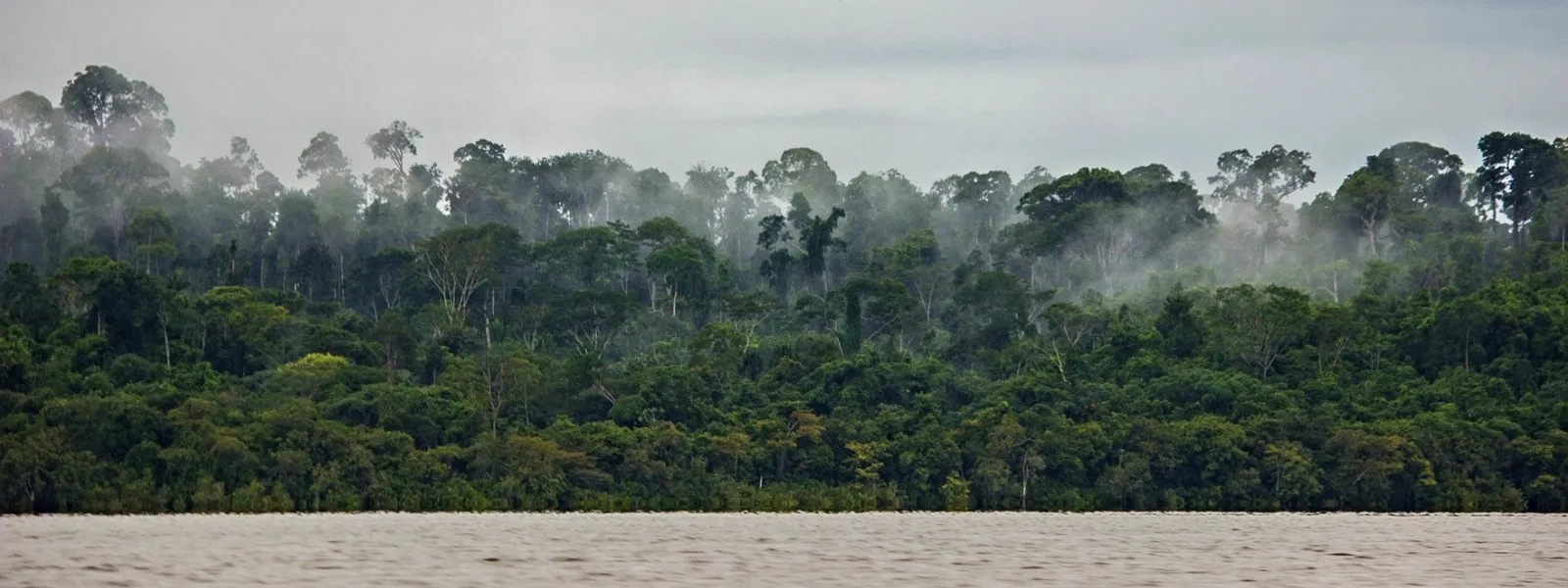
Project
Amazon Watch / Maíra Irigaray
The Belo Monte Dam on the Xingu River: 10 years of impacts in the Amazon and the search for reparations
The Belo Monte Dam has caused an environmental and social disaster in the heart of the Amazon—one of the most important ecosystems on the planet.
This situation has only worsened since the hydroelectric plant began operations in 2016. The quest for justice and reparations by the affected indigenous, fishing, and riverine communities continues to this day.
In 2011, the Inter-American Commission on Human Rights (IACHR) granted them protective measures that, to date, have not been fully implemented by the Brazilian State.
Furthermore, since June of that same year, the IACHR has yet to rule on a complaint against the State regarding its international responsibility in the case.
The IACHR may refer the case to the Inter-American Court of Human Rights, which has the authority to issue a ruling condemning the Brazilian State.
After 10 years of the hydroelectric plant's operation and more than 15 years of documented human rights violations, it is time for justice to be served for the affected communities.
Read the open letter from the organizations bringing the case before the IACHR
Background
The Belo Monte hydroelectric plant—the fourth largest in the world by installed capacity (11,233 MW)—was built on the Xingu River in Pará, a state in northern Brazil.
It was inaugurated on May 5, 2016, with a single turbine. At that time, 80% of the river’s course was diverted, flooding 516 km² of land—an area larger than the city of Chicago. Of that area, 400 km² was native forest. The dam began operating at full capacity in November 2019.
Belo Monte was built and is operated by the Norte Energia S.A. consortium, which is composed primarily of state-owned companies. It was financed by the Brazilian Development Bank (BNDES), which provided the consortium with 25.4 billion reais (approximately US$10.16 billion), the largest investment in the bank’s history. Therefore, the BNDES is also legally responsible for the socio-environmental impacts associated with the hydroelectric plant.
Decades of harm to the environment and people
Human rights violations and degradation of the Amazon have been occurring since the project’s inception. In March 2011, Norte Energía began construction of the dam without adequate consultation and without the prior, free, and informed consent of the affected communities.
The construction caused the forced displacement of more than 40,000 people, severing social and cultural ties. The resettlement plan in Altamira—a city directly affected by the hydroelectric dam—involved housing units located on the outskirts, lacking adequate public services and decent living conditions for the relocated families, with no special provisions for those from indigenous communities.
Belo Monte's operations have caused a permanent, man-made drought in the Volta Grande (or "Great Bend") of the Xingu River, exacerbated by the historic droughts in the Amazon in 2023 and 2024. As a result, the deaths of millions of fish eggs were documented for four consecutive years (from 2021 to 2024), and for the past three years, there has been no upstream migration of fish to spawn and reproduce. Thus, artisanal fishing, the main source of protein for indigenous peoples and riverside communities, was severely affected: fish dropped from 50% to 30% of total protein consumed, replaced by processed foods. In summary, there was an environmental and humanitarian collapse that resulted in the breakdown of fishing as a traditional way of life, food insecurity, and access to drinking water for thousands of families, impoverishment, and disease.
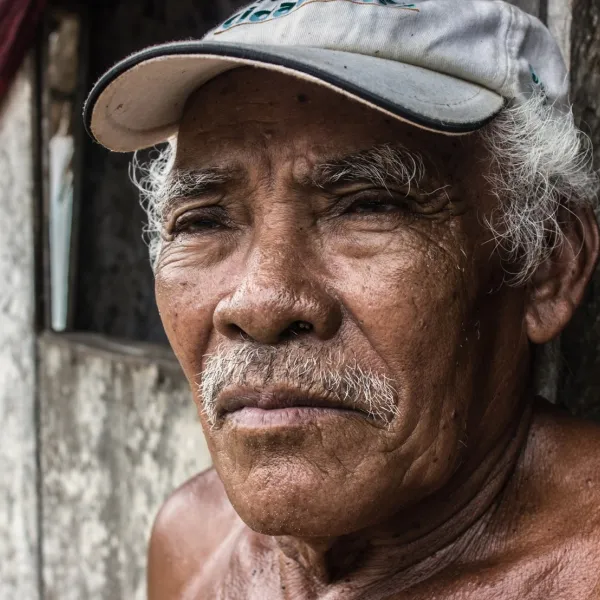
Furthermore, the construction of the dam increased deforestation and intensified illegal logging and insecurity on indigenous and tribal lands, putting the survival of these communities at risk. Another consequence was the deepening of poverty and social conflicts, as well as the strain on health, education, and public safety systems in Altamira—a city ranked as the most violent in the country in 2017, where human trafficking and sexual violence increased. Violence was also reported against human rights defenders involved in the case.
In 2025, during the 30th UN Climate Change Conference (COP30), held in Brazil, the Federal Public Prosecutor’s Office labeled the damage caused by the Belo Monte dam as ecocide.
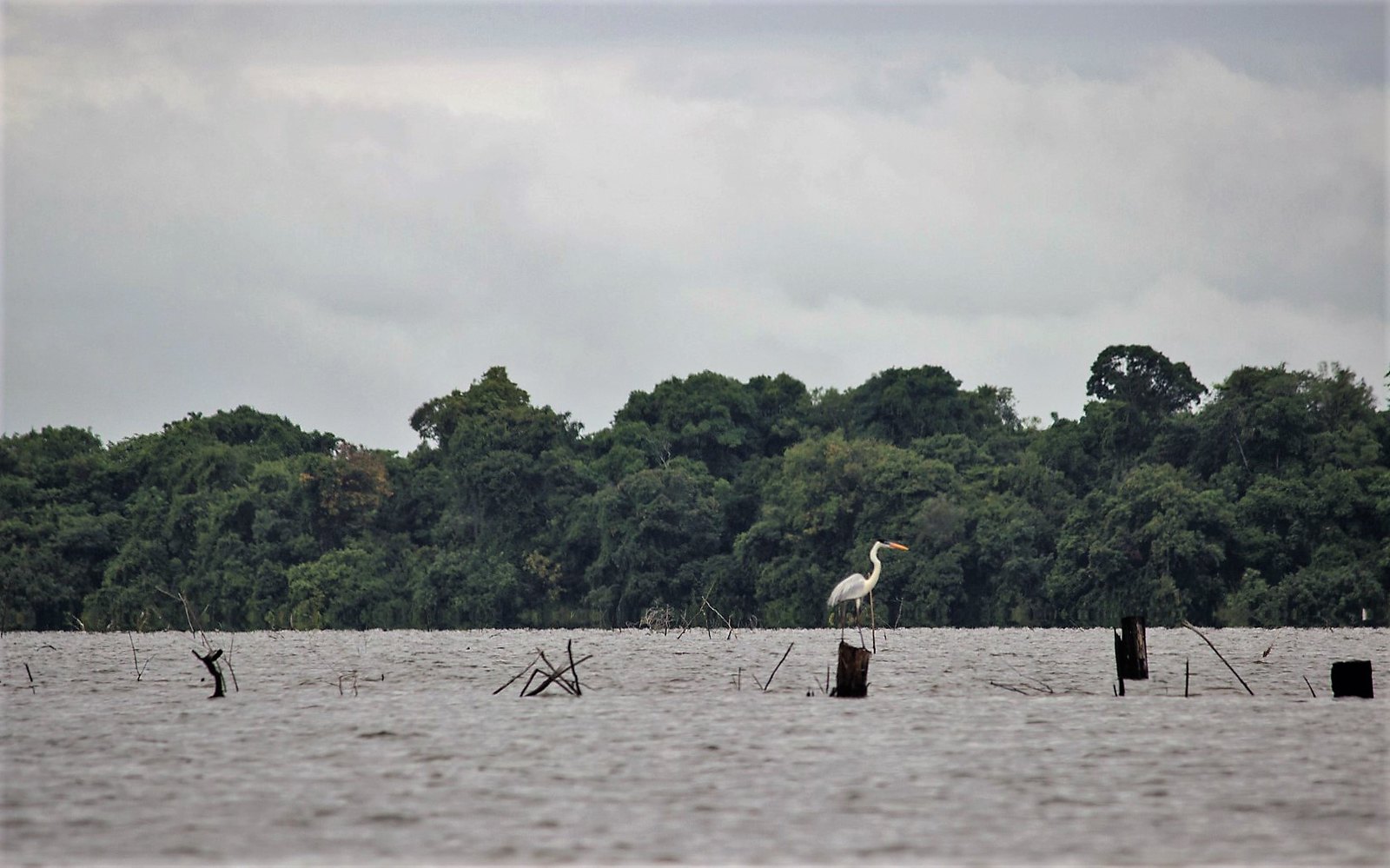
Photo: Amazon Watch / Maíra Irigaray.
The search for justice and reparations
Over the years, the Federal Public Prosecutor’s Office in Pará, the Public Defender’s Office, and civil society organizations have filed dozens of legal actions in Brazilian courts to challenge the project’s various irregularities and its impacts. Most of the claims are still pending resolution, some for more than 10 years.
These efforts have failed because the national government has repeatedly overturned rulings in favor of the affected communities by invoking a mechanism that allowed a court president to suspend a judicial decision based solely on generic arguments such as "the national interest" or "economic order."
In the absence of effective responses at the national level, AIDA, together with a coalition of partner organizations, brought the case before the Inter-American Commission on Human Rights (IACHR) and, in 2010, requested precautionary measures to protect the lives, safety, and health of the affected indigenous communities.
On April 1, 2011, the IACHR granted these measures and requested that the Brazilian government suspend environmental permits and any construction work until the conditions related to prior consultation and the protection of the health and safety of the communities are met.
And on June 16, 2011 —together with the Xingu Vivo Para Sempre Movement, the Coordinating Committee of Indigenous Organizations of the Brazilian Amazon, the Diocese of Altamira, the Indigenous Missionary Council, the Pará Society for the Defense of Human Rights and Global Justice— we filed a formal complaint against the Brazilian State for its international responsibility in the violation of the human rights of the people affected in the case. The case was opened for processing in December 2015.
On August 3, 2011, the IACHR amended the precautionary measures to request, instead of the suspension of permits and construction, the protection of people living in voluntary isolation, the health of indigenous communities, and the regularization and protection of ancestral lands.
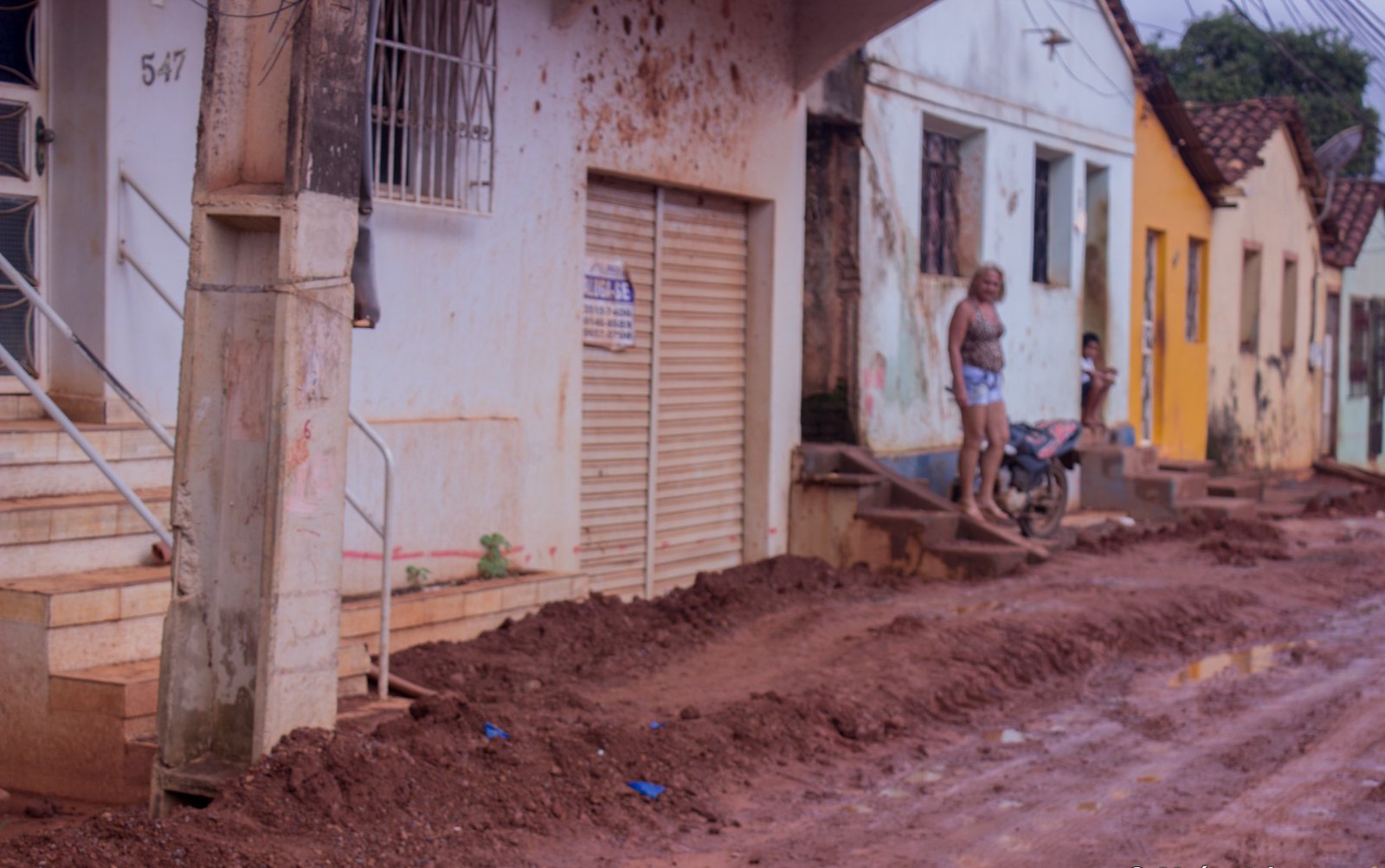
Photo: Amazon Watch / Maíra Irigaray.
Current situation
The protective measures granted by the IACHR remain in effect, but the Brazilian government has not fully complied with them, reporting only on general actions. The communities have documented the ongoing violations of their rights. The situation that prompted the request for these measures—the risk to the lives, physical integrity, and ways of life of the communities—persists and has worsened with the hydroelectric plant operating at full capacity and the recent extreme droughts in the Amazon.
In addition to the impacts of Belo Monte, there is a risk of further social and environmental impacts from the implementation of another mining megaproject in the Volta Grande do Xingu. There, the Canadian company Belo Sun plans to build Brazil’s largest open-pit gold mine.
The combined and cumulative impacts of the dam and the mine were not assessed. The government excluded Indigenous peoples, riverine and peasant communities from the project’s environmental permitting process. Despite protests by Indigenous communities and other irregularities surrounding the project, the government of Pará formally authorized the mine in April 2026.
Like other hydroelectric dams, Belo Monte exacerbates the climate emergency by generating greenhouse gas emissions in its reservoir. And it is inefficient amid the longer, more intense droughts caused by the crisis, as it loses its ability to generate power.
The case before the Inter-American Commission
In October 2017, the IACHR announced that it would rule jointly on the admissibility (whether the case meets the requirements for admission) and the merits (whether a human rights violation actually occurred) of the international complaint against the Brazilian State.
Fifteen years after the complaint was filed, the affected communities and the organizations representing them are still awaiting this decision. If the IACHR concludes that human rights violations occurred and issues recommendations that the Brazilian State fails to comply with, it may refer the case to the Inter-American Court of Human Rights, whose rulings are binding.
A potential ruling by the international court in this case would set a regional legal precedent regarding the rights of indigenous and riverine peoples, public participation in megaprojects, and state responsibility in the context of the climate crisis—a precedent that is particularly relevant in light of the Court’s Advisory Opinion No. 32, which reaffirmed the obligations of States to protect the people and communities of the continent from the climate emergency.
Partners:
Related projects
Mexico illegally authorizes hydropower dam
The permit for the project on the San Pedro Mezquital River violates national and international environmental and human rights laws. Mexico City, Mexico. In violation of national and international environmental and human rights laws, on September 18, 2014 Mexico’s environmental authority (SEMARNAT) authorized construction of the Las Cruces hydroelectric project in the state of Nayarit. On behalf of communities and indigenous peoples who will be harmed by the project, the Interamerican Association for Environmental Defense (AIDA) will enlist the aid of United Nations Special Rapporteurs and of the Ramsar Secretariat, who oversees implementation of a wetlands-protection treaty. AIDA will ask these authorities to deem the permit process illegal and demand that the Mexican Government revoke its authorization. In its permit process, SEMARNAT ignored international laws requiring prior consultation with indigenous peoples, who must give their free, prior, and informed consent to the project. These actions are required by the International Labour Organization Convention No. 169 and by the United Nations Declaration on the Rights of Indigenous Peoples. In the permit, SEMARNAT recognizes that the communities of San Blasito and Saycota, which will be evicted as a result of construction, were unaware of the consultation notices that the Federal Electricity Commission (FEC) allegedly posted. "International standards require more than just telling the indigenous people about the project, as FEC did in this case [1]," said Maria José Veramendi, senior attorney at AIDA. "Affected communities must participate since the planning phase. And consultation has to followed by traditional decision-making methods. Before and during consultation, affected people must be provided with precise information on the consequences of the project, with the objective of reaching an agreement," she added. Construction of Las Cruces Dam will force eviction of indigenous peoples, most of them Cora, and harm 14 sacred Cora and Huichol sites. These impacts violate their human rights to adequate housing, water, sustainable livelihoods, culture, and education. The dam will also reduce flow to Marismas Nacionales, which is listed as a wetland of international importance under the Ramsar Convention, an international treaty for wetland protection. Reduced flow will harm fishing and agriculture that sustains river communities. In 2009, the Ramsar Secretariat exhorted the Mexican Government to consider the environmental goods and services, and the cultural heritage, of the region before authorizing Las Cruces. That recommendation was ignored. "The Ramsar Convention does not prohibit infrastructure in this kind of ecosystem, but it does establish criteria and standards to guide wetland management [2]," said AIDA attorney Sandra Moguel. "As the authority in charge of ensuring compliance with Mexico’s international environmental commitments, SEMARNAT should have taken the Convention’s guidelines into account. It’s especially regrettable that SEMARNAT ignored the Ramsar Secretariat’s specific recommendations for Marismas Nacionales," said Moguel. SEMARNAT also ignored the technical opinion of the National Aquaculture and Fisheries Commission (CONAPESCA). The Commission pointed out that if Las Cruces is built, fish populations in Nayarit and Sinaloa will dramatically decrease, because they depend on Marismas Nacionales, which in turn depend on the fresh water and nutrients supplied by the San Pedro River. "This permit is a setback," said Moguel. "But AIDA will work closely with international legal authorities until we secure justice for the environment and affected communities." [1] Autorización de Impacto Ambiental del proyecto hidroeléctrico Las Cruces, p. 57 (in Spanish) [2] Autorización de Impacto Ambiental del proyecto hidroeléctrico Las Cruces, p. 62 (in Spanish)
Read more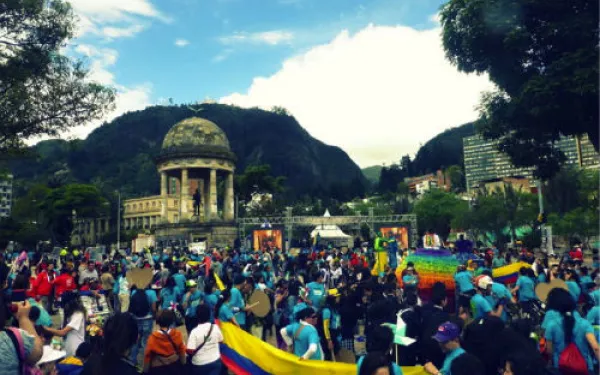
Thousands rally in Colombia's capital for Global Climate Action
By Seble Gameda, geographer The sounds of brass instruments, drumming, bike bells, and chants filled the streets of Bogota, Colombia on Sunday, September 21, as over three thousand people bearing banners, posters, flags and face paint, rallied for urgent climate action, as part of the International People's Climate March. "We are making a global petition to the heads of state to make a binding treaty that responds to the climate crisis, and we need national and local governments to commit as well," said Ana Sofía Suarez, Campaign Coordinator with the international citizen’s movement, Avaaz, and Event Coordinator for the People’s Climate March in Bogotá. Over 100 world leaders met in New York City to discuss the climate crisis and carbon emissions reductions, just months prior to the Conference of the Parties (COP) 20 that will take place in Lima, Peru as part of the United Nations Framework Convention on Climate Change. A binding agreement is planned to be signed at COP 21 in Paris in December 2015. The United Nations Climate Summit in New York City also focused on the Green Climate Fund, in which developed countries aim to raise $100 billion per year by 2020 in climate finance, in order to assist developing countries towards "low-carbon, climate resilient development." Hector Herrera, Coordinator of the Colombian Environmental Justice Network, spoke to the importance of developing countries participating in the climate marches, stating that "although the global north is primarily responsible for climate change, we in the global south are most affected, and less prepared to adapt to a changing climate." Demonstrations were organized worldwide to show the power of the people’s climate movement. "We are the first generation that is really aware of climate change, but we are the last that can do something about it," stated Juan David García, an organizer with the grassroots environmental organization 350.org. Bogotá’s Climate March was filled with diversity; artists, professors, youth, bankers, cyclists, the elderly. As Suarez commented, "in these spaces when everyone comes together, you begin to realize that you are not alone, that we are among many who are dreaming of something different, and if we begin to demand changes, then we can make this dream happen." Climate change is no longer just an isolated issue of scientists and environmentalists, we are reaching a critical mass, showing once again that protest is powerful; it is the movement of people that makes change: anti-war, civil rights, healthcare, education, and … climate justice.
Read more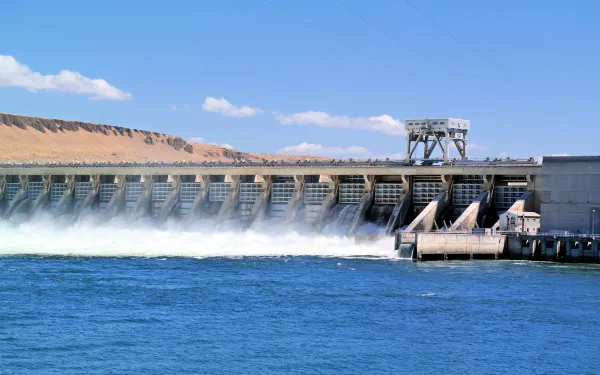
Open letter to governments, international institutions and financial mechanisms to stop considering large dams as clean energy and to implement real solutions to climate change
57 CIVIL SOCIETY ORGANIZATIONS AND COALITIONS IN LATIN AMERICA INSIST THAT LARGE DAMS ARE NOT CLEAN ENERGY SOURCES AND WE ASK GOVERNMENTS, INTERNATIONAL ORGANIZATIONS AND FINANCIAL INSTITUTIONS TO IMPLEMENT REAL SOLUTIONS TO CLIMATE CHANGE It is time to learn from the past and to implement alternatives appropriate to our time According to the World Commission on Dams, by the year 2000, fifty thousand dams had already been built, disrupting more than 60% of Earth’s rivers.[1] In Latin America alone, 973 dams of all sizes are operating, and roughly 1,600 more are being built or planned—254 in the Amazon Basin.[2] Scientific evidence reveals that large dams: emit greenhouse gases, including methane, especially in tropical regions,[3] aggravating climate change, and making adaptation more difficult; cost almost twice their initial budget, causing economic difficulties in the communities and countries where they are implemented;[4] take a long time to become operational, making them an inefficient solution to the urgent energy crisis that they are intended to tackle;[5] may cause great and irreparable environmental damage; and may cause human rights violations and impoverishment of communities if not implemented with appropriate safeguards. Nevertheless, they continue to be promoted as clean energy sources to meet increasing energy demand.[6] Why are dams not clean energy sources and why are alternatives needed? 1. Because they contribute to climate change and make adaptation more difficult Construction and operation of large dams in tropical regions causes emission of CO2 and methane from the large amounts of flooded and retained organic matter in reservoirs. The greenhouse gas effect of methane is between 20 to 40 times more powerful than that of CO2.[7] Dams also destroy large areas of surrounding lands needed to build them. Dams are not flexible enough to endure climate change. On the contrary, they are inefficient in droughts and unsafe in floods, which aggravates the risk of disasters. Moreover, they threaten communities’ entire hydrologic system, destroying key ecosystems and fisheries, thus compromising communities’ ability to adapt to climate change. 2. Because of the cost overruns, delays and economic damage that they entail Data show that the final cost of the majority of dams that have been built is 96% greater than their initial budgets. This expense has been linked to the increase of public debt and to economic crisis in several countries.[8] 3. Because they take a long time to become operational, making them an inefficient solution to the urgent energy crisis that they are intended to tackle Construction of large dams takes approximately 8.6 years, plus time to begin operating,[9] and they operate on average only 50 years.[10] Experts have documented that eight out of every ten dams exceed their initial construction-time estimates by more than 44%.[11] Dams are not an efficient solution to growing and urgent energy demand. 4. Because they may cause great and irreparable environmental damage Large dams cause environmental damages to rivers, hydrologic basins and surrounding ecosystems, including: worsening water quality in rivers; degradation of aquatic ecosystems and disappearance of many riparian ecosystems; and serious harms to biodiversity, including the extinction of species.[12] 5. Because environmental damage may violate human rights and impoverish communities The human rights of the people affected by large dams have been systematically unrecognized. Large dams have caused forced displacement;[13] health problems; loss of food sources and traditional ways of life; community impoverishment;[14] and criminalization of social protest. Additionally, permitting processes are generally flawed; permits are issued without comprehensive environmental or social impact assessments, and without adequate public participation and consultation. TODAY there are cleaner, more efficient, less costly and faster alternatives to respond to energy demand. Therefore we DEMAND that Governments, international organizations and financial institutions immediately: Stop considering large dams as clean energy sources, given the proved negative impacts mentioned above. These impacts must be considered comprehensively. Incorporate in the planning stage for new dams: scientific evidence of greenhouse gas emissions, including methane produced by reservoirs; the instability that climate change causes in the hydrologic regime; lessons learned regarding costs and real implementation time of large dams; comprehensive evaluation of environmental and social impacts that will be caused; an integrated, realistic energy strategy through a Comprehensive Plan for Electric Sector Energy Resources; Make decisions that account for impacts on the environment, human rights and climate change. Implement real energy solutions that prove to be effective, with benefits that outweigh the harms they cause. Adopt inclusive and transparent decision-making processes, taking into account the whole spectrum of energy alternatives. Abogadas y Abogados para la Justicia y los Derechos Humanos, A.C., México Alianza de Comunidades y Usuarios en Defensa del Río Biobos-Nautla, México Alianza para la Conservación y el Desarrollo (ACD), Panamá Amazon Watch, Estados Unidos Amazónicos por la Amazonía (AMPA), Perú Amigos del Río San Rodrigo, México Asamblea Veracruzana de Iniciativas y Defensa Ambiental (LAVIDA), México Asociación Ambiente y Sociedad, Colombia Asociación Amigos de los Parques Nacionales (AAPN), Argentina Asociación Ceiba, Guatemala Asociación de Ecología Social (AESO), Costa Rica Asociación Interamericana para la Defensa del Ambiente (AIDA), Regional Asociación Palmareña para la Recuperación del Ambiente (APRA), Costa Rica Asociación Peruana para la Conservación de la Naturaleza, Perú Asociación Pro Derechos Humanos (APRODEH), Perú Asociación Proyectos Alternativos para Desarrollo Social (PROAL), Costa Rica Bloque Verde, Costa Rica Centro de Desarrollo Étnico (CEDET), Perú Centro de Documentación en Derechos Humanos “Segundo Montes Mozo S.J.” (CSMM), Ecuador Centro de Estudios para la Justicia Social "Tierra Digna", Colombia Centro de Promoción y Defensa de Derechos Humanos Arequipa (CEPRODEH), Perú Centro Humboldt, Nicaragua Centro Mexicano de Derecho Ambiental, A.C. (CEMDA), México Centro para la Sostenibilidad Ambiental de la Universidad Peruana Cayetano Heredia (CSA-UPCH), Perú Colectivo Defensa Verde Naturaleza para Siempre, México Comisión de Derechos Humanos de Ica, Perú Comisión Ecuménica de Derechos Humanos (CEDHU), Ecuador Comité por los Derechos en América Latina (CEDHAL), Canadá Consejo de Ejidos y Comunidades Opositores a la Presa La Parota (CECOP), México Coordinadora de Afectados por Embalses y Trasvases (COAGRET), España Coordinadora Nacional de Derechos Humanos, Perú Derechos Humanos y Medio Ambiente, Perú Ecologia E Ação (ECOA), Brasil Federación Ecologista de Costa Rica (FECON), Costa Rica Finca Amalur, Costa Rica Fiscalía del Medio Ambiente (FIMA), Chile Foro Ciudadano de Participación por la Justicia y los Derechos Humanos (FORO), Argentina Fórum Solidaridad Perú, Perú Fundación Centro de Derechos Humanos y Ambiente (CEDHA), Argentina Fundación Ecuménica para el Desarrollo y la Paz (FEDEPAZ), Perú Fundación GaiaPacha, Bolivia Fundación POPOL NA, Nicaragua Fundar, México Grupo Ecologista Cuña Pirú, Argentina Instituto Madeira Vivo (IMV), Brasil International Rivers, Estados Unidos JASS, Asociadas por lo Justo, México Justicia para la Naturaleza, Costa Rica María Esperanza Alonso, especialista de Derecho Ambiental, Argentina Movimiento Ciudadano frente al Cambio Climático (MOCICC), Perú Oilwatch Mesoamérica, Costa Rica Plataforma Interamericana de Derechos Humanos, Democracia y Desarrollo (PIDHDD Regional), Ecuador Programa Chile Sustentable, Chile Pueblos Unidos de la Cuenca Antigua por los Ríos Libres, México Red Jurídica Amazónica (RAMA), Bolivia Sociedad Peruana de Derecho Ambiental (SPDA), Perú Unión Norte por la Vida, Costa Rica For more information: AIDA on dams: http://www.aida-americas.org/es/project/grandesrepresas International Rivers: http://www.internationalrivers.org/ Report: Grandes Represas en América: ¿Peor el Remedio que la Enfermedad? Blog: Desmantelando el mito de las represas, Grandes represas elefantes blancos, Hydropower Will Not Solve All Africa's Problems [1] World Commission on Dams Report. http://www.internationalrivers.org/files/attached-files/world_commission_on_dams_final_report.pdf [2] State of the World’s Rivers. http://www.internationalrivers.org/worldsrivers/ [3]2013 IPCC Supplement to the 2006 Guidelines for National GHG Inventories: Wetlands http://www.ipcc-nggip.iges.or.jp/public/wetlands/ [4]Ansar, Atif and Flyvbjerg, Bent and Budzier, Alexander and Lunn, Daniel, Should We Build More Large Dams? The Actual Costs of Hydropower Megaproject Development (March 10, 2014). Energy Policy, March 2014, pp.1-14. [5] Ibid [6] Directions for the World Bank Group’s Energy Sector. http://www.worldbank.org/content/dam/Worldbank/document/SDN/energy-2013-0281-2.pdf [7] Climate and Clear Air Coalition. Short-Lived Climate Pollutants. (2011). http://www.unep.org/ccac/ShortLivedClimatePollutants/tabid/101650/Default.aspx. [8] Ansar, A et al. Furthermore, the Brazilian Federal Court of Accountability carried out a study of the energy projects developed between 2005 and 2012, and it concluded that almost 80% of dams will not comply with their schedule. http://oglobo.globo.com/economia/tcu-constata-atrasos-nas-obras-de-energia-leiloadas-pelo-governo-de-2005-2012-13822128 (Spanish) [9] Ansar, A., et al. [10] Friends of the Earth, et al. Dam Removal Success Stories. (1999). http://www.michigandnr.com/publications/pdfs/fishing/dams/SuccessStoriesReport.pdf http://www.teachengineering.org/view_lesson.php?url=collection/cub_/lessons/cub_dams/cub_dams_lesson08.xml [11] Ansar, A., et al. [12] AIDA. Grandes Represas en América: ¿Peor el remedio que la enfermedad? http://www.aida-americas.org/sites/default/files/InformeAIDA_GrandesRepreseas_BajaRes_1.pdf (Spanish) [13] According to the World Commission on Dams, between 40 and 80 million people have been displaced due to big dams—approximately one out of every 100 people alive today. [14] Thayer Scudder, California Institute of Technology, promoted construction of dams for 58 years, believing that they were an option for the relief of poverty. He publicly changed his mind when he was 84 years old, declaring that they are not worth their cost and that many of the dams currently under construction will have disastrous consequences. New York Times. http://www.nytimes.com/2014/08/24/opinion/sunday/large-dams-just-arent-worth-the-cost.html?emc=eta1&_r=3
Read more