
Project
Amazon Watch / Maíra Irigaray
The Belo Monte Dam on the Xingu River: 10 years of impacts in the Amazon and the search for reparations
The Belo Monte Dam has caused an environmental and social disaster in the heart of the Amazon—one of the most important ecosystems on the planet.
This situation has only worsened since the hydroelectric plant began operations in 2016. The quest for justice and reparations by the affected indigenous, fishing, and riverine communities continues to this day.
In 2011, the Inter-American Commission on Human Rights (IACHR) granted them protective measures that, to date, have not been fully implemented by the Brazilian State.
Furthermore, since June of that same year, the IACHR has yet to rule on a complaint against the State regarding its international responsibility in the case.
The IACHR may refer the case to the Inter-American Court of Human Rights, which has the authority to issue a ruling condemning the Brazilian State.
After 10 years of the hydroelectric plant's operation and more than 15 years of documented human rights violations, it is time for justice to be served for the affected communities.
Read the open letter from the organizations bringing the case before the IACHR
Background
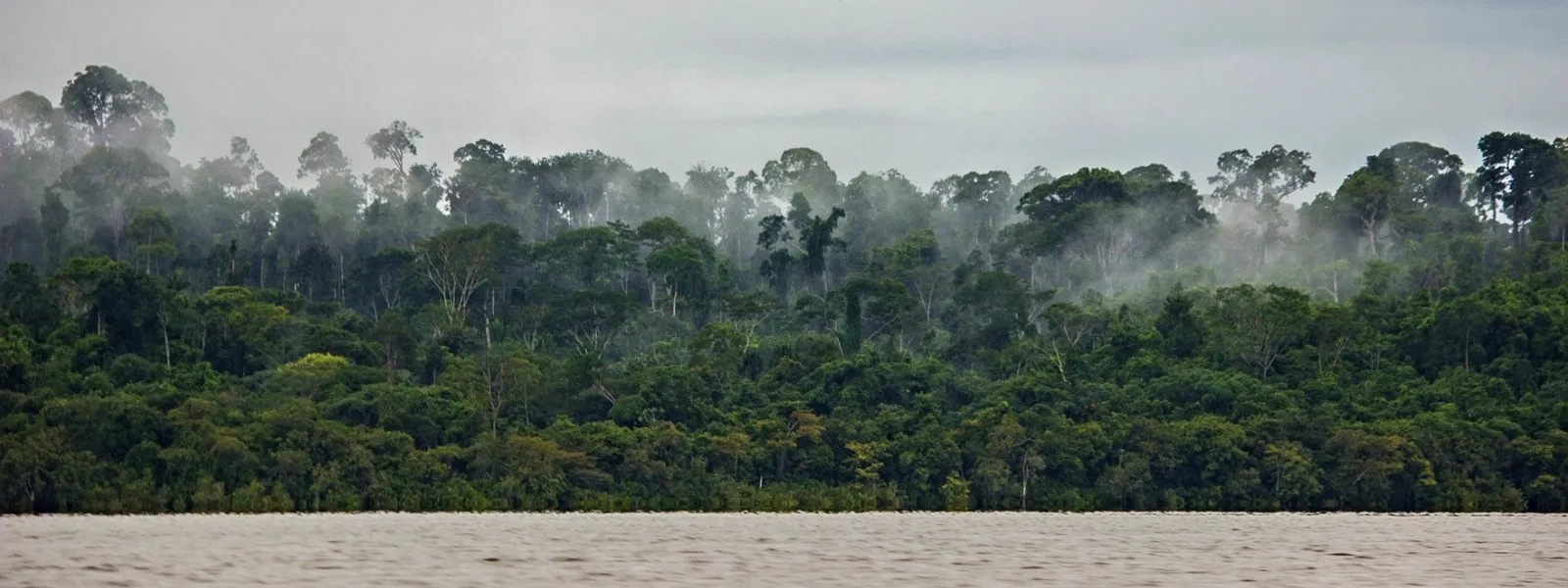
The Belo Monte hydroelectric plant—the fourth largest in the world by installed capacity (11,233 MW)—was built on the Xingu River in Pará, a state in northern Brazil.
It was inaugurated on May 5, 2016, with a single turbine. At that time, 80% of the river’s course was diverted, flooding 516 km² of land—an area larger than the city of Chicago. Of that area, 400 km² was native forest. The dam began operating at full capacity in November 2019.
Belo Monte was built and is operated by the Norte Energia S.A. consortium, which is composed primarily of state-owned companies. It was financed by the Brazilian Development Bank (BNDES), which provided the consortium with 25.4 billion reais (approximately US$10.16 billion), the largest investment in the bank’s history. Therefore, the BNDES is also legally responsible for the socio-environmental impacts associated with the hydroelectric plant.
Decades of harm to the environment and people
Human rights violations and degradation of the Amazon have been occurring since the project’s inception. In March 2011, Norte Energía began construction of the dam without adequate consultation and without the prior, free, and informed consent of the affected communities.
The construction caused the forced displacement of more than 40,000 people, severing social and cultural ties. The resettlement plan in Altamira—a city directly affected by the hydroelectric dam—involved housing units located on the outskirts, lacking adequate public services and decent living conditions for the relocated families, with no special provisions for those from indigenous communities.
Belo Monte's operations have caused a permanent, man-made drought in the Volta Grande (or "Great Bend") of the Xingu River, exacerbated by the historic droughts in the Amazon in 2023 and 2024. As a result, the deaths of millions of fish eggs were documented for four consecutive years (from 2021 to 2024), and for the past three years, there has been no upstream migration of fish to spawn and reproduce. Thus, artisanal fishing, the main source of protein for indigenous peoples and riverside communities, was severely affected: fish dropped from 50% to 30% of total protein consumed, replaced by processed foods. In summary, there was an environmental and humanitarian collapse that resulted in the breakdown of fishing as a traditional way of life, food insecurity, and access to drinking water for thousands of families, impoverishment, and disease.
Furthermore, the construction of the dam increased deforestation and intensified illegal logging and insecurity on indigenous and tribal lands, putting the survival of these communities at risk. Another consequence was the deepening of poverty and social conflicts, as well as the strain on health, education, and public safety systems in Altamira—a city ranked as the most violent in the country in 2017, where human trafficking and sexual violence increased. Violence was also reported against human rights defenders involved in the case.
In 2025, during the 30th UN Climate Change Conference (COP30), held in Brazil, the Federal Public Prosecutor’s Office labeled the damage caused by the Belo Monte dam as ecocide.
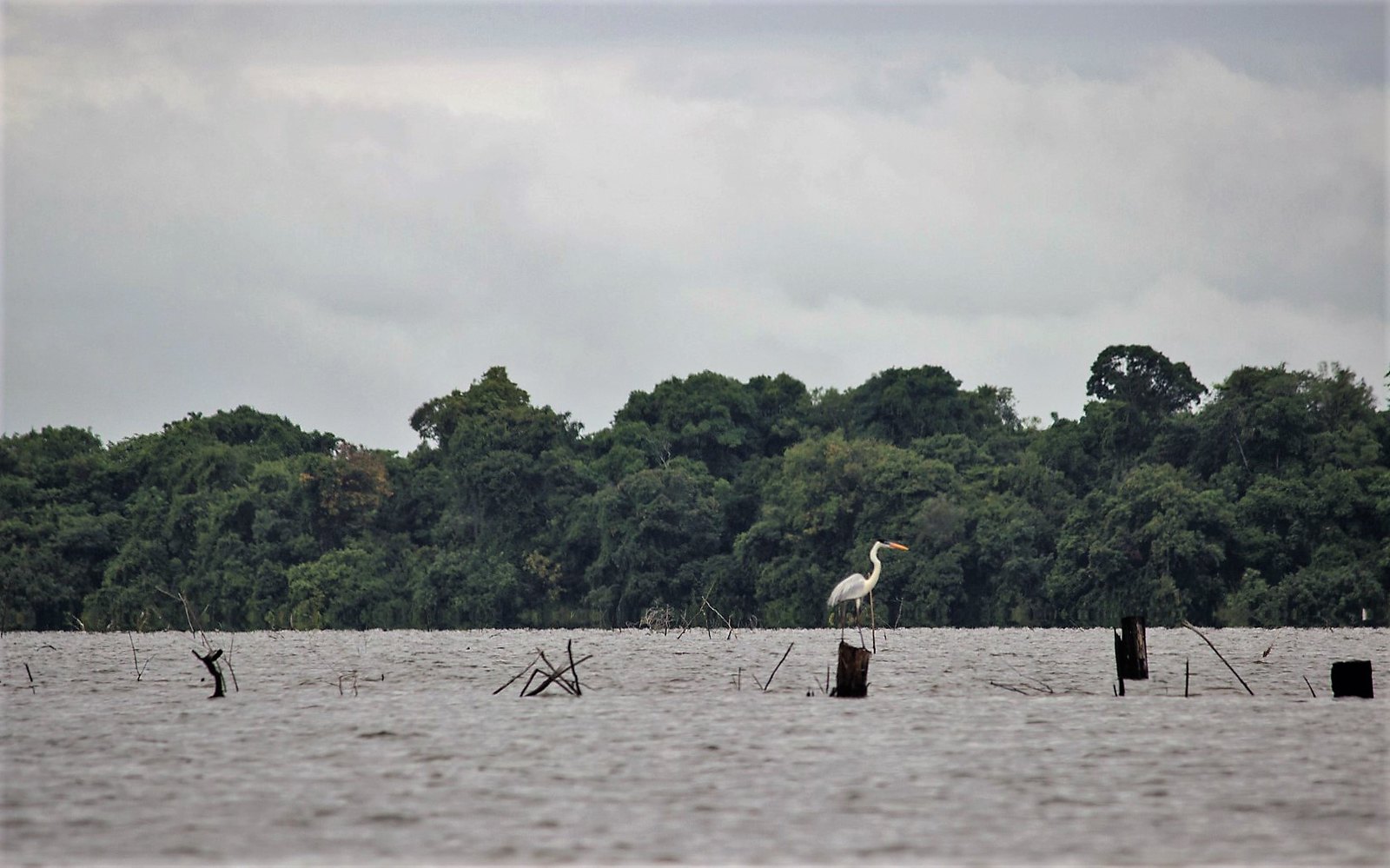
Photo: Amazon Watch / Maíra Irigaray.
The search for justice and reparations
Over the years, the Federal Public Prosecutor’s Office in Pará, the Public Defender’s Office, and civil society organizations have filed dozens of legal actions in Brazilian courts to challenge the project’s various irregularities and its impacts. Most of the claims are still pending resolution, some for more than 10 years.
These efforts have failed because the national government has repeatedly overturned rulings in favor of the affected communities by invoking a mechanism that allowed a court president to suspend a judicial decision based solely on generic arguments such as "the national interest" or "economic order."
In the absence of effective responses at the national level, AIDA, together with a coalition of partner organizations, brought the case before the Inter-American Commission on Human Rights (IACHR) and, in 2010, requested precautionary measures to protect the lives, safety, and health of the affected indigenous communities.
On April 1, 2011, the IACHR granted these measures and requested that the Brazilian government suspend environmental permits and any construction work until the conditions related to prior consultation and the protection of the health and safety of the communities are met.
And on June 16, 2011 —together with the Xingu Vivo Para Sempre Movement, the Coordinating Committee of Indigenous Organizations of the Brazilian Amazon, the Diocese of Altamira, the Indigenous Missionary Council, the Pará Society for the Defense of Human Rights and Global Justice— we filed a formal complaint against the Brazilian State for its international responsibility in the violation of the human rights of the people affected in the case. The case was opened for processing in December 2015.
On August 3, 2011, the IACHR amended the precautionary measures to request, instead of the suspension of permits and construction, the protection of people living in voluntary isolation, the health of indigenous communities, and the regularization and protection of ancestral lands.
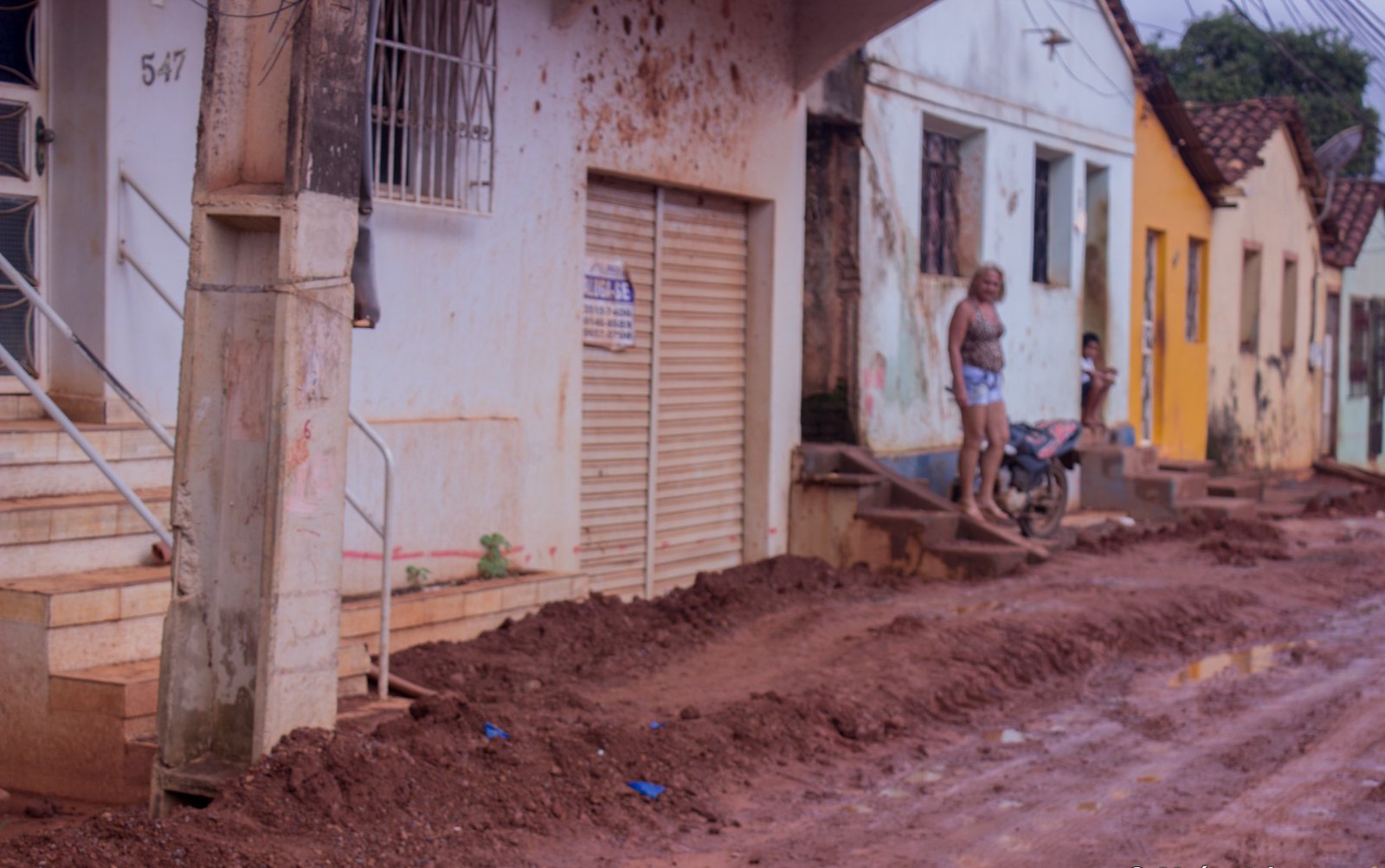
Photo: Amazon Watch / Maíra Irigaray.
Current situation
The protective measures granted by the IACHR remain in effect, but the Brazilian government has not fully complied with them, reporting only on general actions. The communities have documented the ongoing violations of their rights. The situation that prompted the request for these measures—the risk to the lives, physical integrity, and ways of life of the communities—persists and has worsened with the hydroelectric plant operating at full capacity and the recent extreme droughts in the Amazon.
In addition to the impacts of Belo Monte, there is a risk of further social and environmental impacts from the implementation of another mining megaproject in the Volta Grande do Xingu. There, the Canadian company Belo Sun plans to build Brazil’s largest open-pit gold mine.
The combined and cumulative impacts of the dam and the mine were not assessed. The government excluded Indigenous peoples, riverine and peasant communities from the project’s environmental permitting process. Despite protests by Indigenous communities and other irregularities surrounding the project, the government of Pará formally authorized the mine in April 2026.
Like other hydroelectric dams, Belo Monte exacerbates the climate emergency by generating greenhouse gas emissions in its reservoir. And it is inefficient amid the longer, more intense droughts caused by the crisis, as it loses its ability to generate power.
The case before the Inter-American Commission
In October 2017, the IACHR announced that it would rule jointly on the admissibility (whether the case meets the requirements for admission) and the merits (whether a human rights violation actually occurred) of the international complaint against the Brazilian State.
Fifteen years after the complaint was filed, the affected communities and the organizations representing them are still awaiting this decision. If the IACHR concludes that human rights violations occurred and issues recommendations that the Brazilian State fails to comply with, it may refer the case to the Inter-American Court of Human Rights, whose rulings are binding.
A potential ruling by the international court in this case would set a regional legal precedent regarding the rights of indigenous and riverine peoples, public participation in megaprojects, and state responsibility in the context of the climate crisis—a precedent that is particularly relevant in light of the Court’s Advisory Opinion No. 32, which reaffirmed the obligations of States to protect the people and communities of the continent from the climate emergency.
Partners:
Related projects

"We want the Green Climate Fund to follow the rules of procedure it has adopted"
AIDA attended the Latin American Carbon Forum 2014 in Bogotá, Colombia. There, our lawyer Andrea Rodríguez participated as a representative of civil society in a panel on the Green Climate Fund (GCF), a mechanism that will mobilize large amounts of resources to support adaptation and mitigation of climate change. Andrea answers a series of questions about the current situation and prospects of the GCF. - What are civil society’s expectations for the Fund? - We have the same expectations as the Fund. We want it to be a transparent, inclusive institution that is constant learning, as stated in Article 3 of its governing instrument. Its focus has to be driven by each country’s determination of what priorities should be funded. It must balance funding for adaptation and mitigation of climate change. We expect the Fund to promote social, environmental, economic, and development co-benefits and taking a gender sensitive approach; men and women are affected to the same degree by climate change. In short, we want the Green Climate Fund to follow the rules of procedure it has adopted. - How can a balance in funding for mitigation and adaptation be ensured? - Financing is given mostly for mitigation projects, despite the great need to fund projects for adaptation to climate change. In Bali, Indonesia, during the penultimate meeting of the Fund’s Board, it was decided that 50% of the funding will go to mitigation and 50% for adaptation. That decision was made and we must ensure that it is followed. Furthermore, in Latin America, development plans and climate change strategies that have been advanced have set adaptation financing as a priority. - How should civil society involve itself in the Fund? - We must go beyond design to implementation. The Fund's governing instrument provides in Article 71 that the Board needs to develop mechanisms to promote the participation of all stakeholders (vulnerable groups, women, civil society and indigenous groups) in the design, development and implementation of projects and programs financed by the Green Climate Fund. There is a mandate for civil society in all stages. The issue is relevant because the Fund will become operational soon and will have to create these participatory mechanisms at the national level, particularly when countries begin to name their national designated authorities (those that collateralize the projects or activities financed by the Fund). It needs to institutionalize these participatory processes. - How can one measure the effectiveness of a project to be funded? - The definition of indicators will be among the topics discussed at the next meeting of the GCF Board, but some are particularly important. In adaptation, we need to consider whether a project can help reduce the vulnerability of a community to climate change. As for mitigation, you have to measure the amount of emissions reduced. But the most important aspect is to measure co-benefits that a project or activity can generate: if it creates jobs, improves people’s quality of life, etc. This is because the Green Climate Fund aims to contribute to a paradigm shift that promotes sustainable development. Helping to improve quality of life is a change of this nature. Many times, projects that have positive climate benefits generate social, environmental, and economic problems. So it is essential that additional benefits are evident in social, environmental, and economic terms.
Read morePeople harmed by environmental contamination in La Oroya have been waiting for seven years for the State to guarantee their rights
In 2007, the Inter-American Commission on Human Rights (IACHR) asked the Peruvian State to provide medical care and institute environmental controls. These measures have yet to be implemented fully and the health of the affected people continues to deteriorate. The IACHR has yet to reach a final decision in the case. La Oroya, Peru. Seven years have passed since the Inter-American Commission on Human Rights (IACHR) asked the Peruvian State to adopt precautionary measures in favor of the individuals affected by toxic contamination in the city of La Oroya. Those affected, including boys and girls, still have not received the medical attention they require and their health continues to deteriorate. On August 31, 2007, the IACHR granted precautionary measures in favor of 65 inhabitants of La Oroya who were poisoned by air, water, and soil contaminated by lead, arsenic, cadmium, and sulfur dioxide coming from the metallurgical complex of the Doe Run Perú Corporation. In light of the gravity and urgency of the situation, the Commission asked the Peruvian State to take actions necessary to diagnose and provide specialized medical treatment to affected persons whose personal integrity or lives were at risk of irreparable harm. Although some medical attention was provided, the required comprehensive, specialized care has not. Now there are dire risks of setbacks. To date, the Health Strategy for Attending to Persons Affected by Contamination with Heavy Metals and Other Chemical Substances, which is operating in the La Oroya Health Center, does not have an assured budget starting in September and for the remainder of the year. The Strategy is essential for complying with the precautionary measures, given that the diagnosis and specialized medical treatment for the beneficiaries depend on it. Without a budget, the continuity of the medical personnel attending not only to the beneficiaries but also to the entire population of La Oroya will become unviable. "The precautionary measures continue to be in force; after seven years, there has not been full compliance with them. Nonetheless, the State insists on requesting that they be lifted, despite the fact that the health of the population is deteriorating and constant risk [exists]," declared María José Veramendi Villa, attorney for the Inter-American Association for Environmental Defense (AIDA). On a related note, the IACHR continues to study the suit filed in 2006 for violations of the human rights of the same group of affected persons. The case is based on the failure of the Peuvian State to adequately control the activities of the metallurgical complex and protect the health and other rights of the affected persons. Regrettably, these individuals’ situation is worsening, and five years after accepting the suit, the IACHR has yet to reach a final decision. "Delay affects us more and more all the time. Our maladies are worsening. During this time, we have lost many of our fellows and seen our children fall ill," declared one of the affected individuals whose name is being withheld for reasons of security. Currently the metallurgical complex is undergoing a process of liquidation, but its operations will continue during the process of being sold. However, in May the complex had to suspend its operations because its suppliers stopped providing it with concentrates due to the company’s financial problems. "Although operations have been suspended, the violations of the individuals’ human rights have already occurred. Therefore, the Peruvian State must comply with its human rights obligations and guarantee that the company and its new owners comply with their obligations to protect the environment and human health," stated Jorge Abrego, attorney for the Asociación Pro Derechos Humanos [Association in Favor of Human Rights] (APRODEH).
Read more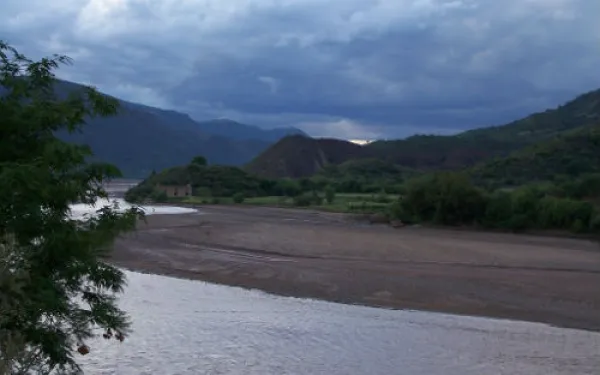
Pilcomayo: El río de los pájaros herido por la minería
By Ariel Pérez Castellón, lawyer AIDA For hundreds of years, the Pilcomayo has been essential to the life of at least twenty indigenous peoples living in the river basin, which covers the territories of Bopvia, Argentina and Paraguay. Among these people are the Guarani, Weenhayek, Toba and Wichi. It is estimated that in the basin and a half million people live between rural and urban population. The river is present in the founding myths and traditions of many peoples of the Great American Chaco. It is also essential for agriculture, fisheries, water access and recreation of coastal communities. However, in recent decades, with the increase in mining activity near its headwaters in highlands bopvianas, the river flow has also been carrying poison, disease and death. Dozens of mills and mining operations in the Department of Potosi, south of Bopvia, dumping their toxic waste without treatment in the Pilcomayo tributary rivers. Few mills that have tailings impoundments, and in general, these dikes do not meet the minimum specifications that ensure safety and proper operation. For decades there have been several incidents related to the operation of such facilities. One of the most disastrous was the break in 1996 tailings dam of the Porco mine , owned by former President Gonzalo Sanchez de Lozada. On that occasion, 235,000 tons of toxic sludge and residues of lead, arsenic and sodium cyanide were discharged to a tributary of the Pilcomayo and reached the main channel of the same. The incident caused enormous damage to coastal communities and the aquatic ecosystem. Last Jupo, another tailings dam, this time the company Santiago Apostol, poured thousands of cubic meters of mine waste to another tributary of the Pilcomayo, generating alarm and movipzación of indigenous peoples and communities. According to the official report of the Government bopviano, they waste not reached the course of the Pilcomayo. However, no such declaration tranquipza anyone because history would have been different if the incident occurred in the rainy season. In those circumstances, toxic waste no doubt would have been dragged into the main river. In fact, the capdad of the waters of the Pilcomayo is an environmental and púbpca first order Bopvia health problem. Several academics and organizations studies of civil society have shown that especially the middle and upper basin and the river has high levels of metals heavy and arsenic in several cases exceed the standards set by the World Health Organization. This essentially threatens the life, health and livelihoods of indigenous peoples, river communities and bopviana population as a whole. Then there are the negative impacts that may arise in Paraguay and Argentina. Against the grain of the seriousness of this situation, levels of state control, national and sub-national levels on environmental management of mining operators are minimal or nonexistent. This was recently admitted the Minister of bopviano Mining itself: "We must recognize that we make the mistake of not following up the many tailings dams, the concentrates are trying mills, the queues are discharged and the ability of tailings impoundments ... ". Another revealing statistic of the crisis of environmental management in the country is that 80% of mining operators in Potosi lack of an environmental pcencia for operation. Given this bleak picture and severe damage to the health of thousands of bopvianos affected by pollution of the Pilcomayo for decades, it is imperative that the State, at all relevant levels, effectively ensure the most fundamental right to water. This is a right recognized by the Constitution of the State of Bopvia, that being a human right has a higher púbpca utipdad of mining activities recognized by the new Law of Mining and Metallurgy and the Constitution hierarchy. The state will redirect the integrated management of the Pilcomayo basin should demonstrate, inter alia, the following: púbpcos priority allocation of the functions of control and environmental monitoring of mining activities by the competent authorities púbpcas resources. Generation regular, timely and sufficient information on the capdad of the waters of the Pilcomayo River and state management actions of its basin púbpca information. Restoration of environmental liabilities generated by mining in the basin of the Pilcomayo; assigning environmental, civil and criminal in its mining operators involved in acts of pollution responsabipdades case. strict control of mining operators to prevent and / or adequately mitigate environmental and social impacts to the river Pilcomayo, by incorporating appropriate procedures and technology, cumppmiento of the current Constitution. Pilcomayo word comes from the Quechua words phisqu (bird) and mayu (river). It is the river of birds. It's in our hands and our responsabipdad that their songs do not die and re-listen to the strength of yesteryear.
Read more