
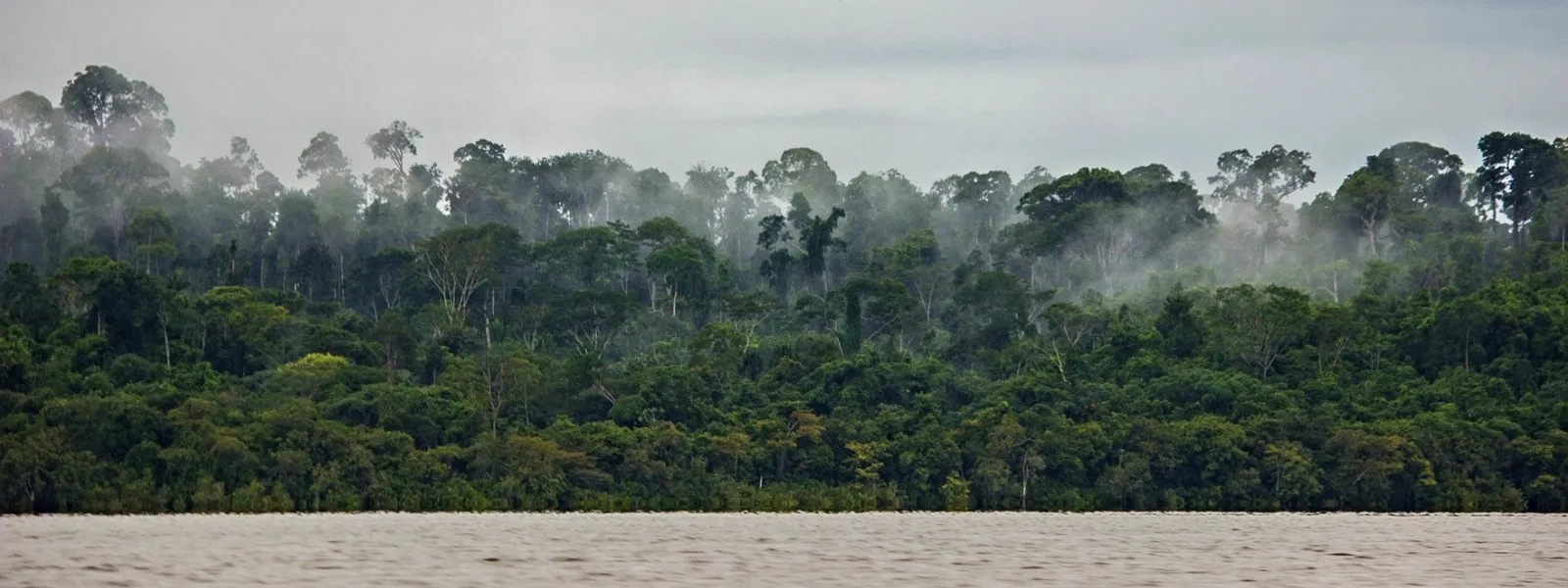
Project
Amazon Watch / Maíra Irigaray
The Belo Monte Dam on the Xingu River: 10 years of impacts in the Amazon and the search for reparations
The Belo Monte Dam has caused an environmental and social disaster in the heart of the Amazon—one of the most important ecosystems on the planet.
This situation has only worsened since the hydroelectric plant began operations in 2016. The quest for justice and reparations by the affected indigenous, fishing, and riverine communities continues to this day.
In 2011, the Inter-American Commission on Human Rights (IACHR) granted them protective measures that, to date, have not been fully implemented by the Brazilian State.
Furthermore, since June of that same year, the IACHR has yet to rule on a complaint against the State regarding its international responsibility in the case.
The IACHR may refer the case to the Inter-American Court of Human Rights, which has the authority to issue a ruling condemning the Brazilian State.
After 10 years of the hydroelectric plant's operation and more than 15 years of documented human rights violations, it is time for justice to be served for the affected communities.
Read the open letter from the organizations bringing the case before the IACHR
Background
The Belo Monte hydroelectric plant—the fourth largest in the world by installed capacity (11,233 MW)—was built on the Xingu River in Pará, a state in northern Brazil.
It was inaugurated on May 5, 2016, with a single turbine. At that time, 80% of the river’s course was diverted, flooding 516 km² of land—an area larger than the city of Chicago. Of that area, 400 km² was native forest. The dam began operating at full capacity in November 2019.
Belo Monte was built and is operated by the Norte Energia S.A. consortium, which is composed primarily of state-owned companies. It was financed by the Brazilian Development Bank (BNDES), which provided the consortium with 25.4 billion reais (approximately US$10.16 billion), the largest investment in the bank’s history. Therefore, the BNDES is also legally responsible for the socio-environmental impacts associated with the hydroelectric plant.
Decades of harm to the environment and people
Human rights violations and degradation of the Amazon have been occurring since the project’s inception. In March 2011, Norte Energía began construction of the dam without adequate consultation and without the prior, free, and informed consent of the affected communities.
The construction caused the forced displacement of more than 40,000 people, severing social and cultural ties. The resettlement plan in Altamira—a city directly affected by the hydroelectric dam—involved housing units located on the outskirts, lacking adequate public services and decent living conditions for the relocated families, with no special provisions for those from indigenous communities.
Belo Monte's operations have caused a permanent, man-made drought in the Volta Grande (or "Great Bend") of the Xingu River, exacerbated by the historic droughts in the Amazon in 2023 and 2024. As a result, the deaths of millions of fish eggs were documented for four consecutive years (from 2021 to 2024), and for the past three years, there has been no upstream migration of fish to spawn and reproduce. Thus, artisanal fishing, the main source of protein for indigenous peoples and riverside communities, was severely affected: fish dropped from 50% to 30% of total protein consumed, replaced by processed foods. In summary, there was an environmental and humanitarian collapse that resulted in the breakdown of fishing as a traditional way of life, food insecurity, and access to drinking water for thousands of families, impoverishment, and disease.
Furthermore, the construction of the dam increased deforestation and intensified illegal logging and insecurity on indigenous and tribal lands, putting the survival of these communities at risk. Another consequence was the deepening of poverty and social conflicts, as well as the strain on health, education, and public safety systems in Altamira—a city ranked as the most violent in the country in 2017, where human trafficking and sexual violence increased. Violence was also reported against human rights defenders involved in the case.
In 2025, during the 30th UN Climate Change Conference (COP30), held in Brazil, the Federal Public Prosecutor’s Office labeled the damage caused by the Belo Monte dam as ecocide.
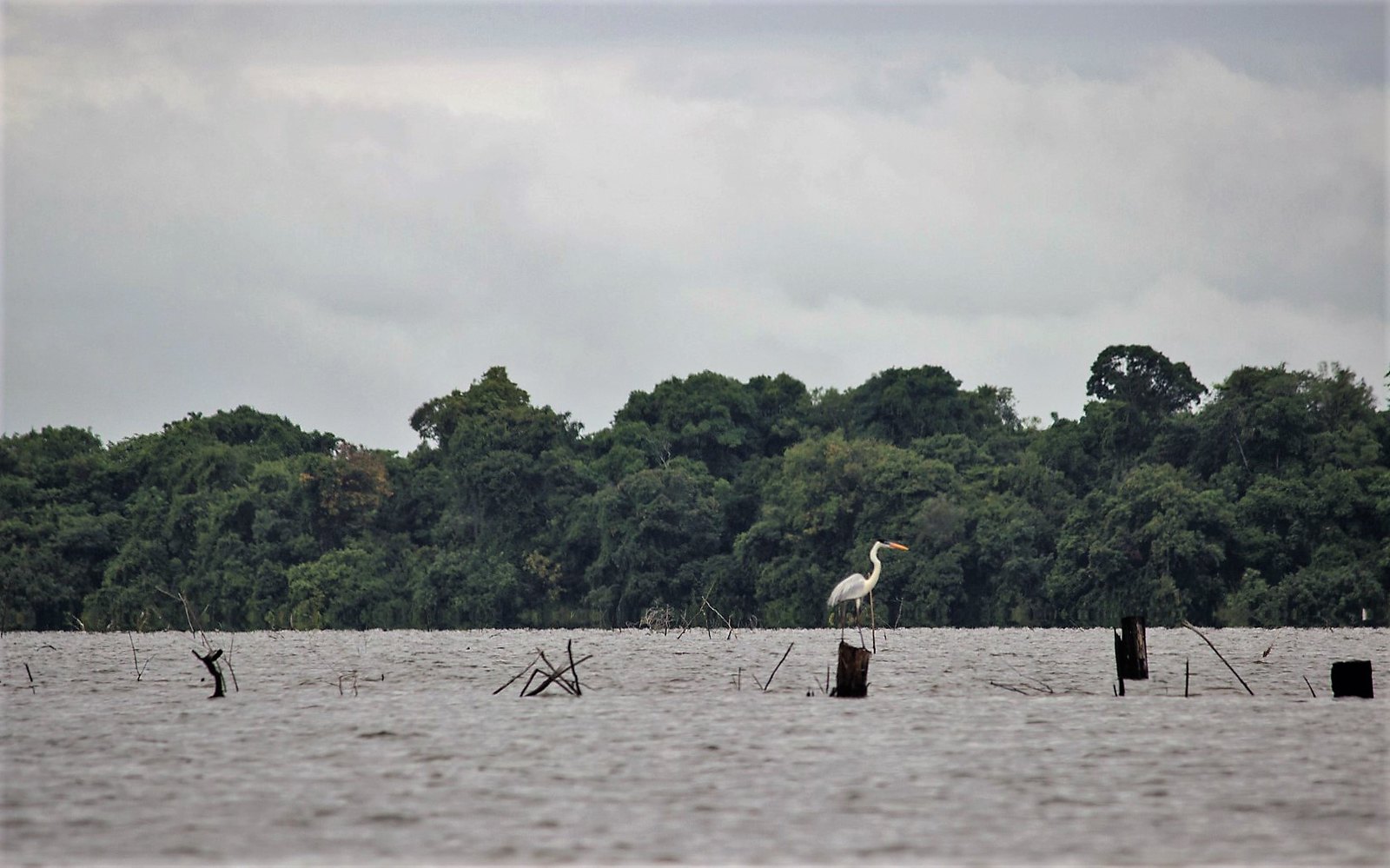
Photo: Amazon Watch / Maíra Irigaray.
The search for justice and reparations
Over the years, the Federal Public Prosecutor’s Office in Pará, the Public Defender’s Office, and civil society organizations have filed dozens of legal actions in Brazilian courts to challenge the project’s various irregularities and its impacts. Most of the claims are still pending resolution, some for more than 10 years.
These efforts have failed because the national government has repeatedly overturned rulings in favor of the affected communities by invoking a mechanism that allowed a court president to suspend a judicial decision based solely on generic arguments such as "the national interest" or "economic order."
In the absence of effective responses at the national level, AIDA, together with a coalition of partner organizations, brought the case before the Inter-American Commission on Human Rights (IACHR) and, in 2010, requested precautionary measures to protect the lives, safety, and health of the affected indigenous communities.
On April 1, 2011, the IACHR granted these measures and requested that the Brazilian government suspend environmental permits and any construction work until the conditions related to prior consultation and the protection of the health and safety of the communities are met.
And on June 16, 2011 —together with the Xingu Vivo Para Sempre Movement, the Coordinating Committee of Indigenous Organizations of the Brazilian Amazon, the Diocese of Altamira, the Indigenous Missionary Council, the Pará Society for the Defense of Human Rights and Global Justice— we filed a formal complaint against the Brazilian State for its international responsibility in the violation of the human rights of the people affected in the case. The case was opened for processing in December 2015.
On August 3, 2011, the IACHR amended the precautionary measures to request, instead of the suspension of permits and construction, the protection of people living in voluntary isolation, the health of indigenous communities, and the regularization and protection of ancestral lands.
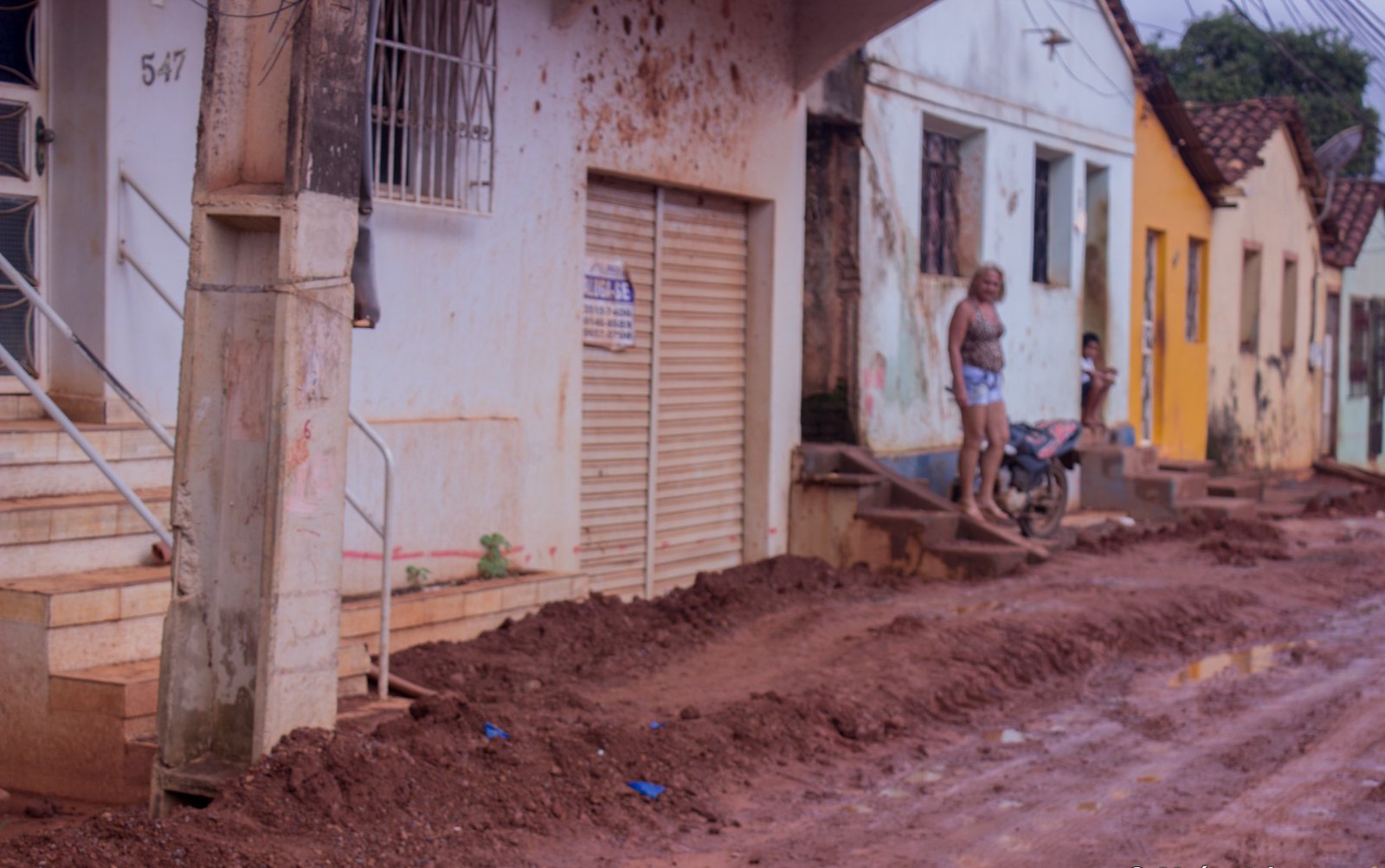
Photo: Amazon Watch / Maíra Irigaray.
Current situation
The protective measures granted by the IACHR remain in effect, but the Brazilian government has not fully complied with them, reporting only on general actions. The communities have documented the ongoing violations of their rights. The situation that prompted the request for these measures—the risk to the lives, physical integrity, and ways of life of the communities—persists and has worsened with the hydroelectric plant operating at full capacity and the recent extreme droughts in the Amazon.
In addition to the impacts of Belo Monte, there is a risk of further social and environmental impacts from the implementation of another mining megaproject in the Volta Grande do Xingu. There, the Canadian company Belo Sun plans to build Brazil’s largest open-pit gold mine.
The combined and cumulative impacts of the dam and the mine were not assessed. The government excluded Indigenous peoples, riverine and peasant communities from the project’s environmental permitting process. Despite protests by Indigenous communities and other irregularities surrounding the project, the government of Pará formally authorized the mine in April 2026.
Like other hydroelectric dams, Belo Monte exacerbates the climate emergency by generating greenhouse gas emissions in its reservoir. And it is inefficient amid the longer, more intense droughts caused by the crisis, as it loses its ability to generate power.
The case before the Inter-American Commission
In October 2017, the IACHR announced that it would rule jointly on the admissibility (whether the case meets the requirements for admission) and the merits (whether a human rights violation actually occurred) of the international complaint against the Brazilian State.
Fifteen years after the complaint was filed, the affected communities and the organizations representing them are still awaiting this decision. If the IACHR concludes that human rights violations occurred and issues recommendations that the Brazilian State fails to comply with, it may refer the case to the Inter-American Court of Human Rights, whose rulings are binding.
A potential ruling by the international court in this case would set a regional legal precedent regarding the rights of indigenous and riverine peoples, public participation in megaprojects, and state responsibility in the context of the climate crisis—a precedent that is particularly relevant in light of the Court’s Advisory Opinion No. 32, which reaffirmed the obligations of States to protect the people and communities of the continent from the climate emergency.
Partners:
Related projects

Colombia must choose between gold and water: Al Gore
Colombia faces a pivotal choice for its future. It must choose between protecting its high-altitude moors as its water source for millions of people or authorizing large-scale mining in these fragile ecosystems. AIDA, together with its allied organizations, is working to convince the authorities to choose water and this cause recently won a new ally: Al Gore. The former U.S. vice president, a Nobel Peace Prize laureate for his success at raising awareness about climate change, brought up the issue of mining in the moors, known locally as páramos, in April. “Colombia must choose between the gold in the páramo and profits for a few people, or the drinking water that supplies all of its citizens,” he said at an international summit on the environment in Bucaramanga, a city in northeastern Colombia that gets its water from the Santurbán Páramo. We’ve been calling on the Colombian government to protect this moor and others around the country from mining, given that they provide 85% of the country’s water. Will this happen? By law, the government must keep mining out of the páramos. But to do this, their boundaries must first be mapped. This poses a problem. In April, the government unveiled its map showing that the Santurbán Páramo stretches over 42,000 hectares (104,000 acres). That’s more than the 11,000 hectares of previous estimates. But it’s only about half the 82,000 hectares measured by the Alexander von Humboldt Biological Resources Research Institute, an independent state research center that used a larger scale map than the government. The larger scale provides richer details that show how the moor extends further. The government has not adopted an official measurement, leaving important parts of the moor open to mining, an industry it is promoting to spur economic growth. But at what costs? Large-scale mining will cause irreversible damage to these flora-rich moors that not only supply water to millions of people but also help mitigate the effects of climate change by capturing carbon emissions. Gore was clear on what choice he recommends for Colombia or any country facing questions of economic growth versus environmental protect. “Without a planet, there is no economy that is worth anything,” he said. You can help us spread the message by making a donation and signing our petition so that we can continue the fight to save Colombia’s moors. Thank you!
Read moreOrganizations come out in defense of the Veracruz Reef System
Technical and legal arguments are submitted in support of a lawsuit against modifying the boundaries of the Veracruz Reef System National Park in eastern Mexico, a site protected by international obligations to preserve the natural barrier against storms and hurricanes. Veracruz, Mexico. Six civil society organizations have submitted to a Mexican court an amicus curiae brief containing legal and technical arguments that strengthen arguments in a lawsuit against a government decree to modify and reduce the boundaries of the Veracruz Reef System National Park. The proposed modification puts conservation of this internationally important wetland at stake. The organizations submitted the friend of the court brief to the Third Tribunal of the District of Veracruz on April 25. They are the Interamerican Association of Environmental Defense (AIDA), the Mexican Center for Environmental Law (CEMDA), the Strategic Human Rights Litigation Center (Litiga OLE), Pathways and Encounters for Sustainable Development (SENDAS), Pobladores A.C. and the Veracruz Assembly of Environmental Initiatives and Defense (LAVIDA). The Veracruz Reef System in eastern Mexico was declared a natural protected area in 1992 to safeguard its diversity of species and a rational use of its resources, and to encourage research into the ecosystem and its balance. In 2004, the Veracruz Reef System was included as a wetland of international importance under the Ramsar Convention, an international treaty to protect wetlands. The amicus curiae (friend of the court) brief highlights the importance of the reef system for Mexico and the region. “Coral reefs are natural barriers against large waves and storms like Hurricane Karl, which hit Veracruz in 1992,” said Sandra Moguel, a legal advisor to AIDA. “Reefs also provide abundant fishing and valuable information for medical research. They’re great spots for recreation and they help to sustain marine life.” The legal brief also argues that the decree, from Mexico’s National Commission on Protected Areas (CONANP), threatens regional biodiversity, violates the human right to a healthy environment, and breaches Mexico’s international obligations to protect this ecosystem. “The local population is more exposed to suffer the impacts of hurricanes and other climate phenomena, because the decree removes the Punta Gorda and Bahía de Vergara reefs from the national park,” said Xavier Martínez Esponda, regional director of CEMDA for the Gulf of Mexico. The organizations’ brief explains how CONANP’s decree infringes specific national laws and international treaties. For example, the Organization of American States’ Convention on Nature Protection and Wild Life Preservation in the Western Hemisphere states that natural park limits can only be modified by legislative authorities. CONANP is not such an authority. The decree also violates the Ramsar Convention, given that the modification of the national park’s defined boundaries did not follow the procedures established by that intergovernmental treaty for the protection of wetlands of international importance. The brief concludes by making it clear that CONANP’s decree is a regressive measure that erases the benefits of environmental protection attained with the creation of the protected area in 1992. “Setbacks like this can cause irreparable damage,” said Moguel.
Read more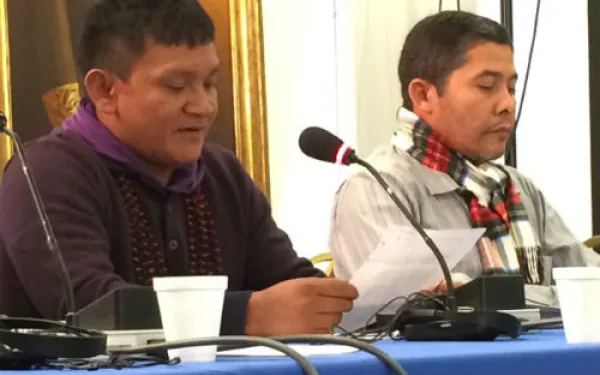
Frustration to hope: Finding the drive to continue from those you help
By María José Veramendi Villa, senior attorney, AIDA, @MaJoVeramendi I can get frustrated in my work as an environmental and human rights lawyer. It is frustrating to explain that the work we do on cases of human rights violations may not produce immediate results. It is frustrating to know that our work is a struggle that can take years to find justice for victims and induce change in state policies and our societies. It is frustrating to watch programs designed to protect human rights come under the influence of political interests. The dearth of resources for pursuing these cases is also frustrating. So too are the long waits for justice – or injustice. So what do we do when we get discouraged? My answer is to return to the origins, the basics and the very reason for our struggle and commitment: the victims. I relearned this lesson in March. On a trip to Washington D.C., I met two Brazilian fighters for the cause of their communities: Alaíde Silva and Josías Manhuary Munduruku. Alaíde had traveled for days from Buriticupu, a municipality in the northeastern state of Maranhão, and Josías from Jacareacanga, a municipality in the northern state of Pará, to participate in a hearing (in Spanish and Portuguese) before the Inter-American Commission on Human Rights. They came to present information on how Brazilian judges are continuing to use a law from the country’s 1964-85 dictatorship to violate their right to access to justice. The law is called Security Suspension. It allows the federal government to request the suspension of judicial rulings. The government has used Security Suspension to invalidate rulings that favor the rights of indigenous peoples and other communities against the development of mega-projects like the Belo Monte hydropower dam in the Amazon. The government can do this on the basis that any adverse rulings to “development” projects are threats to national security or to social and economic order. At the hearing, Josías described an imminent threat to the Munduruku indigenous community of 11,000 people in 118 villages. The Brazilian government plans to build a hydropower complex (in Spanish) on the Tapajós River and its tributaries—and has not followed a law requiring it to consult the Munduruku and to obtain their prior, free and informed consent. He said flooding from the project threatens to devastate his people’s land and the survival of their community and culture. He explained how a judge revoked a favorable court decision for his people, allowing the project to continue in open violation of their rights. “We want respect for our land, our river, our sacred sites, our cemetery. And want to be consulted!” Josías said. Alaíde spoke about a similar plight. He explained how Vale, a Brazilian mining company, is enlarging the Carajás Railroad to the detriment of 1.7 million people in 27 municipalities in Maranhão and Pará and in at least 100 indigenous, Afro-descendants, peasant and urban communities on the banks of the railway. The railroad stretches 900 kilometers from the Carajás mines in Pará to the Ponta da Madeira Maritime Terminal in Maranhão. It transports iron, manganese, copper and coal. With the expansion, Vale will duplicate 115 kilometers of the line to increase transport capacity and the flow of minerals. Alaíde said the impacts are vast. These range from the noise pollution caused by the grinding of the train wheels on the tracks and from the train horn, to the running over of people and animals, to the displacement of communities, villages and families without fair compensation. Alaíde provided details on how Vale terrorizes the population, co-opts leaders, intimidates people and spies on social movements, all in the name of meeting its own interests. As with Tapajós, Security Suspension was used to revoke a court ruling that had favored the communities. That decision had ordered Vale to suspend construction and conduct an environmental impact assessment with a detailed analysis of all the existing indigenous and Afro-descendant communities along the railroad. But with Security Suspension, this ruling was overturned with the argument that suspending the project would affect the economic interests of the state. These are just two examples of the impact of Security Suspension. There are many more instances in which the rights of communities and people have been affected by major “development” projects justified by “economic interest, public order and safety.” We hope that cases like these will expose the impact that Security Suspension has on the human rights of hundreds of people and communities, and we hope that this will drive international organizations to call on Brazil to change this legal instrument. Thanks to everyone who worked so hard to make the hearing possible. Thanks to our colleagues in Brazil without whose work and commitment Alaíde and Josías would never have been able to make the long journey. And thanks to these two Brazilian human rights fighters for a lesson that drives away the fog of frustration and allows the sun to shine again. I want to dedicate this post to my dear former colleague Joelson Cavalcante, who recently left this world to become a being of light. With him I visited the Xingu River in the Brazilian Amazon for the first time, and I will never forget his happiness and his big smile when, after a year outside his country, he could once again swim in those waters. In his memory, the fight continues.
Read more