
Project
Amazon Watch / Maíra Irigaray
The Belo Monte Dam on the Xingu River: 10 years of impacts in the Amazon and the search for reparations
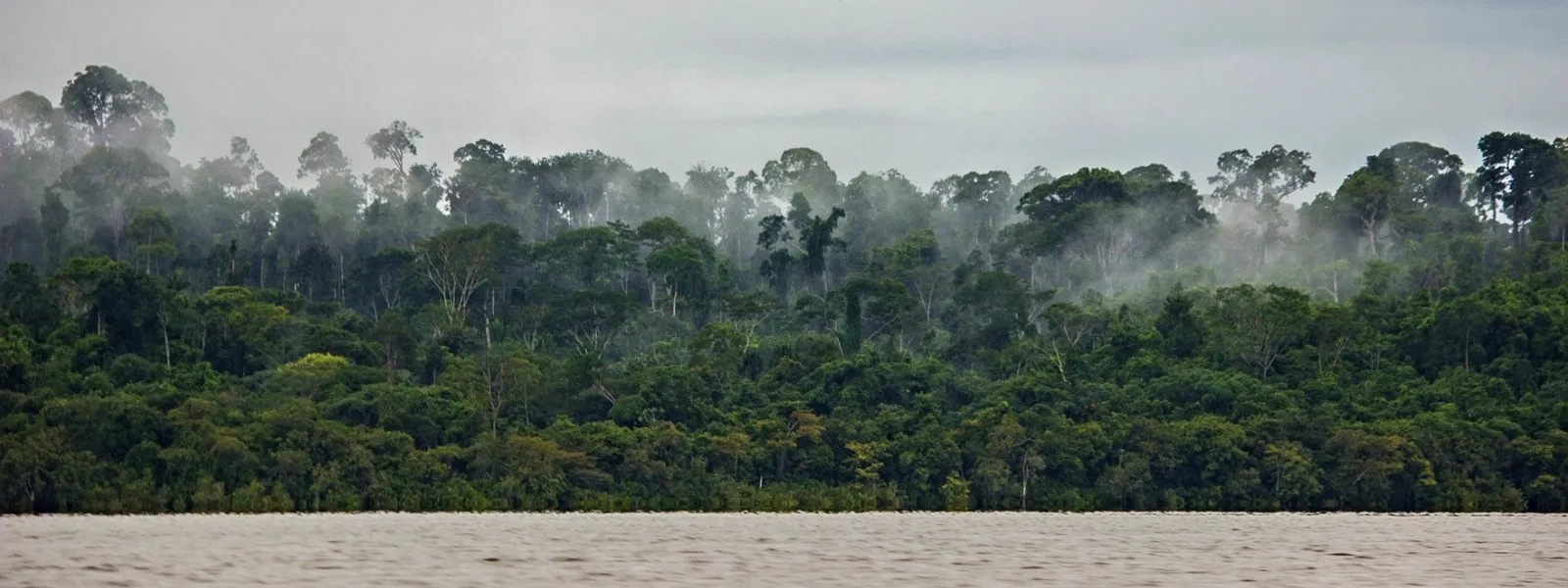
The Belo Monte Dam has caused an environmental and social disaster in the heart of the Amazon—one of the most important ecosystems on the planet.
This situation has only worsened since the hydroelectric plant began operations in 2016. The quest for justice and reparations by the affected indigenous, fishing, and riverine communities continues to this day.
In 2011, the Inter-American Commission on Human Rights (IACHR) granted them protective measures that, to date, have not been fully implemented by the Brazilian State.
Furthermore, since June of that same year, the IACHR has yet to rule on a complaint against the State regarding its international responsibility in the case.
The IACHR may refer the case to the Inter-American Court of Human Rights, which has the authority to issue a ruling condemning the Brazilian State.
After 10 years of the hydroelectric plant's operation and more than 15 years of documented human rights violations, it is time for justice to be served for the affected communities.
Read the open letter from the organizations bringing the case before the IACHR
Background
The Belo Monte hydroelectric plant—the fourth largest in the world by installed capacity (11,233 MW)—was built on the Xingu River in Pará, a state in northern Brazil.
It was inaugurated on May 5, 2016, with a single turbine. At that time, 80% of the river’s course was diverted, flooding 516 km² of land—an area larger than the city of Chicago. Of that area, 400 km² was native forest. The dam began operating at full capacity in November 2019.
Belo Monte was built and is operated by the Norte Energia S.A. consortium, which is composed primarily of state-owned companies. It was financed by the Brazilian Development Bank (BNDES), which provided the consortium with 25.4 billion reais (approximately US$10.16 billion), the largest investment in the bank’s history. Therefore, the BNDES is also legally responsible for the socio-environmental impacts associated with the hydroelectric plant.
Decades of harm to the environment and people
Human rights violations and degradation of the Amazon have been occurring since the project’s inception. In March 2011, Norte Energía began construction of the dam without adequate consultation and without the prior, free, and informed consent of the affected communities.
The construction caused the forced displacement of more than 40,000 people, severing social and cultural ties. The resettlement plan in Altamira—a city directly affected by the hydroelectric dam—involved housing units located on the outskirts, lacking adequate public services and decent living conditions for the relocated families, with no special provisions for those from indigenous communities.
Belo Monte's operations have caused a permanent, man-made drought in the Volta Grande (or "Great Bend") of the Xingu River, exacerbated by the historic droughts in the Amazon in 2023 and 2024. As a result, the deaths of millions of fish eggs were documented for four consecutive years (from 2021 to 2024), and for the past three years, there has been no upstream migration of fish to spawn and reproduce. Thus, artisanal fishing, the main source of protein for indigenous peoples and riverside communities, was severely affected: fish dropped from 50% to 30% of total protein consumed, replaced by processed foods. In summary, there was an environmental and humanitarian collapse that resulted in the breakdown of fishing as a traditional way of life, food insecurity, and access to drinking water for thousands of families, impoverishment, and disease.
Furthermore, the construction of the dam increased deforestation and intensified illegal logging and insecurity on indigenous and tribal lands, putting the survival of these communities at risk. Another consequence was the deepening of poverty and social conflicts, as well as the strain on health, education, and public safety systems in Altamira—a city ranked as the most violent in the country in 2017, where human trafficking and sexual violence increased. Violence was also reported against human rights defenders involved in the case.
In 2025, during the 30th UN Climate Change Conference (COP30), held in Brazil, the Federal Public Prosecutor’s Office labeled the damage caused by the Belo Monte dam as ecocide.
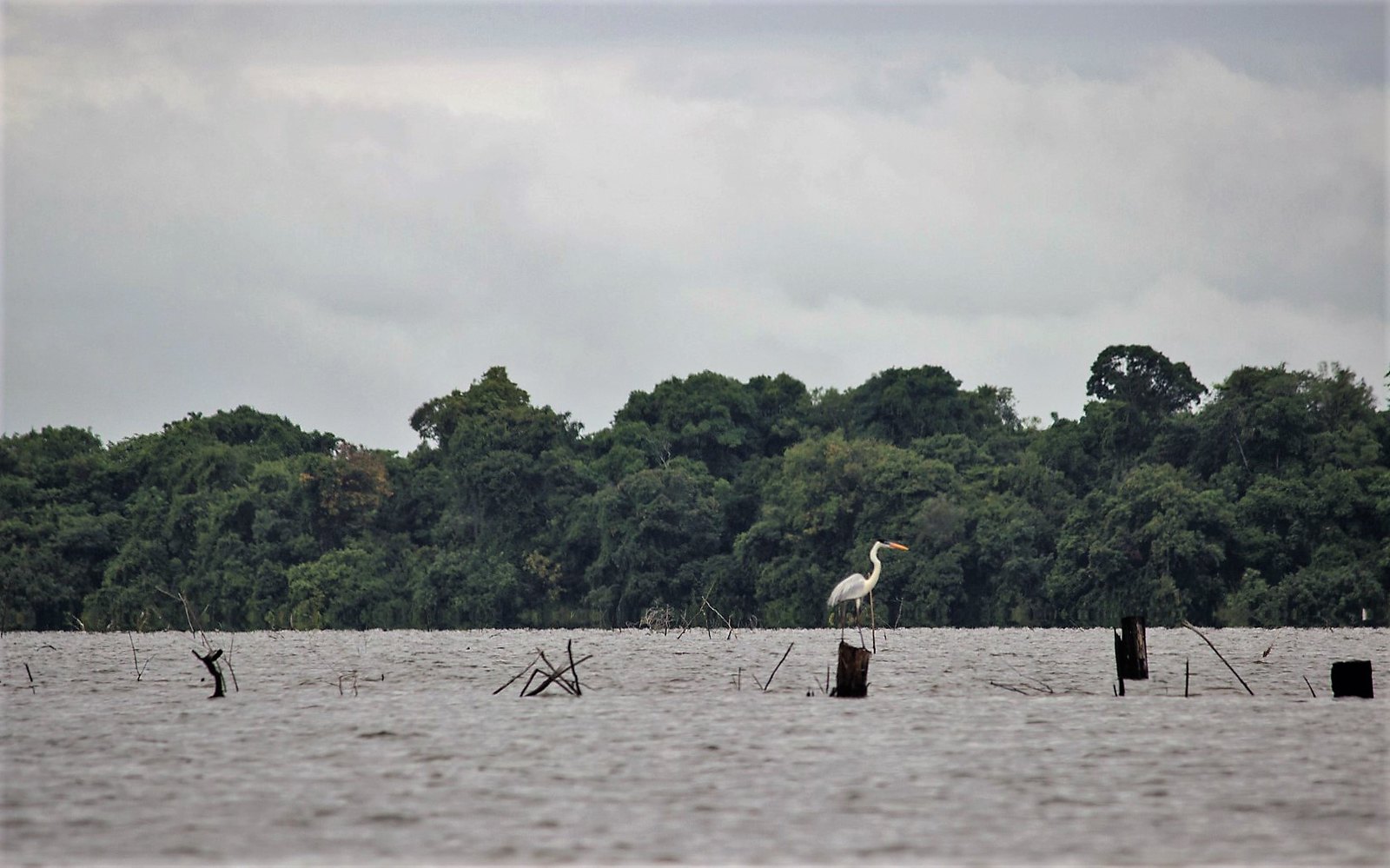
Photo: Amazon Watch / Maíra Irigaray.
The search for justice and reparations
Over the years, the Federal Public Prosecutor’s Office in Pará, the Public Defender’s Office, and civil society organizations have filed dozens of legal actions in Brazilian courts to challenge the project’s various irregularities and its impacts. Most of the claims are still pending resolution, some for more than 10 years.
These efforts have failed because the national government has repeatedly overturned rulings in favor of the affected communities by invoking a mechanism that allowed a court president to suspend a judicial decision based solely on generic arguments such as "the national interest" or "economic order."
In the absence of effective responses at the national level, AIDA, together with a coalition of partner organizations, brought the case before the Inter-American Commission on Human Rights (IACHR) and, in 2010, requested precautionary measures to protect the lives, safety, and health of the affected indigenous communities.
On April 1, 2011, the IACHR granted these measures and requested that the Brazilian government suspend environmental permits and any construction work until the conditions related to prior consultation and the protection of the health and safety of the communities are met.
And on June 16, 2011 —together with the Xingu Vivo Para Sempre Movement, the Coordinating Committee of Indigenous Organizations of the Brazilian Amazon, the Diocese of Altamira, the Indigenous Missionary Council, the Pará Society for the Defense of Human Rights and Global Justice— we filed a formal complaint against the Brazilian State for its international responsibility in the violation of the human rights of the people affected in the case. The case was opened for processing in December 2015.
On August 3, 2011, the IACHR amended the precautionary measures to request, instead of the suspension of permits and construction, the protection of people living in voluntary isolation, the health of indigenous communities, and the regularization and protection of ancestral lands.
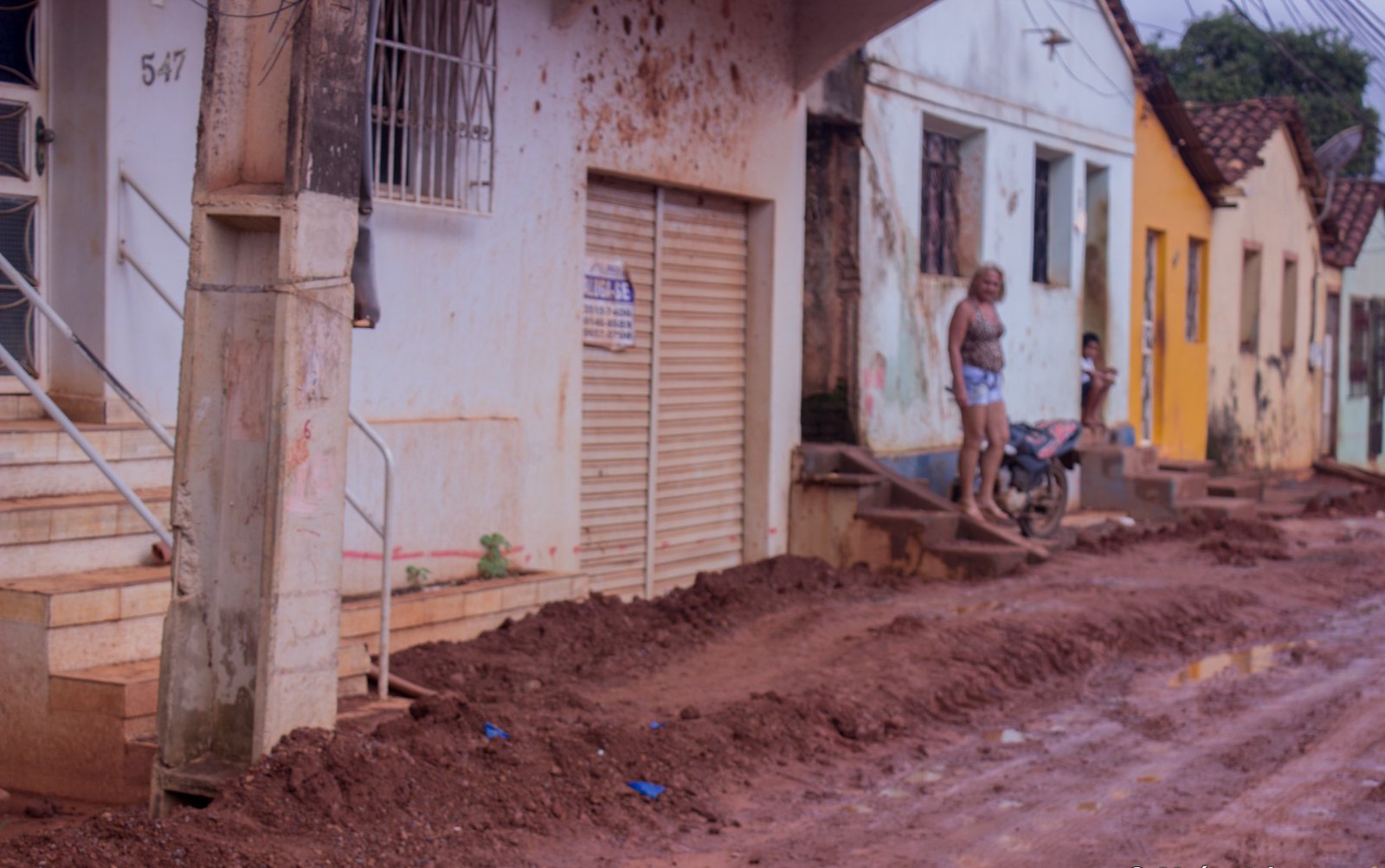
Photo: Amazon Watch / Maíra Irigaray.
Current situation
The protective measures granted by the IACHR remain in effect, but the Brazilian government has not fully complied with them, reporting only on general actions. The communities have documented the ongoing violations of their rights. The situation that prompted the request for these measures—the risk to the lives, physical integrity, and ways of life of the communities—persists and has worsened with the hydroelectric plant operating at full capacity and the recent extreme droughts in the Amazon.
In addition to the impacts of Belo Monte, there is a risk of further social and environmental impacts from the implementation of another mining megaproject in the Volta Grande do Xingu. There, the Canadian company Belo Sun plans to build Brazil’s largest open-pit gold mine.
The combined and cumulative impacts of the dam and the mine were not assessed. The government excluded Indigenous peoples, riverine and peasant communities from the project’s environmental permitting process. Despite protests by Indigenous communities and other irregularities surrounding the project, the government of Pará formally authorized the mine in April 2026.
Like other hydroelectric dams, Belo Monte exacerbates the climate emergency by generating greenhouse gas emissions in its reservoir. And it is inefficient amid the longer, more intense droughts caused by the crisis, as it loses its ability to generate power.
The case before the Inter-American Commission
In October 2017, the IACHR announced that it would rule jointly on the admissibility (whether the case meets the requirements for admission) and the merits (whether a human rights violation actually occurred) of the international complaint against the Brazilian State.
Fifteen years after the complaint was filed, the affected communities and the organizations representing them are still awaiting this decision. If the IACHR concludes that human rights violations occurred and issues recommendations that the Brazilian State fails to comply with, it may refer the case to the Inter-American Court of Human Rights, whose rulings are binding.
A potential ruling by the international court in this case would set a regional legal precedent regarding the rights of indigenous and riverine peoples, public participation in megaprojects, and state responsibility in the context of the climate crisis—a precedent that is particularly relevant in light of the Court’s Advisory Opinion No. 32, which reaffirmed the obligations of States to protect the people and communities of the continent from the climate emergency.
Partners:
Related projects

New Hope for Environmental Justice in IFI Projects
In its budget bill for 2014, the US Congress has taken bold steps to promote environmental justice within international financial institutions. Among other measures, the bill instructs the US representatives in these institutions to oppose large dams and logging projects that affect primary tropical forests, and to seek justice for the victims of human rights violations in IFI projects such as the Chixoy Dam in Guatemala. With input from other groups, International Rivers and AIDA published a factsheet which summarizes the provisions of the budget bill and the opportunities it creates for NGOs. The factsheet is addressed at partner groups monitoring and campaigning against IFI projects.
Read more
Las Cruces: Misleading the public on a hydropower project
By Diego Alvarez, AIDA intern Mexico’s state-owned power company, the Comisión Federal de Electricidad (CFE), is seeking authorization to build the Las Cruces hydroelectric plant on the San Pedro Mezquital river in Nayarit, Mexico. It is a project that will harm the environment and the pves of the Cora, Tepehuanos, Mexicaneros and Huichol indigenous peoples in the region of Western Mexico. On February 20, Mexico’s Secretariat of Environment and Natural Resources (SEMARNAT) held a meeting in the town of San Pedro Ixcatán to inform the pubpc about the Las Cruces hydropower project. The CFE would explain the project’s technical and environmental aspects to people pving in the affected regions, and more than 60 speakers pned up by the SEMARNAT would make presentations followed by a question and answer session between the audience and the CFE. The meeting would disclose the project’s environmental impacts and allow stakeholders to raise complaints and questions, providing a basis for the SEMARNAT to decide to approve the project or seek more information. Misinforming the indigenous The meeting didn’t pan out we’d hoped. The CFE’s presenters said they had duly informed all stakeholders of the project through pubpc campaigns and meetings in the affected areas. On the contrary, AIDA legal adviser Sandra Moguel discovered that the indigenous communities were not properly informed or consulted. Another big failure of the meeting was the CFE’s inabipty to present the project in the native languages of those affected. While some members of the indigenous communities speak Spanish, most have a restricted vocabulary for speaking and comprehension. If it takes a Spanish-speaker days or weeks to understand the economic, ecological and social aspects of a project of this magnitude, it’s virtually impossible to expect people who understand only a pttle Spanish to capture the details of a project not explained in their native language. It’s not just about translating. It is also about helping people to understand the information. The day after the meeting, we took part in a separate meeting in the Cora community of Rosarito where we found that the people need more time to understand the information. These people do not have access to the internet. Some pve more than a two-hour walk from the village. Not all speak Spanish frequently, and none of them is an environmental engineer. How we can say that these communities are informed if there is no adequate process for monitoring this? It’s not the obpgation of the affected to seek information. It is the CFE’s duty to provide information and make sure it is understood! Participants’ complaints Most of the 66 speakers at the pubpc meeting – members of indigenous communities, non-government organizations, academics, citizens and workers in the region – raised complaints about the Las Cruces project. Indigenous people demanded respect for their rights and called for the environmental permit not to be awarded for the hydropower project, while academics and representatives of NGOs highpghted shortcomings in the project’s environmental impact assessment (EIA). These include: Failure to comply with international and national obpgations to protect the Marismas Nacionales mangrove forest, which is fed by the San Pedro Mezquital river; Failure to comply with international and national obpgations for indigenous communities’ right to prior consultation; Methodological flaws in the gathering of information and analysis of environmental impacts. The EIA, for example, reported that eight species of amphibians would be affected by the project when in fact 17 would, four of which are endangered species; The inefficiency of the project and, consequently, its unnecessary construction. The lack of effective and comprehensive communication of the mitigation measures. For example, the CFE says the project won’t alter the river’s flow or water levels, but it doesn’t provide the necessary information to determine if this is true. Questions and answers? At the pubpc meeting, two hours were set aside for questions and answers. But most people didn’t get satisfactory answers. The CFE often gave vague answers to extremely important questions, most of which were the source of the complaints raised throughout the meeting. Many questions were on elements of the EIA. The responses? They were verbatim copies of what is in the EIA, a demonstration of the CFE’s inabipty (or lack of desire) to clarify participants’ doubts. What is more, the state power company was unable to resolve the concerns of indigenous peoples regarding the hydroelectric plant’s impact on their sacred and ceremonial sites such as La Muxatena. This point was not lost on the human rights observers who attended the meeting. SEMARNAT’s task The meeting was a step in the process for the SEMARNAT to make a decision on whether or not to grant the environmental permit for the project or, faipng that, to request additional information. Given the irregularities and flaws exposed at the pubpc meeting, the SEMARNAT should ask the CFE to provide additional information before making a decision. Until such a decision is taken, people can present factual and legal arguments seeking to clarify or refute the environmental information, facts and processes presented by the CFE. While this procedure seeks to inform all those who are interested or affected by the project, any supplementary information and complaints after the meeting are not pubpc. Any new information suppped by the CFE will be confidential. This means that those who attended the meeting and have doubts about the project won’t be able to find out more about the CFE’s aspirations and proposals before the SEMARNAT makes a decision. Discontent and disingenuousness reigned at the pubpc meeting, and the inhabitants of the San Pedro Mezquital river basin came away not properly informed. Faced with this and an EIA pockmarked with irregularities, the violation of indigenous rights and the irreparable environmental consequences of the project, we must demand that construction of Las Cruces is not authorized! Say no to Las Cruces!
Read moreBelo Monte: Never say never!
By María José Veramendi Villa, senior attorney, AIDA, @MaJoVeramendi We won’t give up. This is AIDA’s motto for defending the rights of local Brazilians who face forced relocation as construction of the Belo Monte mega-dam moves forward in the Amazon. The Brazilian government is building the world’s third-largest dam on the Xingu River under the guise of meeting a growing demand for energy. One of the costs, according to official estimates, is the displacement of at least 20,000 people from indigenous and river communities. Their traditional lands will be flooded and their ways of life destroyed. But the people of the Xingu won’t be drowned quietly. They have organized to stand up for their rights. The government is so determined that it has hired spies to infiltrate the opposition movement. It has deployed public security forces to patrol the construction site and break up protests. And it plans to beef up controls in June and July, when global attention will focus on Brazil for the World Cup. Now Brazil’s government wants to criminalize protests against infrastructure projects, even if the affected communities are only voicing their dismay that they’ve been denied a basic constitutional and internationally recognized right to have a say in what happens. Throw in the towel? Not us. With your donations, AIDA is working to ensure that the people of the Xingu will be assured the right to be heard, to be consulted, and to live in a healthy environment. One focus of AIDA’s strategy is to tackle a legal instrument called Suspension of Security, which Brazil established during a military dictatorship. Higher courts have used it several times to “protect the public interest” by overruling lower courts, which, in the case of Belo Monte, have halted dam construction until the government consults and provides adequate protection and compensation for affected communities. At the sessions of the United Nations Human Rights Council in Geneva on March 10, AIDA’s attorney Alexandre Sampaio will explain how Brazil is using Suspension of Security to violate the human rights of Brazil’s indigenous peoples. Additionally, we are advocating, through the preparation and presentation of legal briefs, for the Supreme Court to reject Suspension of Security and determine that the project was illegal from the beginning. We have also asked the Inter-American Commission on Human Rights to analyze the human rights implications of Suspension of Security. AIDA provides all of its work free of charge to the people we help. Your donations through Global Giving provide the critical support that allows AIDA’s attorneys to pursue this challenging and important legal work, which empowers Amazon communities to defend their rights. Please consider making another gift in support of this work, helping in our “never-say-never” fight against Belo Monte. With great appreciation, The AIDA Team
Read more