
Project
Amazon Watch / Maíra Irigaray
The Belo Monte Dam on the Xingu River: 10 years of impacts in the Amazon and the search for reparations
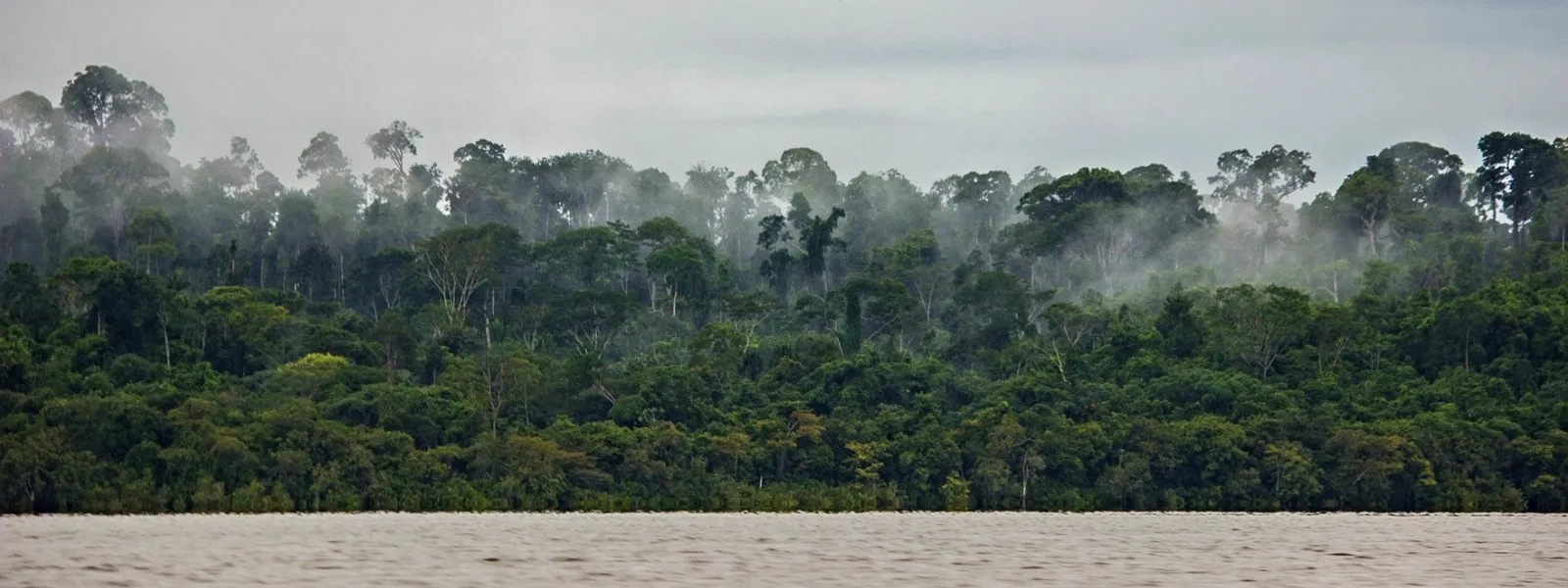
The Belo Monte Dam has caused an environmental and social disaster in the heart of the Amazon—one of the most important ecosystems on the planet.
This situation has only worsened since the hydroelectric plant began operations in 2016. The quest for justice and reparations by the affected indigenous, fishing, and riverine communities continues to this day.
In 2011, the Inter-American Commission on Human Rights (IACHR) granted them protective measures that, to date, have not been fully implemented by the Brazilian State.
Furthermore, since June of that same year, the IACHR has yet to rule on a complaint against the State regarding its international responsibility in the case.
The IACHR may refer the case to the Inter-American Court of Human Rights, which has the authority to issue a ruling condemning the Brazilian State.
After 10 years of the hydroelectric plant's operation and more than 15 years of documented human rights violations, it is time for justice to be served for the affected communities.
Read the open letter from the organizations bringing the case before the IACHR
Background
The Belo Monte hydroelectric plant—the fourth largest in the world by installed capacity (11,233 MW)—was built on the Xingu River in Pará, a state in northern Brazil.
It was inaugurated on May 5, 2016, with a single turbine. At that time, 80% of the river’s course was diverted, flooding 516 km² of land—an area larger than the city of Chicago. Of that area, 400 km² was native forest. The dam began operating at full capacity in November 2019.
Belo Monte was built and is operated by the Norte Energia S.A. consortium, which is composed primarily of state-owned companies. It was financed by the Brazilian Development Bank (BNDES), which provided the consortium with 25.4 billion reais (approximately US$10.16 billion), the largest investment in the bank’s history. Therefore, the BNDES is also legally responsible for the socio-environmental impacts associated with the hydroelectric plant.
Decades of harm to the environment and people
Human rights violations and degradation of the Amazon have been occurring since the project’s inception. In March 2011, Norte Energía began construction of the dam without adequate consultation and without the prior, free, and informed consent of the affected communities.
The construction caused the forced displacement of more than 40,000 people, severing social and cultural ties. The resettlement plan in Altamira—a city directly affected by the hydroelectric dam—involved housing units located on the outskirts, lacking adequate public services and decent living conditions for the relocated families, with no special provisions for those from indigenous communities.
Belo Monte's operations have caused a permanent, man-made drought in the Volta Grande (or "Great Bend") of the Xingu River, exacerbated by the historic droughts in the Amazon in 2023 and 2024. As a result, the deaths of millions of fish eggs were documented for four consecutive years (from 2021 to 2024), and for the past three years, there has been no upstream migration of fish to spawn and reproduce. Thus, artisanal fishing, the main source of protein for indigenous peoples and riverside communities, was severely affected: fish dropped from 50% to 30% of total protein consumed, replaced by processed foods. In summary, there was an environmental and humanitarian collapse that resulted in the breakdown of fishing as a traditional way of life, food insecurity, and access to drinking water for thousands of families, impoverishment, and disease.
Furthermore, the construction of the dam increased deforestation and intensified illegal logging and insecurity on indigenous and tribal lands, putting the survival of these communities at risk. Another consequence was the deepening of poverty and social conflicts, as well as the strain on health, education, and public safety systems in Altamira—a city ranked as the most violent in the country in 2017, where human trafficking and sexual violence increased. Violence was also reported against human rights defenders involved in the case.
In 2025, during the 30th UN Climate Change Conference (COP30), held in Brazil, the Federal Public Prosecutor’s Office labeled the damage caused by the Belo Monte dam as ecocide.
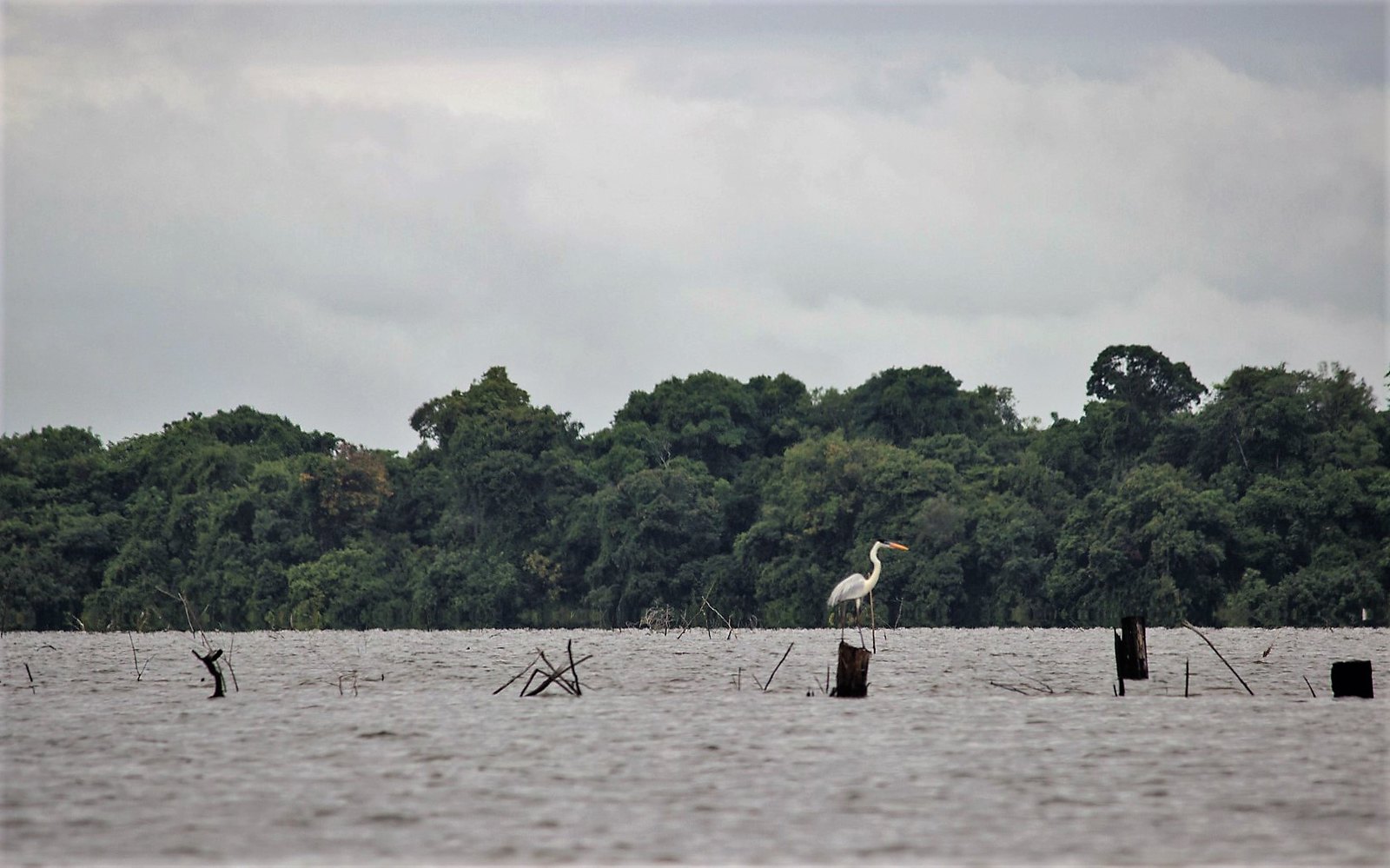
Photo: Amazon Watch / Maíra Irigaray.
The search for justice and reparations
Over the years, the Federal Public Prosecutor’s Office in Pará, the Public Defender’s Office, and civil society organizations have filed dozens of legal actions in Brazilian courts to challenge the project’s various irregularities and its impacts. Most of the claims are still pending resolution, some for more than 10 years.
These efforts have failed because the national government has repeatedly overturned rulings in favor of the affected communities by invoking a mechanism that allowed a court president to suspend a judicial decision based solely on generic arguments such as "the national interest" or "economic order."
In the absence of effective responses at the national level, AIDA, together with a coalition of partner organizations, brought the case before the Inter-American Commission on Human Rights (IACHR) and, in 2010, requested precautionary measures to protect the lives, safety, and health of the affected indigenous communities.
On April 1, 2011, the IACHR granted these measures and requested that the Brazilian government suspend environmental permits and any construction work until the conditions related to prior consultation and the protection of the health and safety of the communities are met.
And on June 16, 2011 —together with the Xingu Vivo Para Sempre Movement, the Coordinating Committee of Indigenous Organizations of the Brazilian Amazon, the Diocese of Altamira, the Indigenous Missionary Council, the Pará Society for the Defense of Human Rights and Global Justice— we filed a formal complaint against the Brazilian State for its international responsibility in the violation of the human rights of the people affected in the case. The case was opened for processing in December 2015.
On August 3, 2011, the IACHR amended the precautionary measures to request, instead of the suspension of permits and construction, the protection of people living in voluntary isolation, the health of indigenous communities, and the regularization and protection of ancestral lands.
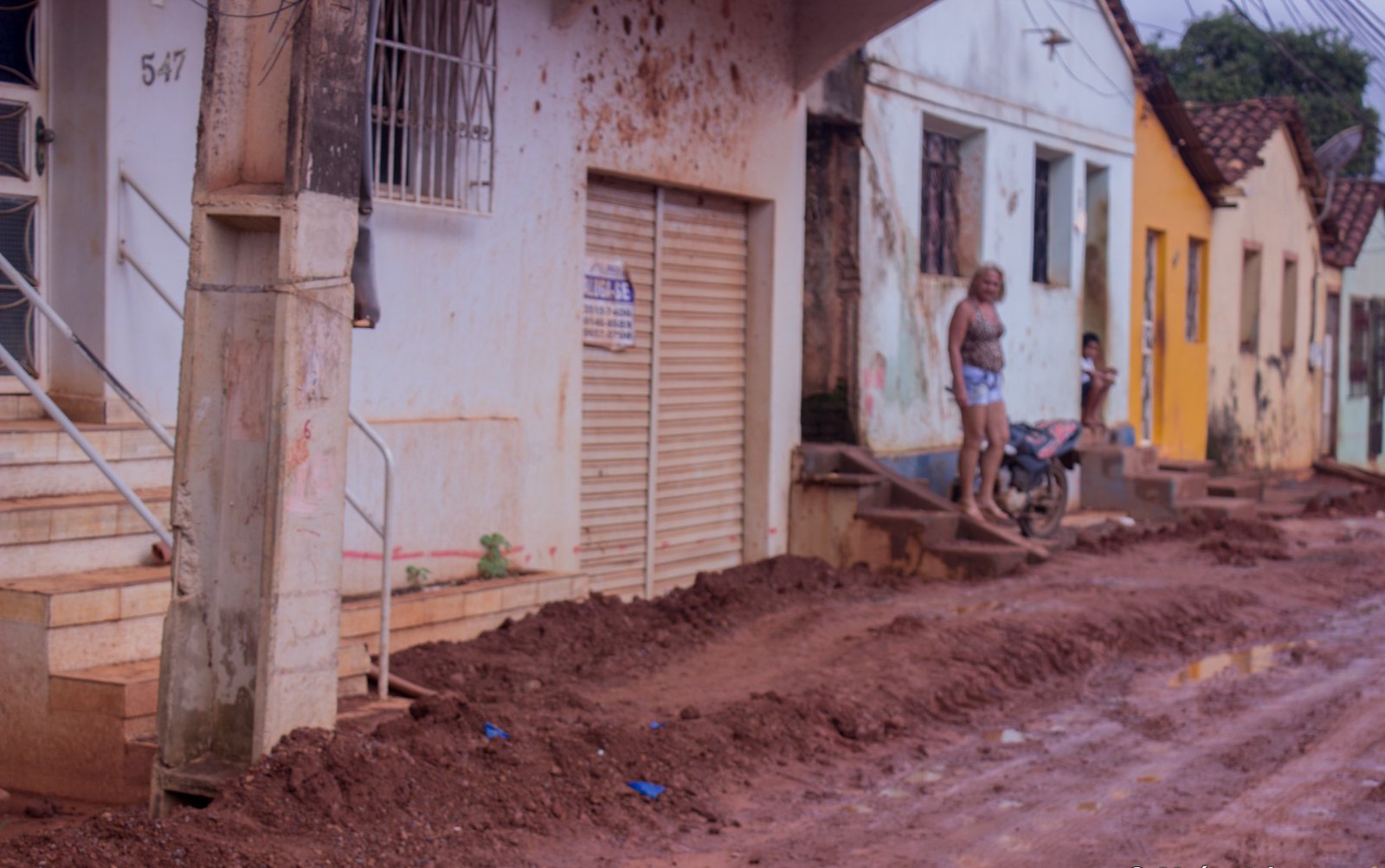
Photo: Amazon Watch / Maíra Irigaray.
Current situation
The protective measures granted by the IACHR remain in effect, but the Brazilian government has not fully complied with them, reporting only on general actions. The communities have documented the ongoing violations of their rights. The situation that prompted the request for these measures—the risk to the lives, physical integrity, and ways of life of the communities—persists and has worsened with the hydroelectric plant operating at full capacity and the recent extreme droughts in the Amazon.
In addition to the impacts of Belo Monte, there is a risk of further social and environmental impacts from the implementation of another mining megaproject in the Volta Grande do Xingu. There, the Canadian company Belo Sun plans to build Brazil’s largest open-pit gold mine.
The combined and cumulative impacts of the dam and the mine were not assessed. The government excluded Indigenous peoples, riverine and peasant communities from the project’s environmental permitting process. Despite protests by Indigenous communities and other irregularities surrounding the project, the government of Pará formally authorized the mine in April 2026.
Like other hydroelectric dams, Belo Monte exacerbates the climate emergency by generating greenhouse gas emissions in its reservoir. And it is inefficient amid the longer, more intense droughts caused by the crisis, as it loses its ability to generate power.
The case before the Inter-American Commission
In October 2017, the IACHR announced that it would rule jointly on the admissibility (whether the case meets the requirements for admission) and the merits (whether a human rights violation actually occurred) of the international complaint against the Brazilian State.
Fifteen years after the complaint was filed, the affected communities and the organizations representing them are still awaiting this decision. If the IACHR concludes that human rights violations occurred and issues recommendations that the Brazilian State fails to comply with, it may refer the case to the Inter-American Court of Human Rights, whose rulings are binding.
A potential ruling by the international court in this case would set a regional legal precedent regarding the rights of indigenous and riverine peoples, public participation in megaprojects, and state responsibility in the context of the climate crisis—a precedent that is particularly relevant in light of the Court’s Advisory Opinion No. 32, which reaffirmed the obligations of States to protect the people and communities of the continent from the climate emergency.
Partners:
Related projects

COP20: A chance to fight climate change
The world is poised for more poverty, hunger and disease as flooding, heat waves, storms and droughts increase. This is how the newest report of the the United Nations Intergovernmental Panel on Climate Change describes humanity´s near future. That’s why AIDA is helping Latin American policymakers to influence decisions about climate change responses at the highest levels of international law. We’re building their capacity for influence by developing recommendations and disseminating information. This year Latin America has the best opportunity yet to put its needs on the international climate change agenda. In December, Lima will host the main session of climate negotiations, the 20th Conference of the Parties to the UN Framework Convention on Climate Change (COP20). The event’s mission is to advance the draft of a new binding climate agreement to be signed at the Paris climate conference in 2015. To make the most of this opportunity, AIDA is supporting policymakers – government officials, negotiators and members of international financial institutions – and civil society organizations. Our objectives are to help them participate more effectively in the climate negotiations, to educate them about options for improvements in international law, and to encourage them to create solutions and press their governments to take immediate action. In March, we took part in Climate Change: Progress and Prospects, an international forum held in the Peruvian Congress. Peru is considering creating a climate change bill, and at the event we shared our experiences in international climate finance. We highlighted the need for Latin American institutions to improve their ability to access funds for climate change adaptation and mitigation projects. We’re also advocating a commitment to long-term financing as a chief component of the new climate agreement that will be discussed at COP20. If countries know that economic resources will become and remain available, they can plan viable actions to help communities most vulnerable to climate change. In February, AIDA and our partner organizations held a webinar on the Green Climate Fund (GCF), a financial mechanism of the UN Framework Convention on Climate Change. The GCF was founded to mobilize large amounts of public and private money to support climate change responses in developing countries. AIDA is closely monitoring the GCF to make sure that its contribution is effective. Your renewed support will help us to do even more to generate effective international actions that reduce the severity of climate change. As we actively prepare for COP20 and continue our efforts to promote sustainable energy alternatives at the regional level, we will keep you informed of our progress. Thank you!
Read moreColombia’s Ministry of Environment unveils the demarcation of the Santurbán Páramo without specifying details of the measurements
With the water supply of millions of people at risk, we urge the ministry to publish details of the demarcation and ensure that this fragile ecosystem remains free of large-scale mining operations. Bogotá, Colombia. Colombia’s Ministry of Environment announced the delimitation of the Santurbán Páramo, a high-altitude wetland ecosystem that supplies water to millions of people in the country. While the ministry disclosed some aspects of the measure to the media, it has not released full details. These include the full extension of the demarcation, exact coordinates and which mining operations are inside or outside of the defined area. The ministry stated that the protected area would increase from 11,000 hectares to 42,000 hectares in the department of Santander. However, according to the Colombian Humboldt Institute’s atlas, the ecosystem has a surface area of at least 82,000 hectares in the departments of Santander and North Santander. “We do not know if the protected area covers the total area of the páramo in both departments. Nor do we know the coordinates or what mining titles will be affected. We do not even know if there is a written draft of the official decision. This seems incompatible with the right to access accurate and impartial information, as enshrined in the Colombian Constitution,” said lawyer Carlos Lozano-Acosta of the Interamerican Association for Environmental Defense (AIDA). The páramo of Santurbán supply water to nearly two million people, including the cities of Bucaramanga and Cúcuta. As is common for this ecosystem, the páramo of Santurbán has a diversity of flora and fauna and is important for storage of atmospheric carbon, helping to mitigate climate change effects. According to the law, the demarcation of this ecosystem should be formally and clearly defined in order to prevent harmful activities such as large-scale mining, which could cause irreversible damage. According to the Ministry, companies with mining concessions and environmental licenses will remain in Santurbán. The ministry said that the demarcation affects only 10 of 29 mining titles, including those of the Canadian firm Eco Oro Minerals. It did not provide any further details. Without the exact coordinates of the ecosystem, it is not possible to know precisely the extent of the demarcation and the ongoing threat that large-scale mining poses to this water source. Eco Oro has threatened to pursue legal action if the final decision affects their investment, presumably basing its arguments on the free trade agreement between Colombia and Canada that would allow the company to sue Colombia in an international tribunal. “Colombians should not pay a company for investing where it should not, much less if it threatens their water supplies. Colombian law prohibits mining in páramos. We call on Eco Oro to respect Colombians’ right to water instead of threatening legal action to protect their investment,” said Jennifer Moore of MiningWatch Canada. Kristen Genovese of the Centre for Research on Multinational Corporations (SOMO) said, “Eco Oro is not only violating Colombian law with regard to mining in the páramo, but the project is inconsistent with the social and environmental standards of the International Finance Corporation (IFC), which is financing the project. We believe that an investigation now underway regarding the IFC’s investment in Eco Oro will confirm our analysis.” According to the Ministry, the decision will not be adopted immediately, and no date has been set to implement it. “The participation of citizens in the demarcation process has not been adequate. We do not know, for example, if the Ministry used rigorous technical studies provided by the Humboldt Institute. Nor is much known about how public participation took place regarding this decision,” said Miguel Ramos of the Committee for the Defense of Water and the Santurbán Páramo. Also unknown is how Andean forest ecosystems, or cloud forests, located at altitudes of 2,200 to 2,600 meters above sea level, will be protected and managed. These are also vital to ecosystem health and water regulation. Similar to Eco Oro’s approach in Santurbán, the mining company AUX plans to carry out underground mining in these ecosystems. To date, more than 19,000 people have signed a petition (in Spanish) urging the Colombian government to protect the water of Santurbán according to scientific criteria. The government received (in Spanish) 16,000 of those signatures in November 2013. Organizations and environmentalists have also asked (in Spanish) the Colombian government to properly define the limits of the páramo ecosystem. The demarcation of Santurbán will set a precedent for protecting the country’s other páramos. Colombia is home to half of the páramos in the world, which supply water to 85% of its population. The demarcation process must take into account the minimum projected area of the páramo in the Humboldt Institute’s Atlas and its technical studies at a scale of 1:25:000. “If the Santurbán Páramo is adequately defined, it would set an important precedent for the protection of all the páramos. This would lead the way, taking another step toward respecting the right to water of all Colombians” said Carla Garcia Zendejas of the Center for International Environmental Law (CIEL). AIDA, CIEL, the Committee for the Defense of Water and the Santurbán Páramo, MiningWatch Canada and SOMO -- as allied organizations -- ask Eco Oro to refrain from threats of legal action in an attempt to influence the demarcation of the páramo, and ask the Colombian government to provide full, truthful, and impartial information about the process and final decision.
Read moreBrazilian judicial abuses questioned on anniversary of military coup
Human rights commission hears case questioning state use of dictatorship-era legal device. Washington, D.C. Marking the 50th anniversary of Brazil’s military coup, Brazilian community representatives and their legal advocates questioned President Dilma Rousseff’s administration at the Inter-American Commission on Human Rights (IACHR) over its flagrant use of a legal mechanism that dates to the country’s dictatorship (1964-1985). The speakers argued that the law allows for Brazil’s chief justices to arbitrarily overturn legal decisions that protect the environment and rights of indigenous and traditional peoples who are threatened by powerful economic interests. Known as “Security Suspension” (“Suspensão de Segurança”), this legal artifice permits the federal government to request the suspension of judicial decisions based on supposed threats to national security and the country’s “social and economic order”. The device has notably been used to suspend lawsuits that favor the indigenous right to free, prior and informed consent, allowing for notorious projects such as the Belo Monte hydroelectric dam to proceed in violation of the Brazilian Constitution and international conventions. Decisions based on “Security Suspension” may not be overturned until the final phase of court appeals, effectively blocking due process of the law and paving the way for controversial mega-projects to proceed as fait accompli. Indigenous leader Josias Munduruku, who represents one of the Amazon’s largest remaining tribes, traveled to the hearing to denounce Brazil’s plans to construct a complex of mega-dam projects on the Tapajos river and its tributaries, which threaten to bring devastating impacts on their lands and livelihood. “We are suffering the consequences of the dams that are being built on five of our rivers,” said Josias. “Federal prosecutors filed a lawsuit to stop the Tapajós dams, but the government overruled the court’s decision using Security Suspension, allowing the projects to continue in spite of the fact that we were not consulted.” Federal judge Célia Bernardes mirrored these concerns, speaking on behalf of the Brazilian Association of Judges for Democracy, whose decision on the lack of prior consultations of the Munduruku and other indigenous peoples was overturned by “Security Suspension”, permitting controversial dam projects to proceed in violation of the law. During the hearing, representatives of the Brazilian government argued that Security Suspension has been used only to defend the public interest, including that of indigenous peoples. However, there was no mention of the specific cases raised by the delegates. Judge Célia Bernardes countered the government’s point, stating: “Security Suspension differs from other legal tools as it permits the chief justice of a regional court to override rulings based on exclusively political and economic arguments, without considering judicial opinions.” “Employing broad and subjective criteria, Security Suspension violates the American Convention on Human Rights and destroys any chance for the effective protection of human rights in the Brazilian legal system," said Alexandre Andrade Sampaio, a lawyer with the Inter-American Association for Environmental Defense (AIDA). “Security Suspension is in flagrant violation of the rights to due process and access to justice, specifically cited in Articles 8 and 25 of the Convention." “Security Suspension is a dire remnant of Brazil’s military dictatorship that prevents the judiciary to act independently and impartially," affirmed Edward Baker, a lawyer with Global Justice. "When it comes to mega-projects that are directly linked to state policy for economic growth, the Brazilian judicial system has been used in order to deny, or simply disregard, the rights of the affected populations." The hearing before the IACHR the Organization of American States echoes another official complaint, made on March 10th at the 25th session of the United Nations Human Rights Council in Geneva, denouncing the Brazilian government’s systematic use of this legal instrument to the detriment of communities affected by mega-projects. The hearing was requested by the organizations Justiça Global, Justiça Nos Trilhos, the Interamerican Association for Environmental Defense (AIDA), International Rivers, Terra de Direitos and the Sociedade Paraense de Defesa dos Direitos Humanos (SDDH). Download the civil society document presented in the hearing (in Portuguese). Watch the video of the hearing (Spanish/Portuguese).
Read more