
Project
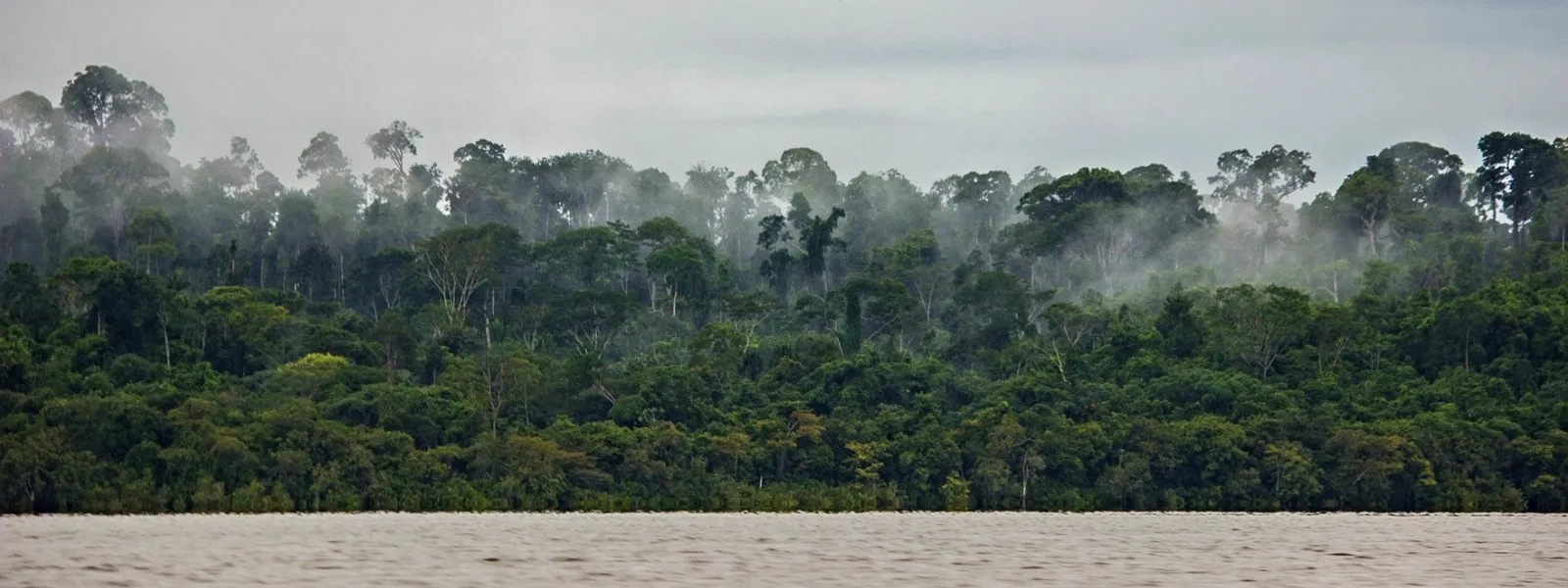
Amazon Watch / Maíra Irigaray
The Belo Monte Dam on the Xingu River: 10 years of impacts in the Amazon and the search for reparations
The Belo Monte Dam has caused an environmental and social disaster in the heart of the Amazon—one of the most important ecosystems on the planet.
This situation has only worsened since the hydroelectric plant began operations in 2016. The quest for justice and reparations by the affected indigenous, fishing, and riverine communities continues to this day.
In 2011, the Inter-American Commission on Human Rights (IACHR) granted them protective measures that, to date, have not been fully implemented by the Brazilian State.
Furthermore, since June of that same year, the IACHR has yet to rule on a complaint against the State regarding its international responsibility in the case.
The IACHR may refer the case to the Inter-American Court of Human Rights, which has the authority to issue a ruling condemning the Brazilian State.
After 10 years of the hydroelectric plant's operation and more than 15 years of documented human rights violations, it is time for justice to be served for the affected communities.
Read the open letter from the organizations bringing the case before the IACHR
Background
The Belo Monte hydroelectric plant—the fourth largest in the world by installed capacity (11,233 MW)—was built on the Xingu River in Pará, a state in northern Brazil.
It was inaugurated on May 5, 2016, with a single turbine. At that time, 80% of the river’s course was diverted, flooding 516 km² of land—an area larger than the city of Chicago. Of that area, 400 km² was native forest. The dam began operating at full capacity in November 2019.
Belo Monte was built and is operated by the Norte Energia S.A. consortium, which is composed primarily of state-owned companies. It was financed by the Brazilian Development Bank (BNDES), which provided the consortium with 25.4 billion reais (approximately US$10.16 billion), the largest investment in the bank’s history. Therefore, the BNDES is also legally responsible for the socio-environmental impacts associated with the hydroelectric plant.
Decades of harm to the environment and people
Human rights violations and degradation of the Amazon have been occurring since the project’s inception. In March 2011, Norte Energía began construction of the dam without adequate consultation and without the prior, free, and informed consent of the affected communities.
The construction caused the forced displacement of more than 40,000 people, severing social and cultural ties. The resettlement plan in Altamira—a city directly affected by the hydroelectric dam—involved housing units located on the outskirts, lacking adequate public services and decent living conditions for the relocated families, with no special provisions for those from indigenous communities.
Belo Monte's operations have caused a permanent, man-made drought in the Volta Grande (or "Great Bend") of the Xingu River, exacerbated by the historic droughts in the Amazon in 2023 and 2024. As a result, the deaths of millions of fish eggs were documented for four consecutive years (from 2021 to 2024), and for the past three years, there has been no upstream migration of fish to spawn and reproduce. Thus, artisanal fishing, the main source of protein for indigenous peoples and riverside communities, was severely affected: fish dropped from 50% to 30% of total protein consumed, replaced by processed foods. In summary, there was an environmental and humanitarian collapse that resulted in the breakdown of fishing as a traditional way of life, food insecurity, and access to drinking water for thousands of families, impoverishment, and disease.
Furthermore, the construction of the dam increased deforestation and intensified illegal logging and insecurity on indigenous and tribal lands, putting the survival of these communities at risk. Another consequence was the deepening of poverty and social conflicts, as well as the strain on health, education, and public safety systems in Altamira—a city ranked as the most violent in the country in 2017, where human trafficking and sexual violence increased. Violence was also reported against human rights defenders involved in the case.
In 2025, during the 30th UN Climate Change Conference (COP30), held in Brazil, the Federal Public Prosecutor’s Office labeled the damage caused by the Belo Monte dam as ecocide.
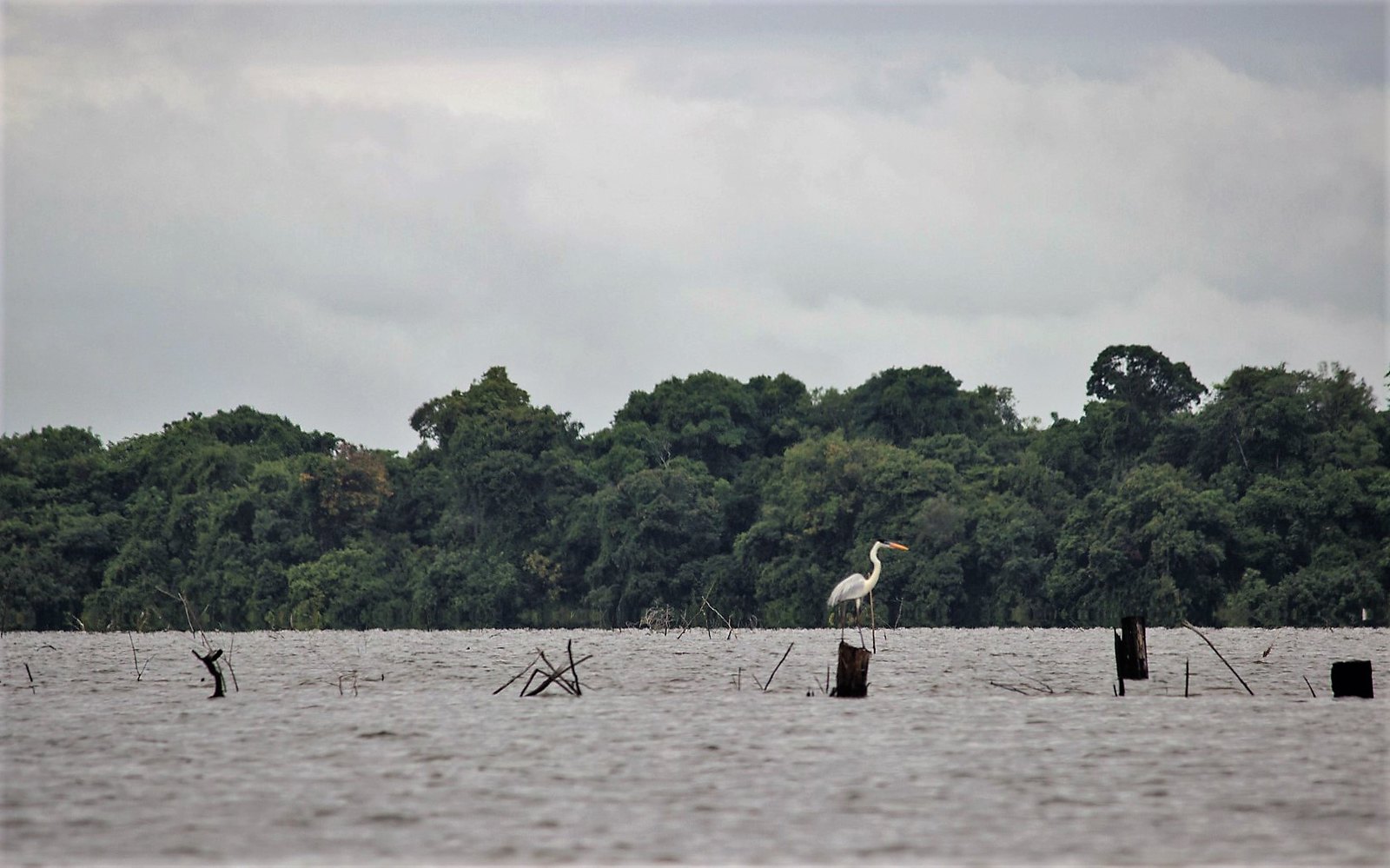
Photo: Amazon Watch / Maíra Irigaray.
The search for justice and reparations
Over the years, the Federal Public Prosecutor’s Office in Pará, the Public Defender’s Office, and civil society organizations have filed dozens of legal actions in Brazilian courts to challenge the project’s various irregularities and its impacts. Most of the claims are still pending resolution, some for more than 10 years.
These efforts have failed because the national government has repeatedly overturned rulings in favor of the affected communities by invoking a mechanism that allowed a court president to suspend a judicial decision based solely on generic arguments such as "the national interest" or "economic order."
In the absence of effective responses at the national level, AIDA, together with a coalition of partner organizations, brought the case before the Inter-American Commission on Human Rights (IACHR) and, in 2010, requested precautionary measures to protect the lives, safety, and health of the affected indigenous communities.
On April 1, 2011, the IACHR granted these measures and requested that the Brazilian government suspend environmental permits and any construction work until the conditions related to prior consultation and the protection of the health and safety of the communities are met.
And on June 16, 2011 —together with the Xingu Vivo Para Sempre Movement, the Coordinating Committee of Indigenous Organizations of the Brazilian Amazon, the Diocese of Altamira, the Indigenous Missionary Council, the Pará Society for the Defense of Human Rights and Global Justice— we filed a formal complaint against the Brazilian State for its international responsibility in the violation of the human rights of the people affected in the case. The case was opened for processing in December 2015.
On August 3, 2011, the IACHR amended the precautionary measures to request, instead of the suspension of permits and construction, the protection of people living in voluntary isolation, the health of indigenous communities, and the regularization and protection of ancestral lands.
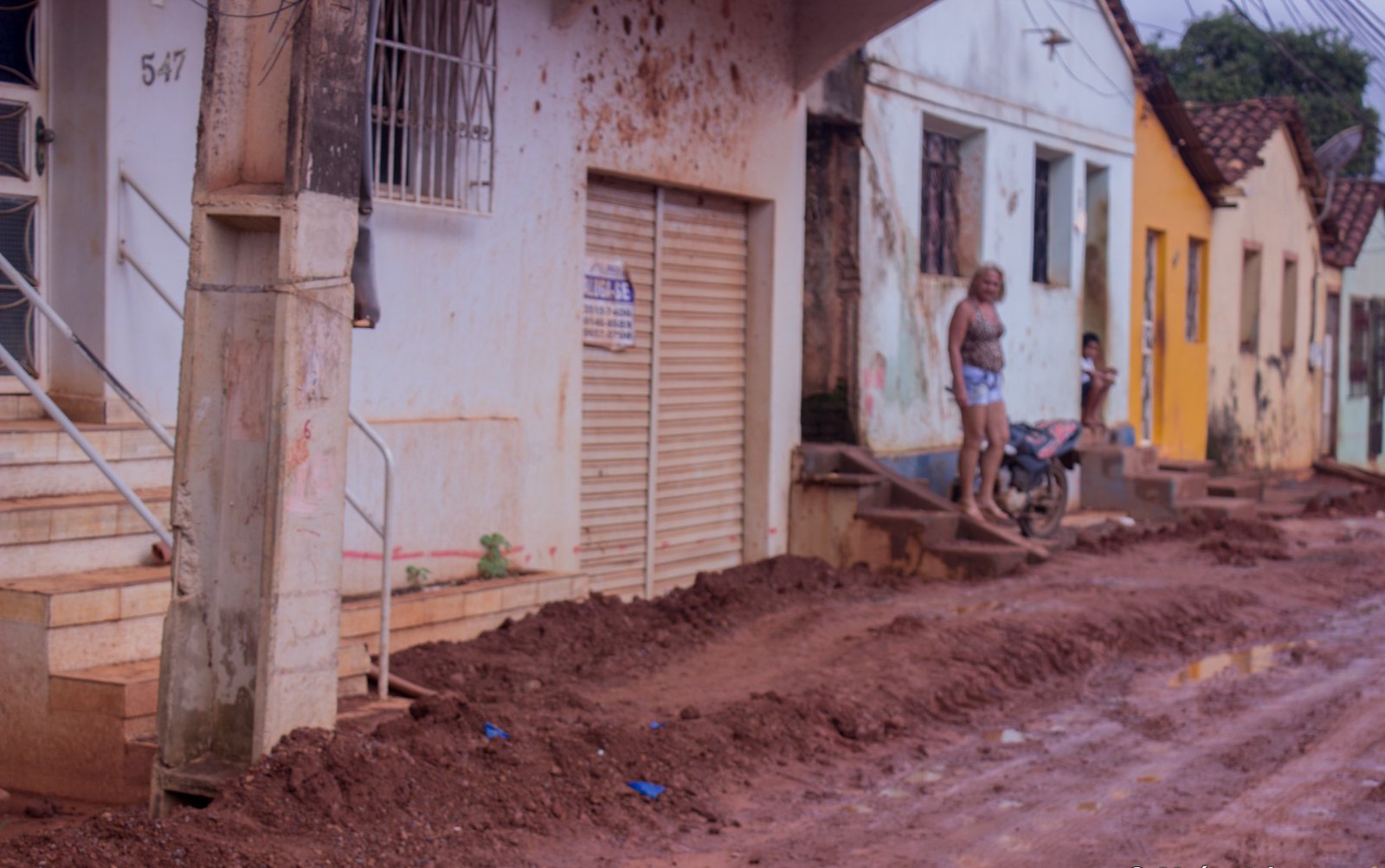
Photo: Amazon Watch / Maíra Irigaray.
Current situation
The protective measures granted by the IACHR remain in effect, but the Brazilian government has not fully complied with them, reporting only on general actions. The communities have documented the ongoing violations of their rights. The situation that prompted the request for these measures—the risk to the lives, physical integrity, and ways of life of the communities—persists and has worsened with the hydroelectric plant operating at full capacity and the recent extreme droughts in the Amazon.
In addition to the impacts of Belo Monte, there is a risk of further social and environmental impacts from the implementation of another mining megaproject in the Volta Grande do Xingu. There, the Canadian company Belo Sun plans to build Brazil’s largest open-pit gold mine.
The combined and cumulative impacts of the dam and the mine were not assessed. The government excluded Indigenous peoples, riverine and peasant communities from the project’s environmental permitting process. Despite protests by Indigenous communities and other irregularities surrounding the project, the government of Pará formally authorized the mine in April 2026.
Like other hydroelectric dams, Belo Monte exacerbates the climate emergency by generating greenhouse gas emissions in its reservoir. And it is inefficient amid the longer, more intense droughts caused by the crisis, as it loses its ability to generate power.
The case before the Inter-American Commission
In October 2017, the IACHR announced that it would rule jointly on the admissibility (whether the case meets the requirements for admission) and the merits (whether a human rights violation actually occurred) of the international complaint against the Brazilian State.
Fifteen years after the complaint was filed, the affected communities and the organizations representing them are still awaiting this decision. If the IACHR concludes that human rights violations occurred and issues recommendations that the Brazilian State fails to comply with, it may refer the case to the Inter-American Court of Human Rights, whose rulings are binding.
A potential ruling by the international court in this case would set a regional legal precedent regarding the rights of indigenous and riverine peoples, public participation in megaprojects, and state responsibility in the context of the climate crisis—a precedent that is particularly relevant in light of the Court’s Advisory Opinion No. 32, which reaffirmed the obligations of States to protect the people and communities of the continent from the climate emergency.
Partners:
Related projects

Responsible fishing: Preserving our fish stocks for future generations
By Gladys Martínez, AIDA legal advisor What could be better than a plate of ceviche or fried fish and patacones (plantain chips)? OK, I must confess that I’m a sucker for seafood! And that’s why one of my favorite projects to come out of AIDA’s Marine Protection Program is the reportTools for Sustainable Fisheries and Coastal Management. Like me, over 4.2 billion people get 15% of their proteins from seafood. So you can see why it’s so important to put in place measures to encourage sustainable fishing and the conservation of marine biodiversity. After more than 10 years of research, AIDA has taken a stab at this. We have developed an 11-chapter report examining the plight of our oceans and the causes behind a crisis in the fishing industry. The report looks at what we can do to limit the impacts of the crisis, and it offers case studies drawing on comparative law and detailing the international obligations that states have to protect and conserve our oceans and their biodiversity. The report also explores the regulatory framework for marine conservation. We look at the various regulatory instruments that countries use to try to control fishing. These include programs for reducing the number of fishing boat licenses, seizing vessels, retraining industry workers and reducing long-haul fishing times, or the amount of time that this technique can be practiced at any given time. Specific mention is paid to the “bycatch” phenomenon, or when fishing methods fail to discriminate between a targeted species and others caught in the process. Recommendations are offered on how to scale back this damaging practice. We also explore the advantages of using marine protected areas (MPAs) as a conservation tool. Different MPAs are discussed, as defined by the type of protected ecosystem and their classification by international bodies like United Nations Educational, Scientific and Cultural Organization (UNESCO) and the International Union for Conservation of Nature. We describe MPAs in Brazil, Costa Rica and Mexico, and we offer suggestions for protecting our ocean resources with transnational MPAs. We also examine the differences between fishing reserves and protected areas where fishing is banned. As responsible fishing has so much potential to make a real impact, the report also gets into the main economic instruments that if designed and implemented effectively could promote the protection, renewal, preservation and sustainable use of our marine resources. These instruments can be divided into three categories: market- based (fish certification and eco-labeling), tax based (green taxes, rights and subsidies) and financial (creating funds and loans). The report also looks at the socio-environmental issues of the fishing industry. These issues are hugely important because a large percentage of the world population relies on fishing for jobs, food security and a potential way out of poverty. We examine how things stand in the industry and look at its problems of endemic poverty and tough working conditions. Tools for Sustainable Fisheries and Coastal Management is a study of aquaculture in the Americas, from its environmental impact to the risk to human health and the alternative methods that could be used. Examples are taken from different countries across the continent and the world to illustrate what works and what doesn’t. The report is concise. It explains the bare minimum we need to develop aquaculture while still reducing its impact. Of these essentials are the adequate zoning of projects and targeted species, the development of suitable techniques for feeding fish and disposing of waste, and ensuring that states monitor the industry properly. New techniques such as polyculture, inland saline cultivation and environmental certification are potential alternatives to mainstream fishing methods that have less impact on humans and the environment. I don’t know about you, but I want to keep eating seafood and I want my descendents to also share in this simple pleasure without feeling guilty. The future can often look bleak, but after reading AIDA’s report, I’m inclined to think that this desire of mine is a real possibility. So if you like what we do and you think you can help, please donate!
Read more
Mexico takes action to protect its wetlands from unsustainable development
AIDA and the members of the National Wetlands Committee have won a big victory after years of legal work to protect Mexico’s estuaries, coral reefs, mangroves and other wetlands. On February 4, 2014, Mexico’s Natural Protected Areas Commission (CONANP) announced a national wetlands policy, a legal framework we had been calling for since 2009. “It’s not a panacea, but it’s a good start,” says Sandra Moguel, an AIDA attorney who participated on the National Wetlands Committee, a CONANP -led group that helped develop the policy. Mexico is rich in wetlands. The country ranks second after the U.K. in the number of protected wetland areas under the Ramsar Convention, an international treaty for the conservation and sustainable use of these ecosystems. Centuries-old coral reefs serve as breeding pens for fish that feed the populace and delight divers. Mangrove forests house endangered species and perform increasingly important ecosystem services: they absorb carbon emissions and buffer the coastline against storms made harsher by a warmer climate. But many coral reefs, mangroves, estuaries, and rivers have suffered from poorly planned development. On the Sea of Cortez, for example, plans for mega-resorts have kept us busy defending Cabo Pulmo’s coral reefs, and now a proposed port expansion is threatening reefs in Veracruz. To protect these and other wetlands, we have had to draw on a jumble of laws and policies. Not any more. Now we have a specific instrument that is in line with the laws and policies for the protection of wetlands. The new policy sets actions, goals and priorities for the management and protection of wetlands. It is a vast improvement. And while a national wetlands policy is a Ramsar requirement, Mexico’s policy stands out from many others in the world for creating not just principles and guidelines, but also an action plan to make them happen. For example, the government will soon set and sustain minimum water levels to preserve mangroves. Other actions will guarantee the reasonable use of wetlands. Fishing, tourism, and other activities that rely on wetlands must be carried out sustainably. If damages occur, the state must ensure ecosystem restoration. A key element that AIDA pushed for is the principle of environmental progress. The new policy stops the government from continuing to modify and reduce natural protected areas to make way for large infrastructure projects or to benefit private interests. Now the authorities must preserve and promote environmental progress by respecting protected-area status and by improving safeguards. We are thrilled. This principle could help AIDA in our legal battle to stop construction of the Las Cruces hydropower project on the San Pedro Mezquital river. The dam would reduce water flows and sediments needed to feed and sustain mangroves in Marismas Nacionales, a protected wetlands area on the Sea of Cortez. Construction of the dam would clearly reverse environmental progress. The new policy has its weak spots—for example, it doesn’t set dates for reviewing the progress of the action plan, and the actions could be supplemented for more effect—but comparatively, it is at the forefront of wetlands policies in Latin America. “Mexico is setting an example,” Moguel says. “Let’s hope that this encourages other countries to follow suit.” Your contributions helped us press for and contribute to the development of the new policy, and with your continued help we will be able to aid Mexico in its efforts to protect its vital wetlands.
Read more
Indigenous leader condemns Brazil’s rights abuses at United Nations
Speakers highlight violations stemming from Amazon dams at Human Rights Council. Geneva, Switzerland. In a groundbreaking event at the 25th United Nations Human Rights Council, the national coordinator of Brazil’s Association of Indigenous Peoples (APIB) Sônia Guajajara exposed an alarming disregard for indigenous peoples’ rights by the Brazilian government as it rushes to promote an unprecedented wave of large dam construction across the Amazon basin with devastating impacts on their territories and livelihoods. In her testimony, Ms. Guajajara argued that the violation of indigenous rights to prior consultations concerning the federal government’s dam-building plans has set a troubling precedent for the rule of law and the future of Brazil’s indigenous peoples. The side event, entitled ‘Indigenous peoples’ right to consultation on large dam projects in Brazil’, also featured Alexandre Andrade Sampaio, a Brazilian lawyer with the Interamerican Association for Environmental Defense (AIDA), who critiqued the use of a legal mechanism known as “Security Suspension” (Suspensão de Segurança) that allows chief justices, upon request from the government, to indefinitely suspend legal rulings in favor of indigenous peoples’ rights. Among the most egregious use of this legal artifice that was originally created during Brazil’s military dictatorship, is the suspension of court decisions on the illegality of large hydroelectric dam projects, such as Belo Monte, where the federal government has failed to ensure indigenous peoples’ right to prior consultations, as enshrined in the Brazilian constitution. According to Sampaio, the Security Suspension also constitutes an obstacle to Brazil’s compliance with international agreements concerning free, prior, and informed consultation and consent (FPIC), including Convention 169 of the International Labor Organization ILO), ratified by the Brazilian Congress in 2002, and the 2007 UN Declaration on Rights of Indigenous Peoples (UNDRIP). “The alliance of economic interests and political power represent a major crisis for the implementation of indigenous rights in today’s Brazil,” said Ms. Guajajara. “However, even if the government denies our rights, it cannot deny its responsibility to this convention.” “The Suspension of Security Violates Human rights. The very people that could dismiss it are the same ones who personally benefit from its existence,” said Mr. Sampaio. “That is why it is important for the international community to turn its eyes to this matter and request the Brazilian government adopt effective measures that lead to the respect of human rights.” Joint declarations were submitted to the UN General Assembly by a coalition of Brazilian and international groups, including NGO France Libertés. In discussing growing threats to indigenous rights, both documents highlight the Brazilian government’s plans to build a massive complex of up to 29 large dams along the Amazon’s Tapajós River and its tributaries in the next ten years. Lesser-known than the controversial Belo Monte project on the neighboring Xingu River, the Tapajós complex would provoke flooding and other devastating consequences for indigenous peoples and other traditional populations both upstream and downstream of planned dams, including elimination of migratory fish that are a dietary stable and a basis of local economies. The federal government’s rush to construct a series of large dams in the Tapajós region, in the absence of prior consultations with indigenous peoples, has led to growing protests from local tribes, such as the Munduruku, Kayabi and Apiaká people. “We are watching a dark history repeat itself on the rivers of the Amazon where Belo Monte’s tragedy threatens to be reproduced on the Tapajós,” said Christian Poirier of Amazon Watch. “While the Brazilian government claims to respect its indigenous peoples, it is in fact working to dismantle their rights to open their lands and rivers to unconstrained exploitation.” Prior to the side event the delegates met with Ambassador Regina Dunlop of Brazil’s Permanent Mission to the United Nations in order to present their grievances. While the Ambassador stated that the information would be more relevant if presented to government representatives in Brasilia, Ms. Guajajara and Mr. Sampaio countered that these criticisms are frequently ignored by government decision makers until problems are exposed in international forums, such as the United Nations. “Brazil’s reputation is at stake on this international stage,” said Sônia Guajajara. “We are here to bring visibility to the unacceptable prejudice and discrimination suffered by indigenous peoples and to demand that it stops.” The side event in Geneva was organized by France Liberté (Fondation Danielle Mitterand) with support from Amazon Watch and International Rivers.
Read more