
Project
Amazon Watch / Maíra Irigaray
The Belo Monte Dam on the Xingu River: 10 years of impacts in the Amazon and the search for reparations
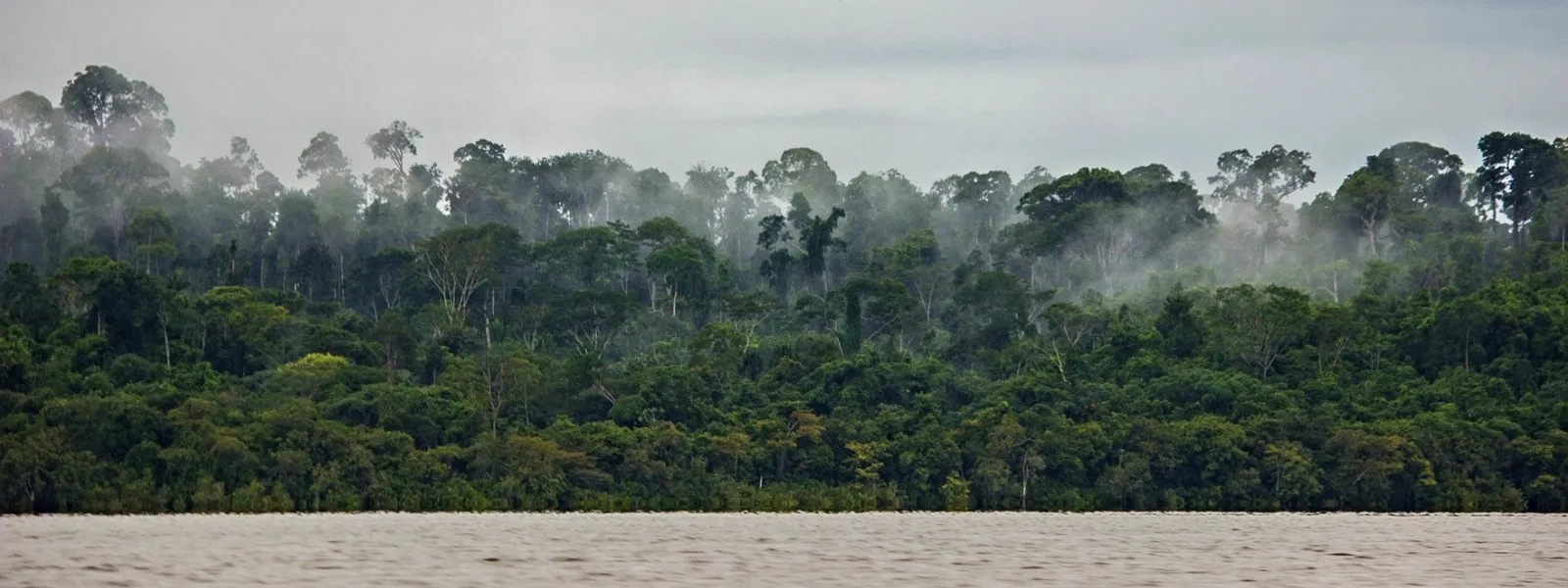
The Belo Monte Dam has caused an environmental and social disaster in the heart of the Amazon—one of the most important ecosystems on the planet.
This situation has only worsened since the hydroelectric plant began operations in 2016. The quest for justice and reparations by the affected indigenous, fishing, and riverine communities continues to this day.
In 2011, the Inter-American Commission on Human Rights (IACHR) granted them protective measures that, to date, have not been fully implemented by the Brazilian State.
Furthermore, since June of that same year, the IACHR has yet to rule on a complaint against the State regarding its international responsibility in the case.
The IACHR may refer the case to the Inter-American Court of Human Rights, which has the authority to issue a ruling condemning the Brazilian State.
After 10 years of the hydroelectric plant's operation and more than 15 years of documented human rights violations, it is time for justice to be served for the affected communities.
Read the open letter from the organizations bringing the case before the IACHR
Background
The Belo Monte hydroelectric plant—the fourth largest in the world by installed capacity (11,233 MW)—was built on the Xingu River in Pará, a state in northern Brazil.
It was inaugurated on May 5, 2016, with a single turbine. At that time, 80% of the river’s course was diverted, flooding 516 km² of land—an area larger than the city of Chicago. Of that area, 400 km² was native forest. The dam began operating at full capacity in November 2019.
Belo Monte was built and is operated by the Norte Energia S.A. consortium, which is composed primarily of state-owned companies. It was financed by the Brazilian Development Bank (BNDES), which provided the consortium with 25.4 billion reais (approximately US$10.16 billion), the largest investment in the bank’s history. Therefore, the BNDES is also legally responsible for the socio-environmental impacts associated with the hydroelectric plant.
Decades of harm to the environment and people
Human rights violations and degradation of the Amazon have been occurring since the project’s inception. In March 2011, Norte Energía began construction of the dam without adequate consultation and without the prior, free, and informed consent of the affected communities.
The construction caused the forced displacement of more than 40,000 people, severing social and cultural ties. The resettlement plan in Altamira—a city directly affected by the hydroelectric dam—involved housing units located on the outskirts, lacking adequate public services and decent living conditions for the relocated families, with no special provisions for those from indigenous communities.
Belo Monte's operations have caused a permanent, man-made drought in the Volta Grande (or "Great Bend") of the Xingu River, exacerbated by the historic droughts in the Amazon in 2023 and 2024. As a result, the deaths of millions of fish eggs were documented for four consecutive years (from 2021 to 2024), and for the past three years, there has been no upstream migration of fish to spawn and reproduce. Thus, artisanal fishing, the main source of protein for indigenous peoples and riverside communities, was severely affected: fish dropped from 50% to 30% of total protein consumed, replaced by processed foods. In summary, there was an environmental and humanitarian collapse that resulted in the breakdown of fishing as a traditional way of life, food insecurity, and access to drinking water for thousands of families, impoverishment, and disease.
Furthermore, the construction of the dam increased deforestation and intensified illegal logging and insecurity on indigenous and tribal lands, putting the survival of these communities at risk. Another consequence was the deepening of poverty and social conflicts, as well as the strain on health, education, and public safety systems in Altamira—a city ranked as the most violent in the country in 2017, where human trafficking and sexual violence increased. Violence was also reported against human rights defenders involved in the case.
In 2025, during the 30th UN Climate Change Conference (COP30), held in Brazil, the Federal Public Prosecutor’s Office labeled the damage caused by the Belo Monte dam as ecocide.
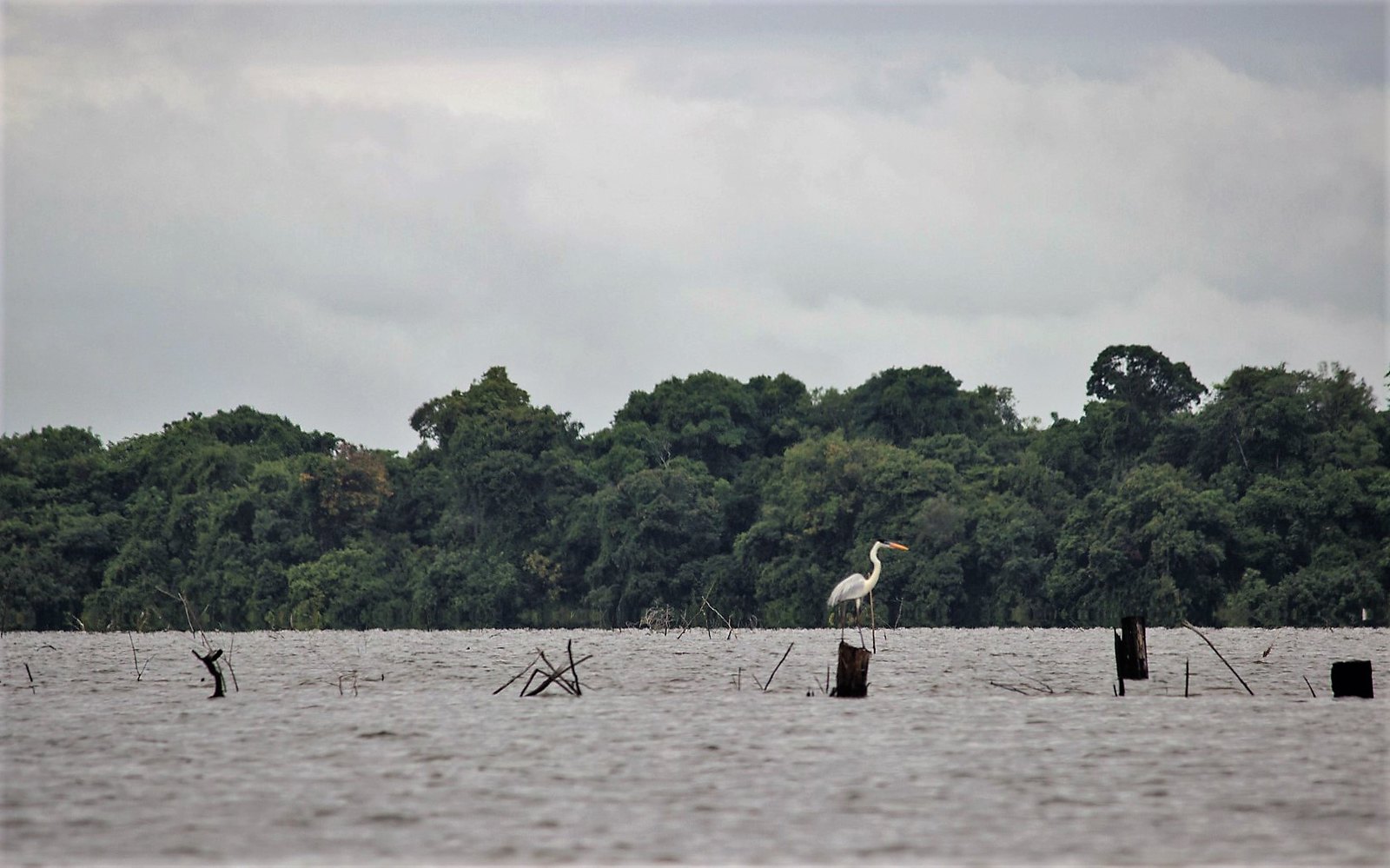
Photo: Amazon Watch / Maíra Irigaray.
The search for justice and reparations
Over the years, the Federal Public Prosecutor’s Office in Pará, the Public Defender’s Office, and civil society organizations have filed dozens of legal actions in Brazilian courts to challenge the project’s various irregularities and its impacts. Most of the claims are still pending resolution, some for more than 10 years.
These efforts have failed because the national government has repeatedly overturned rulings in favor of the affected communities by invoking a mechanism that allowed a court president to suspend a judicial decision based solely on generic arguments such as "the national interest" or "economic order."
In the absence of effective responses at the national level, AIDA, together with a coalition of partner organizations, brought the case before the Inter-American Commission on Human Rights (IACHR) and, in 2010, requested precautionary measures to protect the lives, safety, and health of the affected indigenous communities.
On April 1, 2011, the IACHR granted these measures and requested that the Brazilian government suspend environmental permits and any construction work until the conditions related to prior consultation and the protection of the health and safety of the communities are met.
And on June 16, 2011 —together with the Xingu Vivo Para Sempre Movement, the Coordinating Committee of Indigenous Organizations of the Brazilian Amazon, the Diocese of Altamira, the Indigenous Missionary Council, the Pará Society for the Defense of Human Rights and Global Justice— we filed a formal complaint against the Brazilian State for its international responsibility in the violation of the human rights of the people affected in the case. The case was opened for processing in December 2015.
On August 3, 2011, the IACHR amended the precautionary measures to request, instead of the suspension of permits and construction, the protection of people living in voluntary isolation, the health of indigenous communities, and the regularization and protection of ancestral lands.
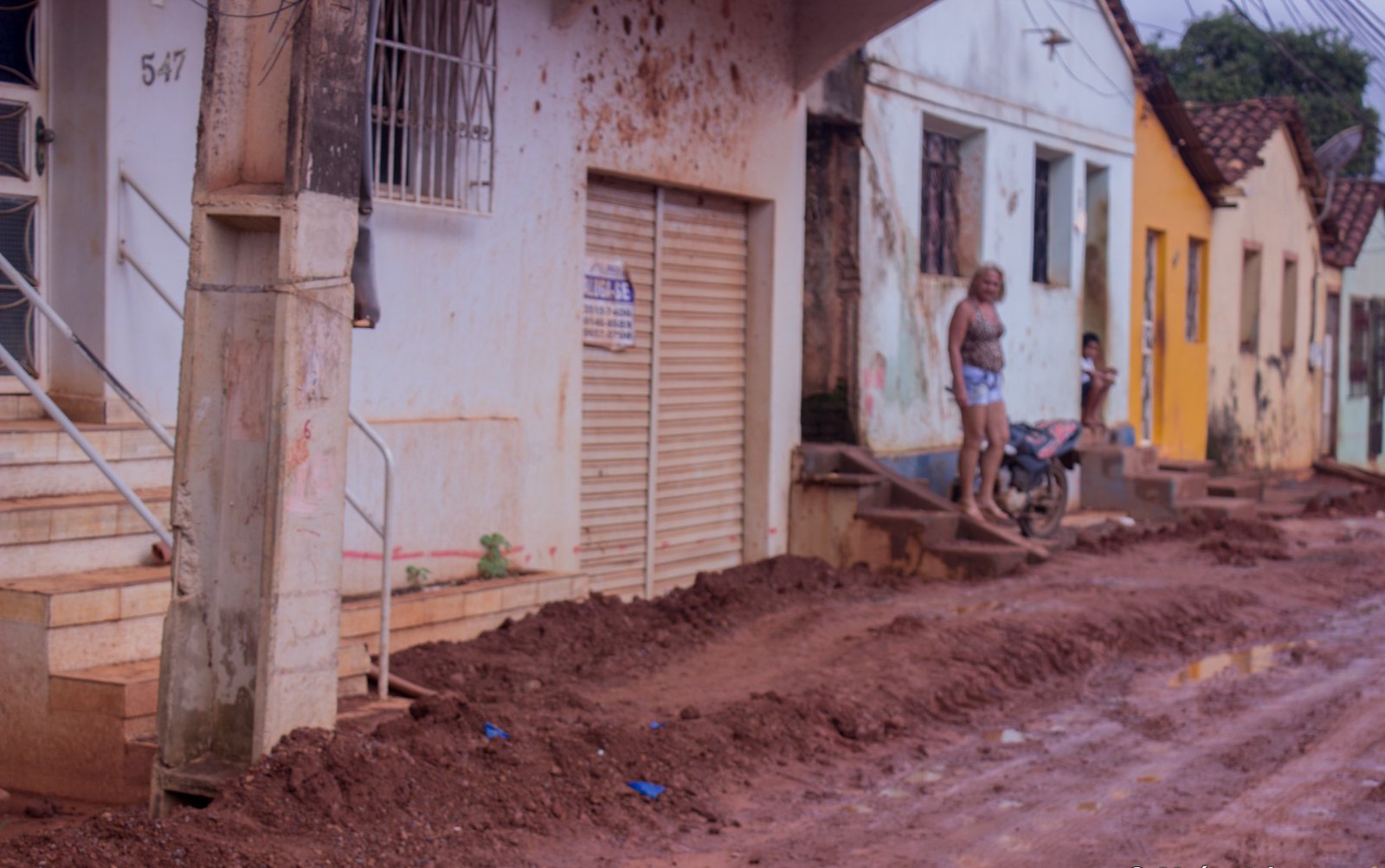
Photo: Amazon Watch / Maíra Irigaray.
Current situation
The protective measures granted by the IACHR remain in effect, but the Brazilian government has not fully complied with them, reporting only on general actions. The communities have documented the ongoing violations of their rights. The situation that prompted the request for these measures—the risk to the lives, physical integrity, and ways of life of the communities—persists and has worsened with the hydroelectric plant operating at full capacity and the recent extreme droughts in the Amazon.
In addition to the impacts of Belo Monte, there is a risk of further social and environmental impacts from the implementation of another mining megaproject in the Volta Grande do Xingu. There, the Canadian company Belo Sun plans to build Brazil’s largest open-pit gold mine.
The combined and cumulative impacts of the dam and the mine were not assessed. The government excluded Indigenous peoples, riverine and peasant communities from the project’s environmental permitting process. Despite protests by Indigenous communities and other irregularities surrounding the project, the government of Pará formally authorized the mine in April 2026.
Like other hydroelectric dams, Belo Monte exacerbates the climate emergency by generating greenhouse gas emissions in its reservoir. And it is inefficient amid the longer, more intense droughts caused by the crisis, as it loses its ability to generate power.
The case before the Inter-American Commission
In October 2017, the IACHR announced that it would rule jointly on the admissibility (whether the case meets the requirements for admission) and the merits (whether a human rights violation actually occurred) of the international complaint against the Brazilian State.
Fifteen years after the complaint was filed, the affected communities and the organizations representing them are still awaiting this decision. If the IACHR concludes that human rights violations occurred and issues recommendations that the Brazilian State fails to comply with, it may refer the case to the Inter-American Court of Human Rights, whose rulings are binding.
A potential ruling by the international court in this case would set a regional legal precedent regarding the rights of indigenous and riverine peoples, public participation in megaprojects, and state responsibility in the context of the climate crisis—a precedent that is particularly relevant in light of the Court’s Advisory Opinion No. 32, which reaffirmed the obligations of States to protect the people and communities of the continent from the climate emergency.
Partners:
Related projects
Short-Lived Climate Pollutants: A great opportunity to put the brakes on climate change
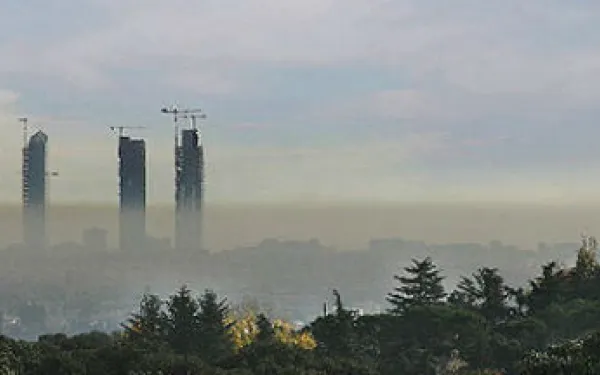
By Florencia Ortuzar, legal advisor, AIDA While many of us are alarmed by climate change and its already tangible effects, concern becomes even greater when learning the fact that all the CO2 accumulated in the atmosphere cannot be removed, even if we were to shut down all the sources of emissions today. This reality was confirmed in the Fifth Assessment Report on the state of the climate, issued by the Intergovernmental Panel on Climate Change (IPCC). The explanation for this is simple: CO2, in contrast to other gases and pollutants, remains in the atmosphere for millennia after being released. It is stuck in the atmosphere for what is eternal for human standards, implying that its greenhouse effect does not end even with an immediate halt in emissions. The good news is that CO2 is not the only cause of global warming. There are other pollutants that, unlike CO2, only stay in the atmosphere for a relatively short time. These “other” agents are responsible for 40-45% of global warming, and they remain in the atmosphere for a minimum of a few hours to a maximum of a few decades. They are called short-lived climate pollutants, or SLCPs. Like CO2, SLCP emissions have a negative impact on humans and ecosystems. So a reduction in these pollutants would bring immediate relief to the worst affected by climate change and would bring important benefits to the environment and people. The main SLCPs Although all SLCPs contribute significantly to climate change and share the trait of being short-lived, each has its unique characteristics and emission sources. Black carbon or soot, is a particulate substance produced by the incomplete combustion of fossil fuels, mainly from motor vehicles, domestic stoves, fires and factories. The dark particles heat the atmosphere as they absorb light, and when the particles land on snow and ice they accelerate melting. Black carbon also affects human health by causing respiratory problems such as lung cancer and asthma. Tropospheric ozone is a gas formed by the reaction of the sun with other gases called "precursors," which can be man made or naturally occurring. One of these precursors is methane, another SLCP. Tropospheric ozone is associated with diseases including bronchitis, emphysema, asthma and permanent scarring of the lung tissue. Studies also show that this gas has a direct impact on vegetation, reducing crop yields and the ability of plants to absorb CO2. Methane is a powerful greenhouse gas, and 60% of its emissions come from human activities like rice farming, coal mining, landfill and oil combustion. Two important sources of methane include cattle farming, whose effect has dangerously increased with industrial meat production (Spanish), and large dams, especially those in tropical areas. Hydrofluorocarbons (HFCs) are man-made gases used in the production of air conditioners, refrigerators and aerosols. They have replaced chlorofluorocarbons (CFCs), which were banned under the Montreal Protocol. Although HFCs represent a small proportion of the greenhouse gases emitted into the atmosphere, their use is growing at an alarming speed of an average of 10-15% each year, according to a United Nations Environment Programme (UNEP) report. Everyone wins According to the IPCC, the reduction of these pollutants could avert a rise in average global temperatures by approximately 0.5 degrees Celsius by 2050, cutting the current rate of global warming in half and helping to protect some of the areas most susceptible to climate change like the Arctic, the high Himalayan regions and Tibet. The mitigation of SLCPs is also crucial for decelerating glacial melting and rising sea levels, a serious situation for the world’s population that lives in coastal areas. The reduction of SLCPs would also bring important socio-environmental benefits. Black carbon and tropospheric ozone harm human health and reduce crop yields. This in turn affects ecosystems, food security, human welfare and the entire natural cycle that keeps the planet healthy. Some talking points Given that SLCPs stem from different sources, effective mitigation requires a series of comprehensive actions that deal with each pollutant separately. Fortunately, the road is already laid out. Many of the technologies, laws and institutions needed to cut SLCP emissions already exist. In the case of black carbon, new technologies are inexpensive and available. Developed countries have already reduced emissions significantly through the use of green technologies. Ideas include the modernization of domestic cooking systems in the region, introducing the use of solar cookers and new transport systems with improved exhaust filters to reduce greenhouse gas emissions. The amount of methane in the atmosphere, which affects the level of tropospheric ozone, is largely dependent on industrial activities. To reduce emissions, effective regulations should be implemented to control the industries that emit the most methane, including intensive cattle farming, mining, hydrocarbons and large dams. For HFCs, an alternative already exists. There need to be regulations that encourage people to substitute HFCs for greener alternatives, no matter the commercial barriers. Some countries have proposed incorporating HFCs in the Montreal Protocol, an international agreement recognized as one of the most successful initiatives to significantly and rapidly reduce CFC emissions, addressing a similar challenge, to the one we face today. To find out more about SLCPs, you can read a briefing paper (Spanish) put together by AIDA, CEDHA, CEMDA and RedRacc.
Read more
Report from COP19: Warsaw, Poland
A terrifying nightmare came true before their eyes. Waves of up to seven meters (23 feet), propelled by winds that reached 315 kilometers per hour (196 miles per hour), caught the inhabitants of the Philippines off guard, devouring everything in their path. Typhoon Haiyan was the most devastating of the climate shocks that frequently hit the Asian country. “We can stop this madness.” With those words, Yeb Saño, the Philippine’s climate change commissioner, demanded “climate justice“ for his people during the inauguration of the 19th Conference of the Parties (COP19) on climate change in Warsaw, Poland. The tragedy was palpable in his eyes and voice. The effects of climate change are unmistakable. Ocean levels and temperatures are rising, and this is provoking storms surges of such intensity that they’re impossible to ignore. No more time can be wasted in coming up with the financing needed to fight this problem. And we must set the rules for the effective use of these funds. AIDA is pushing for this. At the COP19, we worked with other civil society organizations to encourage the governments of developing countries to draft an action plan next year designed to fulfill a vital commitment: making US$100 billion available to developing countries from 2020 for fighting climate change. Part of these funds will be channeled through the Green Climate Fund (GCF). AIDA has assisted in putting pressure on the governments of developed countries to provide certainty about the contributions they will make to this financing mechanism. We also have taken part in the creation of GCF by participating at meetings of its Board of Directors. Our short-term goal is to ensure that the role of civil society is effective and meaningful in the GCF decision-making process. Long term, we want the GCF to support effective actions for climate change mitigation and adaptation that will not only help reduce emissions but also benefit the most vulnerable communities that already are being affected by the phenomenon. Our presence at the COP19 also made it possible for AIDA to form alliances with groups from different sectors – civil society, youth, indigenous peoples, among others – in order to develop and strengthen a joint position ahead of the COP20 to be held in Peru. We hope that the COP20 will set the foundation for a new and hopefully successful climate agreement at the COP21 in Paris. We also worked with partner organizations to develop a briefing paper (in Spanish) on short-lived climate pollutants (SLCPs), which we distributed in Warsaw. As SLCPs remain in the atmosphere less time than CO2, reducing these contaminants is a valuable opportunity for a short-term solution to global warming and an important element that should enter into the new climate agreement. With your support we will continue fighting to prevent typhoons and other natural disasters from becoming a way of life.
Read more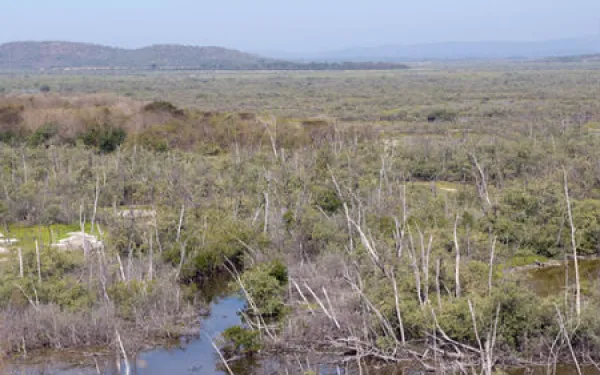
Latin America and its little-known biodiversity
By Tania Paz, general assistant, AIDA, @TaniaNinoshka Latin America and the Caribbean stretches over more than two billion hectares, or about 15% of the earth’s total land surface area. The region possesses the richest persity of species and ecoregions in the world. It is home to one third of the world’s renewable water resources and close to 30% of the world’s total runoff, or the free flow of surface water into a drainage basin, according to the Economic Commission for Latin America and the Caribbean (ECLAC, 2002). Even so, there are still many ecosystems that we don’t know much about despite their important role in maintaining the health and wellbeing of the environment and human society. These include mangrove forests, glaciers and páramos. Mangroves According to Mexico’s National Commission for the Knowledge and Use of Biopersity (CONABIO, in Spanish), mangroves are plant formations grouped into a distinct biome known as mangal, or a tree or shrub with branches that reach down and take root in the ground. They are a unique plant species for their resistance to salt and for growing in tropical coastal environments near estuaries and coastal lagoons. They are the transition between terrestrial and marine ecosystems. Mangrove forests form a natural protective barrier that prevents wind and tide erosion. They play an important role in the environment by filtering water and allowing it to flow into underground aquifers, and they act as carbon sinks that helpmitigate the effects of climate change. The major threats to mangrove ecosystems stem from urban, industrial, tourism and agricultural development given that they compete for land with these fragile ecosystems and cause heavy pollution. This is happening in Marismas Nacionales and Laguna Huizache-Caimanero, where a mega-tourism resort is threatening a wetland ecosystem that protects Mexico’s last remaining mangrove forests and 60 endangered species. Páramos Páramos (in Spanish) are wetlands found between 2,500 and 3,600 meters above sea level in a climate of high rainfall and dry winds. Páramos are known as water factories for their capacity to generate clean water. They also act as a climate regulator with capacity to absorb carbon dioxide. Colombia is home to the largest surface area of páramo ecosystems in the world, holding 98% of páramo plant species. These ecosystems also are home to an immense persity of flora and fauna, including the spectacled bear and Andean condor, the world’s largest flying land bird. Rich in precious metals, the páramos are threatened by mining developments, both existing and planned. In Colombia, for example, miners are looking to undertake extractive activities in the Santurbán páramo, which would put in peril a vital source of fresh water for millions of Colombians. AIDA is leading a campaign (in Spanish) that calls for a proper demarcation of the Santurbán páramo’s territorial boundaries in an effort to stop mining development, an activity prohibited in officially declared páramo zones. Glaciers Glaciers are large bodies of dense ice, snow and rocks. They can stretch down or across mountainsides -- depending on their weight -- as they flow into the water system. They can melt, evaporate or break up into icebergs. In Latin America, 70% of the earth’s tropical glaciers are found high in the Andes mountain range of Bolivia, Ecuador and Peru (OLCA, 2013, in Spanish). Glaciers regulate water supplies by releasing water in the form of meltwater in the hot and dry seasons and by storing it as ice during cold and wet periods. In Ecuador, the city of Quito gets 50% of its water from glacier reservoirs and likewise Bolivia’s La Paz gets 30% from glacier catchment areas. Glacier melt, caused by the effects of climate change, is the greatest threat to the glaciers. Since 1970 the Andean glaciers have lost 20% of their volume, according to a report by Peru’s National Meteorology and Hydrology Service (SENAMHI, in Spanish). See the documentary La Era del Deshielo (The Age of the Thawing) by Señal Colombia. Source: YouTube Glacier melt is putting the water production of Andean countries at risk. In Peru, for example, the volume of surface ice that has been lost as a consequence of melting equates to seven billion cubic meters of water, a quantity that represents around 10 years worth of water supplies for the city of Lima. If all the world’s glaciers melted, sea levels could rise by some 66 meters, causing catastrophic impacts on coastal cities (OLCA, 2013, in Spanish). Como vemos, América Latina es una región totalmente rica en biopersidad que juega un papel importante en el mundo y en la continuidad de la especie humana. La belleza y riqueza del continente quedan expresadas en la letra de América, canción de Nino Bravo: “Cuando Dios hizo el Edén, pensó en América”. ¡Defendamos y preservemos nuestro Edén!
Read more