
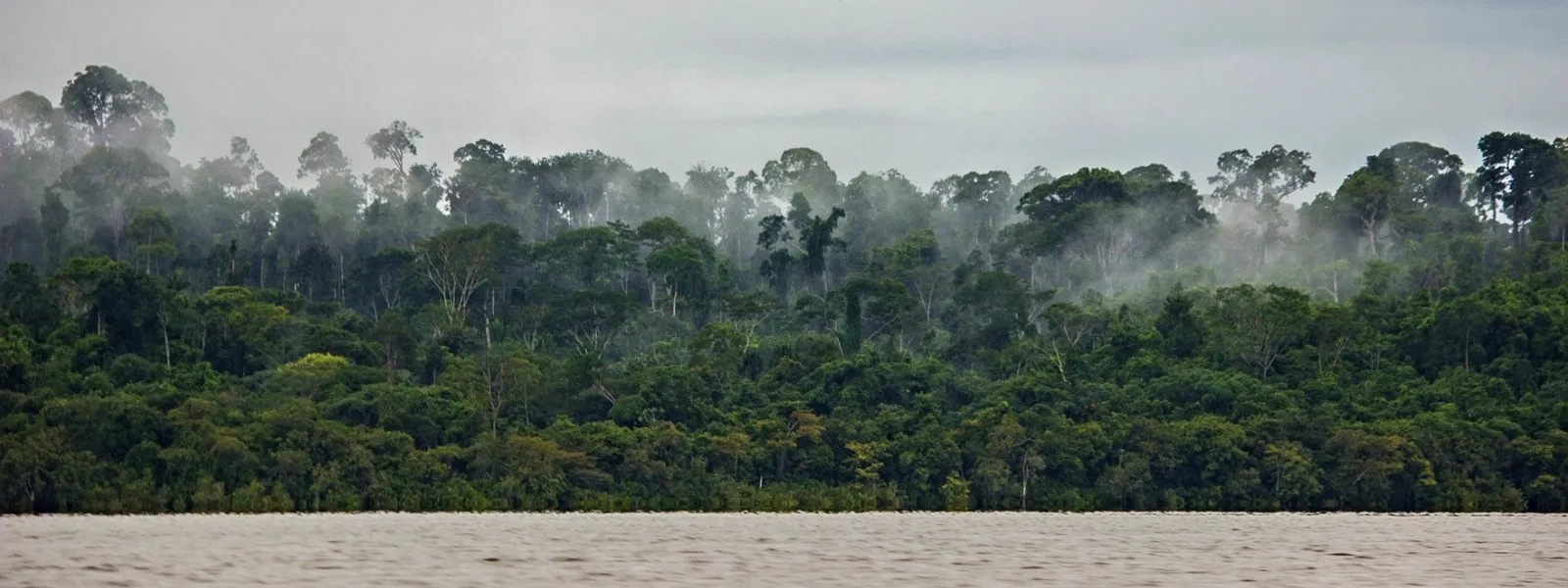
Project
Amazon Watch / Maíra Irigaray
The Belo Monte Dam on the Xingu River: 10 years of impacts in the Amazon and the search for reparations
The Belo Monte Dam has caused an environmental and social disaster in the heart of the Amazon—one of the most important ecosystems on the planet.
This situation has only worsened since the hydroelectric plant began operations in 2016. The quest for justice and reparations by the affected indigenous, fishing, and riverine communities continues to this day.
In 2011, the Inter-American Commission on Human Rights (IACHR) granted them protective measures that, to date, have not been fully implemented by the Brazilian State.
Furthermore, since June of that same year, the IACHR has yet to rule on a complaint against the State regarding its international responsibility in the case.
The IACHR may refer the case to the Inter-American Court of Human Rights, which has the authority to issue a ruling condemning the Brazilian State.
After 10 years of the hydroelectric plant's operation and more than 15 years of documented human rights violations, it is time for justice to be served for the affected communities.
Read the open letter from the organizations bringing the case before the IACHR
Background
The Belo Monte hydroelectric plant—the fourth largest in the world by installed capacity (11,233 MW)—was built on the Xingu River in Pará, a state in northern Brazil.
It was inaugurated on May 5, 2016, with a single turbine. At that time, 80% of the river’s course was diverted, flooding 516 km² of land—an area larger than the city of Chicago. Of that area, 400 km² was native forest. The dam began operating at full capacity in November 2019.
Belo Monte was built and is operated by the Norte Energia S.A. consortium, which is composed primarily of state-owned companies. It was financed by the Brazilian Development Bank (BNDES), which provided the consortium with 25.4 billion reais (approximately US$10.16 billion), the largest investment in the bank’s history. Therefore, the BNDES is also legally responsible for the socio-environmental impacts associated with the hydroelectric plant.
Decades of harm to the environment and people
Human rights violations and degradation of the Amazon have been occurring since the project’s inception. In March 2011, Norte Energía began construction of the dam without adequate consultation and without the prior, free, and informed consent of the affected communities.
The construction caused the forced displacement of more than 40,000 people, severing social and cultural ties. The resettlement plan in Altamira—a city directly affected by the hydroelectric dam—involved housing units located on the outskirts, lacking adequate public services and decent living conditions for the relocated families, with no special provisions for those from indigenous communities.
Belo Monte's operations have caused a permanent, man-made drought in the Volta Grande (or "Great Bend") of the Xingu River, exacerbated by the historic droughts in the Amazon in 2023 and 2024. As a result, the deaths of millions of fish eggs were documented for four consecutive years (from 2021 to 2024), and for the past three years, there has been no upstream migration of fish to spawn and reproduce. Thus, artisanal fishing, the main source of protein for indigenous peoples and riverside communities, was severely affected: fish dropped from 50% to 30% of total protein consumed, replaced by processed foods. In summary, there was an environmental and humanitarian collapse that resulted in the breakdown of fishing as a traditional way of life, food insecurity, and access to drinking water for thousands of families, impoverishment, and disease.
Furthermore, the construction of the dam increased deforestation and intensified illegal logging and insecurity on indigenous and tribal lands, putting the survival of these communities at risk. Another consequence was the deepening of poverty and social conflicts, as well as the strain on health, education, and public safety systems in Altamira—a city ranked as the most violent in the country in 2017, where human trafficking and sexual violence increased. Violence was also reported against human rights defenders involved in the case.
In 2025, during the 30th UN Climate Change Conference (COP30), held in Brazil, the Federal Public Prosecutor’s Office labeled the damage caused by the Belo Monte dam as ecocide.
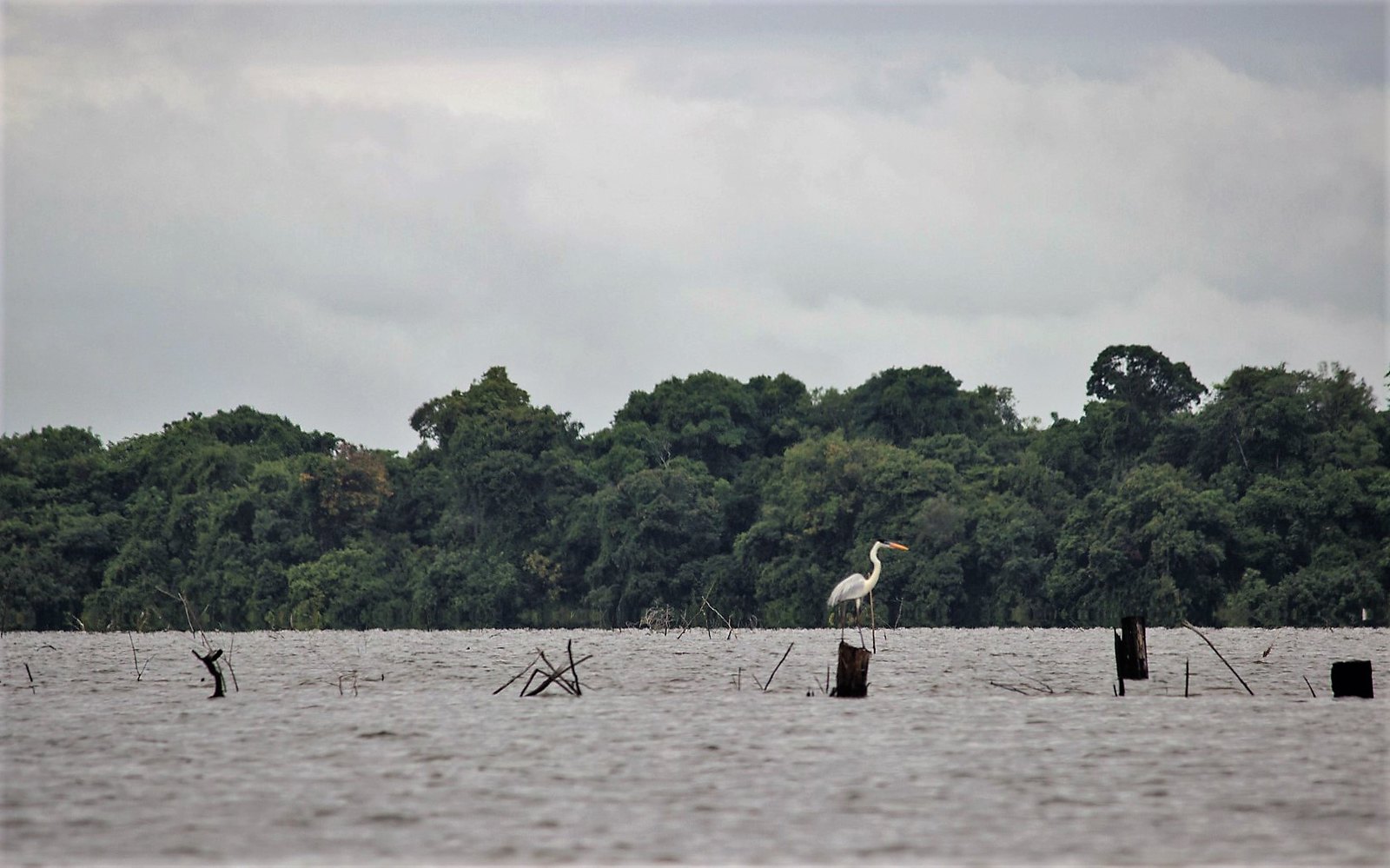
Photo: Amazon Watch / Maíra Irigaray.
The search for justice and reparations
Over the years, the Federal Public Prosecutor’s Office in Pará, the Public Defender’s Office, and civil society organizations have filed dozens of legal actions in Brazilian courts to challenge the project’s various irregularities and its impacts. Most of the claims are still pending resolution, some for more than 10 years.
These efforts have failed because the national government has repeatedly overturned rulings in favor of the affected communities by invoking a mechanism that allowed a court president to suspend a judicial decision based solely on generic arguments such as "the national interest" or "economic order."
In the absence of effective responses at the national level, AIDA, together with a coalition of partner organizations, brought the case before the Inter-American Commission on Human Rights (IACHR) and, in 2010, requested precautionary measures to protect the lives, safety, and health of the affected indigenous communities.
On April 1, 2011, the IACHR granted these measures and requested that the Brazilian government suspend environmental permits and any construction work until the conditions related to prior consultation and the protection of the health and safety of the communities are met.
And on June 16, 2011 —together with the Xingu Vivo Para Sempre Movement, the Coordinating Committee of Indigenous Organizations of the Brazilian Amazon, the Diocese of Altamira, the Indigenous Missionary Council, the Pará Society for the Defense of Human Rights and Global Justice— we filed a formal complaint against the Brazilian State for its international responsibility in the violation of the human rights of the people affected in the case. The case was opened for processing in December 2015.
On August 3, 2011, the IACHR amended the precautionary measures to request, instead of the suspension of permits and construction, the protection of people living in voluntary isolation, the health of indigenous communities, and the regularization and protection of ancestral lands.
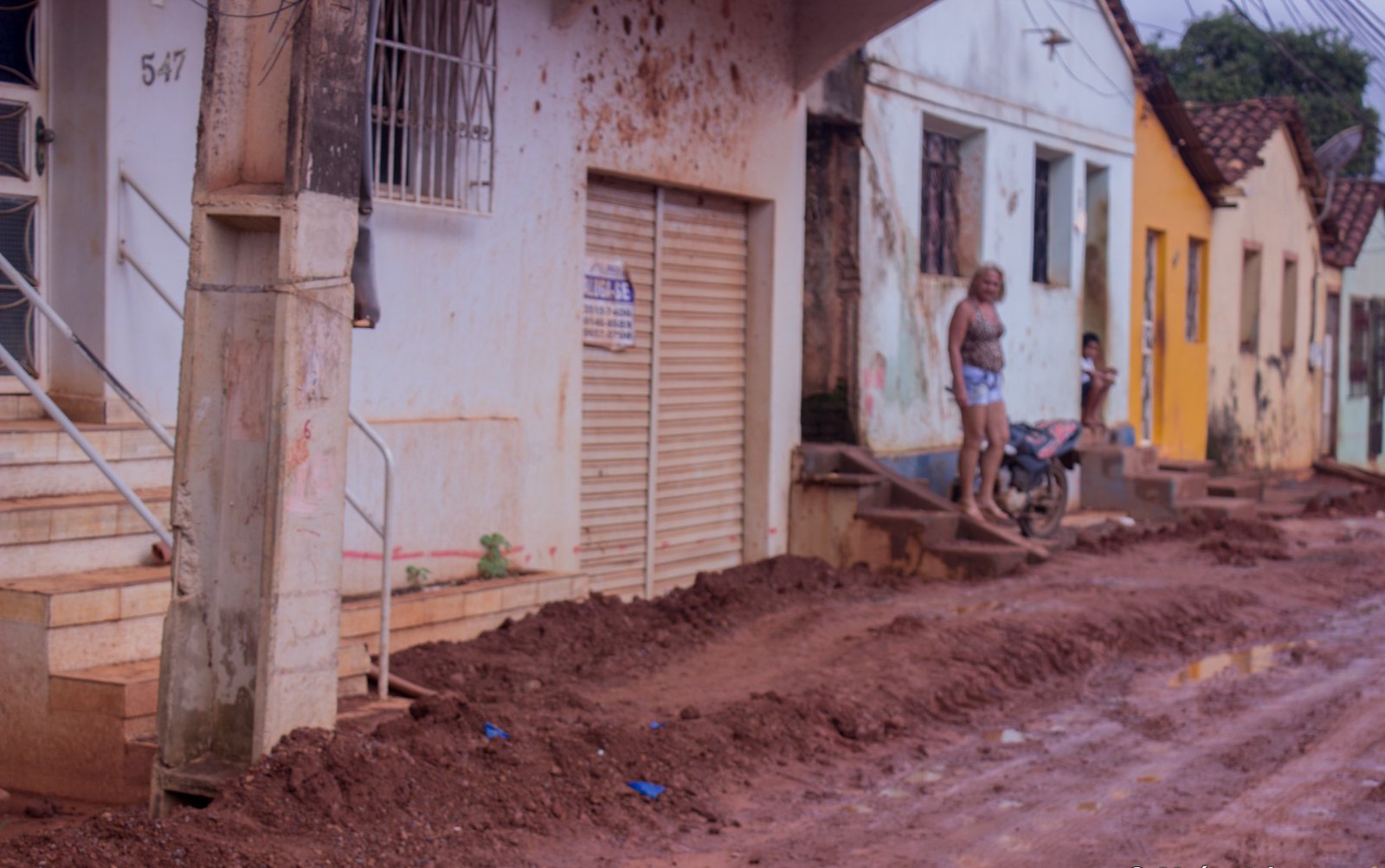
Photo: Amazon Watch / Maíra Irigaray.
Current situation
The protective measures granted by the IACHR remain in effect, but the Brazilian government has not fully complied with them, reporting only on general actions. The communities have documented the ongoing violations of their rights. The situation that prompted the request for these measures—the risk to the lives, physical integrity, and ways of life of the communities—persists and has worsened with the hydroelectric plant operating at full capacity and the recent extreme droughts in the Amazon.
In addition to the impacts of Belo Monte, there is a risk of further social and environmental impacts from the implementation of another mining megaproject in the Volta Grande do Xingu. There, the Canadian company Belo Sun plans to build Brazil’s largest open-pit gold mine.
The combined and cumulative impacts of the dam and the mine were not assessed. The government excluded Indigenous peoples, riverine and peasant communities from the project’s environmental permitting process. Despite protests by Indigenous communities and other irregularities surrounding the project, the government of Pará formally authorized the mine in April 2026.
Like other hydroelectric dams, Belo Monte exacerbates the climate emergency by generating greenhouse gas emissions in its reservoir. And it is inefficient amid the longer, more intense droughts caused by the crisis, as it loses its ability to generate power.
The case before the Inter-American Commission
In October 2017, the IACHR announced that it would rule jointly on the admissibility (whether the case meets the requirements for admission) and the merits (whether a human rights violation actually occurred) of the international complaint against the Brazilian State.
Fifteen years after the complaint was filed, the affected communities and the organizations representing them are still awaiting this decision. If the IACHR concludes that human rights violations occurred and issues recommendations that the Brazilian State fails to comply with, it may refer the case to the Inter-American Court of Human Rights, whose rulings are binding.
A potential ruling by the international court in this case would set a regional legal precedent regarding the rights of indigenous and riverine peoples, public participation in megaprojects, and state responsibility in the context of the climate crisis—a precedent that is particularly relevant in light of the Court’s Advisory Opinion No. 32, which reaffirmed the obligations of States to protect the people and communities of the continent from the climate emergency.
Partners:
Related projects
Mexico’s government is held internationally accountable for authorizing tourism infrastructure in the Gulf of California
The Commission for Environmental Cooperation (CEC) called on Mexican authorities to respond by January 8, 2014 to a complaint of breaching environmental legislation in the permits for four mega resorts. Mexico City, Mexico. The Commission for Environmental Cooperation (CEC) requested an explanation from the Mexican government for authorizing tourism projects in the Gulf of California. The international organization, established under the North American Free Trade Agreement, made the determination after reviewing a citizen petition submitted by Mexican and U.S. organizations[i] denouncing the systematic violation of Mexican environmental law in permits for the construction of four mega resorts that put at risk fragile coral reefs, mangroves and wetlands. The Interamerican Association for Environmental Defense (AIDA) and Earthjustice filed the petition[ii] with the CEC in April on behalf of 11 Mexican and international organizations. In the petition, the four resort projects are presented as an example of how Mexico’s Secretariat of Environment and Natural Resources (SEMARNAT) endorsed massive tourism infrastructure in the Gulf of California in violation of norms for environmental impact assessment, the protection of endangered species and the conservation of coastal ecosystems. The CEC Secretariat determined that the Mexican government has until January 8, 2014 to provide a response on why it issued the permits, specifically in relation to these aspects: use of the best available information, assessing the cumulative impacts and destruction of ecosystems, the lack of precautionary and preventive measures, and the omission of the power to suspend works. The CEC also requested information on the implementation of the resolutions and recommendations of the Ramsar Convention, an intergovernmental treaty for the protection of wetlands of international importance like those in the Gulf of California. “It is a breakthrough in national and international law because it recognizes these provisions as part of the implementation of the obligations in the international treaties ratified by Mexico,” said Sandra Moguel, an AIDA legal adviser. The Secretariat acknowledged, in particular, the resolutions adopted by the contracting parties to the Ramsar Convention, which establish standards for the environmental impact assessment and protection of wetlands. The Secretariat also acknowledged the recommendations of the Ramsar Missions that visited the Marismas Nacionales and Cabo Pulmo, concluding that large-scale tourism developments were not appropriate because of the vulnerability of these ecosystems[iii]. It asked Mexico to explain its failure to perform an environmental impact assessment in accordance with these provisions. “The CEC called for accountability from the Mexican government with respect to the abuse of discretion in considering technical reviews, as is the case with the Playa Espíritu project that lacked environmental viability according to the CONANP (National Commission on Protected Areas),” said Eduardo Nájera, director of COSTASALVAjE, one of the petitioning organizations. “It is urgent that the new administration of SEMARNAT doesn’t not make the same mistakes as their predecessors, and that it carry out a transparent and non-arbitrary environmental impact assessment, especially in the case of projects that could put in danger wetlands of priority international importance such as Marismas Nacionales, Cabo Pulmo and the Bahía de la Paz,” said Carlos Eduardo Simental, director of the Ecological Network for the Development of Esquinapa (REDES), another petitioner.Finally, Carolina Herrera, a Latin America specialist for the Natural Resources Defense Council (NRDC), said that she expects that once it receives Mexico’s response, “the CEC will elaborate a detailed investigation of what happened in order to press Mexico to not relax its own environmental protection measures in favor of unsustainable coastal development.” See the CEC determination. [i] Ecological Network for the Development of Esquinapa (REDES), Friends for the Conservation of Cabo Pulmo (ACCP), Mexican Center for Environmental Defense, Natural Resources Defense Council (NRDC), COSTASALVAjE, SUMAR, Niparajá Natural History Society, Los Cabos Coastkeeper, Alliance for the Sustainability of the Northwestern Coast (ALCOSTA), Greenpeace Mexico and AIDA. [ii] For more information about the citizen submission mechanism, please see this link. [iii] These missions are a technical assistance facility of Ramsar whose primary purpose is to assist parties that have wetlands meriting priority attention due to changing ecological characteristics.
Read more
Green financing: Sources, preparation and the allocation of resources
By Andrea Rodríguez, legal advisor, AIDA,@arodriguezosuna, and Mónica Valtierra, AIDA volunteer Warsaw, Poland. The financing needed to fight climate change was a key issue at the side events of the Warsaw Climate Change Conference (COP19). Discussions dug deep into the issues of the sourcing of funds, the preparation to secure financing and how to turn financial support into real solutions. persifying the financial resources of the Green Climate Fund (GCF) The World Business Council for Sustainable Development (WBCSD) and the Climate Markets and Investment Association (CMIA) organized an event to discuss the theme of financial persification and the tools necessary to mobilize GCF funds. Giles Dickson, vice president of environmental policies and global advocacy at the multinational energy and transport conglomerate Alstom, said that for the private sector to provide capital, the GCF needs mechanisms for providing incentives and a framework for making investments through loans. It is important to break the myth that the private sector will use public resources to its own benefit, given that the true intention is to contribute to financial instruments in which the public sector is involved, he said. Jeanne Ng, director of environmental affairs at Hong Kong-based electric company CLP Group, said the private sector already has financed renewable energy projects without public resources. For this reason, she said it is important for the GCF to take into account these efforts and include them within its objectives, and also to make sure that public resources don’t go to projects that already are getting financing. Talking about the inclusion of the private sector in funding GCF investments, Ng said the Fund needs the help of private institutions to market low-carbon products. Vikram Widge, head of climate finance and policy at the International Finance Corp. (IFC), the private sector arm of the World Bank, said the GCF must play a participative role in capitalizing financial resources and generating profits. The financial instruments must guarantee the stability of private resources and the development of countries, he said. Alstom’s Dickson said private sector participation could come through three channels: in projects on the local and municipal level, in promoting new technologies and through the development of projects supported by private companies. This will only happen if governments put in place economic policies that guarantee positive results, he said. Readiness support The question of readiness support was the focus of discussion at another side event called Rolling up the sleeves for the Green Climate Fund: Expectations and experience from building GCF readiness, where representatives from different countries expressed their views: South Africa. Zaheer Fakir, chief policy advisor at South Africa’s Department of Environmental Affairs, said it is important to have a leader country to run the Fund’s projects, some of which are designed for specific environmental problems. There are solutions that cannot be replicated in each country because they rely on the institutional capacity of each country, he said. It’s not just about giving money to national entities. This is because there are concerns of money-laundering and also because some entities already have direct access to financial resources. The funding must go to projects that have the potential for transformation and for which the end goal should not be exclusively limited to the reduction of greenhouse gas emissions, he added. On the same topic, Richard Calland, an associate professor of public law at the University of Cape Town, presented a study on the preparation capacity of each country. It mentioned three indispensible prerequisites: the country must be relative, responsive and reasonable. In identifying the local difficulties in terms of planning, he proposed that each country form financial partnerships with research institutions. This is not about the ability to deploy financial resources, but rather to use the maximum capacity possible, he said. Lastly, on the subject of access of financial resources, he called on people to consider the possible modalities, fiduciary standards and safeguards. Germany. Norbert Gorben mentioned that Germany is considering the possibility next year of participating in the GCF and contributing to it 14 billion Euros through bilateral schemes and multilateral organizations. He said the Fund’s board should ask the GCF Secretariat to begin action on implementing programs and mobilizing resources as soon as possible. Ina von Frantzius, a policy advisor on climate policy and financing at the Federal Ministry for Economic Cooperation and Development, said Germany wants to offer specific help to each country that needs it. Peru. Gabriel Quijandria, vice minister of the strategic development of natural resources at the Ministry of the Environment, said that together with the Ministry of Finance he is working on a program to modernize the state. The two ministries have discussed establishing a national body charged with implementing and managing the country’s funds once the GCF starts to operate. The preparation for the program, he said, was not an easy concept to fathom, but one that requires the right attitude. In order to define the program, it is necessary to understand and pay attention to the perspective of poor communities, he said. As an example, he cited farmers who take out international insurance against the effects of climate phenomena such as El Niño. The allocation of resources The financing of projects by the Global South to countries in the Global South is a growing trend in the developing world. In most cases, the resources come from the private sector in these countries and are funneled to projects related to public policy. This issue was addressed at another side event at the COP19 in Warsaw called Developing Countries in the Driving Seat for Accelerating Green Finance. On this topic, Monique Barbut, head of the United Nations Convention to Combat Desertification (UNCCD), said the priority is to know exactly where the money goes. Some 60% of the financial resources for climate projects come from the private sector, with a large part of this money going toward renewable energy projects. This is not yet enough to combat climate change. Approximately 48% of government funds are allocated to adaptation projects related to sustainable use of the land, she said. On the importance of resource allocation, she clarified that this depends on the generation of social benefits. Funding sustainability projects can lead to less migration, poverty and insecurity for vulnerable communities, she explained. Zaheer Fakir, the representative of the South African government, also spoke about leadership. In his opinion, countries in the Global South are more interested in doing more to combat climate change than the countries in the Global North, and so they are more open to the idea of offering their money to help. “We cannot sit and wait for the multilateral process to be agreed upon” because it is now when countries are suffering extreme poverty, unemployment, uneducated youth and other problems that impel us to go home and do something about it rather than wait around. “How can we improve the lives of our citizens at home?” asked Fakir. It is a question of “being green,” of involving communities, indigenous groups and all levels of society in green projects, he said. More than the source of funding , it is important that money is invested in the adequate technology for resolving climactic problems in a country, said Nick Beglinger, president of Zurich-based clean technology business association Swisscleantech. Businesses can make money while also helping the environment, he said. He added that it is also necessary to start innovating in green finance. He suggested reviewing the use of the public money in pension funds in order to reach the common goals of the government and society, because pensioners are the ideal investors for long-term plans. On this issue, there is not much difference between developed and developing countries, he said, adding that the pisions between the Global South and North should be eliminated in order for the financing mechanisms to function in an efficient way regardless of the origin of the funds.
Read more
Climate change funding: Needs and expectations
By Andrea Rodríguez, legal advisor, AIDA, @arodriguezosuna, and Mónica Valtierra, AIDA volunteer Warsaw, Poland. In the discussions about the financial resources needed to tackle climate change, the plenary session of the Conference of the Parties (COP 19) in Warsaw focused on three topics: long-term financing, a report by the Standing Committee on Finance, and another report of the Green Climate Fund (GCF) of the COP. Long-term financing The Philippines. The Philippine representative said long-term financing is crucialfor developing countries and that the outcome of the agreements reached in 2015 will depend on how far those countries are willing to go to see them through. He said: “There needs to be clarity on the specific amount [of resources required] and which projects will receive the finances. But until now the situation can only be described as disastrous.” Egypt. The Egyptian delegate, on behalf of an African group of nations, said: “The agreements will depend on the climate fund’s progress in realizing its goals, the ability of countries to keep the global temperature from rising at less than 2°C this century, and mobilizing US$100 billion. These are the urgent issues. European Union. The EU reaffirmed its commitment to mobilize climate change finances with the expectation that the Green Climate Fund will increase its funding in the area of adaptation. Malpes. The Malpes’ delegate spoke about the need to strike a balance between the funding granted for global warming mitigation and what is put toward climate change adaptation. It is an essential issue for developing countries, he said. Colombia. Colombia’s delegate called for continued efforts to secure climate change funding because up until now there has been very little action taken in this regard. The commitment of US$100 billion in funding for climate change mitigation and adaptation is another a pressing task, he added. The Standing Committee report The Philippines. The Standing Committee has a great deal of work to do, especially with regard to the issues of transparency and access to information, the delegate said on behalf of the G77. “We need to strengthen the mechanisms in place for monitoring, verification and reporting purposes before 2015,” and fully address the issue of additional financing, he said. Egypt. Along the same vein of the Philippines, this delegation emphasized the urgent need to provide support for the verification, monitoring and reporting mechanisms. Bolivia. The Bolivian delegate spoke about access to funds, which he said is “the cornerstone of addressing the impact of climate change.” It requires the support of all countries, he added. Green Climate Fund (GCF) report to the COP The co-chairs of the GCF said the organization must be ambitious and have ever-increasing efforts. They repeated earlier calls to strike a balance between the funds put toward mitigation and adaptation to climate change, and to mobilize financial resources before mid-2014. On this topic, the countries said the following: The Philippines. There are high expectations for the GCF, said the delegate. But three years after the COP meeting in Cancun, Mexico, it is time to start moving the money. Egypt. The mobilization of funds should be optimized as soon as possible and the Fund must concentrate on sustainable financing for climate change, this delegation said. India. According to this delegation, the agreements to be reached in 2015 depend on the climate funding that exists at that time. He reiterated the idea of finding an equilibrium between the resources for mitigation and adaptation of the Fund. Zambia. “Fifty percent of the funds should be put toward adaptation measures,” which will also support programs set up to reduce poverty in vulnerable groups, said the Zambian delegate. Malpes. On the importance of mobilizing financial resources promptly, this delegate called for the funds to be available before the COP 20 in Lima. Uganda. This delegate reminded the audience that climate change is not waiting for the mobilization of resources to begin.
Read more