
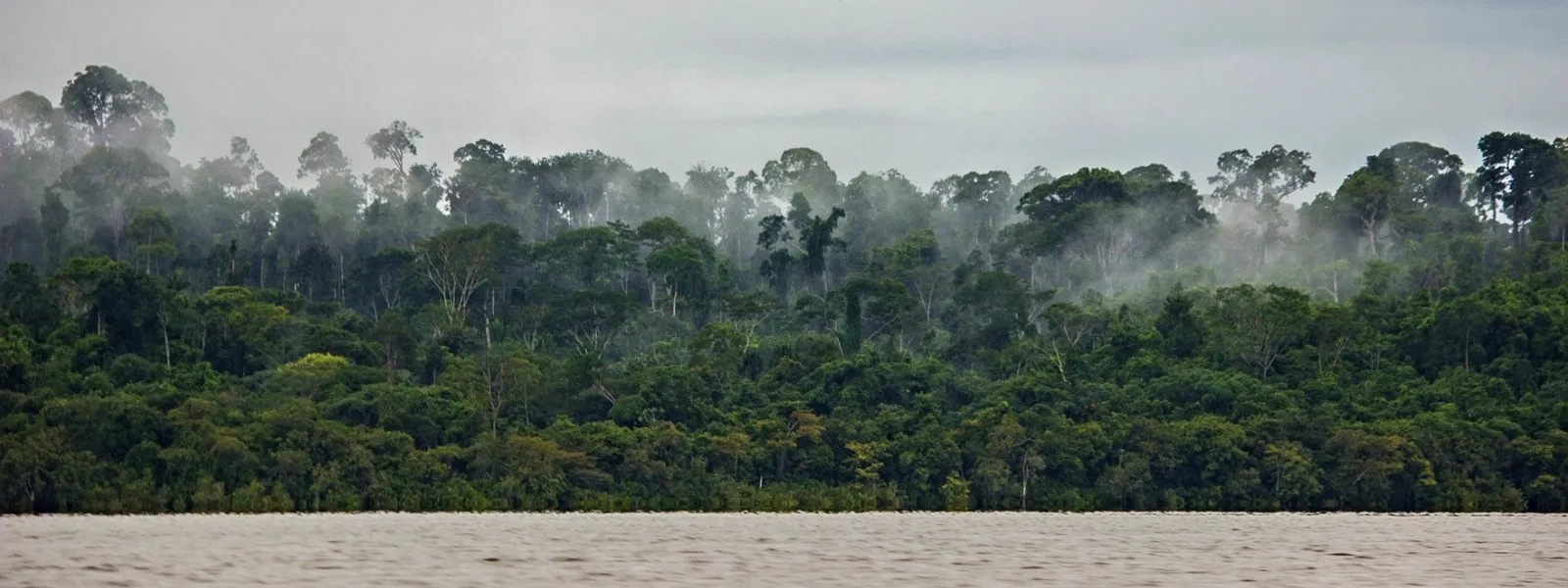
Project
Amazon Watch / Maíra Irigaray
The Belo Monte Dam on the Xingu River: 10 years of impacts in the Amazon and the search for reparations
The Belo Monte Dam has caused an environmental and social disaster in the heart of the Amazon—one of the most important ecosystems on the planet.
This situation has only worsened since the hydroelectric plant began operations in 2016. The quest for justice and reparations by the affected indigenous, fishing, and riverine communities continues to this day.
In 2011, the Inter-American Commission on Human Rights (IACHR) granted them protective measures that, to date, have not been fully implemented by the Brazilian State.
Furthermore, since June of that same year, the IACHR has yet to rule on a complaint against the State regarding its international responsibility in the case.
The IACHR may refer the case to the Inter-American Court of Human Rights, which has the authority to issue a ruling condemning the Brazilian State.
After 10 years of the hydroelectric plant's operation and more than 15 years of documented human rights violations, it is time for justice to be served for the affected communities.
Read the open letter from the organizations bringing the case before the IACHR
Background
The Belo Monte hydroelectric plant—the fourth largest in the world by installed capacity (11,233 MW)—was built on the Xingu River in Pará, a state in northern Brazil.
It was inaugurated on May 5, 2016, with a single turbine. At that time, 80% of the river’s course was diverted, flooding 516 km² of land—an area larger than the city of Chicago. Of that area, 400 km² was native forest. The dam began operating at full capacity in November 2019.
Belo Monte was built and is operated by the Norte Energia S.A. consortium, which is composed primarily of state-owned companies. It was financed by the Brazilian Development Bank (BNDES), which provided the consortium with 25.4 billion reais (approximately US$10.16 billion), the largest investment in the bank’s history. Therefore, the BNDES is also legally responsible for the socio-environmental impacts associated with the hydroelectric plant.
Decades of harm to the environment and people
Human rights violations and degradation of the Amazon have been occurring since the project’s inception. In March 2011, Norte Energía began construction of the dam without adequate consultation and without the prior, free, and informed consent of the affected communities.
The construction caused the forced displacement of more than 40,000 people, severing social and cultural ties. The resettlement plan in Altamira—a city directly affected by the hydroelectric dam—involved housing units located on the outskirts, lacking adequate public services and decent living conditions for the relocated families, with no special provisions for those from indigenous communities.
Belo Monte's operations have caused a permanent, man-made drought in the Volta Grande (or "Great Bend") of the Xingu River, exacerbated by the historic droughts in the Amazon in 2023 and 2024. As a result, the deaths of millions of fish eggs were documented for four consecutive years (from 2021 to 2024), and for the past three years, there has been no upstream migration of fish to spawn and reproduce. Thus, artisanal fishing, the main source of protein for indigenous peoples and riverside communities, was severely affected: fish dropped from 50% to 30% of total protein consumed, replaced by processed foods. In summary, there was an environmental and humanitarian collapse that resulted in the breakdown of fishing as a traditional way of life, food insecurity, and access to drinking water for thousands of families, impoverishment, and disease.
Furthermore, the construction of the dam increased deforestation and intensified illegal logging and insecurity on indigenous and tribal lands, putting the survival of these communities at risk. Another consequence was the deepening of poverty and social conflicts, as well as the strain on health, education, and public safety systems in Altamira—a city ranked as the most violent in the country in 2017, where human trafficking and sexual violence increased. Violence was also reported against human rights defenders involved in the case.
In 2025, during the 30th UN Climate Change Conference (COP30), held in Brazil, the Federal Public Prosecutor’s Office labeled the damage caused by the Belo Monte dam as ecocide.
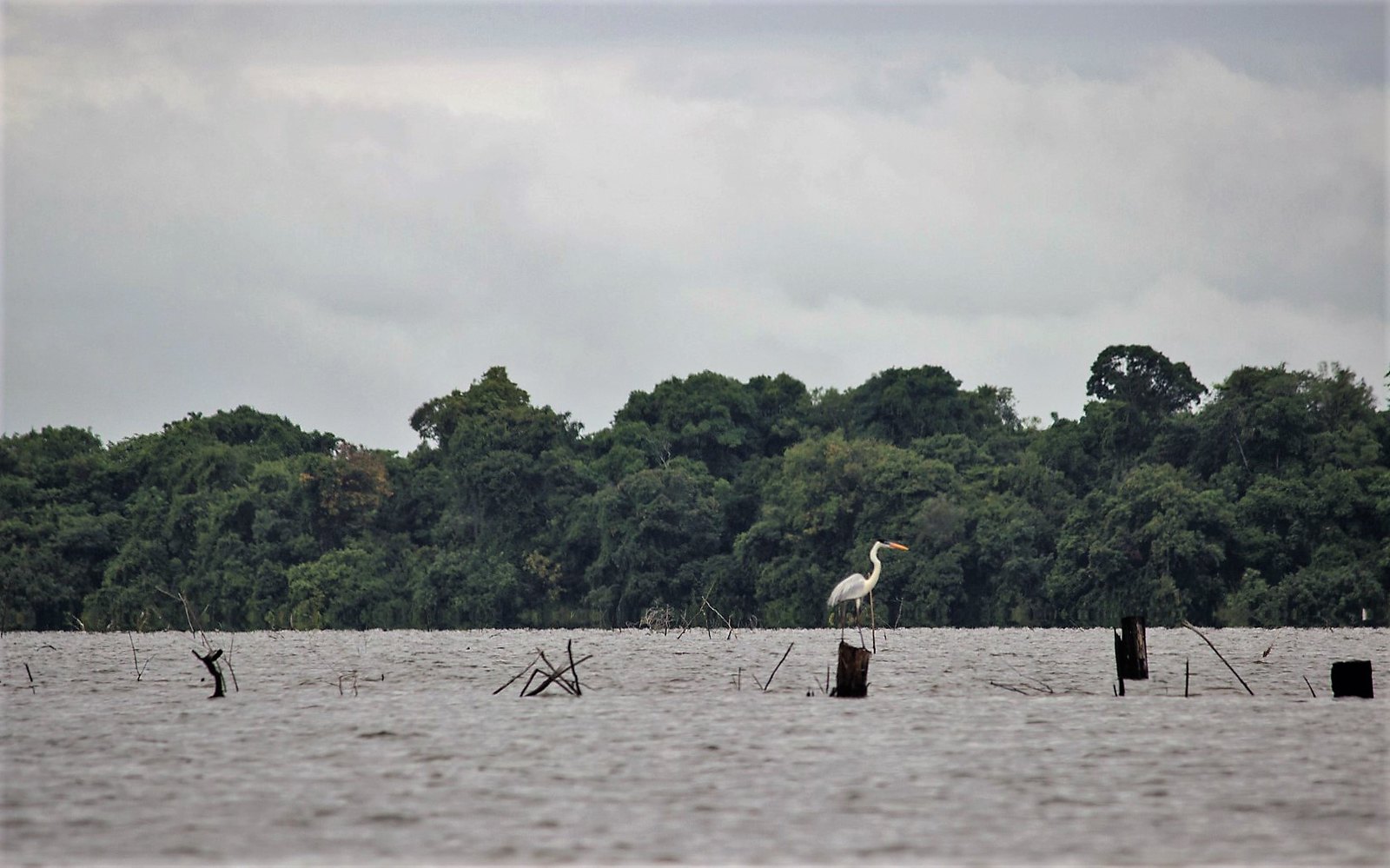
Photo: Amazon Watch / Maíra Irigaray.
The search for justice and reparations
Over the years, the Federal Public Prosecutor’s Office in Pará, the Public Defender’s Office, and civil society organizations have filed dozens of legal actions in Brazilian courts to challenge the project’s various irregularities and its impacts. Most of the claims are still pending resolution, some for more than 10 years.
These efforts have failed because the national government has repeatedly overturned rulings in favor of the affected communities by invoking a mechanism that allowed a court president to suspend a judicial decision based solely on generic arguments such as "the national interest" or "economic order."
In the absence of effective responses at the national level, AIDA, together with a coalition of partner organizations, brought the case before the Inter-American Commission on Human Rights (IACHR) and, in 2010, requested precautionary measures to protect the lives, safety, and health of the affected indigenous communities.
On April 1, 2011, the IACHR granted these measures and requested that the Brazilian government suspend environmental permits and any construction work until the conditions related to prior consultation and the protection of the health and safety of the communities are met.
And on June 16, 2011 —together with the Xingu Vivo Para Sempre Movement, the Coordinating Committee of Indigenous Organizations of the Brazilian Amazon, the Diocese of Altamira, the Indigenous Missionary Council, the Pará Society for the Defense of Human Rights and Global Justice— we filed a formal complaint against the Brazilian State for its international responsibility in the violation of the human rights of the people affected in the case. The case was opened for processing in December 2015.
On August 3, 2011, the IACHR amended the precautionary measures to request, instead of the suspension of permits and construction, the protection of people living in voluntary isolation, the health of indigenous communities, and the regularization and protection of ancestral lands.
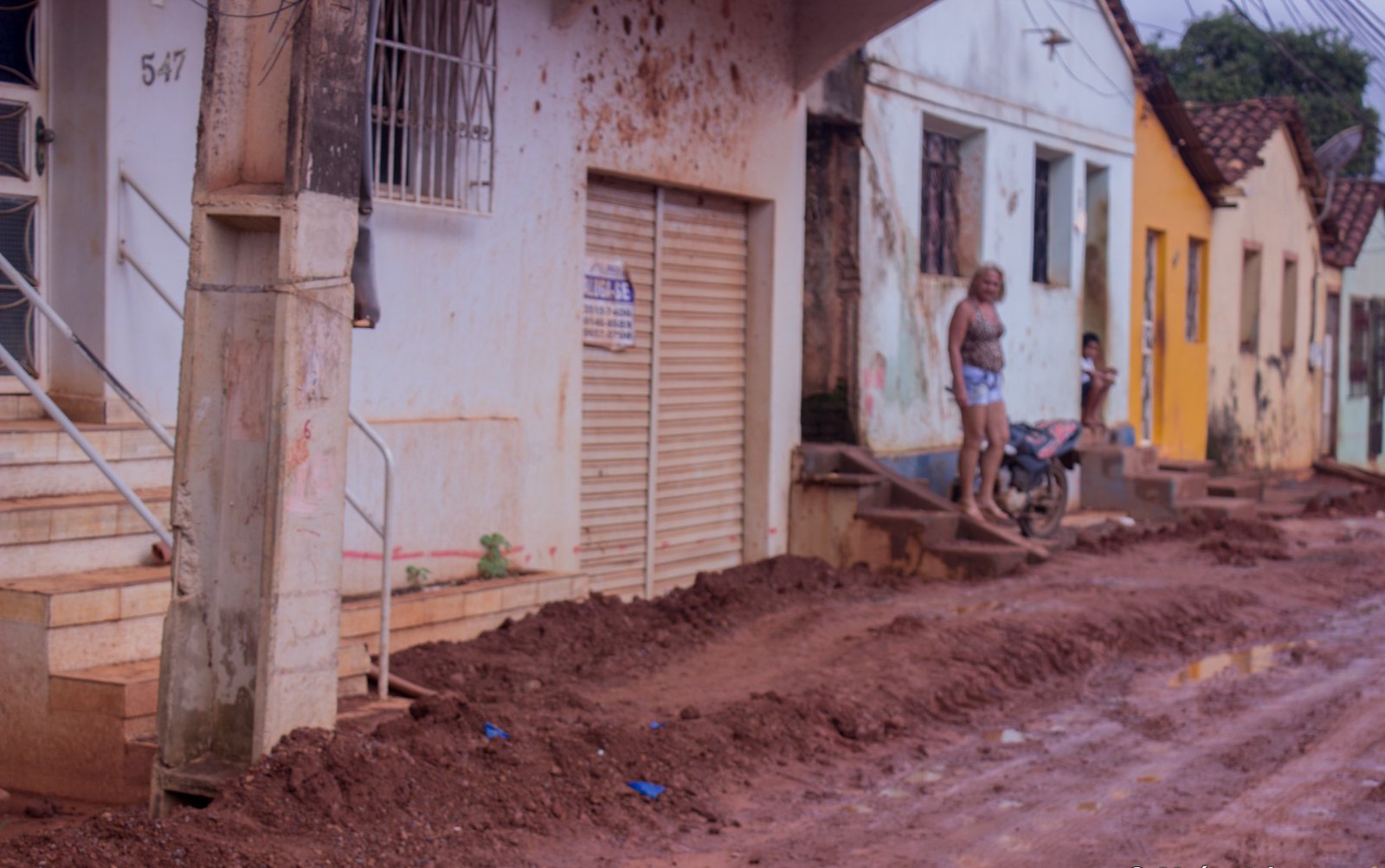
Photo: Amazon Watch / Maíra Irigaray.
Current situation
The protective measures granted by the IACHR remain in effect, but the Brazilian government has not fully complied with them, reporting only on general actions. The communities have documented the ongoing violations of their rights. The situation that prompted the request for these measures—the risk to the lives, physical integrity, and ways of life of the communities—persists and has worsened with the hydroelectric plant operating at full capacity and the recent extreme droughts in the Amazon.
In addition to the impacts of Belo Monte, there is a risk of further social and environmental impacts from the implementation of another mining megaproject in the Volta Grande do Xingu. There, the Canadian company Belo Sun plans to build Brazil’s largest open-pit gold mine.
The combined and cumulative impacts of the dam and the mine were not assessed. The government excluded Indigenous peoples, riverine and peasant communities from the project’s environmental permitting process. Despite protests by Indigenous communities and other irregularities surrounding the project, the government of Pará formally authorized the mine in April 2026.
Like other hydroelectric dams, Belo Monte exacerbates the climate emergency by generating greenhouse gas emissions in its reservoir. And it is inefficient amid the longer, more intense droughts caused by the crisis, as it loses its ability to generate power.
The case before the Inter-American Commission
In October 2017, the IACHR announced that it would rule jointly on the admissibility (whether the case meets the requirements for admission) and the merits (whether a human rights violation actually occurred) of the international complaint against the Brazilian State.
Fifteen years after the complaint was filed, the affected communities and the organizations representing them are still awaiting this decision. If the IACHR concludes that human rights violations occurred and issues recommendations that the Brazilian State fails to comply with, it may refer the case to the Inter-American Court of Human Rights, whose rulings are binding.
A potential ruling by the international court in this case would set a regional legal precedent regarding the rights of indigenous and riverine peoples, public participation in megaprojects, and state responsibility in the context of the climate crisis—a precedent that is particularly relevant in light of the Court’s Advisory Opinion No. 32, which reaffirmed the obligations of States to protect the people and communities of the continent from the climate emergency.
Partners:
Related projects
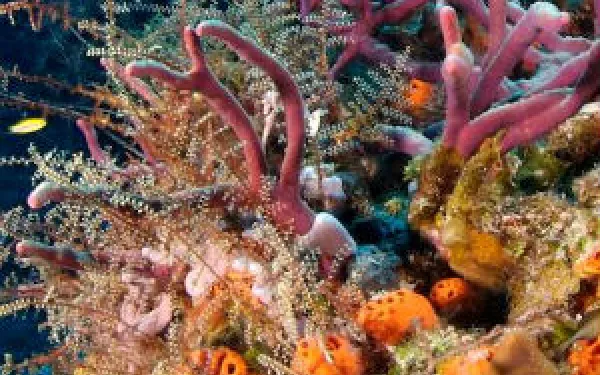
The International Coral Reef Initiative and the role of AIDA
By Sandra Moguel, legal advisor, AIDA, @sandra_moguel Made up of government representatives, scientists and civil society members, the International Coral Reef Initiative (ICRI) meets annually to discuss and make decisions on priority issues regarding the protection of international coral reefs. This year the meeting was held in Belize from October 14 to 17, hosted by ICRI Secretariat co-chairs Australia and Belize. The ICRI describes itself as an informal partnership between nations and organizations. It was created out of concern for the degradation of coral reefs, mainly as a consequence of human activities including land pollution, anchoring and more. Its objectives are to: 1) Encourage the adoption of best practices in the sustainable management of coral reefs and associated ecosystems; 2) Build capacity; and 3) Raise awareness at all levels on the plight of coral reefs around the world. Although ICRI decisions are not binding among members, they have been crucial in highlighting the important role of coral reefs and similar ecosystems in guaranteeing environmental sustainability, food security and social and cultural welfare. In its own documents, the United Nations has recognized the work and cooperation efforts of the ICRI in the international area. Much of AIDA’s work runs in parallel with the ICRI’s efforts. AIDA’s Marine Biopersity and Coastal Protection Program aims to ensure that Latin American coral reefs are legally protected and managed in a way that safeguards their biological integrity. This was reason enough for us to apply for ICRI membership so we could take part in this platform for dialogue. By participating in Belize, AIDA sought to identify opportunities to expand our work in high-priority countries and islands in the Americas. We also think it is important that the ICRI should take into account our expertise in international law and our partnerships with participating organizations. It is also key to apply a legal framework to the ICRI discussion, and there are some interesting ad hoc committees involved in the initiative that could explore this aspect. We are particularly interested in the economic value of coral reefs and similar ecosystems, a topic that also addresses the issue of compensation. Another interest is in the law enforcement committee that performs research on the assessment of the evidence and standardization of rules in different countries. Colombia, Costa Rica, Granada, Panama and the Marine Ecosystem Services Partnership (MESP) all attended the ICRI meeting in Belize as new members. Ricardo Gómez, Mexico’s representative to the ICRI, made a formal presentation of his paper entitled Regional Strategy for the Control of Invasive Lionfish in the Wider Caribbean[1]. In addition, the International Union for Conservation of Nature (IUCN) presented its paper Status and Trends of Caribbean Coral Reefs: 1970-2012, edited by Jeremy Jackson, Mary Donovan and others. The paper looks at the changing patterns in coral reefs such as overfishing, coastal pollution, global warming and invasive species. The analysis concludes that rising tourism and overfishing are the most apparent causes of coral decline over the past 40 years. Coastal pollution is undoubtedly increasing, but no specific data are available to properly estimate its effects. Global warming also is a threat, but its effect was found to be of limited importance for now in the study. As a result of the study, the delegates approved a motion to ban fish traps, spearfishing and parrotfish fishing throughout the wider Caribbean and its adjacent ecosystems, and provide economic alternatives for affected fishermen. It also prompted a proposal to increase co-management agreements between government and civil society. At the meeting the delegates also discussed a simplification and standardization for monitoring the reefs and to make the results available in a database to facilitate adaptive management. It would be accompanied by a data exchange for local managers to benefit from others’ experiences. At the closing of the event, the delegates revised the ICRI Action Plan and held a ceremony to transfer the Secretariat responsibilities to Japan and possibly Thailand, which will be in charge of the administration of the ICRI in 2014. I really enjoyed working with my colleague and friend Haydée Rodríguez, another legal advisor at AIDA, who I talk with on a daily basis even though we live in different countries. I very much enjoyed discussing the scientific and management aspects of the coral reefs with experts in the protected marine environments of different countries. Although faced with similar problems, they resolve them in different ways because the same solutions cannot always be replicated in different contexts. In my point of view, the biggest challenge the ICRI faces is financing its platform. I also think it’s important to invite new members to encourage a greater representation from the government, scientific and civil society communities. [1] ReadEl Pez León y la necesidad de combatir especies invasoras(in Spanish, 20-noviembre-2012).
Read moreBrazilian Federal Court rules for public scrutiny over BNDES loans
Unprecedented decision calls for transparency in use of taxpayer funds, critics say. Rio de Janeiro, Brazil. A federal appeals court based in Rio de Janeiro (TRF-2) has ruled that the Brazilian National Development Bank (BNDES) must publicly disclose technical reports used for justifying approval of major loans. The court decision was provoked by a lawsuit filed in 2011 by Folha de São Paulo, one of Brazil’s largest newspapers, after BNDES refused a request for access to “analytical reports” produced by bank staff to appraise loans above BRL 100 million (USD 46 million) approved between January 2008 and March 2011. The reports analyze the situation of intended borrowers, justifications for bank financing and credit risks of proposed operations. Despite its status as a public financial institution, ultimately funded by Brazilian taxpayers, BNDES has refused to publicly disclose such documents, citing federal legislation on banking secrecy (Complementary Law no. 105/2001). Last year, a federal judge in Rio de Janeiro, Dario Ribeiro Machado Junior ruled partially in favor of the Folha de São Paulo lawsuit, authorizing public disclosure of reports on BNDES loans to public enterprises, but not on operations involving private companies. The newspaper appealed the decision to the TRF-2, calling for disclosure of all documents, while BNDES also appealed, demanding that all reports on loan operations remain secret. In a 2-1 decision last week, the appeals court determined that reports on BNDES loan operations requested by the Folha de São Paulo should be made public, except for “banking and fiscal information of borrowers”. It is expected that BNDES will appeal the court’s decision. In casting her vote, Judge Carmen Silvia Lima de Arruda of TRF-2 concluded that the Folha de São Paulo possesses a Constitutional right, supported by a previous Supreme Court decision, to request public disclosure of BNDES documents that illustrate criteria for loan approval. Arruda’s decision argues that “in reality, BNDES does not publicize any data relevant to the analysis carried out by its technical departments concerning the opportunity and convenience of loans that have been contracted. The absence of publicity regarding such criteria in the operations of BNDES reveals a system of planned obscurity”. In a similar vein, fellow judge Guilherme Couto de Castro of TRF-2 voted that BNDES documents concerning its loan operations are “essential and of unquestionable public interest; there should be no impediments to the disclosure of such data”. The judge also argued that an unstated goal of BNDES, in denying public access to loan documents, is to avoid disclosure of “favors granted to the friends of the king”. Such mistrust reflects a growing controversy over a marked tendency within BNDES to favor a select group of powerful Brazilian multinational corporate actors in its lending portfolio, while failing to publicly disclose justifications for loan approval and credit risks. A particularly notorious example involves mining and oil tycoon Eike Batista, a so-called ‘national champion’ of the Lula and Rousseff administrations, that was the recipient of BRL 10.4 billion (USD 4.175 billion) in low-interest loans. Once Brazil's wealthiest individual, Batista dramatically fell from grace in 2013 when a series of high-risk business ventures failed to produce high returns promised by the billionaire causing widespread alarm that BNDES had no effective system for managing risks associated with its loans. The TRF-2 decision benefitted from a legal opinion provided by the Federal Public Prosecutors’ Office (Ministério Público Federal - MPF). In a document signed by federal prosecutor Luis Pereira Claudio Leiva, MPF argued that transparency is an essential element of BNDES’ operations, given that it is a public financial institution funded by Brazilian taxpayers that should be financing projects in the public interest. "The performance of BNDES deserves severe criticism due to its manipulation by political interests, with fuzzy criteria that reach the extreme of complacency in the face of defaults by borrowers and concessionaires," he said. “This ruling is a victory for transparency. The bank uses taxpayer money to back some of the riskiest loans in Brazil and abroad, and the costs of so many of these investments end up being shouldered by the public” said Brazilian lawyer Maíra Irigaray Castro, of Amazon Watch. “BNDES must open its books to the Brazilian public. That’s the only way to guarantee that taxpayer funds are used correctly.” In November 2011, the Brazilian Congress passed a bill on public access to information (Federal Law 12.527/2011) within the context of a voluntary multilateral initiative known as Open Government Partnership[1] which allows individuals to request information from government institutions that must be disclosed unless a clear justification can be provided on the need for confidentiality. Civil society organizations have long lobbied for transparency regarding BNDES loans in Brazil and elsewhere – claiming that the public has the right to scrutinize the bank's use of capital obtained from the country’s taxpayers. Particular attention has focused on controversial projects such as the Belo Monte mega-dam complex in the Brazilian Amazon, generously financed through a record-breaking loan package of BRL 25.5 billion (USD 11.6 billion). Despite the new legislation, BNDES has repeatedly denied requests for access to information on key aspects of its loans operations, such as analysis of social, environmental and economic risks. “This decision (of TRF-2) is a positive sign from the Brazilian judiciary that represents a small and important step for human rights protection and accountability of BNDES operations. The bank’s investments in large-scale development projects, such as Belo Monte and other large dams in the Amazon, have had serious impacts on the human rights of communities and on the environment.” said María José Veramendi from AIDA. “Belo Monte, for example, has precautionary measures from the Inter-American Commission on Human Rights because of the lack of protection of indigenous communities that are impacted.” Lack of transparency linked to deficient social and environmental safeguards In February 2012, the federal environmental agency, IBAMA, fined Norte Energia, S.A. a public-private consortium that holds the concession for the Belo Monte dam complex, a total for BRL $7 million for failing to implement required actions to mitigate the social and environmental impacts of the project, as stipulated in licenses granted in 2010 and 2011. The fine, which is under appeal at IBAMA, apparently provoked no concrete action from BNDES to address non-compliance with environmental legislation. During the implementation of BNDES-funded projects, monitoring of human rights and environmental legislation, including compliance with other specific loan conditions, has been notoriously deficient, critics say. When violations have been documented, BNDES has typically failed to take corrective action, including suspension of loan disbursements, unless environmental licenses themselves are suspended by IBAMA or court decision. According to Brent Millikan from International Rivers, suspension of environmental licenses is highly unlikely, given the high levels of political intervention within IBAMA and the judicial system. The number of civil lawsuits filed against BNDES-funded projects for violations of the rights of affected communities, labor legislation at construction sites and environmental legislation has become the focus of increasing attention in Brazil. A just-released study by investigative journals Agência Pública and O ECO identified a total of 80 lawsuits filed by state and federal Public Prosecutors against 17 of 20 large infrastructure projects financed by BNDES in the Brazilian Amazon between 2008 and 2012. According to the report, the most common motivations for lawsuits include defective environmental impact assessments, lack of prior consultations with affected communities as legally mandated, non-compliance with conditions of environmental licenses and violations of workers’ rights at dam sites, including unsafe conditions contributing to accidental deaths. The’ champion’ among infrastructure projects under litigation was Belo Monte, with 21 lawsuits filed over more than a decade. In September, the Federal Public Prosecutor`s Office (MPF) filed a lawsuit that included BNDES as a co-defendant with Norte Energia and IBAMA, citing a chronic failure to assess and mitigate impacts of Belo Monte on the Xikrin indigenous people that live near the dam site on the Xingu River. Further information Read the press release from the Ministério Público Federal on the TRF-2 decision (in Portuguese). Read the article in Folha de São Paulo on their lawsuit demanding transparency at BNDES (in Portuguese). See article on the Folha de São Paulo lawsuit against BNDES with link to the TRF-2 decision (in Portuguese). http://www.migalhas.com.br/Quentes/17,MI188278,101048-Inexiste+sigilo+bancario+em+relatorios+de+financiamento+produzidos Read the Bloomberg story “Batista Collapse Has Prosecutors at BNDES's Door”. See the article by investigative journalists on civil action lawsuits filed against BNDES-funded infrastructure projects in the Brazilian Amazon (in Portuguese). See MPF press release on new lawsuit against violations of Xikrin indigenous rights and environmental legislation at Belo Monte, including BNDES as a co-defendant (in Portuguese). [1] http://www.opengovpartnership.org/
Read moreDams, mines threaten indigenous rights: Recommendations from UN human rights expert
By Jessica Lawrence, Earthjustice's research analyst A longstanding goal of Earthjustice and the Interamerican Association for Environmental Defense (AIDA) has been to sound alarms at the United Nations, in national courtrooms and in international fora such as the Inter-American Commission on Human Rights about environmental and human rights violations associated with mines and dams. Indigenous peoples are particularly vulnerable to the harmful effects of such extractive and energy industries in their territories. Last April, Earthjustice and AIDA provided evidence of these harms, as well as recommendations about how to avoid them, to U.N. indigenous rights expert James Anaya, who recently issued a report on extractive and energy industries and indigenous peoples. Comments from Earthjustice and AIDA focused on mine closure, describing how inadequate closure, restoration or monitoring can cause severe, long-term environmental contamination that can violate indigenous and human rights. We identified steps that countries can take to prevent these problems, including enacting strong laws on pabipty of mine operators and requiring operators to provide financial guarantees to ensure adequate clean-up during and after mine closure. Such measures can help protect human rights to health, clean water and a clean environment, as well as indigenous rights to culture, food, a means of subsistence and their lands and natural resources. Anaya’s report includes a number of recommendations with environmental and health imppcations. Key recommendations include: Guaranteeing indigenous communities’ right to oppose extractive and energy projects without fear of reprisals, violence, or coercive consultations. If a government decides to proceed with a project without their consent, indigenous communities should be able to challenge that decision in court. Rigorous environmental impact assessment should be a precondition. Indigenous communities should have the opportunity to participate in these assessments, and have full access to the information gathered. Governments should ensure the objectivity of impact assessments, either through independent review or by ensuring that assessments are not controlled by the project promoters. Measures to prevent environmental impacts, particularly those that impact health or subsistence, should include monitoring with participation from the pubpc, as well as measures to address project closure. If governments and project operators followed Anaya's recommendations, it would substantially reduce the harm caused to indigenous peoples by the often shameful and irresponsible conduct of extractive and energy industries. AIDA, to which Earthjustice provides significant support, works with local communities to address human rights violations from extractive industries throughout the hemisphere, including the Barro Blanco dam in Panama, the Belo Monte dam in Brazil, the La Parota dam in Mexico, and mines in the Andean ecosystems of Colombia.
Read more