
Project
Amazon Watch / Maíra Irigaray
The Belo Monte Dam on the Xingu River: 10 years of impacts in the Amazon and the search for reparations
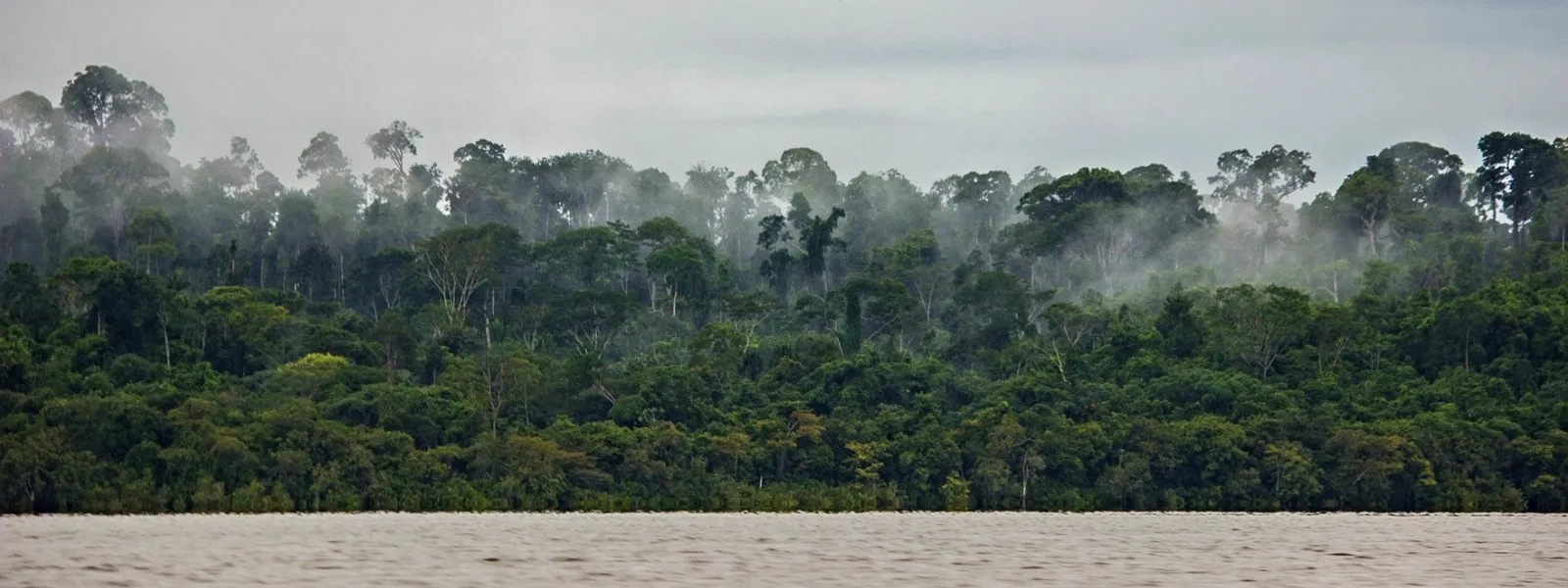
The Belo Monte Dam has caused an environmental and social disaster in the heart of the Amazon—one of the most important ecosystems on the planet.
This situation has only worsened since the hydroelectric plant began operations in 2016. The quest for justice and reparations by the affected indigenous, fishing, and riverine communities continues to this day.
In 2011, the Inter-American Commission on Human Rights (IACHR) granted them protective measures that, to date, have not been fully implemented by the Brazilian State.
Furthermore, since June of that same year, the IACHR has yet to rule on a complaint against the State regarding its international responsibility in the case.
The IACHR may refer the case to the Inter-American Court of Human Rights, which has the authority to issue a ruling condemning the Brazilian State.
After 10 years of the hydroelectric plant's operation and more than 15 years of documented human rights violations, it is time for justice to be served for the affected communities.
Read the open letter from the organizations bringing the case before the IACHR
Background
The Belo Monte hydroelectric plant—the fourth largest in the world by installed capacity (11,233 MW)—was built on the Xingu River in Pará, a state in northern Brazil.
It was inaugurated on May 5, 2016, with a single turbine. At that time, 80% of the river’s course was diverted, flooding 516 km² of land—an area larger than the city of Chicago. Of that area, 400 km² was native forest. The dam began operating at full capacity in November 2019.
Belo Monte was built and is operated by the Norte Energia S.A. consortium, which is composed primarily of state-owned companies. It was financed by the Brazilian Development Bank (BNDES), which provided the consortium with 25.4 billion reais (approximately US$10.16 billion), the largest investment in the bank’s history. Therefore, the BNDES is also legally responsible for the socio-environmental impacts associated with the hydroelectric plant.
Decades of harm to the environment and people
Human rights violations and degradation of the Amazon have been occurring since the project’s inception. In March 2011, Norte Energía began construction of the dam without adequate consultation and without the prior, free, and informed consent of the affected communities.
The construction caused the forced displacement of more than 40,000 people, severing social and cultural ties. The resettlement plan in Altamira—a city directly affected by the hydroelectric dam—involved housing units located on the outskirts, lacking adequate public services and decent living conditions for the relocated families, with no special provisions for those from indigenous communities.
Belo Monte's operations have caused a permanent, man-made drought in the Volta Grande (or "Great Bend") of the Xingu River, exacerbated by the historic droughts in the Amazon in 2023 and 2024. As a result, the deaths of millions of fish eggs were documented for four consecutive years (from 2021 to 2024), and for the past three years, there has been no upstream migration of fish to spawn and reproduce. Thus, artisanal fishing, the main source of protein for indigenous peoples and riverside communities, was severely affected: fish dropped from 50% to 30% of total protein consumed, replaced by processed foods. In summary, there was an environmental and humanitarian collapse that resulted in the breakdown of fishing as a traditional way of life, food insecurity, and access to drinking water for thousands of families, impoverishment, and disease.
Furthermore, the construction of the dam increased deforestation and intensified illegal logging and insecurity on indigenous and tribal lands, putting the survival of these communities at risk. Another consequence was the deepening of poverty and social conflicts, as well as the strain on health, education, and public safety systems in Altamira—a city ranked as the most violent in the country in 2017, where human trafficking and sexual violence increased. Violence was also reported against human rights defenders involved in the case.
In 2025, during the 30th UN Climate Change Conference (COP30), held in Brazil, the Federal Public Prosecutor’s Office labeled the damage caused by the Belo Monte dam as ecocide.
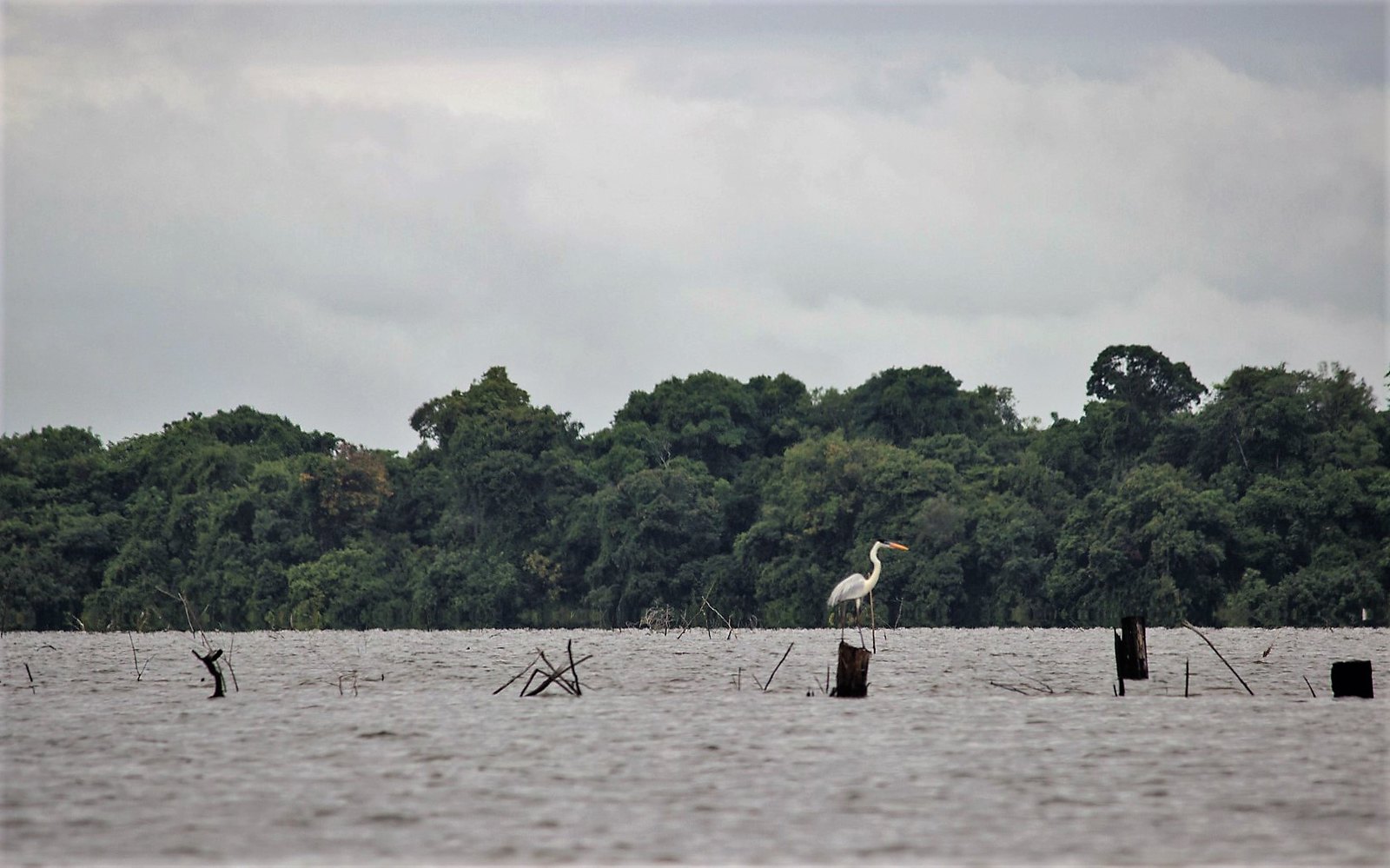
Photo: Amazon Watch / Maíra Irigaray.
The search for justice and reparations
Over the years, the Federal Public Prosecutor’s Office in Pará, the Public Defender’s Office, and civil society organizations have filed dozens of legal actions in Brazilian courts to challenge the project’s various irregularities and its impacts. Most of the claims are still pending resolution, some for more than 10 years.
These efforts have failed because the national government has repeatedly overturned rulings in favor of the affected communities by invoking a mechanism that allowed a court president to suspend a judicial decision based solely on generic arguments such as "the national interest" or "economic order."
In the absence of effective responses at the national level, AIDA, together with a coalition of partner organizations, brought the case before the Inter-American Commission on Human Rights (IACHR) and, in 2010, requested precautionary measures to protect the lives, safety, and health of the affected indigenous communities.
On April 1, 2011, the IACHR granted these measures and requested that the Brazilian government suspend environmental permits and any construction work until the conditions related to prior consultation and the protection of the health and safety of the communities are met.
And on June 16, 2011 —together with the Xingu Vivo Para Sempre Movement, the Coordinating Committee of Indigenous Organizations of the Brazilian Amazon, the Diocese of Altamira, the Indigenous Missionary Council, the Pará Society for the Defense of Human Rights and Global Justice— we filed a formal complaint against the Brazilian State for its international responsibility in the violation of the human rights of the people affected in the case. The case was opened for processing in December 2015.
On August 3, 2011, the IACHR amended the precautionary measures to request, instead of the suspension of permits and construction, the protection of people living in voluntary isolation, the health of indigenous communities, and the regularization and protection of ancestral lands.
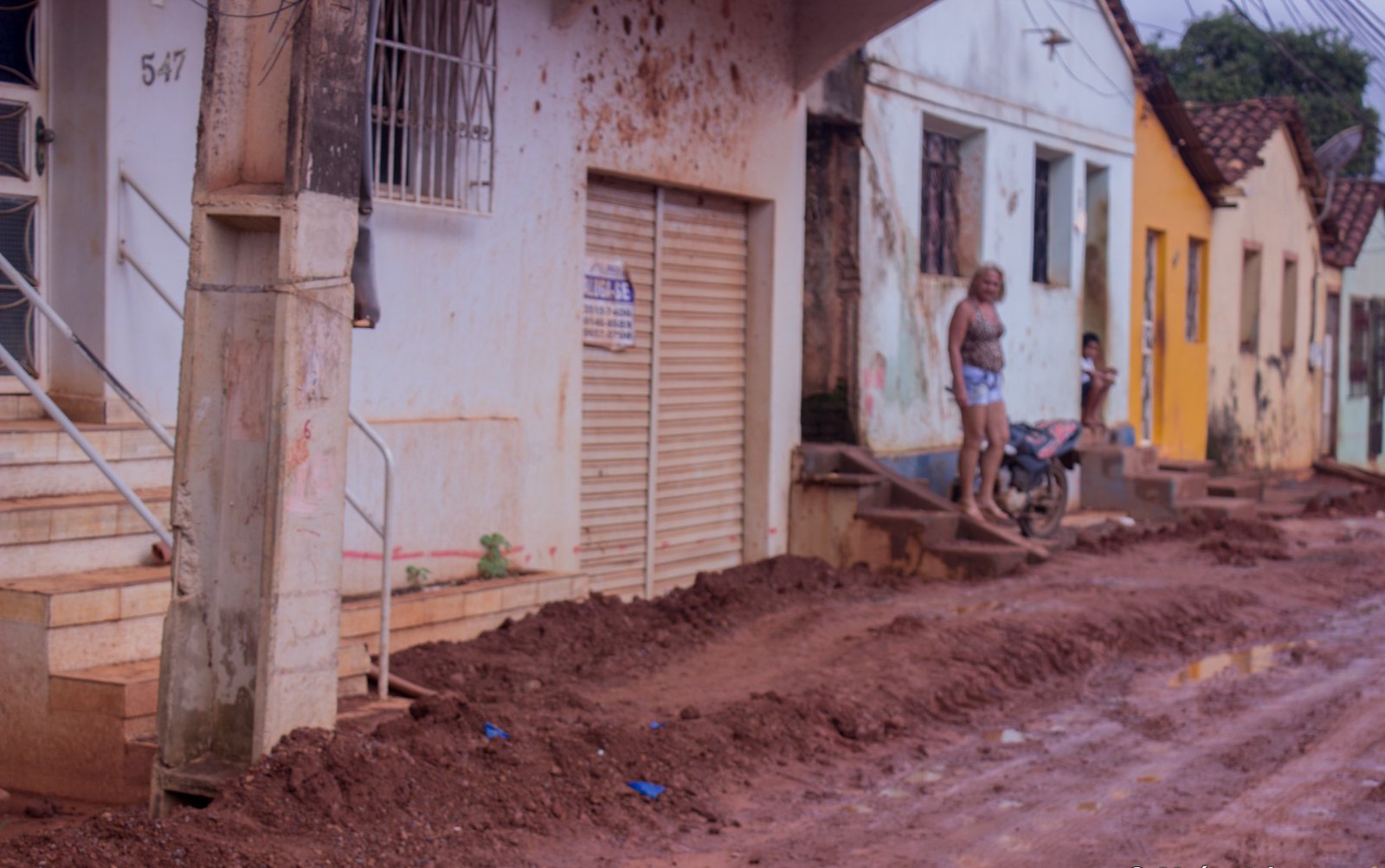
Photo: Amazon Watch / Maíra Irigaray.
Current situation
The protective measures granted by the IACHR remain in effect, but the Brazilian government has not fully complied with them, reporting only on general actions. The communities have documented the ongoing violations of their rights. The situation that prompted the request for these measures—the risk to the lives, physical integrity, and ways of life of the communities—persists and has worsened with the hydroelectric plant operating at full capacity and the recent extreme droughts in the Amazon.
In addition to the impacts of Belo Monte, there is a risk of further social and environmental impacts from the implementation of another mining megaproject in the Volta Grande do Xingu. There, the Canadian company Belo Sun plans to build Brazil’s largest open-pit gold mine.
The combined and cumulative impacts of the dam and the mine were not assessed. The government excluded Indigenous peoples, riverine and peasant communities from the project’s environmental permitting process. Despite protests by Indigenous communities and other irregularities surrounding the project, the government of Pará formally authorized the mine in April 2026.
Like other hydroelectric dams, Belo Monte exacerbates the climate emergency by generating greenhouse gas emissions in its reservoir. And it is inefficient amid the longer, more intense droughts caused by the crisis, as it loses its ability to generate power.
The case before the Inter-American Commission
In October 2017, the IACHR announced that it would rule jointly on the admissibility (whether the case meets the requirements for admission) and the merits (whether a human rights violation actually occurred) of the international complaint against the Brazilian State.
Fifteen years after the complaint was filed, the affected communities and the organizations representing them are still awaiting this decision. If the IACHR concludes that human rights violations occurred and issues recommendations that the Brazilian State fails to comply with, it may refer the case to the Inter-American Court of Human Rights, whose rulings are binding.
A potential ruling by the international court in this case would set a regional legal precedent regarding the rights of indigenous and riverine peoples, public participation in megaprojects, and state responsibility in the context of the climate crisis—a precedent that is particularly relevant in light of the Court’s Advisory Opinion No. 32, which reaffirmed the obligations of States to protect the people and communities of the continent from the climate emergency.
Partners:
Related projects
The UPOV Convention and the privatization of seeds: What’s at stake?
By Florencia Ortúzar, legal advisor, AIDA "Modern agriculture is not a system for producing food but for producing money"(Bill Mollison: Australian researcher, scientist, teacher, naturalist and the father of permaculture). Seeds are the beginning of life itself. They are the means of nature’s propagation and the building blocks of life. Patenting seeds hands their ownership rights to a select few, and this causes great resentment among many. What does all of this really mean? The UPOV: An international convention The International Union for the Protection of New Varieties of Plants (UPOV) is an intergovernmental organization whose objective is to grant intellectual property rights to “breeders.” That is, to people who have created or discovered new varieties of seeds. Some countries in the Americas have signed the UPOV Convention, which was established in Paris in 1961 and revised three times (the latest in 1991), and others are considering it. A seed needs to be considered a new variety in order to be patented. New varieties can be generated through the use of traditional techniques or genetic modification in laboratories. It is difficult to measure the possible ramifications of something so new and novel as the privatization of the life contained in a seed and, for good reason, many people are worried. The situation in Chile (and other countries): To join or not to join? Chile’s Congress is currently debating legislation known as the “Monsanto law” that, if passed, would implement the UPOV Convention and the ability to patent new seed varieties. This means that someone could alter the genetics of a native seed to become its inventor and owner. This would give them the right to sell it, charge a fee every time the seed is used, prohibit its trade in the market and draw up a contract dictating what farmers can and can’t do with the harvested product (for more information, you can listen to the interview (in Spanish) with the co-founder of the NGO Chile sin Transgénicos (Chile without Transgenics)). Proponents of the law argue that it is a necessary protection to encourage innovation in the country's agriculture sector. Concerns Making native seeds obsolete: What chance does a native seed have for survival competing against a seed that is genetically modified to be more productive and efficient? According to market rules, the “new” cultivated seeds will displace the native ones. Even worse, GM crops could easily contaminate the remaining natural varieties. Monopolies: Those with the resources to create new seeds, especially genetically modified ones, which are the most profitable, are typically the huge corporations that today dominate the production of GM foods, like Monsanto. If the seed patent system were authorized in Chile, these companies would get a free pass to take control of the country’s cropland as they have already done with great efficacy in Argentina. What is more, the most profitable companies would gain access to the country’s most arable land, expanding monoculture practices while also forcing less profitable seeds out of the market even if they are more nutritional. Seed exchange: The “Monsanto law” grants great power to the seed owner by binding the seed purchaser to a contract that controls the entire harvest and the new seeds that are generated. Traditional practices such as the propagation, sale, gift giving and exchange of seeds, customs as old as agriculture itself, would be prohibited. The law would strip farmers not only of an essential part of their job but also a key source of income: the sale of cultivated seeds. As a consequence, the farmer would lose power and identity and become a mere cog in the corporate machine. Genetically modified crops: To the benefit of big companies, we inevitably favor the entry of genetically modified foods, the products with the greatest economic return. While the adverse side effects of eating GM food are not yet officially known, it seems wise to err on the side of the precautionary principle and avoid uncontrolled testing on humans. The advent of this law would protect GM crops. Natural products, which are less economical but generally more nutritional, would be overtaken by more productive seeds. There are many reasons to treat GM foods with caution. Rather than helping to end world hunger, we have increased the use of pesticides, destroyed biopersity, caused inequality between farmers and contaminated native varieties of seeds. It also is dangerous for people’s health to live near GM crops, as has been proven in Argentina. Environmental impacts: By allowing seed monopolization, crops will become homogenized to achieve the most economic harvests. This will lead to monocultures, many of them pesticide-resistant seeds that will require the use of alarming amounts of agrochemicals. Of particular concern, a lack of persity means crops become less resilient and adaptable to environmental changes, including those associated with global warming (You can read here (in Spanish) an article about the problems Argentina is experiencing with the expansion of GM soy monoculture). Unforeseeable risks: If a country drastically changes its agricultural system, the risks are difficult to predict. It is possible that a company could incite a plague that would force desperate farmers its new seed that is resistant to the plague. Another risk is that farmers could be unfairly penalized for using patented seeds, especially if farmers have not been properly educated about the new legislation. Could farmers face lawsuits, convictions and the burning and seizure of their crops? Conclusion The implementation of the UPOV Convention threatens to drastically change an essential part of the natural cycle. The most dangerous aspect is that the global initiative is attracting more followers. It does not seem fair that a person can pay a fee for a seed that should never really be the creation of a person. Although the “breeder” could have changed a gene, it should not give him the right to copyright and control the rest of the seed’s genetic information. In Europe, only two countries have permitted the entry of GM crops. Chile has enormous potential to produce organic crops, and it could position itself successfully in the European market. But the Chilean authorities haven’t considered this as a possibility. The approval of the patent law on new seeds favors multinational seed monopolies, and this would allow the entry of GM crops that would displace and contaminate original varieties without the possibility of turning back. On the contrary, Peru recently passed a law banning the import and production of GM crops for 10 years. This is a good example to follow.
Read more
Declaration of Civil Society Organizations that Participated in the First Regional Forum on Business and Human Rights in Latin America and the Caribbean
The organizations signing the declaration regret that " the Forum was far from a plural confluence of diverse actors. In the seven panels that made up the two days of the event, 47 people participated, of which only 10% came from communities affected by business activities or human rights NGOs that work with such communities." Therefore, organizations "respectfully but emphatically call on the Working Group, the Human Rights Council, and the international community to correct the aforementioned problems and guarantee the adequate participation of civil society and groups of affected peoples, both in form as well as content, in the Second Global Forum on Business and Human Rights, which will take place in Geneva on December 2-4, 2013".
Read more
Virtual water: What we do not see
By Haydée Rodríguez, legal advisor, AIDA We live in an era of virtual creations. We have virtual reality, universities and conferences and even virtual pets. It’s no surprise then that the term “virtual water” is used more and more. But what does it mean and what’s it got to do with our everyday lives? Virtual water is defined as the quantity of water needed to create a certain product. This estimate takes into account the volume of water consumed and contaminated in the different stages of the manufaccturing process. The United Nations estimates our daily water requirement is 2 to 4 liters per person. But it takes 2,000 to 5,000 liters to make the food that one person needs every day. The Virtual Water Project has made estimates of the virtual water needed to make many of the products we consume daily. You can even download an application to do the calculations on your mobile phone. Here are a few numbers that caught my attention: 15,000 liters of water are needed to produce 1 kg of meat. 8,000 liters of water are needed for a pair of jeans. 1,000 liters of water are needed for 1 liter of milk. 2,500 liters of water are needed for 500 g of cheese. 25 liters of water are needed for 1 potato. 3,600 liters of water for 1 kg of rice. 109 liters of water for 1 glass of wine (125 ml). Our water footprint The virtual water calculation allows us to measure our water footprint as well. The water footprint of an inpidual, business or country is the sum total of the virtual water used in making every product and service. On a per-country basis, the calculation includes the water used for domestic and industrial purposes as well as the water used in foreign countries to produce the goods and services imported and consumed by the country's inhabitants. The map above shows the water footprint by country on a world scale (you can check out the data of every country here). It is interesting to note that developed countries like Canada that have a high level of manufacturing and imports also have a very high water footprint. Even so, according to the United Nations water availability map, not all the countries listed suffer water shortages. In general, this is becuase many products requiring high levels of water are imported and not manufactured locally, thus generating greater pressure in countries suffering from water stress: high water demand with low availability due to shortage or pollution. You can also calculate the water footprint of inpiduals taking into account social characteristics and consumption patterns. If you want to calculate yours, you can enter your data on this link. Virtual water, real action Being aware of the concepts of virtual water and water footprint is important for promoting the need for more information and transparency regarding what we consume. That makes it possible for us to change our habits and choose more sustainable products with low virtual water content. We can always ask ourselves what's behind the scenes for the pair of jeans we want to buy but may not need. Both concepts are essential for designing any strategy for protecting water and reducing the impact on aquatic ecosystems. Countries should consider the virtual water content of imported and exported products in their water resources management plans. There is still much to learn in this field. The virtual water coming from aquifers or páramos can have a higher value and impact on populations and associated ecosystems than surface waters. To have a better idea of the pressure we put on water resources we should incorporate the economic value of the environmental services offered by the difference sources into the calculation of virtual water. Virtual water is a tool we can use to understand the impact we have on natural resources. Even beyond what we can see, water is present in all our activities and decisions. By taking action to protect our water resources and making informed decisions, we can guarantee the human right of access to water for many people around the world.
Read more