

Project
Amazon Watch / Maíra Irigaray
The Belo Monte Dam on the Xingu River: 10 years of impacts in the Amazon and the search for reparations
The Belo Monte Dam has caused an environmental and social disaster in the heart of the Amazon—one of the most important ecosystems on the planet.
This situation has only worsened since the hydroelectric plant began operations in 2016. The quest for justice and reparations by the affected indigenous, fishing, and riverine communities continues to this day.
In 2011, the Inter-American Commission on Human Rights (IACHR) granted them protective measures that, to date, have not been fully implemented by the Brazilian State.
Furthermore, since June of that same year, the IACHR has yet to rule on a complaint against the State regarding its international responsibility in the case.
The IACHR may refer the case to the Inter-American Court of Human Rights, which has the authority to issue a ruling condemning the Brazilian State.
After 10 years of the hydroelectric plant's operation and more than 15 years of documented human rights violations, it is time for justice to be served for the affected communities.
Read the open letter from the organizations bringing the case before the IACHR
Background
The Belo Monte hydroelectric plant—the fourth largest in the world by installed capacity (11,233 MW)—was built on the Xingu River in Pará, a state in northern Brazil.
It was inaugurated on May 5, 2016, with a single turbine. At that time, 80% of the river’s course was diverted, flooding 516 km² of land—an area larger than the city of Chicago. Of that area, 400 km² was native forest. The dam began operating at full capacity in November 2019.
Belo Monte was built and is operated by the Norte Energia S.A. consortium, which is composed primarily of state-owned companies. It was financed by the Brazilian Development Bank (BNDES), which provided the consortium with 25.4 billion reais (approximately US$10.16 billion), the largest investment in the bank’s history. Therefore, the BNDES is also legally responsible for the socio-environmental impacts associated with the hydroelectric plant.
Decades of harm to the environment and people
Human rights violations and degradation of the Amazon have been occurring since the project’s inception. In March 2011, Norte Energía began construction of the dam without adequate consultation and without the prior, free, and informed consent of the affected communities.
The construction caused the forced displacement of more than 40,000 people, severing social and cultural ties. The resettlement plan in Altamira—a city directly affected by the hydroelectric dam—involved housing units located on the outskirts, lacking adequate public services and decent living conditions for the relocated families, with no special provisions for those from indigenous communities.
Belo Monte's operations have caused a permanent, man-made drought in the Volta Grande (or "Great Bend") of the Xingu River, exacerbated by the historic droughts in the Amazon in 2023 and 2024. As a result, the deaths of millions of fish eggs were documented for four consecutive years (from 2021 to 2024), and for the past three years, there has been no upstream migration of fish to spawn and reproduce. Thus, artisanal fishing, the main source of protein for indigenous peoples and riverside communities, was severely affected: fish dropped from 50% to 30% of total protein consumed, replaced by processed foods. In summary, there was an environmental and humanitarian collapse that resulted in the breakdown of fishing as a traditional way of life, food insecurity, and access to drinking water for thousands of families, impoverishment, and disease.
Furthermore, the construction of the dam increased deforestation and intensified illegal logging and insecurity on indigenous and tribal lands, putting the survival of these communities at risk. Another consequence was the deepening of poverty and social conflicts, as well as the strain on health, education, and public safety systems in Altamira—a city ranked as the most violent in the country in 2017, where human trafficking and sexual violence increased. Violence was also reported against human rights defenders involved in the case.
In 2025, during the 30th UN Climate Change Conference (COP30), held in Brazil, the Federal Public Prosecutor’s Office labeled the damage caused by the Belo Monte dam as ecocide.
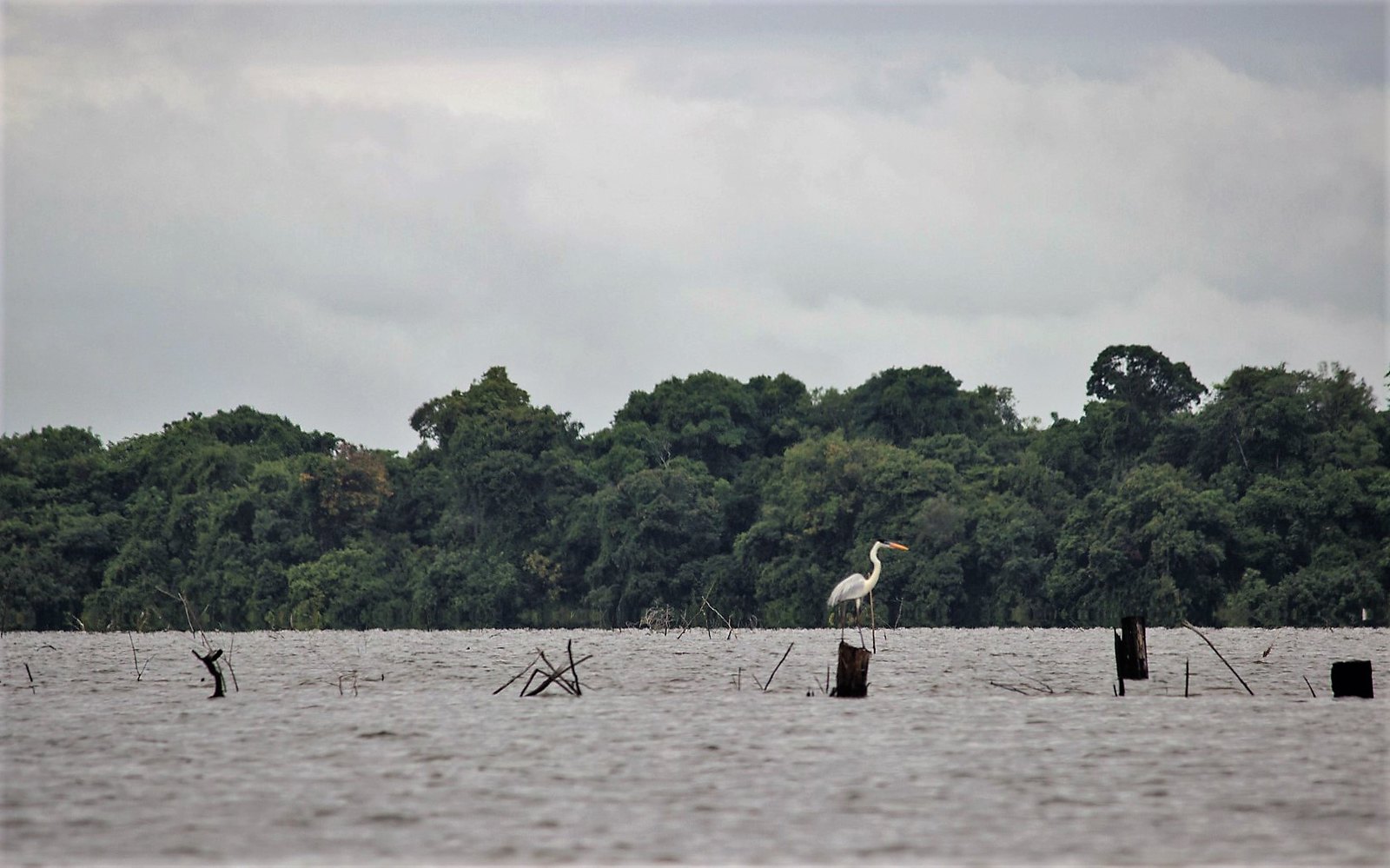
Photo: Amazon Watch / Maíra Irigaray.
The search for justice and reparations
Over the years, the Federal Public Prosecutor’s Office in Pará, the Public Defender’s Office, and civil society organizations have filed dozens of legal actions in Brazilian courts to challenge the project’s various irregularities and its impacts. Most of the claims are still pending resolution, some for more than 10 years.
These efforts have failed because the national government has repeatedly overturned rulings in favor of the affected communities by invoking a mechanism that allowed a court president to suspend a judicial decision based solely on generic arguments such as "the national interest" or "economic order."
In the absence of effective responses at the national level, AIDA, together with a coalition of partner organizations, brought the case before the Inter-American Commission on Human Rights (IACHR) and, in 2010, requested precautionary measures to protect the lives, safety, and health of the affected indigenous communities.
On April 1, 2011, the IACHR granted these measures and requested that the Brazilian government suspend environmental permits and any construction work until the conditions related to prior consultation and the protection of the health and safety of the communities are met.
And on June 16, 2011 —together with the Xingu Vivo Para Sempre Movement, the Coordinating Committee of Indigenous Organizations of the Brazilian Amazon, the Diocese of Altamira, the Indigenous Missionary Council, the Pará Society for the Defense of Human Rights and Global Justice— we filed a formal complaint against the Brazilian State for its international responsibility in the violation of the human rights of the people affected in the case. The case was opened for processing in December 2015.
On August 3, 2011, the IACHR amended the precautionary measures to request, instead of the suspension of permits and construction, the protection of people living in voluntary isolation, the health of indigenous communities, and the regularization and protection of ancestral lands.
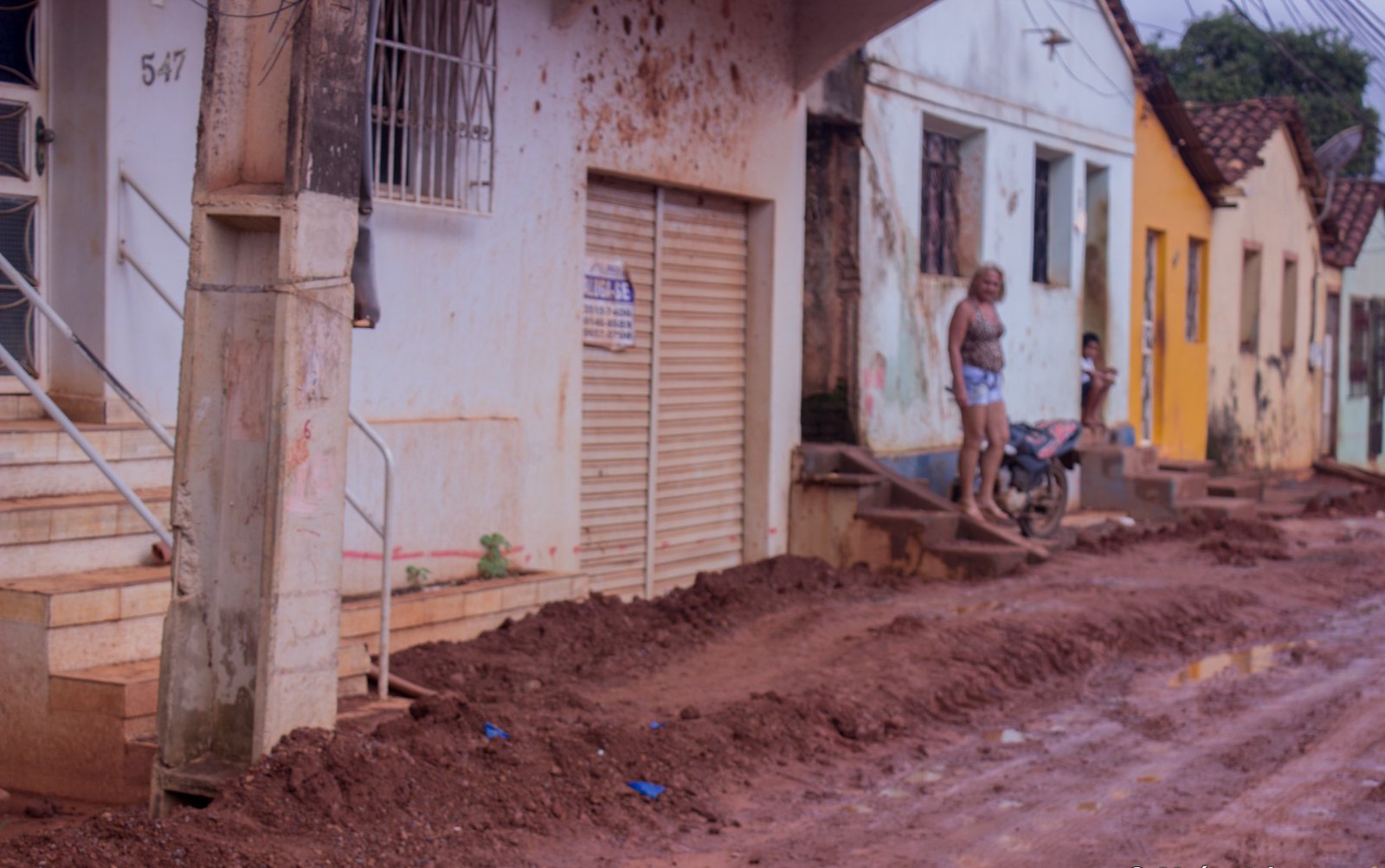
Photo: Amazon Watch / Maíra Irigaray.
Current situation
The protective measures granted by the IACHR remain in effect, but the Brazilian government has not fully complied with them, reporting only on general actions. The communities have documented the ongoing violations of their rights. The situation that prompted the request for these measures—the risk to the lives, physical integrity, and ways of life of the communities—persists and has worsened with the hydroelectric plant operating at full capacity and the recent extreme droughts in the Amazon.
In addition to the impacts of Belo Monte, there is a risk of further social and environmental impacts from the implementation of another mining megaproject in the Volta Grande do Xingu. There, the Canadian company Belo Sun plans to build Brazil’s largest open-pit gold mine.
The combined and cumulative impacts of the dam and the mine were not assessed. The government excluded Indigenous peoples, riverine and peasant communities from the project’s environmental permitting process. Despite protests by Indigenous communities and other irregularities surrounding the project, the government of Pará formally authorized the mine in April 2026.
Like other hydroelectric dams, Belo Monte exacerbates the climate emergency by generating greenhouse gas emissions in its reservoir. And it is inefficient amid the longer, more intense droughts caused by the crisis, as it loses its ability to generate power.
The case before the Inter-American Commission
In October 2017, the IACHR announced that it would rule jointly on the admissibility (whether the case meets the requirements for admission) and the merits (whether a human rights violation actually occurred) of the international complaint against the Brazilian State.
Fifteen years after the complaint was filed, the affected communities and the organizations representing them are still awaiting this decision. If the IACHR concludes that human rights violations occurred and issues recommendations that the Brazilian State fails to comply with, it may refer the case to the Inter-American Court of Human Rights, whose rulings are binding.
A potential ruling by the international court in this case would set a regional legal precedent regarding the rights of indigenous and riverine peoples, public participation in megaprojects, and state responsibility in the context of the climate crisis—a precedent that is particularly relevant in light of the Court’s Advisory Opinion No. 32, which reaffirmed the obligations of States to protect the people and communities of the continent from the climate emergency.
Partners:
Related projects
Andisols: Vitally important and vulnerable soils
Have you ever heard of Andisols? They are a vitally important building block for ecosystems in the Americas including Andean forests and high-altitude wetlands known as páramos, not to mention the cultivation of food. In this post, I’ll explain more about these soils and why it’s crucial to protect them. The Food and Agriculture Organization of the United Nations (FAO) defines Andisols as a type of volcanic black soil typically found in mountainous regions. Andisols occupy roughly 1% of the world’s land surface area, primarily in the Ring of Fire, a string of volcanoes and active tectonic hotspots along the edges of the Pacific Ocean. The ring runs through Chile, Ecuador, Mexico, Japan, Indonesia, New Zealand and other countries, with among the world’s greatest amount of Andisols found in Colombia. Andisols are an essential tool for agriculture and can be used to cultivate sugarcane, tobacco, potatoes, tea, vegetables, wheat, rice and other crops. These soils also sustain fragile ecosystems in the Andes mountains from forests to páramos, helping to provide essential nutrients and regulate the water cycle. In short, Andisols play a vital role in Colombia’s natural landscape. On the world stage, the protection of Andisols is equally important to sustain the food requirements of an increasing global population. By 2050 there will be some nine billion people, and, according to the FAO, to feed them we will need to produce “another one billion tons of cereals and 200 million tons of livestock products per year.” Right now, soil conservation, the protection of ecosystems and sustainable food production are merely transcendental topics for humanity. A rational and respectful use of soils is strategically important. In 2050, a hungry person will not be able to eat banknotes, electronic devices, cars, gold bullion or gasoline. We will face a serious problem if no fertile soil is left for food cultivation. Already today millions of people that go hungry due to unequal food distribution. FAO data from 2011 shows that “almost one billion people are undernourished, particularly in Sub-Saharan Africa (239 million) and Asia (578 million).” While Andisols play a critical role in food production and ecological health, the development of extractive industries – primarily energy and mining – are causing serious negative impacts on these rich soils in Colombia. Public policies must be put in place to regulate and guarantee environmentally sustainable management of these essential soils because the country’s food security and sovereignty depend on them, as does the conservation of mountain ecosystems. To properly protect Andisols, we need to implement a legal framework to ensure they are used in a responsible and environmentally sustainable way for food production and that they are protected from harmful extractive industries. The FAO World Soil Charter of 1982 provides the following guidance to the world’s governments, including Colombia’s: “Develop a policy for wise land use according to land suitability for different types of utilization and the needs of the country.” Regardless of any directives from the United Nations or whatever other international organization, Colombia’s future rests in our own hands. We need to think about how we can guarantee our viability, survival and, of course, our food. We must also consider how to fulfill our responsibility of caring for a country with an incredible wealth of biopersity, from flora and fauna to water supplies and Andisols.
Read more
Costa Rica, Panama and Mexico: Lots of tourism, little sustainability
By Sandra Moguel, legal advisor, AIDA, @sandra_moguel Sun and sand tourism is one of the fastest growing economic sectors in the Americas. Indeed, an increasing number of foreigners, mostly Americans and Canadians, are opting to retire to beaches in Latin America. Mass tourism is having a negative impact on the region’s coasts and oceans. In this post, I’ll talk about what’s happening in Costa Rica, Panama and Mexico. Ecotourism and social problems Since the late 1980s, Costa Rica has become known for promoting a successful ecotourism industry. Leisure travel is now the country’s leading foreign exchange earner. According to official data, international tourism increased sixfold and the gross income it generated shot up twelvefold between 1986 and 2005. Thanks to ecotourism, Costa Rica nets over USD $1,000 per tourist today. But it’s not all icing on the cake. Despite its sustainable tourism fame, Costa Rica has fallen into the temptation of building massive resorts that feature “all-inclusive” services and end up causing a number of social problems. When mass tourism is prioritized, the results are mass displacements of people from their homes, unequal wealth distribution and a shortage of public services like energy supplies and garbage collection. Local populations also face a loss of identity, greater competition for resources like clean water and access to the beach, not to mention environmental damages. Panama Bay Like Costa Rica, Panama is not without its problems. The country’s environmental and tourism policies undermine the rights of indigenous communities and harm the environment. Demonstrating the power and determination of the tourism industry, a group of developers seeking to build mega-resorts in the protected area of Panama Bay have filed several lawsuits questioning the legality of a decree declaring the protected status of this ecosystem. In 2012, AIDA worked with its Panamanian partners to defend the bay, which so far has maintained its protected status. Mexico and competitive tourism In 2011, 22.3 million foreign tourists visited Mexico, contributing USD$1.18 billion to the economy, according to the United Nations World Tourism Organization (UNWTO). Mexico was ranked 43rd in the world for its potential to attract new tourism investment in 2011, according to the World Economic Forum’s Travel & Tourism Competitiveness Report. Under the leadership of Felipe Calderón, who served as president between 2006 and 2012, efforts were made to raise Mexico’s profile as a global tourism destination and policies were implemented to create a more sustainable and competitive tourism industry. Despite the start of these policies and the approval of the General Tourism Law, Mexico’s plan to boost tourism numbers is wanting. For example, the law doesn’t have regulations that detail the new figures it has created, nor does it provide legal certainty to investors or the local communities about their involvement in making decisions about where they live. Research on Mexico’s tourism industry has found that authorities are failing in their responsibility to protect the environment. In its report Alternative Development Models and Good Practices for Sustainable Coastal Tourism: A Framework for Decision Makers in Mexico, The Center for Responsible Travel (CREST) found the country’s chief tourism bodies, the Secretary of Tourism (SEMARNAT) and the National Tourism Development Fund (FONATUR), in many cases did not follow international best practices for sustainable tourism, approving resorts that have caused social and environmental damage including in the use of energy generated from the burning of fossil fuels. The destruction of mangroves, wetlands and coral reefs not only negatively affect Mexico’s competitiveness as a tourist destination, but these bad practices also demonstrate that the country is failing to meet its international obligation to reduce greenhouse gas emissions to combat climate change. For these reasons AIDA and Earthjustice, working as partners to represent 11 civil society organizations, submitted a citizen petition to the Commission for Environmental Cooperation (CEC). In the petition, we denounced the Mexican government for not properly implementing its environmental legislation to evaluate the environmental impacts of planned mega resorts on the Gulf of California. This suggests that the government may have skirted important safeguards in order to attract more investment to the country, and thereby creating – possibly unfairly – competition with its trade partners, the United States and Canada. In large-scale tourism, local communities are generally not properly consulted during the planning stages of mega resorts and their development model. The WTO Global Code of Ethics for Tourism states that tourism professionals, particularly investors, “should deliver, with the greatest transparency and objectivity, information on their future programs and their foreseeable repercussions and foster dialogue on their contents with the populations concerned.” Mass tourism developments typically bring with them new hydropower plants, highways, airports and other major infrastructure projects. These do not necessarily favor the interests of local communities. In Resolution XI.7, the Ramsar Convention, an international treaty that protects wetlands of international importance and of which Mexico, Panama and Costa Rica are signatories, it is stressed that there is a need to implement closer collaboration between the tourism and conservation sectors and the rational use of the wetlands in order to maximize and sustain the long-term benefits derived from the expertise of each sector. It is worth noting Ramsar’s proposal because it shows the inconsistencies between environmental and tourism policies. An example of successful environmental and tourism management is Argentina, where the two sectors complement each other through close coordination. The country’s National Parks Administration (APN) is a public body that functions under the aegis of the Ministry of Tourism. The infrastructure of bathrooms, visitor centers, signage and marked pathways reflects the sustainability of the business plan and management of tourism sites. There still is a great deal of work to be done to achieve sustainable tourism in Latin America. Great strides can be made if we strengthen tourism and environmental policies and establish methodologies for public consultation that foster community involvement.
Read moreGroups support challenge to dam project in Panama for violating indigenous rights
Amicus brief highlights unlawful consultation process. Mexico City, Mexico – Civil society organizations filed an amicus brief yesterday in Panama’s Supreme Court of Justice in support of a challenge by indigenous people to the environmental review of the Barro Blanco hydroelectric dam. Supporting a lawsuit filed by the Environmental Advocacy Center, Panamá (CIAM), the Interamerican Association for Environmental Defense (AIDA), the Center for International Environmental Law (CIEL) and Earthjustice argue that the Panamanian government violated international law by approving the project without adequately consulting or obtaining the free, prior and informed consent of the affected Ngӓbe-Buglé indigenous peoples, and without adequately reviewing the environmental impacts to their lands. “Our lands and natural resources are the most important aspects of our culture, and we wish to thank the international organizations that are supporting our struggle to protect them,” said Goejet Miranda, President of a Ngäbe community movement to defend the Tabasará River from development projects. Once completed, the dam is projected to flood homes and religious, archaeological and cultural sites in the Ngӓbe-Buglé territories. The Barro Blanco dam will transform the Tabasará River from a vibrant source of food and water into a stagnant lake ecosystem, and will lead to the forced relocation of several families. Following a visit with indigenous communities in Panama last month, U.N. Special Rapporteur on the Rights of Indigenous Peoples James Anaya concluded that the government should have ensured adequate consultation with the Ngäbe people before authorizing the project. “Indigenous people have special protections under international law,” said CIEL senior attorney Alyssa Johl. “And in the case of Barro Blanco, Panama violated international law by ignoring the Ngäbe peoples’ rights to consultation and to free, prior and informed consent, which require states to ensure that indigenous peoples are actively engaged in, and take ownership of, decisions that affect their lives and livelihoods.” The amicus supports CIAM’s lawsuit seeking to nullify the resolution that approved the project’s environmental impact assessment (EIA) and to suspend construction of the dam until an adequate EIA has been conducted. “Given Panama’s international human rights obligations,” explained AIDAsenior attorney María José Veramendi, “we expect that the Court will rule in favor of the affected Ngäbe people, strengthening the protection of indigenous communities with respect to development projects in Panamá and contributing to the development of a strong and coherent jurisprudence on the issues of human rights and the environment in the region.” The Barro Blanco project has also received criticism related to its registration under the Clean Development Mechanism (CDM), a carbon-offsetting scheme established under the Kyoto Protocol. In theory, the CDM – with its dual objectives of reducing carbon emissions and achieving sustainable development – could be a valuable tool in the fight against climate change. However, among other problems, the CDM fails to ensure that its projects do not violate human rights. “Mechanisms to address climate change should do more than provide economic benefit for the companies developing the projects,” said Earthjustice attorney Abby Rubinson. “They must ensure protection of human rights and equitable solutions on the ground.” For more information view the amicus brief here.
Read more