
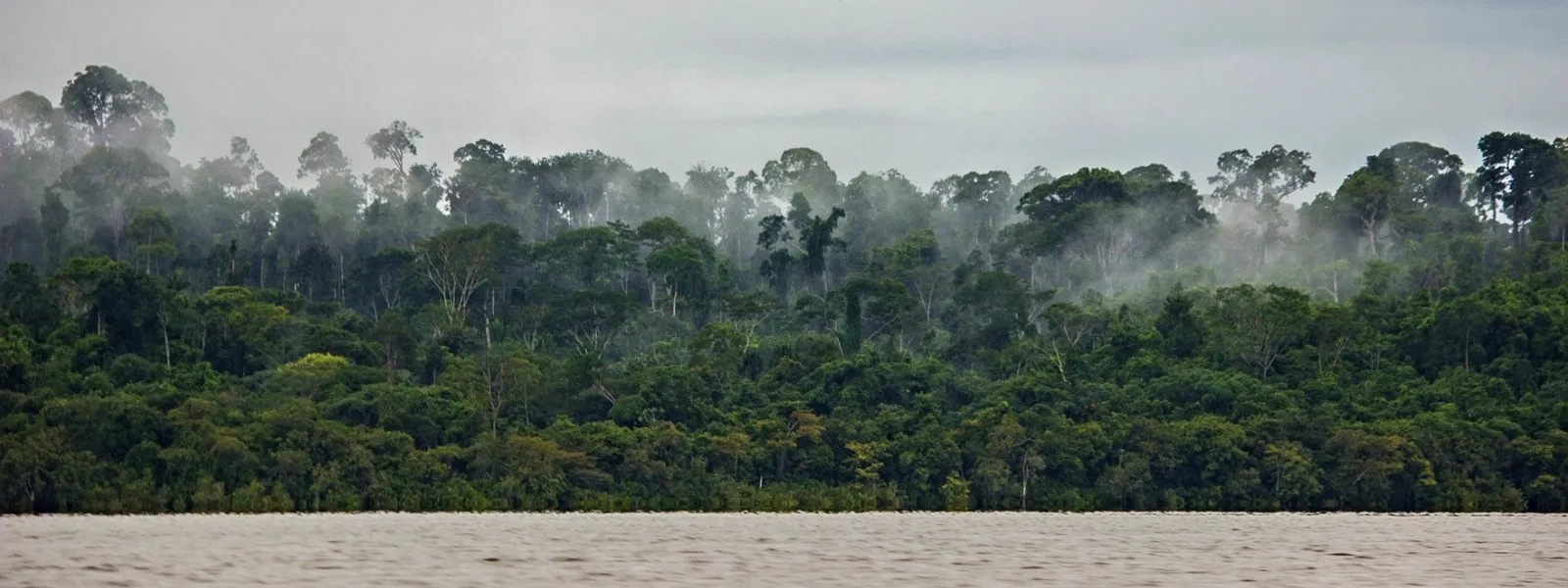
Project
Amazon Watch / Maíra Irigaray
The Belo Monte Dam on the Xingu River: 10 years of impacts in the Amazon and the search for reparations
The Belo Monte Dam has caused an environmental and social disaster in the heart of the Amazon—one of the most important ecosystems on the planet.
This situation has only worsened since the hydroelectric plant began operations in 2016. The quest for justice and reparations by the affected indigenous, fishing, and riverine communities continues to this day.
In 2011, the Inter-American Commission on Human Rights (IACHR) granted them protective measures that, to date, have not been fully implemented by the Brazilian State.
Furthermore, since June of that same year, the IACHR has yet to rule on a complaint against the State regarding its international responsibility in the case.
The IACHR may refer the case to the Inter-American Court of Human Rights, which has the authority to issue a ruling condemning the Brazilian State.
After 10 years of the hydroelectric plant's operation and more than 15 years of documented human rights violations, it is time for justice to be served for the affected communities.
Read the open letter from the organizations bringing the case before the IACHR
Background
The Belo Monte hydroelectric plant—the fourth largest in the world by installed capacity (11,233 MW)—was built on the Xingu River in Pará, a state in northern Brazil.
It was inaugurated on May 5, 2016, with a single turbine. At that time, 80% of the river’s course was diverted, flooding 516 km² of land—an area larger than the city of Chicago. Of that area, 400 km² was native forest. The dam began operating at full capacity in November 2019.
Belo Monte was built and is operated by the Norte Energia S.A. consortium, which is composed primarily of state-owned companies. It was financed by the Brazilian Development Bank (BNDES), which provided the consortium with 25.4 billion reais (approximately US$10.16 billion), the largest investment in the bank’s history. Therefore, the BNDES is also legally responsible for the socio-environmental impacts associated with the hydroelectric plant.
Decades of harm to the environment and people
Human rights violations and degradation of the Amazon have been occurring since the project’s inception. In March 2011, Norte Energía began construction of the dam without adequate consultation and without the prior, free, and informed consent of the affected communities.
The construction caused the forced displacement of more than 40,000 people, severing social and cultural ties. The resettlement plan in Altamira—a city directly affected by the hydroelectric dam—involved housing units located on the outskirts, lacking adequate public services and decent living conditions for the relocated families, with no special provisions for those from indigenous communities.
Belo Monte's operations have caused a permanent, man-made drought in the Volta Grande (or "Great Bend") of the Xingu River, exacerbated by the historic droughts in the Amazon in 2023 and 2024. As a result, the deaths of millions of fish eggs were documented for four consecutive years (from 2021 to 2024), and for the past three years, there has been no upstream migration of fish to spawn and reproduce. Thus, artisanal fishing, the main source of protein for indigenous peoples and riverside communities, was severely affected: fish dropped from 50% to 30% of total protein consumed, replaced by processed foods. In summary, there was an environmental and humanitarian collapse that resulted in the breakdown of fishing as a traditional way of life, food insecurity, and access to drinking water for thousands of families, impoverishment, and disease.
Furthermore, the construction of the dam increased deforestation and intensified illegal logging and insecurity on indigenous and tribal lands, putting the survival of these communities at risk. Another consequence was the deepening of poverty and social conflicts, as well as the strain on health, education, and public safety systems in Altamira—a city ranked as the most violent in the country in 2017, where human trafficking and sexual violence increased. Violence was also reported against human rights defenders involved in the case.
In 2025, during the 30th UN Climate Change Conference (COP30), held in Brazil, the Federal Public Prosecutor’s Office labeled the damage caused by the Belo Monte dam as ecocide.
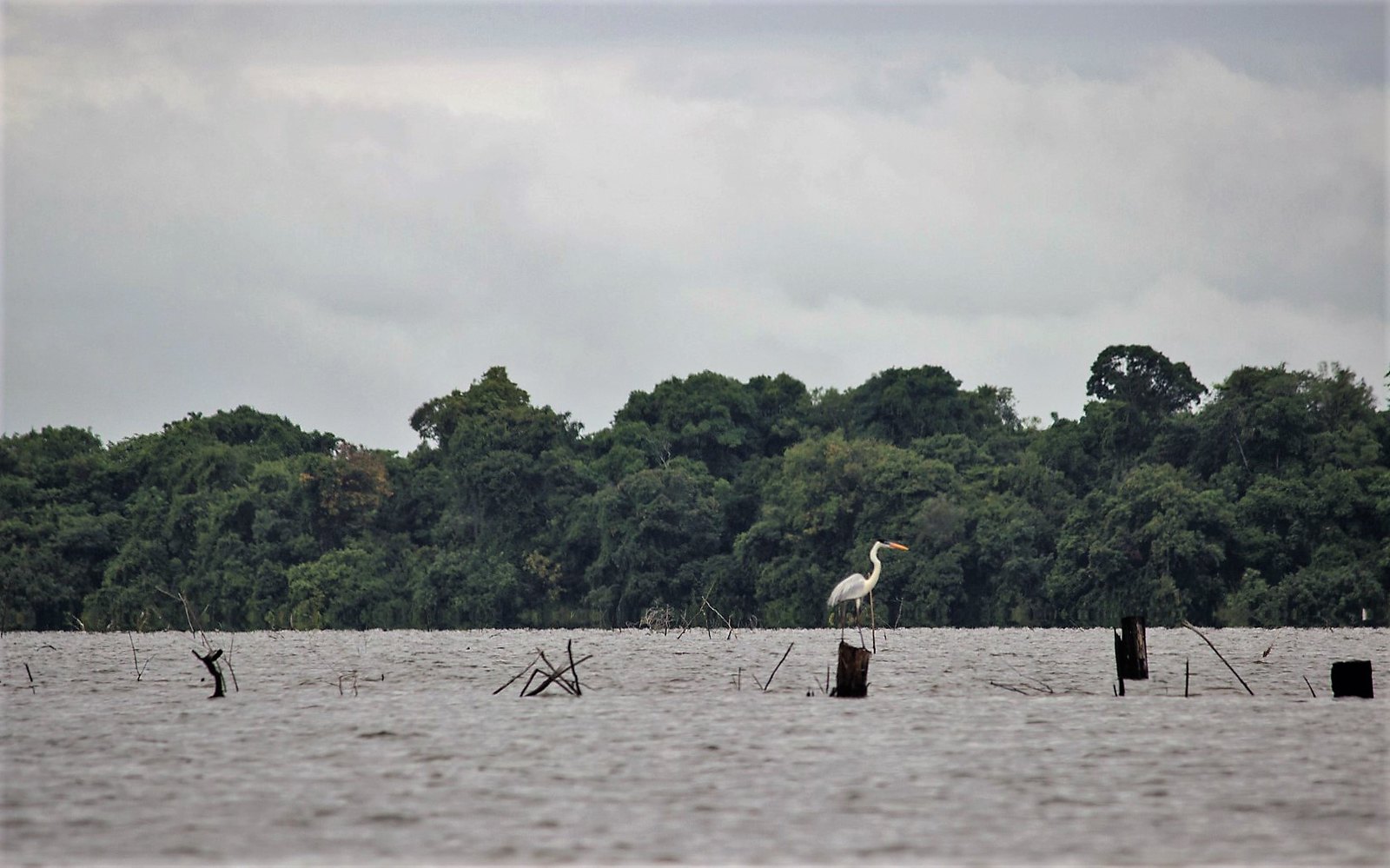
Photo: Amazon Watch / Maíra Irigaray.
The search for justice and reparations
Over the years, the Federal Public Prosecutor’s Office in Pará, the Public Defender’s Office, and civil society organizations have filed dozens of legal actions in Brazilian courts to challenge the project’s various irregularities and its impacts. Most of the claims are still pending resolution, some for more than 10 years.
These efforts have failed because the national government has repeatedly overturned rulings in favor of the affected communities by invoking a mechanism that allowed a court president to suspend a judicial decision based solely on generic arguments such as "the national interest" or "economic order."
In the absence of effective responses at the national level, AIDA, together with a coalition of partner organizations, brought the case before the Inter-American Commission on Human Rights (IACHR) and, in 2010, requested precautionary measures to protect the lives, safety, and health of the affected indigenous communities.
On April 1, 2011, the IACHR granted these measures and requested that the Brazilian government suspend environmental permits and any construction work until the conditions related to prior consultation and the protection of the health and safety of the communities are met.
And on June 16, 2011 —together with the Xingu Vivo Para Sempre Movement, the Coordinating Committee of Indigenous Organizations of the Brazilian Amazon, the Diocese of Altamira, the Indigenous Missionary Council, the Pará Society for the Defense of Human Rights and Global Justice— we filed a formal complaint against the Brazilian State for its international responsibility in the violation of the human rights of the people affected in the case. The case was opened for processing in December 2015.
On August 3, 2011, the IACHR amended the precautionary measures to request, instead of the suspension of permits and construction, the protection of people living in voluntary isolation, the health of indigenous communities, and the regularization and protection of ancestral lands.
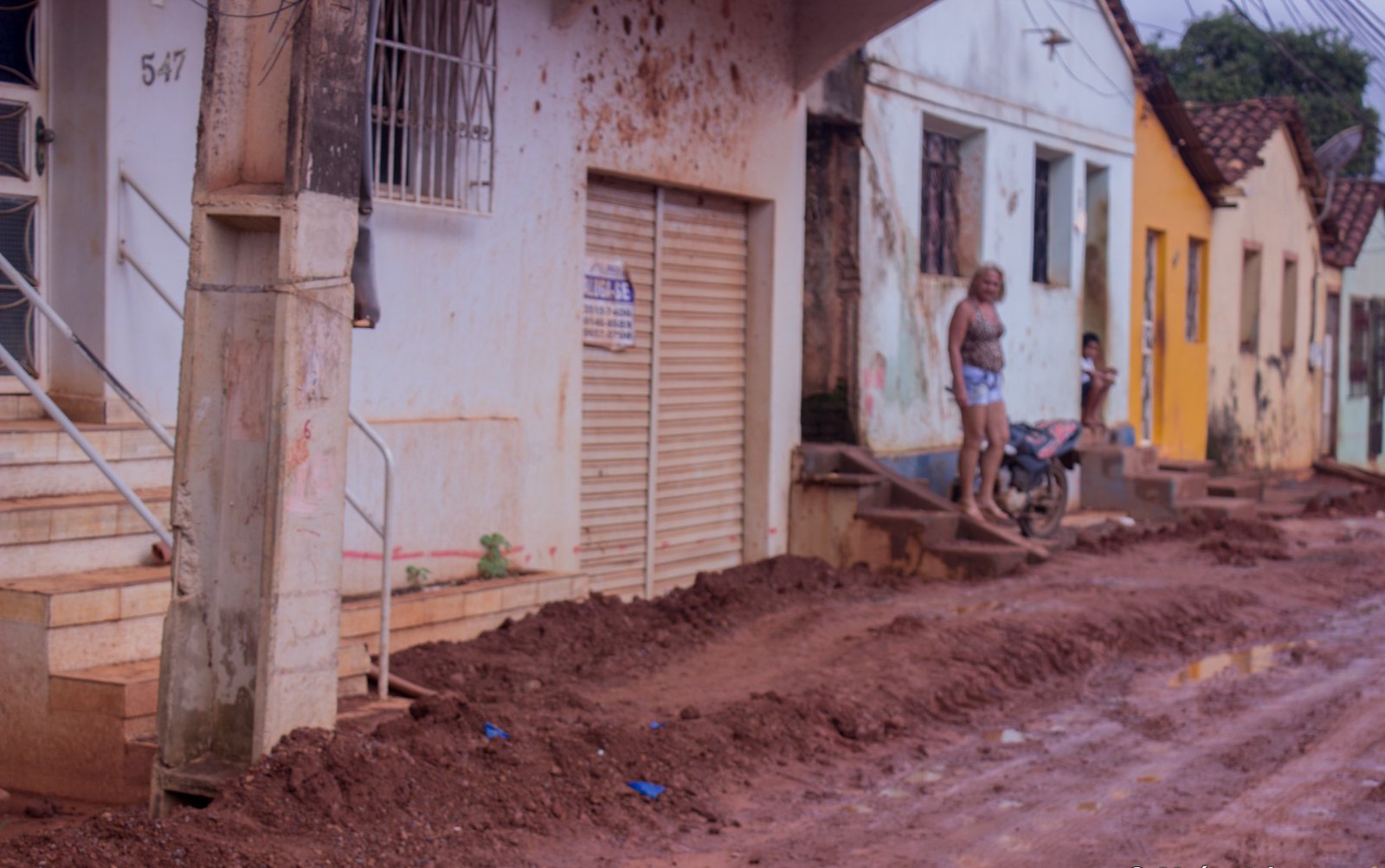
Photo: Amazon Watch / Maíra Irigaray.
Current situation
The protective measures granted by the IACHR remain in effect, but the Brazilian government has not fully complied with them, reporting only on general actions. The communities have documented the ongoing violations of their rights. The situation that prompted the request for these measures—the risk to the lives, physical integrity, and ways of life of the communities—persists and has worsened with the hydroelectric plant operating at full capacity and the recent extreme droughts in the Amazon.
In addition to the impacts of Belo Monte, there is a risk of further social and environmental impacts from the implementation of another mining megaproject in the Volta Grande do Xingu. There, the Canadian company Belo Sun plans to build Brazil’s largest open-pit gold mine.
The combined and cumulative impacts of the dam and the mine were not assessed. The government excluded Indigenous peoples, riverine and peasant communities from the project’s environmental permitting process. Despite protests by Indigenous communities and other irregularities surrounding the project, the government of Pará formally authorized the mine in April 2026.
Like other hydroelectric dams, Belo Monte exacerbates the climate emergency by generating greenhouse gas emissions in its reservoir. And it is inefficient amid the longer, more intense droughts caused by the crisis, as it loses its ability to generate power.
The case before the Inter-American Commission
In October 2017, the IACHR announced that it would rule jointly on the admissibility (whether the case meets the requirements for admission) and the merits (whether a human rights violation actually occurred) of the international complaint against the Brazilian State.
Fifteen years after the complaint was filed, the affected communities and the organizations representing them are still awaiting this decision. If the IACHR concludes that human rights violations occurred and issues recommendations that the Brazilian State fails to comply with, it may refer the case to the Inter-American Court of Human Rights, whose rulings are binding.
A potential ruling by the international court in this case would set a regional legal precedent regarding the rights of indigenous and riverine peoples, public participation in megaprojects, and state responsibility in the context of the climate crisis—a precedent that is particularly relevant in light of the Court’s Advisory Opinion No. 32, which reaffirmed the obligations of States to protect the people and communities of the continent from the climate emergency.
Partners:
Related projects
An evaluation of the OAS General Assembly and its relationship to the environment
By Astrid Puentes Riaño, co-executive director, AIDA, @astridpuentes The first week of June every year, the General Assembly of the Organization of American States (OAS) – made up of the foreign affairs ministers of its 34 member states – meets to discuss and address the hemisphere’s priority issues. For 2013, the central theme was: “For a comprehensive policy against the world drug problem in the Americas.” The city of Antigua, Guatemala hosted the June 4-6 event. In addition to the central theme, relevant administrative issues were addressed such as the election of commissioners to the Inter-American Commission on Human Rights (IACHR) and the approval of two conventions against discrimination and in favor of tolerance. This year, as in 2012, I had the honor of attending the assembly as a civil society observer. My objectives this year were: 1) to monitor the process of “strengthening” the Inter-American System of Human Rights (IASHR) which ended at the extraordinary assembly last March, and 2) to participate in the process of including an environmental focus in the debate on drug policy by contributing AIDA’s experience in monitoring the programs to eradicate coca and opium poppies in Colombia (1999-2007). These are my conclusions on the event from four different angles: What turned out well J The Assembly Declaration on the need to evaluate the so far failed drug policy: The states recognized the policy’s negative impacts on both the environment and human rights as well as the importance of taking them into consideration in future solution initiatives. The "Inter-American Convention against Racism, Racial Discrimination, and Related Forms of Intolerance" and "Inter-American Convention against All Forms of Discrimination and Intolerance" were adopted and opened for signature. We hope both conventions are ratified, upheld and implemented by all of the states in order to eradicate actions that threaten the dignity and life of any person. The culmination of the process of “strengthening” the IASHR that started in 2011: As regards this issue, I will limit my comments to recalling that far from strengthening the system, the proposals from certain states threatened to weaken it (please see my previous post). In March, important reforms to the IACHR were agreed on and will be applied beginning in August. Although those changes were not in force, certain states sought additional ones. Given that a state of constant reforms is destined for failure, it was positive that for the moment the states did not agree to make new revisions to the IACHR or to the Inter-American Court of Human Rights. Another positive element was the frank and open dialogue (though at times difficult) held by the states, IACHR, the Inter-American Court, civil society and other system users. There were many issues that remained outstanding, but the important thing is to strengthen dialogue in which the users of the IASHR and interested parties can participate effectively, and in which the real protection of human rights is the only guide. With regard to the election of the IACHR commissioners, the six candidates presented their proposals on May 1 in a forum held by the Permanent Council. Despite the inappropriateness of the chosen date – the hemisphere (excepting the northern part) was celebrating International Workers’ Day (also known as May Day), we listened to the candidates (all men this time) and learned about their perspectives regarding the IACHR. This should be a systematic practice in all OAS elections. What I did not like The lack of clarity and interruptions in spaces assigned to civil society: I recognize that progress has been made toward the greater and more significant participation of this sector in the OAS even though the mechanisms are still far from being perfect. Two examples in the assembly in Antigua, which we hope do not recur in the future, illustrate this: 1. During the civil society dialogue with Mr. José Miguel Insulza, secretary-general of the OAS, one state representative took the floor. Regardless of the subject of this intervention, this goes against the definition of the space, which is open only to the OAS secretary and civil society delegates. This is a point that requires immediate improvement. 2. In the dialogue between civil society and the foreign secretaries, the situation became complex. It is customary that, due to the short amount of time available for interventions (a total of 20 minutes this time), the organizations decide beforehand the issues and speakers. On this occasion, a group of organizations insisted on taking the floor even though their issue had not been chosen. Despite this, one additional person was given the floor without previous coordination or agreement. Although this was an attempt to air the perspectives of a diverse group, as is civil society, it opened the possibility of delegitimizing the efforts of hundreds of organizations to organize ourselves, if you’ll pardon the repetition. In addition, this incident brings with it the risk that organizations or individuals whose issues have not been selected by the rest but who are close to the foreign ministries may participate more than others. What was left pending… Obtaining greater participation from other sectors of civil society such as indigenous peoples, campesinos and Afro-Descendants. Nevertheless, in contrast to the past, this time there was a greater presence of the latter group, which represents a positive step. Providing continuity to the urgency of getting the states to renew and demonstrate their will to comply with IASHR decisions. This issue, I feel, is the white elephant in the room. Although that is a part of the recommendations of the Working Group that the states themselves developed in order to “strengthen” the System, none of them have mentioned the matter again and it is not included in the resolution that put an end to the process even though it is fundamental for truly strengthening the System. This assembly unfortunately demonstrated yet again the lack of transparency in the selection of the commissioners. Despite the redeemable elements of the forum mentioned above, each country’s participatory and transparent selection processes were absent. During the assembly, the traditional mechanism was once again applied in which each state nominates and campaigns for its own candidate. This lends itself to the diplomatic negotiation of votes that in the end are secret, thereby reducing the accountability to which we all have a right to with regard to those who govern us. The best part ☼ Without a doubt, the venue: Antigua. The people are incredibly friendly. It is a very pretty city that with great reason was declared a World Heritage Site by UNESCO. It is full of gorgeous little corners, colonial architecture and houses with balconies and gardens. Imposing mountains surround it – among them, Volcán de Agua [Water Volcano], at only 3½ kilometers from the city. I was able to enjoy a perfect and inspirational view on the mornings when I ran very early to clear my mind and stay abreast of the important, though a bit slow for my taste, discussions. The opportunity to share closely with respected individuals such as María José, my colleague at AIDA, and colleagues from organizations from throughout the region with whom it was a pleasure to meet again. The foregoing is my view of the recent OAS General Assembly. I would enjoy hearing your comments in agreement or disagreement with what I have said.
Read moreWorld Bank investment in Eco Oro Minerals in Colombia to be audited
Decision supports complainants’ arguments that the International Financial Corporation did not adequately evaluate the environmental and social impacts of company’s project in Colombia. Washington/Bogota/Ottawa. The Compliance Advisor Ombudsman (CAO), the independent complaints office of the International Financial Corporation (IFC), will carry out an audit of the IFC’s decision to purchase US$18.2 million in shares of Eco Oro Minerals (previously Greystar Resources). The Canadian company is proposing to develop the Angostura gold mine project in the high altitude wetlands – known as páramos – of Santurbán, located in the Colombian departments of Santander and North Santander. The decision comes in response to a complaint presented in June 2012 by the Committee for the Defense of Water and Páramo of Santurbán with support from the Interamerican Association for Environmental Defense (AIDA), the Center for International Environmental Law (CIEL) and MiningWatch Canada. The complainants argue that the investment did not comply with the social and environmental sustainability policies of the IFC, an arm of the World Bank Group. “We welcome the decision of the CAO to move forward with an audit. This adds to our arguments regarding the unviability of the Angostura project in Santurbán,” stated Miguel Ramos lawyer and member of the Committee for the Defense of Water and Páramo of Santurbán. “If the CAO concludes that the project fails to comply and will not comply with the standards, the IFC should sell its shares in the company.” The IFC recognized that páramo, high altitude wetlands, provide fresh water and habitat for endemic species and species in danger of extinction, such as the Andean bear and the Andean condor. They are also essential ecosystems for climate change mitigation. Colombian and international law prohibit mining in páramos. As a result, in May 2011, the Colombian Ministry of the Environment denied Eco Oro’s petition for an environmental license for the project, initially designed as an open-pit mine and now proposed as an underground operation. “Whether this project is designed as an open-pit or underground mine, we believe that it will cause irreparable damages to an ecosystem that is essential for Colombia and for the region given its high biodiversity, importance to mitigate climate change and as a source of fresh water for two million people,” said Astrid Puentes, Co-Executive Director of AIDA. “It should simply not be implemented.” The CAO’s investigation will focus on whether the evaluation of social and environmental risks was adequate, particularly considering the long-term and cumulative risks. “The IFC invested in order to stimulate the mining sector in Colombia without necessary information about potential impacts, whether of Eco Oro’s project or of the development of a mining district in the area of Santurbán, which has been affected by the armed conflict and where some 70,000 hectares have been concessioned to various companies since Eco Oro arrived,” remarked Jen Moore, Latin American Program Coordinator for MiningWatch Canada. “The decision reveals an irresponsible and unmanageable policy.” The CAO’s decision comes two weeks after it similarly decided to carry out an audit of a copper mine in Peru. In this latter case, the IFC bought shares in the project at an early phase in the project without evaluating the impacts. “From our perspective, by continuing with these sorts of investments, the IFC would fail to comply with its standards. It’s a highly worrisome trend,” concluded Kris Genovese, Senior Attorney at CIEL. The organizations that presented the complaint hope that the result of the CAO’s investigation will be comprehensive and will fundamentally question the current policy of the IFC to stimulate large scale mining through acquisition of equity holdings in exploration mining companies, known as junior firms. See a pdf version of the CAO’s report.
Read moreUN Representative on Indigenous Peoples asked to investigate human rights violations caused by Panama’s Barro Blanco dam
Washington, DC, United States. A total of 12 civil society organizations urged the United Nations (UN) Special Rapporteur on the Rights of Indigenous Peoples, James Anaya, to conduct a formal investigation into the human rights impacts of the Barro Blanco dam located on the Tabasará River in Panama. The Panamanian and international organizations also asked Mr. Anaya to call on the government of Panama to immediately halt the dam’s construction until the threats to the rights of the indigenous Ngӓbe people affected by the project have been fully addressed. The Barro Blanco controversy received special attention at the UN climate talks held last week in Bonn, Germany, because the project is registered under the Clean Development Mechanism (CDM), a carbon offsetting scheme established under the Kyoto Protocol. “The Barro Blanco dam will directly affect Ngӓbe people, yet we were not even consulted about the project before it was approved,” said Weni Bagama, an indigenous Ngӓbe leader of the Movimiento 10 de Abril, a community-based movement defending the Tabasará River from development projects. In September 2012, the UN Development Programme (UNDP) conducted a fact-finding mission at the project site and interviewed Ngäbe community members about projected impacts. UNDP’s assessment report confirmed that the dam will flood homes and religious, historical and cultural sites in the Ngӓbe-Buglé territory. The report further documented the project’s impacts, including that the dam will convert the flowing Tabasará River into a stagnant lake ecosystem, affecting the Ngäbe’s diet and means of subsistence. “Despite proof that the dam will have grave impacts on the Ngӓbe way of life and cultural heritage, the construction of the dam continues,” added Ms. Bagama. “We urge Mr. Anaya to investigate the situation and do all he can to protect the rights of the indigenous peoples affected by this project.” “The public forum where the project was discussed was held as a community meeting without a clear notification of its true objective, and there was no representation from the affected indigenous communities,” said Tania Arosemena, Legal Director of the Environmental Advocacy Center, Panama (CIAM by its Spanish initials). “The consultation process did not comply with the minimum standards demanded by national and international law on this matter.” CIAM filed a lawsuit in 2011 on behalf of members of the Ngäbe communities, who challenge the approval of the project’s environmental impact assessment. That suit is pending. Several of the organizations that wrote to Mr. Anaya also raised the Barro Blanco case at the UN climate talks in Bonn last week. “The Barro Blanco project illustrates an urgent need for reform within the CDM,” said Alyssa Johl, senior attorney at the Center for International Environmental Law (CIEL). “Once a project has been registered under the CDM, affected communities have no means to voice their concerns regarding the project’s social and environmental impacts. The UN climate regime must establish a process that allows communities to seek recourse for the harms associated with CDM projects, as well as a process to deregister projects where there are clear violations of CDM rules as in the case of Barro Blanco.” “Given the CDM’s lack of a complaint procedure and the Panamanian government’s failure to protect the Ngäbe’s rights, the communities need Mr. Anaya’s support,” said Abby Rubinson, associate attorney in Earthjustice’s International Program. “We appreciate Mr. Anaya’s past efforts to engage the Panamanian government to respond to the Ngäbe’s concerns, and we ask him to continue to play this much-needed role to prevent further violations.” The Panamanian non-governmental organizations (NGOs) that signed the letter to Mr. Anaya were CIAM, Movimiento 10 de Abril, and Asociación Ambientalista de Chiriquí. CIEL, Earthjustice, Inter-American Association for Environmental Defense (AIDA), International Rivers, Carbon Market Watch, Both ENDS, Collective Voices for Peace, Salva la Selva and Marin Interfaith Task Force on the Americas comprised the international groups that signed the letter to Mr. Anaya.
Read more