
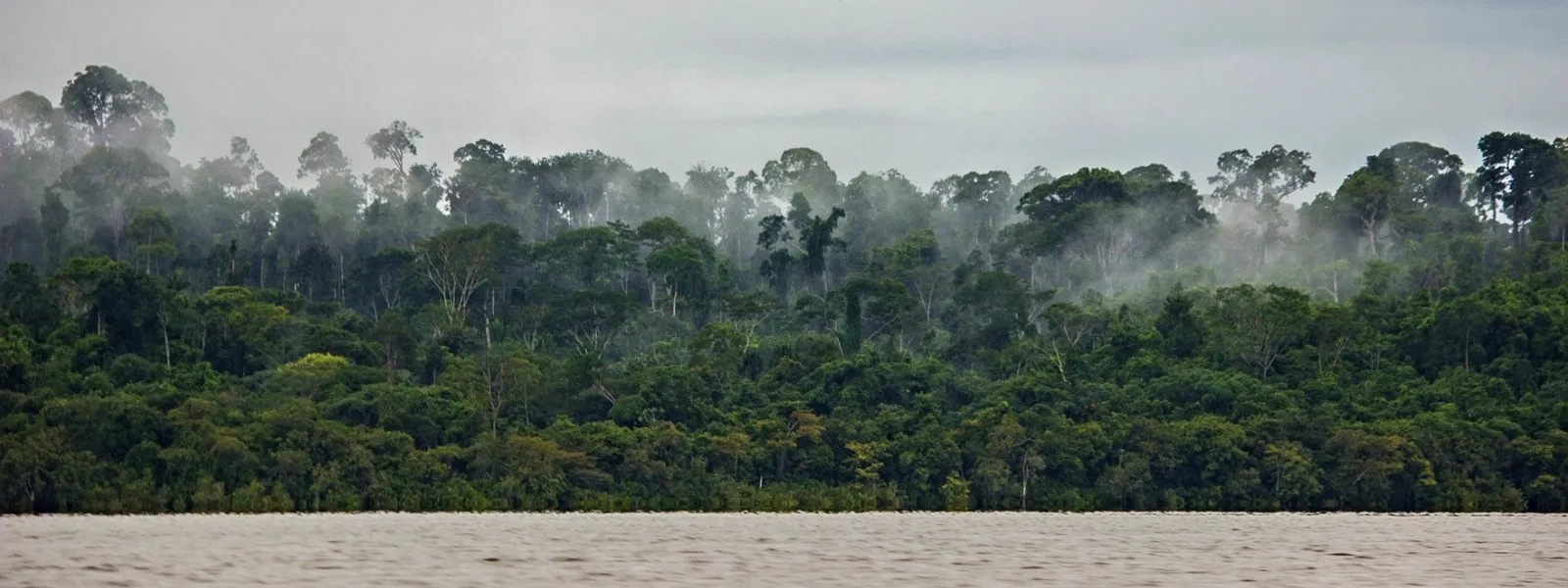
Project
Amazon Watch / Maíra Irigaray
The Belo Monte Dam on the Xingu River: 10 years of impacts in the Amazon and the search for reparations
The Belo Monte Dam has caused an environmental and social disaster in the heart of the Amazon—one of the most important ecosystems on the planet.
This situation has only worsened since the hydroelectric plant began operations in 2016. The quest for justice and reparations by the affected indigenous, fishing, and riverine communities continues to this day.
In 2011, the Inter-American Commission on Human Rights (IACHR) granted them protective measures that, to date, have not been fully implemented by the Brazilian State.
Furthermore, since June of that same year, the IACHR has yet to rule on a complaint against the State regarding its international responsibility in the case.
The IACHR may refer the case to the Inter-American Court of Human Rights, which has the authority to issue a ruling condemning the Brazilian State.
After 10 years of the hydroelectric plant's operation and more than 15 years of documented human rights violations, it is time for justice to be served for the affected communities.
Read the open letter from the organizations bringing the case before the IACHR
Background
The Belo Monte hydroelectric plant—the fourth largest in the world by installed capacity (11,233 MW)—was built on the Xingu River in Pará, a state in northern Brazil.
It was inaugurated on May 5, 2016, with a single turbine. At that time, 80% of the river’s course was diverted, flooding 516 km² of land—an area larger than the city of Chicago. Of that area, 400 km² was native forest. The dam began operating at full capacity in November 2019.
Belo Monte was built and is operated by the Norte Energia S.A. consortium, which is composed primarily of state-owned companies. It was financed by the Brazilian Development Bank (BNDES), which provided the consortium with 25.4 billion reais (approximately US$10.16 billion), the largest investment in the bank’s history. Therefore, the BNDES is also legally responsible for the socio-environmental impacts associated with the hydroelectric plant.
Decades of harm to the environment and people
Human rights violations and degradation of the Amazon have been occurring since the project’s inception. In March 2011, Norte Energía began construction of the dam without adequate consultation and without the prior, free, and informed consent of the affected communities.
The construction caused the forced displacement of more than 40,000 people, severing social and cultural ties. The resettlement plan in Altamira—a city directly affected by the hydroelectric dam—involved housing units located on the outskirts, lacking adequate public services and decent living conditions for the relocated families, with no special provisions for those from indigenous communities.
Belo Monte's operations have caused a permanent, man-made drought in the Volta Grande (or "Great Bend") of the Xingu River, exacerbated by the historic droughts in the Amazon in 2023 and 2024. As a result, the deaths of millions of fish eggs were documented for four consecutive years (from 2021 to 2024), and for the past three years, there has been no upstream migration of fish to spawn and reproduce. Thus, artisanal fishing, the main source of protein for indigenous peoples and riverside communities, was severely affected: fish dropped from 50% to 30% of total protein consumed, replaced by processed foods. In summary, there was an environmental and humanitarian collapse that resulted in the breakdown of fishing as a traditional way of life, food insecurity, and access to drinking water for thousands of families, impoverishment, and disease.
Furthermore, the construction of the dam increased deforestation and intensified illegal logging and insecurity on indigenous and tribal lands, putting the survival of these communities at risk. Another consequence was the deepening of poverty and social conflicts, as well as the strain on health, education, and public safety systems in Altamira—a city ranked as the most violent in the country in 2017, where human trafficking and sexual violence increased. Violence was also reported against human rights defenders involved in the case.
In 2025, during the 30th UN Climate Change Conference (COP30), held in Brazil, the Federal Public Prosecutor’s Office labeled the damage caused by the Belo Monte dam as ecocide.
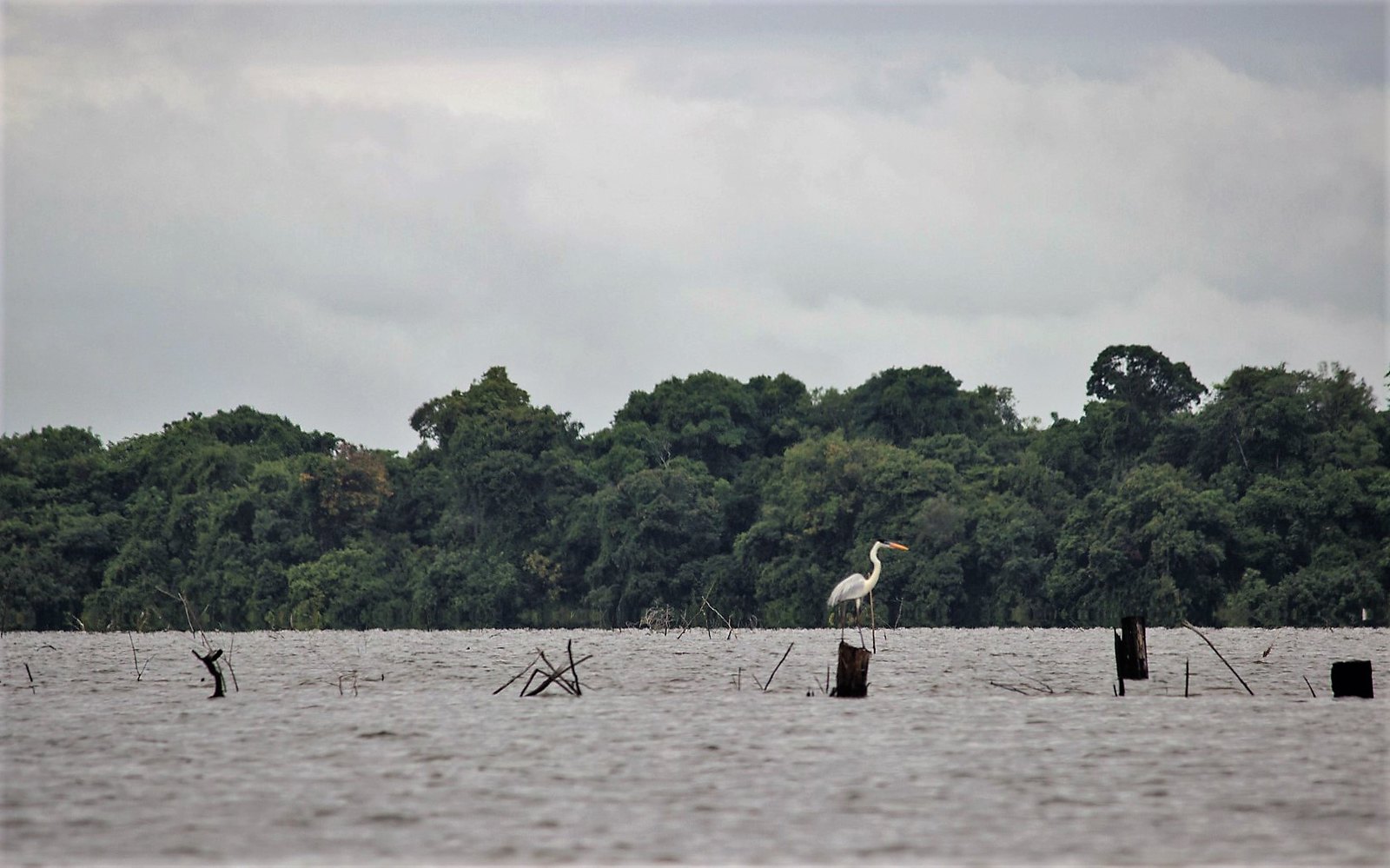
Photo: Amazon Watch / Maíra Irigaray.
The search for justice and reparations
Over the years, the Federal Public Prosecutor’s Office in Pará, the Public Defender’s Office, and civil society organizations have filed dozens of legal actions in Brazilian courts to challenge the project’s various irregularities and its impacts. Most of the claims are still pending resolution, some for more than 10 years.
These efforts have failed because the national government has repeatedly overturned rulings in favor of the affected communities by invoking a mechanism that allowed a court president to suspend a judicial decision based solely on generic arguments such as "the national interest" or "economic order."
In the absence of effective responses at the national level, AIDA, together with a coalition of partner organizations, brought the case before the Inter-American Commission on Human Rights (IACHR) and, in 2010, requested precautionary measures to protect the lives, safety, and health of the affected indigenous communities.
On April 1, 2011, the IACHR granted these measures and requested that the Brazilian government suspend environmental permits and any construction work until the conditions related to prior consultation and the protection of the health and safety of the communities are met.
And on June 16, 2011 —together with the Xingu Vivo Para Sempre Movement, the Coordinating Committee of Indigenous Organizations of the Brazilian Amazon, the Diocese of Altamira, the Indigenous Missionary Council, the Pará Society for the Defense of Human Rights and Global Justice— we filed a formal complaint against the Brazilian State for its international responsibility in the violation of the human rights of the people affected in the case. The case was opened for processing in December 2015.
On August 3, 2011, the IACHR amended the precautionary measures to request, instead of the suspension of permits and construction, the protection of people living in voluntary isolation, the health of indigenous communities, and the regularization and protection of ancestral lands.
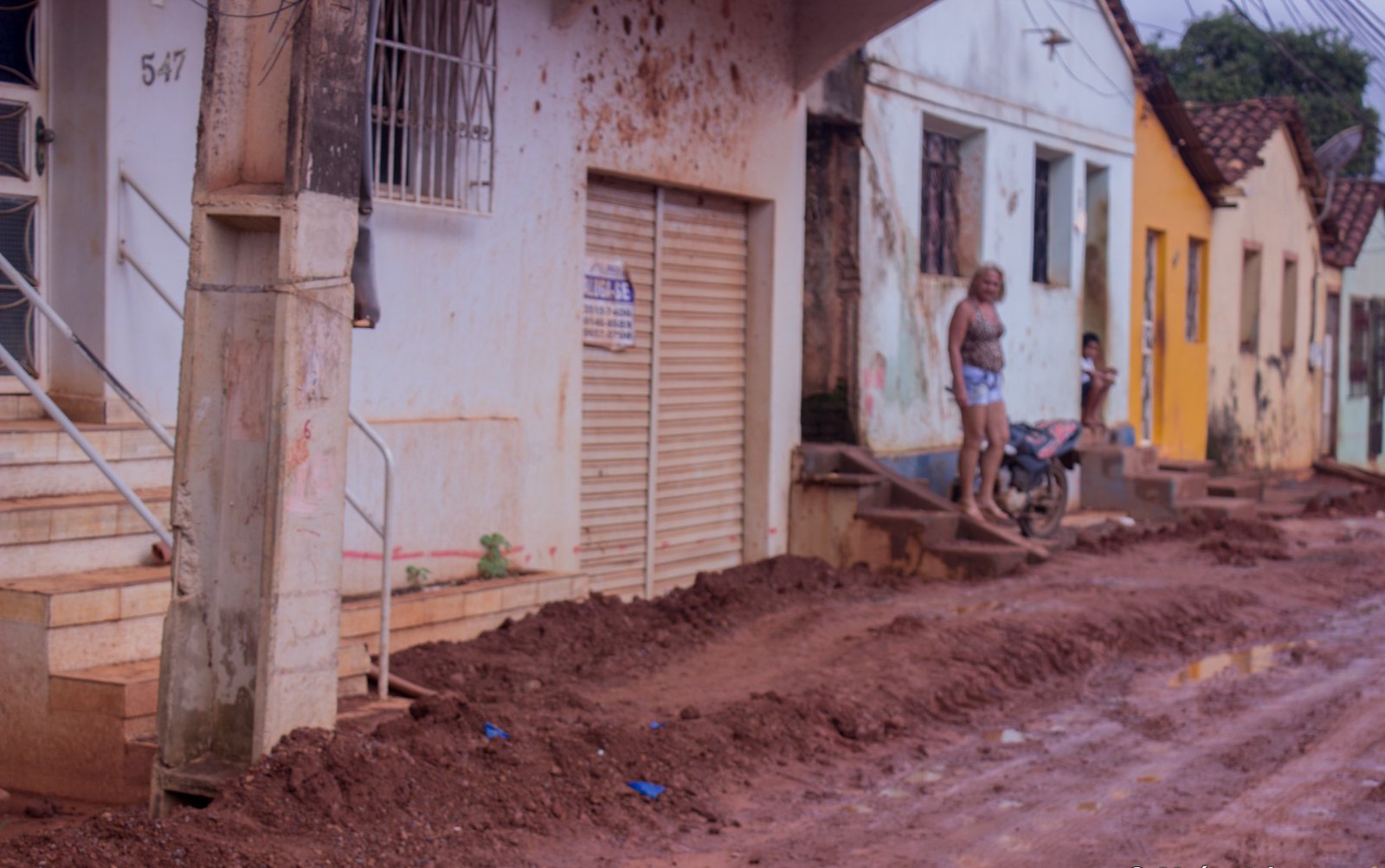
Photo: Amazon Watch / Maíra Irigaray.
Current situation
The protective measures granted by the IACHR remain in effect, but the Brazilian government has not fully complied with them, reporting only on general actions. The communities have documented the ongoing violations of their rights. The situation that prompted the request for these measures—the risk to the lives, physical integrity, and ways of life of the communities—persists and has worsened with the hydroelectric plant operating at full capacity and the recent extreme droughts in the Amazon.
In addition to the impacts of Belo Monte, there is a risk of further social and environmental impacts from the implementation of another mining megaproject in the Volta Grande do Xingu. There, the Canadian company Belo Sun plans to build Brazil’s largest open-pit gold mine.
The combined and cumulative impacts of the dam and the mine were not assessed. The government excluded Indigenous peoples, riverine and peasant communities from the project’s environmental permitting process. Despite protests by Indigenous communities and other irregularities surrounding the project, the government of Pará formally authorized the mine in April 2026.
Like other hydroelectric dams, Belo Monte exacerbates the climate emergency by generating greenhouse gas emissions in its reservoir. And it is inefficient amid the longer, more intense droughts caused by the crisis, as it loses its ability to generate power.
The case before the Inter-American Commission
In October 2017, the IACHR announced that it would rule jointly on the admissibility (whether the case meets the requirements for admission) and the merits (whether a human rights violation actually occurred) of the international complaint against the Brazilian State.
Fifteen years after the complaint was filed, the affected communities and the organizations representing them are still awaiting this decision. If the IACHR concludes that human rights violations occurred and issues recommendations that the Brazilian State fails to comply with, it may refer the case to the Inter-American Court of Human Rights, whose rulings are binding.
A potential ruling by the international court in this case would set a regional legal precedent regarding the rights of indigenous and riverine peoples, public participation in megaprojects, and state responsibility in the context of the climate crisis—a precedent that is particularly relevant in light of the Court’s Advisory Opinion No. 32, which reaffirmed the obligations of States to protect the people and communities of the continent from the climate emergency.
Partners:
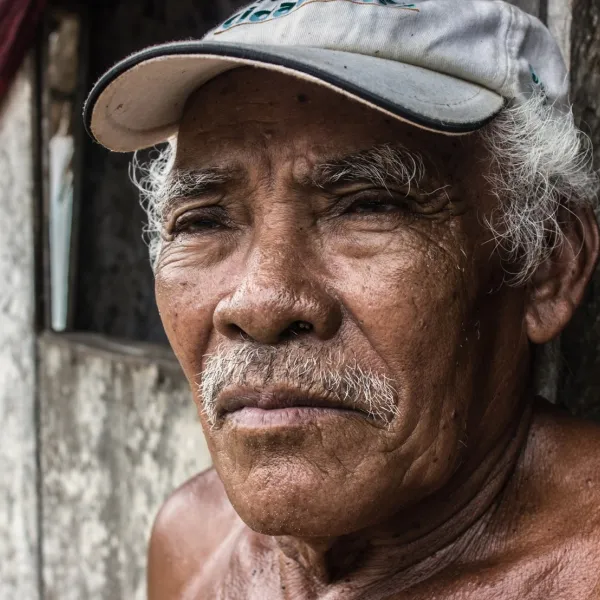
Related projects
Amidst criticism, BNDES approves unprecedented loan for controversial Belo Monte dam in Brazilian Amazon
FOR IMMEDIATE RELEASE November 29, 2012 Media Contacts: Astrid Puentes, AIDA, [email protected], +52 1-55 2301-6639 Brent Millikan, International Rivers, [email protected] +55 61 8153-7009 Maíra Irigaray, Amazon Watch, [email protected] +1 415 622-8606 Amidst criticism, BNDES approves unprecedented loan for controversial Belo Monte dam in Brazilian Amazon Financing ignores violations of human rights and environmental safeguards, tarnishing bank’s reputation, critics state Brasilia—On Monday, November 26, the Brazilian National Development Bank(BNDES) announced approval of an unprecedented loan of BRL 22.5 billion (approximately US$10.8 billion) for construction of the controversial Belo Monte dam project on the Xingu river, a major tributary of the Amazon. It is the largest loan in the bank’s 60-year history. BNDES is slated to be responsible for BRL 13.5 billion of direct finance, while Caixa Econômica Federal (CEF), a public bank, will pass through BRL 7 billion and private investment bank BTG Pactual will administer another BRL 2 billion. Responding to the BNDES announcement, nine Brazilian civil society organizations filed a petition yesterday with the Federal Public Prosecutor’s Office (Ministério Público Federal) calling for an investigation of apparent violations of legally-binding requirements related to the project’s social and environmental impacts, risks and economic viability. The petition calls on prosecutors to take urgent measures to prevent BNDES from disbursing loan proceeds to the project developer (Norte Energia, S.A.) prior to the completion of a full investigation. The controversial project has been paralyzed on at least six occasions by affected indigenous communities and fishermen, who have protested over the failures of Norte Energía and government agencies to comply with the project's mandated environmental and social provisions. Eight thousand of the project's own workers also have shut down the dam, recently setting fire to construction camps and machinery and blocking roads, in protest against violations of labor legislation. “As long as Norte Energia and the Brazilian government, including BNDES, continue to ignore demands by affected peoples, there will be resistance and increased conflict. By approving the massive loan with so much conflict on the ground shows the lack of commitment by BNDES to meet rights and environmental safeguard commitments. It should reconsider the loan approval to avoid any further conflict,” said Maira Irigaray, International Finance Advocate at Amazon Watch. Belo Monte was suspended twice in 2012 by federal judges for the lack of prior consultations with affected indigenous communities, as required by the Brazilian Constitution and international human rights agreements. The International Labor Organization and the Inter-American Commission on Human Rights (IACHR) have declared that the project places at risk the rights of affected indigenous communities. Expert and independent analysis has found that Belo Monte is economically, socially and environmentally unviable. Norte Energía and federal government agencies are facing 15 civil proceedings in the Brazilian courts lodged by the Public Ministry, the Public Defender’s Office and civil society institutions, as well as international suits that question the large number of illegalities and irregularities committed since the start of the project. Despite massive legal, financial and reputational risks surrounding Belo Monte, BNDES has decided to finance the project anyway, apparently under intense pressure from the administration of President Dilma Rousseff. By approving the loan, BNDES makes itself the main financier of a project notorious for violations of environmental legislation and human rights, including the culture integrity of indigenous and river communities. Among its environmental impacts, Belo Monte is expected to cause large emissions of greenhouse gases, including methane, a gas that is 25 times stronger than carbon dioxide. “The violations of human rights caused by the construction of the Belo Monte dam have been denounced before international organizations for which the State of Brazil and now also BNDES could be responsible,” said Astrid Puentes, Executive Co-Director of the Interamerican Association for Environmental Defense (AIDA), an organization that offers legal support to the affected communities. In 2011, the Inter-American Commission on Human Rights – IACHR, part of the Organization of American States (OAS), called for precautionary measures to protect the life, personal and cultural integrity of the contacted and uncontacted indigenous communities of the Xingu River affected by the construction of the Belo Monte dam. The Brazilian government chose to ignore the Commission’s recommendations. “No serious social and environmental safeguards were implemented by BNDES prior to the approval of this loan for Belo Monte using the money of Brazilian taxpayers” argued Antonia Melo, coordinator of the Movimento Xingu Vivo para Sempre. “BNDES claims that part of the funds will be used in the mitigation of the impacts of Belo Monte, but this is just talk. No one guarantees that this money is going to minimize the suffering of those affected. To date, virtually none of the promises made to indigenous, river people and fishermen have been met. BNDES already has transferred BRL 2.9 billion to Norte Energia without any serious risk analysis, and you can see the disastrous situation of the people in the region, the deforestation and the lack of infrastructure in Altamira.” The unprecedented BNDES loan for Belo Monte, slated to be the world’s third largest dam project, is the largest in the bank’s 60-year history. Critics charge that the project is economically unviable, due to factors such as burgeoning construction costs that increased over six fold from BRL 4.5 billion reais in 2005 to current estimated of BRL 28.9 billion. The project is expected to produce only 39% of its installed capacity of 11,233 MW capacity. According to Brent Millikan, Amazon Program Director at International Rivers, “If the true social and environmental costs, along with the financial, legal and reputational risks of Belo Monte were seriously taken into consideration, BNDES would never get near the project.” Further information: www.aida-americas.org/es/project/belomonte www.internationalrivers.org/campaigns/belo-monte-dam www.amazonwatch.org/work/let-the-river-run www.xinguvivo.org.br
Read moreBelo Monte Dam Suspended by Brazilian Appeals Court
FOR IMMEDIATE RELEASE Media Contacts: Brent Millikan, International Rivers [email protected], +55 61 8153-7009 Andrew Miller, Amazon Watch [email protected], +1 202 423 4828 Joelson Calvacante, Inter-American Association for Environmental Defense (AIDA) [email protected], +52 55 5212-0141 Belo Monte Dam Suspended by Brazilian Appeals Court Project was illegally authorized by Congress without prior consultation with indigenous tribes, judges say Altamira, Brazil: A high-level court yesterday suspended construction of the controversial Belo Monte dam project on the Amazon’s Xingu River, citing overwhelming evidence that indigenous people had not been properly consulted prior to government approval of the project. A group of judges from Brazil's Regional Federal Tribunal (TRF1) upheld an earlier decision that declared the Brazilian Congress’s authorization of the project in 2005 to be illegal. The decision concludes that the Brazilian Constitution and ILO Convention 169, to which Brazil is party, require that Congress can only authorize the use of water resources for hydroelectric projects after an independent assessment of environmental impacts and subsequent consultations with affected indigenous peoples. The ruling means that Brazilian Congress will have to correct its previous error by organizing consultations on the project’s impacts with affected indigenous peoples of the Xingu River, especially the Juruna, Arara and Xikrin tribes. Their opinions should be considered in a Congressional decision on whether to authorize Belo Monte, and in the meantime the project consortium has been ordered to suspend construction. Project consortium Norte Energia, S.A, led by the parastatal energy company Eletrobras, faces a daily fine of R$500,000, or about US$250,000, if it does not comply with the suspension. The dam consortium is expected to appeal the decision in the Brazilian Supreme Court. “The court’s decision highlights the urgent need for the Brazilian government and Congress to respect the federal constitution and international agreements on prior consultations with indigenous peoples regarding projects that put their livelihoods and territories at risk. Human rights and environmental protection cannot be subordinated to narrow business interests” stated Federal Judge Souza Prudente, who authored the ruling. “This latest court ruling vindicates what indigenous people, human rights activists and the Federal Public Prosecutor’s Office have been demanding all along. We hope that President Dilma’s Attorney General and the head judge of the federal court (TRF1) will not try to subvert this important decision, as they have done in similar situations in the past,” said Brent Millikan of International Rivers, based in Brasilia. “This decision reinforces the request made by the Inter-American Commission on Human Rights in April 2011 to suspend the project due to lack of consultations with indigenous communities. We hope that Norte Energia and the government comply with this decision and respect the rights of indigenous communities,” said Joelson Cavalcante of the Interamerican Association for Environmental Defense (AIDA), an organization giving legal support to affected communities. The Brazilian Congress authorized construction of Belo Monte seven years ago without an environmental impact assessment (EIA). A subsequent study - produced by state-owned energy company Eletrobras and three of Brazil’s largest construction companies (Camargo Correa, Andrade Gutierrez, and Odebrecht) - was widely criticized for underestimating socio-environmental impacts, especially on indigenous peoples and other traditional communities living downstream from the huge dam that would divert 80% of the Xingu’s natural flow. The EIA was approved by Brazil’s federal environmental agency (IBAMA) in February 2010 under intense political pressure and over the objections of the agency's own technical staff. With dam construction racing ahead since June 2011, many of Belo Monte’s forewarned social and environmental consequences are proving real. As a result, indigenous people have become more vocal in their opposition to Belo Monte. During the United Nations' Rio+20 conference in June, indigenous leaders launched a 21- day occupation of the dam site, protesting against the growing impacts of the project and broken promises by dam-builders. Two weeks later, indigenous communities detained three Norte Energia engineers on tribal lands. Both protests demanded suspension of the project due to non-compliance of mitigation requirementes. Last month, the Federal Public Prosecutors’ Office filed a lawsuit calling for suspension of the Belo Monte’s installation license, given widespread non-compliance with conditions of the project’s environmental licenses. Given this contentious and convoluted history, the long overdue process of consultations with indigenous peoples on Belo Monte is not likely to produce a positive verdict on Belo Monte, from the point of view of indigenous peoples. Similar conflicts over violations of indigenous rights by dam projects are emerging elsewhere in the Brazilian Amazon. Last week, in another landmark decision led by judge Souza Prudente, a group of judges from the TRF1 , the same court ordered the immediate suspension of one of five large dams planned for the Teles Pires river, a major tributary of the Tapajos river, noting a lack of prior and informed consultations with the Kayabi, Apiakás and Munduruku indigenous peoples affected by the project. According to Souza Prudente, "the aggression against indigenous peoples in the case of the Teles Pires dam has been even more violent than in Belo Monte. A political decision to proceed with the construction of five large dams along the Teles Pires river was made by the Ministry of Mines and Energy with no effective analysis of impacts on the livelihoods and territories of indigenous peoples. The Sete Quedas rapids on the Teles Pires river are considered sacred by indigenous peoples and are vital for the reproduction of fish that are a staple of their diets. Yet none of this was taken into account in the basin inventory and environmental impact studies. Moreover, the government and Congress simply ignored their obligations to ensure prior and informed consultations with indigenous peoples, as determined by the Federal Constitution and ILO Convention 169". Late yesterday, the President of the TRF1 announced his intention to overturn the decision of Souza Prudente and other federal judges regarding the Teles Pires hydroproject, marking a growing crisis within Brazil’s judiciary system over the Dilma Rousseff administration’s ambitious dam-building plans in the Amazon.
Read moreWorld Bank Group Opens Case on Eco Oro Minerals Gold Mine in Fragile Colombian Wetlands
FOR IMMEDIATE RELEASE Press Contact: Astrid Puentes Riaño, Co-Director, AIDA, (+52) 155-2301-6639, [email protected] Kristen Genovese, CIEL, (+31) 0652-773-272, [email protected] Jen Moore, MiningWatch, (+1) 613-569-3439, [email protected] Miguel Ramos, Comité por la Defensa del Agua, (+57) 314-416-4531, [email protected] World Bank Group Opens Case on Eco Oro Minerals Gold Mine in Fragile Colombian Wetlands IFC’s Ombudsman to hear complaints of downstream communities Bucaramanga, Colombia – Late last week, the World Bank Group accepted a complaint and will evaluate its investment in Eco Oro Mineral’s Angostura mining project, a proposed large-scale gold mine located in a fragile, high-altitude wetland called the Santurbán páramo, which provides water to over 2.2 million Colombians. The Compliance Advisor Ombudsman (CAO), the independent grievance mechanism of the International Finance Corporation (IFC), will review complaints alleging that the IFC failed to evaluate the project’s potentially severe and irreversible social and environmental impacts. The CAO’s decision was prompted by a complaint submitted last month by groups that would be affected by the project in Bucaramanga, Colombia. The complaint asserts that the IFC, the World Bank’s private-sector lending arm, ignored its own policies when it invested US$11.79 million in the Vancouver-based company’s project. “It is outrageous that such a damaging mining initiative has the backing of the World Bank, whose mission is to advance real and sustainable development,” said attorney Miguel Ramos of the Committee for the Defense of Water and the Santurbán Páramo, a coalition of nearly 40 local groups which spearheaded the complaint before the CAO. “There could be some 20 counties whose water will be affected by this project.” The CAO’s Ombudsman will evaluate the case before the CAO determines whether a full audit is warranted. An audit would examine if the IFC’s environmental and social policies have been violated. In May 2011, following controversial hearings and protests numbering in the tens of thousands, the Colombian Ministry of the Environment rejected Eco Oro’s initial request for an environmental license, citing environmental, constitutional and international law prohibiting mining activity in páramo wetlands. Páramos are fragile ecosystems that supply about 75% of Colombia’s freshwater, including the drinking water of millions of people, and play a key role in mitigating and adaptation to climate change. The Interamerican Association for Environmental Defense (AIDA), the Center for International Environmental Law (CIEL) and MiningWatch Canada supported the Committee’s request that the CAO audit the project and that the IFC withdraws its funding of the project. “The IFC sets the standard for future investment in Colombia, and must be extra careful to avoid promoting unsustainable projects such as Angostura,” said Astrid Puentes Riaño, Co-Director of AIDA. “We are confident that this investigation will reveal that the IFC did not even ensure minimal protection for communities and the environment when it failed to require necessary impact assessments before investing.” “Prior armed conflict in this area could further compound the deleterious impacts this project would have on communities and their water supplies. Nonetheless, the IFC invested, explicitly hoping to spur greater interest in Colombia’s mining sector,” said Jen Moore, Latin America Program Coordinator for MiningWatch Canada. “This evaluation is warranted and ultimately, the IFC should pull out.” The CAO will review allegations that the IFC glossed over potential security issues related to Eco Oro’s project. The complaint questions the IFC’s original assessment, providing documented evidence of violence associated with guerrilla and paramilitary activity following a major military operation and the establishment of military installations in the area around 2003. Eco Oro holds mining rights to nearly 30,000 hectares (74,130 acres) of land in the Santurbán páramo near the city of Bucaramanga in the northeastern department of Santander. Eco Oro’s project has already stimulated investments from at least five other companies in the immediate area, more than doubling the area under mining concessions in the páramo. Full text of the complaint here (in Spanish).
Read more