
Project
Amazon Watch / Maíra Irigaray
The Belo Monte Dam on the Xingu River: 10 years of impacts in the Amazon and the search for reparations
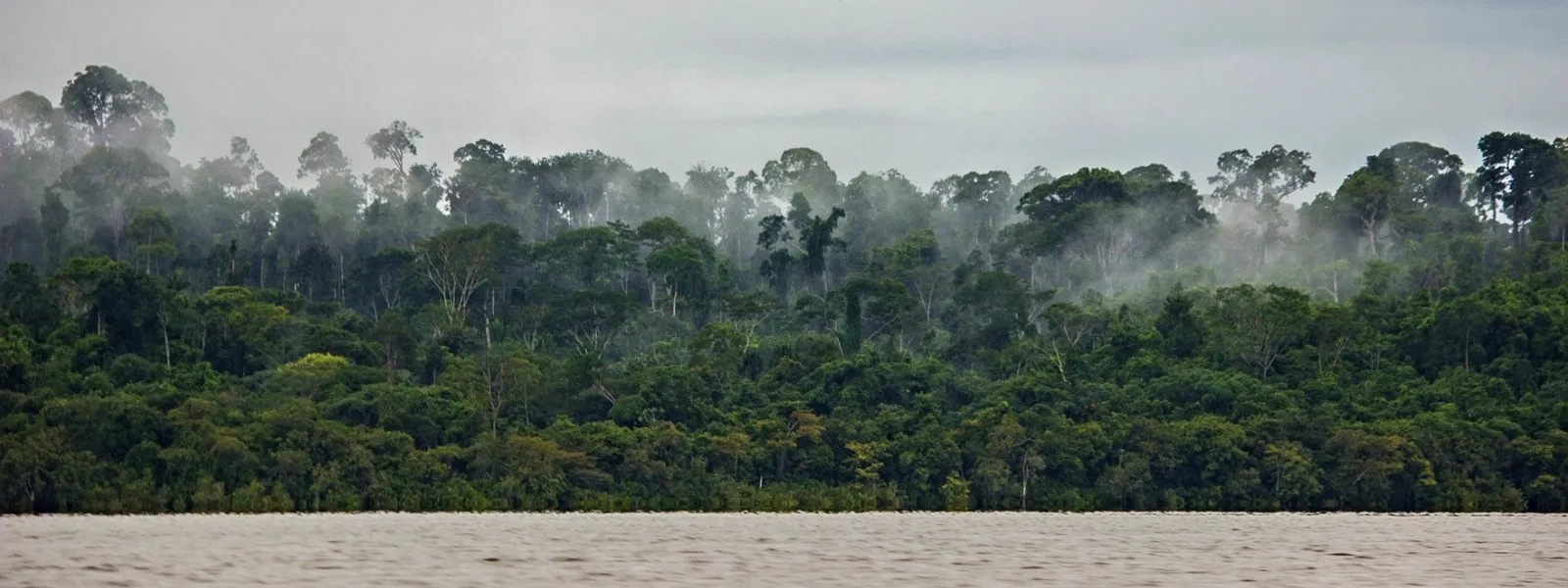
The Belo Monte Dam has caused an environmental and social disaster in the heart of the Amazon—one of the most important ecosystems on the planet.
This situation has only worsened since the hydroelectric plant began operations in 2016. The quest for justice and reparations by the affected indigenous, fishing, and riverine communities continues to this day.
In 2011, the Inter-American Commission on Human Rights (IACHR) granted them protective measures that, to date, have not been fully implemented by the Brazilian State.
Furthermore, since June of that same year, the IACHR has yet to rule on a complaint against the State regarding its international responsibility in the case.
The IACHR may refer the case to the Inter-American Court of Human Rights, which has the authority to issue a ruling condemning the Brazilian State.
After 10 years of the hydroelectric plant's operation and more than 15 years of documented human rights violations, it is time for justice to be served for the affected communities.
Read the open letter from the organizations bringing the case before the IACHR
Background
The Belo Monte hydroelectric plant—the fourth largest in the world by installed capacity (11,233 MW)—was built on the Xingu River in Pará, a state in northern Brazil.
It was inaugurated on May 5, 2016, with a single turbine. At that time, 80% of the river’s course was diverted, flooding 516 km² of land—an area larger than the city of Chicago. Of that area, 400 km² was native forest. The dam began operating at full capacity in November 2019.
Belo Monte was built and is operated by the Norte Energia S.A. consortium, which is composed primarily of state-owned companies. It was financed by the Brazilian Development Bank (BNDES), which provided the consortium with 25.4 billion reais (approximately US$10.16 billion), the largest investment in the bank’s history. Therefore, the BNDES is also legally responsible for the socio-environmental impacts associated with the hydroelectric plant.
Decades of harm to the environment and people
Human rights violations and degradation of the Amazon have been occurring since the project’s inception. In March 2011, Norte Energía began construction of the dam without adequate consultation and without the prior, free, and informed consent of the affected communities.
The construction caused the forced displacement of more than 40,000 people, severing social and cultural ties. The resettlement plan in Altamira—a city directly affected by the hydroelectric dam—involved housing units located on the outskirts, lacking adequate public services and decent living conditions for the relocated families, with no special provisions for those from indigenous communities.
Belo Monte's operations have caused a permanent, man-made drought in the Volta Grande (or "Great Bend") of the Xingu River, exacerbated by the historic droughts in the Amazon in 2023 and 2024. As a result, the deaths of millions of fish eggs were documented for four consecutive years (from 2021 to 2024), and for the past three years, there has been no upstream migration of fish to spawn and reproduce. Thus, artisanal fishing, the main source of protein for indigenous peoples and riverside communities, was severely affected: fish dropped from 50% to 30% of total protein consumed, replaced by processed foods. In summary, there was an environmental and humanitarian collapse that resulted in the breakdown of fishing as a traditional way of life, food insecurity, and access to drinking water for thousands of families, impoverishment, and disease.
Furthermore, the construction of the dam increased deforestation and intensified illegal logging and insecurity on indigenous and tribal lands, putting the survival of these communities at risk. Another consequence was the deepening of poverty and social conflicts, as well as the strain on health, education, and public safety systems in Altamira—a city ranked as the most violent in the country in 2017, where human trafficking and sexual violence increased. Violence was also reported against human rights defenders involved in the case.
In 2025, during the 30th UN Climate Change Conference (COP30), held in Brazil, the Federal Public Prosecutor’s Office labeled the damage caused by the Belo Monte dam as ecocide.
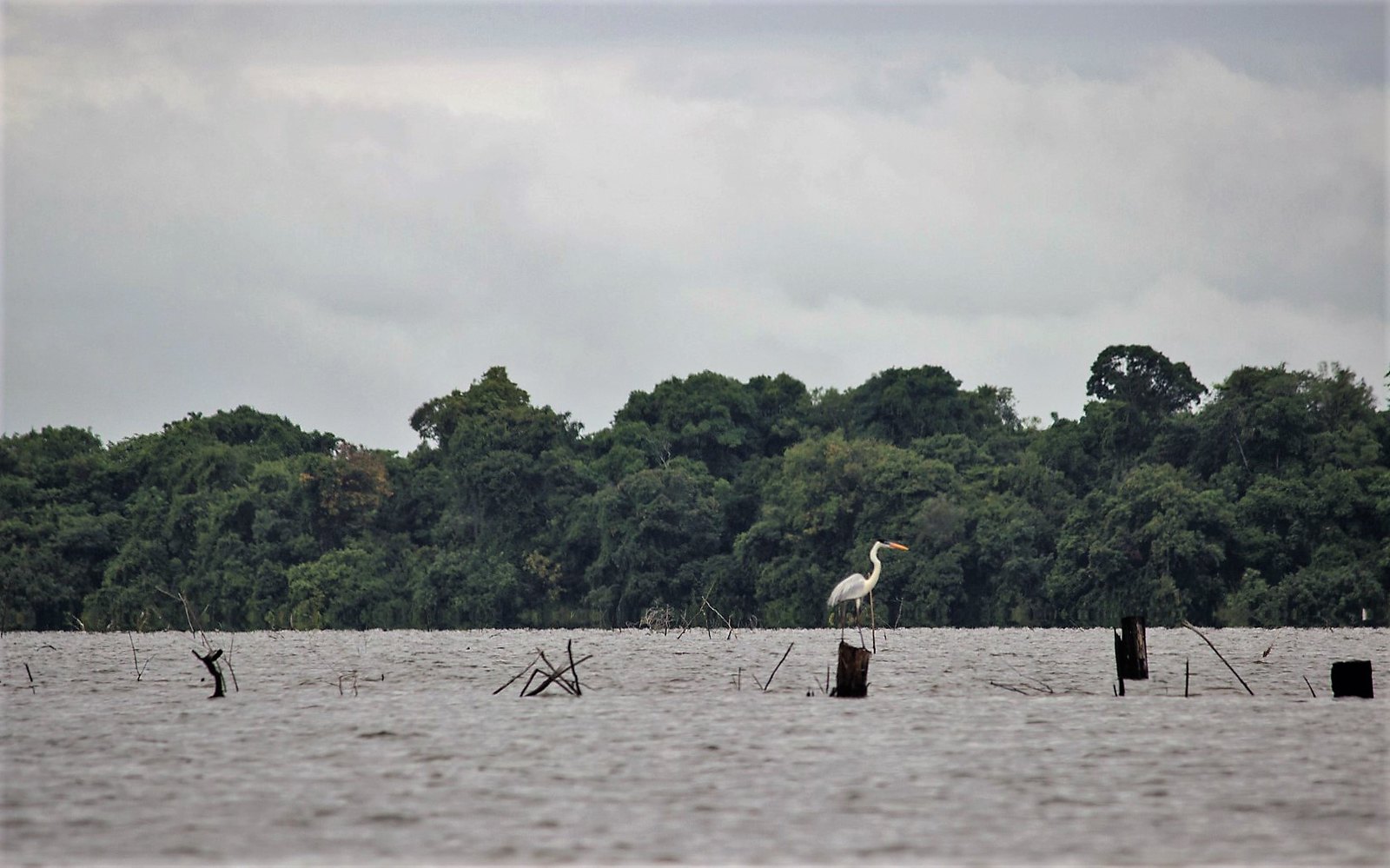
Photo: Amazon Watch / Maíra Irigaray.
The search for justice and reparations
Over the years, the Federal Public Prosecutor’s Office in Pará, the Public Defender’s Office, and civil society organizations have filed dozens of legal actions in Brazilian courts to challenge the project’s various irregularities and its impacts. Most of the claims are still pending resolution, some for more than 10 years.
These efforts have failed because the national government has repeatedly overturned rulings in favor of the affected communities by invoking a mechanism that allowed a court president to suspend a judicial decision based solely on generic arguments such as "the national interest" or "economic order."
In the absence of effective responses at the national level, AIDA, together with a coalition of partner organizations, brought the case before the Inter-American Commission on Human Rights (IACHR) and, in 2010, requested precautionary measures to protect the lives, safety, and health of the affected indigenous communities.
On April 1, 2011, the IACHR granted these measures and requested that the Brazilian government suspend environmental permits and any construction work until the conditions related to prior consultation and the protection of the health and safety of the communities are met.
And on June 16, 2011 —together with the Xingu Vivo Para Sempre Movement, the Coordinating Committee of Indigenous Organizations of the Brazilian Amazon, the Diocese of Altamira, the Indigenous Missionary Council, the Pará Society for the Defense of Human Rights and Global Justice— we filed a formal complaint against the Brazilian State for its international responsibility in the violation of the human rights of the people affected in the case. The case was opened for processing in December 2015.
On August 3, 2011, the IACHR amended the precautionary measures to request, instead of the suspension of permits and construction, the protection of people living in voluntary isolation, the health of indigenous communities, and the regularization and protection of ancestral lands.
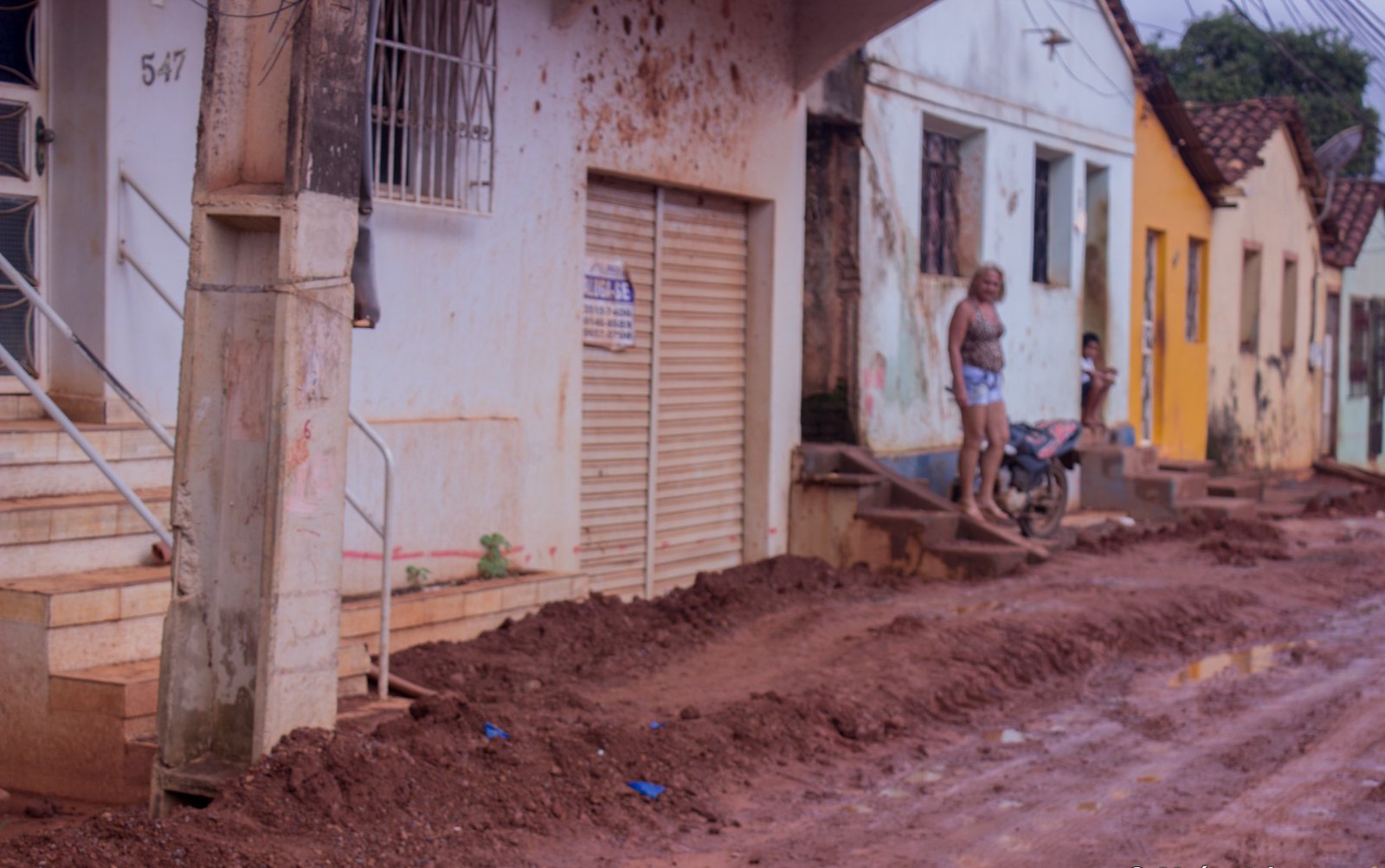
Photo: Amazon Watch / Maíra Irigaray.
Current situation
The protective measures granted by the IACHR remain in effect, but the Brazilian government has not fully complied with them, reporting only on general actions. The communities have documented the ongoing violations of their rights. The situation that prompted the request for these measures—the risk to the lives, physical integrity, and ways of life of the communities—persists and has worsened with the hydroelectric plant operating at full capacity and the recent extreme droughts in the Amazon.
In addition to the impacts of Belo Monte, there is a risk of further social and environmental impacts from the implementation of another mining megaproject in the Volta Grande do Xingu. There, the Canadian company Belo Sun plans to build Brazil’s largest open-pit gold mine.
The combined and cumulative impacts of the dam and the mine were not assessed. The government excluded Indigenous peoples, riverine and peasant communities from the project’s environmental permitting process. Despite protests by Indigenous communities and other irregularities surrounding the project, the government of Pará formally authorized the mine in April 2026.
Like other hydroelectric dams, Belo Monte exacerbates the climate emergency by generating greenhouse gas emissions in its reservoir. And it is inefficient amid the longer, more intense droughts caused by the crisis, as it loses its ability to generate power.
The case before the Inter-American Commission
In October 2017, the IACHR announced that it would rule jointly on the admissibility (whether the case meets the requirements for admission) and the merits (whether a human rights violation actually occurred) of the international complaint against the Brazilian State.
Fifteen years after the complaint was filed, the affected communities and the organizations representing them are still awaiting this decision. If the IACHR concludes that human rights violations occurred and issues recommendations that the Brazilian State fails to comply with, it may refer the case to the Inter-American Court of Human Rights, whose rulings are binding.
A potential ruling by the international court in this case would set a regional legal precedent regarding the rights of indigenous and riverine peoples, public participation in megaprojects, and state responsibility in the context of the climate crisis—a precedent that is particularly relevant in light of the Court’s Advisory Opinion No. 32, which reaffirmed the obligations of States to protect the people and communities of the continent from the climate emergency.
Partners:
Related projects
Groups seek investigation into Mexico’s approval of four “mega resorts”
FOR IMMEDIATE RELEASE April 11, 2013 Media contacts: Mexico Sandra Moguel, [email protected], +52 (164) 621-02353 USA Sarah Burt, [email protected], +1 (415) 217-2055 Serena Ingre, [email protected], +1 (415) 875-6155 Groups seek investigation into Mexico’s approval of four “mega resorts” Massive tourism developments threaten fragile ecosystems and endangered species San Francisco, USA/La Paz, Mexico. In a petition submitted to the Commission for Environmental Cooperation, eleven conservation groups charged the Mexican government with failing to enforce its own environmental laws in authorizing the construction of four “mega resorts” in the Gulf of California. The Commission is an international body established under the North American Free Trade Agreement to promote cooperation among Canada, Mexico and the U.S. on environmental issues of continental concern. “The Mexican authorities’ approval of massive tourism projects in violation of environmental laws is unacceptable and demonstrates little regard for threatened species, the environment and local communities”, said Sandra Moguel of the Inter-American Association for Environmental Defense, and one of the signers of the petition. “We urge the new Administration and Minister Guerra Abud to ensure that the approval process of development projects is transparent and not arbitrary”. The approval of projects such as Cabo Cortés, Paraíso del Mar, Entre Mares, and Playa Espíritu threatens the unique coral reefs and mangrove ecosystems of the region, and endangered species such as humpback and gray whales, whale sharks, manta rays, sea turtles, sea lions, jaguars, crocodiles and many species of migratory birds. The petition highlights the four projects as examples of the Mexican Ministry of Environment and Natural Resources’ repeated failure to enforce environmental laws when approving large-scale tourist development projects in the Gulf of California. In particular, the government ignores laws requiring effective environmental impact assessment, protection of endangered species, and conservation of coastal ecosystems. The petitioners are requesting that the Commission investigate and develop a factual record to examine Mexico’s lack of enforcement of its environmental laws when authorizing these developments. Such a finding would pressure Mexico to comply with its own environmental safeguards. “These natural treasures are of importance to Mexican communities that depend on them as cultural, economic and recreational resources”, says Judith Castro with the Friends for the Conservation of Cabo Pulmo. “Mexico cannot continue to approve mega projects that displace residents, bulldoze wildlife habitat, and pollute the waters of this vital ecosystem”. Known as the “World’s Aquarium”, the Gulf of California is considered one of the most diverse marine regions on the planet, and is home to thousands of species. Specifically, these mega projects, two of which are already under construction, threatened the following critical areas in the region: Cabo Pulmo National Park: One of the healthiest coral reef systems in the world, a UNESCO World Heritage Site and a Ramsar Wetland of International Importance, Cabo Pulmo is threatened by massive developments like Cabo Cortés. The Cabo Cortés proposal included the equivalent of nearly 30,000 guest rooms in its hotels, condominiums and villas, two 27-hole golf courses, a 490 berth marina, and a system of canals and artificial lakes. Additionally, because the region has a desert climate without sufficient water to accommodate such amenities and the expected population growth, the proposal included a desalination plant that could have discharged hypersaline brine into the reef. While the project was ultimately rejected in June 2012, Cabo Pulmo is threatened by similar developments still being considered. The Marismas Nacionales Wetlands: Playa Espíritu, a project already under construction that includes three golf courses, two marinas, a wastewater plant, and additional infrastructure spread across more than 35,000 acres, threatens the Marismas Nacionales, the most extensive and well-preserved mangrove forest habitat on the western coast of Mexico, and home to more than 280 species of migratory and resident bird species. The Bay of La Paz: One of the most productive water bodies in the Gulf of California and an important area for nesting birds, the Bay of La Paz is jeopardized by two adjacent projects, Paraíso del Mar, currently under construction, and Entre Mares, proposed for construction on a sandbar extending into the bay. Combined, these two projects will develop nearly ten thousand hotel rooms, plus 4,000 homes, two golf courses and a large marina and would bring an additional population of more than 10,000 people in high season. Earthjustice and the Interamerican Association for Environmental Defense (AIDA) are filing the petition on behalf of the Ecological Network for Escuinapa Development (REDES), Friends for the Conservation of Cabo Pulmo (ACCP), WiLDCOAST, SUMAR, Los Cabos Coastkeepers, Alliance for the Sustainability of the Mexican Coastal Northwest (ALCOSTA), the Natural Resources Defense Council (NRDC), Greenpeace México and AIDA. The petitioners are calling on Mexico to protect the marine and coastal ecosystems of the Gulf of California, particularly coral reefs like the ones in Cabo Pulmo. “By approving these projects, Mexico is failing its obligations to protect wetlands, coral reefs and species of environmental and international importance”, said Carolina Herrera, Latin America Advocate with the Natural Resources Defense Council. “What this region in the Gulf of California needs is low-impact sustainable development where the well-being of local communities and the environment is the first priority”. A map of the projects, photos, videos, and background information are available at: http://earthjustice.org/cortes Read the petition here: http://earthjustice.org/documents/legal-document/pdf/petition-to-commission-english
Read more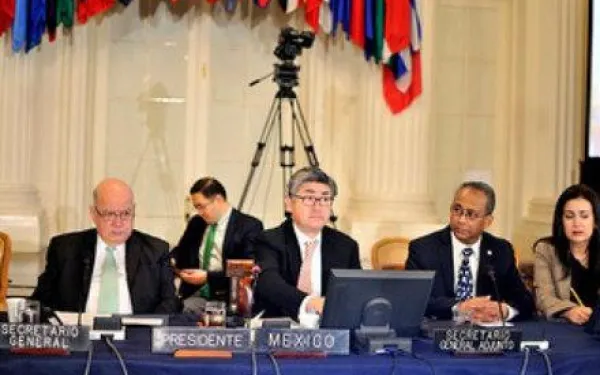
What’s the latest on the reform of the Inter-American System of Human Rights?
By Astrid Puentes Riaño, co-director, AIDA,@astridpuentes In June, I wrote about how some OAS member states had begun a process to introduce tough reforms on the Inter-American Commission on Human Rights (IACHR) and the Inter-American Human Rights System that would weaken their ability to operate and protect our human rights. I want to bring you up to date on how the discussions are faring. More importantly, though, I want to ask you to get involved by signing thepetitionto ask the member states to strengthen –not weaken– the Inter-American System. More than 3,000 people have already signed! You can sign too! Watch our video message to the Permanent Council of the OAS (Spanish only) The outlook last June was pretty thorny. Seldom has an OAS General Assembly been as tense as the last two, particularly the most recent one when the Inter-American System came under fierce attack and several member states even sought to re-establish it. The Assembly ended with a call to reform the statute at an Extraordinary Assembly, something that’s never happened in the history of the IACHR. The good news is that the member states appear to have somewhat cooled their clamoring. There are more signs of a willingness to talk. The Representative of Brazil made reference to this change during the Permanent Council’s extraordinary session with civil society representatives, saying the confidence and opportunities for negotiations have improved. He said this process should lead to an outcome in which the underlying question of human rights takes precedence over procedural matters. Watch our video message to the Permanent Council of the OAS (Spanish only) It’s an honor that the representative quoted us. Now we have to see if this good message gets translated into action by, for example, addressing the IACHR’s requests on Brazil including those regarding the contentious Belo Monte dam. The Brazilian government must respond and give its perspective on the case. The not so good news is that the process is not yet complete. We’re still waiting for a definition on what the reforms will be and how they will be implemented. For example, part of the reform package proposed by some states is that if the Inter-American Court rejects a request for precautionary measures then the IACHR has to do so too. That, as we have said, fails to recognize the natural differences of the Court and the IACHR and puts them at risk. The IACHR has committed to producing various reports, which will eat up a lot of its resources and thus could affect its duty to protect, its duty to proceed with cases of human rights violations affecting millions of people in the hemisphere. It is understood that neither the Inter-American System nor any of those involved are perfect. There is still a lot to improve. But it is essential that this process concludes with recommendations to make the System more effective. That means that AIDA and our colleagues in the hemisphere will continue to lobby the member states, the OAS and the IACHR itself. We will continue to offer our opinions. We will continue to share our experiences as users of the System. We will continue to fight to prevent any weakening of the System. That is why we ask you to sign TODAY and help us defend the IASHR and, in the process, our human rights. If you as an inpidual or community member believe that you could use one of the IACHR’s decisions in cases involving dams, mining projects, tourism developments, free speech, the protection of women or anything else, then speak out and sign up now! If not you, if not us, then who? Full video of the session In this recording you can hear the Representative of Brazil cite AIDA (last 5 minutes)
Read moreThe declaration of Santurbán as a Regional Natural Park is a start toward complying with the prohibition on mining in páramos
FOR IMMEDIATE RELEASE February 7, 2013 Media contacts: Astrid Puentes Riaño, AIDA Co-Director, [email protected], +52-55 5212-0141 Paulo Bacca, AIDA Legal Advisor, [email protected], +57-1 232-4246 The declaration of Santurbán as a Regional Natural Park is a start toward complying with the prohibition on mining in páramos AIDA supports the decision and urges the Ministry of Environment to guarantee the protection of all páramo ecosystems. Bogotá, Colombia. The Interamerican Association for Environmental Defense (AIDA) welcomed the declaration of a portion of the Santurbán páramo in the Colombian departments of Santander and Norte de Santander as a Regional Natural Park. The measure, taken in January, reaffirms the prohibition on mining activities in Colombia’s páramo ecosystems, a move that helps improve the protection of these sensitive wetlands and critical carbon sinks. AIDA expressed its support for the creation of the park in a letter to the Ministry of Environment and Sustainable Development, the Alexander Von Humboldt Institute and the Autonomous Regional Corporation for the Defense of the Bucaramanga Plateau (CDMB) of Colombia, confirming that this act is congruent with the prohibition on mining in the region. It also reminded the government that this does not mean mining can be permitted in other parts of the páramo. The park declaration encompasses 11,700 of the 92,000 hectares of the páramo, and was proposed to the CDMB board of directors by Environment Minister Juan Gabriel Uribe based on a technical report issued by the Von Humboldt Institute. “At AIDA, we have spent more than five years highlighting the national and international obligation of the state to protect páramos. Although creation of the park is a good first step, we insist that the government comply with the law and ensure mining will be prohibited in the entire ecosystem”, said Paulo Bacca, a lawyer at the NGO. AIDA has worked to create and enforce the prohibition on mining in páramos, providing feedback on the Mining Code and related bills, and by following paradigmatic cases like Santurbán. It is a positive step that the Ministry of Environment, in accordance with constitutional and international commitments, has denied the environmental license requested by the Canadian company Greystar Resources Ltd. (now Eco Oro Minerals Corp.) to develop the Angostura gold mine in the heart of the páramo. “This issue goes beyond the legal arena. It is a matter of national security and the quality of life for Colombians given that the páramos are essential for the supply of 70% of drinking water, biodiversity conservation, climate change mitigation and even power generation”, said Astrid Puentes Riaño, co-executive director of AIDA. To prevent the lack of territorial demarcation from being used as justification for allowing mining projects in páramo areas, AIDA urges the Ministry of Environment to immediately make use of the new mapping of páramos provided to it by the Von Humboldt Institute a few months ago. The use of that mapping can help prevent mining companies from hiding behind the lack of a definition and demarcation of critical ecosystems like páramos to advance mining projects in areas where such activities clearly should not be permitted, thus furthering ecosystem and water resource protection critical to Colombian citizens. See the PDF version of the letter (Spanish only). For more information about the Angostura case and Santurbán páramo, please see: http://www.aida-americas.org/en/protecting_the_santurban_paramo_from_angostura_project
Read more