
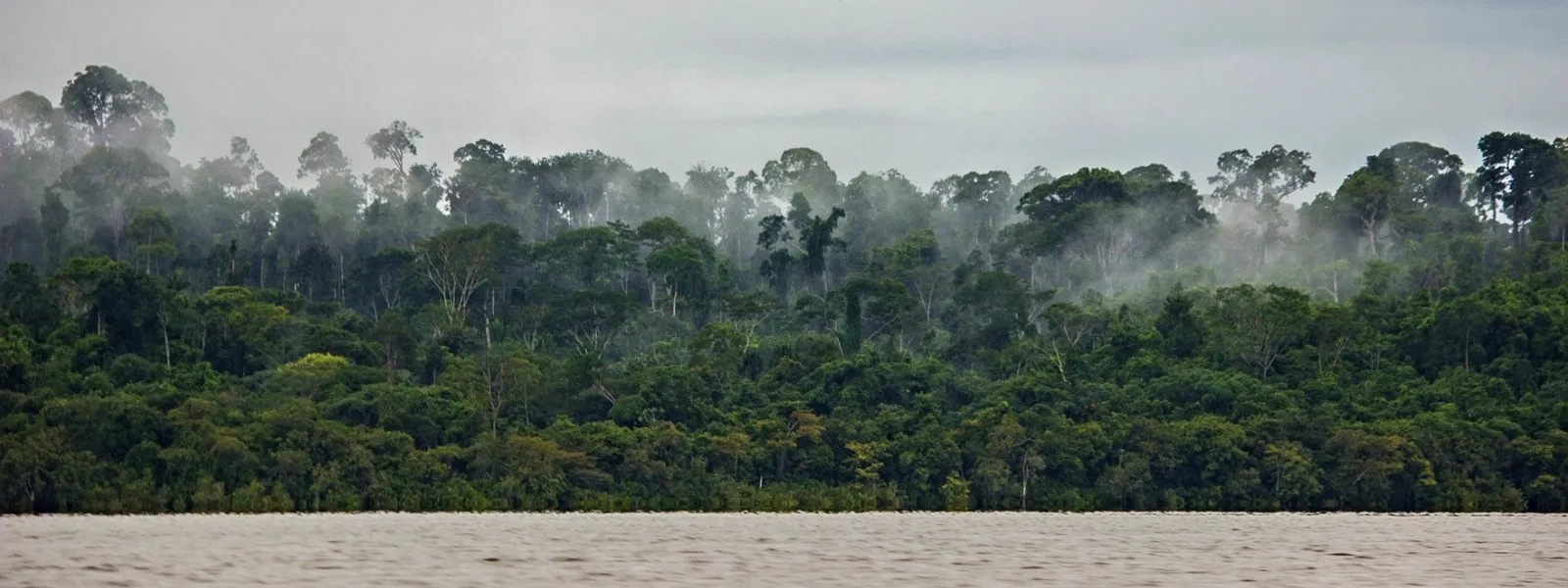
Project
Amazon Watch / Maíra Irigaray
The Belo Monte Dam on the Xingu River: 10 years of impacts in the Amazon and the search for reparations
The Belo Monte Dam has caused an environmental and social disaster in the heart of the Amazon—one of the most important ecosystems on the planet.
This situation has only worsened since the hydroelectric plant began operations in 2016. The quest for justice and reparations by the affected indigenous, fishing, and riverine communities continues to this day.
In 2011, the Inter-American Commission on Human Rights (IACHR) granted them protective measures that, to date, have not been fully implemented by the Brazilian State.
Furthermore, since June of that same year, the IACHR has yet to rule on a complaint against the State regarding its international responsibility in the case.
The IACHR may refer the case to the Inter-American Court of Human Rights, which has the authority to issue a ruling condemning the Brazilian State.
After 10 years of the hydroelectric plant's operation and more than 15 years of documented human rights violations, it is time for justice to be served for the affected communities.
Read the open letter from the organizations bringing the case before the IACHR
Background
The Belo Monte hydroelectric plant—the fourth largest in the world by installed capacity (11,233 MW)—was built on the Xingu River in Pará, a state in northern Brazil.
It was inaugurated on May 5, 2016, with a single turbine. At that time, 80% of the river’s course was diverted, flooding 516 km² of land—an area larger than the city of Chicago. Of that area, 400 km² was native forest. The dam began operating at full capacity in November 2019.
Belo Monte was built and is operated by the Norte Energia S.A. consortium, which is composed primarily of state-owned companies. It was financed by the Brazilian Development Bank (BNDES), which provided the consortium with 25.4 billion reais (approximately US$10.16 billion), the largest investment in the bank’s history. Therefore, the BNDES is also legally responsible for the socio-environmental impacts associated with the hydroelectric plant.
Decades of harm to the environment and people
Human rights violations and degradation of the Amazon have been occurring since the project’s inception. In March 2011, Norte Energía began construction of the dam without adequate consultation and without the prior, free, and informed consent of the affected communities.
The construction caused the forced displacement of more than 40,000 people, severing social and cultural ties. The resettlement plan in Altamira—a city directly affected by the hydroelectric dam—involved housing units located on the outskirts, lacking adequate public services and decent living conditions for the relocated families, with no special provisions for those from indigenous communities.
Belo Monte's operations have caused a permanent, man-made drought in the Volta Grande (or "Great Bend") of the Xingu River, exacerbated by the historic droughts in the Amazon in 2023 and 2024. As a result, the deaths of millions of fish eggs were documented for four consecutive years (from 2021 to 2024), and for the past three years, there has been no upstream migration of fish to spawn and reproduce. Thus, artisanal fishing, the main source of protein for indigenous peoples and riverside communities, was severely affected: fish dropped from 50% to 30% of total protein consumed, replaced by processed foods. In summary, there was an environmental and humanitarian collapse that resulted in the breakdown of fishing as a traditional way of life, food insecurity, and access to drinking water for thousands of families, impoverishment, and disease.
Furthermore, the construction of the dam increased deforestation and intensified illegal logging and insecurity on indigenous and tribal lands, putting the survival of these communities at risk. Another consequence was the deepening of poverty and social conflicts, as well as the strain on health, education, and public safety systems in Altamira—a city ranked as the most violent in the country in 2017, where human trafficking and sexual violence increased. Violence was also reported against human rights defenders involved in the case.
In 2025, during the 30th UN Climate Change Conference (COP30), held in Brazil, the Federal Public Prosecutor’s Office labeled the damage caused by the Belo Monte dam as ecocide.
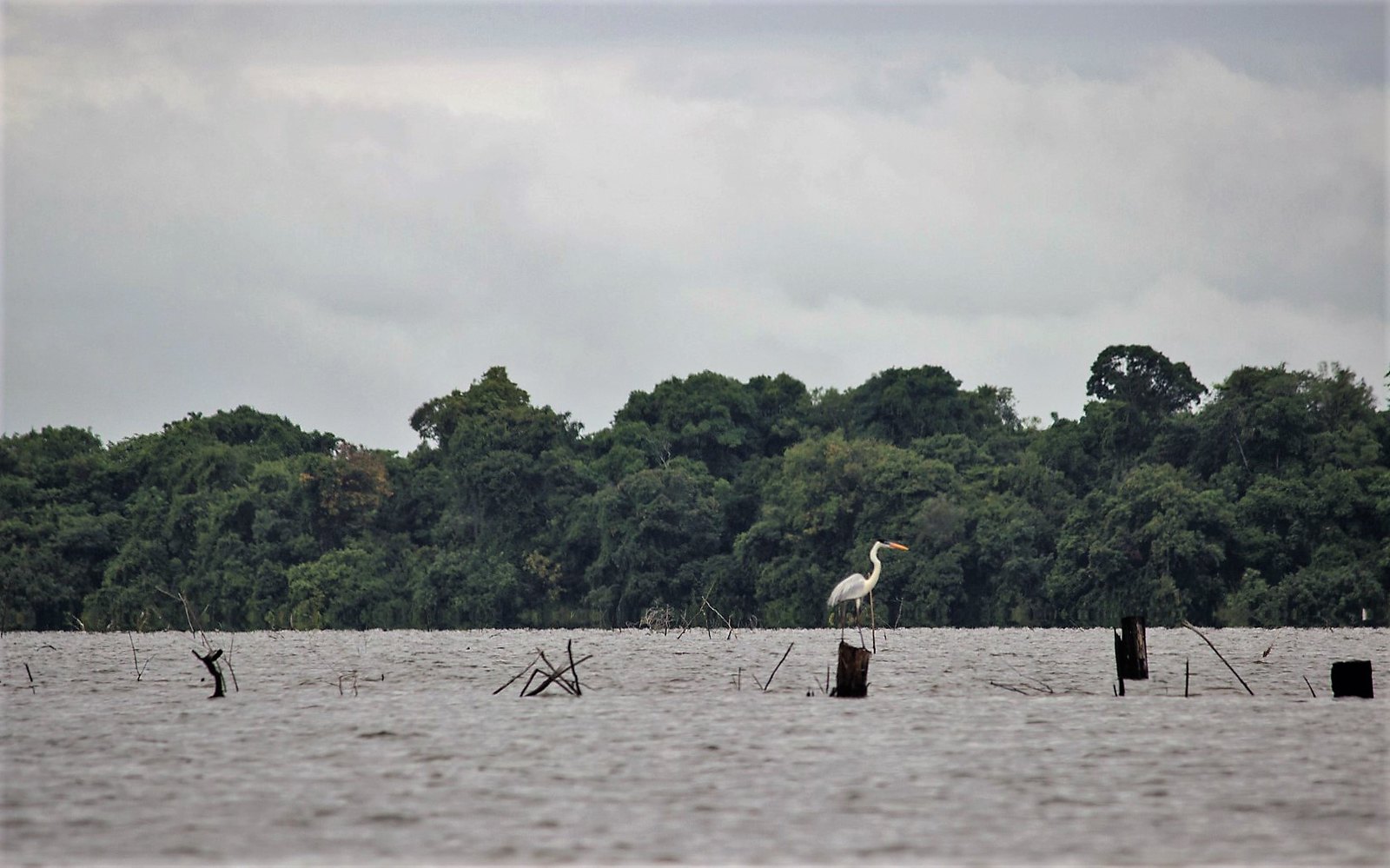
Photo: Amazon Watch / Maíra Irigaray.
The search for justice and reparations
Over the years, the Federal Public Prosecutor’s Office in Pará, the Public Defender’s Office, and civil society organizations have filed dozens of legal actions in Brazilian courts to challenge the project’s various irregularities and its impacts. Most of the claims are still pending resolution, some for more than 10 years.
These efforts have failed because the national government has repeatedly overturned rulings in favor of the affected communities by invoking a mechanism that allowed a court president to suspend a judicial decision based solely on generic arguments such as "the national interest" or "economic order."
In the absence of effective responses at the national level, AIDA, together with a coalition of partner organizations, brought the case before the Inter-American Commission on Human Rights (IACHR) and, in 2010, requested precautionary measures to protect the lives, safety, and health of the affected indigenous communities.
On April 1, 2011, the IACHR granted these measures and requested that the Brazilian government suspend environmental permits and any construction work until the conditions related to prior consultation and the protection of the health and safety of the communities are met.
And on June 16, 2011 —together with the Xingu Vivo Para Sempre Movement, the Coordinating Committee of Indigenous Organizations of the Brazilian Amazon, the Diocese of Altamira, the Indigenous Missionary Council, the Pará Society for the Defense of Human Rights and Global Justice— we filed a formal complaint against the Brazilian State for its international responsibility in the violation of the human rights of the people affected in the case. The case was opened for processing in December 2015.
On August 3, 2011, the IACHR amended the precautionary measures to request, instead of the suspension of permits and construction, the protection of people living in voluntary isolation, the health of indigenous communities, and the regularization and protection of ancestral lands.
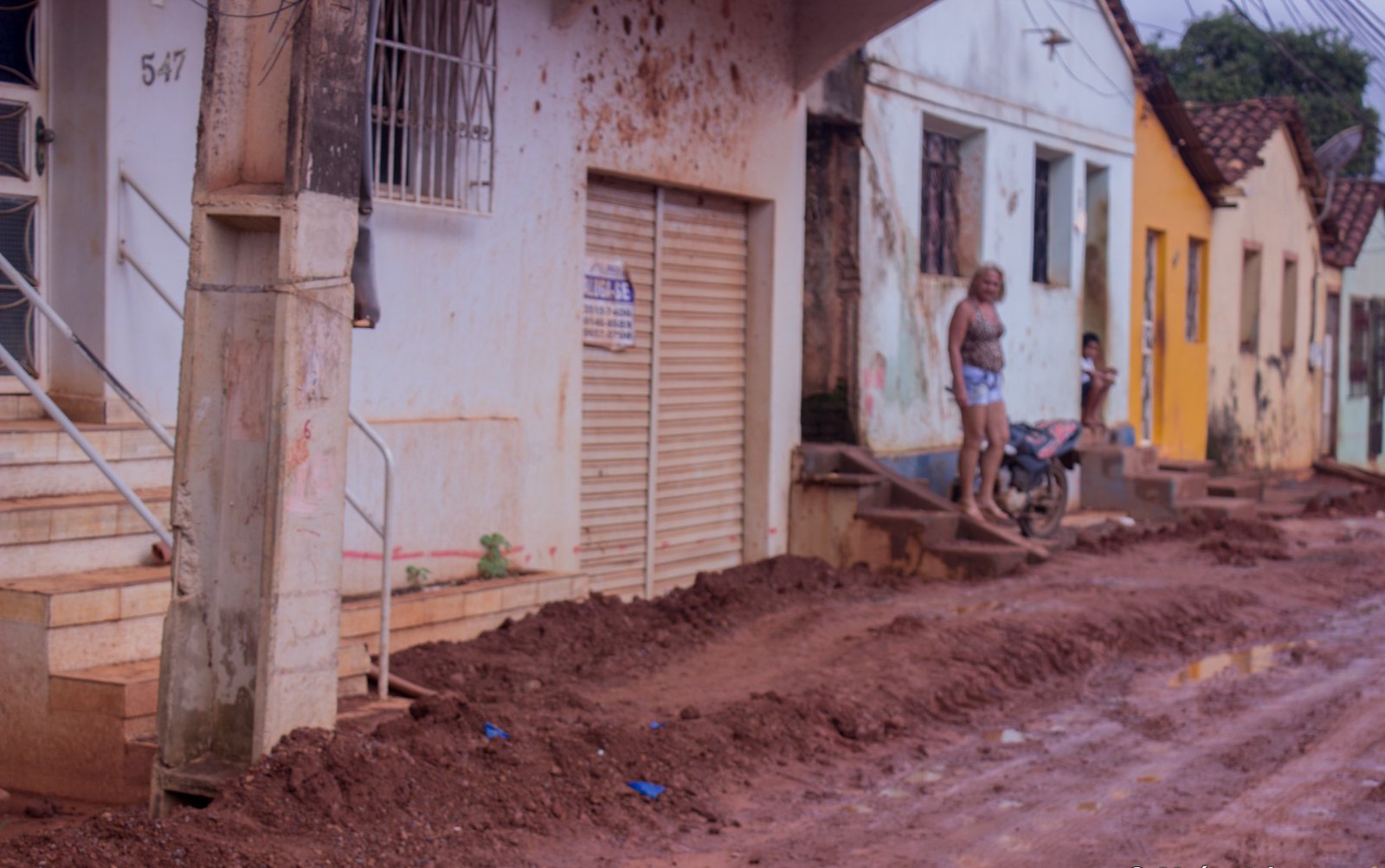
Photo: Amazon Watch / Maíra Irigaray.
Current situation
The protective measures granted by the IACHR remain in effect, but the Brazilian government has not fully complied with them, reporting only on general actions. The communities have documented the ongoing violations of their rights. The situation that prompted the request for these measures—the risk to the lives, physical integrity, and ways of life of the communities—persists and has worsened with the hydroelectric plant operating at full capacity and the recent extreme droughts in the Amazon.
In addition to the impacts of Belo Monte, there is a risk of further social and environmental impacts from the implementation of another mining megaproject in the Volta Grande do Xingu. There, the Canadian company Belo Sun plans to build Brazil’s largest open-pit gold mine.
The combined and cumulative impacts of the dam and the mine were not assessed. The government excluded Indigenous peoples, riverine and peasant communities from the project’s environmental permitting process. Despite protests by Indigenous communities and other irregularities surrounding the project, the government of Pará formally authorized the mine in April 2026.
Like other hydroelectric dams, Belo Monte exacerbates the climate emergency by generating greenhouse gas emissions in its reservoir. And it is inefficient amid the longer, more intense droughts caused by the crisis, as it loses its ability to generate power.
The case before the Inter-American Commission
In October 2017, the IACHR announced that it would rule jointly on the admissibility (whether the case meets the requirements for admission) and the merits (whether a human rights violation actually occurred) of the international complaint against the Brazilian State.
Fifteen years after the complaint was filed, the affected communities and the organizations representing them are still awaiting this decision. If the IACHR concludes that human rights violations occurred and issues recommendations that the Brazilian State fails to comply with, it may refer the case to the Inter-American Court of Human Rights, whose rulings are binding.
A potential ruling by the international court in this case would set a regional legal precedent regarding the rights of indigenous and riverine peoples, public participation in megaprojects, and state responsibility in the context of the climate crisis—a precedent that is particularly relevant in light of the Court’s Advisory Opinion No. 32, which reaffirmed the obligations of States to protect the people and communities of the continent from the climate emergency.
Partners:
Related projects
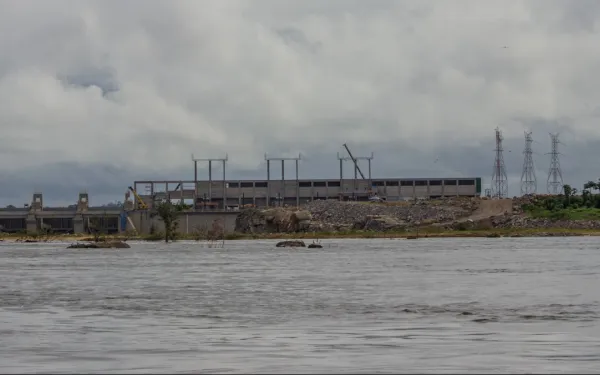
Open letter to the President of BNDES about funding for Belo Monte (Spanish only)
Excmo. Sr. Luciano Coutinho Presidente del Banco Nacional de Desarrollo Económico y Social – BNDES Río de Janeiro, Brasil Las organizaciones de la sociedad civil abajo firmantes, comprometidas con la defensa de los derechos humanos, el desarrollo con responsabilidad socioambiental y el fortalecimiento de la democracia, venimos respetuosamente a presentar las siguientes consideraciones y solicitar medidas urgentes ante el desembolso del préstamo anunciado por el BNDES para financiar el Complejo Hidroeléctrico de Belo Monte, en el Estado de Pará. Considerando que, de conformidad con la amplia documentación y estudios técnicos, existen fuertes evidencias de la inviabilidad económica del Complejo Belo Monte1, con base en factores como: i) el aumento constante de los costos del emprendimiento, que ya se multiplicó en casi 7 veces, de R$ 4.5 billones de reales en 2005 a R$ 19 billones en la época de la licitación en 2010, y actualmente está en aproximadamente R$ 28,9 billones conforme a datos del BNDES, pudiendo llegar a los R$ 32 billones, según analistas; ii) la reducida capacidad de generación de energía a lo largo de un año, aproximadamente apenas un 39% de su capacidad instalada de 11,2 mil MW; y iii) los verdaderos costos económicos asociados a la mitigación y compensación de impactos socioambientales que fueron crónicamente sub-dimensionados, en gran medida, a causa de presiones políticas por la aprobación de licencias ambientales, contrariando informes técnicos del propio IBAMA; Considerando que el BNDES firmó el 16 de junio de 2011 un primer préstamo puente por un valor de R$ 1,1 billones a favor del Consorcio Norte Energía S.A. (NESA), un segundo préstamo puente el 2 de julio de 2012 por un valor total de R$ 1,8 billones utilizando a la Caja Económica Federal (CEF) y al Banco ABC S.A. como prestamistas; y que el BNDES anunció el 26 de noviembre de 2012 la aprobación de un financiamiento por R$ 22,5 billones (el mayor préstamo de su historia) para Belo Monte, con la actuación del CEF y del BTG Pactual como bancos prestamistas de parte de los recursos,2 para sumar un total de R$ 25,4 billones; Considerando que los préstamos del BNDES a favor del consorcio Norte Energía están utilizando recursos públicos, oriundos del Programa de Integración Social y del Programa de Formación de Patrimonio del Funcionario Público (PIS-PASEP) y del Fondo de Garantía por Tiempo de Servicio (FGTS), asignados al Fondo de Amparo al Trabajador (FAT) y de la emisión de bonos del Tesoro Nacional en el mercado internacional (en los que la diferencia entre la tasa de interés pagada por Tesoro es aquella cobrada al BNDES y también cubierta por el contribuyente brasileño); Considerando que para la aprobación de los dos préstamos puente, por un valor total de R$ 2.9 billones, el BNDES exceptuó la realización de análisis de viabilidad económica y de clasificación de riesgo del Complejo Belo Monte, exigidos por la Resolución No. 2.682/99 de Consejo Monetario Nacional – CMN y no cumplió con las determinaciones de la Circular Nº 3547 de 07/07/2011/BACEN (D.O.U. 08/07/2011) en lo relativo a la necesidad de evaluación y cálculo de riesgo resultante de la exposición a los daños socioambientales del emprendimiento; Considerando que, a pesar de las determinaciones de las Resoluciones 2022/10 y 2025/10, aprobadas por la Dirección Ejecutiva, que instituyó la nueva Política de Responsabilidad Social y Ambiental y la nueva Política Socioambiental del Sistema BNDES, el Banco aún no cuenta con una guía socioambiental con directrices para orientar financiamientos para el sector hidroeléctrico, como herramienta para asegurar el cumplimiento de sus objetivos sociales, económicos y ambientales, en el marco de la legislación vigente; Considerando que el BNDES recibió notificaciones extra-judiciales firmadas por diversas organizaciones de la sociedad civil en octubre de 2010 y noviembre de 20113, con advertencias sobre los riesgos financieros, legales y de reputación a raíz de su involucramiento como financiador del Complejo Belo Monte; sin que eso haya provocado cambios efectivos en la postura del banco; Considerando el incumplimiento crónico de las condicionantes de las licencias ambientales (Licencia Previa No. 342/2010 y Licencia de Instalación No. 795/2011), como lo prueban las minutas del seguimiento de IBAMA y de la FUNAI, así como los relatos de organizaciones civiles y poblaciones afectadas, sin que eso haya afectado las decisiones del BNDES en cuanto al financiamiento de Belo Monte; Considerando las graves violaciones a los derechos humanos de los pueblos indígenas y de otras comunidades locales del Xingú y de la legislación ambiental, así como irregularidades en el cumplimiento de la legislación laboral por parte de NESA y empresas tercerizadas; Considerando los impactos socioambientales que la construcción de Belo Monte ya está provocando, como por ejemplo el desplazamiento forzado de agricultores familiares y ribereños sin compensación efectiva, afectación a la calidad del agua, mortalidad de peces y quelonios, aumento de la deforestación ilegal, invasión de tierras y explotación maderera ilegal, invasión de empresas mineras depredadoras (como la multinacional canadiense Belo Sun en la Volta Grande del Xingú), aumento de violencia y prostitución infantil, criminalización de defensores de derechos humanos en la región, así como la sobrecarga de los servicios de salud, saneamiento, educación y seguridad pública en áreas urbanas; sin medidas efectivas de solución a los problemas, en el ámbito de las condicionantes de licencias, el PDRS Xingú y las medidas cautelares solicitadas por la Comisión Interamericana de Derechos Humanos (CIDH); Considerando que el cuadro de ilegalidades de Belo Monte tiene como resultado, hasta el momento, la presentación de 15 acciones del Ministerio Público Federal, 21 acciones de la Defensoría Pública y 18 acciones de organizaciones de la sociedad civil; e internacionalmente la presentación de una petición y el otorgamiento de medidas cautelares por la Comisión Interamericana de Derechos Humanos en favor de las comunidades indígenas de la cuenca del Xingú; Considerando que el BNDES no posee hasta la fecha un sistema de monitoreo y evaluación del cumplimiento de condicionantes de licencias ambientales, de violaciones de derechos humanos y legislación ambiental y de otros impactos socioambientales de emprendimientos como Belo Monte, contradiciendo así el discurso de responsabilidad social y ambiental del banco; Considerando que un nuevo aporte de R$ 22,5 billones del BNDES, en el contexto actual de incumplimiento de obligaciones formales por parte de NESA, genera que el BNDES y otros órganos públicos intensifiquen enormemente los problemas de degradación ambiental y el sufrimiento de las poblaciones afectadas y amenazadas en la región afectada por Belo Monte; Solicitamos que no se realice ningún desembolso del préstamo de R$ 22,5 billones para Norte Energía S.A., anunciado el día 26 de noviembre de 2012 por el BNDES, antes de cumplir con las siguientes medidas urgentes, que constituyen, en su gran mayoría, obligaciones formales preexistentes del Banco: a) Demostración del pleno cumplimiento de las leyes nacionales e internacionales aplicables para hidroeléctricas y las directrices, criterios y demás compromisos del Protocolo de Intenciones para la Responsabilidad Socioambiental (Protocolo Verde) firmado por el BNDES en agosto de 2008; b) Esclarecimiento de los motivos para la inexistencia de una guía socioambiental con directrices para orientar inversiones en el sector hidroeléctrico, conforme a lo previsto en las Resoluciones 2022/10 y 2025/10 que instituyeran la nueva Política de Responsabilidad Social y Ambiental y la nueva Política Socioambiental del Sistema BNDES, así como una explicación sobre las medidas que el banco viene tomando y pretende implementar para que tales resoluciones sean cumplidas para el caso de Belo Monte; c) Criterios y métodos utilizados por el BNDES en el análisis de la viabilidad económica de Belo Monte - especialmente en lo que se refiere a los costos de construcción, producción y venta de energía, y costos de mitigación y compensación de impactos socioambientales – explicando los riesgos de perjuicios para las arcas públicas y el contribuyente brasileño y cómo el banco pretende sanearlos; d) Demostración de cumplimiento efectivo de la Resolución No. 2.682/99 del Consejo Monetario Nacional – CMN, relativa al análisis de viabilidad económica y de clasificación de riesgo del Complejo Belo Monte; e) Cumplimiento pleno de las determinaciones de la Circular Nº 3547 de 07/07/2011/BACEN (D.O.U. 08/07/2011) relativa a la necesidad de evaluación y cálculo de riesgo resultante de la exposición a los daños socioambientales del emprendimiento; f) Muestra de los análisis realizados por el BNDES respecto al grado de cumplimiento de condicionantes de licencias ambientales y sus implicaciones para la aprobación del préstamo principal; g) Esclarecimiento de los análisis realizados por el BNDES sobre el grado de cumplimiento de la legislación vigente en materia laboral y de derechos humanos, inclusive el derecho al consentimiento libre, previo e informado, conforme al artículo 231 de la Constitución Federal, el Convenio 169 de la OIT y la Declaración de los Derechos de los Pueblos Indígenas de las Naciones Unidas y las medidas cautelares otorgadas por la Comisión Interamericana de Derechos Humanos; h) Posicionamiento del BNDES sobre las más de 50 acciones interpuestas relativas a las ilegalidades en el licenciamiento e instalación del Complejo Belo Monte, y sus conclusiones en cuanto a las implicaciones del pasivo jurídico del emprendimiento para la aprobación del préstamo principal; i) Demostración de pleno cumplimiento del artículo 1, § 1º de la Ley 6.938/81, en lo que se refiere a la responsabilidad objetiva de los agentes financieros por los daños ambientales del emprendimiento, inclusive aquellos no previstos o asumidos en la Licencia Previa No. 342/2010. Señor Presidente, considerando la urgencia y relevancia de este asunto, inclusive para asegurar la coherencia entre los objetivos de responsabilidad social y ambiental del BNDES y sus operaciones en la práctica, solicitamos el máximo de atención y empeño en atender esta solicitud. En este sentido, solicitamos la realización de una reunión urgente de una delegación de las organizaciones signatarias de esta carta con Su Excelencia y su equipo, para tratar las cuestiones aquí planteadas y la implementación de las medidas urgentes propuestas. Altamira-PA, 4 de diciembre de 2012 See the full list of national and international organizations that signed the letter in the attached PDF version (spanish only).
Read more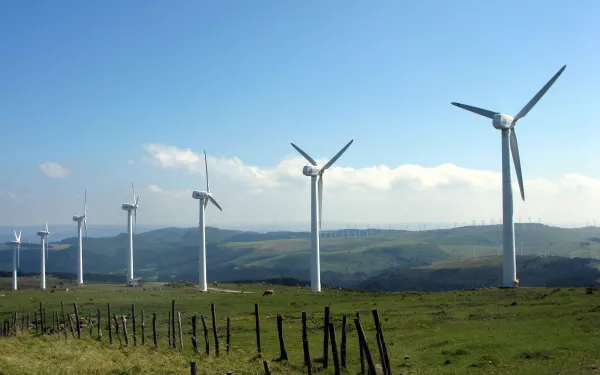
The challenges of deploying wind energy in Mexico. The case of the Isthmus of Tehuantepec
To combat climate change, low-carbon projects such as wind farms must be promoted. But despite the urgency for renewable energy, these projects must be carried out in a sustainable and equitable fashion. This article is an open call to Mexico and the world to improve planning and development practices for renewable energy projects, helping to guarantee the respect of the human rights of affected communities. The Mexican government has authorized the development of at least 14 wind power projects on the Isthmus of Tehuantepec in Oaxaca, one of the poorest states in the country with a more than 34% indigenous population. The projects are backed by international investors including the Inter-American Development Bank and benefiting from the Clean Development Mechanism (CDM) of the Kyoto Protocol. Even so, a number of projects have caused negative social and environmental impacts that outweigh the benefits, threatening the human rights of local indigenous communities, including the right to free, prior, and informed consent for projects affecting their lands and livelihoods. The reason for this problem is that the Mexican government has not developed effective rules or mechanisms to regulate these investments. Without them, private companies have had to negotiate directly with local communities. There are other factors aggravating the situation, too: Locals lack information: Residents of the Isthmus of Tehuantepec say they have not received comprehensive and timely information about the projects. Some residents said in recent public forums that they were not told about the potential environmental impacts of the projects, such as those now affecting the possibility to cultivate their lands. Threats and violence against locals opposing the projects: For more than two years, the Jijot and Zapoteca communities have raised complaints about their leaders receiving threats and attacks by paramilitary groups and state officials seeking to silence any opposition to the development of wind farms. Lack of free, prior and informed consent: In the rush to grant permits and administrative permissions to wind power developers, the Mexican government has not fulfilled its obligation to consult local indigenous communities as guaranteed by international law. Unreasonable terms of land leases: A number of wind developers have signed contracts with local communities that offer paltry payments for the use of their land. Locals have complained about the lack of a process for negotiating on fair and equal terms. Absence of comprehensive and community-wide benefits: Some wind projects lack a comprehensive environmental and social development plan, meaning that they only benefit a fraction of the population: mostly investors and the companies that will buy the energy. While some locals have leased their lands at reasonable prices, the payments haven’t brought the promised development. Environmental impacts: Some projects have caused extensive environmental damage, yet studies to identify, prevent, and alleviate these damages have never been carried out. Impacts include the burning of large swaths of pastureland (a cause of greenhouse gas emissions), mangrove deforestation, and the destruction of migratory bird habitats. To mitigate the social and environmental impacts and avoid the violation of human rights during the development of wind farms, the following actions are suggested: Create a protocol for wind power development that guarantees the respect for human rights. The protocol should be observed in all relevant public policies. And it must meet the following standards: include criteria and indicators to verify the fulfillment of all environmental and social conditions; incentivize economic growth in the region, particularly to the benefit of non-landowners; promote collaboration between private developers, state and local governments, and local communities. Guarantee that all stakeholders and affected communities receive timely, comprehensive and clear information on the projects. The communities have the right to free, prior, and informed consent, and this must be observed. Their decisions must be respected even if they oppose a wind farm. Stakeholders should also seek opportunities to benefit local communities, including through job creation and the support of communal projects. Elaborate and implement a process for measuring the externalities of the projects, in which Mexico’s Federal Electricity and Hydrocarbons Regulator will evaluate sustainability based on independent assessments. If a development fails to benefit local communities, the wind farm must be prohibited from accessing the electricity grid to sell output. As representatives of civil societies working to protect the environment and affected communities, we want to raise awareness about the possible negative impacts of wind farms on communities and promote better practices. We will continue to help affected communities in search of justice and equity. About the authors: The Interamerican Association for Environmental Defense (AIDA) is a nonprofit environmental law organization that works across international borders to defend threatened ecosystems and the communities that depend on them. Its mission is to strengthen people's ability to guarantee their individual and collective right to a healthy environment through the development, implementation, and effective enforcement of national and international law. Contact information: [email protected] The Mexican Environmental Law Center (CEMDA) is a nonpartisan civic organization that promotes environmental protection and the right to a healthy environment. Its work contributes to the effective implementation of legislation, improvement of public policies, and the strengthening of legality and the rule of law. Its objective is to achieve better social welfare conditions in harmony with nature. Contact information: [email protected]
Read more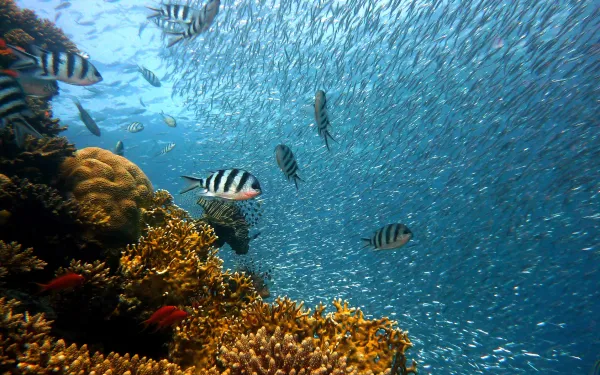
Coral reefs in Costa Rica: Economic Value, Threats and International Legal Commitments to Protect Them (in Spanish)
The report (in Spanish), published with financial support from Conservation International, aims to serve as a foundation for introducing specific legislation on protecting coral reefs in Costa Rica, and to support their conservation in Latin America and the Caribbean, a crucial task. In the first section, the report highlights the useful richness of the reefs. They protect cities and communities from the coastal erosion caused by hurricanes and storms (reefs absorb up to 90% of the impact of the waves). They mitigate climate change. They provide abundant fishing and valuable data for medical research (corals have been recognized as potential sources of cancer-fighting medicine). Reefs attract tourism for recreation and their beauty. And they maintain other habitats wealthy in biopersity. Reefs are nurseries, homes and meal spots for countless creatures and supply tons of seafood for our consumption. The report is backed by figures. It quantifies the economic value of a reef at more than $1 million per hectare. That equates to about $582 million for all of Costa Rica’s coral reefs. The calculation of damages to these underwater resources, however, could push that value up tenfold or more if we consider the legal actions related to reefs in countries like Belize and the United States. The report highlights the urgency of creating a legal instrument in Costa Rica to protect coral reefs for the benefit of this and future generations. Read and download the report (in Spanish)
Read more