
Project
Amazon Watch / Maíra Irigaray
The Belo Monte Dam on the Xingu River: 10 years of impacts in the Amazon and the search for reparations
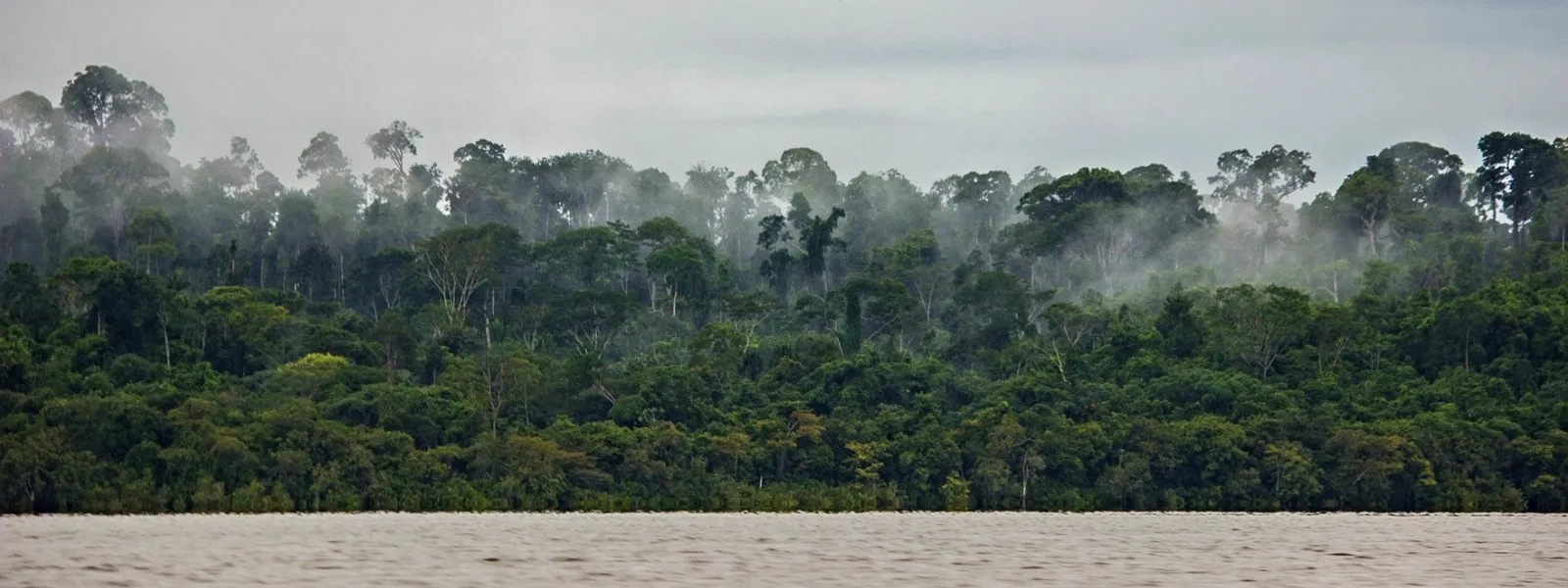
The Belo Monte Dam has caused an environmental and social disaster in the heart of the Amazon—one of the most important ecosystems on the planet.
This situation has only worsened since the hydroelectric plant began operations in 2016. The quest for justice and reparations by the affected indigenous, fishing, and riverine communities continues to this day.
In 2011, the Inter-American Commission on Human Rights (IACHR) granted them protective measures that, to date, have not been fully implemented by the Brazilian State.
Furthermore, since June of that same year, the IACHR has yet to rule on a complaint against the State regarding its international responsibility in the case.
The IACHR may refer the case to the Inter-American Court of Human Rights, which has the authority to issue a ruling condemning the Brazilian State.
After 10 years of the hydroelectric plant's operation and more than 15 years of documented human rights violations, it is time for justice to be served for the affected communities.
Read the open letter from the organizations bringing the case before the IACHR
Background
The Belo Monte hydroelectric plant—the fourth largest in the world by installed capacity (11,233 MW)—was built on the Xingu River in Pará, a state in northern Brazil.
It was inaugurated on May 5, 2016, with a single turbine. At that time, 80% of the river’s course was diverted, flooding 516 km² of land—an area larger than the city of Chicago. Of that area, 400 km² was native forest. The dam began operating at full capacity in November 2019.
Belo Monte was built and is operated by the Norte Energia S.A. consortium, which is composed primarily of state-owned companies. It was financed by the Brazilian Development Bank (BNDES), which provided the consortium with 25.4 billion reais (approximately US$10.16 billion), the largest investment in the bank’s history. Therefore, the BNDES is also legally responsible for the socio-environmental impacts associated with the hydroelectric plant.
Decades of harm to the environment and people
Human rights violations and degradation of the Amazon have been occurring since the project’s inception. In March 2011, Norte Energía began construction of the dam without adequate consultation and without the prior, free, and informed consent of the affected communities.
The construction caused the forced displacement of more than 40,000 people, severing social and cultural ties. The resettlement plan in Altamira—a city directly affected by the hydroelectric dam—involved housing units located on the outskirts, lacking adequate public services and decent living conditions for the relocated families, with no special provisions for those from indigenous communities.
Belo Monte's operations have caused a permanent, man-made drought in the Volta Grande (or "Great Bend") of the Xingu River, exacerbated by the historic droughts in the Amazon in 2023 and 2024. As a result, the deaths of millions of fish eggs were documented for four consecutive years (from 2021 to 2024), and for the past three years, there has been no upstream migration of fish to spawn and reproduce. Thus, artisanal fishing, the main source of protein for indigenous peoples and riverside communities, was severely affected: fish dropped from 50% to 30% of total protein consumed, replaced by processed foods. In summary, there was an environmental and humanitarian collapse that resulted in the breakdown of fishing as a traditional way of life, food insecurity, and access to drinking water for thousands of families, impoverishment, and disease.
Furthermore, the construction of the dam increased deforestation and intensified illegal logging and insecurity on indigenous and tribal lands, putting the survival of these communities at risk. Another consequence was the deepening of poverty and social conflicts, as well as the strain on health, education, and public safety systems in Altamira—a city ranked as the most violent in the country in 2017, where human trafficking and sexual violence increased. Violence was also reported against human rights defenders involved in the case.
In 2025, during the 30th UN Climate Change Conference (COP30), held in Brazil, the Federal Public Prosecutor’s Office labeled the damage caused by the Belo Monte dam as ecocide.
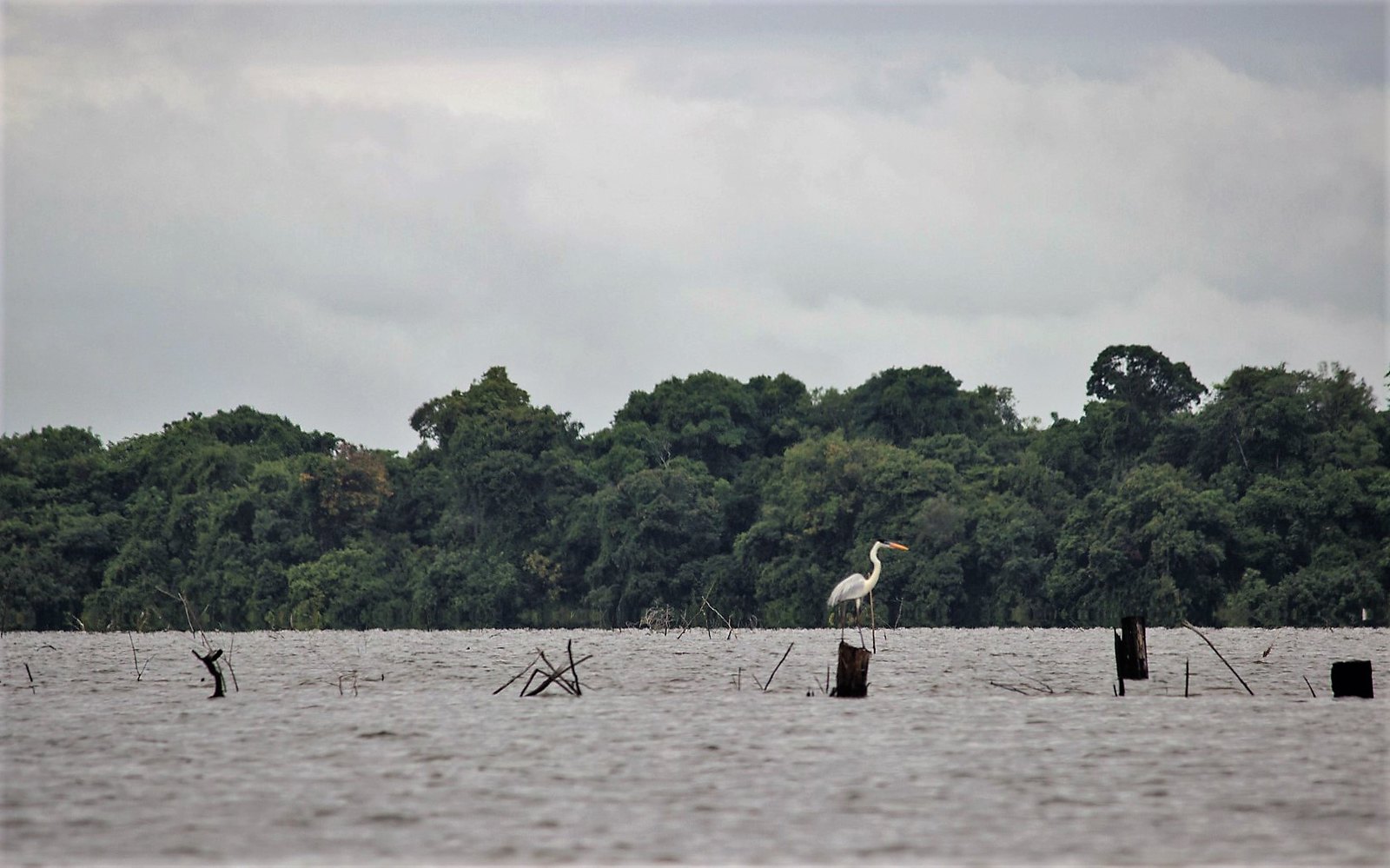
Photo: Amazon Watch / Maíra Irigaray.
The search for justice and reparations
Over the years, the Federal Public Prosecutor’s Office in Pará, the Public Defender’s Office, and civil society organizations have filed dozens of legal actions in Brazilian courts to challenge the project’s various irregularities and its impacts. Most of the claims are still pending resolution, some for more than 10 years.
These efforts have failed because the national government has repeatedly overturned rulings in favor of the affected communities by invoking a mechanism that allowed a court president to suspend a judicial decision based solely on generic arguments such as "the national interest" or "economic order."
In the absence of effective responses at the national level, AIDA, together with a coalition of partner organizations, brought the case before the Inter-American Commission on Human Rights (IACHR) and, in 2010, requested precautionary measures to protect the lives, safety, and health of the affected indigenous communities.
On April 1, 2011, the IACHR granted these measures and requested that the Brazilian government suspend environmental permits and any construction work until the conditions related to prior consultation and the protection of the health and safety of the communities are met.
And on June 16, 2011 —together with the Xingu Vivo Para Sempre Movement, the Coordinating Committee of Indigenous Organizations of the Brazilian Amazon, the Diocese of Altamira, the Indigenous Missionary Council, the Pará Society for the Defense of Human Rights and Global Justice— we filed a formal complaint against the Brazilian State for its international responsibility in the violation of the human rights of the people affected in the case. The case was opened for processing in December 2015.
On August 3, 2011, the IACHR amended the precautionary measures to request, instead of the suspension of permits and construction, the protection of people living in voluntary isolation, the health of indigenous communities, and the regularization and protection of ancestral lands.
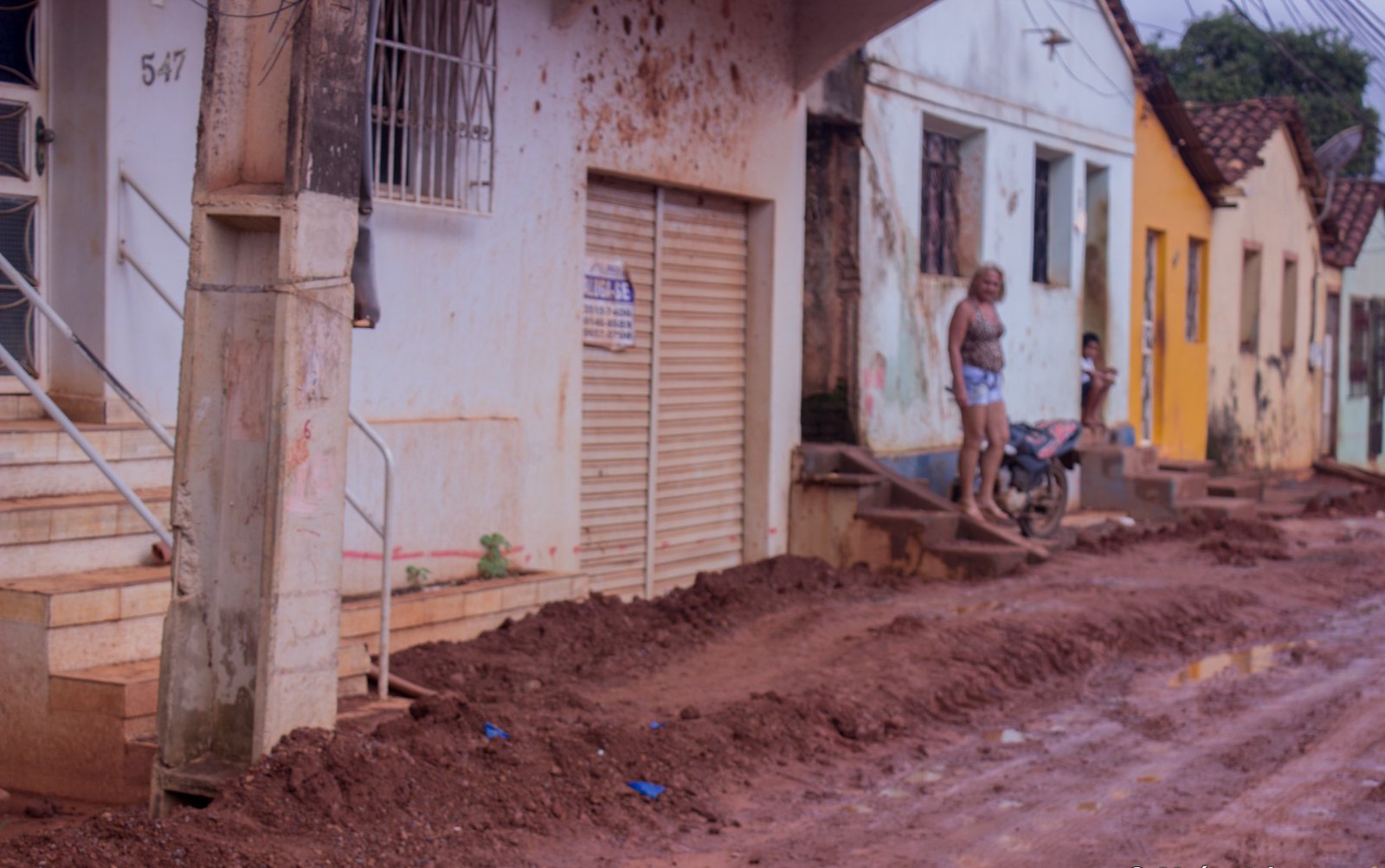
Photo: Amazon Watch / Maíra Irigaray.
Current situation
The protective measures granted by the IACHR remain in effect, but the Brazilian government has not fully complied with them, reporting only on general actions. The communities have documented the ongoing violations of their rights. The situation that prompted the request for these measures—the risk to the lives, physical integrity, and ways of life of the communities—persists and has worsened with the hydroelectric plant operating at full capacity and the recent extreme droughts in the Amazon.
In addition to the impacts of Belo Monte, there is a risk of further social and environmental impacts from the implementation of another mining megaproject in the Volta Grande do Xingu. There, the Canadian company Belo Sun plans to build Brazil’s largest open-pit gold mine.
The combined and cumulative impacts of the dam and the mine were not assessed. The government excluded Indigenous peoples, riverine and peasant communities from the project’s environmental permitting process. Despite protests by Indigenous communities and other irregularities surrounding the project, the government of Pará formally authorized the mine in April 2026.
Like other hydroelectric dams, Belo Monte exacerbates the climate emergency by generating greenhouse gas emissions in its reservoir. And it is inefficient amid the longer, more intense droughts caused by the crisis, as it loses its ability to generate power.
The case before the Inter-American Commission
In October 2017, the IACHR announced that it would rule jointly on the admissibility (whether the case meets the requirements for admission) and the merits (whether a human rights violation actually occurred) of the international complaint against the Brazilian State.
Fifteen years after the complaint was filed, the affected communities and the organizations representing them are still awaiting this decision. If the IACHR concludes that human rights violations occurred and issues recommendations that the Brazilian State fails to comply with, it may refer the case to the Inter-American Court of Human Rights, whose rulings are binding.
A potential ruling by the international court in this case would set a regional legal precedent regarding the rights of indigenous and riverine peoples, public participation in megaprojects, and state responsibility in the context of the climate crisis—a precedent that is particularly relevant in light of the Court’s Advisory Opinion No. 32, which reaffirmed the obligations of States to protect the people and communities of the continent from the climate emergency.
Partners:
Related projects
How we protect Andean ecosystems from mining's impacts
Few places in the world are so vulnerable to environmental degradation from mining than Colombia. The country ranks second in coal reserves in South America and is home to what could be one of the largest gold mines in the Americas. This means it is imperative to deal with the environmental problems linked to mining. Paradoxically, Colombia has a rich ecology. This ranges from forests to fragile environments such as páramos, or high-altitude ecosystems that capture water from fog and supply it to lowlands. Both have a rich biodiversity that would suffer devastating impacts from mining. But it’s not just the environment. The ethnic and rural communities that rely on these natural resources for their livelihoods are the most susceptible to mining. AIDA has worked to protect these Andean ecosystems, which are vital sources of water. Due to a shift in national policy from agriculture to mining as Colombia’s economic and industrial priority, the threats of mining are intensifying. In response, AIDA has used political and legal strategies to strengthen and enforce environmental legislation in the country. We have turned to comparative and international law to clarify the country’s legal requirements and establish precedents for the creation of public policies that protect fragile environments from large-scale mining. In this effort, AIDA helped the Inter-Church Commission for Justice and Peace, a Colombian human rights group, to file a lawsuit against the Mandé Norte project of Muriel Mining Corp. in the northeastern department of Chocó. With the resolution of this case (see above, Spanish only), Colombia's Constitutional Court set a crucial precedent. It ruled that indigenous and tribal communities have the right to freely access information about the project and to express their prior consent for the construction of the mine, all while under the protection of national and international laws. Specifically, the court ordered the Colombian government to stop all work on the Mandé Norte mine until the company carried out extensive studies on the potential environmental impacts and made a new and adequate consultation of the affected communities. The Ministry of Interior and the mining company asked the court to reverse its decision. AIDA and other organizations submitted requests (see our interventions, Spanish only) to keep the ruling intact. This finally happened on March 12, 2012 when the court confirmed its decision (see the confirmation of the sentence, Spanish only). To the east of the Mandé Norte project, another such project is threatening the environment and communities in the Santander department. AIDA is working to stop the construction of Angostura, an open-pit gold mine that Canada’s Greystar Resources Ltd. – now called Eco Oro Minerals Corp. – plans to build in the Santurbán páramos, high-altitude wetlands that supply drinking water to 2.2 million Colombians and help to mitigate the effects of climate change. During the environmental licensing process for the project, AIDA helped to demonstrate that Colombia’s legal obligations as well as international norms prohibit mining in the páramos. Based on this argument, Colombia’s Ministry of Environment, Housing and Territorial Development rejected (Spanish only) the environmental impact assessment denied the environmental license for Angostura in May 2011. But as the decision didn’t cancel the mining licenses, Eco Oro said it would seek to build an underground mine. In January 2013, the ministry declared Santurbán a Regional Natural Park, a move that can prevent the development of mining concessions in páramos areas. Through all of this, we found evidence of violations to social and environmental standards in the national and international funding for the Angostura mine by the International Finance Corporation (IFC), an entity of the World Bank Group. Given the alleged noncompliance with these standards, we teamed up with the Center for International Environmental Law (CIEL) and MiningWatch Canada to submit a complaint to the Office of the Compliance Advisor Ombudsman (CAO), the independent complaints office of the IFC. We called for an audit of the project and a subsequent divestment. The CAO decided to audit the investment process. The outcome could set a precedent to ensure that the IFC does not finance mining in páramos, a key decision given that such initiatives are planned elsewhere in Colombia as well as in Ecuador and Peru. In addition to these efforts, AIDA has been actively involved in the debate (Spanish only) concerning a boundary demarcation of Colombia’s páramos as a way to protect these ecosystems. According to Colombian law, the geographical location and characteristics of páramo ecosystems must be mapped out to establish their legal perimeters. Once officially determined, the boundaries will provide the basis for conservation measures, in particular the prevention of activities that cause irreversible damage. Together with prestigious Colombian environmentalists and society as a whole, AIDA has taken action (Spanish only) to press the Ministry of Environment to endorse a demarcation based on scientific criteria by adopting a new atlas of the páramos drawn up by Colombian officials. At the same time, AIDA has worked with other environmental organizations to investigate La Colosa, a mining project that South Africa-based AngloGold Ashanti Ltd. plans to develop in the forest reserves and the large farmlands of Tolima, a central-western department of Colombia. In this case, we have sought a more active and informed participation of citizens and compliance with the highest environmental standards. AIDA also has joined forces with other organizations to file a suit with the goal of analyzing the constitutionality of Colombia’s National Mining Code. The Constitutional Court has set important precedents regarding the need to protect environmentally sensitive areas and the importance of the precautionary principle. It also has set a precedent for ensuring the independence of environmental authorities in regard to mining authorities when it comes to awarding environmental licenses for mining projects. In addition to Colombia, AIDA has been enlisted to help halt the construction of mines in Bolivia, Ecuador, Costa Rica, Mexico, Panama and elsewhere. To do this, AIDA has developed legal and scientific resources from our analysis of case studies and writing of reports. These resources can be useful for protecting the environment and the rural and indigenous communities that are the most affected by mining.
Read more
The bicycle: Can it be our principle mode of transport?
By Astrid Puentes Riaño, co-director, AIDA, @astridpuentes Have you ever thought that bicycles could be our main mode of transport, or is it already for you? I tell people that I cycle, and that I live in Mexico City! I love riding on two wheels for many reasons: it’s environmentally friendly, and it’s easy, fast, cheap and fun. Many times I’ve ridden past cars idling in traffic, leaving them behind as I arrive at my destination in less time than if I’d taken a car or bus. Although it seems incredible, I hardly ever take a car. This might seem crazy given that we are in the modern era and I live in Mexico City, but its doable. I use Ecobici, a public rental service for bicycles. It’s not perfect, but it works well enough. I’m not saying that bicycles should be the only option for everyone. It works for me because most of the destinations I ride to are within a reasonable distance. Of course, when I need to go somewhere with my two year old, I resort to other means of transport such as our family car. As we all know, the increasing use of bicycles and other zero-emission modes of transport help to combat climate change in our cities. Sustainable transport alone will not provide the panacea for solving global warming, but it does go a long way in reducing its impact. The case of The Netherlands Riding a bike, especially in Latin America, can sometimes be more of a challenge than an adventure. I found a BBC article that explains why some countries like The Netherlands use bicycles on a grand scale. The reasons why are surprisingly simple. The country has: Excellent bike path infrastructure, with enough space for everyone to cycle, including children. A bicycle-friendly culture: Motorists respect cyclists because in most cases they either know someone who is a cyclist or they cycle themselves. Strict traffic rules for everyone: Motorists and cyclists alike face hefty fines if they park poorly on the street, travel in the wrong direction or do not follow traffic light rules. Tolerant neighbors allow cyclists to park their bicycles outside their houses, which is clearly a safe place to leave them! How can this be achieved? An interesting aspect in the case of The Netherlands is that civil society pressure and the oil crisis were decisive factors that influenced a considerable change in the country’s transport system. Like most countries in the 1950s and 1960s, the number of road vehicles in The Netherlands grew significantly and, with it, a rise in traffic-related accidents. The number of people killed in 1971 as a result of traffic accidents was 3,000, 450 of whom were children, according to the BBC. The sharp increase in deaths prompted a social movement called “Stop the Child Murder,” which called on the government to improve road safety for cyclists. These incidents, together with the oil crisis of the 1970s, led to changes in government policy, the construction of new bike infrastructure, improved safety standards and, above all, the framework for The Netherlands to take a new bicycle route of its own. Helmet or no helmet… Curiously, it is not mandatory to wear a helmet when bicycling in The Netherlands, as is also the case in much of Europe. Wearing a helmet is not considered necessary given the very low number of accidents and the high level of road safety. The obligation to wear a helmet is seen by many as an attack on the culture that promotes bicycles as a mode of transport. In Spain, there have been protests against government efforts to impose rules enforcing helmet use. In contrast: Cyclists of all ages must wear helmets in Australia and Dubai. It is mandatory to wear a helmet in some Canadian provinces, not others. United States federal law does not require cyclists to wear helmets, but cities like Dallas require helmets for cyclists of all ages, while only those under the ages of 16 and 18 in California and Washington D.C., respectively, are required to do so. Certainly any government attempt to implement policies on helmet use in Latin American cities would be difficult. On the one hand, it is a very real danger to cycle on busy cities, especially if drivers are not accustomed to sharing the roads with cyclists. On the other hand, mandatory helmet requirements could act as a disincentive to people in choosing whether to take up riding bicycles. Something to consider is that helmets alone do not prevent all accidents. A great majority of accidents -- children falling off their bicycles or collisions on the congested streets of Bogota and in other Latin American cities -- can be avoided if appropriate security measures are put in place. I myself had an accident at the age of three when my uncle took me for a ride on his Super Monareta (a Colombian brand of bikes) near my grandmother’s house. My left foot got stuck in the spokes of the rear wheel, badly injuring my inner foot and resulting in the destruction of my best pair of shoes. Fortunately, I came away with only a scar. But it could have been much worse. Progress in Latin America It’s pretty much impossible to compare our countries with The Netherlands. But I think the progress made and lessons learned there hold the key to bicycle reform, and are well worth noting. The good news is that various Latin American capitals have taken action to encourage the use of bicycles. Bike paths are expanding: Bogota has 297 km, Santiago is planning to build an additional 400 km in the inner city, Mexico City reached 42 km in 2012 and Buenos Aires has about 90 km. In reality there is still a great deal to be done and, fortunately, citizens are becoming more involved in the issue, demanding better infrastructure, improved security and air quality to ride something that is more than just a child’s toy. Hopefully progress will continue and we’ll finally see positive changes toward the adoption of fun, environmentally friendly and cheap forms of transport like cycling. What do you think? Do you dare ride a bike?
Read more
"No thank you" says the Green Climate Fund Board to transparency and civil society input
By Andrea Rodríguez, legal advisor, AIDA,@arodriguezosuna Once again civil society organizations expressed disappointment at the lack of transparency and civil society engagement at the latest meeting of the board of the Green Climate Fund (GCF), an operating entity of the United Nations Convention Framework for Climate Change (UNFCCC). The 24-member board met June 25-28 in Songdo, South Korea to further advance a process of putting the GCF into operation. The GCF will operate as a mechanism for transferring funds from the developed to developing world in order to help developing countries finance adaptation and mitigation practices to combat climate change. Civil society organizations have been constantly asking the GCF board for better opportunities for civil society to effectively be involved in the GCF decision-making process. Organizations have sent letters to board members, advisors and the GCF Interim Secretariat. But these many attempts to draw attention and consideration to civil society’s concerns have come to no avail. The board has constantly closed the doors to civil society’s active and effective participation. At board meetings, civil society may only have two active observers in the meeting room: one representing the north and the other the south. The other accredited observers have to sit in an overflow room to watch the meeting. The two active observers may only engage in the meeting if invited by the co-chairs of the board. Only one intervention can be made per each agenda item of the meeting and for no more than three minutes each time. On the last day of the Songdo meeting, the co-chairs disallowed any interventions from civil society, claiming there was not enough time. Ironically, the most important decisions were made on the last day. Given these limitations imposed by the co-chairs, the two active observers in the meeting room approached several board members to share key points on different papers from the perspective of civil society. The co-chairs, however, penalized this action and forbade the active observers from talking to board members. Despite the frustration of the being undermined and excluded, civil society was hoping to win at least one battle at the meeting: getting the board to decide in favor of live webcasting. Live webcasting shows a commitment to accountability and transparency. It provides opportunities for people without the resources to travel to board meetings to get involved in the meeting while also limiting the CO2 emissions generated by each board meeting through a reduction in the number of international flights taken for attendance. Webcasting is widely used by climate-related funds and is even used by the UNFCCC, the international environmental treaty of which the GCF is part. In Songdo, the GCF board decided against live webcasting on the argument that it would be too expensive at US$20,000 to US$30,000 per meeting. The board’s reference prices, however, are far more than the market average of US$1200 per day. According to the Adaptation Fund (AF) Secretariat and its webcast provider, live-streaming of AF board meetings costs about $1,000-$1,250 per day of broadcast, depending on site specific issues. Instead of live webcasting, the GCF board agreed to make webcasts of the meeting accessible three weeks after the event upon registration. Civil society organizations believe that this three-week delay prohibits organizations from advocating on the issues related to the discussions and decisions at the meeting. The Green Climate Fund has decided to have a strategic focus on climate mitigation and adaptation and seek to maximize sustainable development. Nevertheless, it is difficult to understand how the fund would ever be able to maximize “sustainable development” if its decisions are not made with the support of effective stakeholder participation and engagement throughout the whole process.
Read more