
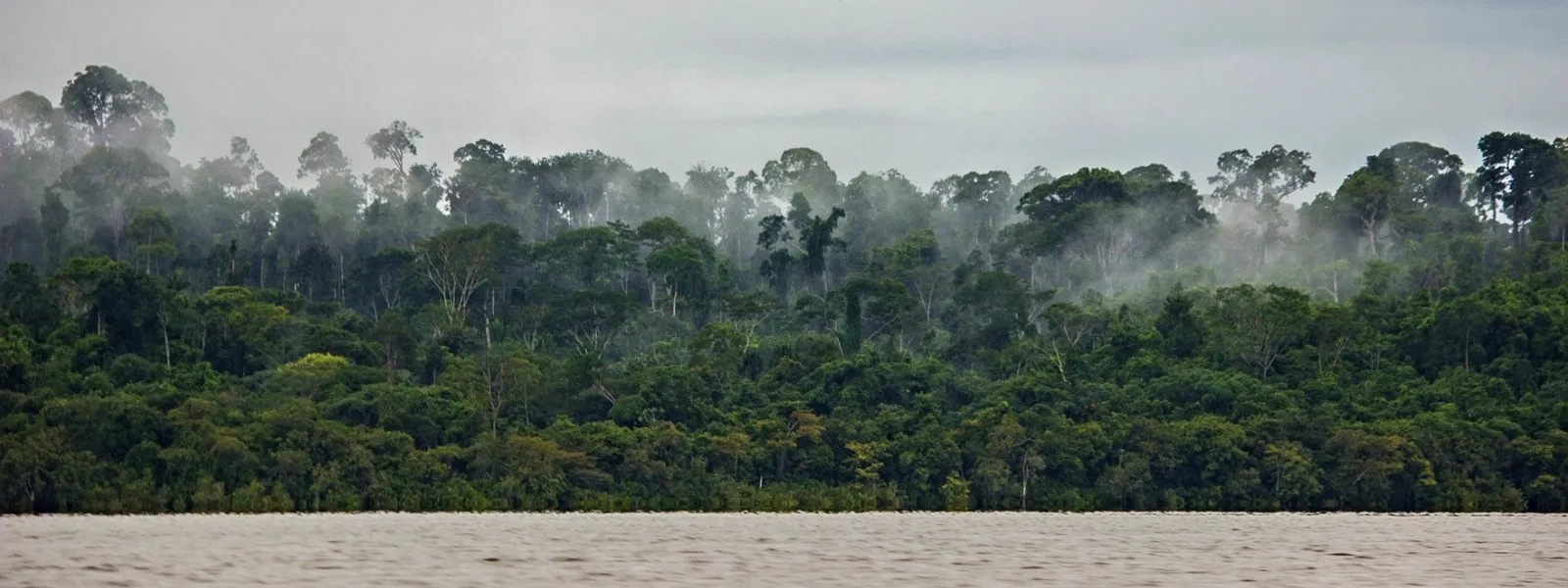
Project
Amazon Watch / Maíra Irigaray
The Belo Monte Dam on the Xingu River: 10 years of impacts in the Amazon and the search for reparations
The Belo Monte Dam has caused an environmental and social disaster in the heart of the Amazon—one of the most important ecosystems on the planet.
This situation has only worsened since the hydroelectric plant began operations in 2016. The quest for justice and reparations by the affected indigenous, fishing, and riverine communities continues to this day.
In 2011, the Inter-American Commission on Human Rights (IACHR) granted them protective measures that, to date, have not been fully implemented by the Brazilian State.
Furthermore, since June of that same year, the IACHR has yet to rule on a complaint against the State regarding its international responsibility in the case.
The IACHR may refer the case to the Inter-American Court of Human Rights, which has the authority to issue a ruling condemning the Brazilian State.
After 10 years of the hydroelectric plant's operation and more than 15 years of documented human rights violations, it is time for justice to be served for the affected communities.
Read the open letter from the organizations bringing the case before the IACHR
Background
The Belo Monte hydroelectric plant—the fourth largest in the world by installed capacity (11,233 MW)—was built on the Xingu River in Pará, a state in northern Brazil.
It was inaugurated on May 5, 2016, with a single turbine. At that time, 80% of the river’s course was diverted, flooding 516 km² of land—an area larger than the city of Chicago. Of that area, 400 km² was native forest. The dam began operating at full capacity in November 2019.
Belo Monte was built and is operated by the Norte Energia S.A. consortium, which is composed primarily of state-owned companies. It was financed by the Brazilian Development Bank (BNDES), which provided the consortium with 25.4 billion reais (approximately US$10.16 billion), the largest investment in the bank’s history. Therefore, the BNDES is also legally responsible for the socio-environmental impacts associated with the hydroelectric plant.
Decades of harm to the environment and people
Human rights violations and degradation of the Amazon have been occurring since the project’s inception. In March 2011, Norte Energía began construction of the dam without adequate consultation and without the prior, free, and informed consent of the affected communities.
The construction caused the forced displacement of more than 40,000 people, severing social and cultural ties. The resettlement plan in Altamira—a city directly affected by the hydroelectric dam—involved housing units located on the outskirts, lacking adequate public services and decent living conditions for the relocated families, with no special provisions for those from indigenous communities.
Belo Monte's operations have caused a permanent, man-made drought in the Volta Grande (or "Great Bend") of the Xingu River, exacerbated by the historic droughts in the Amazon in 2023 and 2024. As a result, the deaths of millions of fish eggs were documented for four consecutive years (from 2021 to 2024), and for the past three years, there has been no upstream migration of fish to spawn and reproduce. Thus, artisanal fishing, the main source of protein for indigenous peoples and riverside communities, was severely affected: fish dropped from 50% to 30% of total protein consumed, replaced by processed foods. In summary, there was an environmental and humanitarian collapse that resulted in the breakdown of fishing as a traditional way of life, food insecurity, and access to drinking water for thousands of families, impoverishment, and disease.
Furthermore, the construction of the dam increased deforestation and intensified illegal logging and insecurity on indigenous and tribal lands, putting the survival of these communities at risk. Another consequence was the deepening of poverty and social conflicts, as well as the strain on health, education, and public safety systems in Altamira—a city ranked as the most violent in the country in 2017, where human trafficking and sexual violence increased. Violence was also reported against human rights defenders involved in the case.
In 2025, during the 30th UN Climate Change Conference (COP30), held in Brazil, the Federal Public Prosecutor’s Office labeled the damage caused by the Belo Monte dam as ecocide.
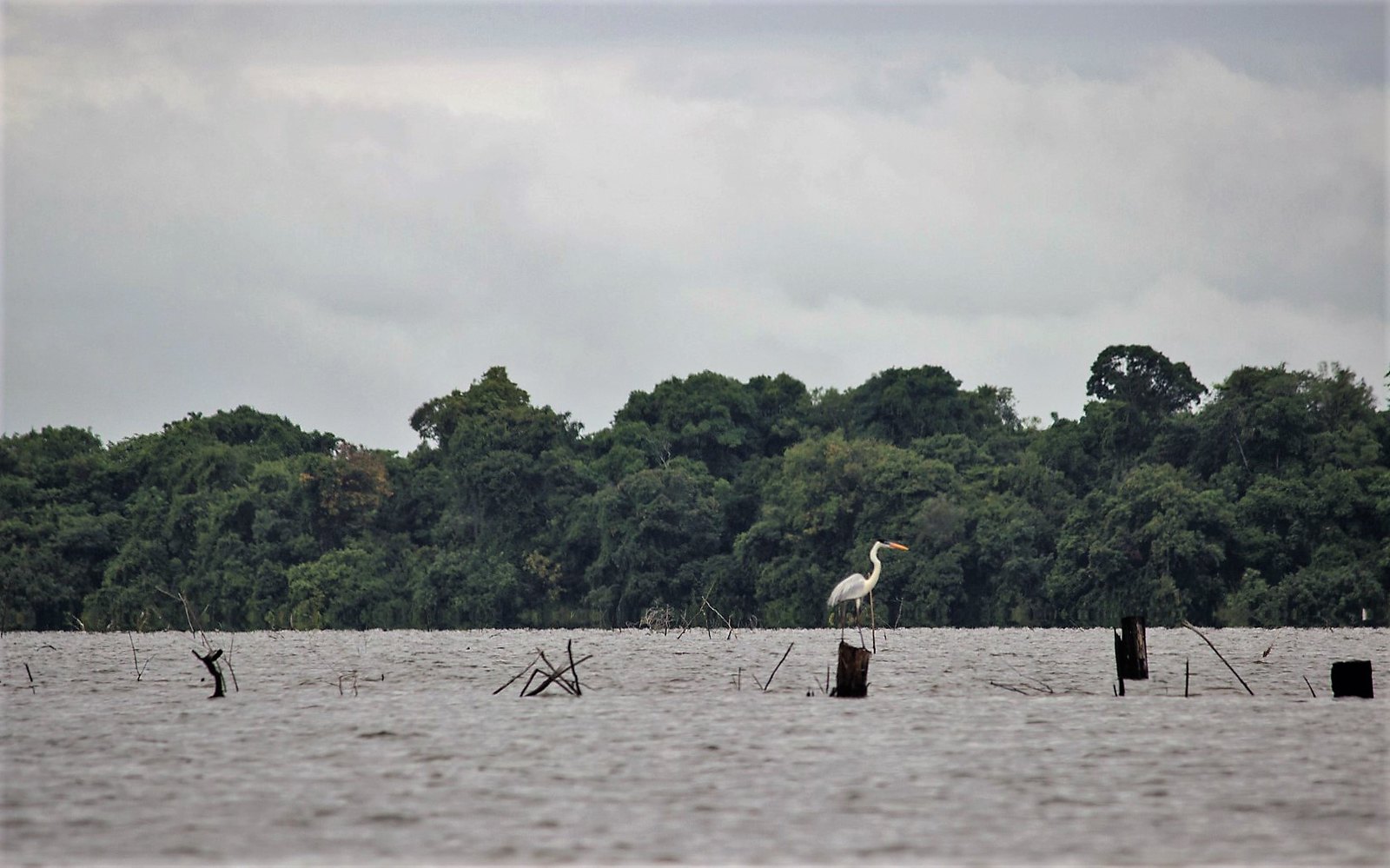
Photo: Amazon Watch / Maíra Irigaray.
The search for justice and reparations
Over the years, the Federal Public Prosecutor’s Office in Pará, the Public Defender’s Office, and civil society organizations have filed dozens of legal actions in Brazilian courts to challenge the project’s various irregularities and its impacts. Most of the claims are still pending resolution, some for more than 10 years.
These efforts have failed because the national government has repeatedly overturned rulings in favor of the affected communities by invoking a mechanism that allowed a court president to suspend a judicial decision based solely on generic arguments such as "the national interest" or "economic order."
In the absence of effective responses at the national level, AIDA, together with a coalition of partner organizations, brought the case before the Inter-American Commission on Human Rights (IACHR) and, in 2010, requested precautionary measures to protect the lives, safety, and health of the affected indigenous communities.
On April 1, 2011, the IACHR granted these measures and requested that the Brazilian government suspend environmental permits and any construction work until the conditions related to prior consultation and the protection of the health and safety of the communities are met.
And on June 16, 2011 —together with the Xingu Vivo Para Sempre Movement, the Coordinating Committee of Indigenous Organizations of the Brazilian Amazon, the Diocese of Altamira, the Indigenous Missionary Council, the Pará Society for the Defense of Human Rights and Global Justice— we filed a formal complaint against the Brazilian State for its international responsibility in the violation of the human rights of the people affected in the case. The case was opened for processing in December 2015.
On August 3, 2011, the IACHR amended the precautionary measures to request, instead of the suspension of permits and construction, the protection of people living in voluntary isolation, the health of indigenous communities, and the regularization and protection of ancestral lands.
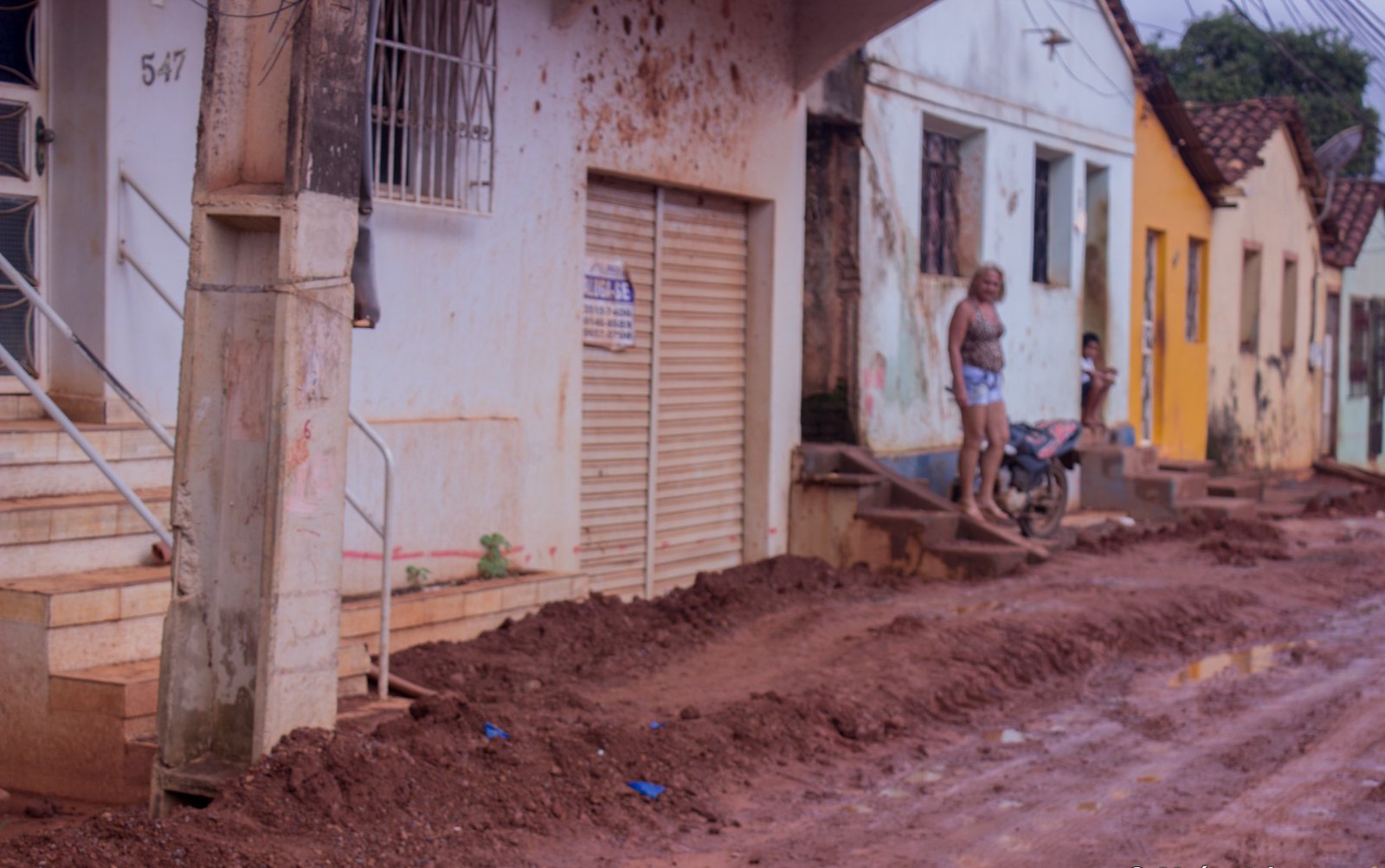
Photo: Amazon Watch / Maíra Irigaray.
Current situation
The protective measures granted by the IACHR remain in effect, but the Brazilian government has not fully complied with them, reporting only on general actions. The communities have documented the ongoing violations of their rights. The situation that prompted the request for these measures—the risk to the lives, physical integrity, and ways of life of the communities—persists and has worsened with the hydroelectric plant operating at full capacity and the recent extreme droughts in the Amazon.
In addition to the impacts of Belo Monte, there is a risk of further social and environmental impacts from the implementation of another mining megaproject in the Volta Grande do Xingu. There, the Canadian company Belo Sun plans to build Brazil’s largest open-pit gold mine.
The combined and cumulative impacts of the dam and the mine were not assessed. The government excluded Indigenous peoples, riverine and peasant communities from the project’s environmental permitting process. Despite protests by Indigenous communities and other irregularities surrounding the project, the government of Pará formally authorized the mine in April 2026.
Like other hydroelectric dams, Belo Monte exacerbates the climate emergency by generating greenhouse gas emissions in its reservoir. And it is inefficient amid the longer, more intense droughts caused by the crisis, as it loses its ability to generate power.
The case before the Inter-American Commission
In October 2017, the IACHR announced that it would rule jointly on the admissibility (whether the case meets the requirements for admission) and the merits (whether a human rights violation actually occurred) of the international complaint against the Brazilian State.
Fifteen years after the complaint was filed, the affected communities and the organizations representing them are still awaiting this decision. If the IACHR concludes that human rights violations occurred and issues recommendations that the Brazilian State fails to comply with, it may refer the case to the Inter-American Court of Human Rights, whose rulings are binding.
A potential ruling by the international court in this case would set a regional legal precedent regarding the rights of indigenous and riverine peoples, public participation in megaprojects, and state responsibility in the context of the climate crisis—a precedent that is particularly relevant in light of the Court’s Advisory Opinion No. 32, which reaffirmed the obligations of States to protect the people and communities of the continent from the climate emergency.
Partners:
Related projects
What are the páramos and what can you do to protect them?
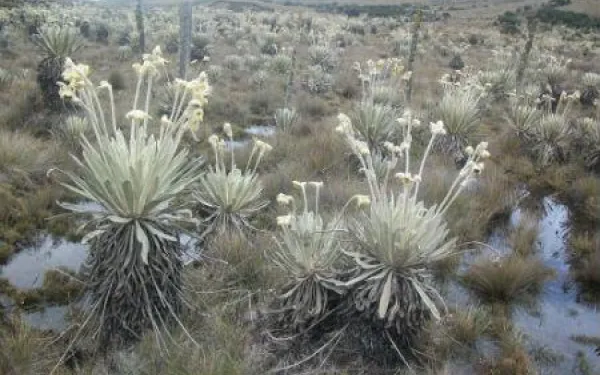
By Carlos Lozano, legal advisor, AIDA, @CLozanoAcosta What are páramos? The answers to this question are the very reasons why we must support their conservation. They are rare and unique ecosystems. The páramos provide an environmental service to more than 100 million people. They possess the greatest botanical biopersity of all high-altitude ecosystems: 60% of their plant species are endemic (that is, they are found only in the páramos). Their formation is a slow and steady process that has taken hundreds of thousands of years. Although the Colombian páramo is considered tropical because it is situated near the equator, the climate is not hot. It is rather cool due to its high altitude of 3,000 meters (9,842 feet) above sea level. The páramo is a geographical paradox: a frosty ecosystem found in a tropical zone. It alsois an incredible beauty. They form a major part of Latin American history. The páramo was dubbed “the land of the mist” by the conquistadores. The indigenous inhabitants incorporated the páramo in traditional ceremonies as it was considered to be a sacred area. The Muisca people of Colombia’s central highlands believed that the páramo gave birth to their primordial mother, the mythological Bachué. The famous legend of El Dorado also originated in the páramo; A Muisca chief was said to have covered himself in gold and thrown himself into Lake Guatavita, prompting the conquistadores to go on a great gold rush in the search of his treasures. During the Colombian War of Independence, Simón Bolívar crossed the Pisba páramo to elude Spanish army sentinels stationed on the main roads. They are a vital water source and a carbon sink that combats climate change. The páramos feed streams, rivers, aquifers and water catchment areas. These in turn supply water to major South American cities including Bogotá and Quito. The páramo also have a remarkable ability to store water through its vegetation and unique geological and ecological features. It also acts as a carbon sink, accumulating carbon through organic matter in the soil. Invasive activities like mining have a detrimental impact on this process by releasing carbon stored in the soil, contributing to global warming. These points demonstrate how the páramos play an important role as a vital source of water and an ally in combating climate change. Their protection is crucial for our future. In Colombia, where more than half of the world’s páramos are located, the government is making a decision on the future of these valuable and fragile ecosystems through a process of officially demarcating their territorial boundaries. Despite the ecological and environmental importance, the boundaries of the Colombian páramos still have not been defined. This poses a serious risk to the area as it is left vulnerable to harmful activities that could destroy it. To truly protect the páramos from irreparable damage it is essential to clearly define its territorial boundaries. The Santurbán páramo, located between the departments of Santander and North Santander, will soon become the first area to be officially demarcated, according to government plans. Mining interestsalready pose a threat to the area. What is urgent now is for Colombia’s minister of environment to demarcate the Santurbán páramo territory based on scientific criteria. AIDA is taking online action to call for this proposal. With YOUR SIGNATURE, you can support the cause and pressure the government to protect the páramos. Join us to protect the páramos!YOU CAN SIGN too (in Spanish)!ASK Colombia’s president and minister of environment to properly delineate the Santurbán páramo NOW! #SaveSanturbán
Read more
Letter to the Board of the Green Climate Fund
Organizations, movements and civil society groups from developing countries -with decades of experience working for the rights and aspirations of peoples and communities- express their unified call for the adoption of the most robust environmental and social protections at the Green Climate Fund.
Read moreHow to end the reign of plastic bags and learn to take care of our environment
By María José Veramendi Villa, senior attorney, AIDA, @MaJoVeramendi Some months ago my colleague at AIDA, Haydée Rodríguez, wrote an interesting post in this blog called Plastic bag? No thank you (Spanish only). I confess that it shocked me to read the post because although I had a general idea of the harmful effects of plastic bags on the environment, I didn’t realize the profound damage they can cause. This made me reflect on Peru, where plastic bags reign supreme, and where there is very little public awareness of their harmful impacts, that they poison and kill marine wildlife and pollute the environment, among other things. In most shops, almost all products are packed in plastic bags no matter how small. Some statistics An investigation entitled the Study on the Perceptions, Attitudes and Environmental Behavior regarding the Unnecessary Use of Plastic Bags was carried out in two districts of Lima. The results, published in a July 2012 article on the Ministry of the Environment's website (Spanish only), found that 94% of the businesses studied used plastic bags exclusively to package their consumer products, while 60% used between one to three plastic bags for every purchase and 36% used three to six. The article announced the launch of a campaign to reduce the use of plastic bags in the northwestern province of Piura, called “Healthy Living with Health Bags.” Other than this article, I couldn’t find any further public information on the campaign’s impact or whether it had changed people’s behavior, something that would have made it possible to gauge if the campaign had the potential to be replicated elsewhere in the country. The day to day In most Peruvian supermarket chains, plastic bag usage is exaggerated. Sometimes checkout assistants pack small items in separate plastic bags, generating a huge amount of unnecessary plastic. A few months ago I visited a well-known Lima supermarket and asked the clerk why they didn’t attempt to cut down on plastic bag usage. I suggested that the supermarket should charge money for plastic bags as an incentive for people to bring reusable bags made of cloth. He said, “Oh, if we did that people would stop coming… There are people who ask us to use more bags or double bags, and if we didn’t, they’d call us stingy.” Attitudes like this illustrate the disregard that various sectors of Peruvian society have for environmental protection. Biodegradable bags? In 2007, Peru’s largest supermarket chain, Grupo Wong, which owns the Wong and Metro supermarket chains and is now owned by Chile’s Cencosud, introduced the use of biodegradable bags, a practice then replicated by other supermarkets in the country. Wong bags come with a caption that reads, “This bag will biodegrade without leaving any contaminant residues.” The manufacture of the bags “includes a special additive that causes the bag to disintegrate into smaller pieces when it comes in contact with oxygen, sunlight and friction, a process which then allows microorganisms such as fungi or bacteria to feed on its remnants, converting the bag into water, biomass, salt minerals and carbon dioxide, just as we do when we exhale air,” Wong says on its website. A real alternative? The bags used by Wong supermarkets seem ordinary enough. The difference is the special additive ingredient that accelerates the disintegration of the bag. “This means that the plastic is broken down into smaller particles that are so small that you can’t see them. In the first phase, the waste cannot be assimilated with plants (Spanish only)”. Inapol, a Chilean maker of conventional and biodegradable plastic bags, says that while “a conventional plastic bag takes about 300 years to biodegrade, our bags that contain the special oxo-degradable additive reduces this time to approximately two years, depending on the external factors that accompany the process. Exchange of contaminants According to a European Bioplastics study, the additives in the oxo-biodegradable bags consist of chemical catalysts thatcontain transition metals like cobalt, magnesium and iron, among others. In this process the disintegration of the plastic bag is caused by a chemical oxidization of the plastic’s polymer chains, triggered by UV radiation or heat exposure. According to the study, the waste would eventually biodegrade in the second phase. The study points out that the breakdown of the biodegradable plastic bag is not a result of natural biodegradation but of a chemical reaction. The waste remnants remain in the environment, something that does not present an adequate solution to the problem. It only transforms visible waste particles into invisible contaminants. There have been significant advances and an increase in awareness in the business community on the need to take care of the environment. But doubts remain about the natural biodegradation of plastic bags such as those used by Wong supermarkets, and whether they present a real sustainable solution for the environment. As Peru is such a creative and perse country, why shouldn’t it adopt alternatives to plastic packaging such as reusable cloth bags and recycled materials, and employ their use across the country? Isn’t this something to think about? We must change our mentalities for things to improve. To paraphrase Haydée, we need to say, “No thank you” to plastic bags. We should learn to reuse and recycle so that we can take care of what we love and, above all, where we live.
Read more