
Project
Amazon Watch / Maíra Irigaray
The Belo Monte Dam on the Xingu River: 10 years of impacts in the Amazon and the search for reparations
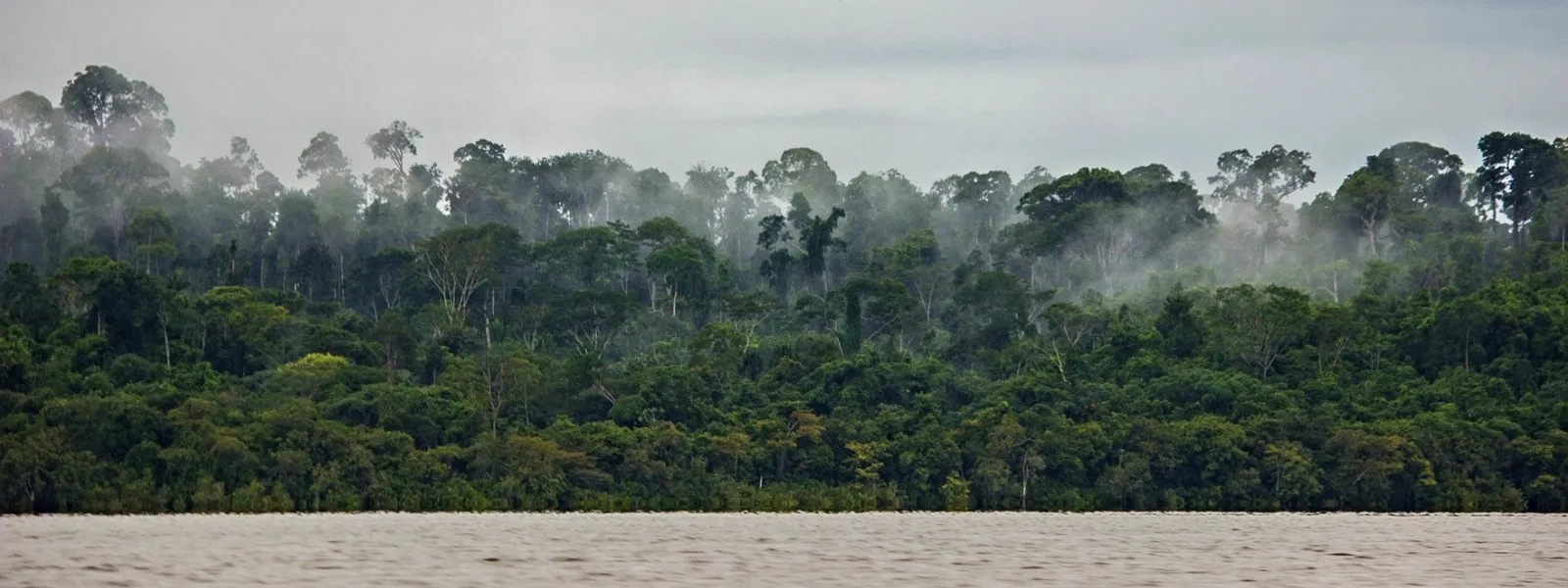
The Belo Monte Dam has caused an environmental and social disaster in the heart of the Amazon—one of the most important ecosystems on the planet.
This situation has only worsened since the hydroelectric plant began operations in 2016. The quest for justice and reparations by the affected indigenous, fishing, and riverine communities continues to this day.
In 2011, the Inter-American Commission on Human Rights (IACHR) granted them protective measures that, to date, have not been fully implemented by the Brazilian State.
Furthermore, since June of that same year, the IACHR has yet to rule on a complaint against the State regarding its international responsibility in the case.
The IACHR may refer the case to the Inter-American Court of Human Rights, which has the authority to issue a ruling condemning the Brazilian State.
After 10 years of the hydroelectric plant's operation and more than 15 years of documented human rights violations, it is time for justice to be served for the affected communities.
Read the open letter from the organizations bringing the case before the IACHR
Background
The Belo Monte hydroelectric plant—the fourth largest in the world by installed capacity (11,233 MW)—was built on the Xingu River in Pará, a state in northern Brazil.
It was inaugurated on May 5, 2016, with a single turbine. At that time, 80% of the river’s course was diverted, flooding 516 km² of land—an area larger than the city of Chicago. Of that area, 400 km² was native forest. The dam began operating at full capacity in November 2019.
Belo Monte was built and is operated by the Norte Energia S.A. consortium, which is composed primarily of state-owned companies. It was financed by the Brazilian Development Bank (BNDES), which provided the consortium with 25.4 billion reais (approximately US$10.16 billion), the largest investment in the bank’s history. Therefore, the BNDES is also legally responsible for the socio-environmental impacts associated with the hydroelectric plant.
Decades of harm to the environment and people
Human rights violations and degradation of the Amazon have been occurring since the project’s inception. In March 2011, Norte Energía began construction of the dam without adequate consultation and without the prior, free, and informed consent of the affected communities.
The construction caused the forced displacement of more than 40,000 people, severing social and cultural ties. The resettlement plan in Altamira—a city directly affected by the hydroelectric dam—involved housing units located on the outskirts, lacking adequate public services and decent living conditions for the relocated families, with no special provisions for those from indigenous communities.
Belo Monte's operations have caused a permanent, man-made drought in the Volta Grande (or "Great Bend") of the Xingu River, exacerbated by the historic droughts in the Amazon in 2023 and 2024. As a result, the deaths of millions of fish eggs were documented for four consecutive years (from 2021 to 2024), and for the past three years, there has been no upstream migration of fish to spawn and reproduce. Thus, artisanal fishing, the main source of protein for indigenous peoples and riverside communities, was severely affected: fish dropped from 50% to 30% of total protein consumed, replaced by processed foods. In summary, there was an environmental and humanitarian collapse that resulted in the breakdown of fishing as a traditional way of life, food insecurity, and access to drinking water for thousands of families, impoverishment, and disease.
Furthermore, the construction of the dam increased deforestation and intensified illegal logging and insecurity on indigenous and tribal lands, putting the survival of these communities at risk. Another consequence was the deepening of poverty and social conflicts, as well as the strain on health, education, and public safety systems in Altamira—a city ranked as the most violent in the country in 2017, where human trafficking and sexual violence increased. Violence was also reported against human rights defenders involved in the case.
In 2025, during the 30th UN Climate Change Conference (COP30), held in Brazil, the Federal Public Prosecutor’s Office labeled the damage caused by the Belo Monte dam as ecocide.
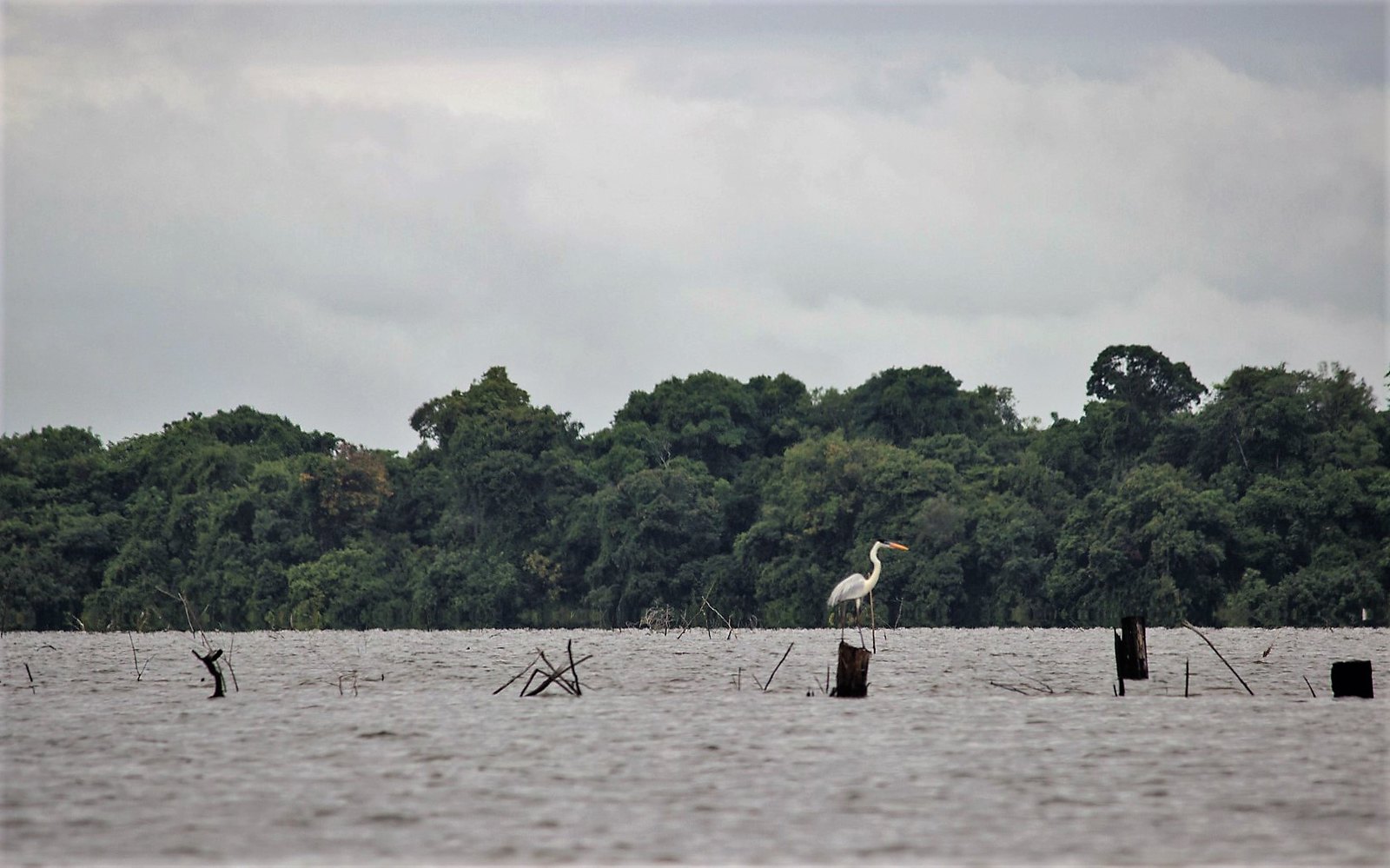
Photo: Amazon Watch / Maíra Irigaray.
The search for justice and reparations
Over the years, the Federal Public Prosecutor’s Office in Pará, the Public Defender’s Office, and civil society organizations have filed dozens of legal actions in Brazilian courts to challenge the project’s various irregularities and its impacts. Most of the claims are still pending resolution, some for more than 10 years.
These efforts have failed because the national government has repeatedly overturned rulings in favor of the affected communities by invoking a mechanism that allowed a court president to suspend a judicial decision based solely on generic arguments such as "the national interest" or "economic order."
In the absence of effective responses at the national level, AIDA, together with a coalition of partner organizations, brought the case before the Inter-American Commission on Human Rights (IACHR) and, in 2010, requested precautionary measures to protect the lives, safety, and health of the affected indigenous communities.
On April 1, 2011, the IACHR granted these measures and requested that the Brazilian government suspend environmental permits and any construction work until the conditions related to prior consultation and the protection of the health and safety of the communities are met.
And on June 16, 2011 —together with the Xingu Vivo Para Sempre Movement, the Coordinating Committee of Indigenous Organizations of the Brazilian Amazon, the Diocese of Altamira, the Indigenous Missionary Council, the Pará Society for the Defense of Human Rights and Global Justice— we filed a formal complaint against the Brazilian State for its international responsibility in the violation of the human rights of the people affected in the case. The case was opened for processing in December 2015.
On August 3, 2011, the IACHR amended the precautionary measures to request, instead of the suspension of permits and construction, the protection of people living in voluntary isolation, the health of indigenous communities, and the regularization and protection of ancestral lands.
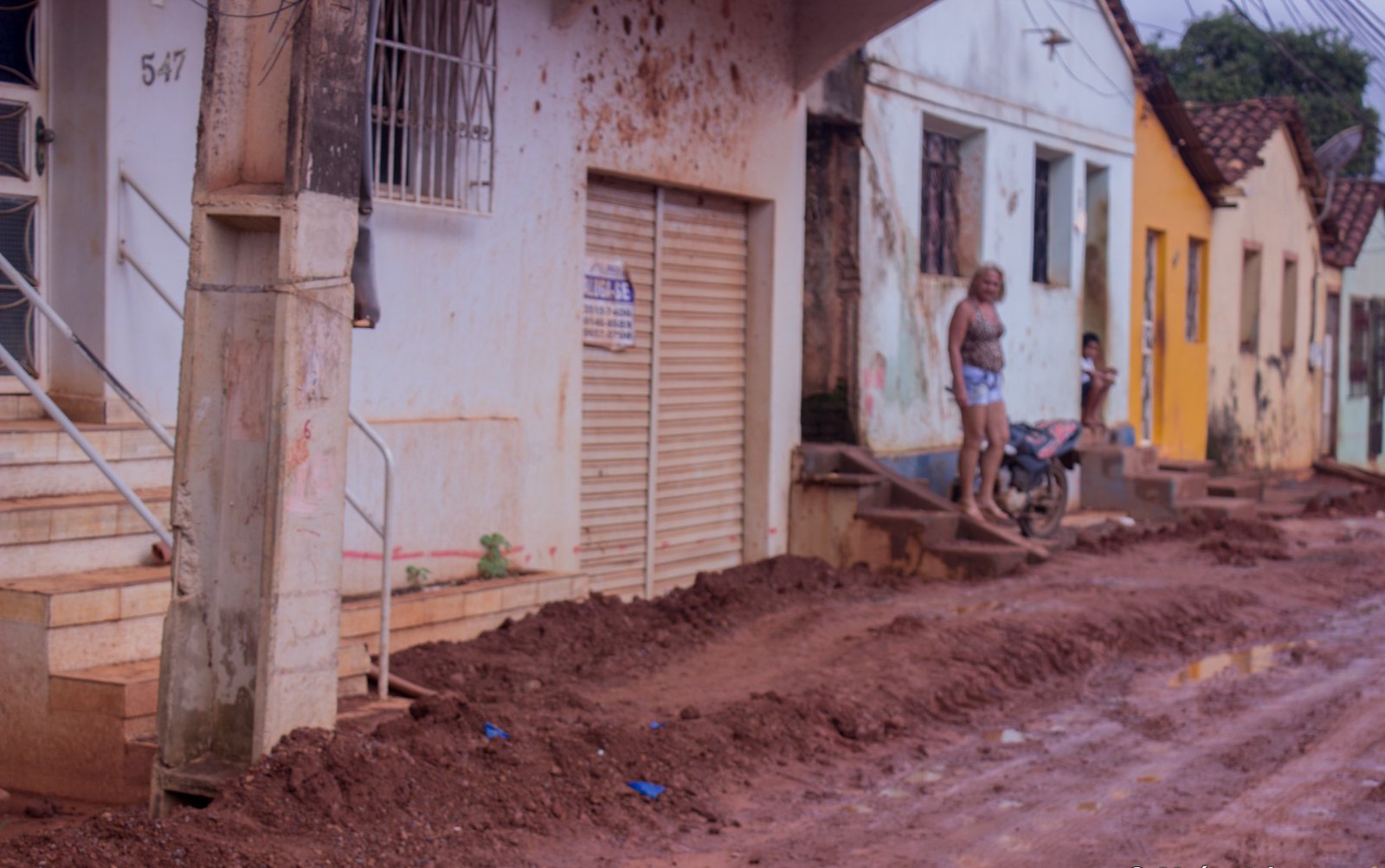
Photo: Amazon Watch / Maíra Irigaray.
Current situation
The protective measures granted by the IACHR remain in effect, but the Brazilian government has not fully complied with them, reporting only on general actions. The communities have documented the ongoing violations of their rights. The situation that prompted the request for these measures—the risk to the lives, physical integrity, and ways of life of the communities—persists and has worsened with the hydroelectric plant operating at full capacity and the recent extreme droughts in the Amazon.
In addition to the impacts of Belo Monte, there is a risk of further social and environmental impacts from the implementation of another mining megaproject in the Volta Grande do Xingu. There, the Canadian company Belo Sun plans to build Brazil’s largest open-pit gold mine.
The combined and cumulative impacts of the dam and the mine were not assessed. The government excluded Indigenous peoples, riverine and peasant communities from the project’s environmental permitting process. Despite protests by Indigenous communities and other irregularities surrounding the project, the government of Pará formally authorized the mine in April 2026.
Like other hydroelectric dams, Belo Monte exacerbates the climate emergency by generating greenhouse gas emissions in its reservoir. And it is inefficient amid the longer, more intense droughts caused by the crisis, as it loses its ability to generate power.
The case before the Inter-American Commission
In October 2017, the IACHR announced that it would rule jointly on the admissibility (whether the case meets the requirements for admission) and the merits (whether a human rights violation actually occurred) of the international complaint against the Brazilian State.
Fifteen years after the complaint was filed, the affected communities and the organizations representing them are still awaiting this decision. If the IACHR concludes that human rights violations occurred and issues recommendations that the Brazilian State fails to comply with, it may refer the case to the Inter-American Court of Human Rights, whose rulings are binding.
A potential ruling by the international court in this case would set a regional legal precedent regarding the rights of indigenous and riverine peoples, public participation in megaprojects, and state responsibility in the context of the climate crisis—a precedent that is particularly relevant in light of the Court’s Advisory Opinion No. 32, which reaffirmed the obligations of States to protect the people and communities of the continent from the climate emergency.
Partners:
Related projects

Why defend the environment?
By Tania Paz, general assistant, AIDA,@TaniaNinoshka “The earth will be as the men are.” (Nahuatl proverb) “They murdered a friend of the collective in Amatlán,” read the text message I received on the afternoon of August 2. They had killed Noé Vázquez Ortiz, an artisan, farmer and member of the Defensa Verde Naturaleza para Siempre (Green Nature Forever Defense) collective, a group of citizens from Amatlán de los Reyes, a municipality in Veracruz, Mexico. Since 2011, the collective has been fighting against the construction of the El Naranjal hydropower dam, a project that will disrupt rivers and affect the livelihoods of some 30,000 people in five neighboring municipalities. Noé was killed while gathering flowers and seeds for the opening celebration of the 10th anniversary of the Mexican Movement Against Dams and in Defense of Rivers (MAPDER). I never met Noé and I’ve never visited Amatlán de los Reyes. But for the past three years I have been following the struggle of the Amatlán people to protect their land. The tragedy prompted me to ask myself: Why should we defend the environment, and what motivates people to risk their lives for it? There are important reasons why it’s essential for us to defend the environment, which I am sharing here. While this is not an exhaustive list, I think it does help at least to explain key motivations. The right to a healthy environment The right to live in a healthy environment was established in the 1972 Stockholm Declaration and reaffirmed in the Rio Declaration of 1992. This right encompasses others such as the right to life, the right to food and food security, access to drinking water and sanitation through the protection of water sources, forests and wildlife. Environmentalists are more than anything defenders of human rights, as AIDA attorney María José Veramendi has said. The defense of our identity as communities Natural resources have played an important role in the development of civilizations throughout human history. This is manifest in the construction of community culture and identity. The legends, stories, traditions and characteristics of the Mesoamerican communities, for example, are intrinsically linked to the gifts of nature. During Easter in Nicaragua, children re-enact the crucifixion of Jesus Christ in an aquatic Via Crucis (in Spanish) (Stations of the Cross) on Lake Nicaragua, the largest freshwater source in the country, while the river system is an important aspect of the famous Mexican legend of “The Weeping Woman.” In the Rarámuri territory of Mexico, “corn provides the backbone of the indigenous Sierra Tarahumara culture as it does for all ethnic groups in the country. Any changes involved in the production, consumption and distribution of the grain signifies a transformation in the social, cultural and biological persity of these ethnic groups,” says Horacio Almanza Alcade (2004, in Spanish). What will happen to our cultural wealth and identy when natural resources are depleted? Will we lose our identities as communities? These questions are worth asking. The continuity of the human species For me, defending the environment is a way to preserve the human species with a high standard of living and quality of life. In a well-known letter from 1854, Chief Seattle of the Suwamish tribe wrote in reply to an offer by US President Franklin Pierce to buy the country’s northwest territories the following: “Whatever befalls the earth, befalls the sons of the earth. If men spit upon the ground, they spit upon themselves.” Today, the harm we are inflicting on the environment comes at a great cost. According to the most recent estimates (2013) of the World Health Organization (WHO), more than two million people die each year from inhaling small particulate contaminants in the air both indoors and outdoors. Malaria kills over one million children under the age of five every year, mostly in Africa. The spread of the disease is worsened by poor water storage and handling, inadequate housing, deforestation and the loss of biopersity. Defending the environment is no easy task. At every level, whether in communities, national or international organizations, civil associations or NGOs like AIDA, tackling the problem requires many hours of work and study at the sacrifice of time away from family and friends. In many cases, environmental defense means risking lives for the sake of others, for the sake of society. Protection is needed. It is the obligation of governments and authorities at home and around the world to provide this necessary protection and support to the defenders of the environment.
Read moreProtecting the Colombian páramos: It’s more than just rules
By Carlos Lozano, legal advisor, AIDA,@CLozanoAcosta The consensus in Colombia is that páramo ecosystems are important and must be protected. These high-altitude wetlands are a source of clean water for over two million people. They play a key role in combating climate change, and they host a wealth of strategic biopersity. Half of the world’s páramos are found in Colombia, where they provide the country with 70% of its potable water [1]. Colombia’s print media, for the most part, has shown support for protecting the páramos, backed by a critical mass of congruent public opinion. Progress has been made to conserve the páramos with new regulations and public policies, but challenges remain. Hampering the conservation efforts are the poor implementation of regulations, local community protests, persuasive mining interests and, most recently, a national agrarian strike [2]. National laws incorporate provisions to protect the páramos, including a prohibition of mining activities, among other things. Unfortunately, Colombia’s Constitutional Court recently ruled against reforms to the Mining Code (Law 1382 of 2010) that included a provision expressly forbidding mining in the páramos. Despite this setback, there is a series of domestic rules that, when interpreted as a whole, retain the prohibition on mining. Other legal safeguards exist in the country’s judicial system. The Colombian Constitution, for example, makes general references to environmental protection in articles 8, 58, 79, 80, 333 and 334. The law for the National Environment System (Law 99 of 1993) states that páramo areas are subject to special protection and that human consumption of páramo water is prevalent. The Constitutional Court also has said that the zones banned from mining in the country are not limited to national parks (case C-339 of 2002), and the National Development Plan (Law 1450 of 2011) stipulates that páramo ecosystems cannot be used for further agricultural activities, the exploration or exploitation of oil and minerals or for the construction of oil refineries. What is more, Colombia is obliged to protect the páramo through binding international laws including conventions on biological persity, wetlands of international importance (Ramsar) and climate change. All of these make strong arguments for the protection of the páramos. In spite of the clear legal framework in place to protect the páramos, a nationwide debate is underway as to what defines the páramos and where its official boundaries lie. The discussion was settled with a scientific territorial demarcation drawn up by the Humboldt Institute, initially mapped at a scale of 1:100,000 and then with some areas at a scale of 1:25,000 in accordance with the National Development Plan. The cartography is a serious and rigorous work, so much so that it won an award of excellence from Colombia’s Alejandro Ángel Escobar Foundation for its significant and meaningful contribution to science. The National Development Plan law states that the delimitation should be adopted as part of a legal administrative act so that it becomes a mandatory standard. There are no legal arguments preventing the proper demarcation from being adopted as soon as possible. It’s likely that a strict demarcation of the páramos would have social and economic impacts on the local community. But these do not outweigh the potential harm that could result as a consequence of allowing high-impact activities like mining in the páramos. A particular harm would be the disruption of clean water supplies. Moreover, a weaker demarcation that allows the continuation of local economic activities (including mining and agriculture) not only harms the environment but also fails to recognize the importance of these pristine ecosystems. The course of action we recommend for Colombia is: i) To adopt the demarcation of the Humboldt Institute mapped at as detailed a scale as possible, according to the National Development Plan law; ii) To work with local communities, making a gradual and concerted effort to properly implement and enforce the requirements of the demarcation, including the cessationof industrial activities and iii) Employ mechanisms to compensate for the demarcation’s impacts, including effective economic and industrial restructuring where necessary. [1] ALEXANDER VON HUMBOLDT BIOLOGICAL RESOURCES RESEARCH INSTITUTE. Andean Páramo Project: The Great Book of the Páramo, page 61. [2] Since August, some sectors of the Colombian farming community have mobilized in protest against the impact of free trade agreements on local food production: http://www.bbc.co.uk/news/world-latin-america-23829482. The strike has caused a sharp drop in the popularity of President Juan Manuel Santos and with it, his chances for re-election. Some analysts argue that with the current situation governance is weak. That means sectors like mining have a strong incentive to lobby the government to gain concessions. It could also lead to the implementation of an unsatisfactory páramo demarcation.
Read moreIndigenous rights controversies around Belo Monte consume Brazilian judicial system
Dam license could be suspended due to violations of social and environmental conditions. Altamira, Brazil. Recent lawsuits by Brazil’s Federal Public Prosecutors (MPF) concerning the Belo Monte dam are demanding accountability from the dam-building Norte Energia consortium, Brazil’s National Development Bank (BNDES), and the state environmental agency IBAMA for noncompliance with mandated mitigation measures concerning the Juruna and Xikrin Kayapó, two indigenous groups affected by the mega-project. The lawsuits demonstrate that conditions placed upon the dam’s environmental licensing have not been met and call for compensation for socio-environmental impacts of the dam, currently under construction on the Xingu River in the Brazilian Amazon. The MPF filed a lawsuit in late August showing that Norte Energia was deliberately reneging its obligation to purchase land and provide health services for the Juruna indigenous community Km 17, one of the most vulnerable to the impacts of Belo Monte’s construction due to its proximity to the constant movement of heavy machinery and workers. This lawsuit led the national indigenous foundation FUNAI to issue a complaint to IBAMA, demanding that Norte Energia be held accountable for noncompliance with this formal condition of the environmental licenses for Belo Monte. The Federal Court of Pará State responded this week by giving Norte Energia 60 days to purchase the Juruna land and deliver health care or face daily fines of R$200,000 (US$87,000). “The situation here has only gotten worse,” said Sheyla Juruna, a member of the Km 17 community known for her local and international activism in defense of her community’s rights. “Belo Monte created the illusion that people would get everything they didn’t have. That’s when the problems began. Support from FUNAI never came and our health conditions are precarious. Civil society thinks that the indigenous have rights, yet our rights are being violated every day.” Following the ruling in favor of the Juruna community the MPF filed another lawsuit targeting the neglect of BNDES, IBAMA, and Norte Energia stemming from the absence of prior analysis of impacts and associated compensation measures for Xikrin Kayapó communities that are also threatened by Belo Monte. The lawsuit charges that these three institutions violated the rights of the Xikrin Kayapó when they allowed construction to commence on the project without measuring the impacts it would cause to the indigenous group, whose villages are based on the Bacajá River, a tributary to the Xingu directly adjacent to the dam’s most serious impacts. The MPF has asked the Judiciary to suspend Belo Monte’s installation license, paralyzing the project until Norte Energia can present findings on the project’s impacts and its corresponding compensations for indigenous communities. The lawsuit is unprecedented in its scope as it could force the consortium and BNDES, financier of 80% of the dam’s costs, to indemnify affected indigenous groups of the Xingu for the delay in measuring and mitigating its socio-environmental repercussions. “We truly have reason to celebrate seeing BNDES is finally being charged as a responsible party in Belo Monte’s disastrous impacts,” said Maíra Irigaray Castro of Amazon Watch. “It is time for financiers to pay for the criminal negligence exemplified by noncompliance with conditionalities, which they should also be monitoring for all projects that they finance.” Norte Energia’s failure to comply with Belo Monte’s legally mandated conditions is not new. IBAMA released a report in July confirming that the compliance has worsened as the dam’s construction has sped up. The report shows that only four out of 23 conditions concerning local urban populations have been met. “Last week we had a meeting with representatives of the government and local people and their discontent is clear,” said Antonia Melo, coordinator of the Xingu Alive Forever Movement. “There is no fresh water, no electricity, no health care, no schools and no sanitation. We cannot accept that the conditions, that are fundamental rights guaranteed by our constitution, be undermined in this way. IBAMA must suspend construction, as defined by law, until these conditions are met.” “These legal actions add to the existing evidence of the severe impacts that the Belo Monte dam is having on human rights and the environment in the Xingu, and of the responsibility of all Brazilian agencies involved in the project,” said María José Veramendi of AIDA. “We look forward to a positive result of these legal actions and that Brazil will effectively comply with applicable national and international laws, as all agencies involved can be legally responsible and the State can be internationally responsible for these human rights violations” pointed out Veramendi. Per FUNAI’s request, as well as the lawsuits brought by the Public Prosecutors, both IBAMA and the Federal Judges could suspend the dam’s installation license until all the requirements and conditions are met. “The characterization of Amazonian dams as clean and cheap energy is based on the ability of project proponents, including BNDES, to “externalize” their true social and environmental risks and impacts. These lawsuits are significant in that they’re sending a signal that they are indeed being held accountable for their decisions and the damage that they cause to the environment and indigenous peoples,” said Brent Millikan, Amazon Program Director at International Rivers.
Read more